Supplier:Jinghan
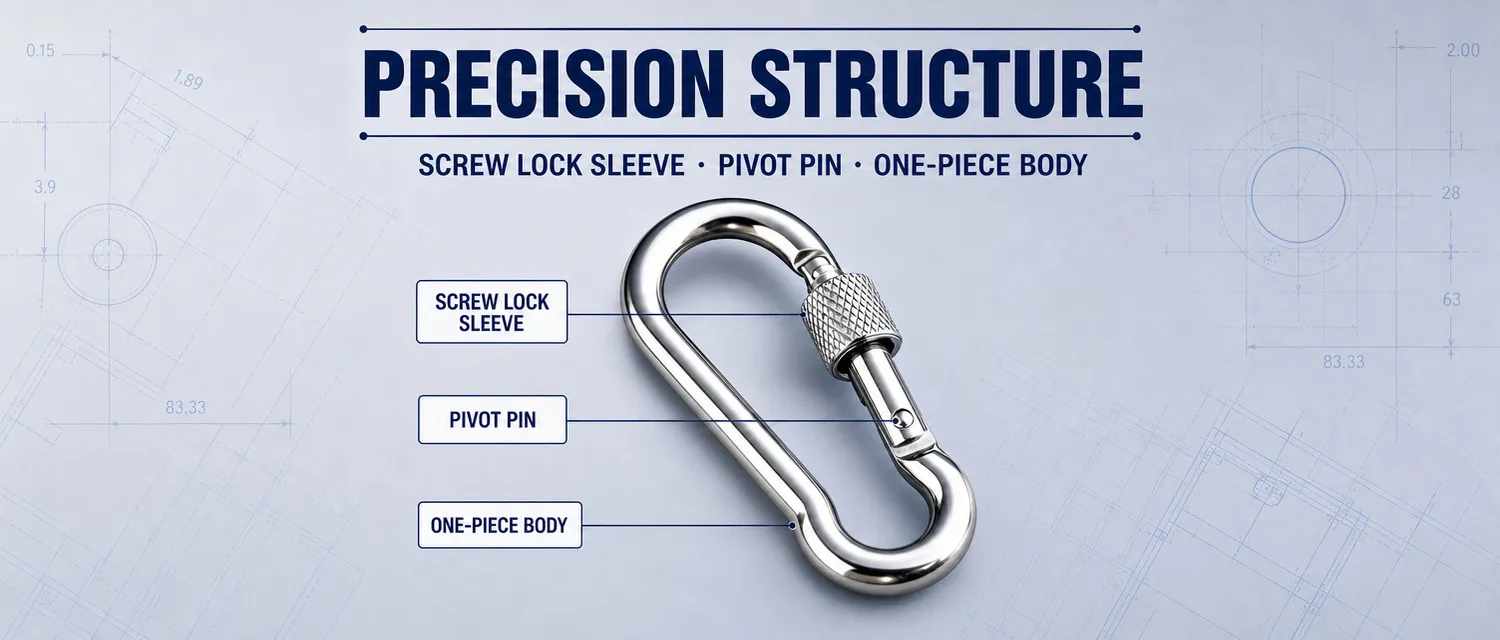
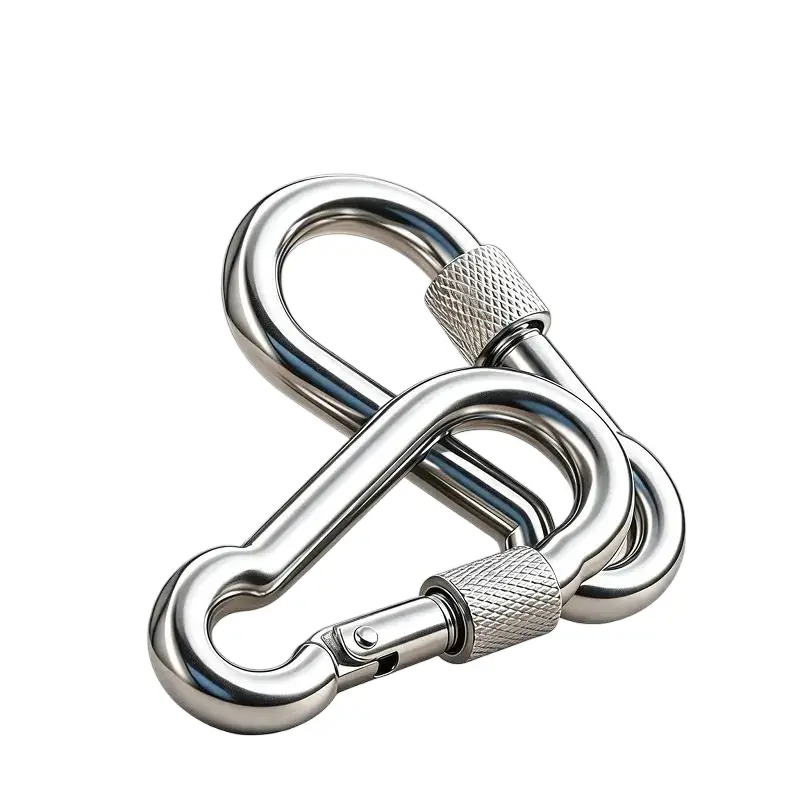
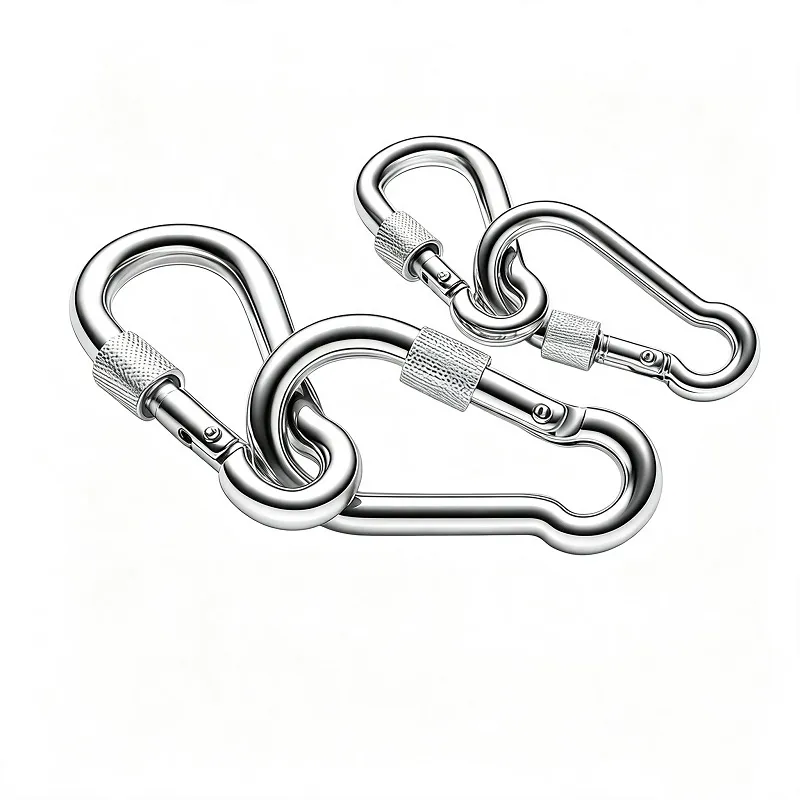
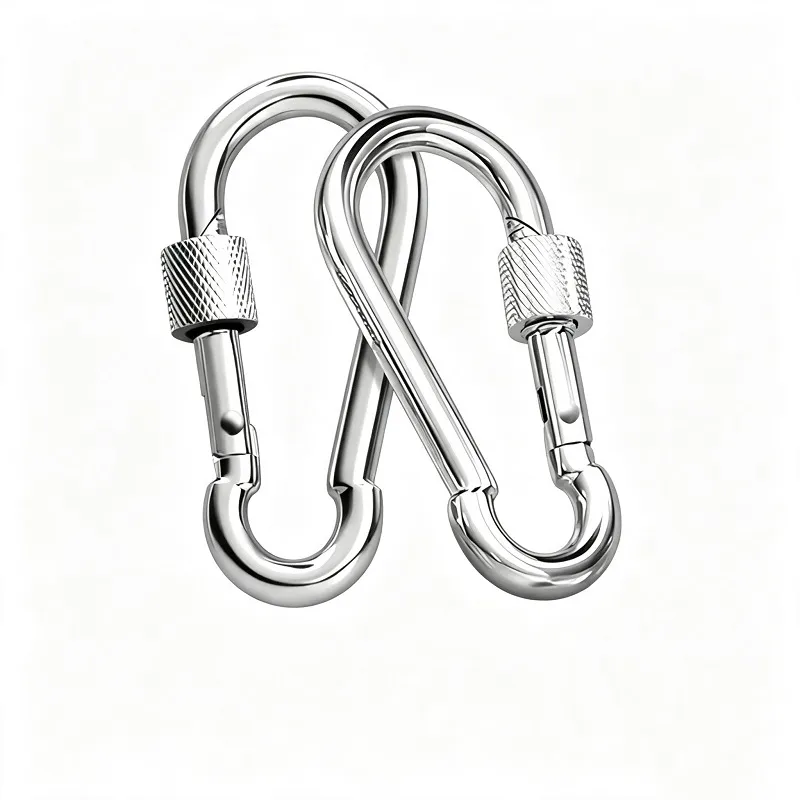
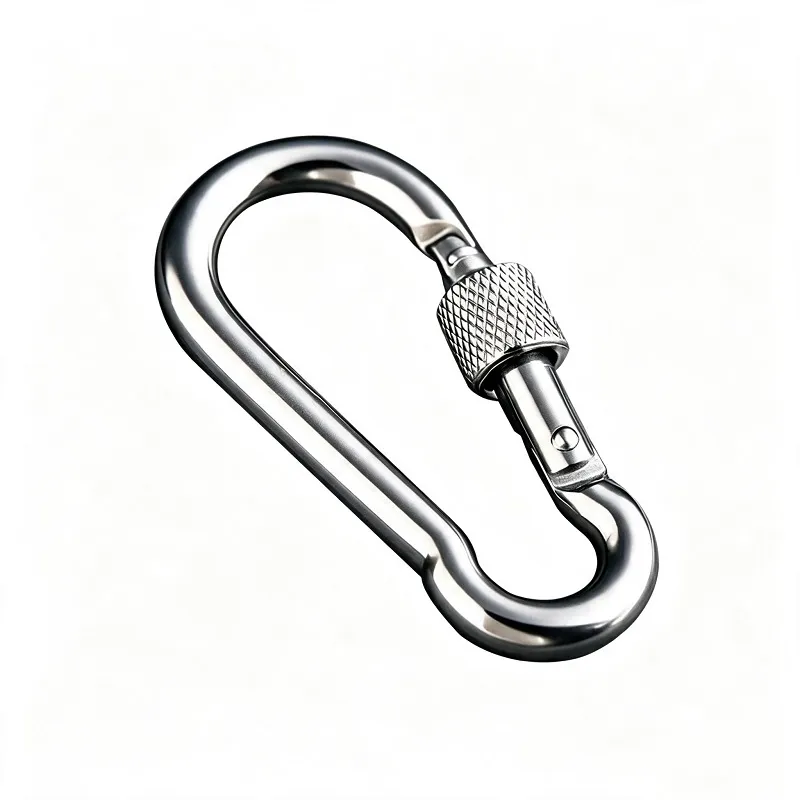
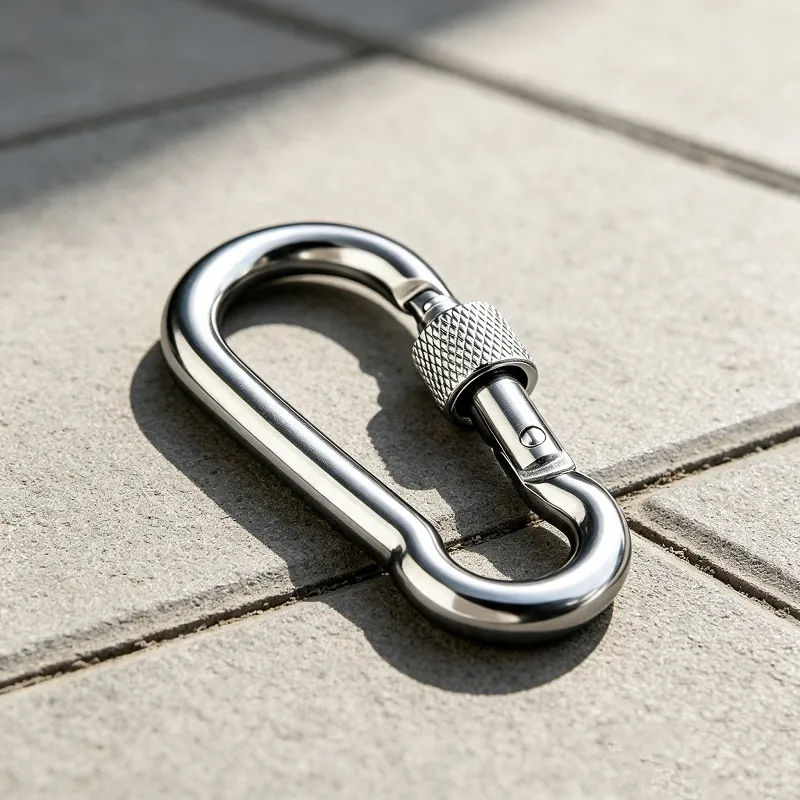
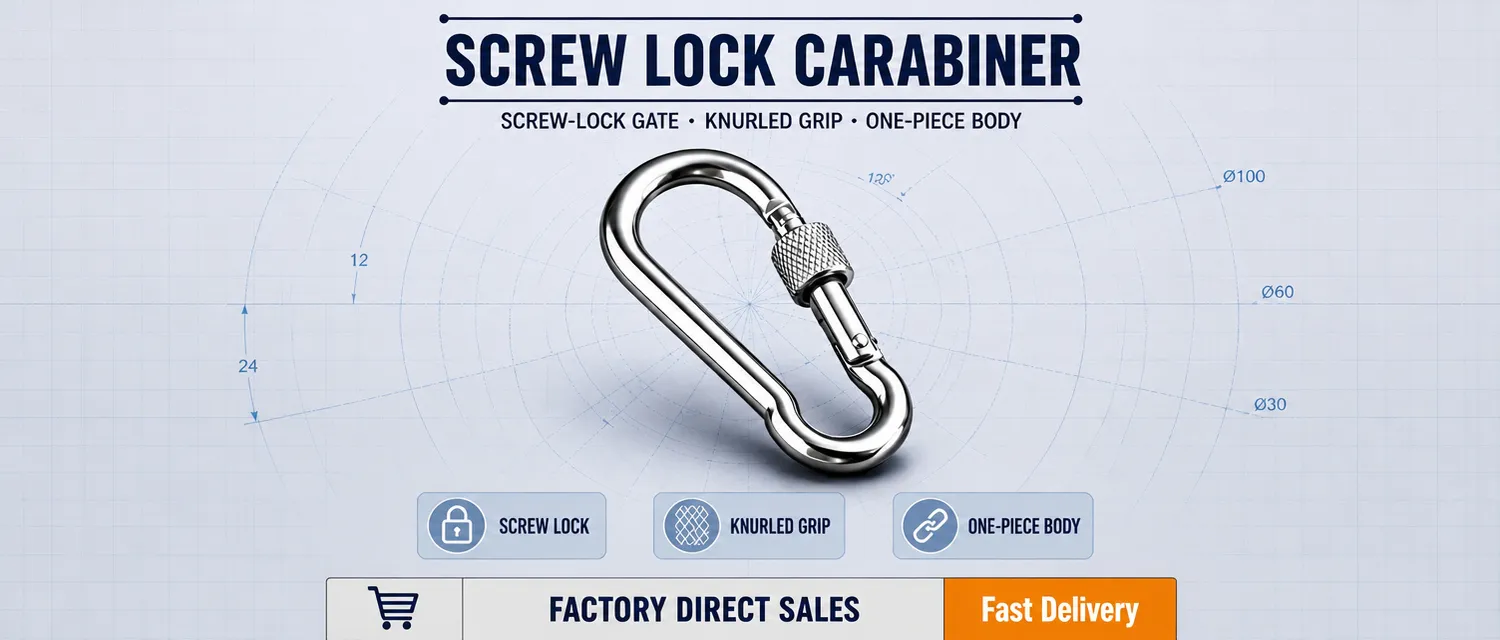
One-piece forged spring hook with locking nut, dual-security against vibration, quick connect/disconnect, stainless steel, for demanding rigging and lifting.
Supplier:Jinghan
One-piece forged spring hook with locking nut, dual-security against vibration, quick connect/disconnect, stainless steel, for demanding rigging and lifting.
The Spring Snap Hook With Lock Nut is an integrally forged rigging connector built for industrial lifting, marine offshore, and high-vibration outdoor environments where a single-latch snap hook carries unacceptable safety risk. Manufactured from high-strength carbon steel, stainless steel Grade 304, or stainless steel Grade 316, this hook pairs a built-in tension spring with an external knurled locking nut for dual-protection fastening. Supplier: Jinghan. The hook body undergoes heat treatment to improve tensile strength, and the inner hook opening is arc-polished to protect wire rope and webbing slings from abrasion.
Many procurement managers have seen this scenario: ordinary spring snap hooks without a secondary nut are deployed near vibrating machinery, and within weeks spring gates are found partially open or a lifting sling has disengaged under load. This is a predictable consequence of relying on a single-latch mechanism under continuous vibration, wave shock, or mechanical impact. The spring gate can be pried open by incidental contact with cables or adjacent rigging — and one such event is enough to cause a dropped load or serious safety incident.
Standard threaded shackles require a wrench on every assembly cycle, creating a productivity bottleneck in fast-paced lifting operations. Budget hooks formed from thin stamped sheet metal risk deformation or cracking under shock loading, especially in cold or corrosive marine environments. These failure modes are well-documented in field service reviews of rigging hardware in offshore and construction environments.
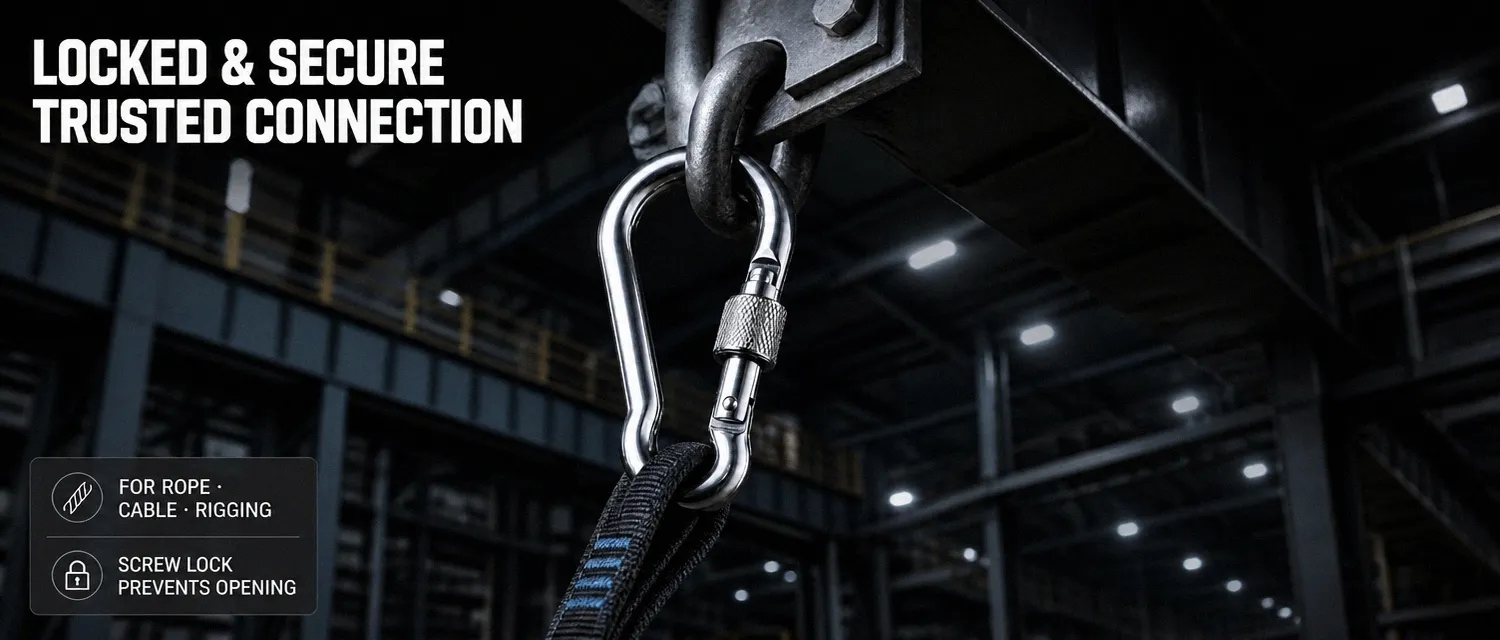
The built-in tension spring handles primary automatic gate closure. After closing, a single finger rotation of the external knurled nut creates a secondary mechanical barrier that prevents the gate from opening under vibration or incidental contact. Think of it as a door latch combined with a deadbolt: the latch engages automatically, while the nut provides the positive mechanical lock that no vibration can bypass. The entire locking sequence is tool-free — the knurled nut is designed for hand-tightening and will not self-loosen under shaking environments once secured. No torque wrench or other hand tools are needed on site.
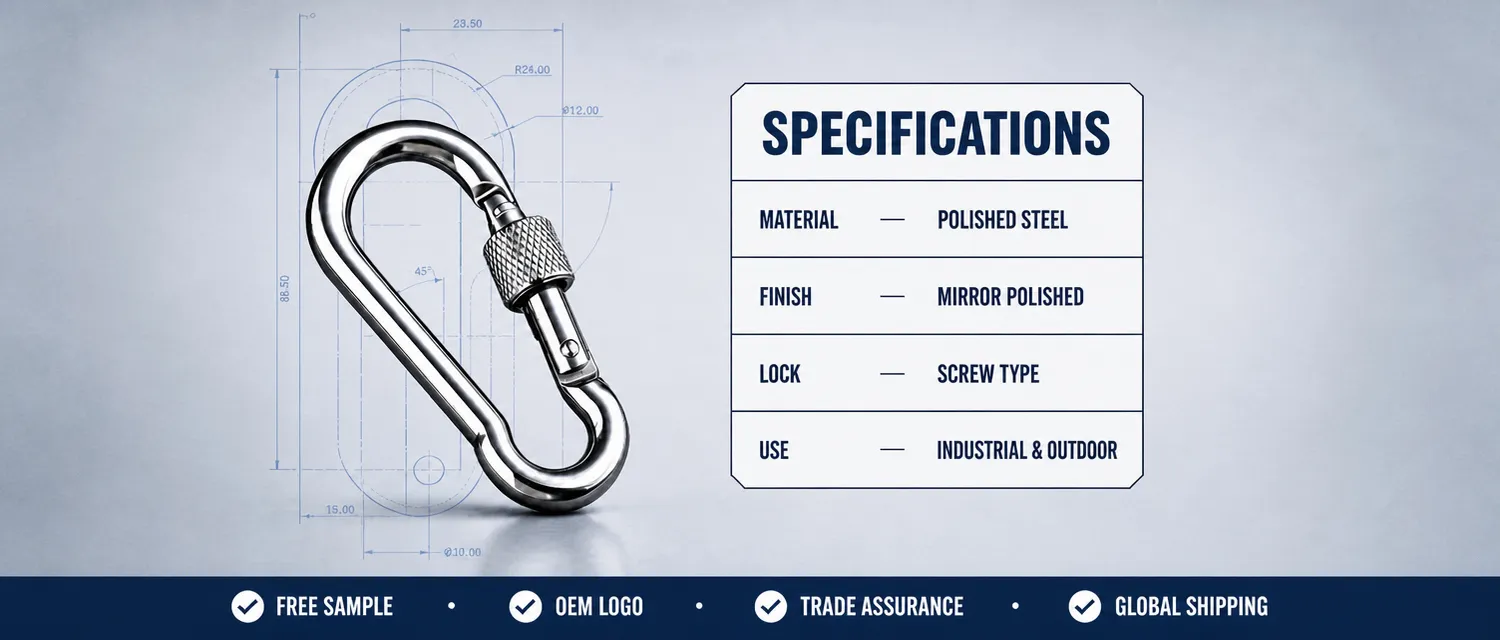
| Parameter | Details |
|---|---|
| Body Material | Carbon steel / SS304 / SS316 |
| Connection Type | Closed end lifting eye |
| Locking Mode | Spring latch + nut mechanical double lock |
| Operation | Press open gate; hand-tighten nut — no torque wrench required |
| Surface Finish | Polished or hot-dip galvanized |
| Environments | Indoor / Outdoor / Coastal salt-fog |
| Compatible Rigging | Wire rope, nylon rope, lifting chain, webbing sling |
| Temperature Range | Low-temperature to medium-temperature interval |
Inside manufacturing facilities, this Spring Snap Hook With Lock Nut connects overhead lifting slings, secures anti-sway guy-wires on equipment pipelines, and provides temporary lifting points on construction machinery. The tool-free locking cycle eliminates the per-lift wrench time of conventional shackles, improving rigging efficiency in high-frequency connection workflows. In most factory lifting applications, the time saved over conventional shackles is measurable within a single shift when operators move between multiple connection points.
Offshore deck equipment, port rigging connections, and vessel fittings are all subject to constant wave-induced vibration that would eventually work open a standard spring gate. The SS316 grade is recommended for high-chloride coastal environments due to its superior pitting corrosion resistance. Deploying SS304 in salt-fog conditions can produce a false sense of security — SS304's chloride resistance drops significantly in seawater proximity, making SS316 the recommended specification for long-term marine service. Rigging procurement managers working on offshore tooling consistently flag this material selection point during equipment audits.
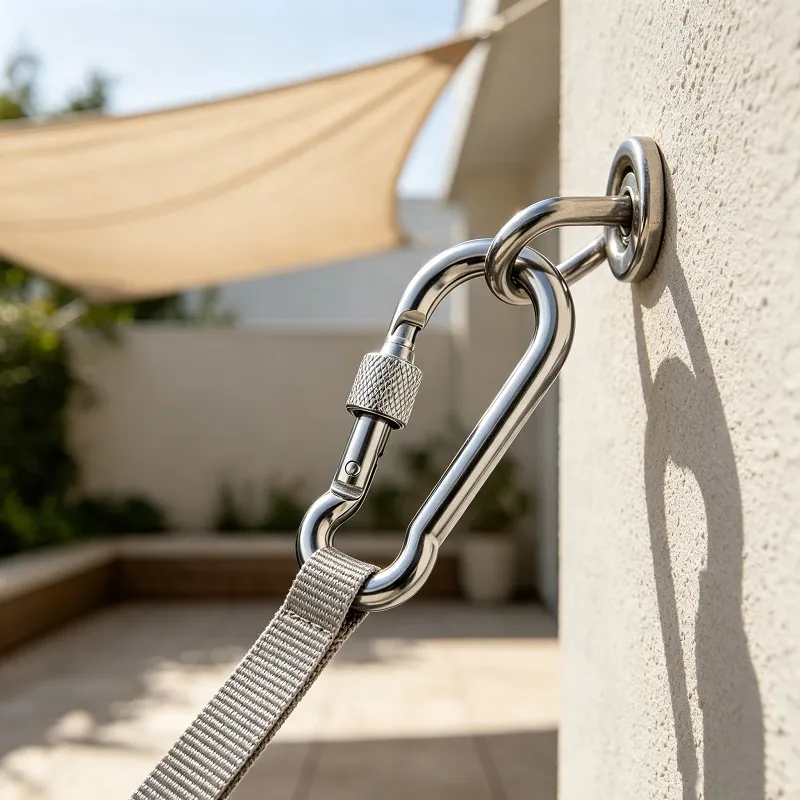
High-altitude protection systems, scaffolding connections, and outdoor stage-truss rigging all require connectors that cannot disengage even under dynamic loading or surface impact. The double-lock design meets this requirement without external locking tools. Civil uses include off-road trailer mounting, sun-shade sail cable connections, and cargo binding protection — wherever quick manual connection and positive anti-disengagement security are both needed simultaneously.
Carbon steel (galvanized) suits indoor and sheltered applications where cost optimization is a priority. SS304 suits general outdoor use without chloride exposure. SS316 is recommended for coastal, marine, and chloride-heavy environments — the price premium for SS316 over SS304 is modest against the full lifecycle cost of early corrosion failure on safety-critical rigging hardware. When evaluating which grade to specify, consider the actual operating environment rather than assuming any stainless steel designation provides blanket corrosion protection in all conditions.
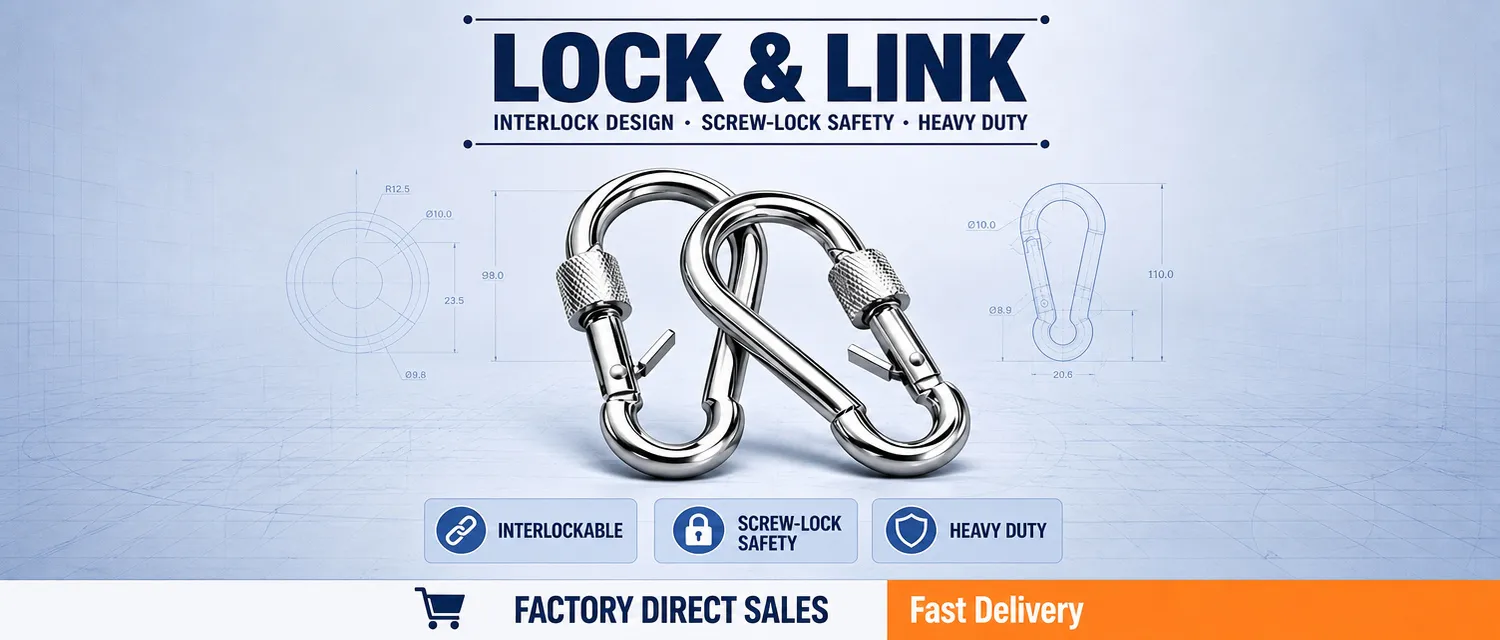
Compared with ordinary open hooks: spring latch plus nut mechanical locking delivers double protection against vibration-induced accidental opening, significantly elevating safety for high-risk rigging scenarios. Compared with standard spring snap hooks without nuts: the nut-locking mechanism eliminates unhooking risk from spring fatigue failure, making it better suited for offshore and high-altitude applications where a fatigued spring alone cannot be relied upon. Compared with threaded shackles: no per-cycle bolt removal is needed, improving on-site efficiency while maintaining equivalent anti-disengagement security across multiple connection cycles.
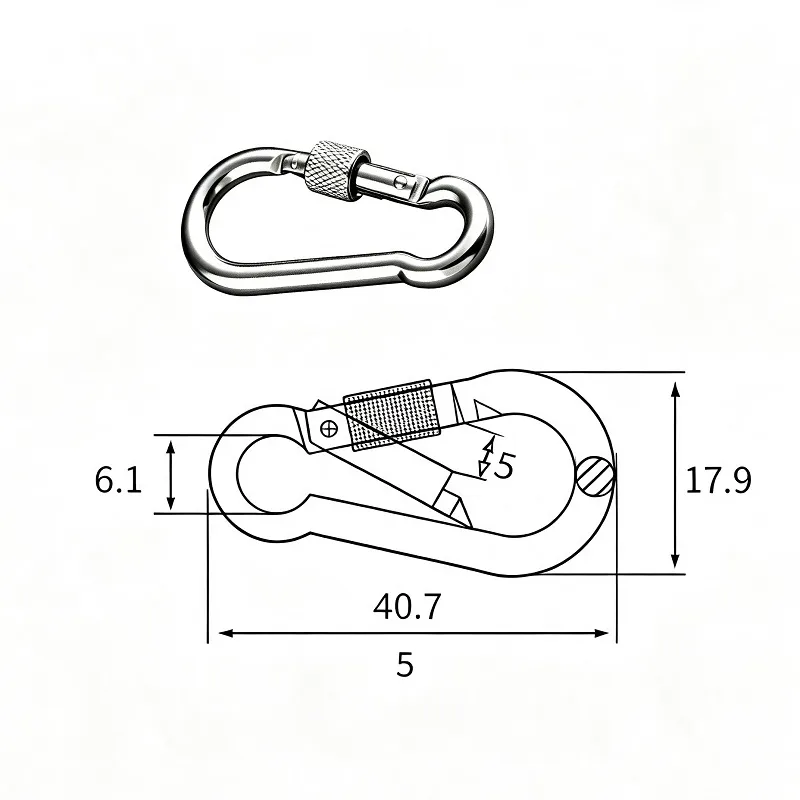
Product drawings, material test reports, and load-parameter sheets are available for engineering evaluation and model selection. Ready stock spans multiple load-rating grades with selectable national or American standard specifications. Rust-proof moisture-resistant packaging is standard for ocean shipment, addressing the in-transit corrosion damage risk common with ferrous hardware on long sea-freight routes. Samples are available before bulk commitment, with favorable pricing for volume engineering orders. Complete specification portfolios align with European and American rigging industry standards, supporting cross-border B2B procurement with reduced interface-matching complexity.