Supplier:Xinghui
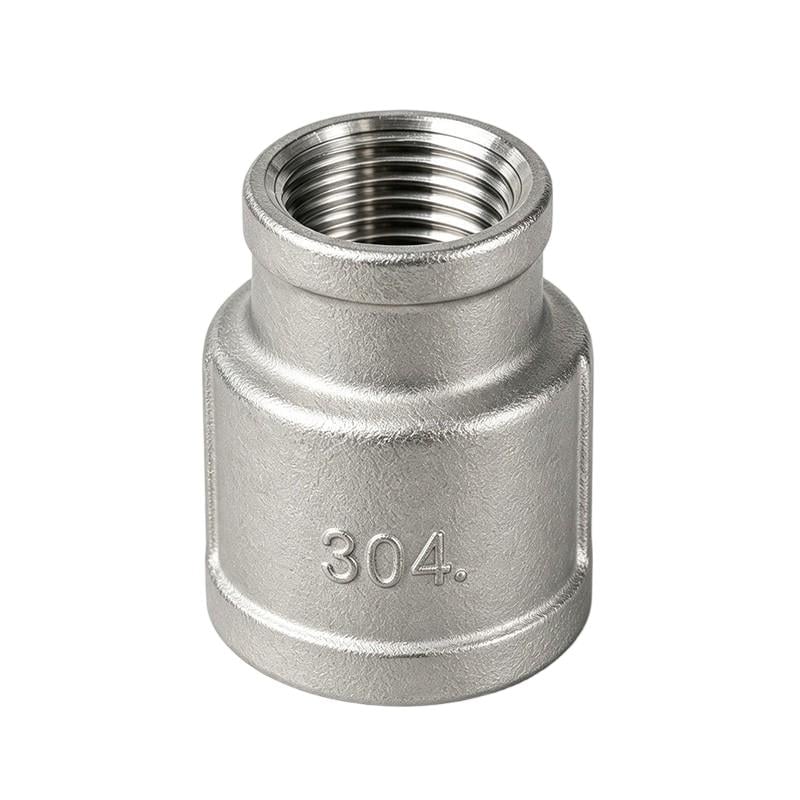
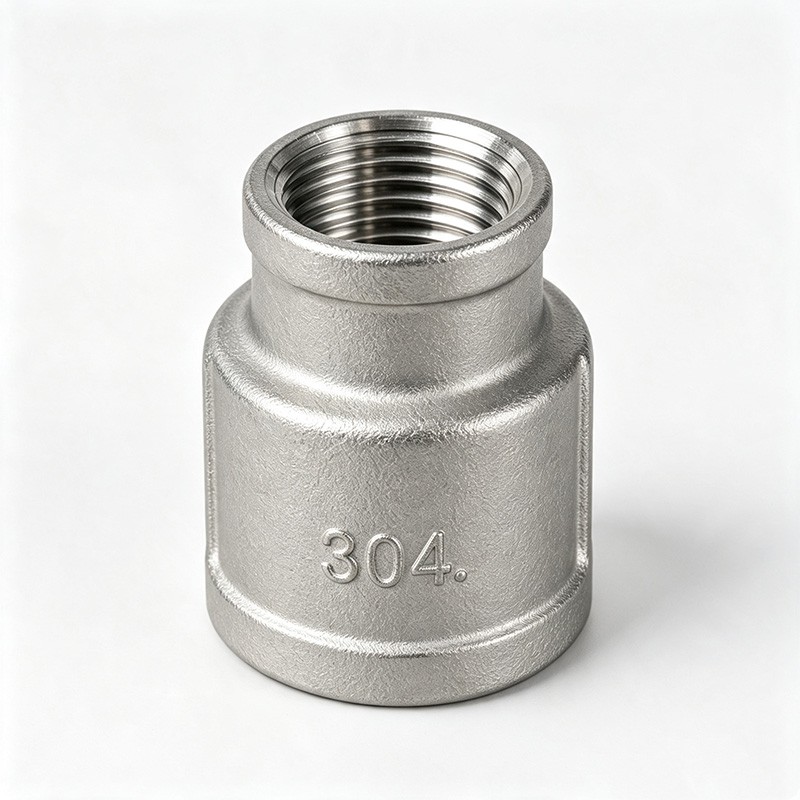
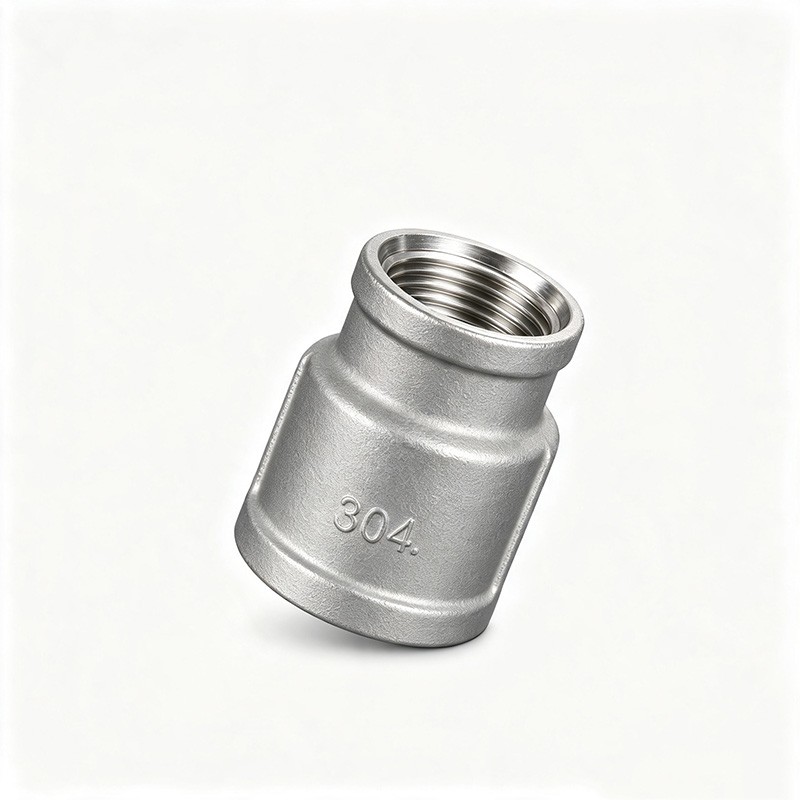
Forged brass reducing bushing with female threads both ends, concentric design, corrosion-resistant, for direct pipe diameter transition.
Supplier:Xinghui
Forged brass reducing bushing with female threads both ends, concentric design, corrosion-resistant, for direct pipe diameter transition.
Ordering the wrong pipe reducer is a common and avoidable problem. Thread standard mismatches, undersized pressure ratings, and poor concentricity can cause leaks or misaligned pipelines that cost far more to fix than the fitting itself. This guide covers what the key specifications of a female-thread concentric reducer actually mean so you can make the right call before placing an order.
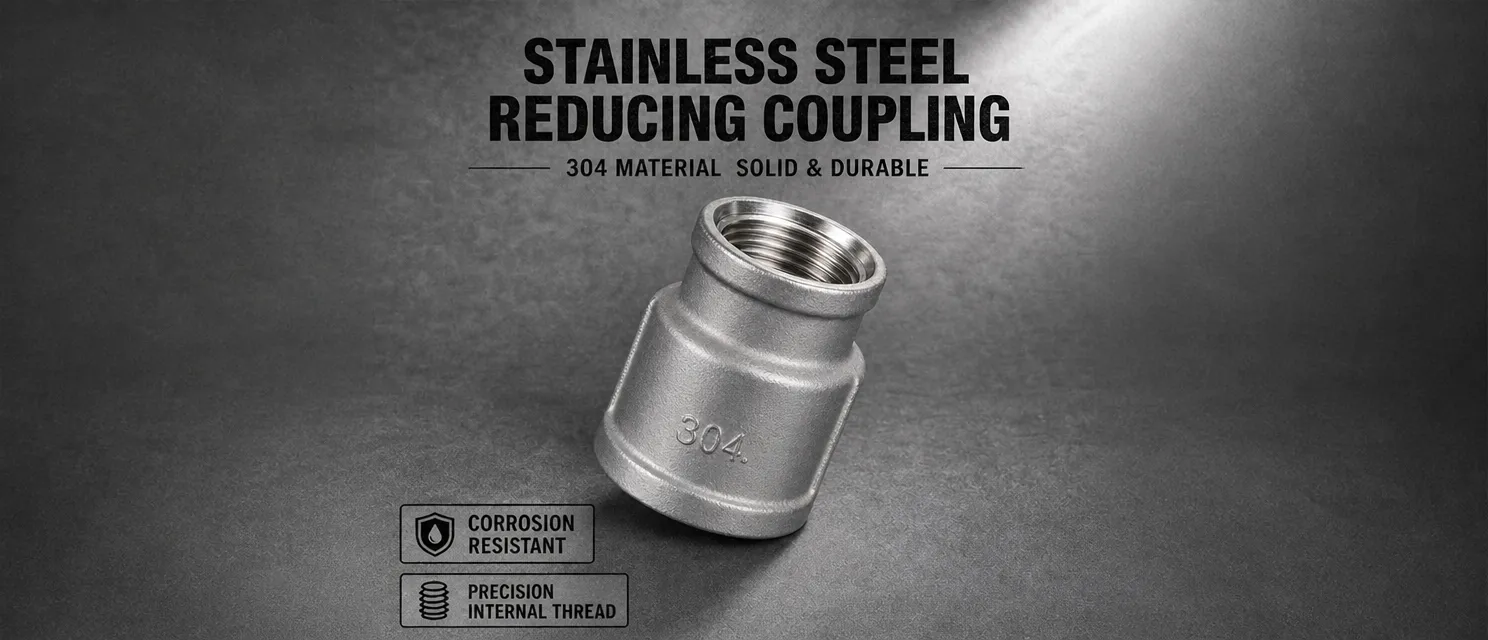
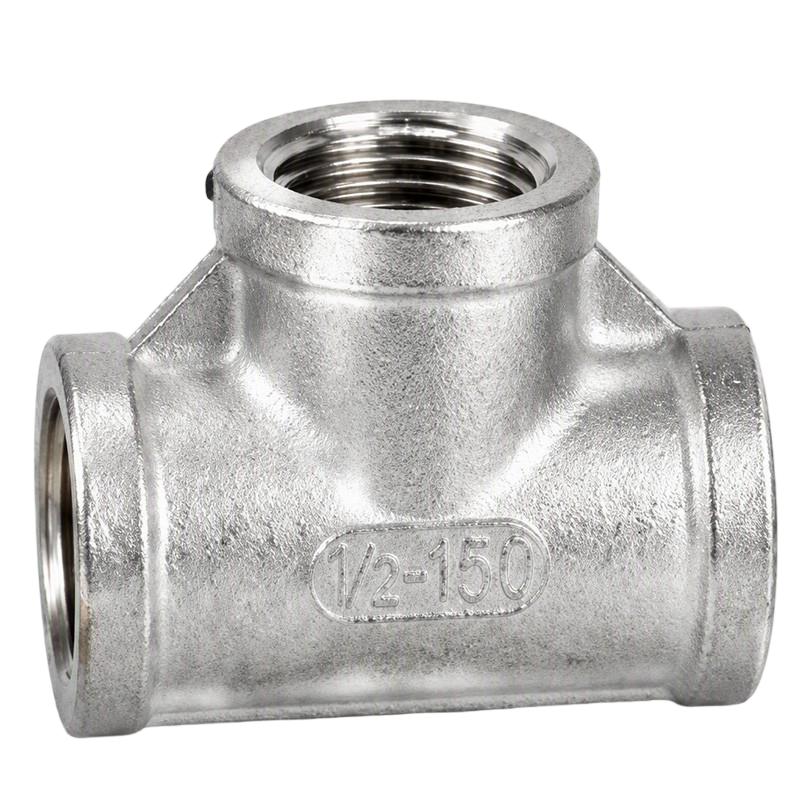
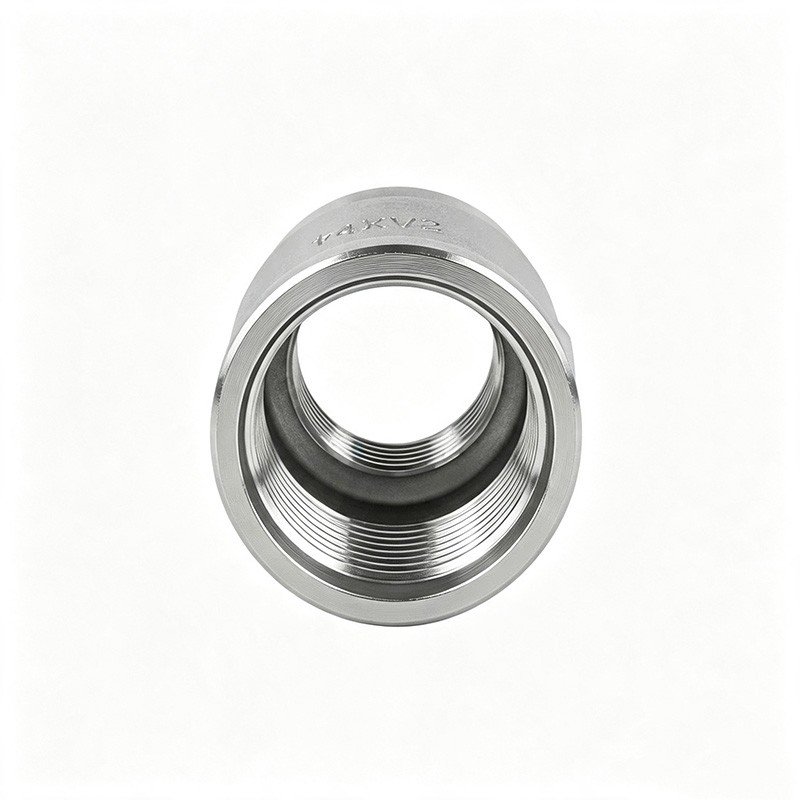
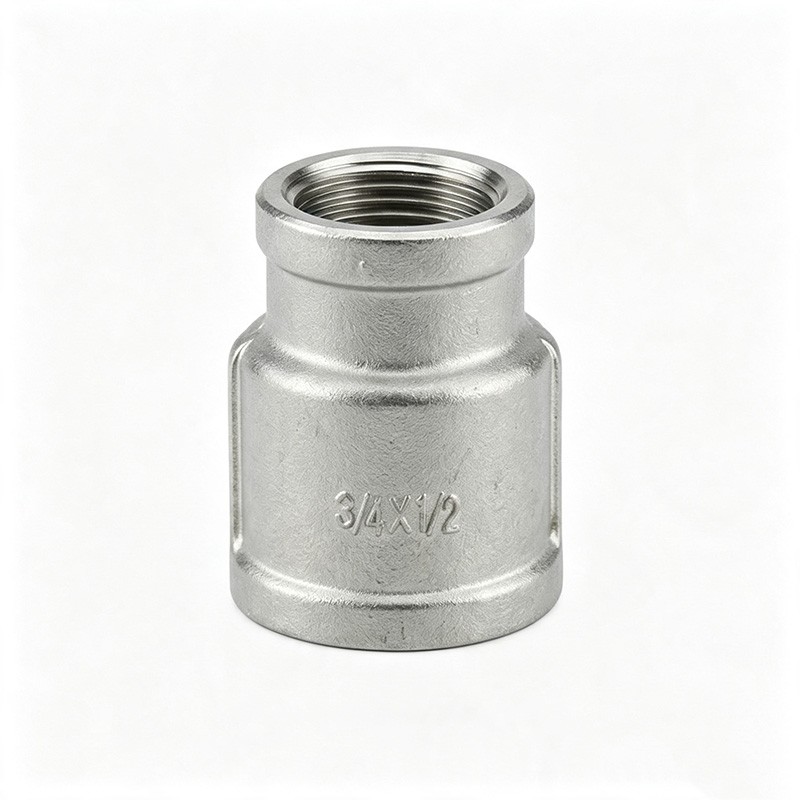
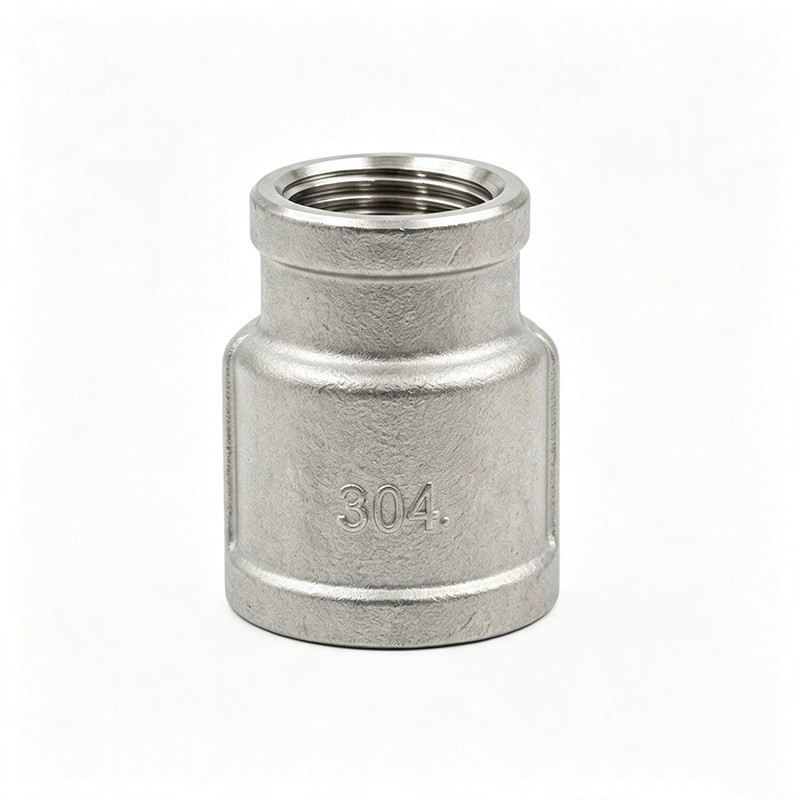
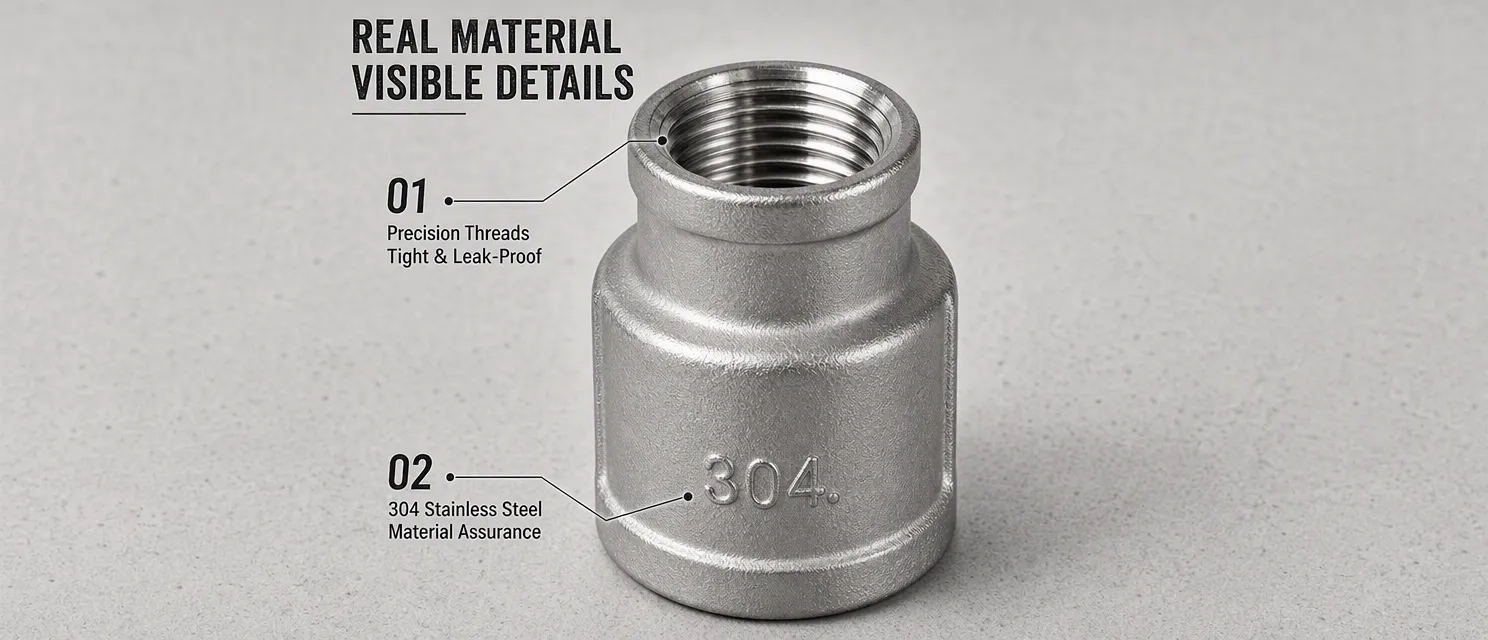
A female-thread concentric reducer is a forged-brass pipe fitting with two female-thread ports of different nominal diameters. Both ends share the same central axis — the "concentric" part — so the pipeline stays aligned after connection with no angular offset. Unlike reducers that have one male end and one female end, this design connects directly to male-threaded pipes or fittings on both sides without extra adapters. One fitting, two female ports, one clean diameter transition.
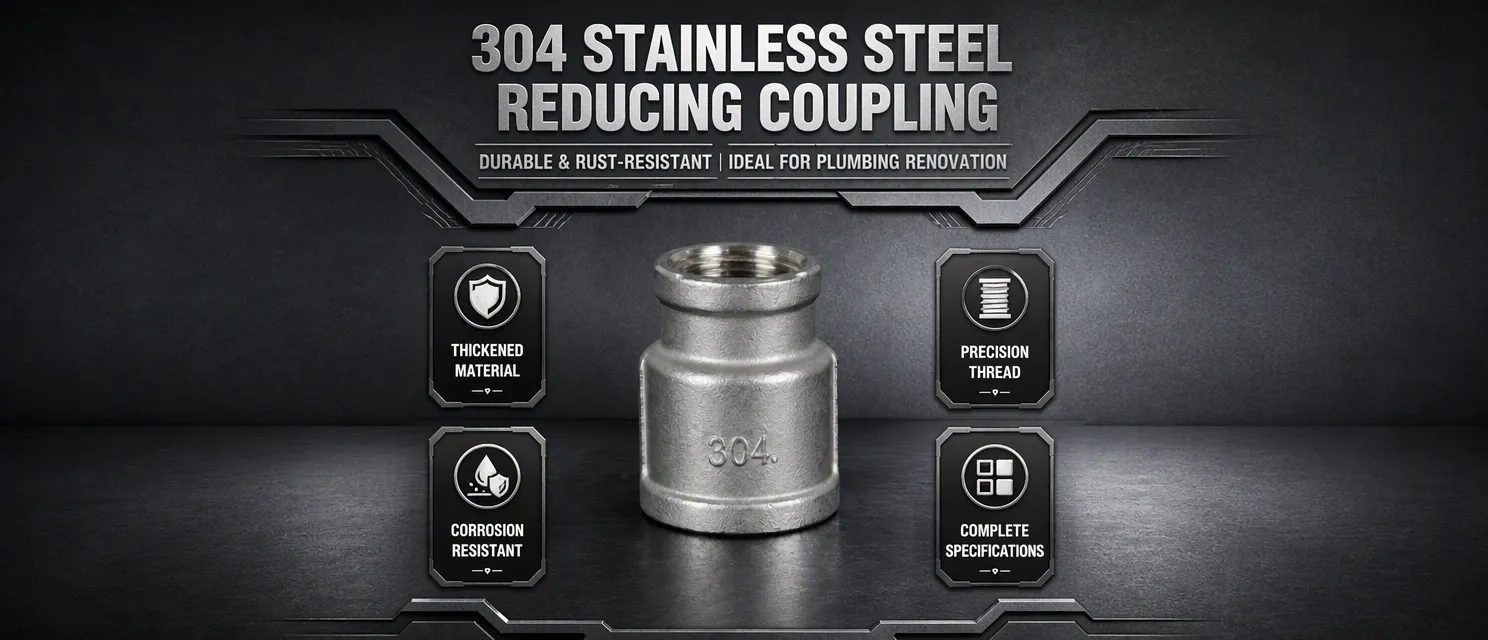
The body is integrally forged from HPb59-1 brass (CW617N under European EN standards). Forging aligns the metal grain structure, producing more uniform wall thickness and higher resistance to cracking under pressure fluctuation than cast alternatives. Brass resists corrosion in potable water, compressed air, and weak acid-alkali media. For more demanding environments, 304 stainless steel and lead-free brass variants are available on custom order. Surface finish is nickel-plated or natural polished; nickel plating adds oxidation protection for outdoor or humid installations.
The default thread standard is British G pipe thread (BSP parallel, ISO 228). NPT — American tapered thread — is available as an option. BSP and NPT look similar but are not interchangeable: BSP threads are parallel, NPT threads taper. Mixing them produces a joint that cannot seal. If the upstream system includes a Honeywell 2 port valve or any BSP-ported control valve, every reducer in that circuit must match that standard. A procurement batch once arrived with NPT threads for a BSP system — parts engaged partway but never sealed, requiring replacement adapters and delaying the project. Confirm thread form and nominal size before ordering.
Standard size combinations: G1/2×G3/8, G3/4×G1/2, G1×G3/4, G1×G1/2. Custom non-standard combinations are supported.
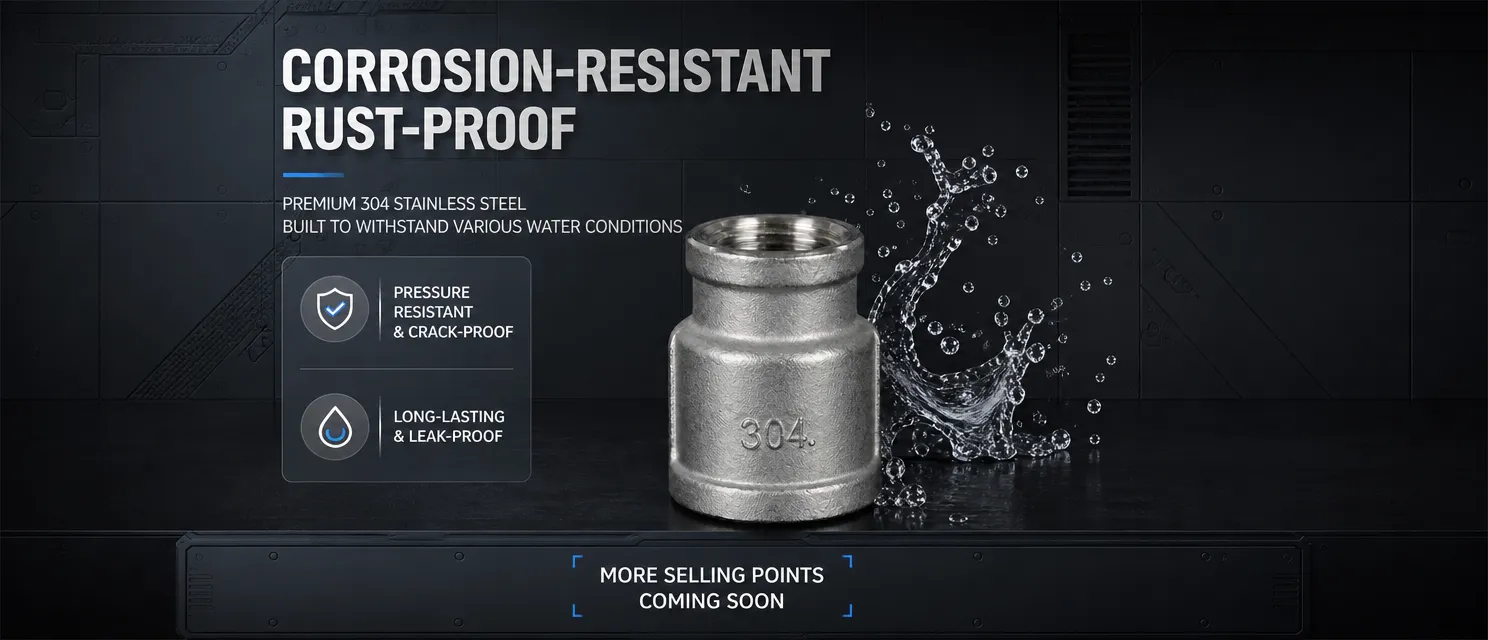
Nominal working pressure is ≤1.6 MPa (approximately 232 psi). Operating temperature range is −20℃ to 120℃. These ratings cover most domestic and light commercial use: water heater connections, HVAC chilled-water circuits, floor-heating manifolds, and compressed-air branch lines. For systems near the upper temperature limit — solar thermal loops, for example — verify derating behavior with the supplier before finalizing your selection.
Verify that the large-end and small-end diameters of the female-thread concentric reducer match your pipe sizes before starting. Clear debris from both thread ports. Wrap 3 to 5 even layers of PTFE tape onto the male threads of the adjacent pipe, keeping the wrap direction aligned with thread engagement. Hand-thread the reducer several turns, then tighten with an adjustable spanner or open-end wrench. For G1 and larger sizes in tight spaces, a combination wrench set provides better torque control and reduces slipping on hex faces. Do not over-torque — excessive force can crack the fitting body or deform the thread profile. Pressure-test both ports before concealing the joint. The chamfered thread entries on both ends reduce cross-threading risk in wall cavities and confined equipment areas.
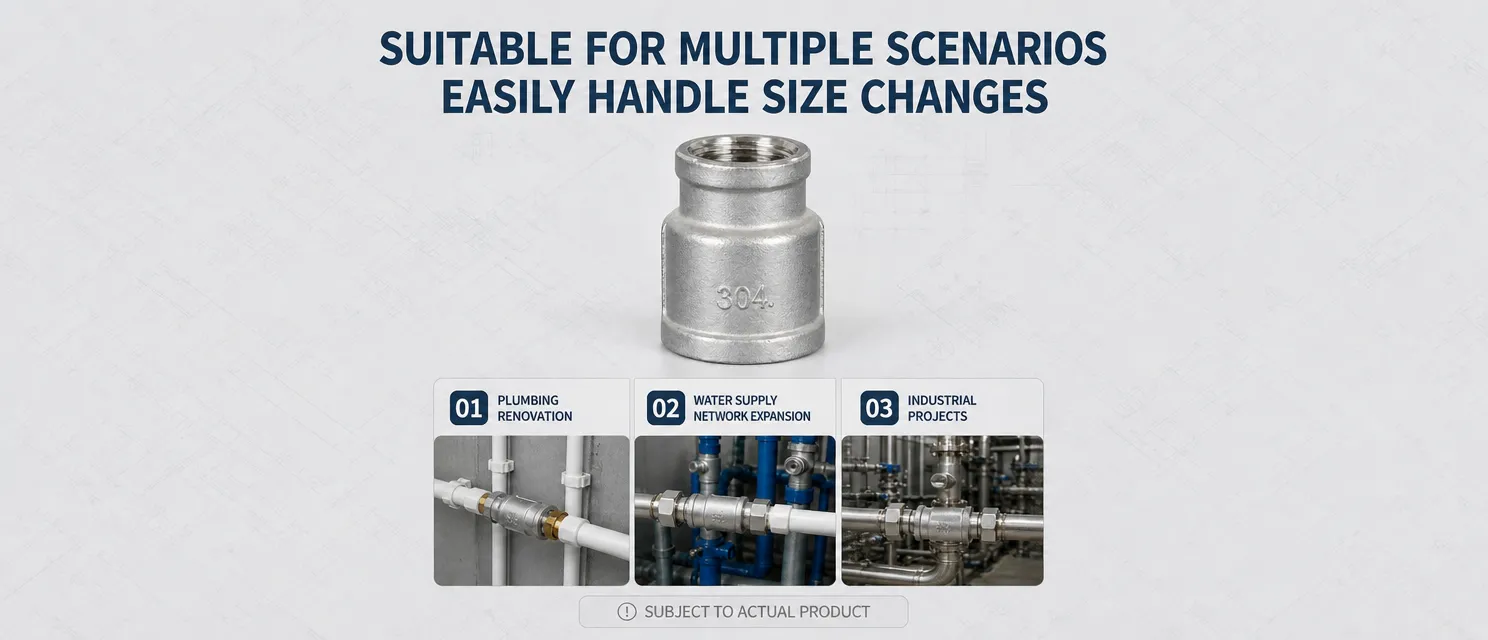
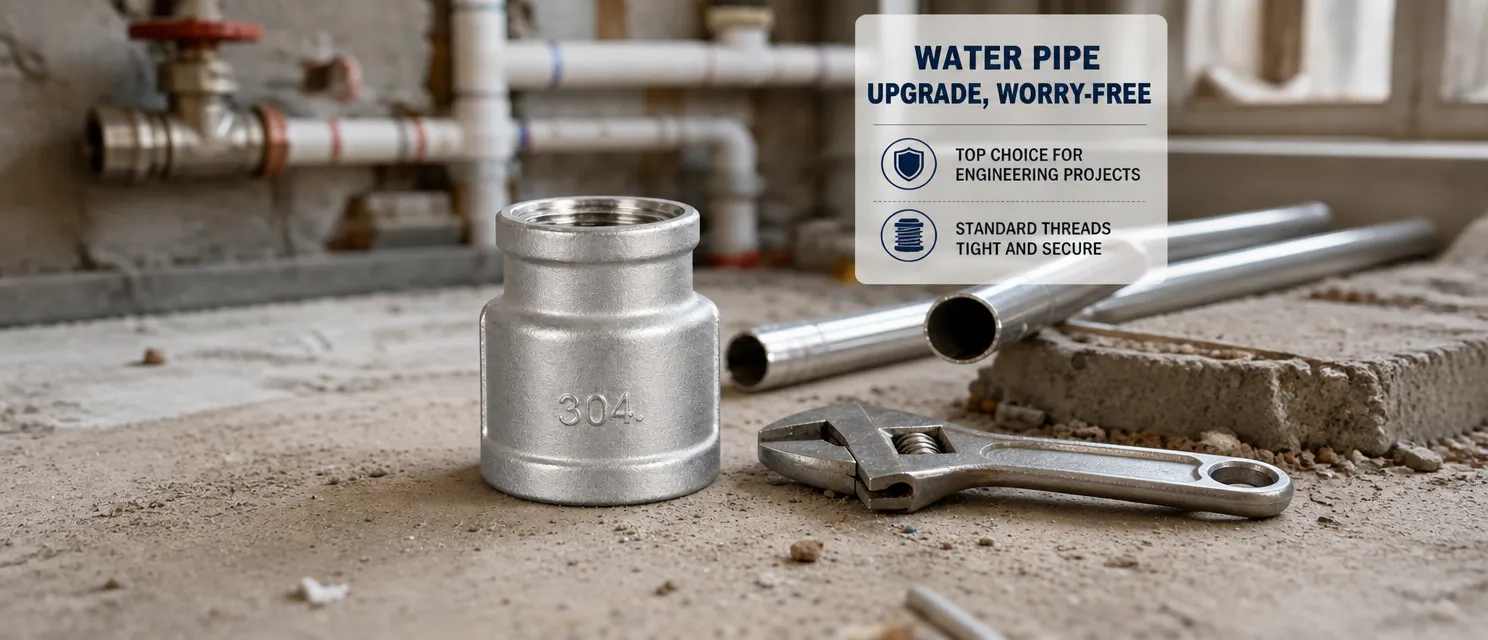
The most common use is domestic water systems — branch-to-main connections, water heater inlet-outlet adaptation, pre-filter and water purifier pipelines. In HVAC work, this female-thread concentric reducer handles diameter transitions before and after floor-heating manifolds and at wall-hung-boiler circulating circuits. In ventilation systems that incorporate spiral ducting for air distribution, the water-side pipework often requires matching size transitions at the same points — using this reducer keeps flow balanced across both circuits.
For compressed-air branch-pipe transitions, laboratory pure-water systems, food-processing cooling loops, and swimming-pool chemical-dosing circuits, this forged-brass fitting offers a durable, chemically compatible solution. The concentric alignment also serves vessel cabin water circuits and RV fresh-water systems where straight pipeline runs in confined spaces reduce stress-related joint fatigue over time.
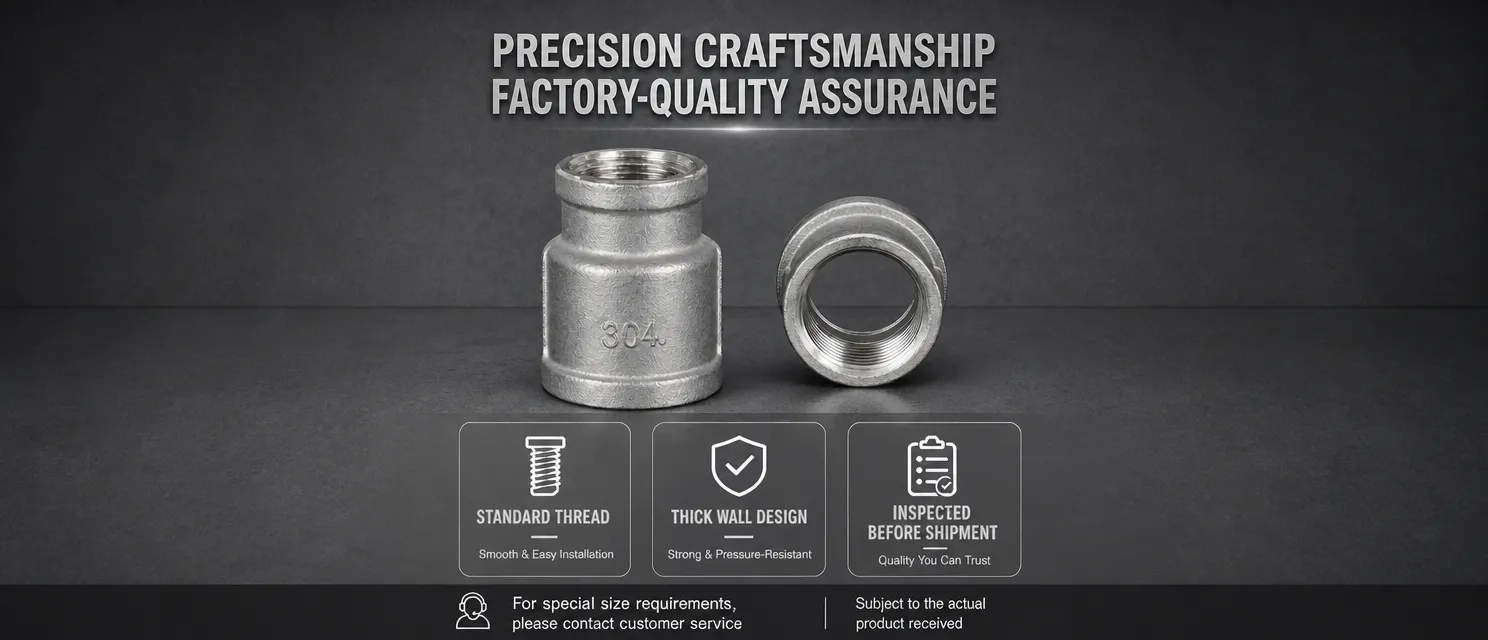
The dual-female-thread design eliminates installation direction constraints — connect male-threaded fittings on both sides without concern for orientation. Brass outperforms cast iron and malleable iron on corrosion resistance for water and food-grade media. It handles higher temperature-pressure ranges than PPR and PVC couplings, resists UV degradation, and can be disassembled and reassembled without damage — important for maintenance access points. High concentricity keeps pipelines straight across multiple fittings in a long run. On cost and quality: low-grade reducers that fail early generate more total expense — rework, water damage, downtime — than the price difference from a reliable forged-brass female-thread concentric reducer. The better fitting is usually the more economical choice over its service life.
Standard size combinations are stocked for prompt delivery. Custom thread standards, non-standard size combinations, and OEM services including laser engraving and lead-free material variants are available. Sample orders are supported; volume pricing is negotiable for project and wholesale orders. Technical documentation — drawings, material test reports, specification sheets — is provided. Pre-sales consultation covers thread standard selection, size matching, and media compatibility. Individual and bulk packaging options are available for international shipments.
| Parameter | Specification |
|---|---|
| Material | Forged brass HPb59-1 / CW617N; 304 SS or lead-free brass on request |
| Surface Finish | Nickel-plated or natural polished |
| Thread Standard | BSP (G) standard; NPT optional |
| Size Combinations | G1/2×G3/8, G3/4×G1/2, G1×G3/4, G1×G1/2; custom available |
| Nominal Pressure | ≤1.6 MPa |
| Temperature Range | −20℃ to 120℃ |
| Sealing | PTFE tape or thread sealant on male pipe threads |
| Applicable Media | Water, compressed air, low-pressure oil, weak acid-alkali |