Supplier:Xinghui
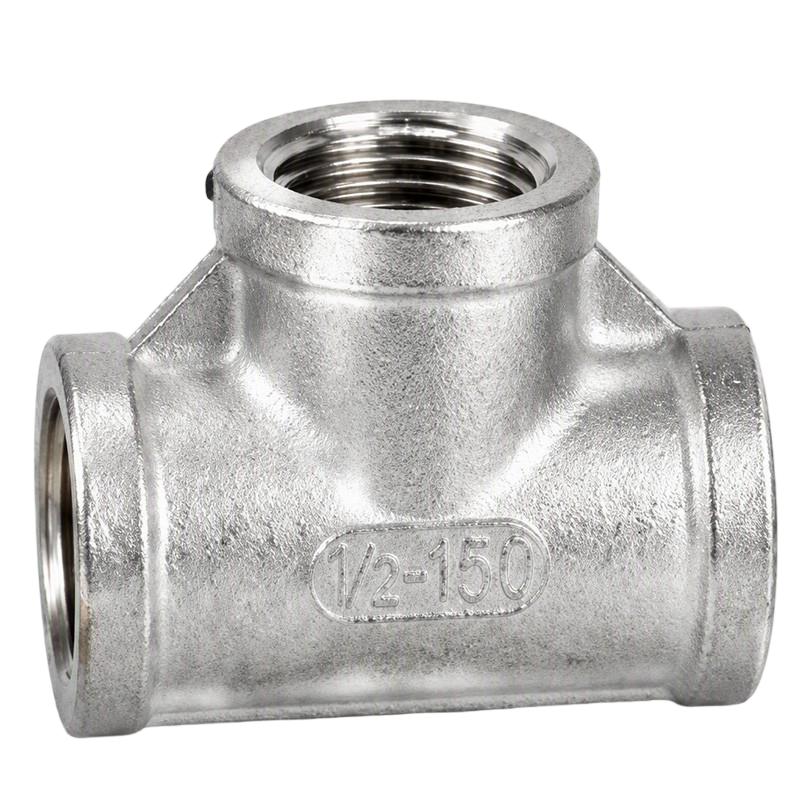
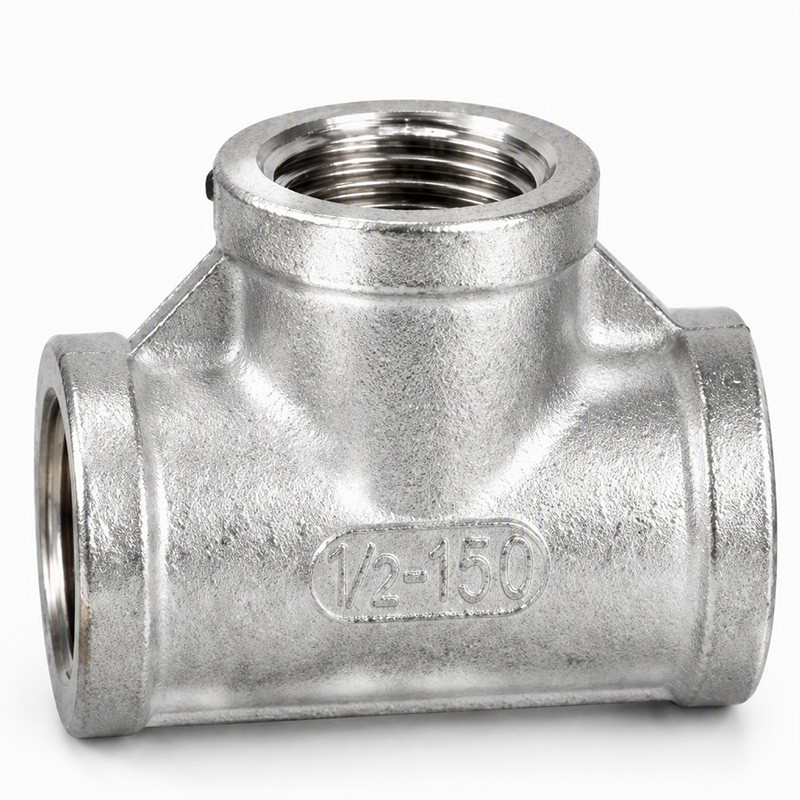
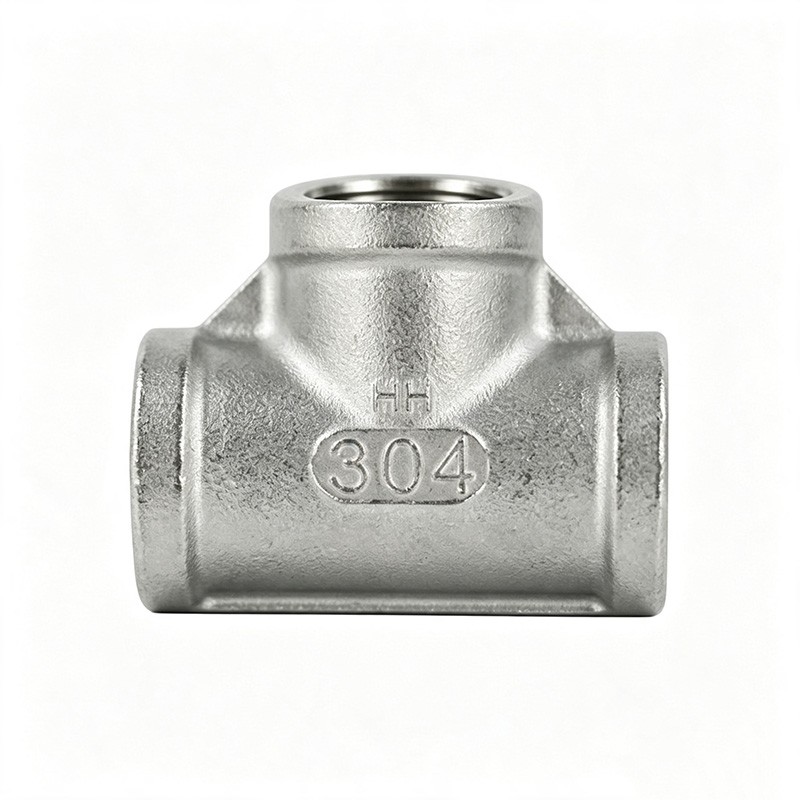
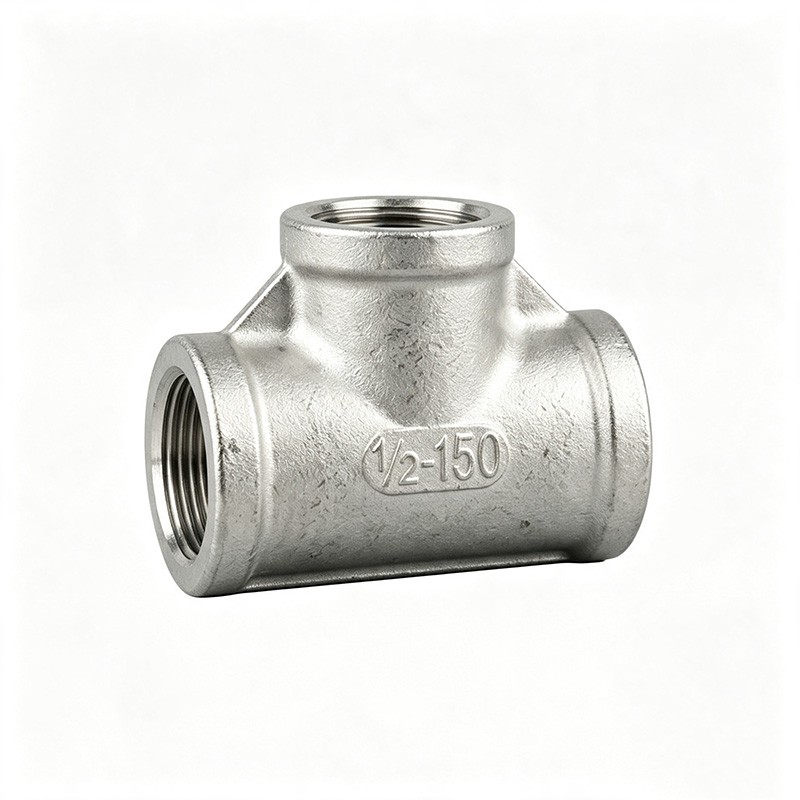
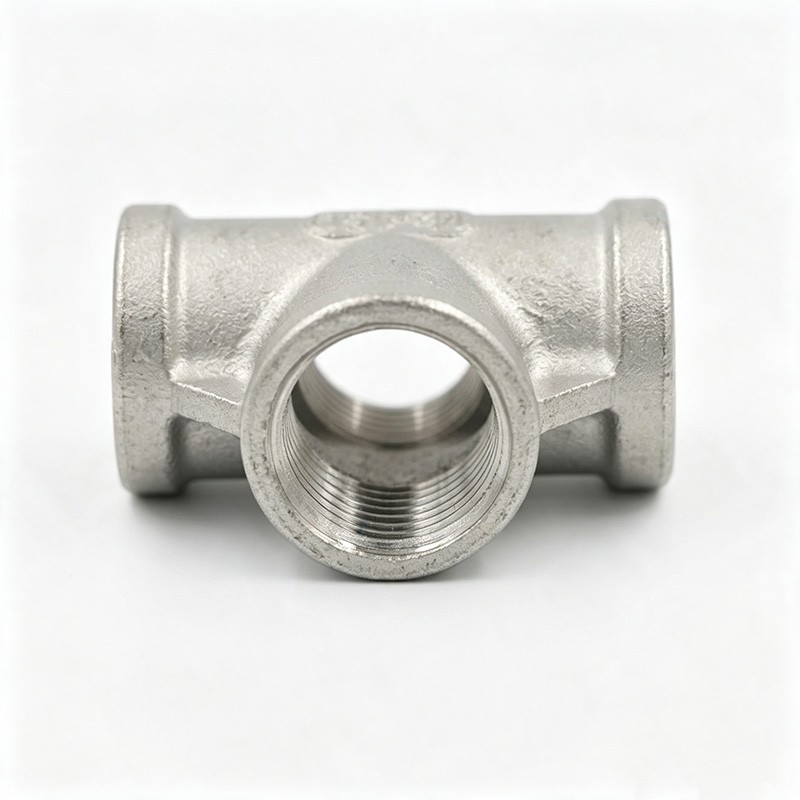
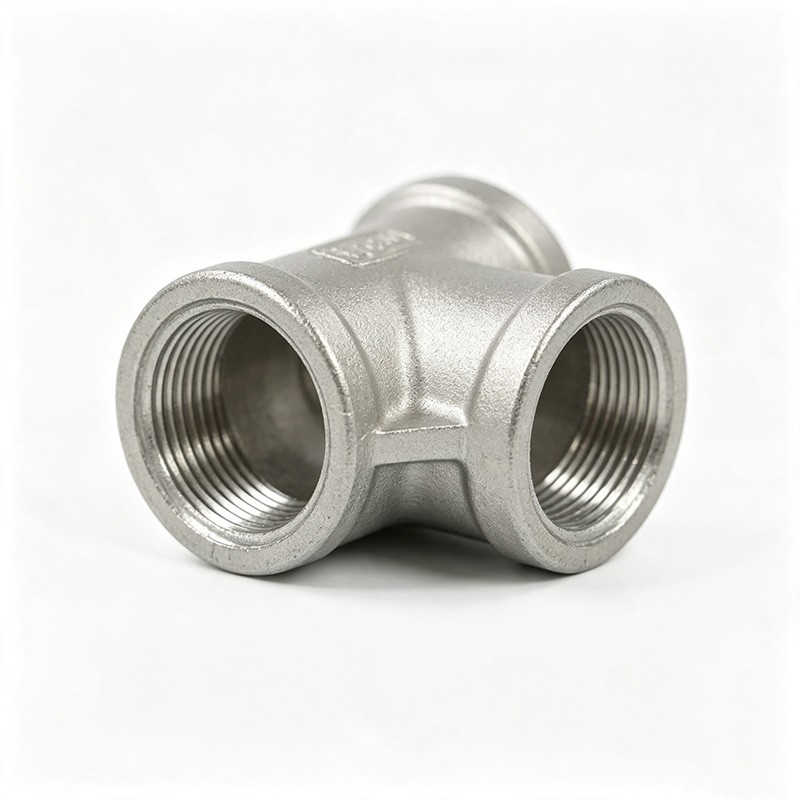
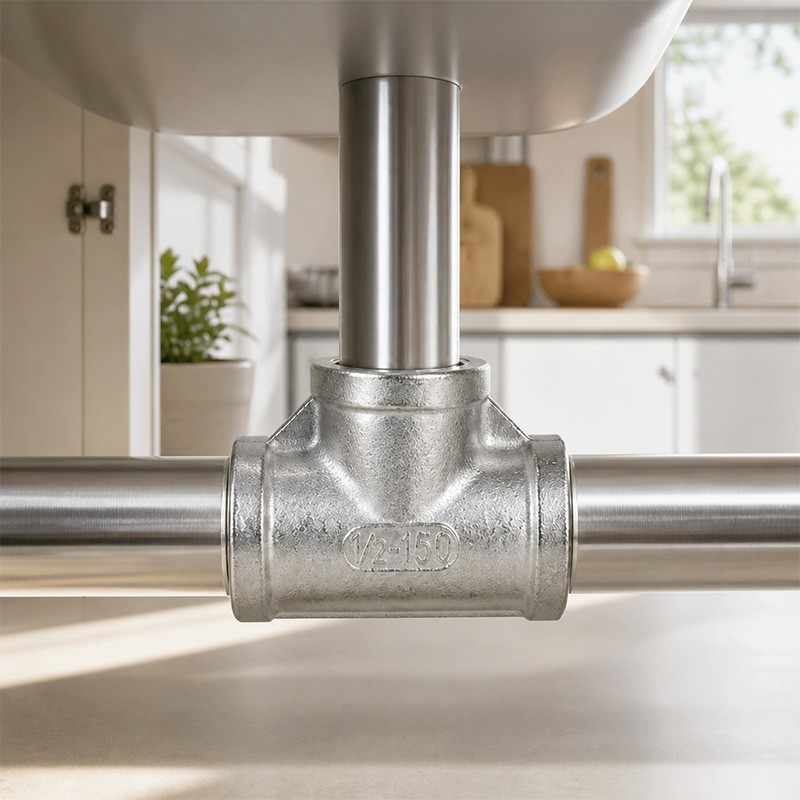
Forged brass female-threaded tee for splitting or combining flow, corrosion-resistant, for water, oil, gas, and industrial piping.
Supplier:Xinghui
Forged brass female-threaded tee for splitting or combining flow, corrosion-resistant, for water, oil, gas, and industrial piping.
As someone who has guided dozens of pipeline sourcing decisions, I find that the Female-Thread Tee is one of the most frequently mis-specified brass fittings in international procurement. The product itself is straightforward — a T-shaped body with female threads on all three ports for flow splitting or combining — but the thread standard, pressure rating, and bore size must match your actual pipework. Getting those three parameters right before ordering saves the costly rework that comes from discovering the mismatch on site.
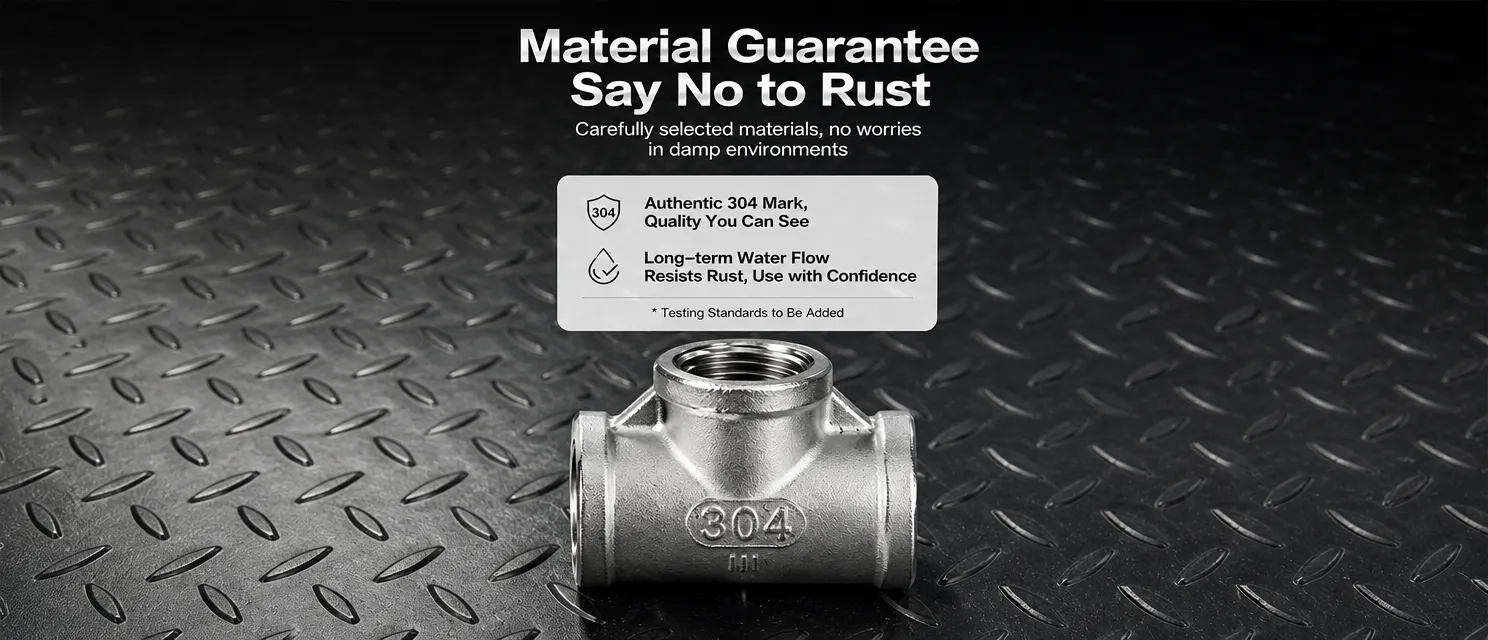
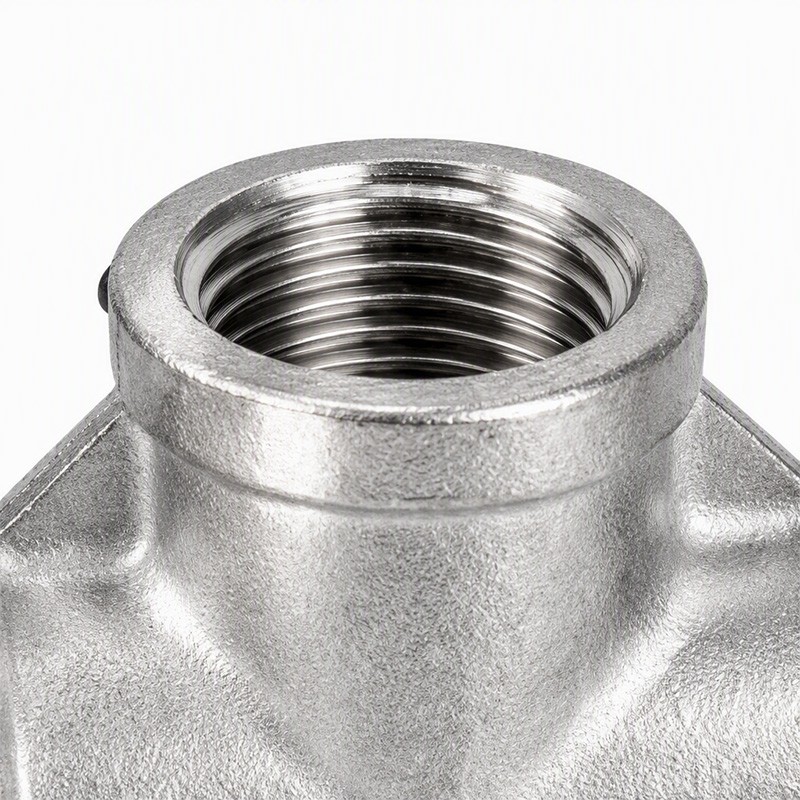
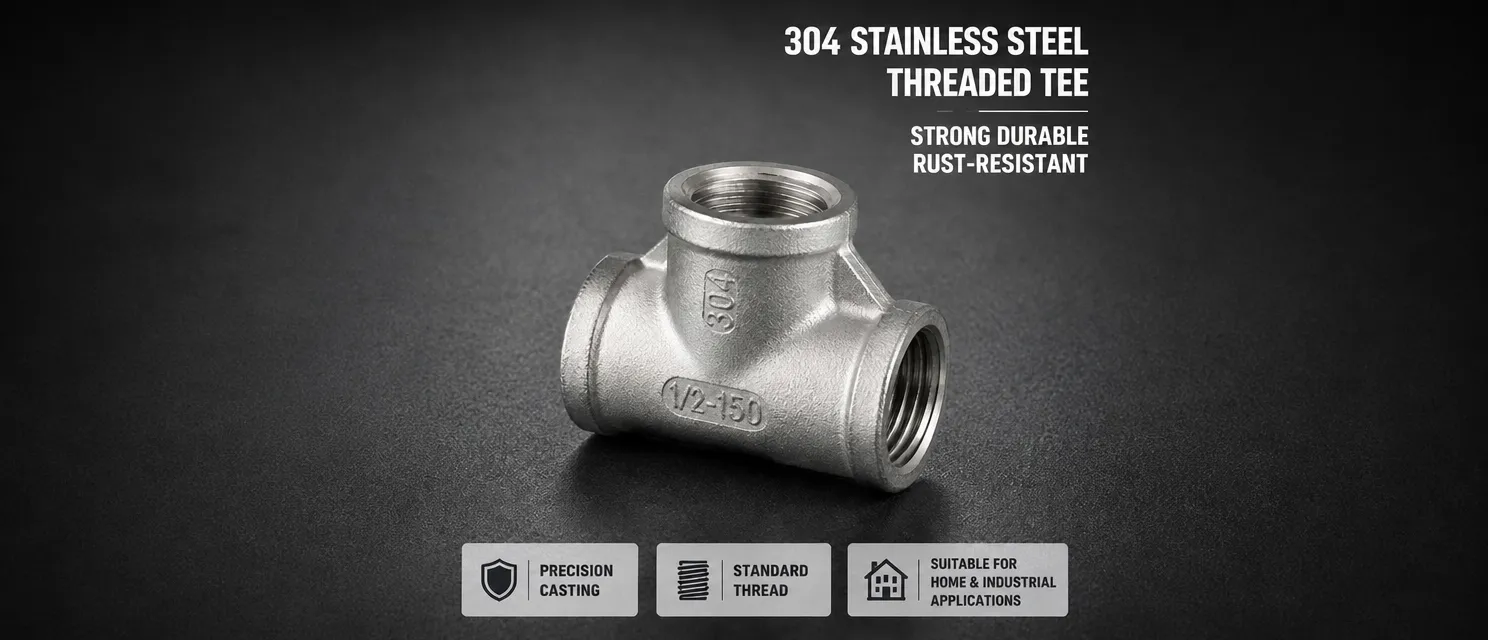
The Female-Thread Tee body is integrally forged from brass (HPb59-1 / CW617N), then CNC-machined to produce burr-free threads and high three-port concentricity. Forging is to casting what a rolled steel beam is to a poured concrete block: denser grain, more uniform wall, higher pressure-bearing capacity. A nickel-plated or polished surface finish provides long-term oxidation and corrosion resistance. For seawater or high-chloride media, 304 stainless steel and lead-free brass variants are available on request.
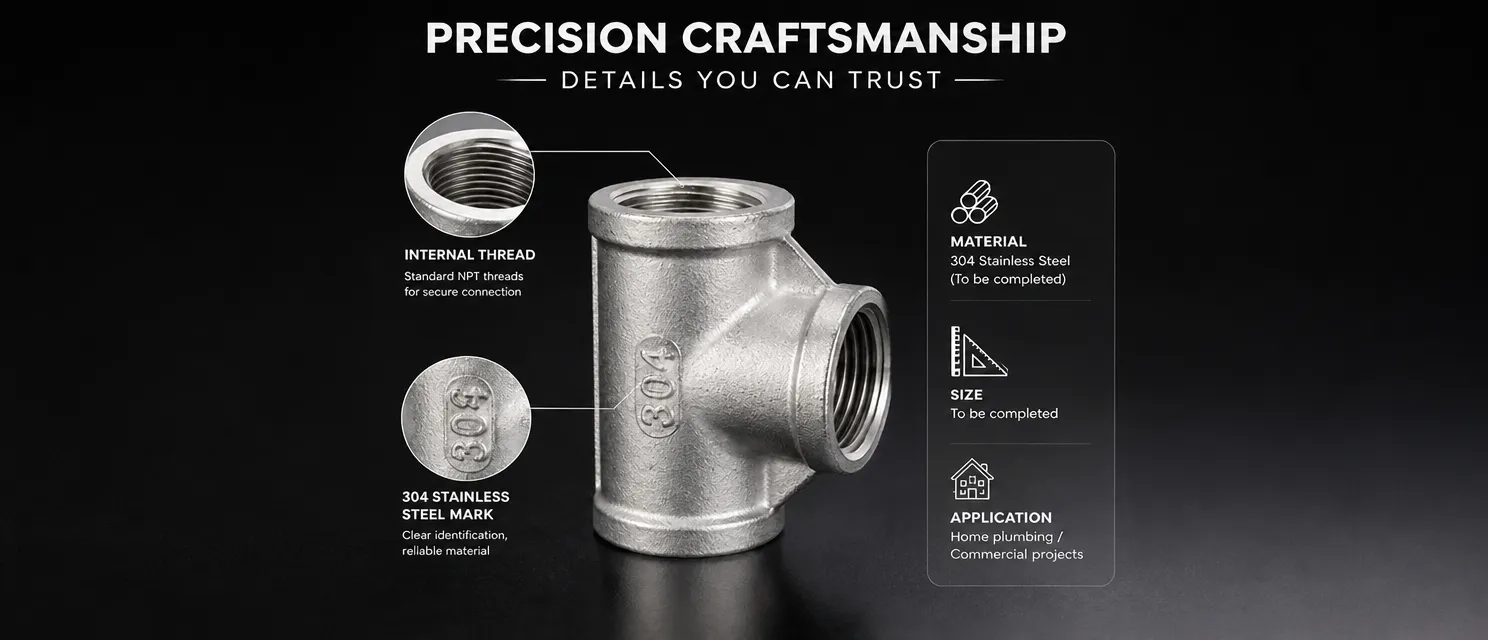
In my experience, thread standard accounts for more Female-Thread Tee return shipments than any other specification. The default is British G pipe thread (BSP parallel). NPT American taper thread is available as an alternative. G and NPT look nearly identical but differ fundamentally: G is parallel and relies on PTFE tape or sealant for sealing; NPT is tapered and compresses as it tightens. Mixing the two causes immediate leakage at every port. Before ordering, confirm whether your pipework is G or NPT — a thread gauge resolves the question in thirty seconds. In projects sourcing across European and North American supply chains simultaneously, specify the thread standard explicitly in the purchase order. Thread mismatch is among the top three causes of installation delays in cross-border pipeline procurement.
The Female-Thread Tee is rated at ≤1.6 MPa for cold and hot water service — sufficient for the vast majority of domestic plumbing, HVAC circulating-water, and compressed-air applications. A higher pressure rating is not automatically safer: over-specified fittings add cost without adding reliability on standard-pressure lines. The operating temperature range is −20 °C to 120 °C. For solar thermal or high-temperature heat pump circuits approaching this upper boundary, verify the actual peak temperature under full-load conditions rather than relying on the nominal system setpoint.
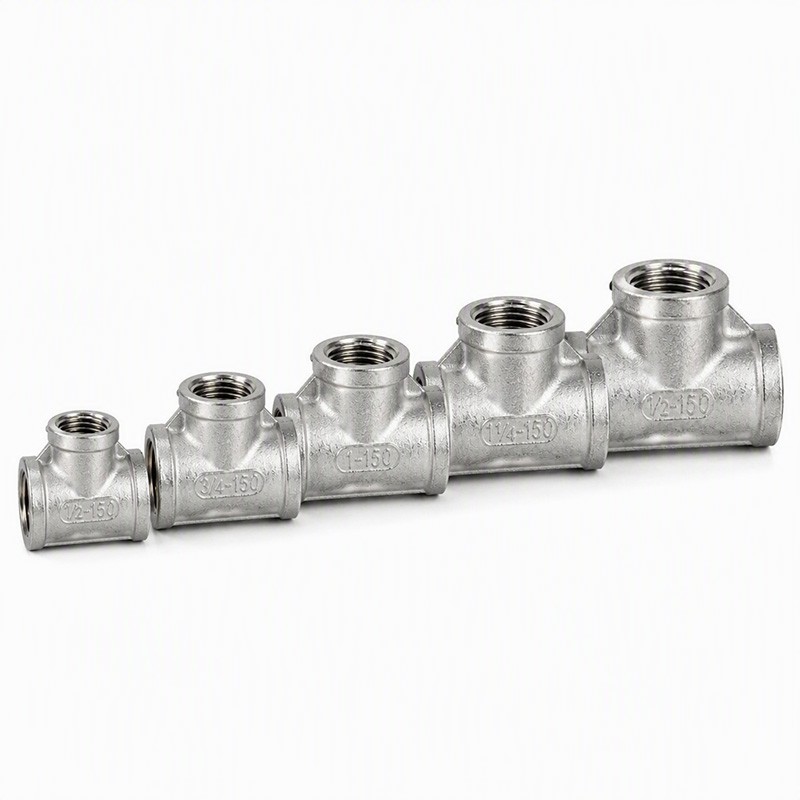
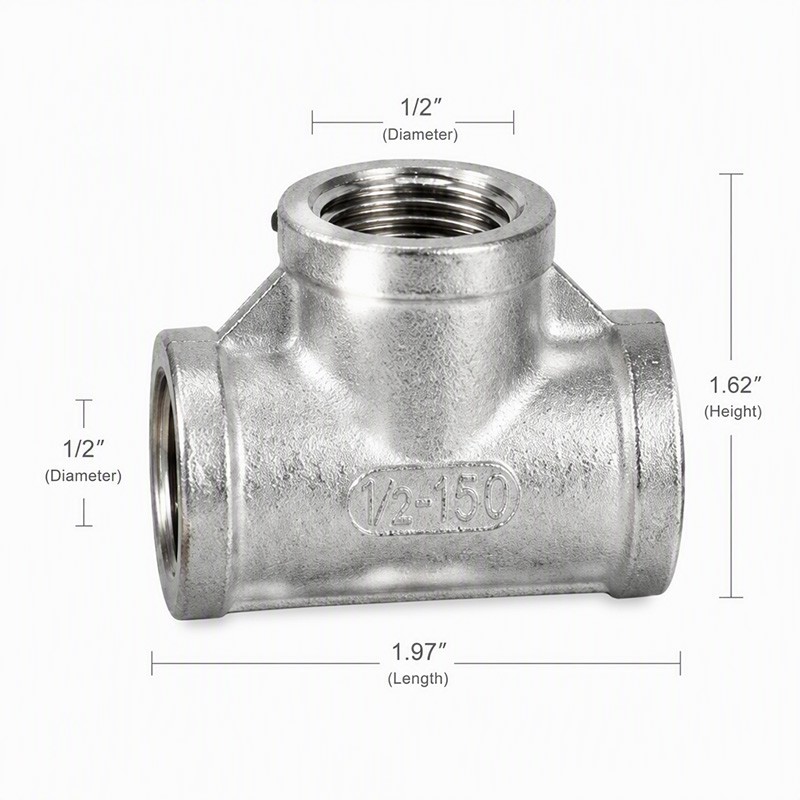
Standard equal-bore Female-Thread Tee sizes are G1/2, G3/4, G1, and G1-1/4. Reducing configurations — such as a G1 main port with two G1/2 branches — are available to order, which eliminates a separate reducer in renovation projects where an existing main must feed two smaller branch circuits.
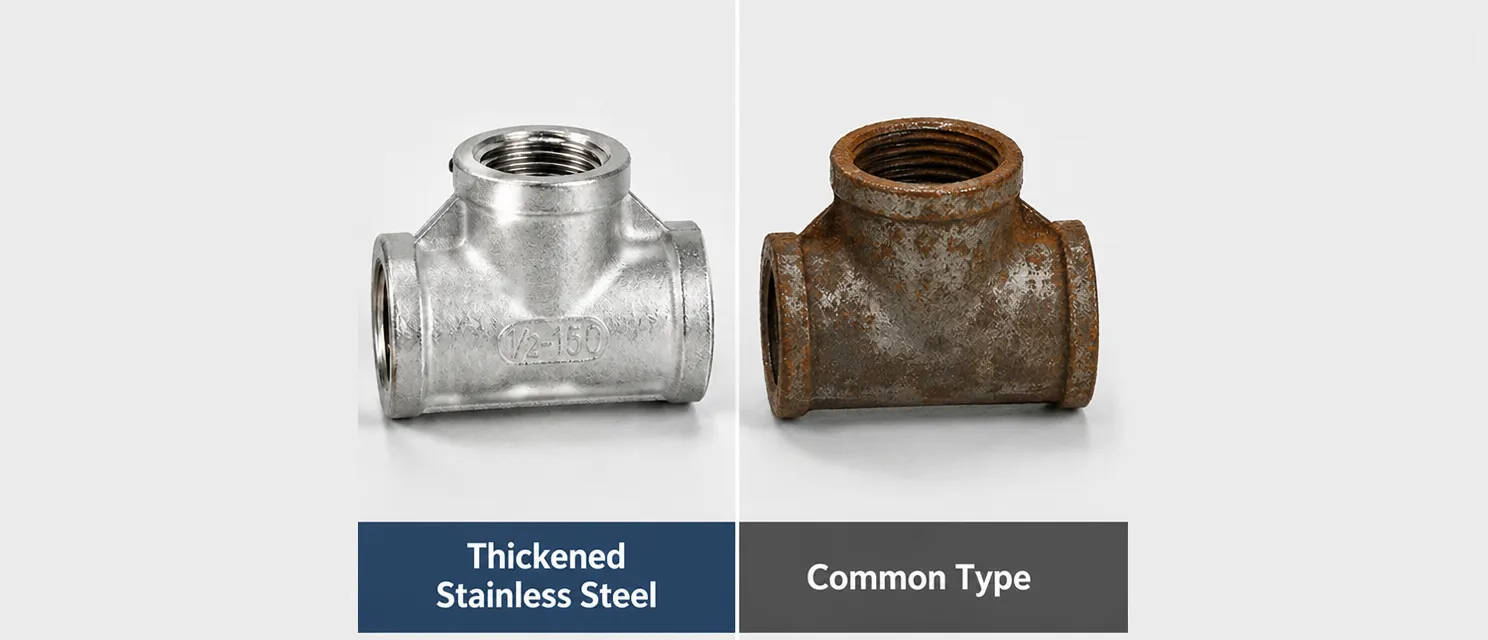
Before installation, confirm port sizes against your pipe dimensions — forcing a mismatched thread damages the fitting irreparably. Apply three to five even PTFE tape layers in the tightening direction. Hand-turn the Female-Thread Tee several full rotations before applying wrench torque to confirm alignment. Tighten moderately: excessive torque cracks brass female threads. Verify tee orientation before final tightening — an incorrectly oriented Female-Thread Tee in a flow-splitting application can starve one branch and overpressure the other. Pressure-test all three ports after installation and inspect for seepage.
For renovation work on existing G-threaded systems, the Female-Thread Tee connects directly. Where the main run uses victaulic fittings, a grooved-to-threaded adapter bridges the interface. When toggle bolts or pipe brackets support the new branch pipework, position the brackets to preserve wrench access around each port.
In domestic plumbing, the Female-Thread Tee is the standard solution for branching cold and hot water supply lines: splitting a water heater outlet to serve a bathroom and kitchen simultaneously, or adding a branch for a water purifier or washing machine. In HVAC systems, the Female-Thread Tee sits before underfloor-heating manifolds and in parallel radiator pipelines for wall-hung boilers. In industrial settings, it branches compressed-air distribution lines, cooling-water loops on process equipment, and laboratory pure-water circuits. For marine and RV installations, the compact profile of the Female-Thread Tee makes it a practical choice for multi-outlet fresh-water connections in confined spaces.
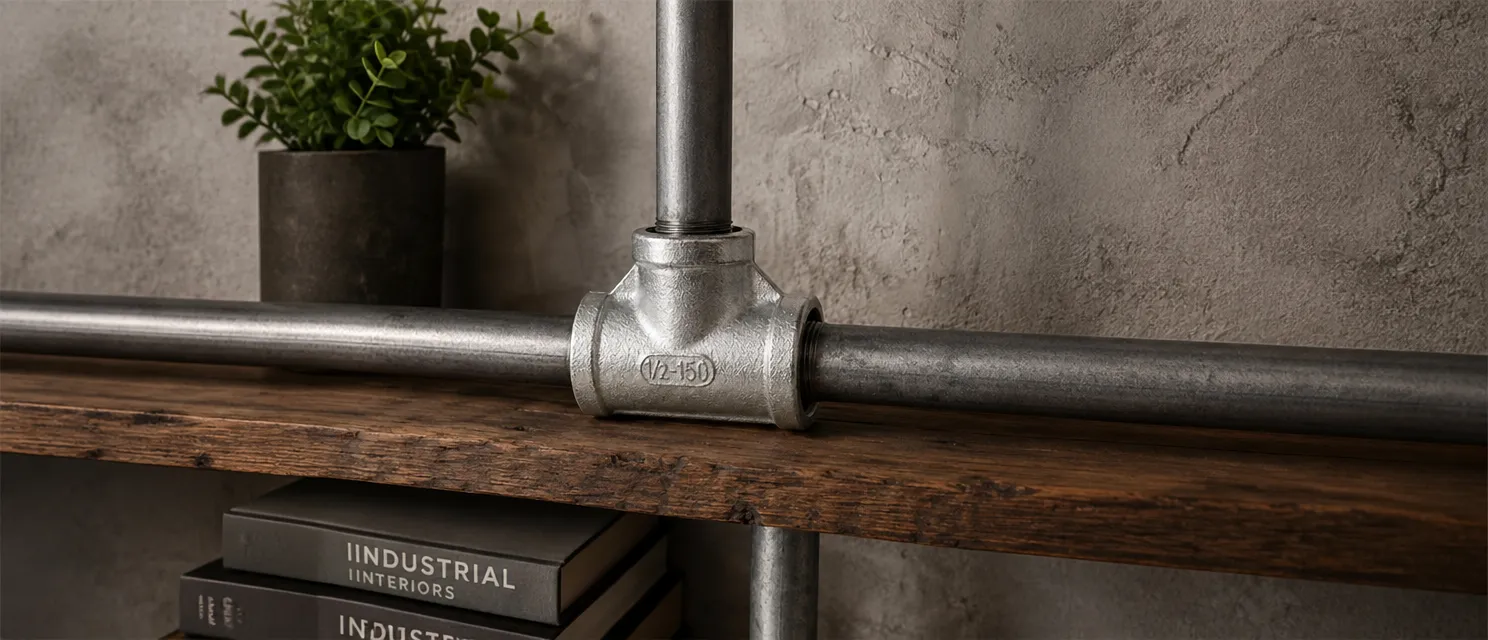
The Female-Thread Tee compares favorably against cast-iron fittings on corrosion resistance and thread precision, and against plastic tees on temperature tolerance and re-assemblability. Common equal-bore sizes are stocked. Reducing configurations, non-standard thread combinations, and OEM options including laser engraving, private-label branding, and lead-free brass variants are available on order. Material certificates and dimensional drawings are provided on request.