Supplier:Jinghan
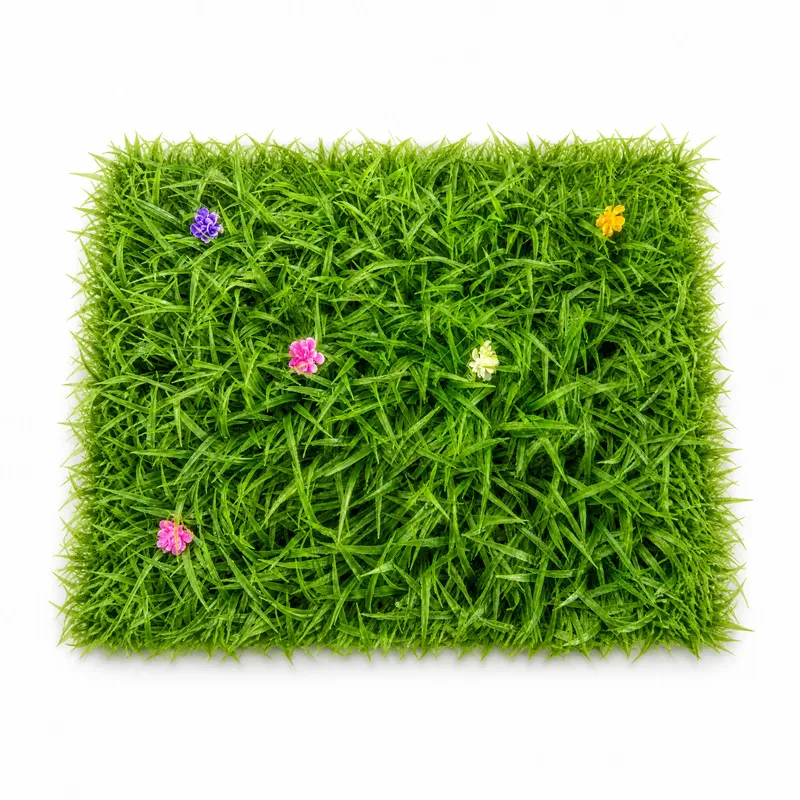
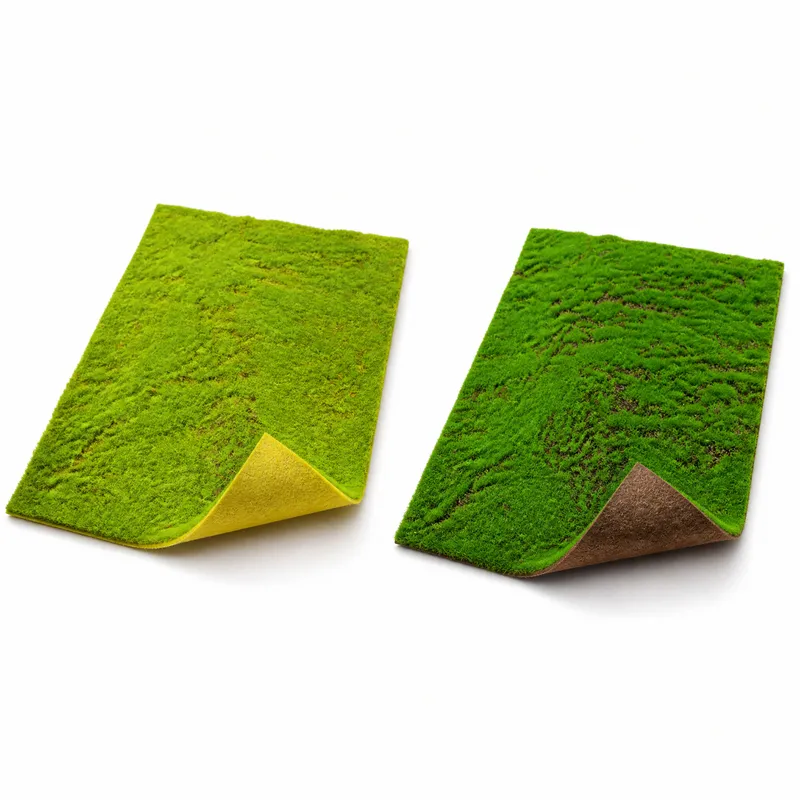
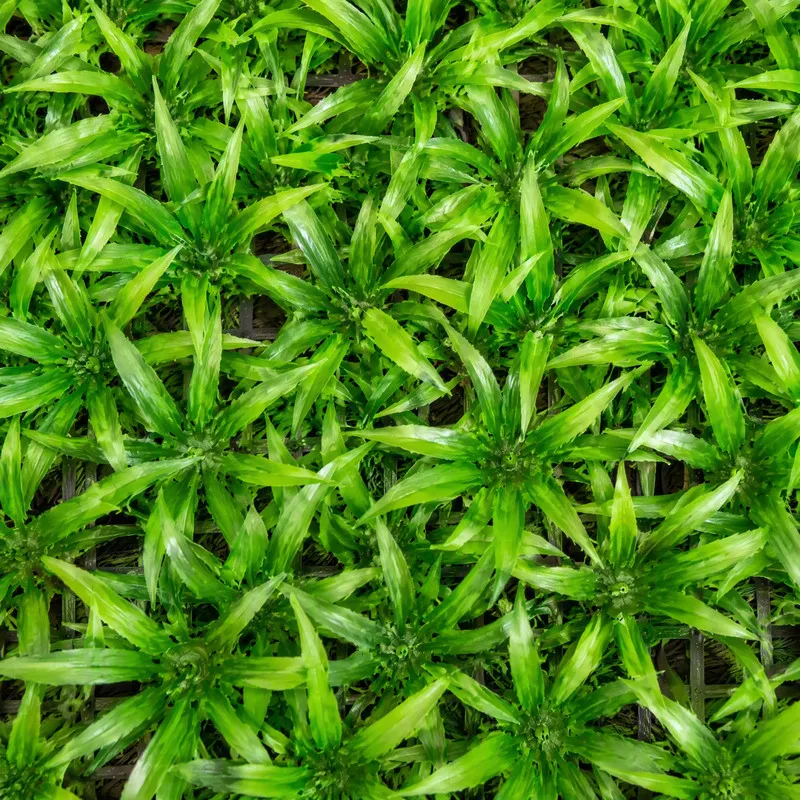
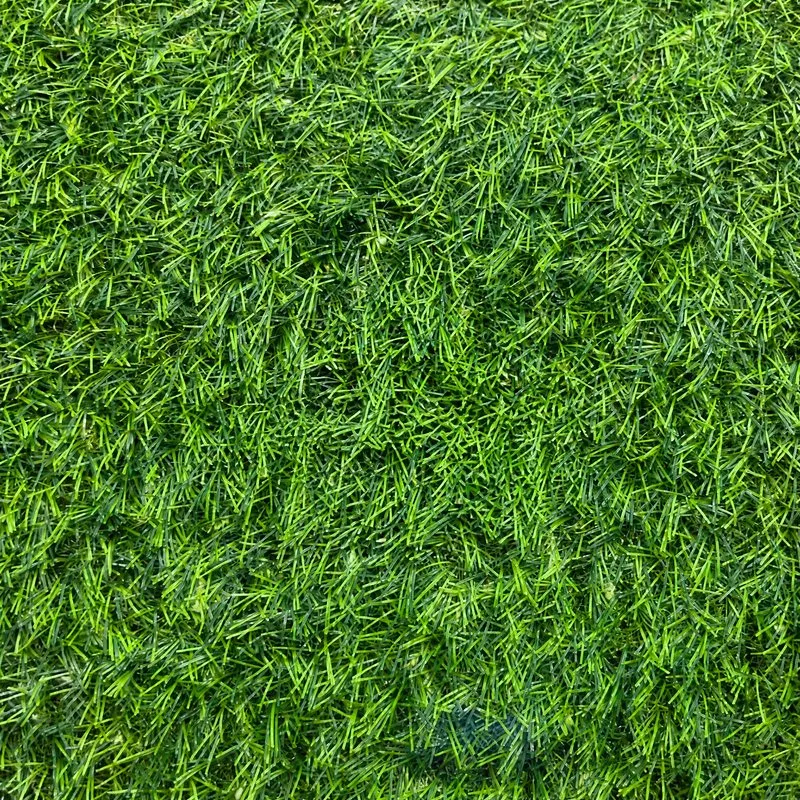
Synthetic turf with UV resistance, quick drainage, low maintenance, durable, suitable for sports and landscaping.
Supplier:Jinghan
Synthetic turf with UV resistance, quick drainage, low maintenance, durable, suitable for sports and landscaping.
Are you sourcing artificial turf for a sports facility, campus project, or a landscaping installation where natural grass is not sustainable? The core question is which grade and specification matches your actual usage conditions. This overview covers the key parameters and application factors that inform a well-grounded procurement decision for artificial turf.
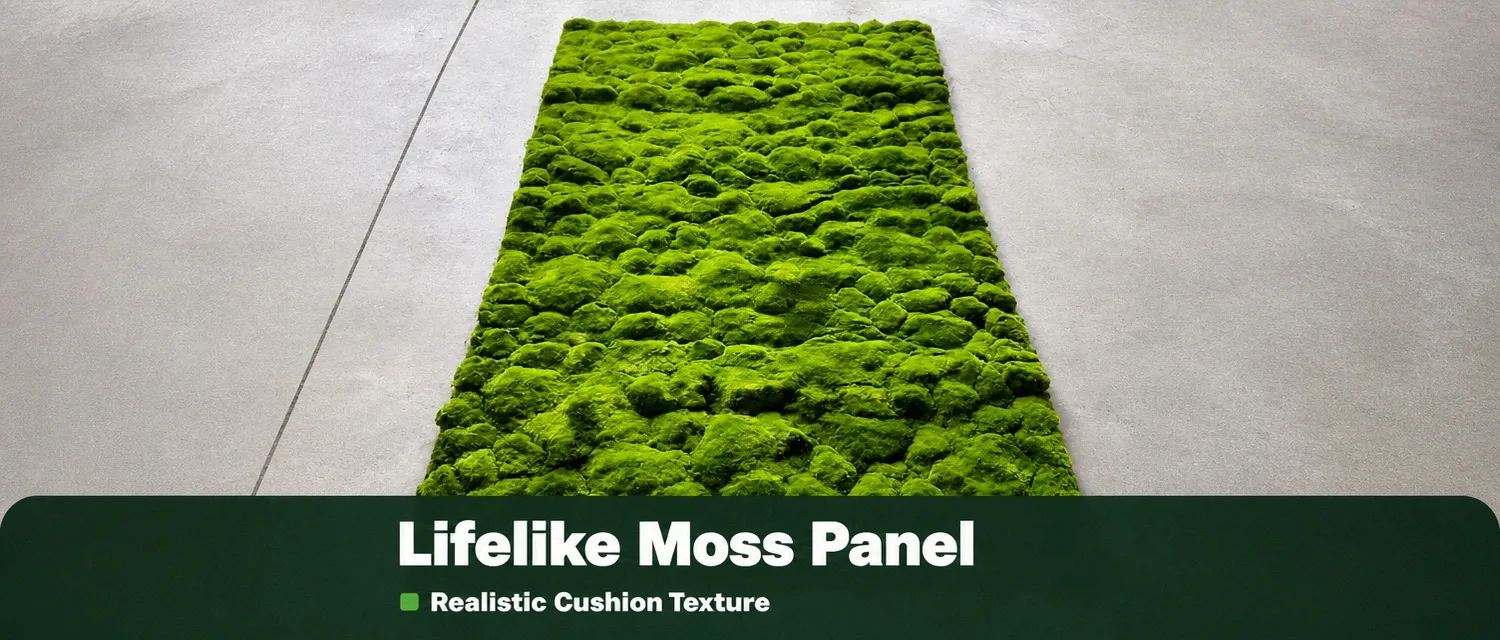
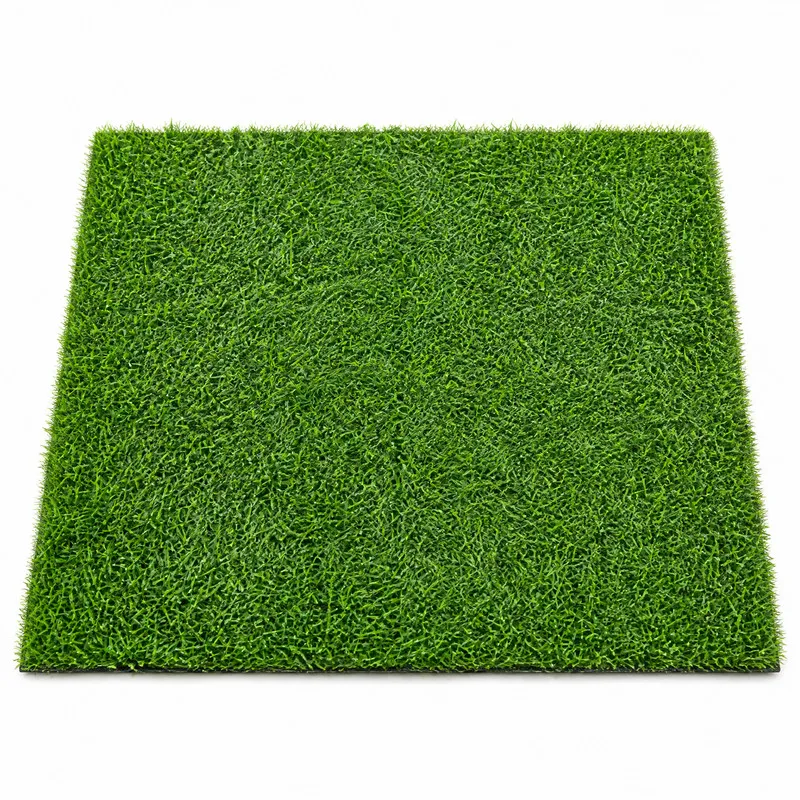
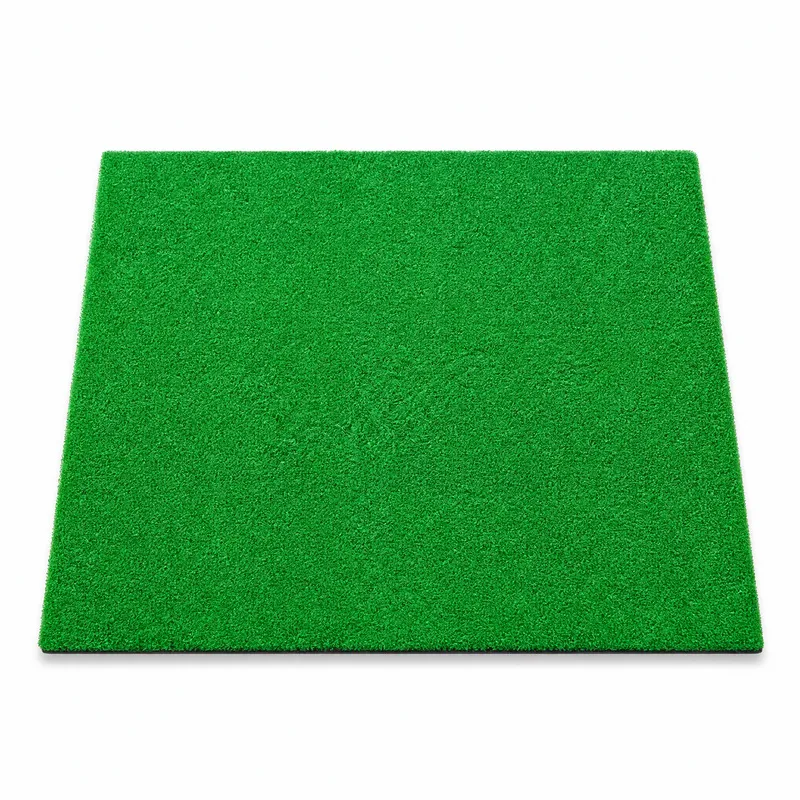
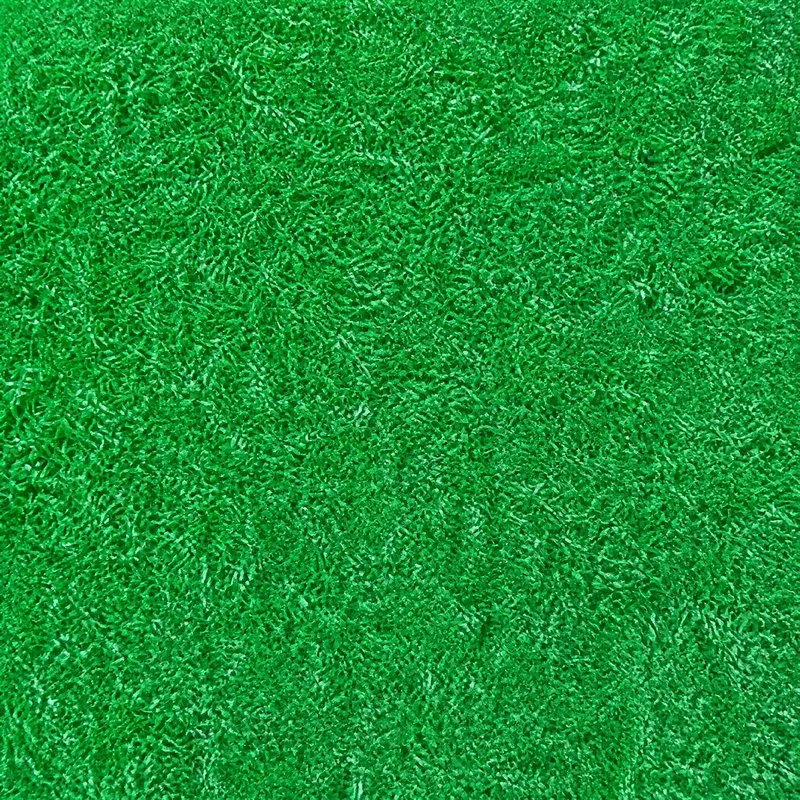
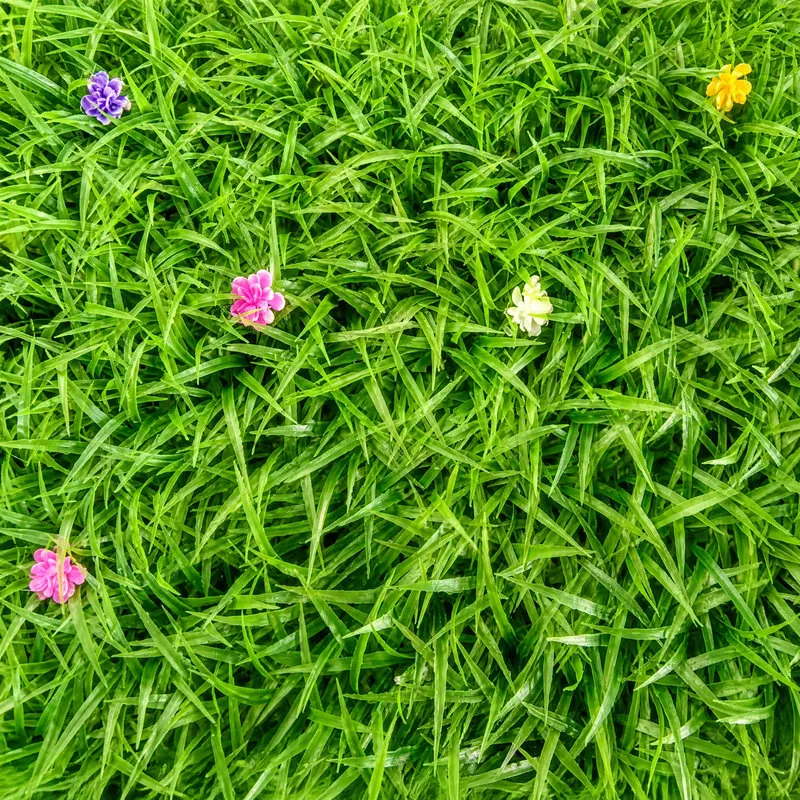
Artificial turf is a synthetic surface made from polymer-based grass yarn — primarily polyethylene (PE), polypropylene (PP), or nylon — tufted into a base fabric and stabilized with infill materials. It replicates the look and feel of natural grass while eliminating the watering, mowing, fertilizing, and pest control that make natural turf costly to maintain. Supplier: Jinghan.
Understanding these parameters helps you match the right artificial turf product to your actual project requirements:
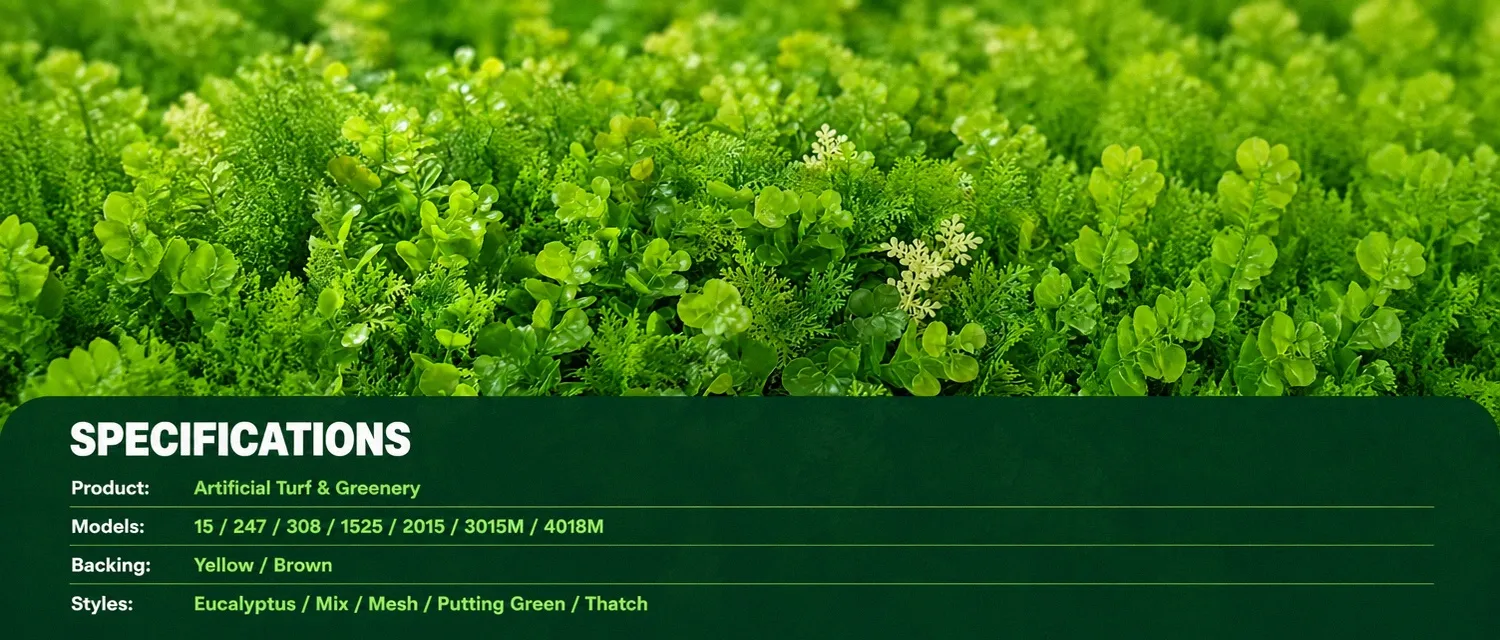
A practical procurement note: over-specifying artificial turf is as costly as under-specifying it. A courtyard or rooftop installation does not require high-density sports-grade artificial turf. A professional football training pitch, however, cannot rely on landscape-grade material — it will fail prematurely under daily high-intensity use. Matching spec to actual use case is the starting point for sound procurement.
Performance-grade artificial turf is optimized for football, rugby, tennis, and field hockey facilities that demand consistent ball rebound, controlled rolling behavior, shock absorption, and vertical deformation characteristics meeting competition standards. Sports-specialized versions undergo targeted performance tuning with measurable indicators across all these dimensions.
The rapid-drainage base structure is a key operational advantage: venues return to service quickly after rain, without the muddy conditions or extended recovery that affect natural grass. For facilities with tight scheduling, this improves utilization and reduces weather-related revenue disruption.
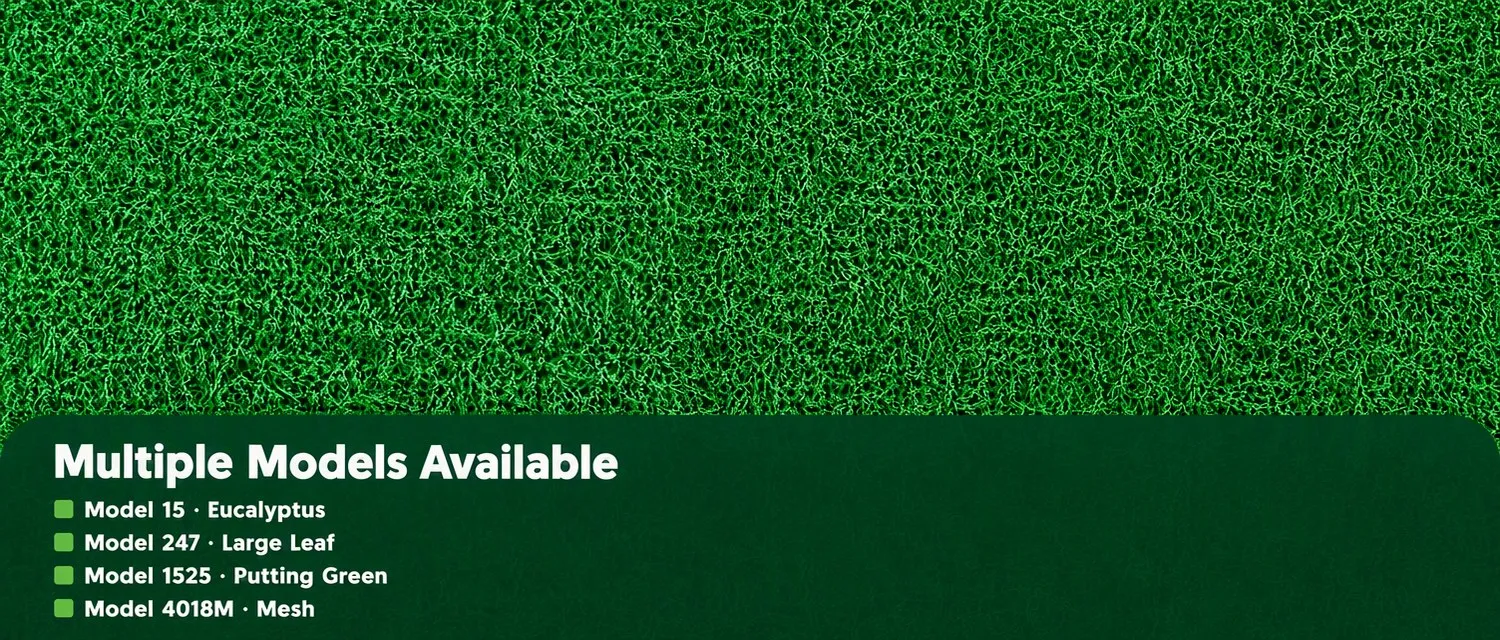
Campus sports grounds and kindergarten activity areas require artificial turf that provides adequate cushioning to reduce injury risk, with appropriate friction to support movement without causing skin abrasion. Materials must be non-toxic, odor-free, and skin-safe — baseline requirements for institutional procurement. The maintenance-free characteristic is highly relevant: no irrigation, no fertilizers, no pest control, no mowing, with stable appearance year-round regardless of season.
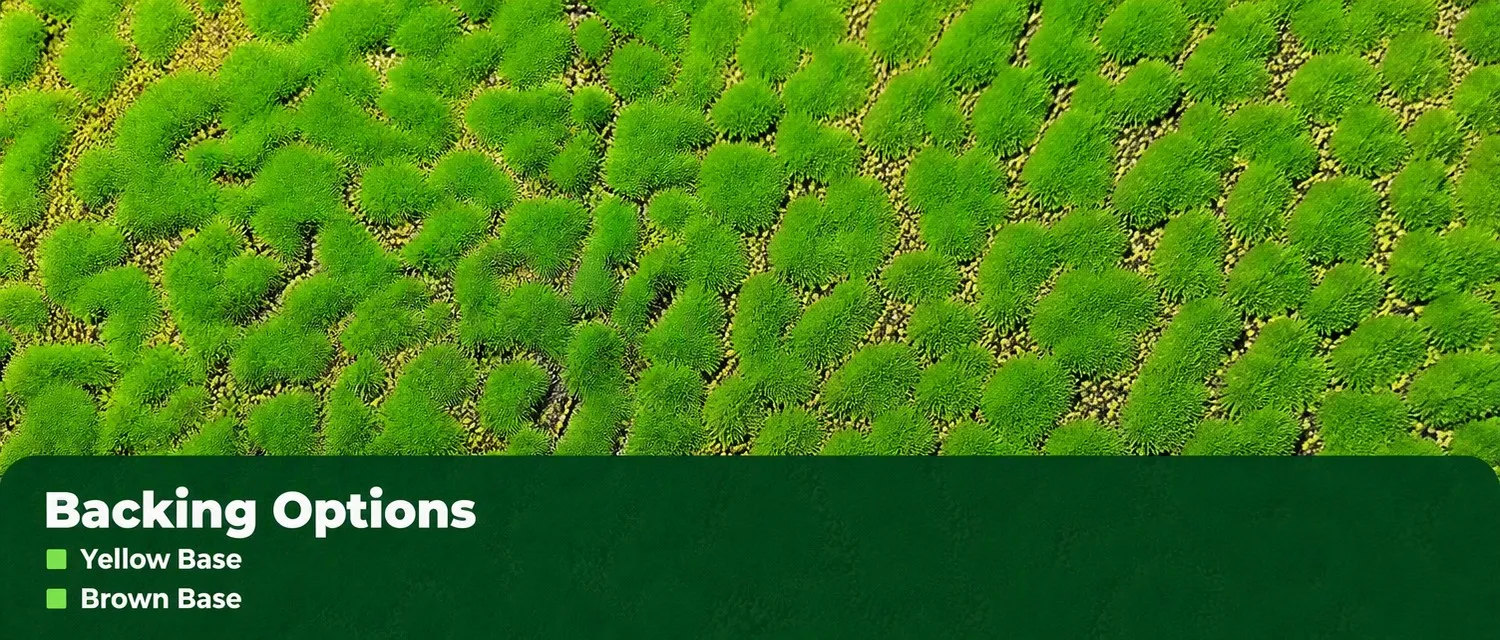
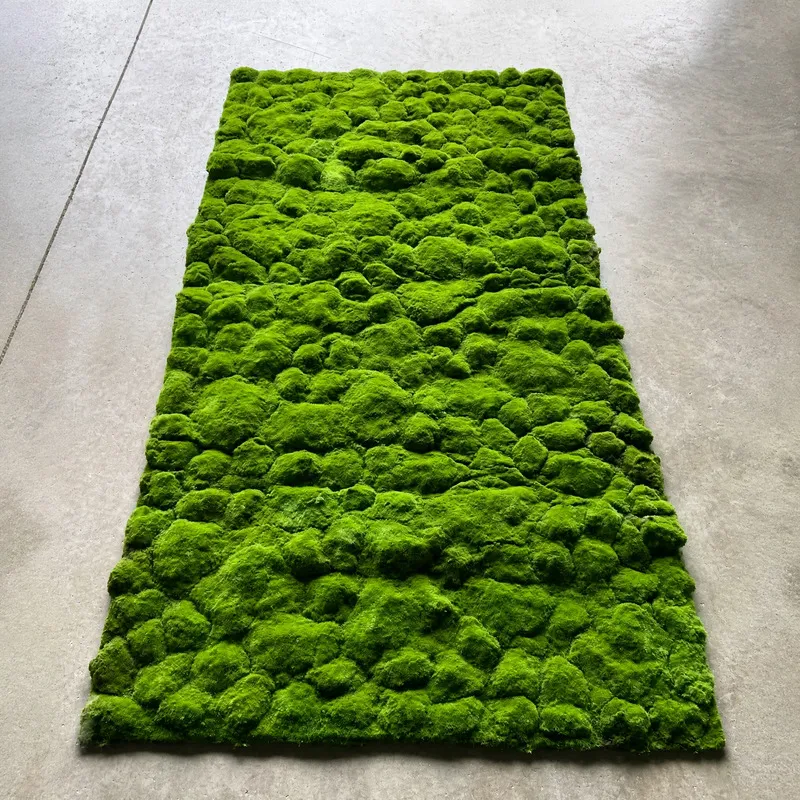
Terraces, rooftops, courtyards, and poolside areas often have constraints that rule out natural grass — limited sunlight, poor drainage, thin substrates, or structural load limits. Artificial turf installs on solid substrates, accepts custom cutting for irregular dimensions, and delivers a green aesthetic year-round. For property developers and hospitality operators, this artificial turf solution enables functional green spaces in locations where natural grass would not survive. The UV-stable formula prevents fading common in lower-grade products.
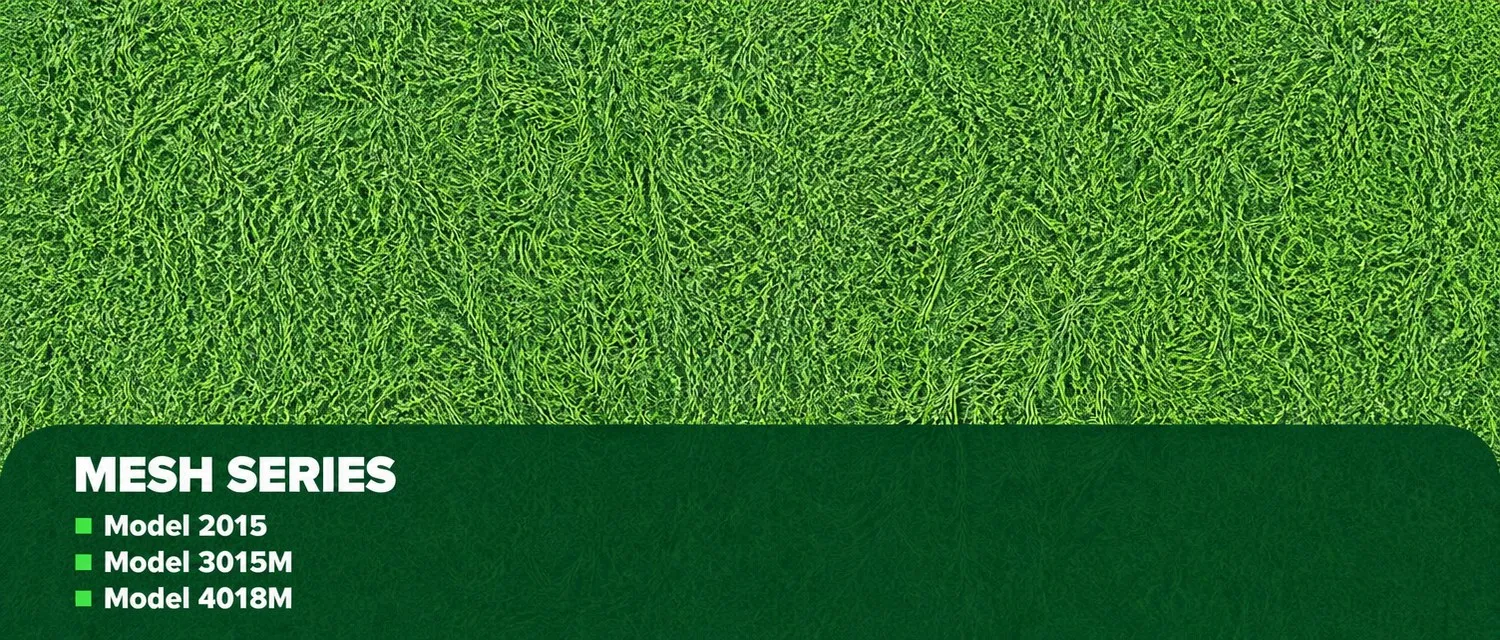
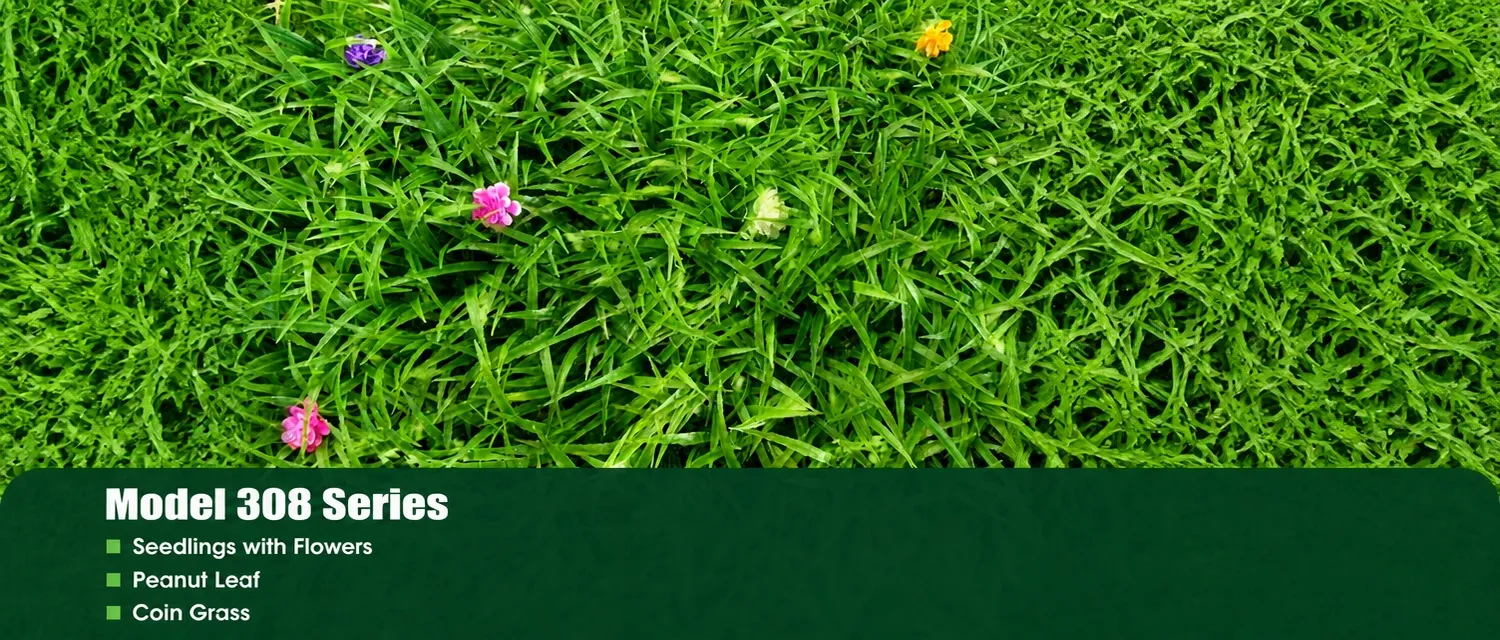
Versus natural grass: artificial turf eliminates the full maintenance cycle and performs consistently regardless of sunlight or season. Known trade-offs include higher surface temperatures on hot days and lower ecological value. These factors deserve consideration in procurement decisions where they are relevant.
Versus hard surfaces: artificial turf offers superior cushioning, better visual aesthetics, and excellent drainage. For locations combining safety and appearance requirements, artificial turf delivers the practical advantages of both alternatives.
Within artificial turf itself, the key differentiator between premium and lower-grade products is UV and anti-aging system quality, fiber wear resistance under sustained use, and long-term backing adhesive stability. Lower-grade products often show fiber brittleness and shedding under high-intensity use — a lifecycle replacement cost that erases initial price savings.
Ready-stock artificial turf roll goods are available for immediate procurement. Custom cutting is supported for non-standard dimensions, pile heights, density grades, and color specifications. Sample testing is available before bulk orders, and pricing is negotiable for large-volume project quantities. Product specification sheets and material test reports support engineering-project evaluation. Supporting materials — seaming tapes, installation adhesives, quartz sand, and rubber infill particles — are available as complementary items. Roll-form packaging suits long-distance international shipping. For large-scale installations, construction resources can be coordinated for complete project execution covering base preparation, seaming, and infill placement.