Supplier:GaoYuan
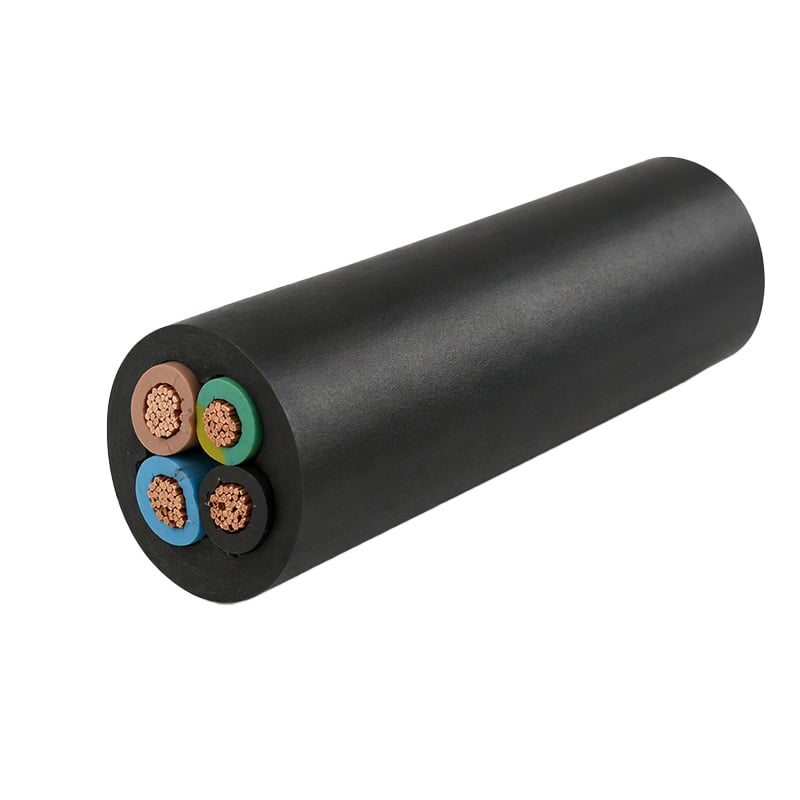
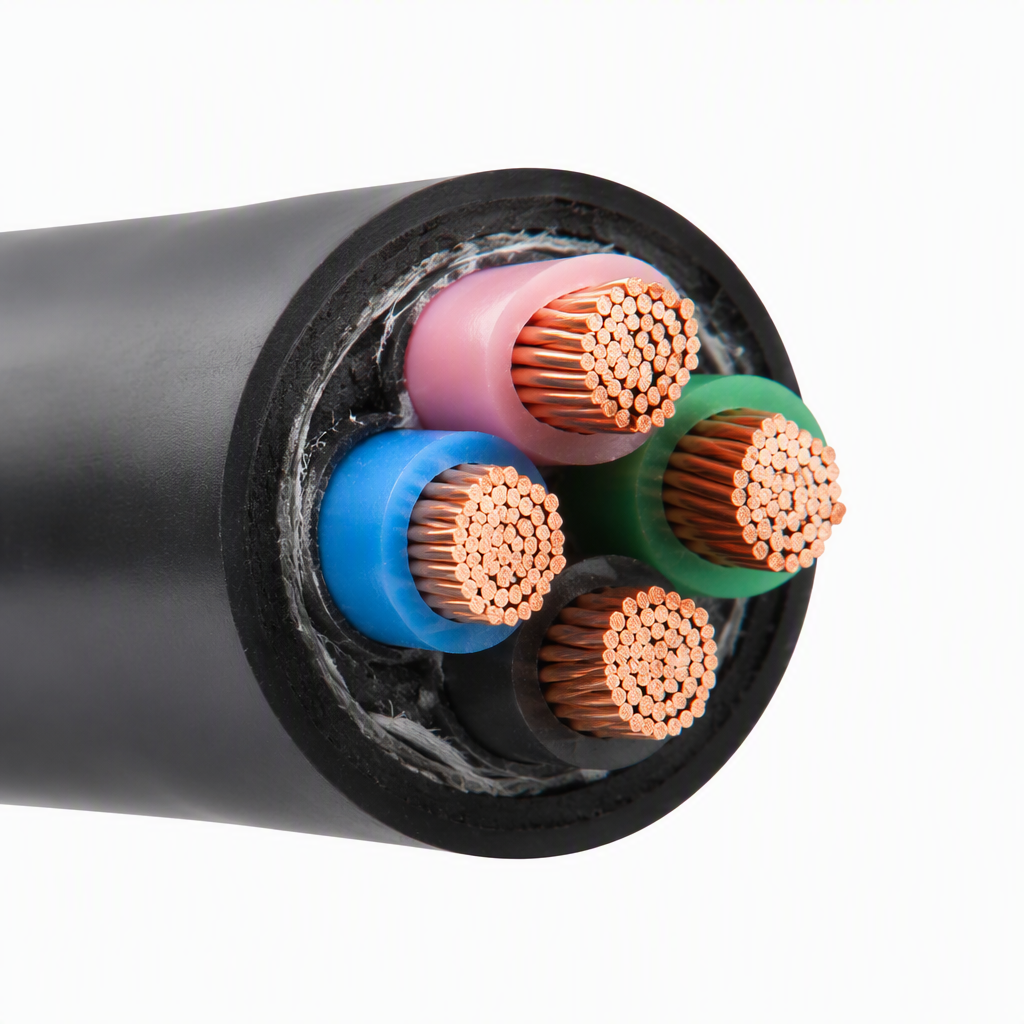
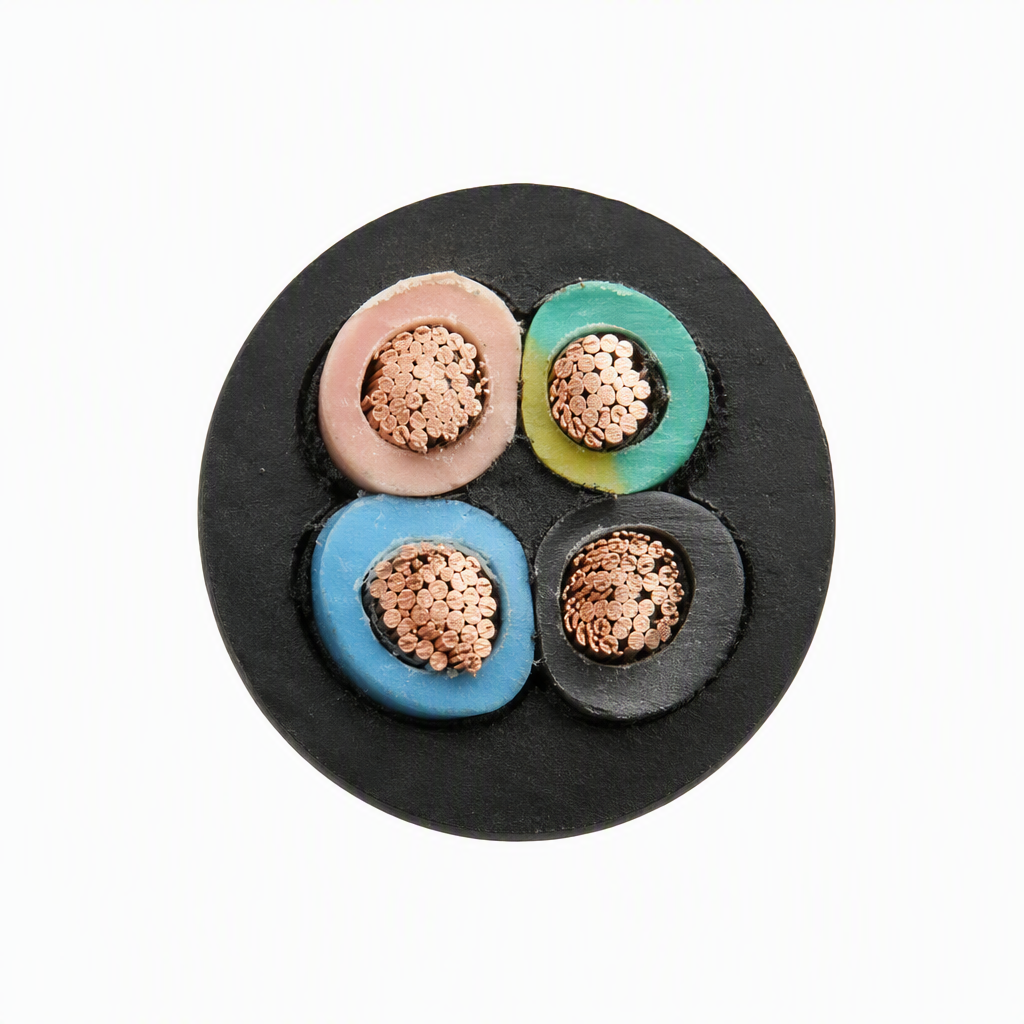
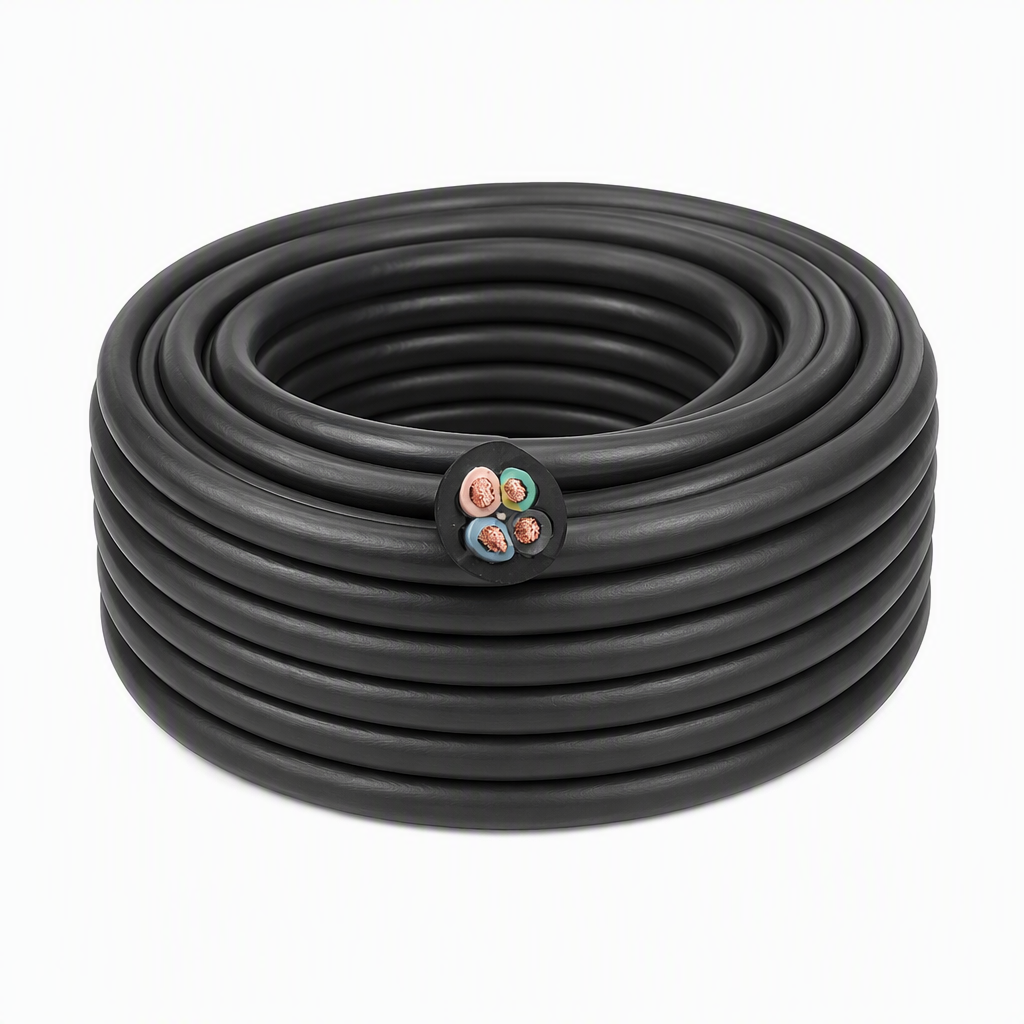
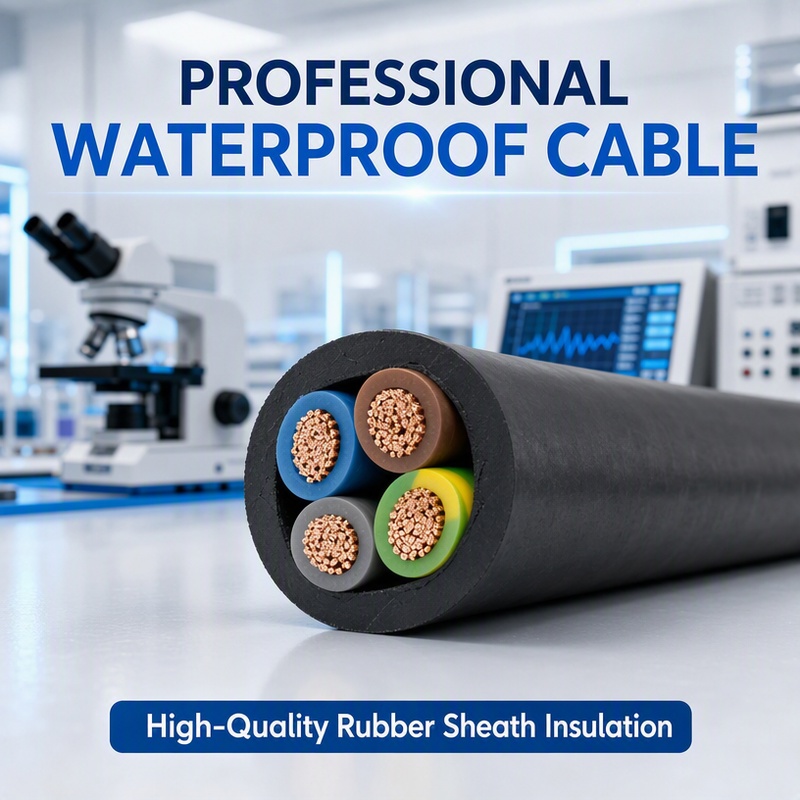
Water‑proof cable fitted with flexible copper cores and rubber outer sheath for moisture‑proof safe power transmission, 450/750V rated voltage for underwater, underground, engineering and wet‑environment power supply projects.
Supplier:GaoYuan
Water‑proof cable fitted with flexible copper cores and rubber outer sheath for moisture‑proof safe power transmission, 450/750V rated voltage for underwater, underground, engineering and wet‑environment power supply projects.
If you have specified cables for outdoor installations, pump stations, or marine environments, you have likely encountered the same fundamental challenge. Standard cables lose electrical integrity when moisture penetrates the insulation, leading to reduced insulation resistance, partial discharge, and eventual cable failure. Even cables rated for outdoor use often lack the construction needed for continuous immersion or direct burial in saturated ground. Waterproof cable addresses these vulnerabilities through specialised materials, construction techniques, and sealing systems that prevent water ingress and migration — delivering reliable power transmission where standard cables simply cannot perform.
In most cable failure analyses I have reviewed, moisture ingress is a primary contributor to premature failure — often more significant than thermal or mechanical stress. Water that enters a cable core creates a conductive path between conductors, reduces insulation resistance, and accelerates electrochemical treeing in polymeric insulation. Longitudinal water migration along the cable core can extend damage far beyond the point of sheath breach. Waterproof cable prevents this through multiple defence layers: water-blocking compounds that swell upon contact with moisture, sealed conductor strands that prevent capillary action, and robust sheath materials that resist water penetration even under pressure. Whether you are connecting submersible pumps, installing underground distribution, or supplying power in coastal infrastructure, this cable delivers the moisture resistance that standard designs cannot match.
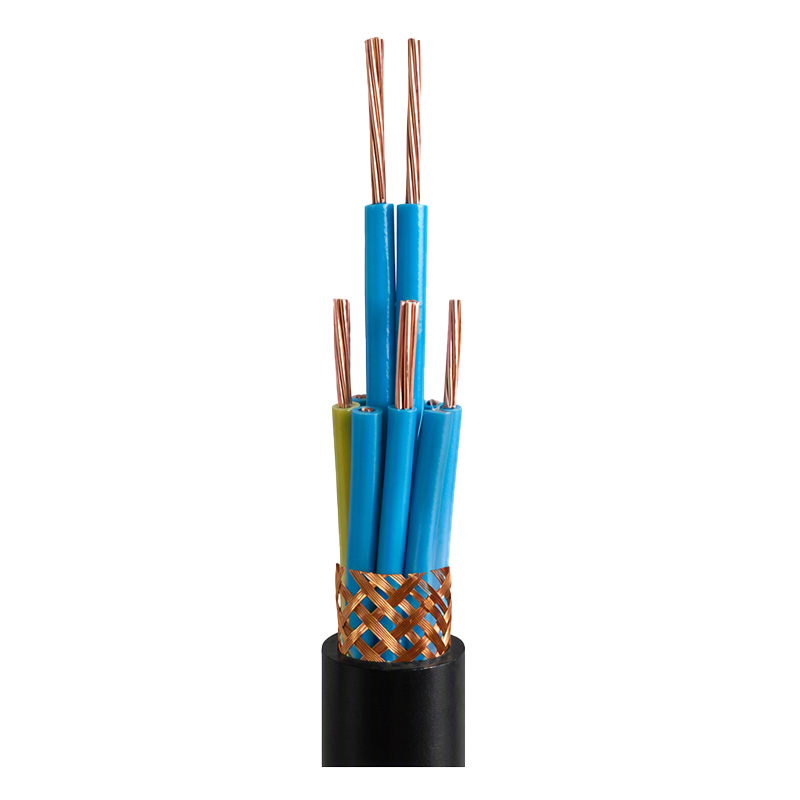
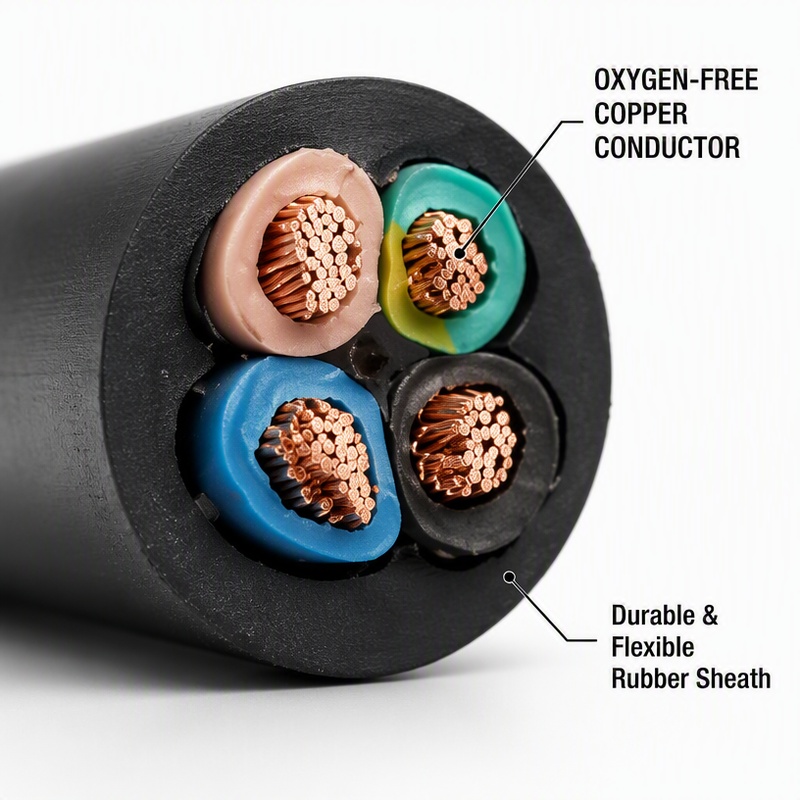
Waterproof cable incorporates several key design features that distinguish it from standard power cables. Conductor strands are often filled with water-blocking compound to prevent capillary water migration along the conductor itself. For the insulation system, materials such as cross-linked polyethylene (XLPE) and ethylene propylene rubber (EPR) are preferred — they exhibit inherently low moisture absorption and maintain electrical properties when exposed to humid conditions . The cable is constructed with a robust outer sheath selected for waterproof performance: polyurethane (PU) offers exceptional abrasion and cut resistance for submersible applications; polyethylene (PE) provides reliable moisture barrier for direct burial; chloroprene rubber (PCP) delivers mechanical strength and weather resistance; and thermoplastic polyurethane (TPU) offers flexibility combined with superior waterproofing. Some cable designs also incorporate an absorbent polymer film between the core and the jacket that swells when wetted, blocking water flow both axially and circumferentially in the event of sheath damage .
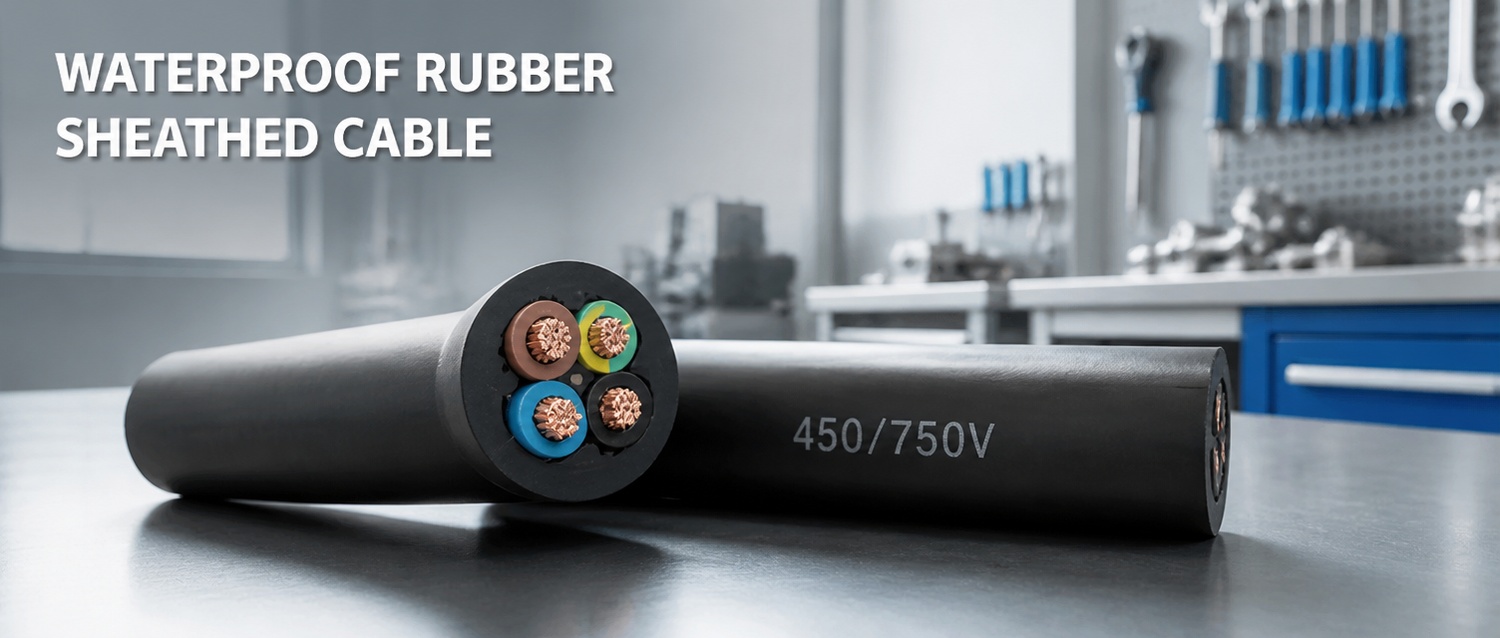
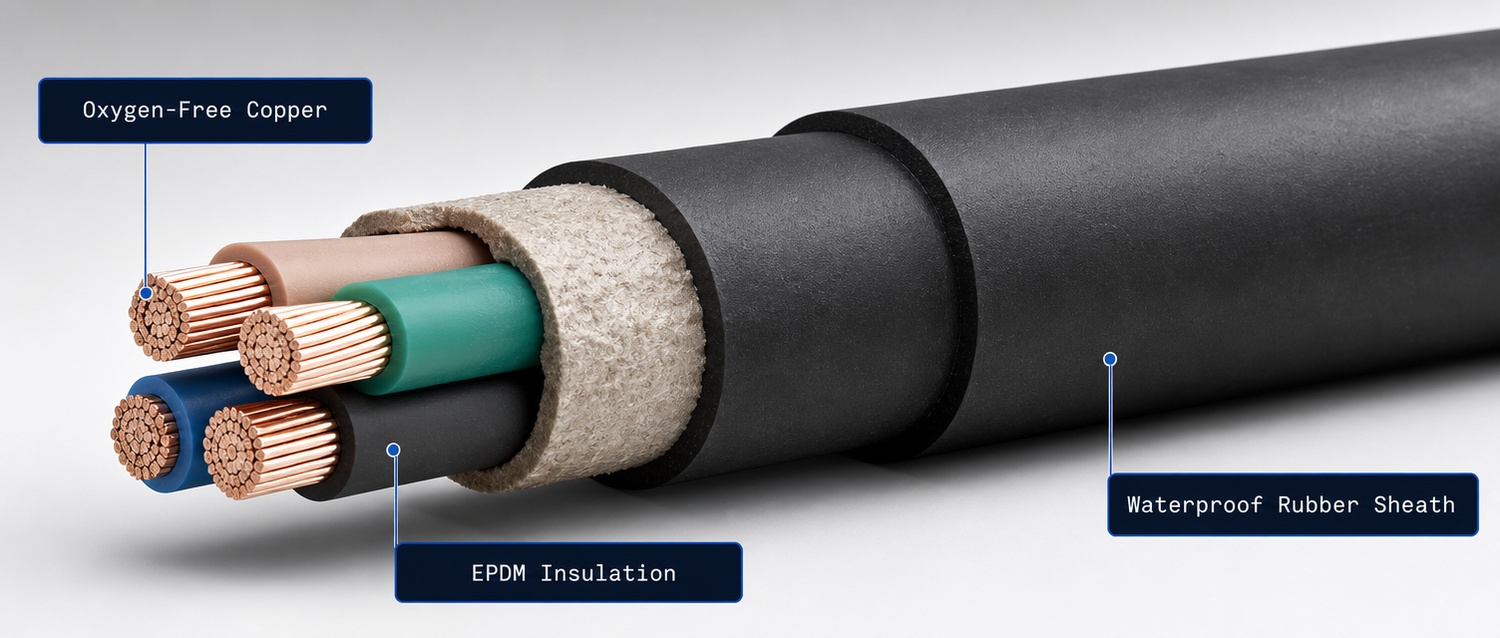
The defining feature of waterproof cable is its multi-layered defence against moisture. At the conductor level, water-blocking compound fills interstices between strands, preventing capillary action that would otherwise draw water along the full cable length . Some designs incorporate absorbent polymer films that swell upon contact with moisture, sealing the breach and blocking further water migration . This level of protection ensures that a localised sheath puncture does not compromise the entire cable run.
The outer sheath provides the primary barrier against moisture and mechanical damage. Polyurethane sheaths offer exceptional abrasion and cut resistance combined with flexibility, making them suitable for submersible pump cables that endure constant movement and pressure . Polyethylene sheaths provide a reliable moisture barrier for direct burial applications where long-term water resistance is essential. For industrial environments requiring mechanical strength alongside waterproofing, chloroprene rubber sheaths deliver both properties . The selection of sheath material is matched to the specific installation conditions.
EPR and XLPE insulation systems exhibit inherently low moisture absorption compared to standard PVC compounds, maintaining high insulation resistance even when exposed to humid conditions. EPR also provides excellent flexibility at low temperatures, making it suitable for outdoor installations in cold climates . These thermosetting insulation materials are also rated for continuous operation at 90°C, delivering both thermal and moisture resistance in demanding applications.
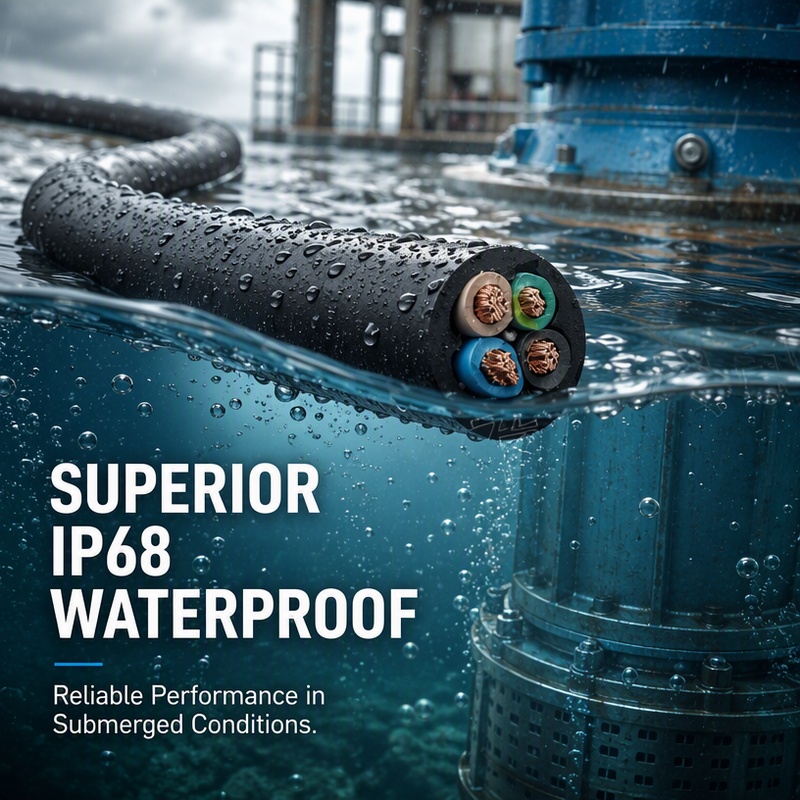
Cables designated for submersion capability (AW8 in the water resistance classification) are designed for continuous underwater operation. Rubber-insulated designs such as H07RN-F and H07RN8-F meet submersion requirements, with some products rated for operation at depths up to 100 metres . This submersion capability is essential for applications including submersible pumps, underwater lighting, and marine power distribution.
Tinned copper conductors provide protection against the corrosion that would occur with bare copper in wet environments. The tin coating ensures consistently low contact resistance at terminations throughout the cable's service life, reducing the risk of hot spots and connection failures in humid or submerged installations.
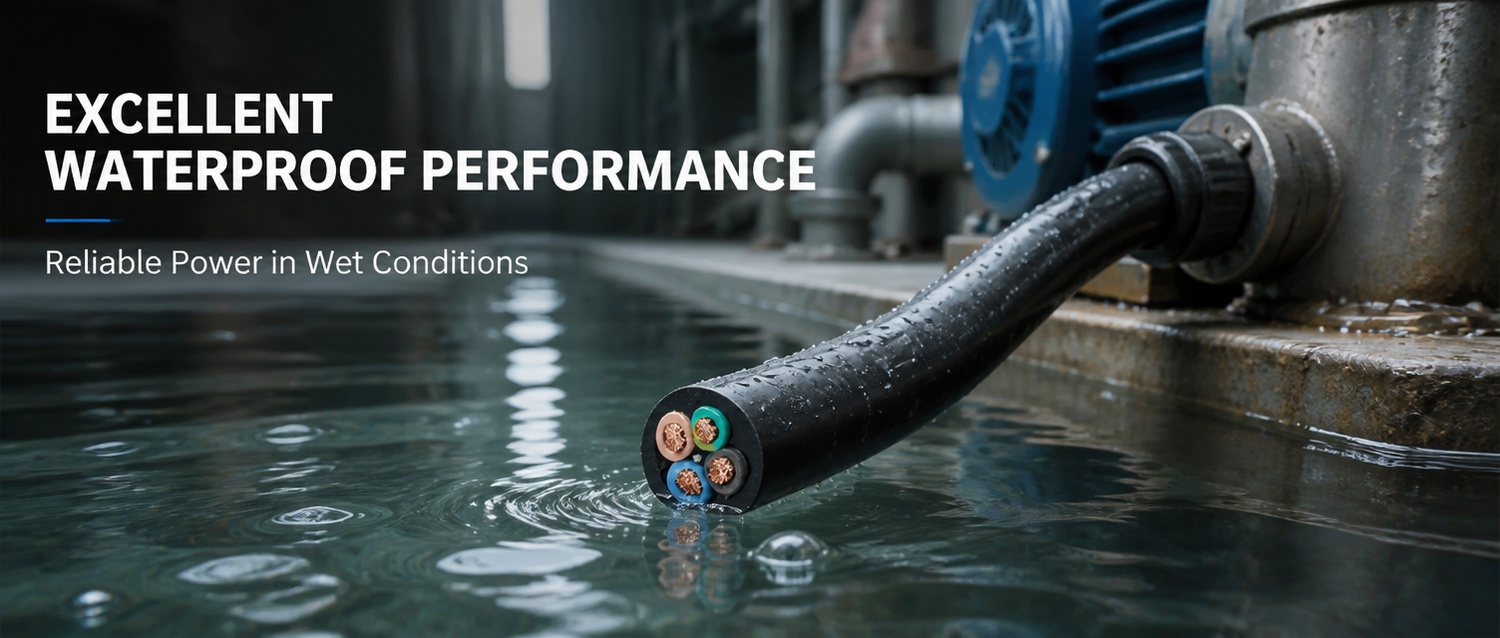
Submersible pump installations require cables that remain flexible and electrically sound under continuous water immersion. The cable must withstand the water pressure at operating depth while maintaining insulation integrity. Waterproof cable designs rated for submersion provide the reliability needed for these critical applications, where cable failure would require pump retrieval and replacement .
Direct burial installations expose cables to groundwater, soil moisture, and potential physical damage. PE sheathed waterproof cables provide the moisture barrier needed for long-term underground service, while the robust construction resists the mechanical stresses of installation and ground movement. For installations in water-saturated ground, the water-blocking systems prevent moisture migration along the cable core .
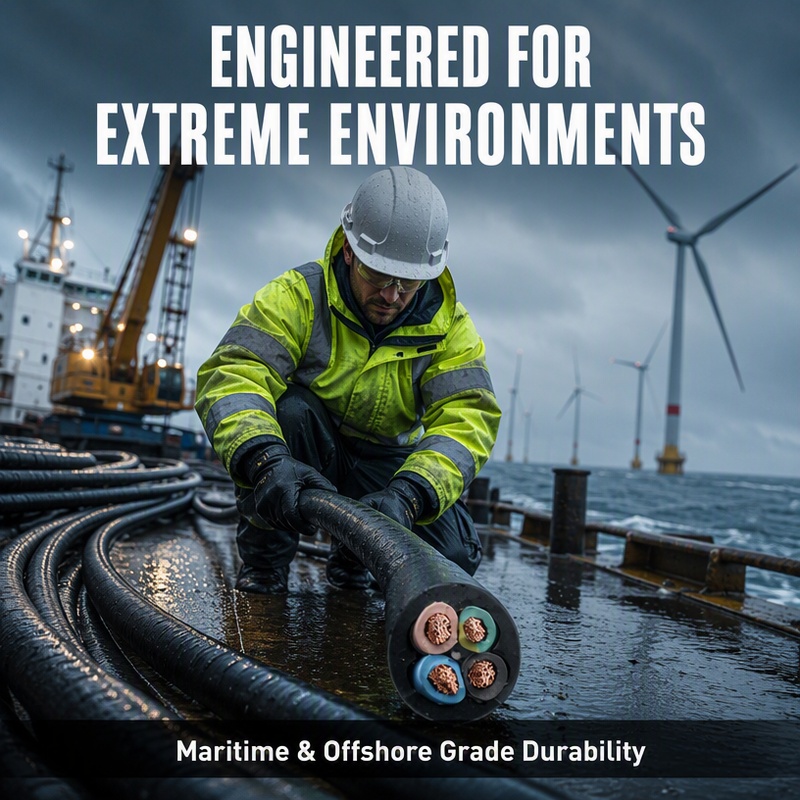
Port facilities, shipboard installations, and coastal infrastructure expose cables to salt water, humidity, and mechanical abuse. The corrosion-resistant construction and robust sheathing of waterproof cables ensure reliable power transmission in these demanding marine environments. UV-resistant sheath options provide additional protection for above-water exposed runs .
Road lighting, traffic management, and outdoor equipment installations require cables that withstand rain, snow, and ground moisture. Waterproof cable with PE or PVC sheathing provides the environmental resistance needed for long-term outdoor service, while the insulation systems maintain electrical integrity through temperature cycling and moisture exposure .
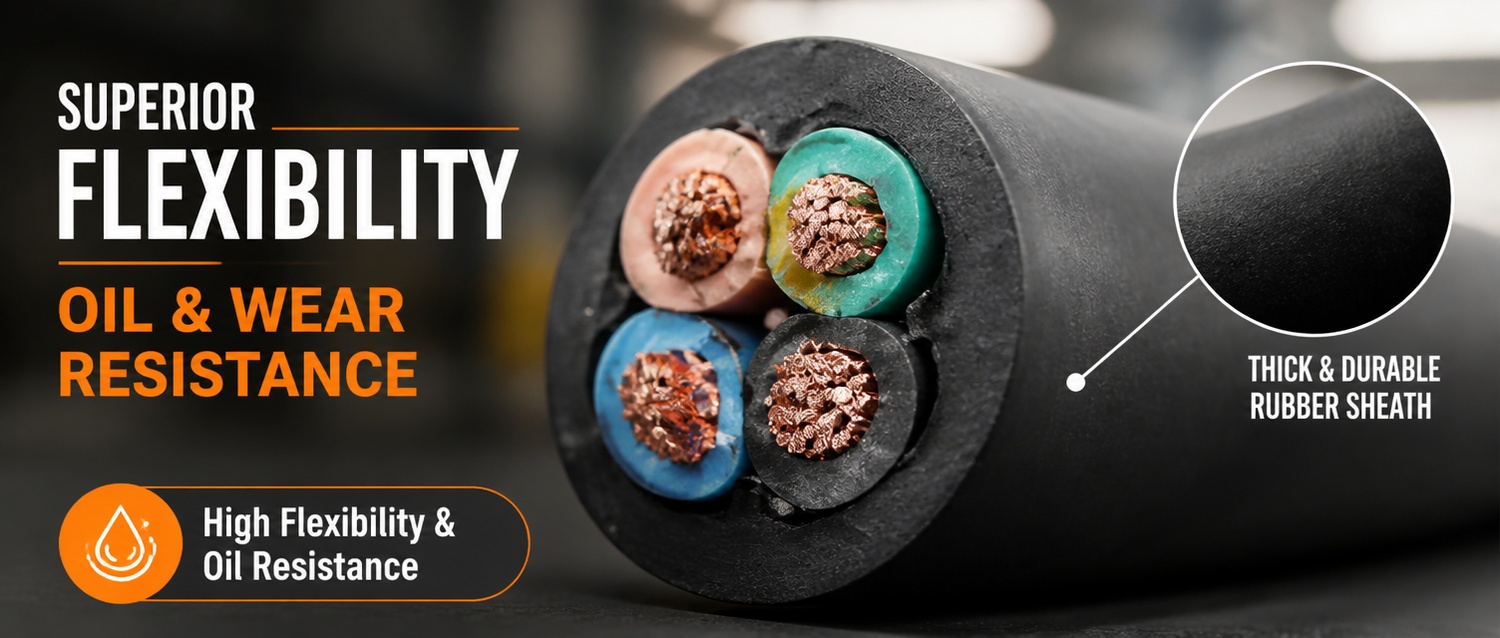
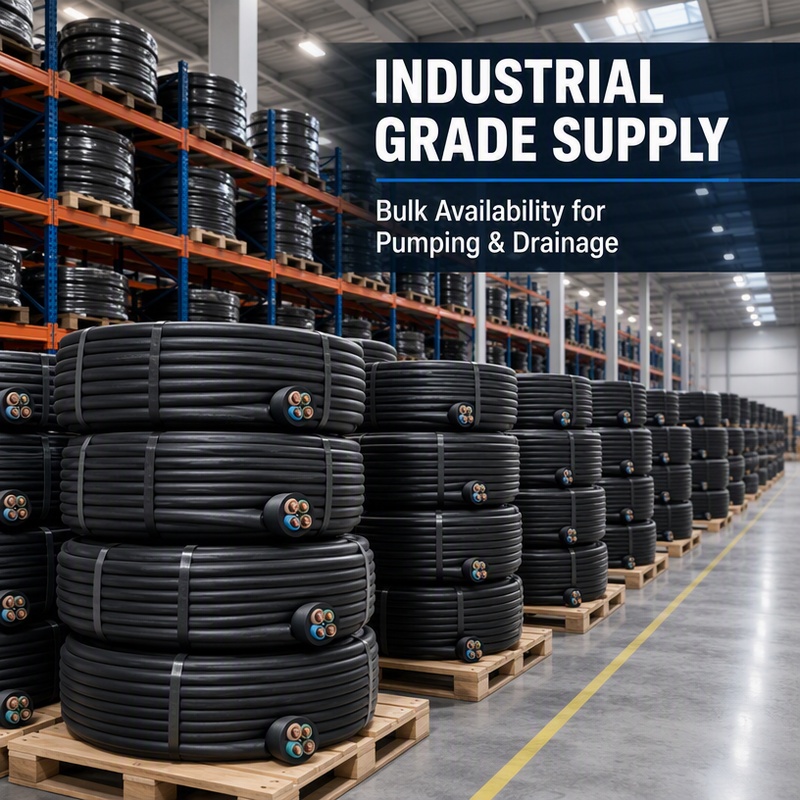
When specifying waterproof cable, focus on the water resistance classification relative to the application. For pumps and submerged equipment, select cables rated for submersion (AW8). For underground and damp environments, immersion-rated (AW7) cables are often sufficient . Consider the sheath material in relation to the installation environment: PU for submersible pump cables requiring flexibility and abrasion resistance, PE for direct burial requiring moisture barrier, and PCP for mechanical strength in industrial applications. Water-blocking construction is essential for long cable runs where a localised sheath breach could otherwise compromise the entire cable. Tinned copper conductors provide corrosion resistance for all wet applications. Ready stock covers standard conductor sizes, core configurations, and sheath options, with voltage variants available on request. Volume pricing is negotiable for procurement orders, and pre-sales consultation is available for project-specific specification assistance. Anti-corrosion packaging is standard for export orders.
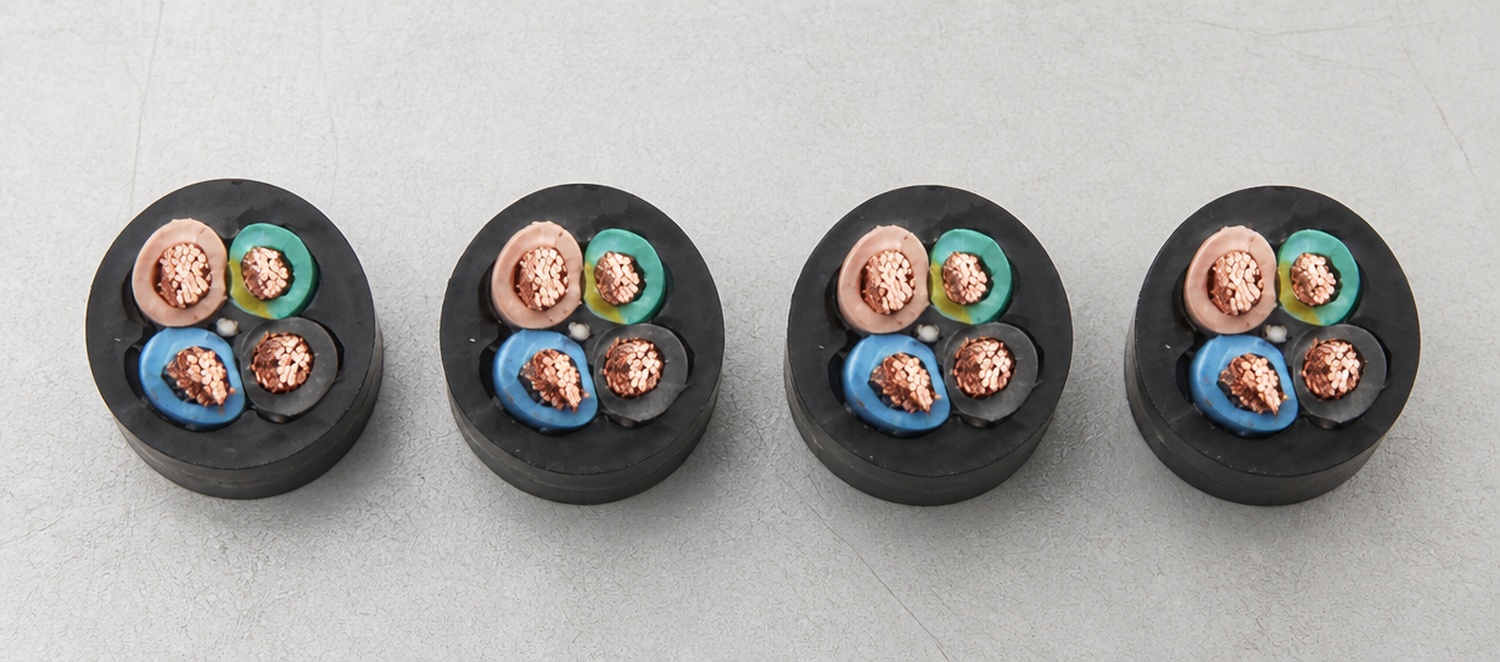
This waterproof cable is suited for pump station operators requiring reliable submersible pump connections, infrastructure projects needing direct burial power distribution, marine and port facilities demanding salt-water resistance, and outdoor installations where moisture ingress would compromise standard cables. Where standard power cables fail through moisture ingress, insulation degradation, or corrosion, this waterproof cable delivers reliable transmission — installation after installation, year after year.