Supplier:GaoYuan
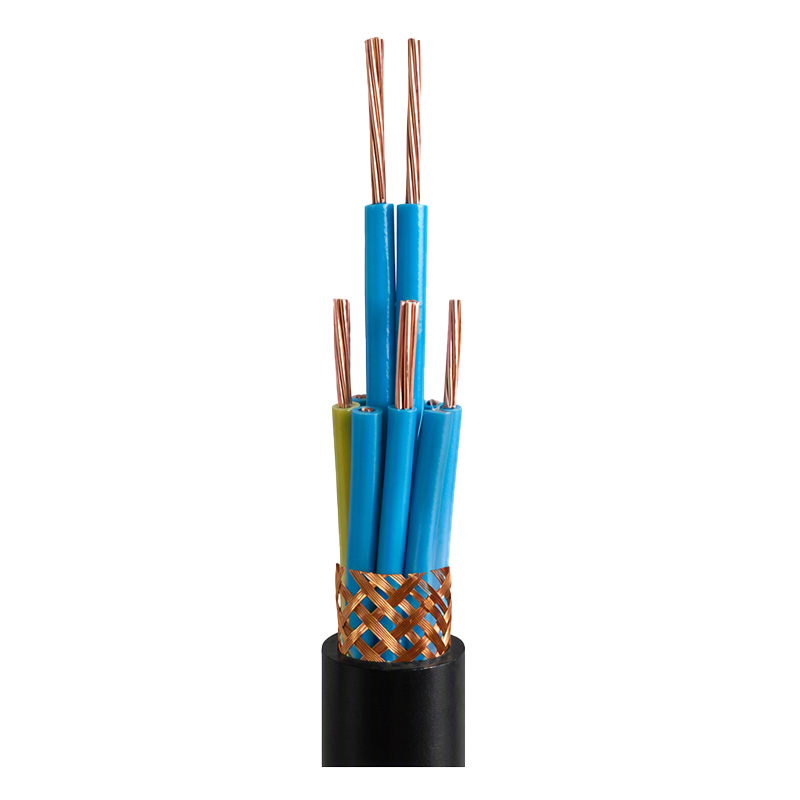
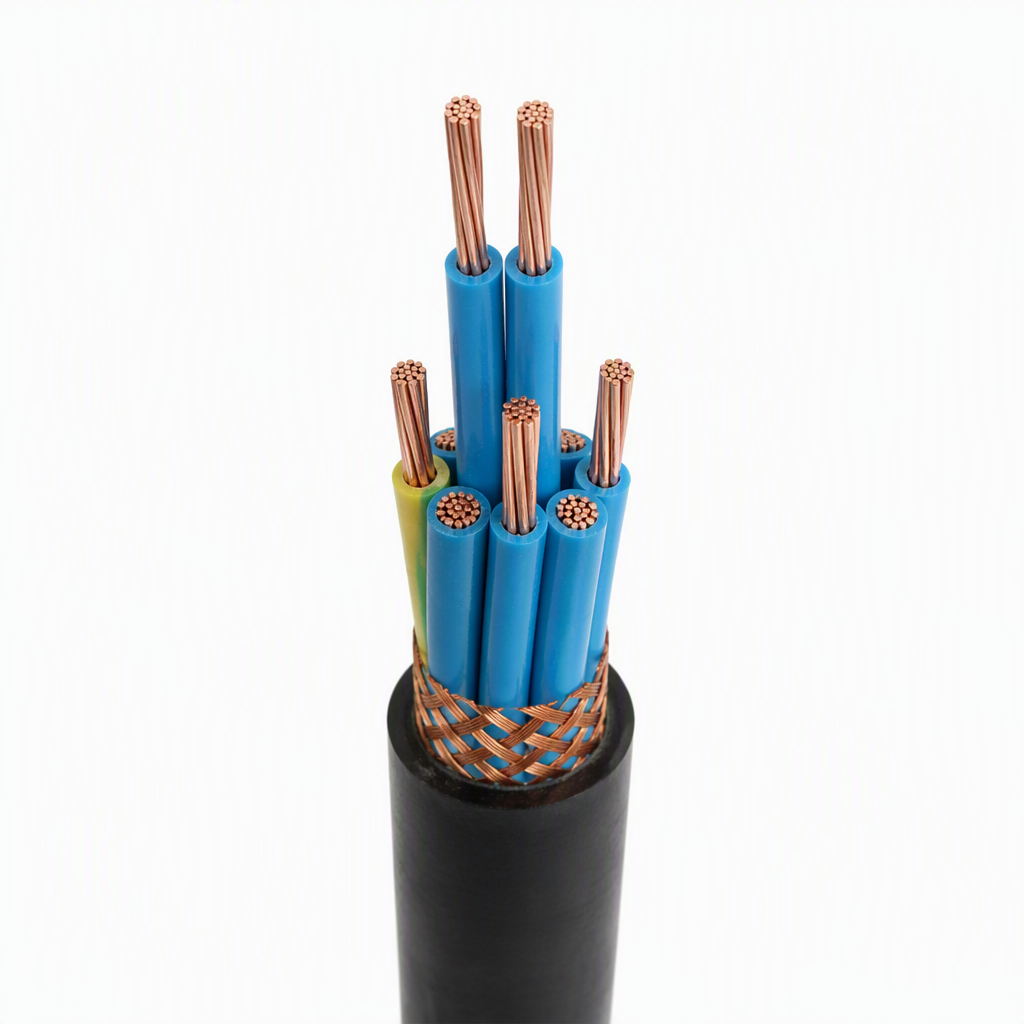
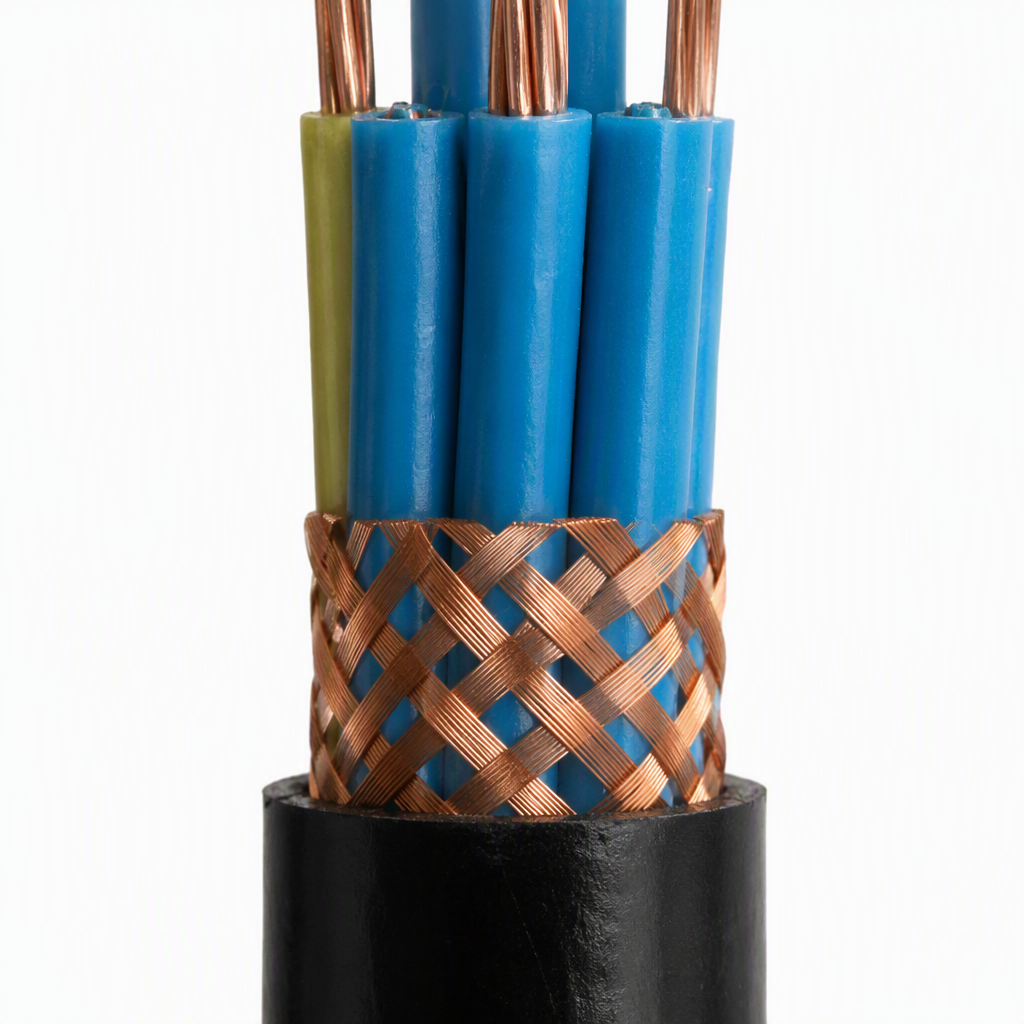
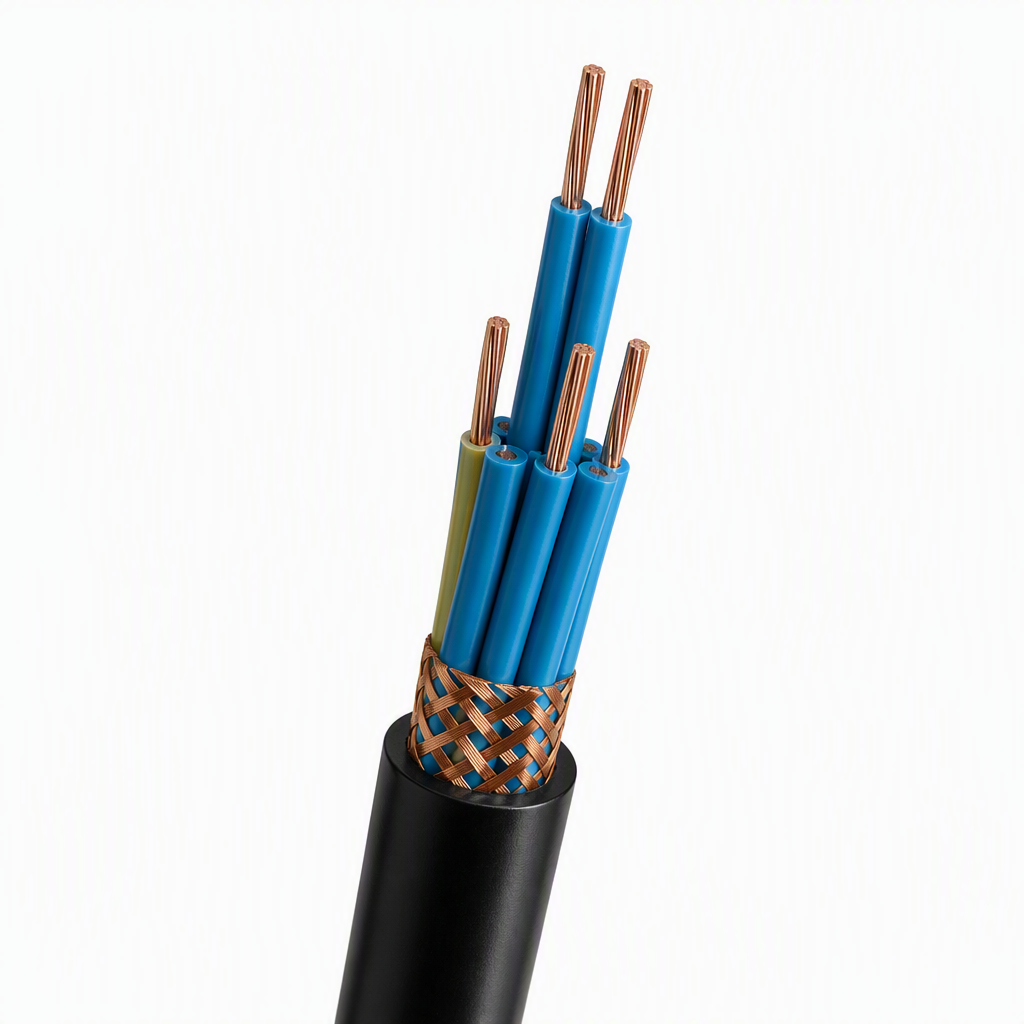
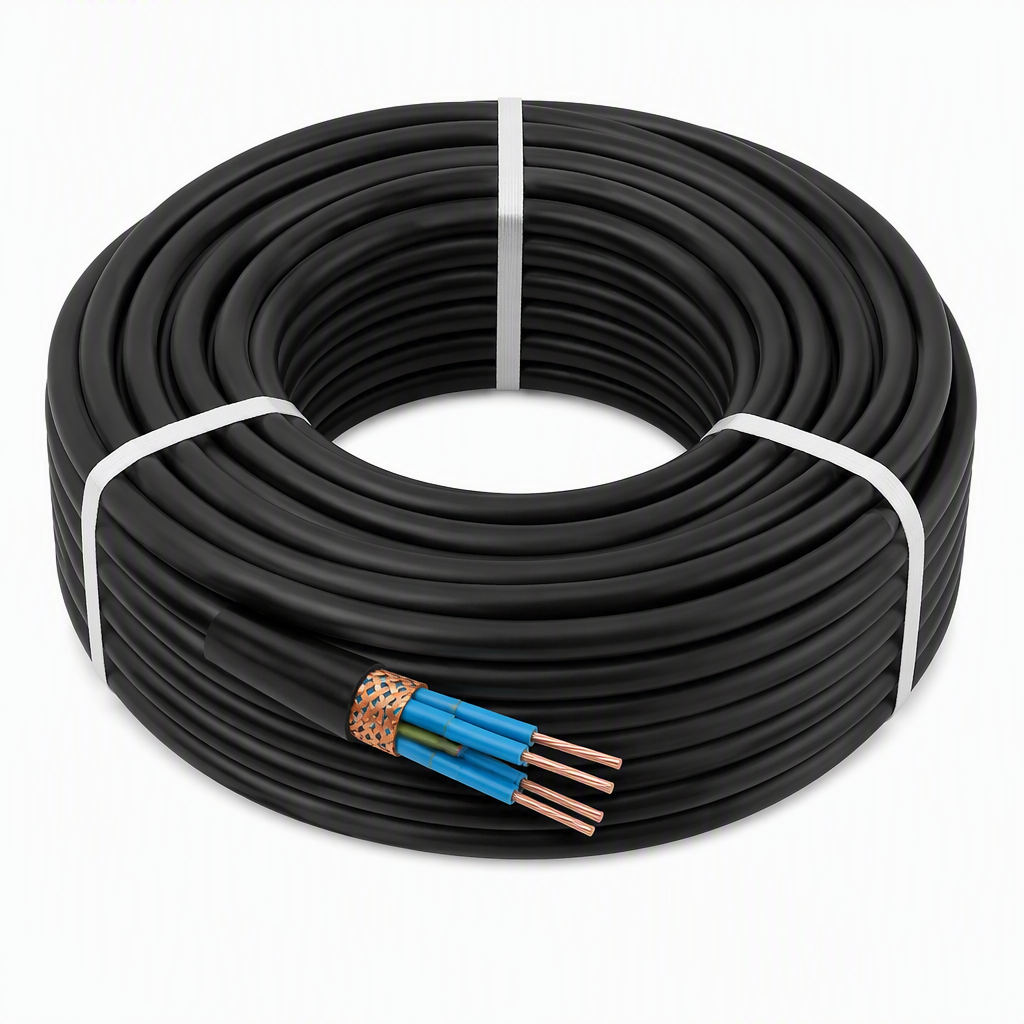
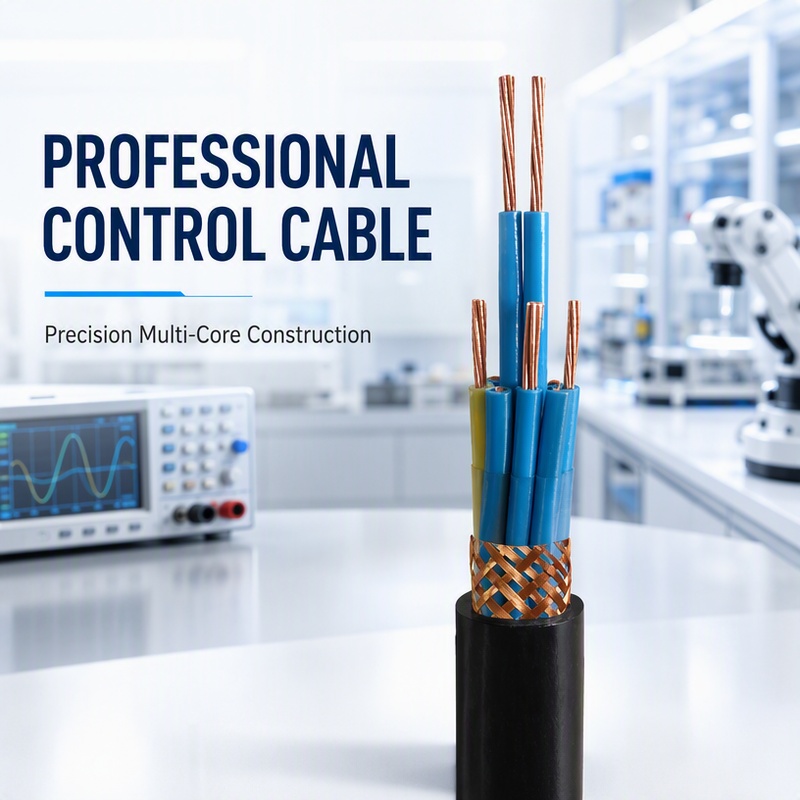
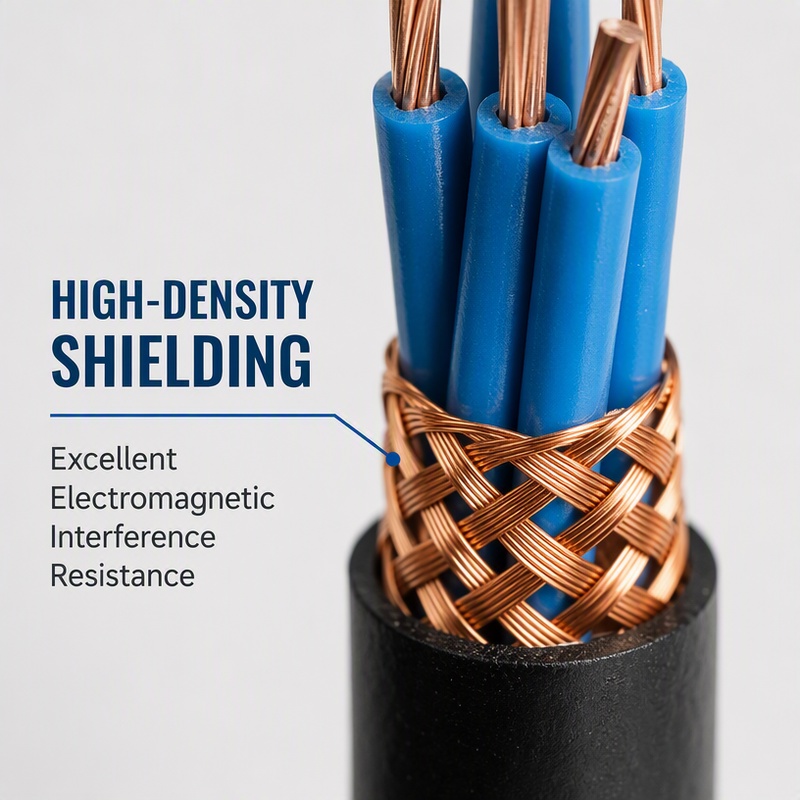
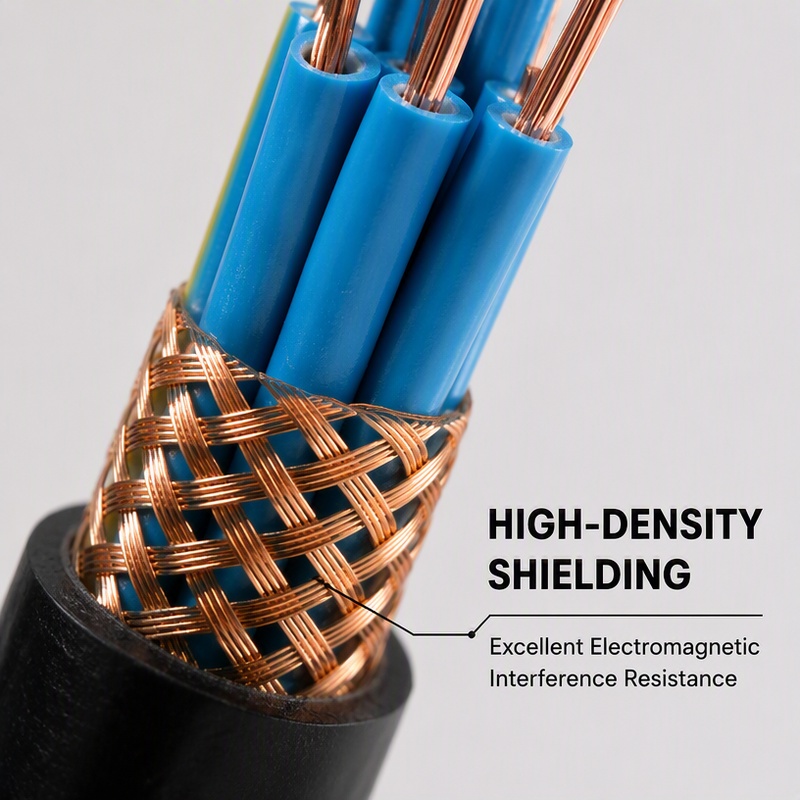
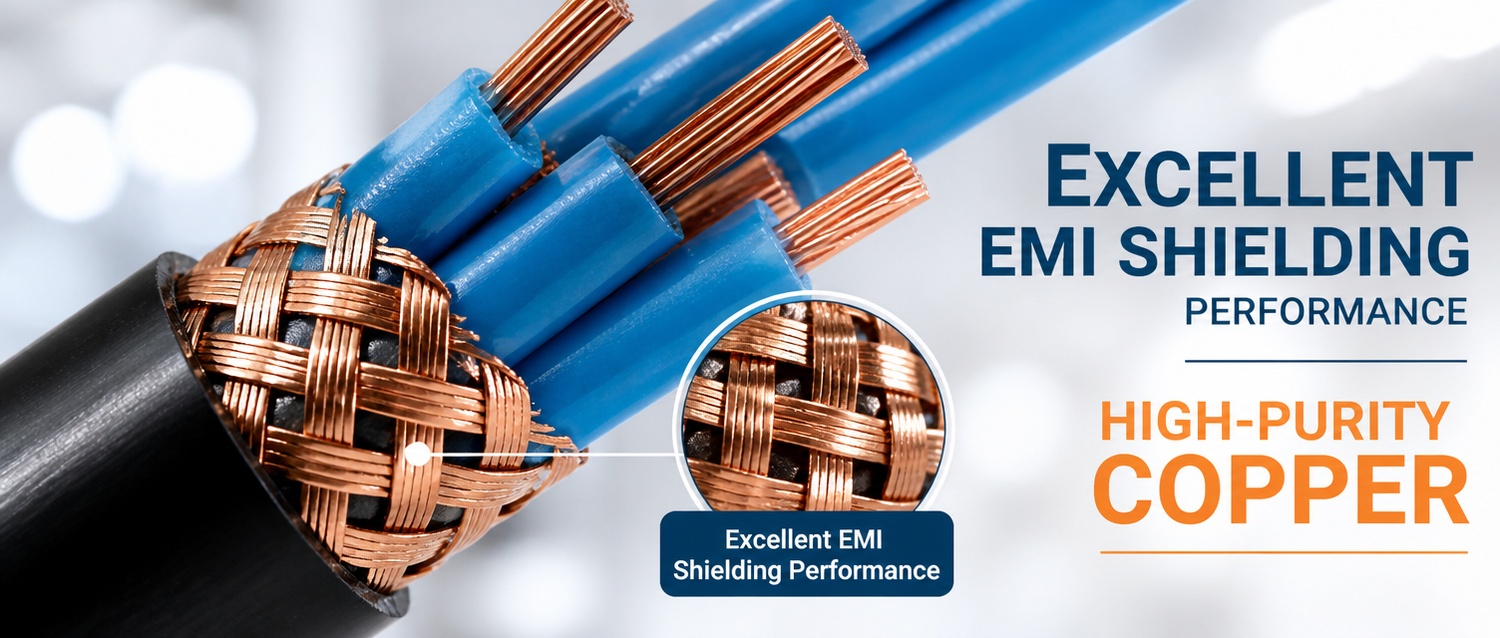
Control cable fitted with multi‑copper cores and copper braid shielding for stable control signal transmission, 450/750V for equipment, automation and industrial control projects.
Supplier:GaoYuan
Control cable fitted with multi‑copper cores and copper braid shielding for stable control signal transmission, 450/750V for equipment, automation and industrial control projects.
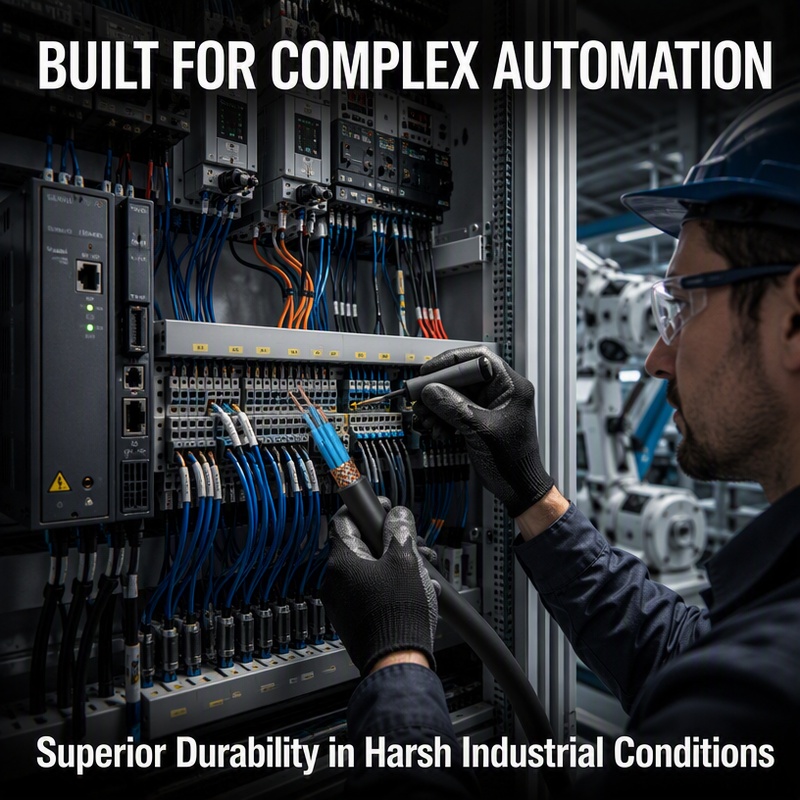
If you have sourced cables for industrial control systems, automation networks, or equipment interconnections, you have likely faced a recurring challenge. Standard power cables are too bulky and lack the flexibility needed for control circuits, while general-purpose instrumentation cables often lack the conductor sizing and mechanical durability required for switching and control applications. Control cable addresses this need through a purpose-built design that combines flexible stranded copper conductors, robust PVC or LSZH insulation, and optional shielding and armouring — delivering both signal integrity and switching capability in a single, durable construction. Whether you are connecting push buttons to contactors, interlocking safety circuits, or extending control signals across a factory floor, this cable delivers the performance and reliability that general-purpose cables cannot provide.
Understanding where control cable fits in the cable family helps clarify its specific advantages:
| Cable Type | Primary Function | Key Characteristics |
|---|---|---|
| Control Cable | Transmission of control signals and low-power switching circuits | Flexible cores, robust insulation, optional shielding, 0.5–4mm² conductor sizes |
| Instrumentation Cable | Transmission of sensitive analog signals (4-20mA, thermocouples, etc.) | Twisted pairs, individual shielding, low capacitance, 0.3–1.5mm² conductor sizes |
| Power Cable | Transmission of main power to equipment | Large conductor sizes, thick insulation, 1.5mm² and above |
| Computer Cable | Data communication and digital signals | Twisted pairs, high-density shielding, characteristic impedance control |
Control cables occupy the middle ground: they are flexible enough for frequent termination and re-termination, sized for the modest currents of control circuits (typically 1–5A), and built to withstand the mechanical stresses of industrial environments.
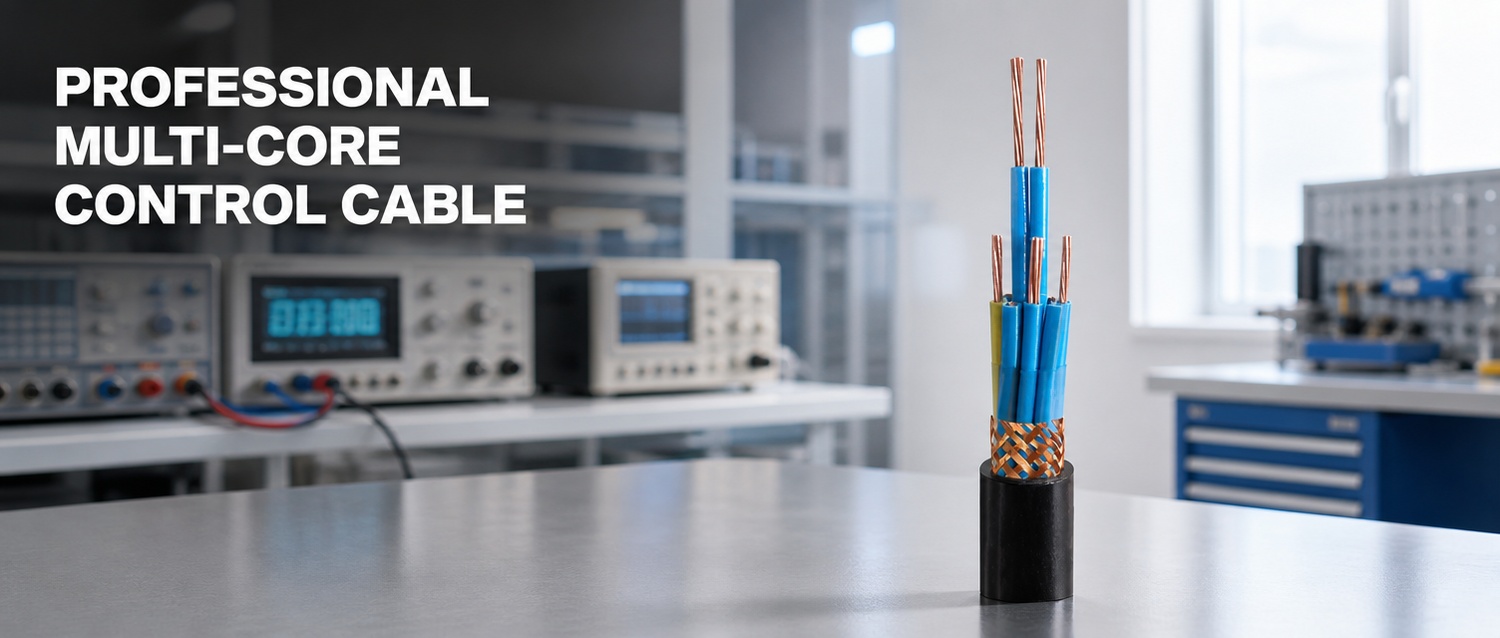
Control cables typically use Class 2 (stranded) or Class 5 (flexible) copper conductors. The stranding provides the flexibility needed for repeated bending, terminations, and installation in cable trays and conduit. Conductor sizes generally range from 0.5mm² to 4mm² — sufficient for control signals and low-power circuits without the bulk of power cables. Tinned copper is available for corrosion protection.
PVC is the standard insulation material for control cables, providing:
Good electrical insulation properties
Resistance to oils, chemicals, and moisture
Cost-effectiveness for large-scale installations
For enhanced fire safety in occupied buildings, LSZH (low-smoke zero-halogen) insulation and sheathing materials are available. EPR (ethylene propylene rubber) insulation provides superior flexibility and temperature performance for demanding environments.
Control cables feature cores identified by colour or numbering for easy circuit identification. Common schemes include:
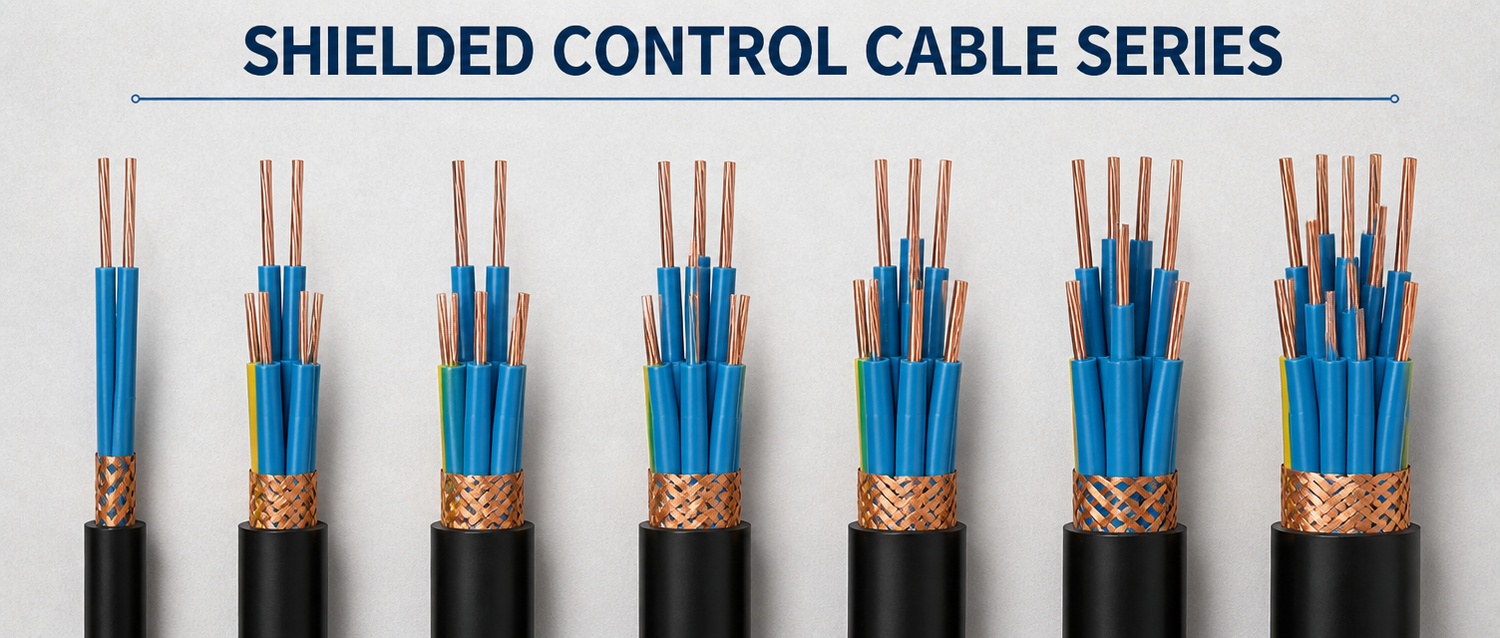
| Core Count | Colour Identification |
|---|---|
| 2 cores | Brown, Blue |
| 3 cores | Brown, Black, Grey |
| 4 cores | Brown, Black, Grey, Blue |
| 5 cores | Brown, Black, Grey, Blue, Yellow/Green |
| 6+ cores | Numbered on a light background (e.g., white) |
The inclusion of a yellow/green earth core is standard for circuits requiring protective earthing.
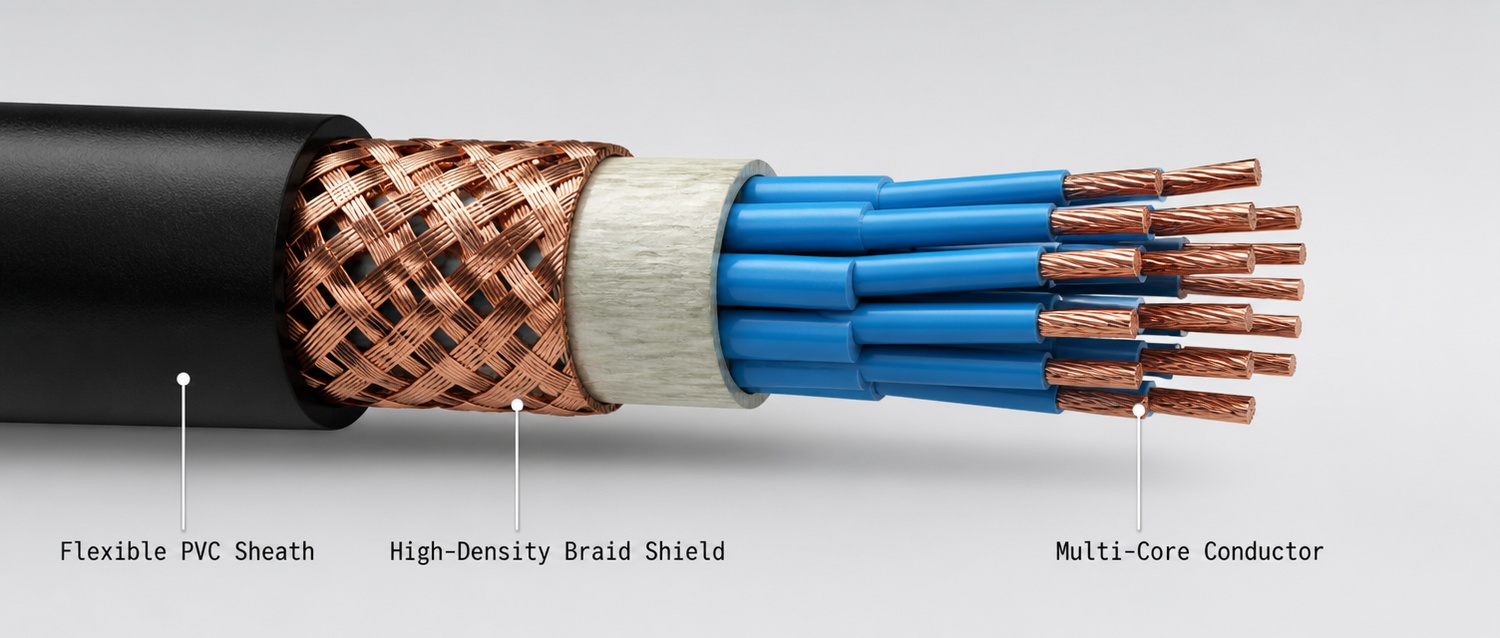
Control cables typically use Class 2 (stranded) or Class 5 (flexible) copper conductors. The stranding provides the flexibility needed for repeated bending, terminations, and installation in cable trays and conduit. Conductor sizes generally range from 0.5mm² to 4mm² — sufficient for control signals and low-power circuits without the bulk of power cables. Tinned copper is available for corrosion protection.
PVC is the standard insulation material for control cables, providing:
Good electrical insulation properties
Resistance to oils, chemicals, and moisture
Cost-effectiveness for large-scale installations
For enhanced fire safety in occupied buildings, LSZH (low-smoke zero-halogen) insulation and sheathing materials are available. EPR (ethylene propylene rubber) insulation provides superior flexibility and temperature performance for demanding environments.
Control cables feature cores identified by colour or numbering for easy circuit identification. Common schemes include:
| Core Count | Colour Identification |
|---|---|
| 2 cores | Brown, Blue |
| 3 cores | Brown, Black, Grey |
| 4 cores | Brown, Black, Grey, Blue |
| 5 cores | Brown, Black, Grey, Blue, Yellow/Green |
| 6+ cores | Numbered on a light background (e.g., white) |
The inclusion of a yellow/green earth core is standard for circuits requiring protective earthing.
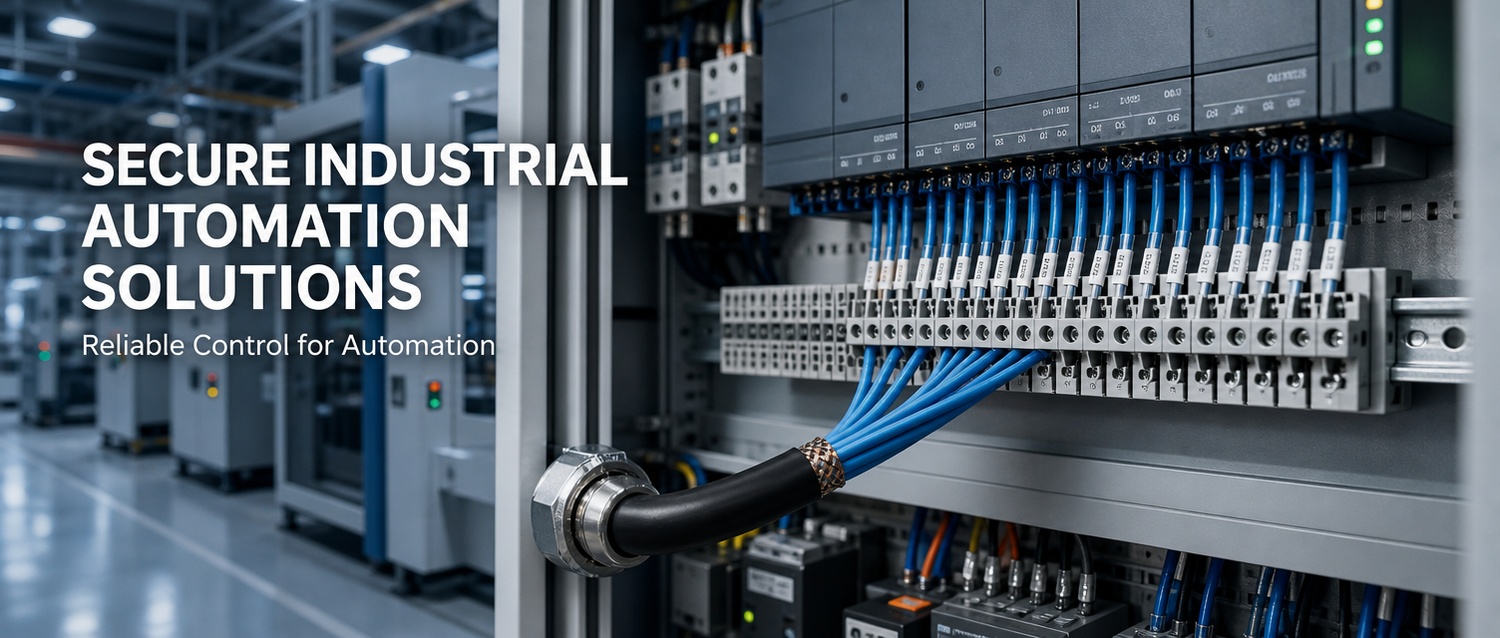
Control cables are typically rated for 450/750V, providing a safety margin well above the normal operating voltage of control circuits (typically 24V DC or 230V AC). This higher rating ensures that the cable insulation can withstand transient overvoltages and system faults without degradation — a critical safety feature for circuits connected to contactors, relays, and PLC outputs.
The stranded conductor construction provides the flexibility needed for frequent connections and reconnections. Control panels and junction boxes require cables that bend easily around corners, fit into confined spaces, and terminate cleanly at terminal blocks. The conductor stranding also resists work hardening and breakage from repeated bending — a common failure mode in solid-conductor cables used in control applications.
Core identification by colour or numbering simplifies installation and reduces wiring errors. In complex control panels with dozens or hundreds of circuits, this identification is essential for efficient installation, testing, and future maintenance. Numbered cores on a light background provide unambiguous identification for multi-core control cables, ensuring that each circuit is terminated at the correct point.
The PVC insulation and sheath provide resistance to oils, chemicals, and moisture — the three most common causes of cable degradation in industrial environments. This resistance ensures that control cables maintain electrical integrity despite exposure to hydraulic fluids, cleaning agents, and ambient humidity, reducing the frequency of cable replacement.
Control cables are available in a wide range of configurations to match specific application requirements:
| Configuration | Features | Best For |
|---|---|---|
| Unshielded, unarmoured | Standard PVC construction | Clean industrial environments |
| Shielded, unarmoured | Copper braid or tape shield | Near VFDs, motors, high-interference areas |
| Armoured, unshielded | STA or SWA protection | Direct burial, high-impact risk |
| Shielded and armoured | Both shielding and armouring | Maximum protection for critical circuits |
| LSZH variants | Low smoke, zero halogen | Occupied buildings, fire-sensitive areas |
Control cables connect push buttons, limit switches, and other operator inputs to contactors, relays, and motor starters. The cable must carry the switching currents reliably while withstanding the vibration and mechanical stress of machine operation. The stranded conductor construction and robust insulation provide the durability needed for these demanding applications.
Programmable logic controllers and distributed control systems require reliable interconnection to field devices. Control cables provide the conductor size and flexibility needed for digital and analog I/O connections, while optional shielding ensures signal integrity in high-interference environments.
MCCs require control wiring from starters to remote control points — start/stop stations, indication lights, and interlocks. Control cables provide the contact load capacity and voltage rating needed for these control circuits, ensuring reliable starter operation.
Conveyor control circuits — stop switches, pull cords, speed sensors — require cables that withstand the vibration and mechanical stress of continuous operation. Control cables provide the mechanical durability needed for these applications, while the optional armouring protects against impact and abrasion.
Building management systems connect thermostats, pressure sensors, valve actuators, and fan controls. Control cables provide the multi-core configurations needed for these circuits, with LSZH sheaths ensuring fire safety in occupied spaces.
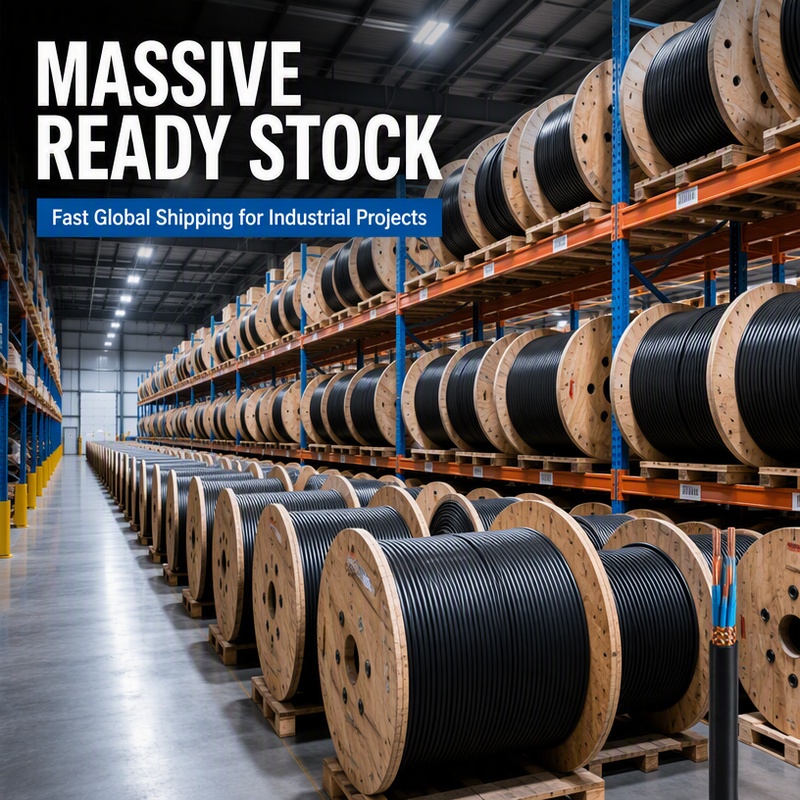
When specifying control cables, conductor count and size are the first considerations. Conductor size is determined by the circuit current and cable length — 1.0mm² or 1.5mm² is typical for most control circuits, with 2.5mm² or 4mm² for longer runs or heavier loads. Shielding should be specified for installations near VFDs, motors, or welding equipment. Armouring should be specified for direct burial or installations where mechanical protection is required. LSZH sheathing is recommended for indoor installations in occupied buildings. Verify that the cable meets the required voltage rating (typically 450/750V). Ready stock covers standard core counts, conductor sizes, and sheath options.
| Consideration | What This Cable Delivers |
|---|---|
| Circuit suitability | 450/750V rating, 0.5–4mm² conductors — matched to control circuits |
| Installation flexibility | Stranded copper — easy routing and termination |
| Wiring clarity | Colour or numbered cores — error-free installation |
| Environmental durability | PVC insulation/sheath — oil, chemical, moisture resistance |
| Interference protection | Optional shielding — signal integrity in high-noise areas |
| Mechanical protection | Optional armouring — direct burial, impact protection |
| Fire safety | LSZH options — reduced smoke and toxicity |
This control cable is suited for industrial plant engineers specifying control circuits for machinery and processes, automation system integrators requiring reliable field wiring, building services engineers connecting HVAC and building management systems, and maintenance teams replacing cables in existing control panels. Where general-purpose cables compromise reliability through inadequate flexibility, poor identification, or insufficient environmental resistance, this control cable delivers dependable performance — circuit after circuit, plant after plant.