
Supplier:Jinghan
Eco-friendly PP spunbond nonwoven, breathable, acid-resistant, versatile for agriculture, geotextile, and daily uses.
Supplier:Jinghan
Eco-friendly PP spunbond nonwoven, breathable, acid-resistant, versatile for agriculture, geotextile, and daily uses.
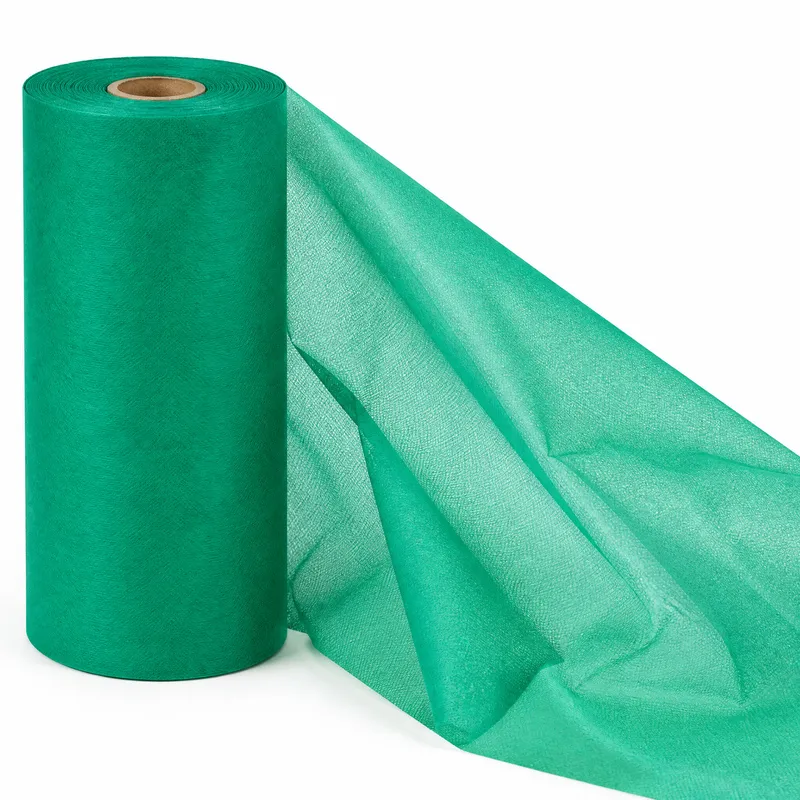
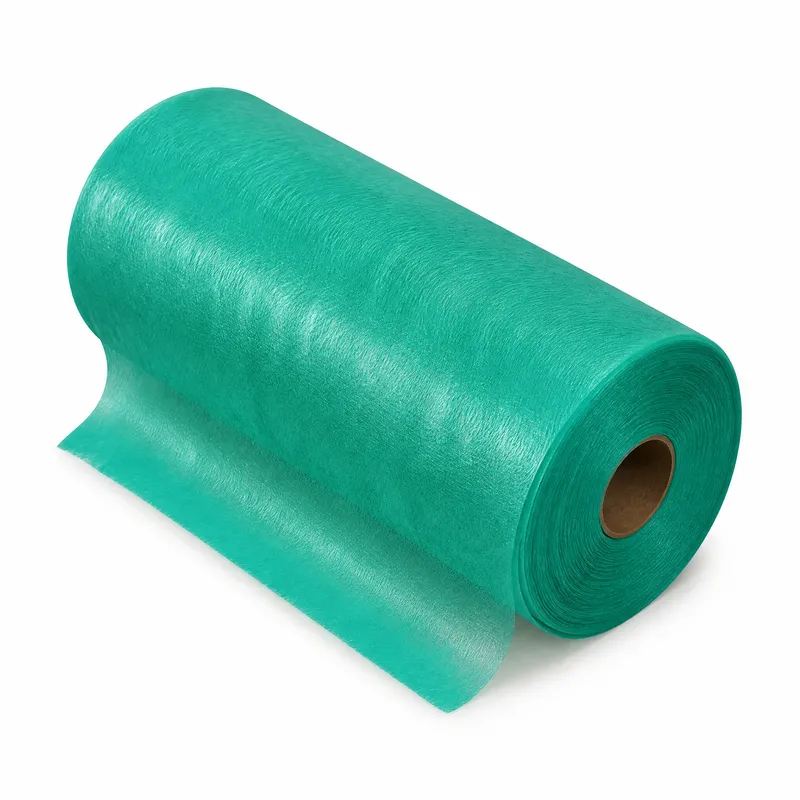
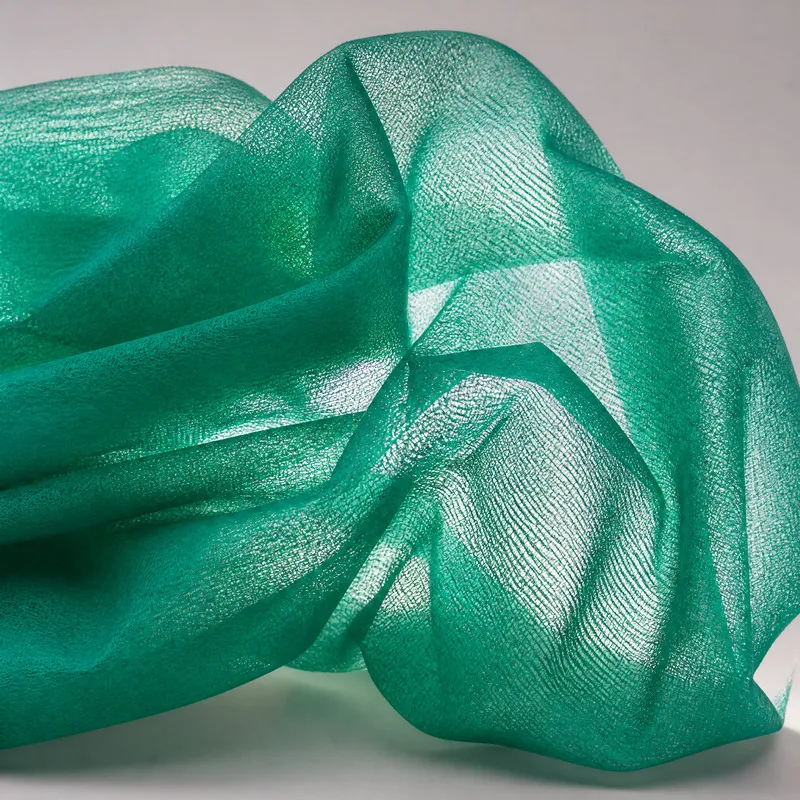
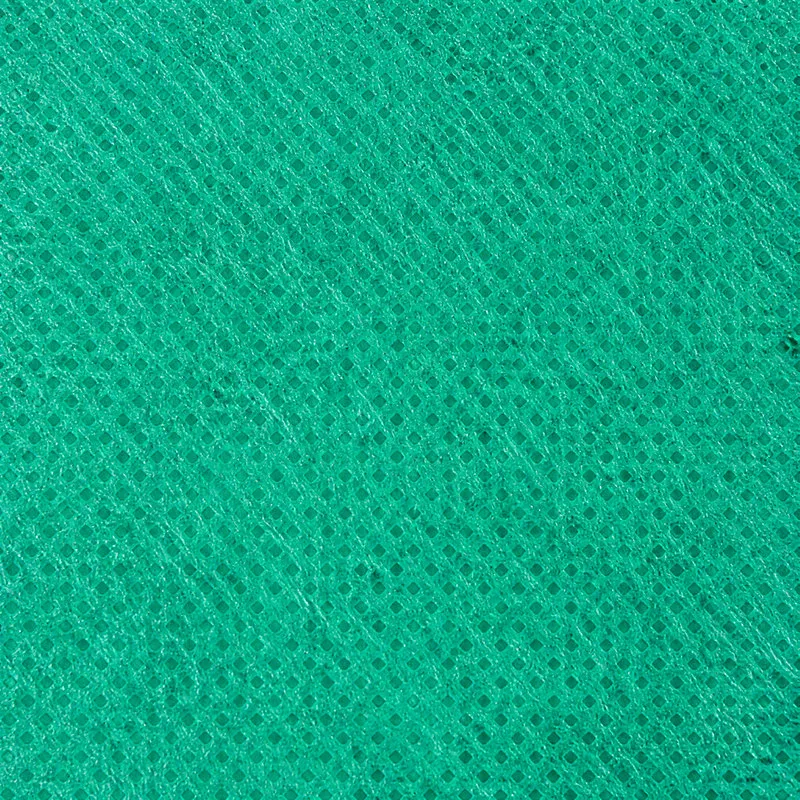
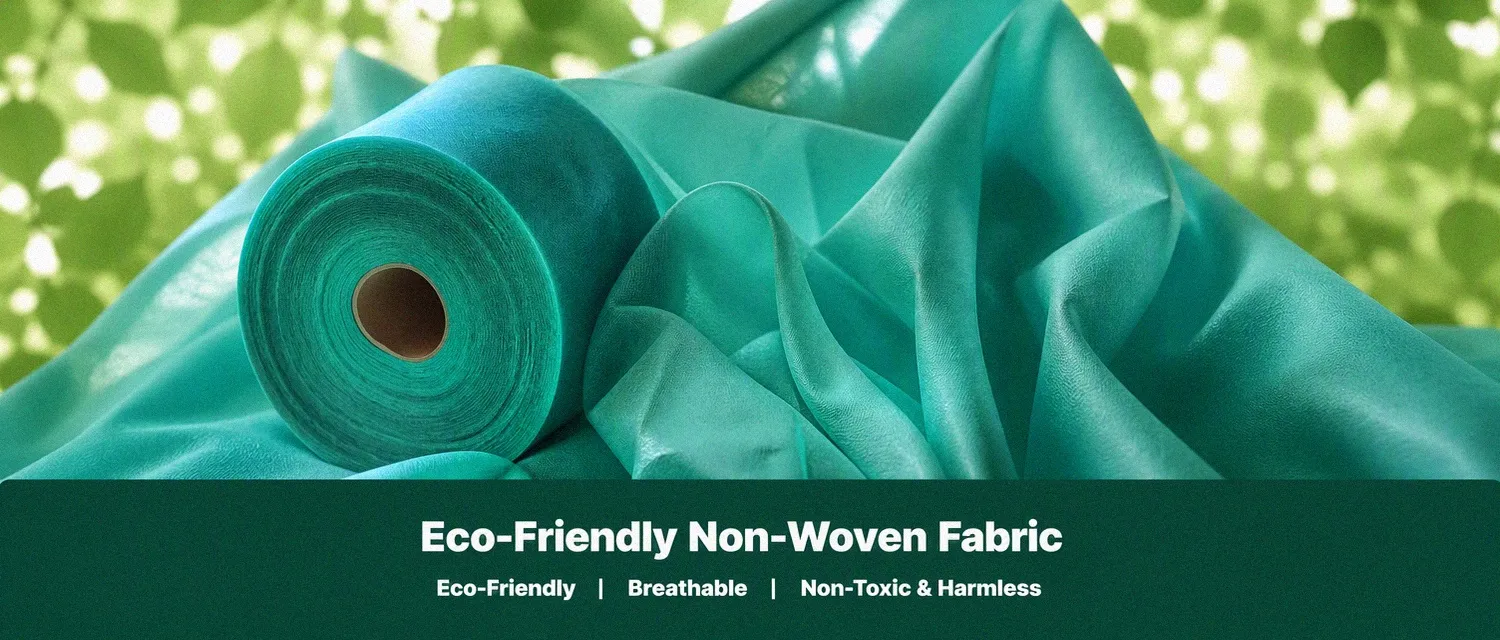
Green Non‑Woven Fabric is an eco-friendly PP spunbond sheet produced through a one-step process: polypropylene melting, web forming, hot-rolling bonding and roll slitting. It is lightweight, breathable and durable, suitable for agriculture, geotextile engineering, packaging, hygiene and medical applications. From a procurement standpoint, its cross-industry versatility allows one base material to cover applications that would otherwise require separate supply chains.
Dope-dyeing integrates color at the fiber stage rather than as a surface coating, producing high color saturation and strong color fastness under outdoor exposure. Key properties:
Grade selection resembles matching a load rating — choose for actual exposure conditions, not the highest spec. UV post-finishing extends outdoor service life; standard grades suit indoor packaging and hygiene contexts without added cost.
Equal longitudinal and transverse tensile strength lets the fabric resist tearing in both directions on slopes, embankments and irregular surfaces. Geotextile applications benefit from consistent filter and drainage performance across uneven terrain.
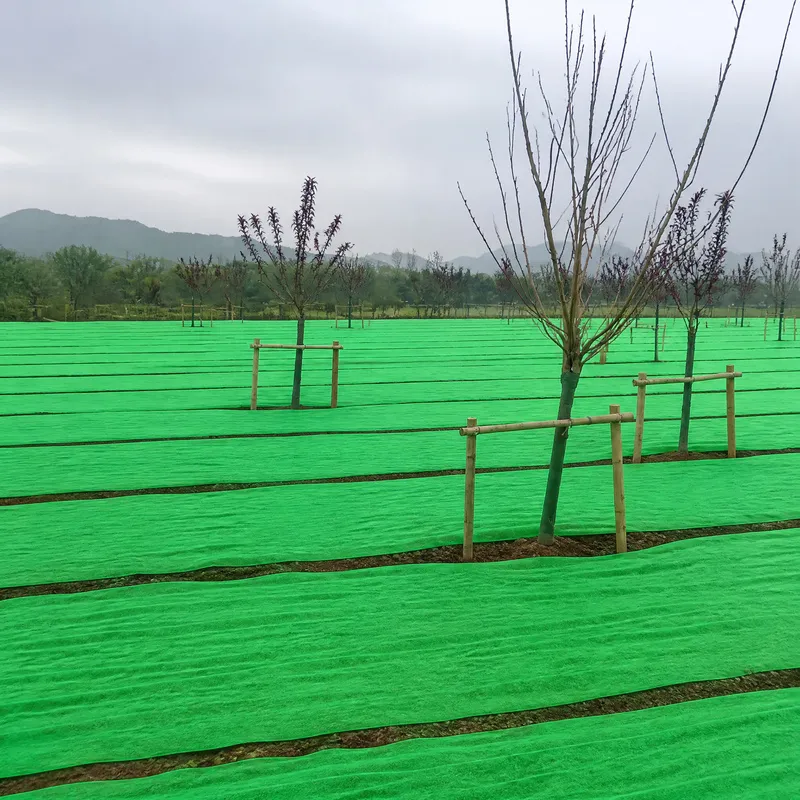
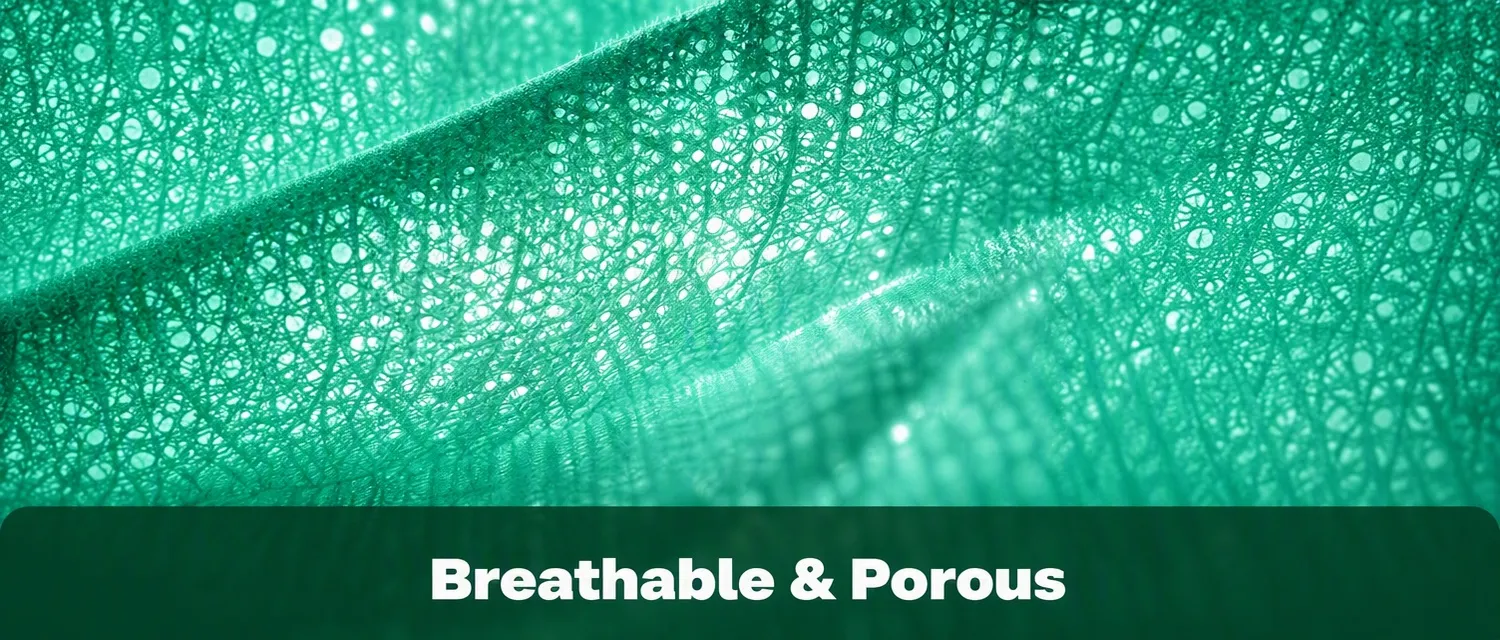
The fibrous porous structure allows free air and vapor circulation — the defining advantage over plastic mulch film, which traps heat and can scald seedlings. With green non‑woven fabric, seedlings penetrate and grow through the material naturally while receiving protection from wind, birds and sunlight.
The PP base resists mild acids and alkalis, supporting geotextile drainage where contact with soil moisture or runoff is sustained. The same stability suits packaging with mild chemical exposure and hygiene applications with routine cleaning-agent contact.
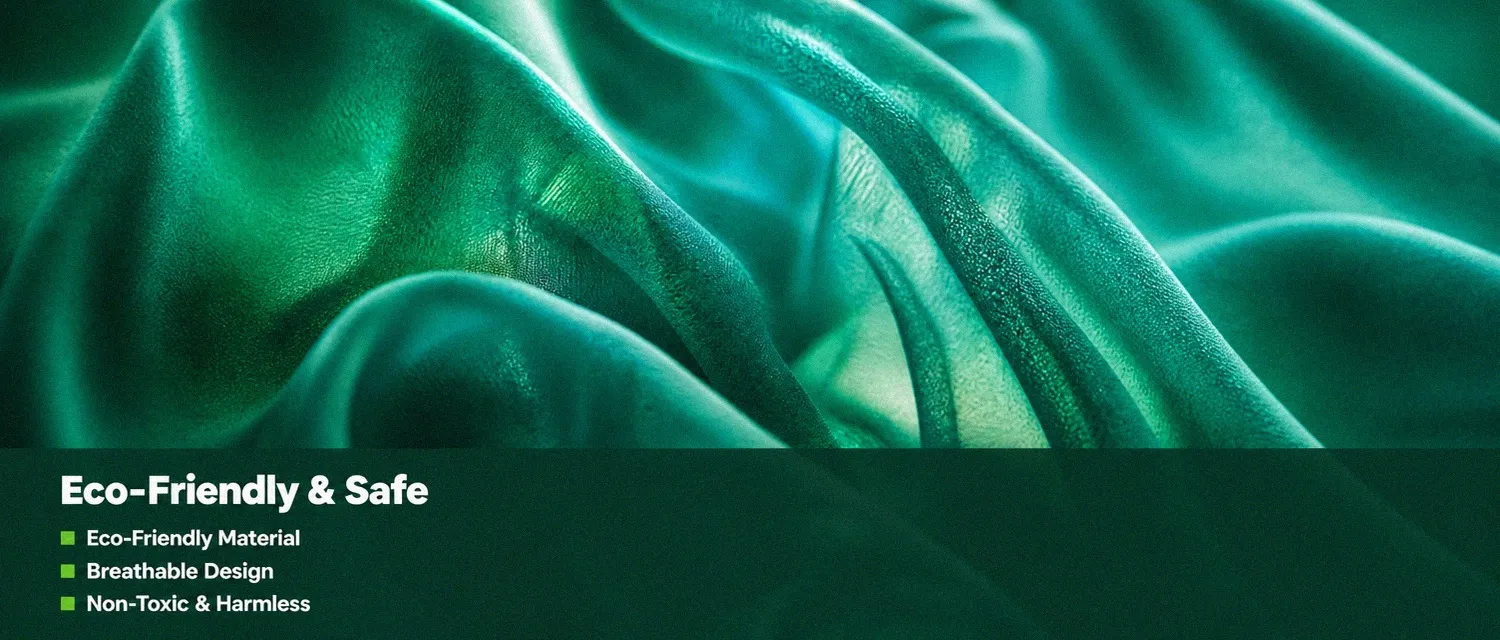
The material is degradable and recyclable. PP is non-toxic and odor-free; partial grades meet food-contact standards. For buyers with sustainability requirements, these properties provide a verifiable material baseline subject to confirmation against the applicable standard.
Ordinary scissors cut the material to any shape. It conforms to slopes and corners without special tools. Light weight prevents seedling damage on agricultural ground. For geotextile projects, technical documentation on lap joint widths and anchor spacing is available from the supplier.
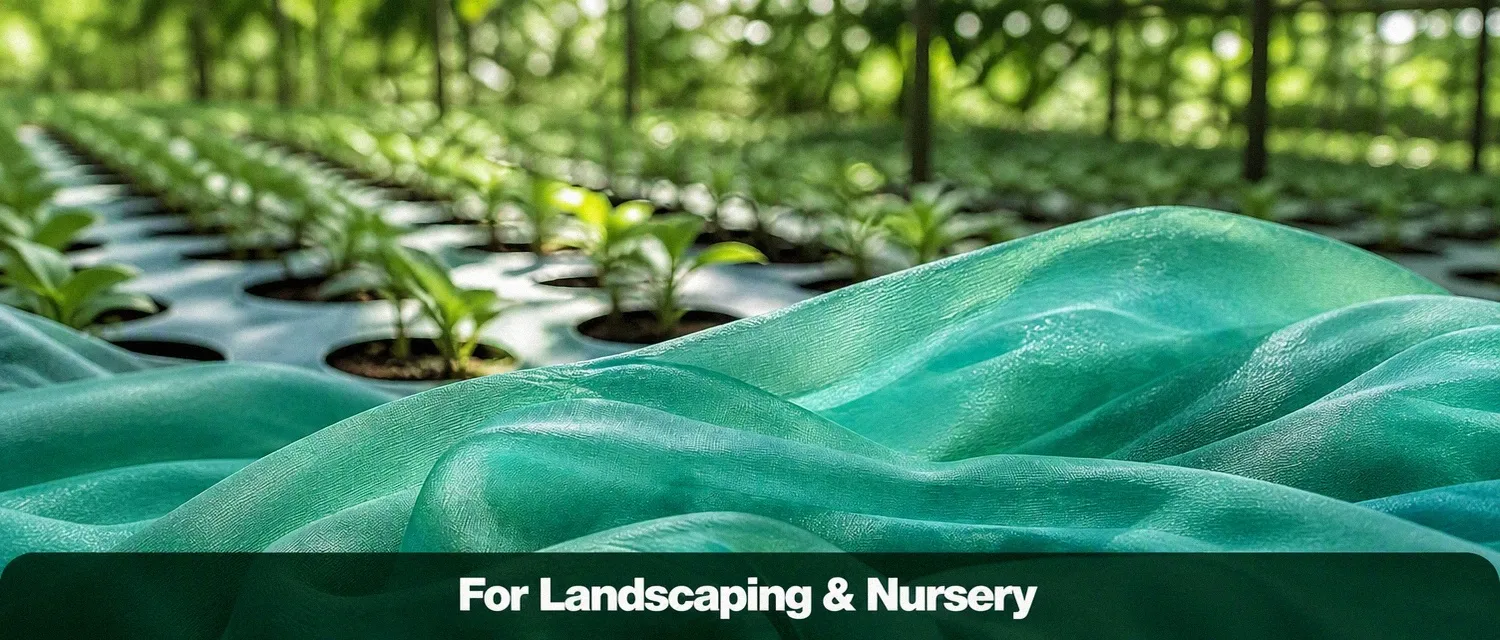
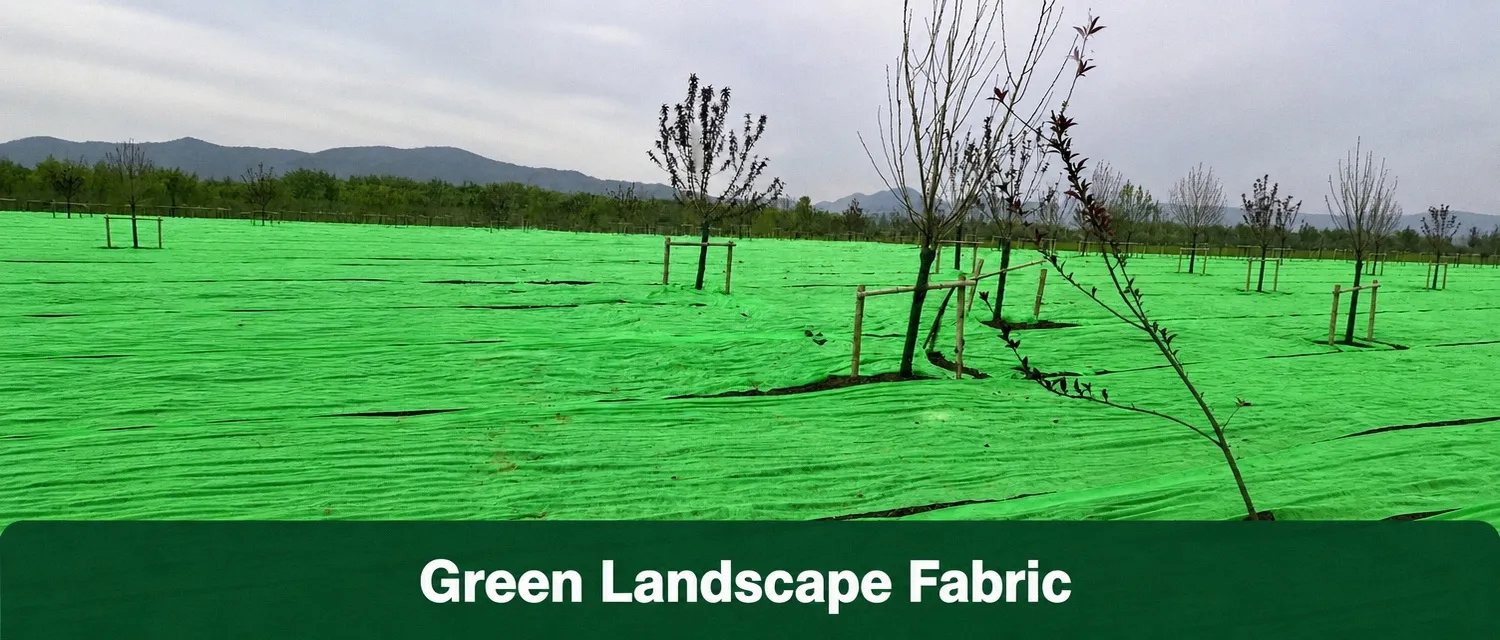
In sowing and seedling-raising stages, green non‑woven fabric serves as a protective covering. Seedlings need shielding from sun scorch, birds and wind while still requiring air and moisture exchange — requirements conventional plastic mulch film cannot satisfy because it blocks airflow and creates heat risk. The breathable nonwoven resolves both: seedlings grow through the fabric naturally while receiving protection. Typical uses include sowing mulching, cold-protection covers, roof garden drainage layers, hydro-seeding slope blankets and sports field maintenance covers. Mulching with this fabric reduces watering frequency and maintenance workload.
For slopes and subgrades, the fabric stabilizes soil and regulates water flow to reduce erosion from rain-driven runoff. Applications include subgrade drainage filtration, landfill isolation and slope reinforcement. The selection parameters that matter most in geotextile procurement are weight per unit area (g/m²), tensile strength in both machine directions and pH resistance range. This PP-based green non‑woven fabric meets standard civil geotextile requirements at a lower cost than higher-specification synthetic alternatives. Specification sheets and material test reports are available for procurement review.
Green Non‑Woven Fabric replaces single-use plastic bags for reusable shopping bags, storage bags and packaging covers with better load-bearing capacity and printable surfaces. For medical and hygiene use, it serves as base material for protective articles, isolation consumables and bedding supplies. The non-toxic PP composition supports these hygiene-sensitive applications with grade confirmation from the supplier.
Versus plastic mulch film: air and water permeability supports active plant growth; the degradable composition reduces post-use residue and environmental burden from film removal. Versus woven fabrics: fewer production steps and lower cost make it viable for single-use hygiene scenarios. Versus woven sacks: softer hand-feel and richer dope-dyed color options suit consumer-facing products with appearance requirements.
Post-finishing adds anti-UV, water-repellent or anti-static properties during manufacturing without changing the base material. A common procurement mistake is evaluating solely on price per kilogram — inconsistent roll weight, early UV degradation or color instability generate downstream costs that exceed initial savings. Specify weight grade, UV requirement and pH range first; verify supplier process controls before committing to bulk volume.
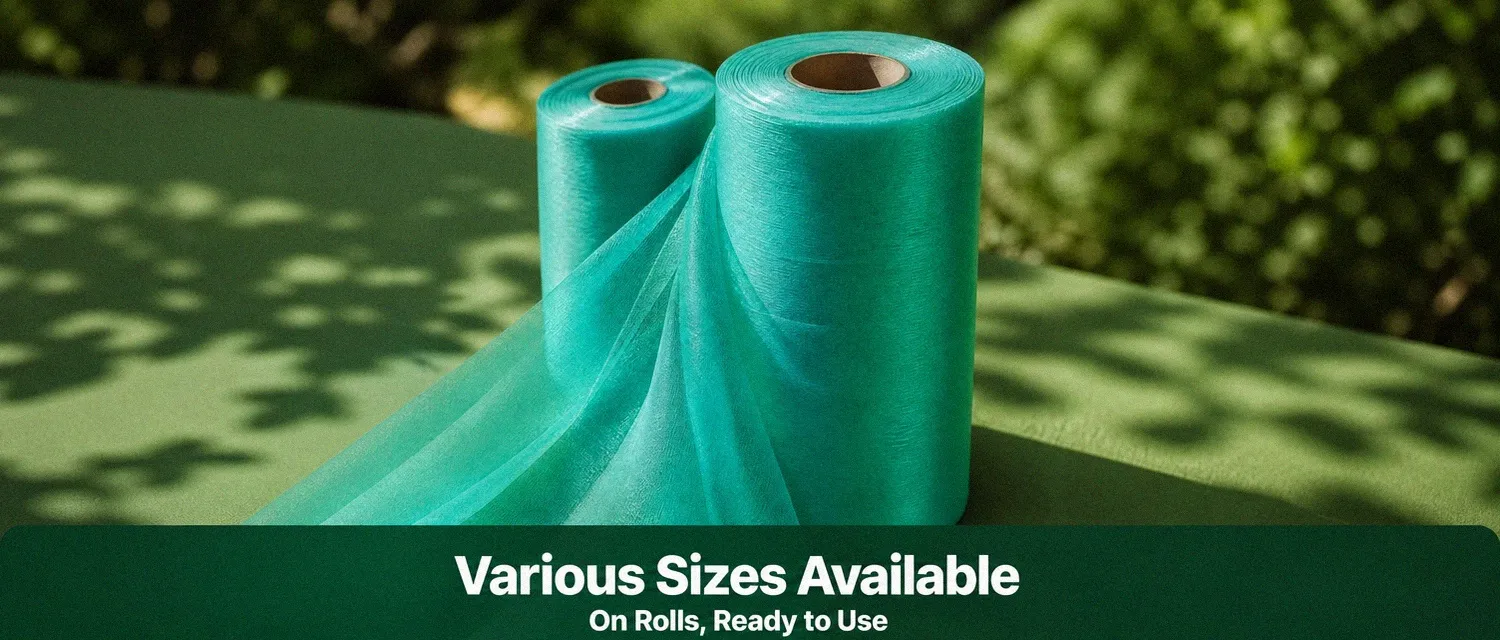
Ready stock covers multiple standard weight grades and widths. Custom weight, width and color are supported with sample confirmation. Sample testing before bulk orders is standard. Specification sheets and material test reports are available. Roll-form moisture-proof packaging is standard for international transport. Pre-sales consultation is available for agricultural, geotechnical and processing applications. Supplier Jinghan (Zhejiang Jianhua Hardware & Electromechanical Supply Chain Management Co., Ltd.) provides bilingual English and Chinese handling. For first-time procurement of green non‑woven fabric, sample verification before bulk commitment is recommended.