Supplier:GaoYuan
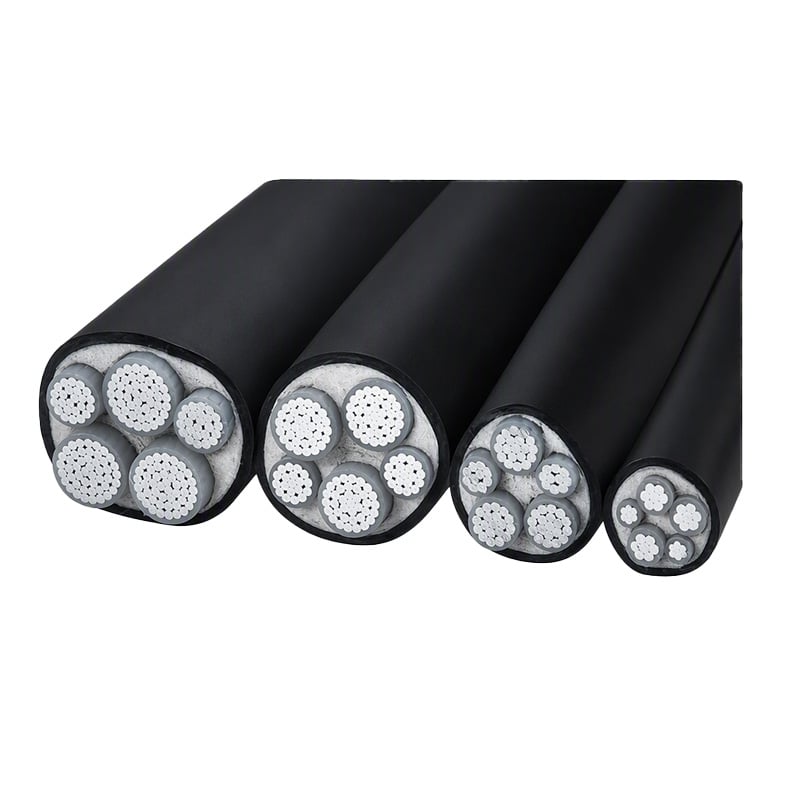
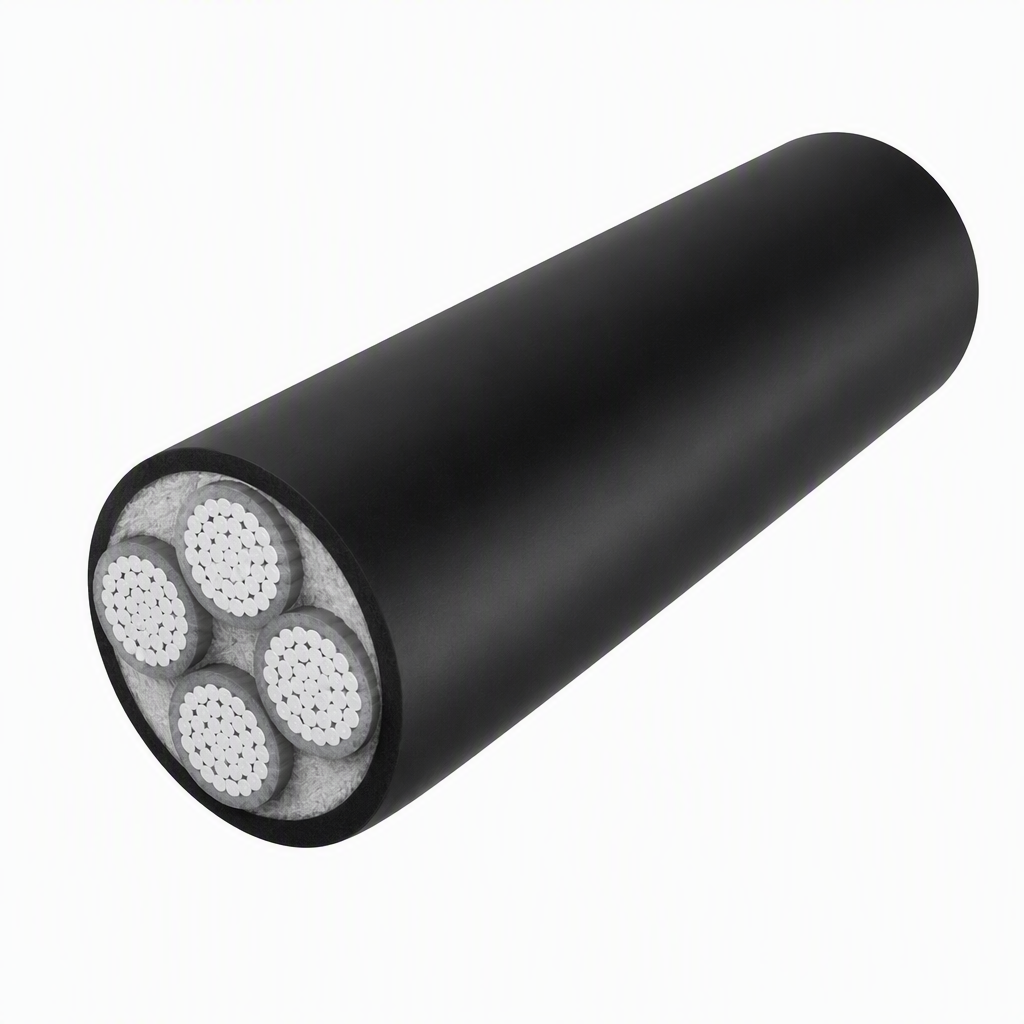
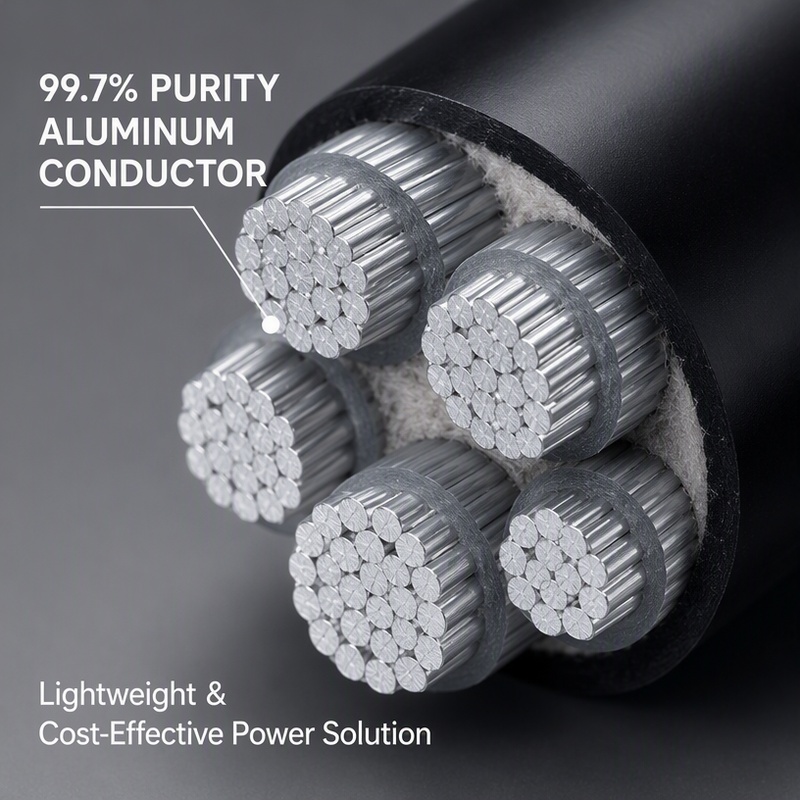
Aluminum cable fitted with aluminum conductors and XLPE insulation for cost‑effective power transmission, 0.6/1kV for municipal, outdoor and power distribution projects.
Supplier:GaoYuan
Aluminum cable fitted with aluminum conductors and XLPE insulation for cost‑effective power transmission, 0.6/1kV for municipal, outdoor and power distribution projects.
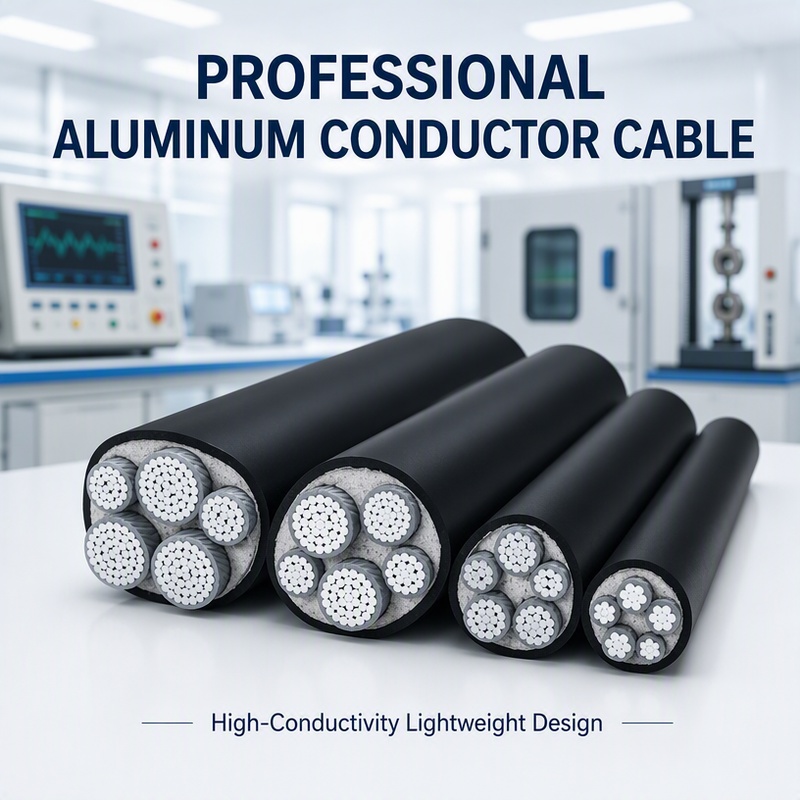
If you have sourced power cables for large-scale infrastructure, renewable energy, or industrial projects, you have likely faced a persistent challenge: balancing performance requirements against budget constraints. Copper cables deliver excellent conductivity but come at a significant cost premium, particularly for projects requiring extensive cabling. Aluminium power cable addresses this challenge by offering a lightweight, cost-effective alternative that delivers reliable power transmission across medium and low-voltage applications. Whether you are equipping a solar farm, upgrading a distribution network, or supplying power to an industrial facility, this cable provides the economic and practical benefits that make it an increasingly preferred choice in the energy sector.
In recent years, aluminium cables have emerged as a compelling alternative to copper across multiple sectors. The renewable energy industry, in particular, has driven this shift — solar farms, wind installations, and battery energy storage systems require miles of cabling where material costs significantly impact project viability . Aluminium offers material cost reductions of up to 70% compared to copper while still meeting essential performance requirements . Its lighter weight also translates to reduced transportation expenses, easier handling during installation, and decreased structural load requirements for supporting infrastructure .
As copper prices continue to fluctuate amid supply constraints, aluminium represents a more abundant and stable resource, helping project planners make more predictable long-term investments . Power grid renovation projects have demonstrated that aluminium alloy cables offer significant advantages in cost, construction convenience, and environmental benefits, positioning them as a promising material choice for future power transmission infrastructure
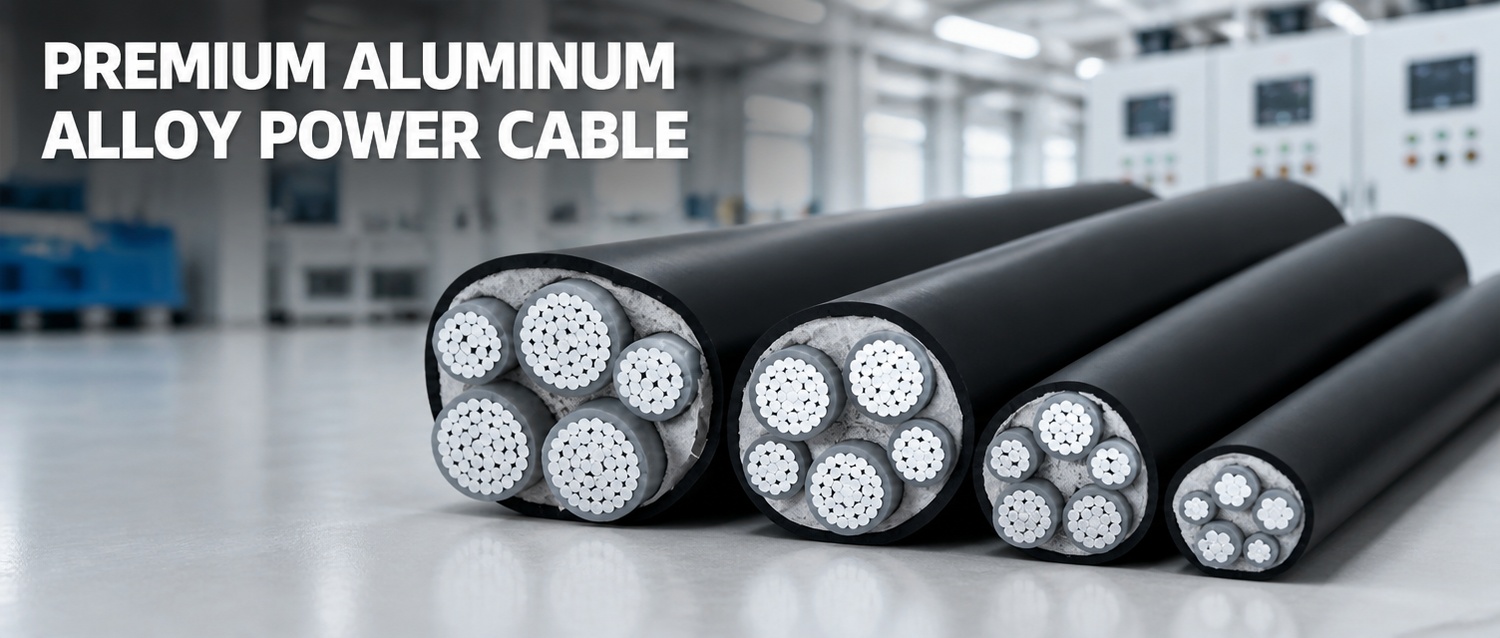
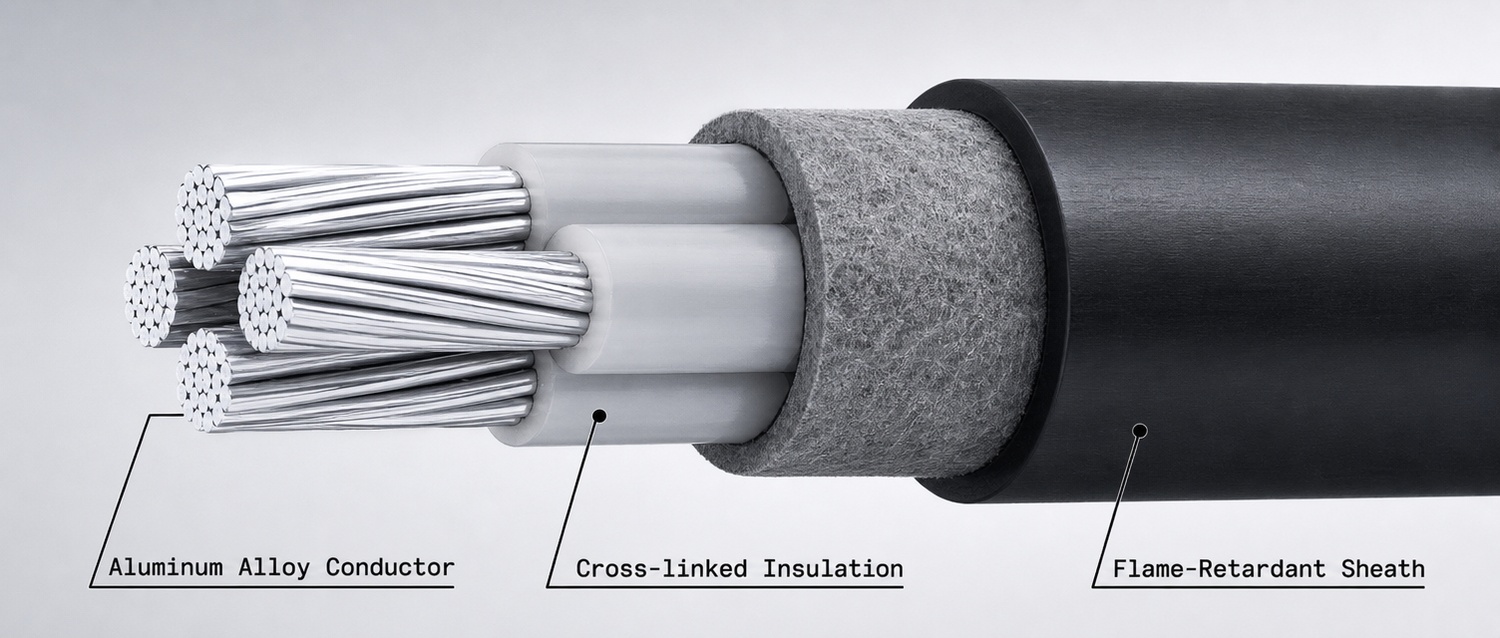
Modern aluminium power cables feature a construction tailored to the specific properties of aluminium while maintaining reliability and performance.
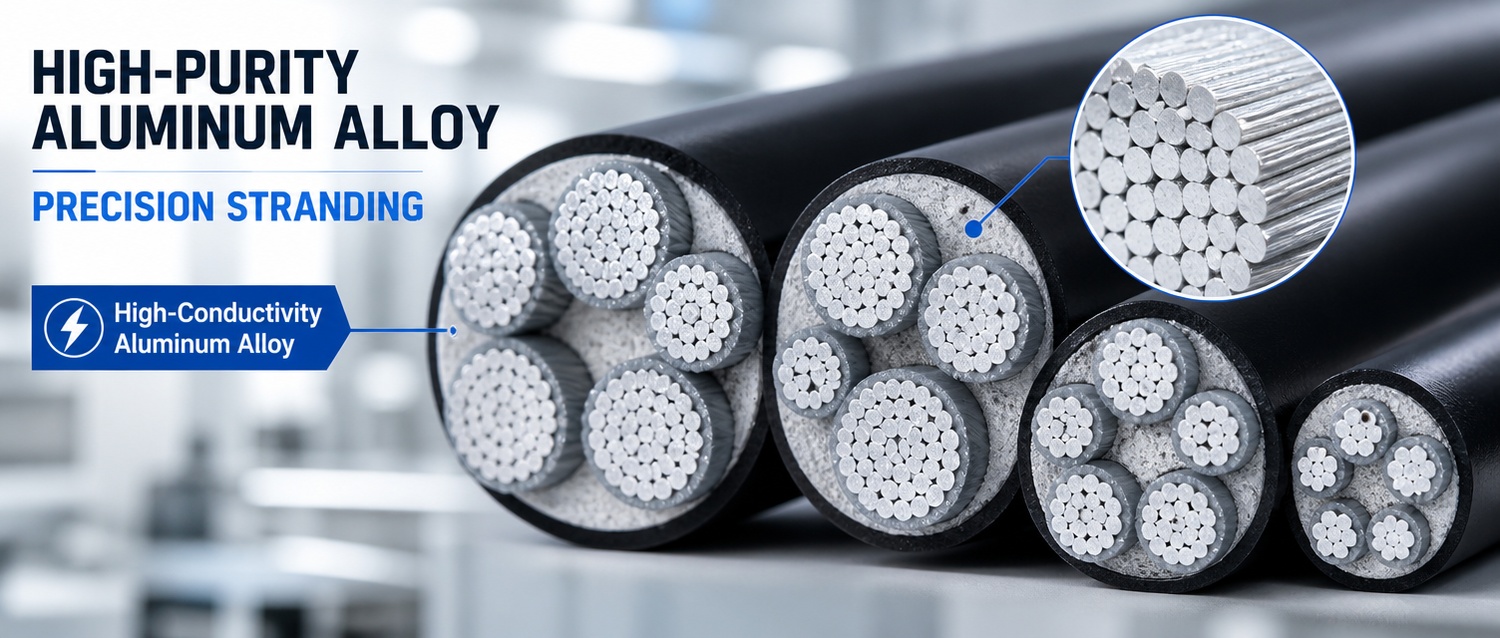
The conductor is manufactured from compacted stranded aluminium, typically Class 2 according to IEC 60228 . The stranding provides flexibility for installation while the compaction reduces overall diameter. For specific applications, Class 1 solid aluminium conductors are also available . Aluminium alloy variants offer enhanced mechanical properties for demanding installations .
A semi-conductive compound is extruded directly over the conductor, ensuring a smooth electrical interface and eliminating voids that could create stress concentrations .
Cross-linked polyethylene (XLPE) is the industry standard insulation material for aluminium power cables, providing:
High dielectric strength
Low dielectric loss for efficient transmission
For specialised applications requiring flexibility, EPR (ethylene propylene rubber) insulation is also available .
A strippable semi-conductive layer is applied over the insulation to collect and contain the electric field .
Copper wires or tape provide electromagnetic shielding, fault current path, and protection against transient overvoltages .
The outer sheath material is selected based on installation conditions:
PVC for general indoor and outdoor applications
Halogen-free polyolefin for fire-sensitive installations
The primary advantage of aluminium cable is economic. In large-scale projects where material costs dominate the budget, the switch from copper to aluminium can save up to 70% on conductor costs . A project manager at a 100MW solar installation noted that switching to aluminium cabling saved nearly 40% on materials, helping bring the project in under budget despite other supply chain challenges .
Aluminium is significantly lighter than copper, reducing transportation costs and making handling easier on site . This weight advantage also reduces the structural load on cable trays, supports, and other infrastructure, allowing for lighter support systems and simpler installation.
Aluminium is one of the most abundant metals on earth, with more stable pricing compared to copper . This predictability helps project planners make reliable cost estimates and reduces exposure to commodity price volatility.
XLPE-insulated aluminium cables are rated for continuous operation at 90°C, matching the thermal performance of equivalent copper cables . Short-circuit withstand temperatures up to 250°C provide robust fault protection .
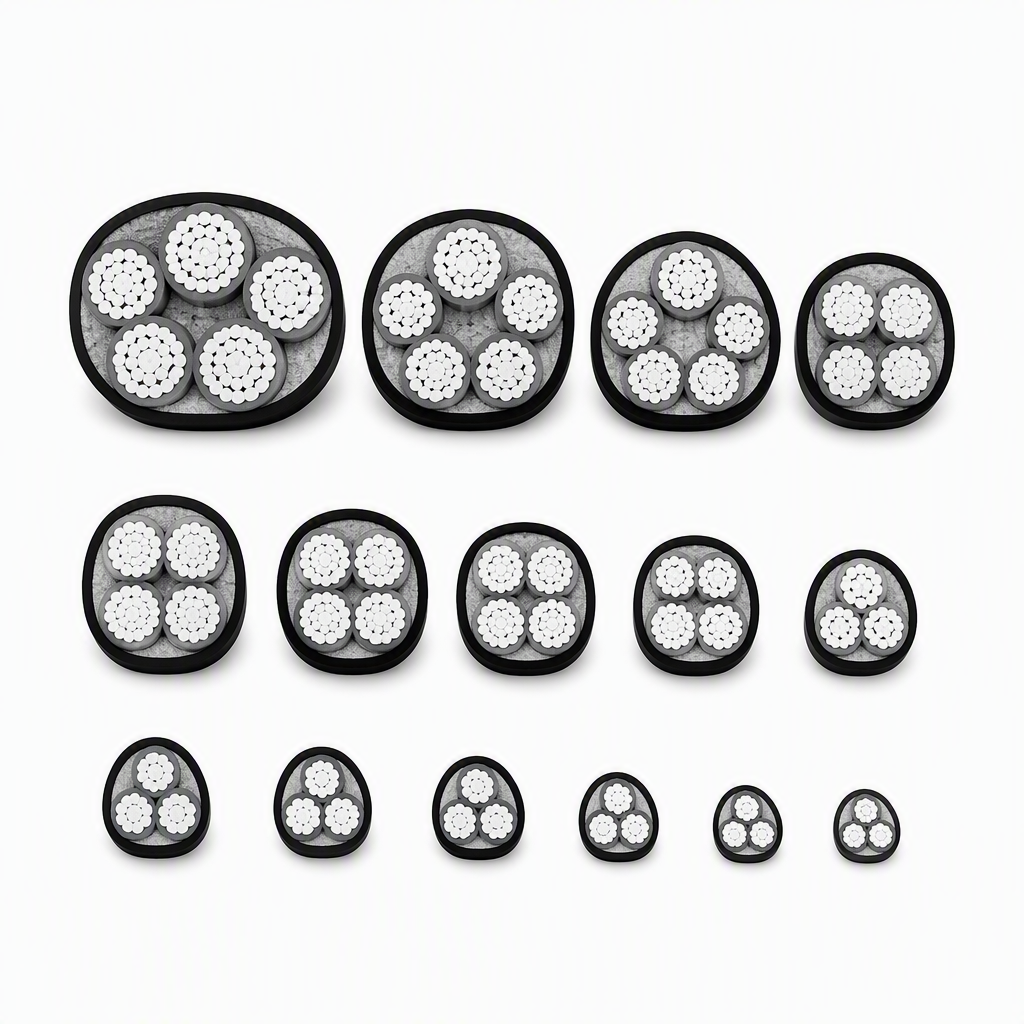
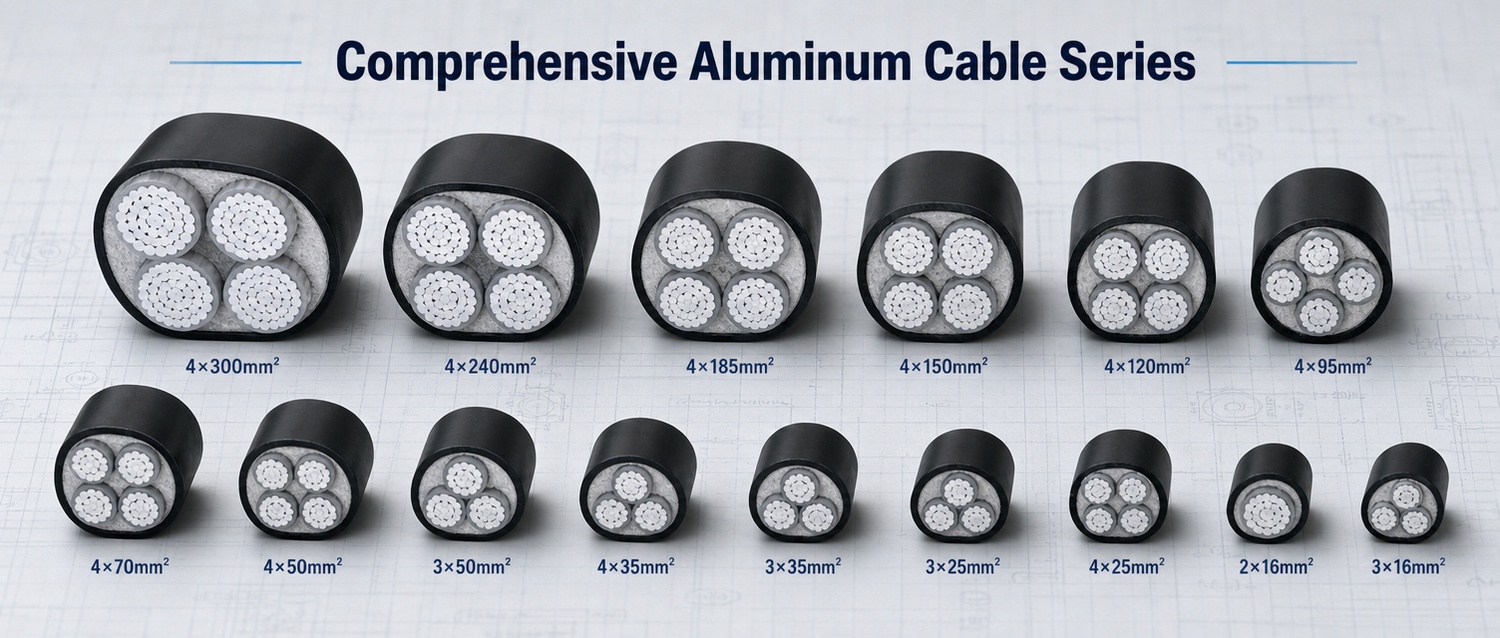
Aluminium cables are available across a broad range of voltage ratings and configurations:
Medium voltage: 1.8/3kV up to 18/30kV for primary distribution
Single-core and multi-core configurations
Armoured and unarmoured variants
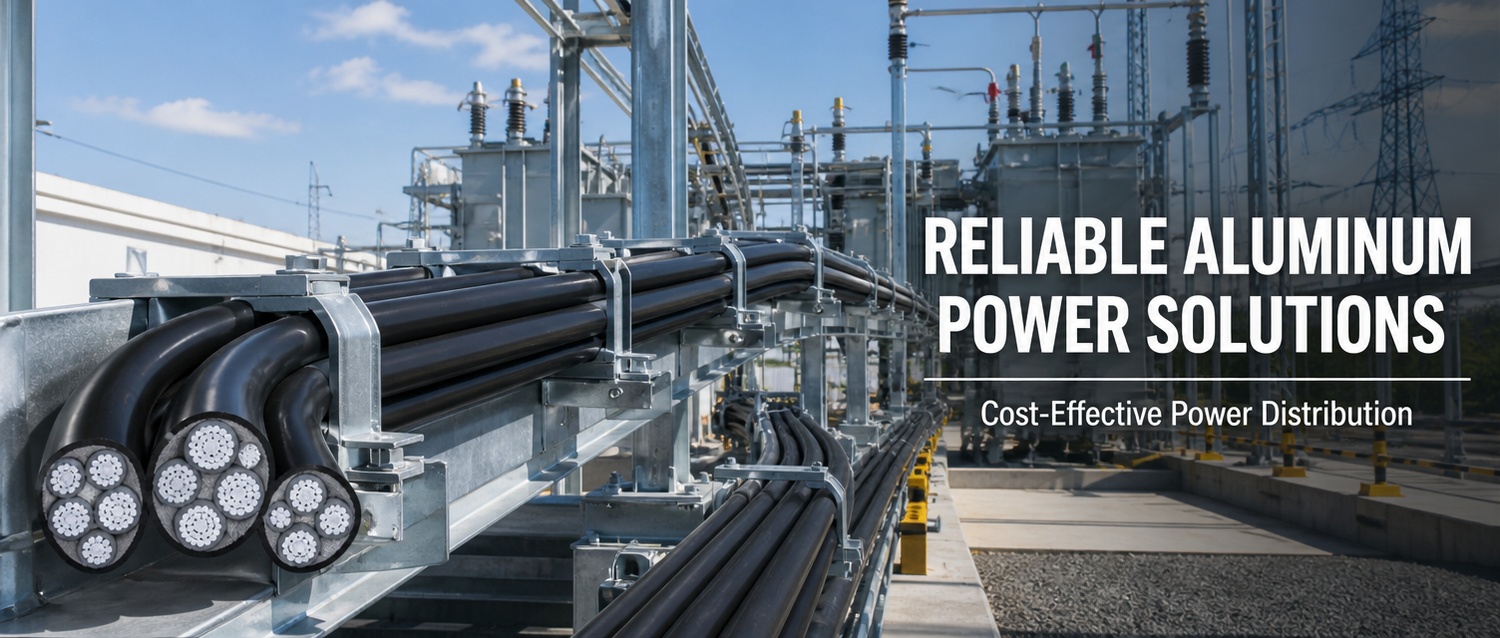
Aluminium conducts electricity at approximately 60% the rate of copper, requiring larger conductor diameters to carry equivalent current . This size difference should be accounted for when designing cable trays, conduits, and terminations.
Aluminium expands more than copper when heated — a critical consideration in electrical systems that experience thermal cycling . Proper termination techniques and connector selection are essential to maintain connection integrity.
Aluminium develops an oxide layer more readily than copper, which acts as an insulator and can increase resistance at connection points . For this reason, bi-metallic connectors are recommended when terminating aluminium cables to copper busbars or equipment terminals, providing a friction-welded bond that prevents gaps and galvanic corrosion .
Aluminium's softer nature makes it more susceptible to physical damage during installation and maintenance . Armoured variants or additional mechanical protection should be specified for installations where physical abuse is a risk.
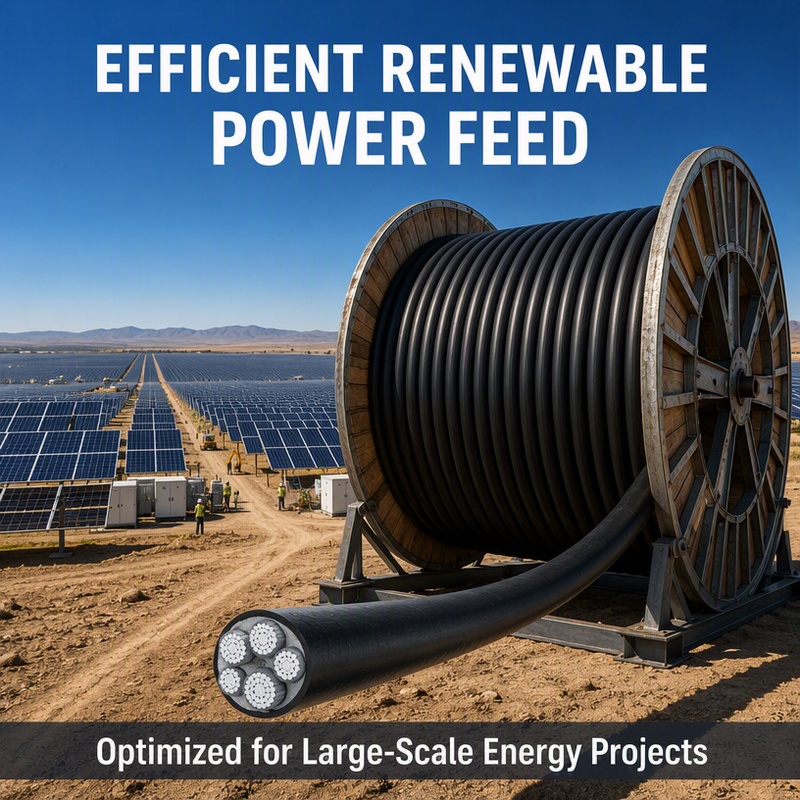
Solar farms, wind installations, and battery storage systems use extensive cabling networks where aluminium's cost and weight advantages deliver substantial savings without compromising performance .
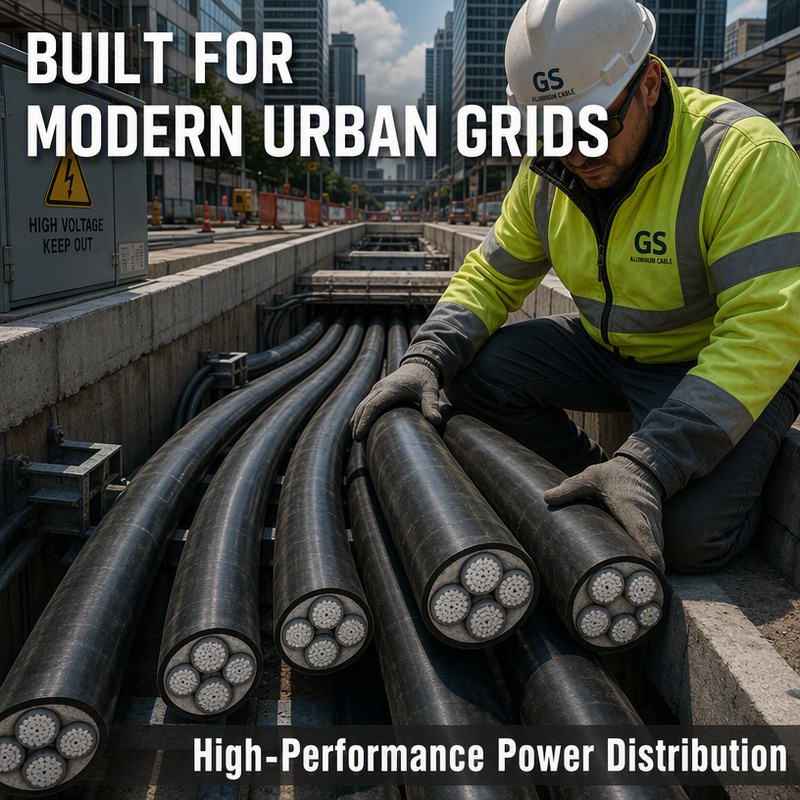
Utility companies specify aluminium cables for primary distribution networks, connecting substations, transformer stations, and major facilities .
Manufacturing plants, petrochemical installations, and heavy industry use aluminium cables for power distribution where cost efficiency is a priority and cable runs are extensive .
Aluminium cables are widely used for underground residential distribution (URD), providing reliable power to housing developments and communities .
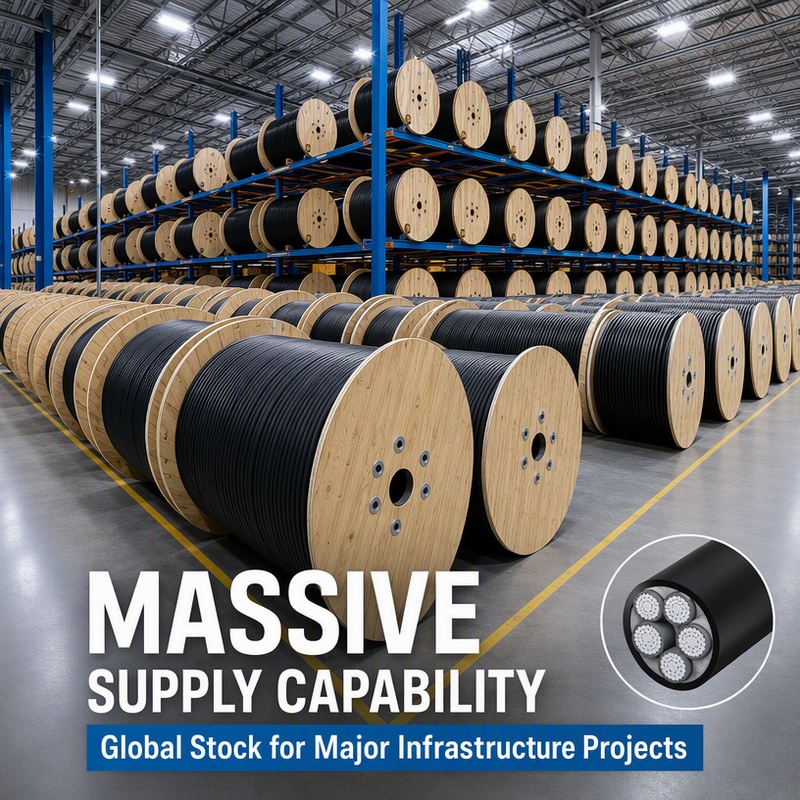
When specifying aluminium power cables, consider the voltage rating (low or medium voltage) based on the application. Conductor size should be selected to account for aluminium's lower conductivity compared to copper; reference the cable manufacturer's ampacity tables. Choose the insulation type — XLPE is standard for most applications, while EPR provides enhanced flexibility for demanding installations. Select outer sheath material based on the installation environment — PE or MDPE for direct burial, PVC for general use, halogen-free for fire-sensitive areas. Verify that the cable meets relevant standards (IEC 60502, BS 7870, etc.). Specify bi-metallic connectors for terminations to copper equipment. Ready stock covers standard conductor sizes and core configurations.
| Consideration | What This Cable Delivers |
|---|---|
| Cost efficiency | Up to 70% material cost savings vs. copper |
| Installation ease | Lighter weight — reduced transport and handling costs |
| Thermal performance | 90°C continuous rating, 250°C short-circuit withstand |
| Application coverage | Low and medium voltage, utility and industrial |
| Compliance | International standards — IEC, BS, UL |
| Environmental impact | Lower carbon footprint; aluminium is abundant and recyclable |
This aluminium power cable is suited for utility companies seeking cost-effective distribution network cabling, renewable energy developers equipping large-scale solar and wind projects, industrial facility managers needing reliable power distribution at reduced cost, and contractors prioritising lightweight, easy-to-install solutions. Where copper cables strain budgets and add unnecessary weight, this aluminium cable delivers dependable power transmission — project after project, mile after mile.