
Supplier:Ganzhou
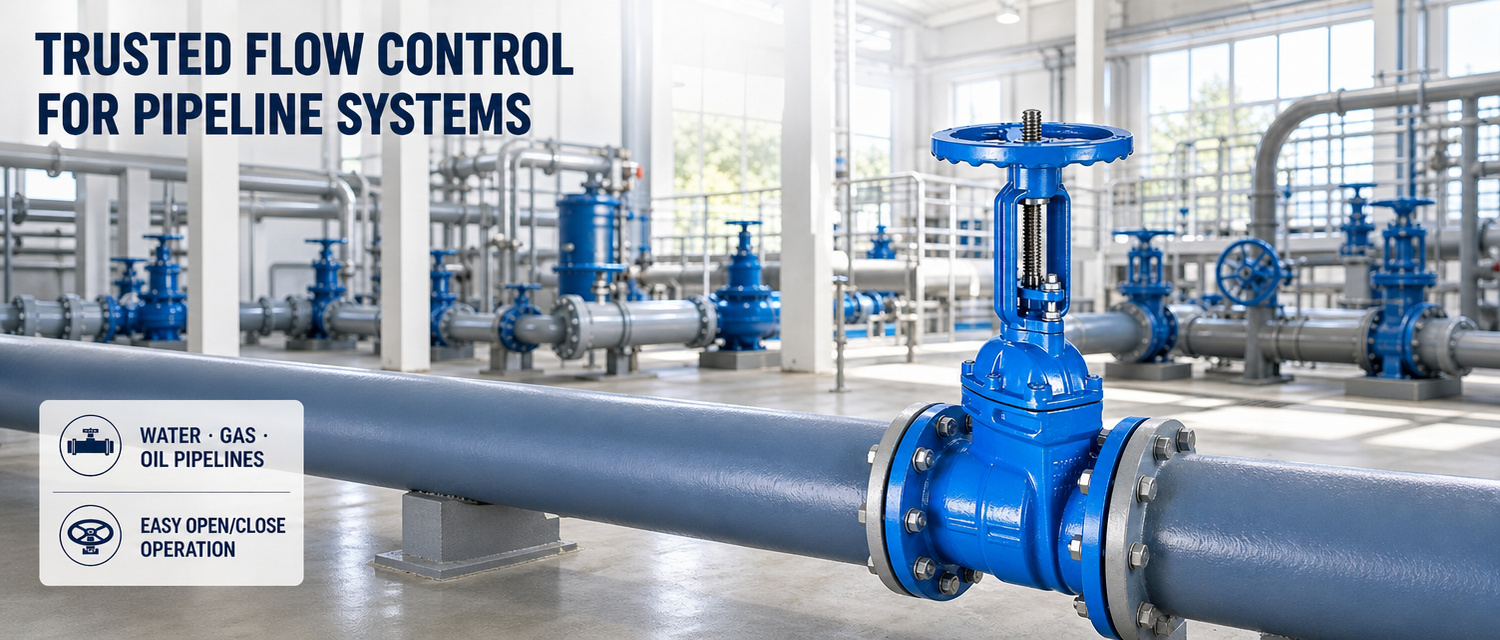
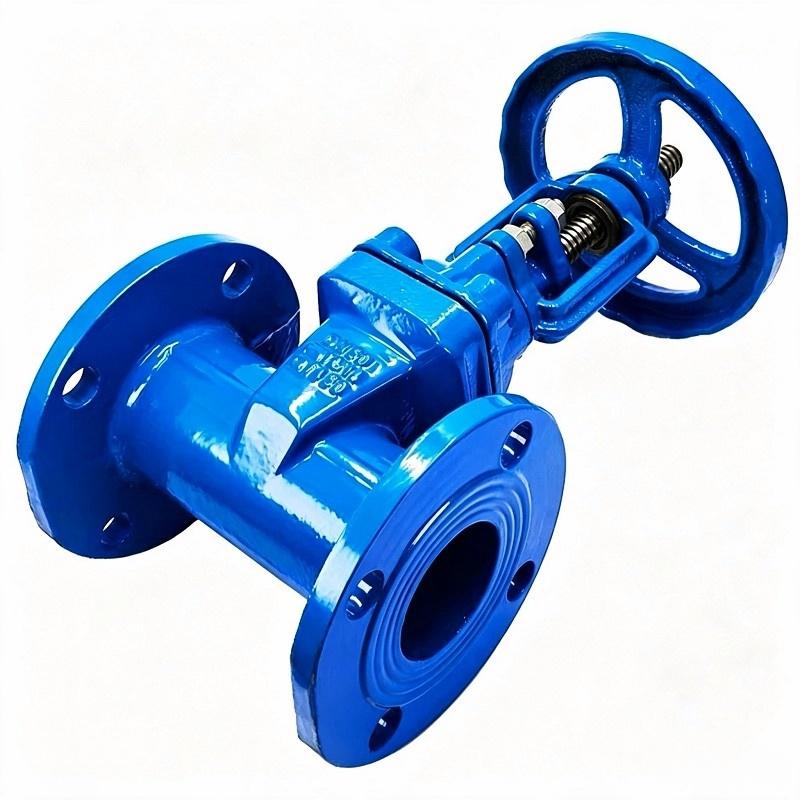
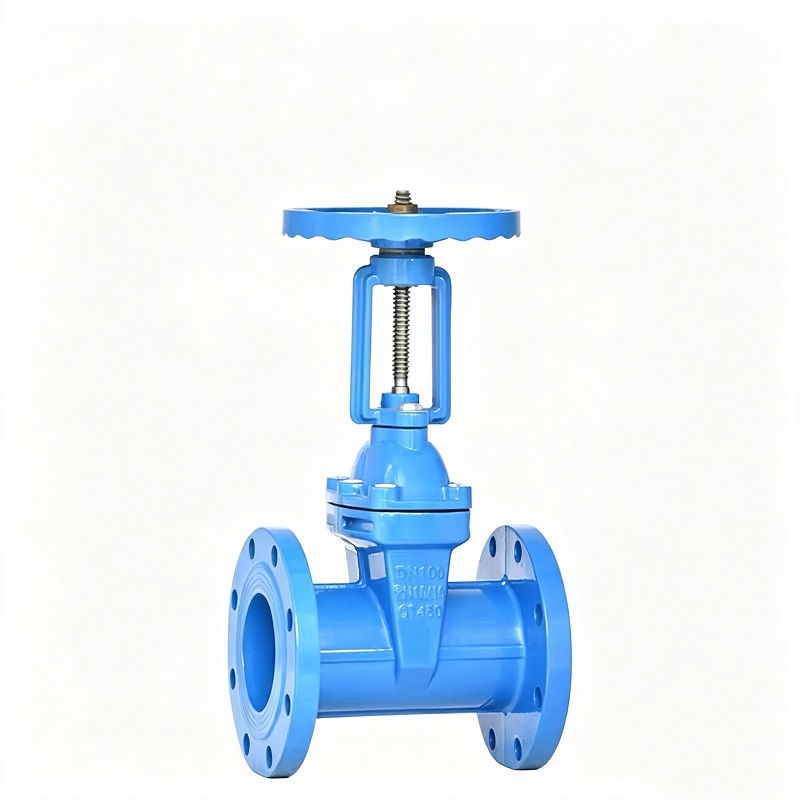
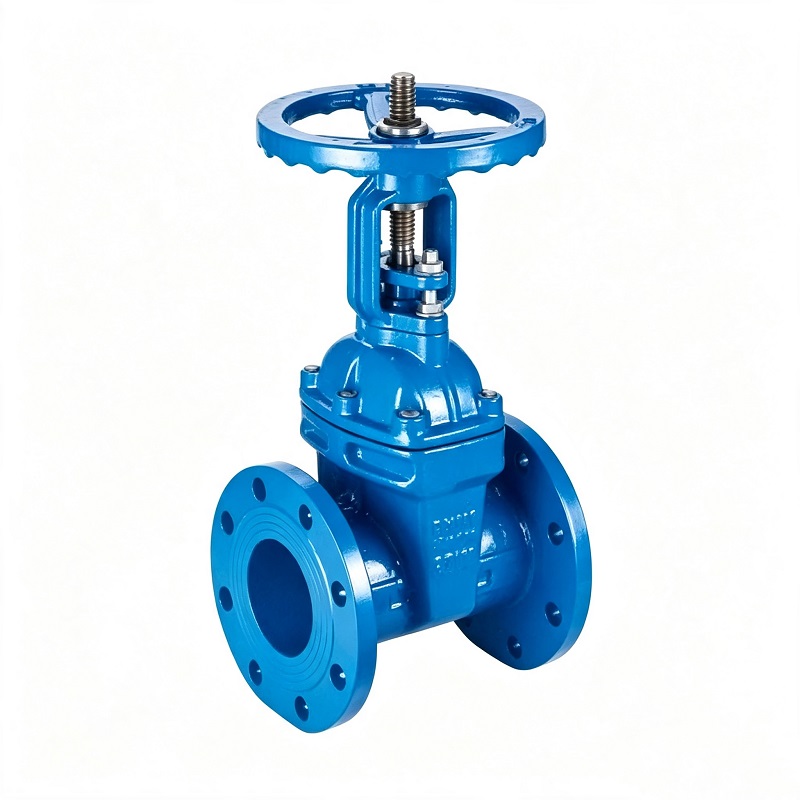
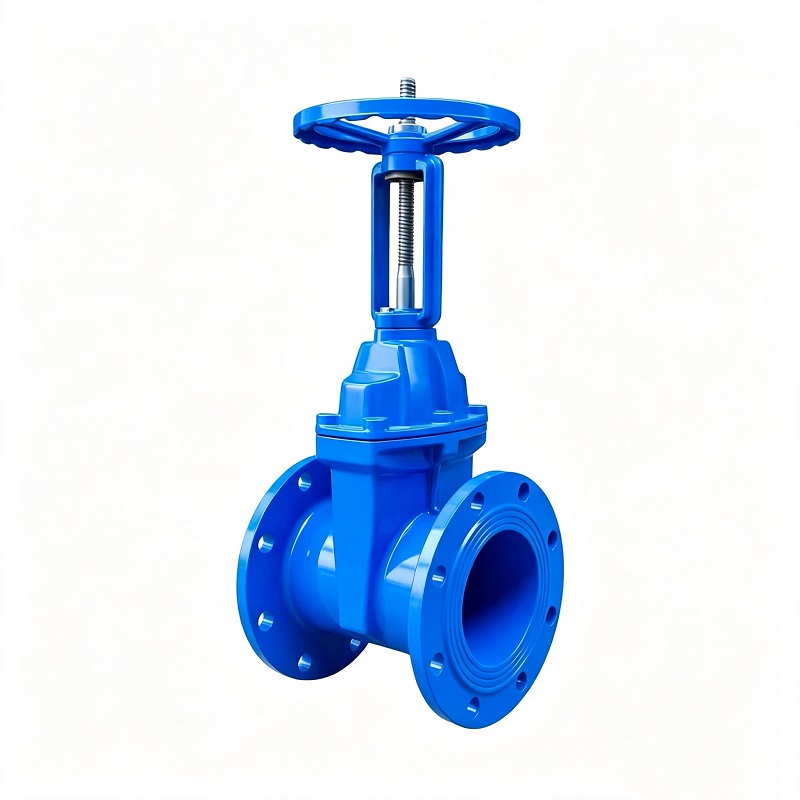
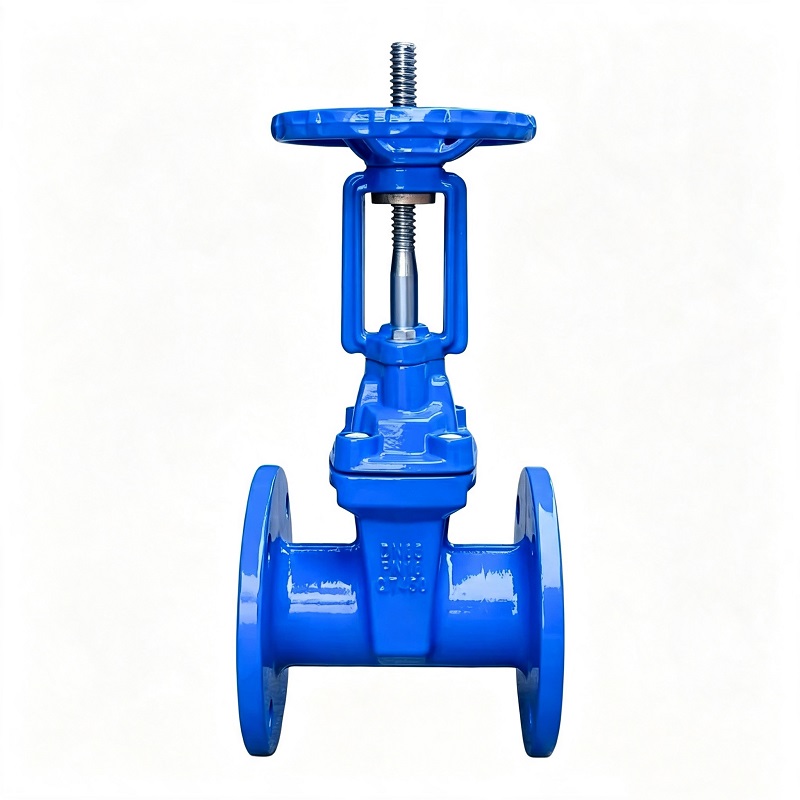
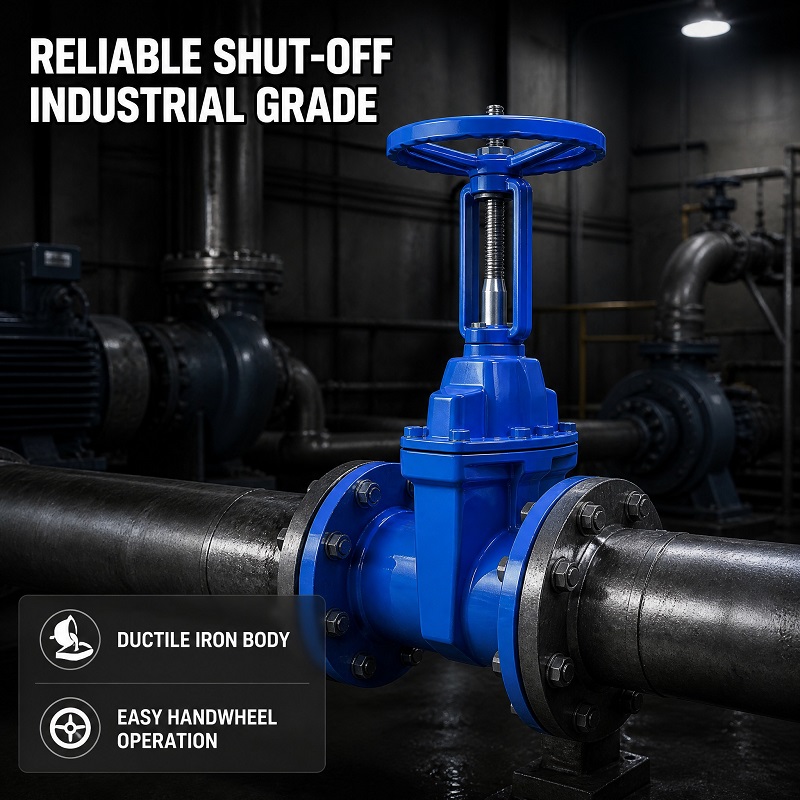
Ductile iron flange gate valve with rising stem for visual position indication, straight-through low resistance for water.
Supplier:Ganzhou
Ductile iron flange gate valve with rising stem for visual position indication, straight-through low resistance for water.
The Flanged Rising Stem Gate Valve is a full-bore isolation valve designed for on/off pipeline control in municipal water supply, water drainage, sewage treatment, and building water-supply systems. The exposed rising stem travels visibly upward when the valve opens, giving operators instant visual confirmation of valve position — open or closed — without counting handwheel turns or guessing. Compared with non-rising stem designs, this flanged rising stem gate valve significantly reduces mis-operation risk in pump stations, building plant rooms, and valve galleries where correct position must be verified before each operation cycle.
The rising stem works like a visible indicator rod: when the valve is fully open, the stem extends upward out of the bonnet; when fully closed, it retracts. This direct mechanical linkage between disc position and stem travel means operators at pump stations or in building plant rooms can confirm valve status from a distance, without touching the handwheel. In facilities managing dozens of isolation points, this visual walkdown capability translates to faster pre-start checks and a lower risk of inadvertently starting a pump against a closed valve or draining a section that should remain pressurized.
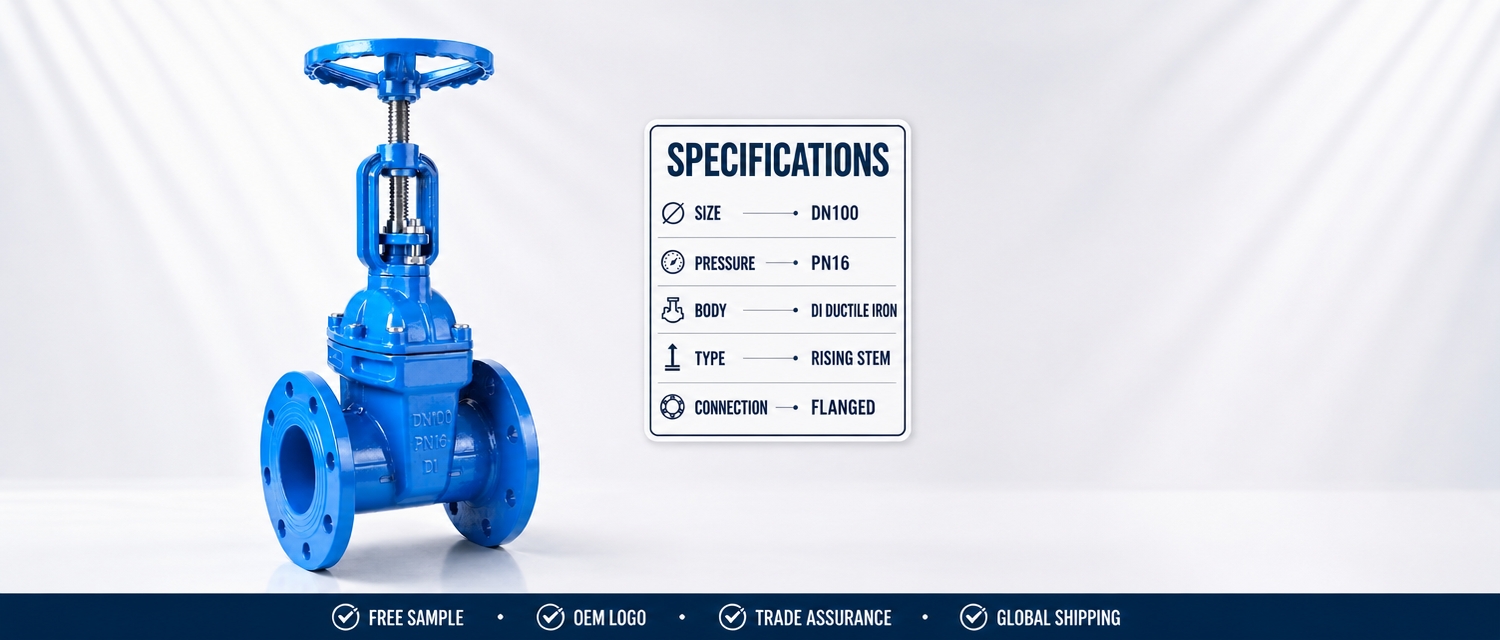
| Parameter | Specification |
|---|---|
| Body Material | Ductile Cast Iron |
| Connection | Flanged |
| Pressure Rating | PN10 / PN16 |
| Nominal Size | DN50 to DN600 |
| Actuation | Manual Handwheel |
| Coating | Internal and external blue epoxy powder |
| Applicable Media | Water, drainage, sewage |
| Temperature Range | 0 °C to 80 °C |
The PN10/PN16 pressure ratings of this flanged rising stem gate valve cover the full range of municipal and building water-supply operating pressures. Matching the pressure class to your actual system design pressure — with an appropriate safety margin per your project engineering standard — is the correct selection approach. Automatically choosing the higher PN16 rating on the assumption that more is always safer can introduce flange bolt-pattern mismatches with adjacent PN10 pipework, creating interface compatibility issues and adding procurement cost without delivering any operational benefit in systems that will never approach PN16 working pressure. The nominal size range of DN50 to DN600 covers main distribution trunks, pump station headers, building supply risers, and sewage treatment distribution manifolds.
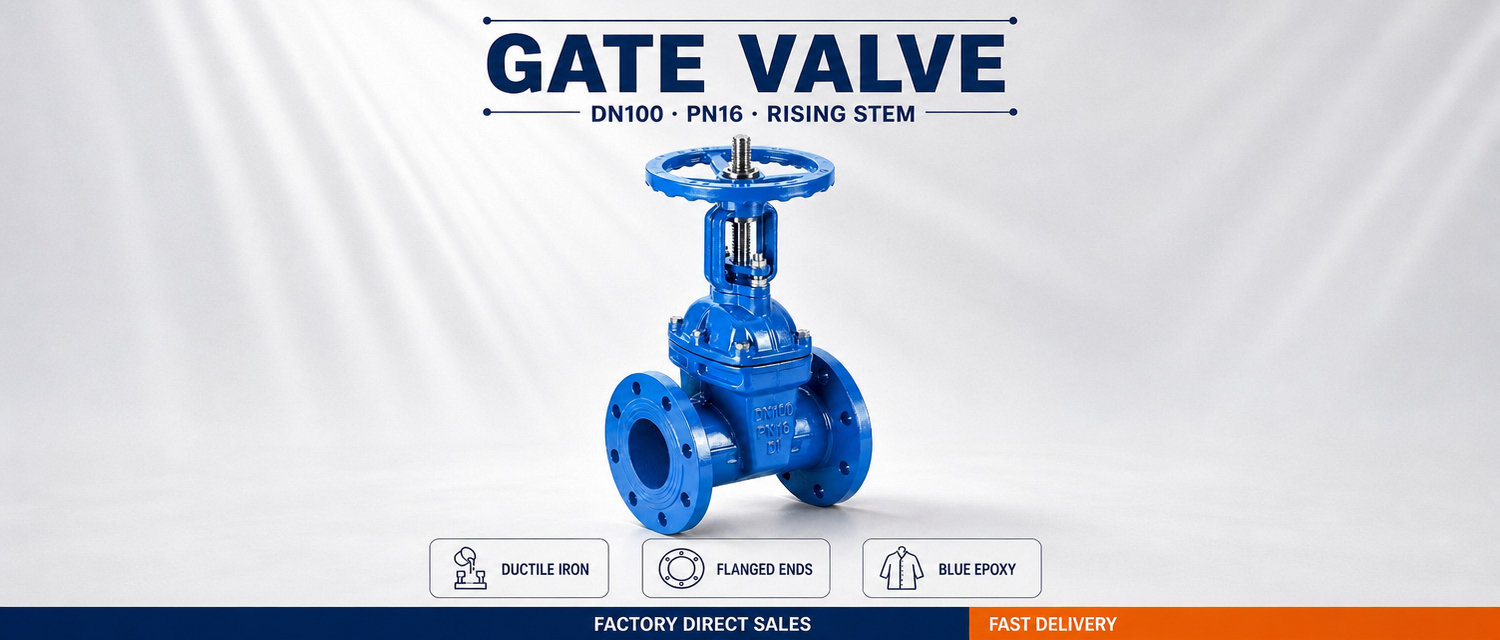
The defining advantage of this flanged rising stem gate valve over non-rising stem alternatives is direct visual status verification. The stem extends out of the valve body when fully open and retracts completely when closed. In facilities with many valves — pump stations, treatment plant valve galleries, building riser headers — maintenance staff can perform a visual walkdown and confirm the position of every flanged rising stem gate valve in the facility without operating a single handwheel. Incorrect valve position ranks among the most frequent root causes of low pressure, flow imbalance, and unintended zone isolation in water-supply networks, making this visual indication a meaningful operational safeguard.
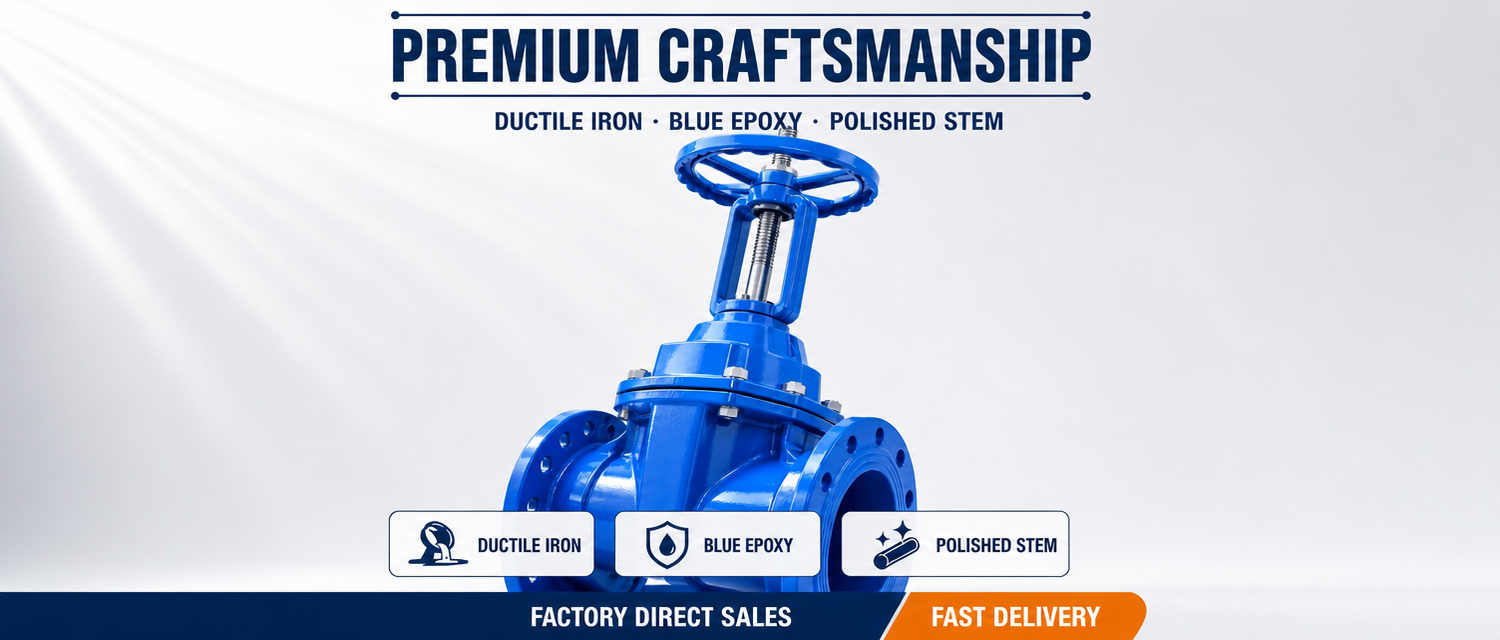
The valve body uses ductile cast iron, which offers higher tensile strength and fracture toughness than grey cast iron. At larger diameters, ductile iron resists the bending loads that occur during valve handling and installation on site. It also performs better under pressure surge conditions common in municipal water-supply networks when large pumps start and stop. Investing in ductile iron body construction helps reduce the risk of costly field failures from grey iron body cracks in live water mains — a failure mode that involves emergency zone isolation, excavation, valve replacement, reinstatement, and pressure testing, at a total cost that can far exceed the original unit price of the valve.
When fully open, the gate disc retracts completely from the flow stream, producing a straight-through bore with minimal pressure drop. In large water-supply distribution networks, low-resistance isolation valves reduce overall system head loss compared with designs that leave an obstruction in the bore at full open. This flanged rising stem gate valve suits water-supply trunk mains, pump station discharge headers, and building supply risers where preserving available system pressure is a design priority.
Both internal wetted surfaces and the external valve body carry a baked blue epoxy powder coating. The internal lining protects iron surfaces in prolonged contact with water from progressive corrosion, particularly relevant in low-velocity dead-leg sections of a network. The external coating resists the damp environments typical of underground valve chambers, basement plant rooms, and outdoor pump station locations where surface rust can accelerate if the body is left unprotected.

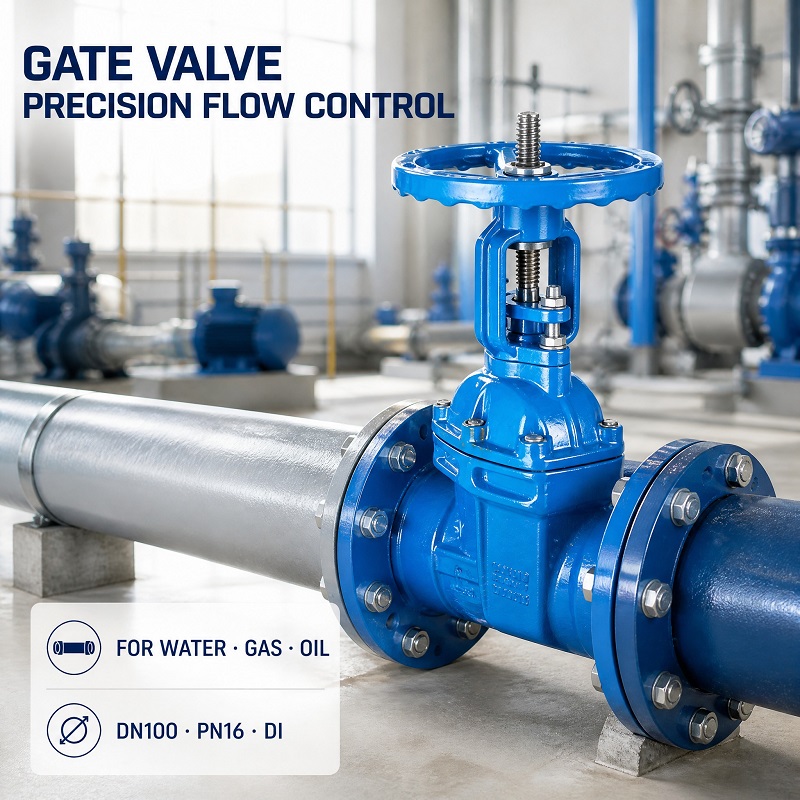
Municipal pump stations, booster stations, and distribution zone isolation points are the primary deployment environment for this flanged rising stem gate valve. Operators confirm the position of multiple valves before each pump start — the rising stem turns this into a quick visual check rather than a manual handwheel-by-handwheel operation. DN100 to DN600 sizes cover the main line and header diameters typical of municipal water-supply distribution and water treatment plant piping. The flanged connection meets standard water-supply pipeline jointing requirements and supports future removal and reinstallation during scheduled maintenance shutdowns.
Residential and commercial building water-supply risers, roof tank connections, and basement pump room headers use this flanged rising stem gate valve at DN50 to DN200 sizes. Building facility managers prefer rising stem designs because technicians without specialist valve training can confirm open/closed status at a glance during routine facility inspection rounds. Sewage treatment plant inlet headers, sludge distribution manifolds, and industrial drainage valves benefit from the straight-through bore, ductile iron construction, and epoxy coating — all suited to the mildly aggressive environment of sewage service.
This flanged rising stem gate valve is stocked across the full DN50 to DN600 nominal diameter range. Sourcing the complete DN range for a project from a single supplier reduces coordination overhead and the risk of delivery schedule mismatches between different size batches. Product drawings, flange dimension sheets, and pressure-temperature parameter references are available to support specification review and technical matching. Sample orders are supported for first-time buyers who need dimensional verification and incoming inspection before committing to a full project batch. Export packaging protects flanges and the exposed stem thread against transit damage during domestic logistics and international ocean freight. Pre-sales technical consultation covers pressure rating selection, nominal size matching, and installation space requirements — particularly the stem travel clearance height that a rising stem design requires above the bonnet, which must be confirmed before specifying this flanged rising stem gate valve for underground vault or confined space installations.