Supplier:Xinghui
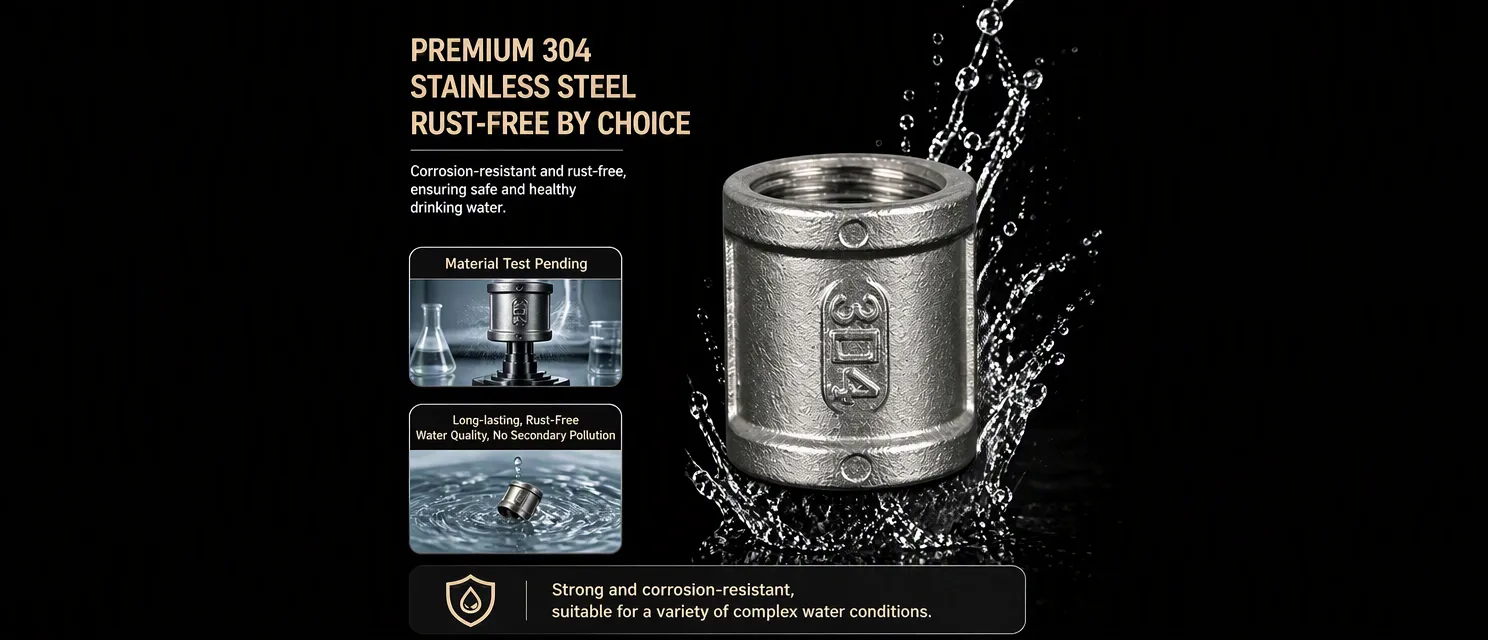
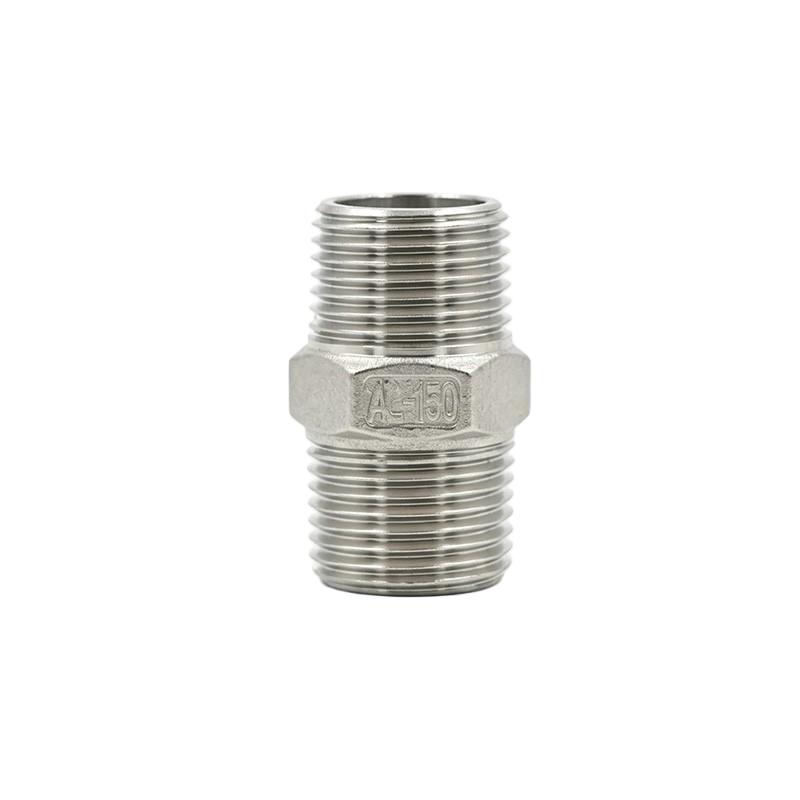
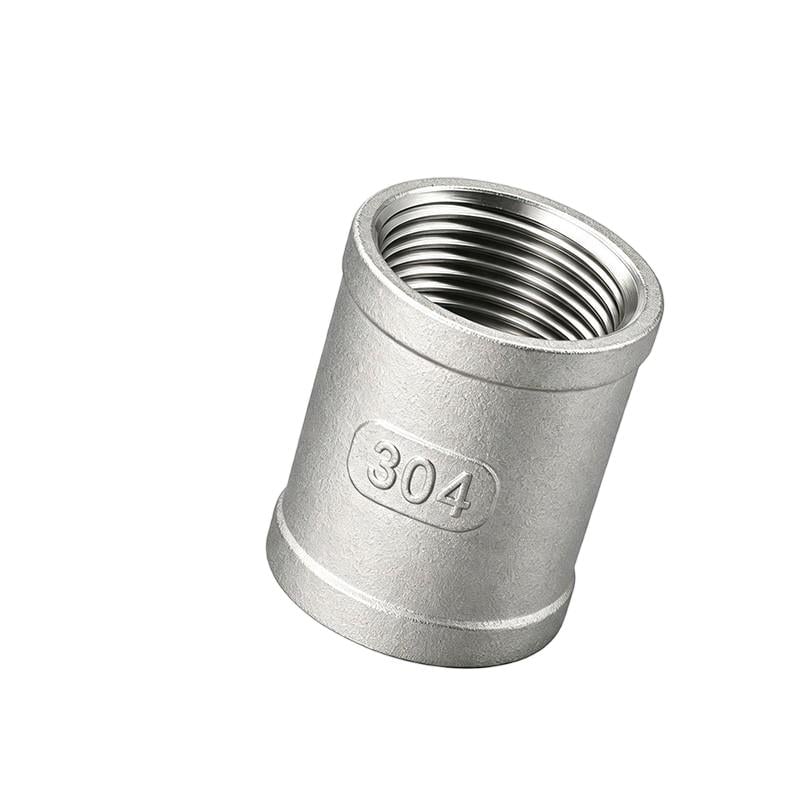
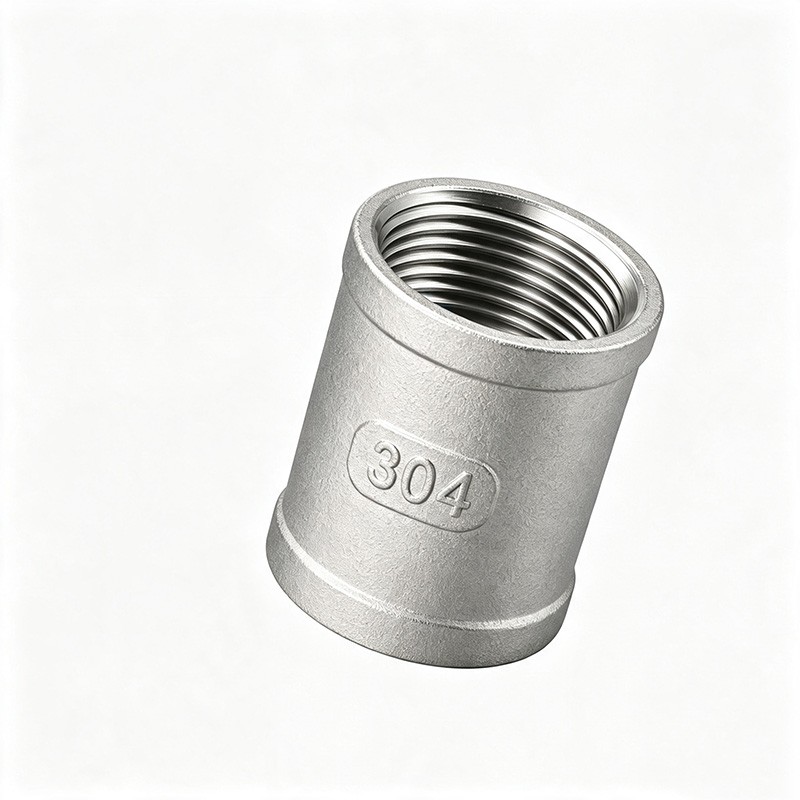
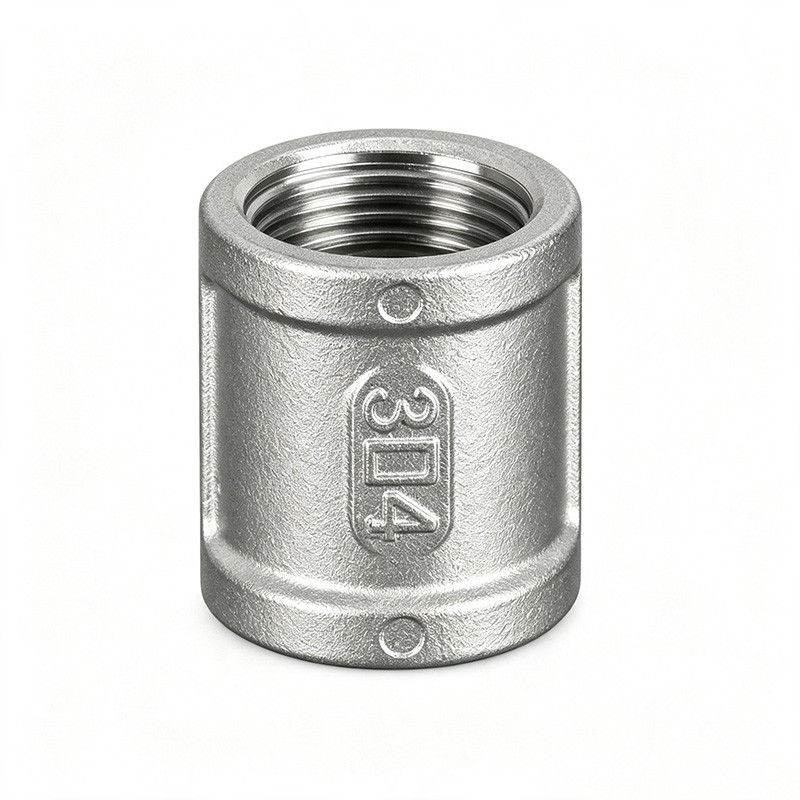
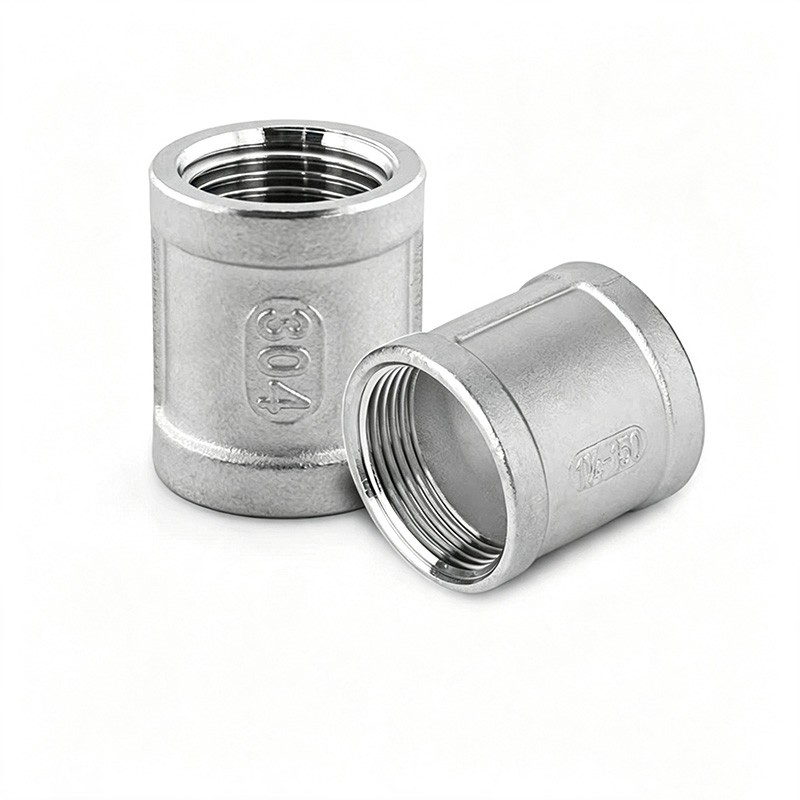
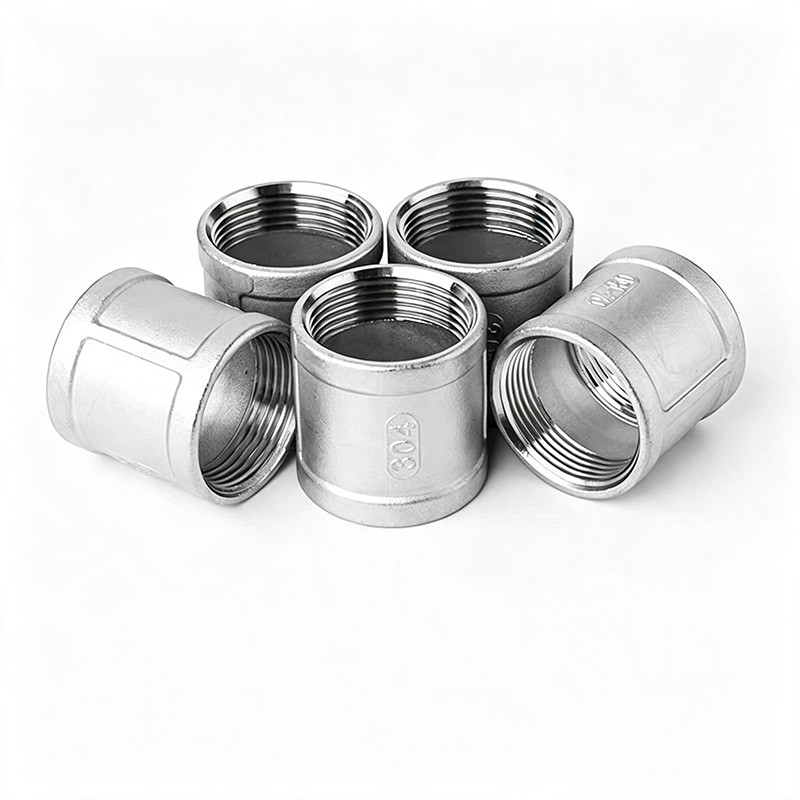
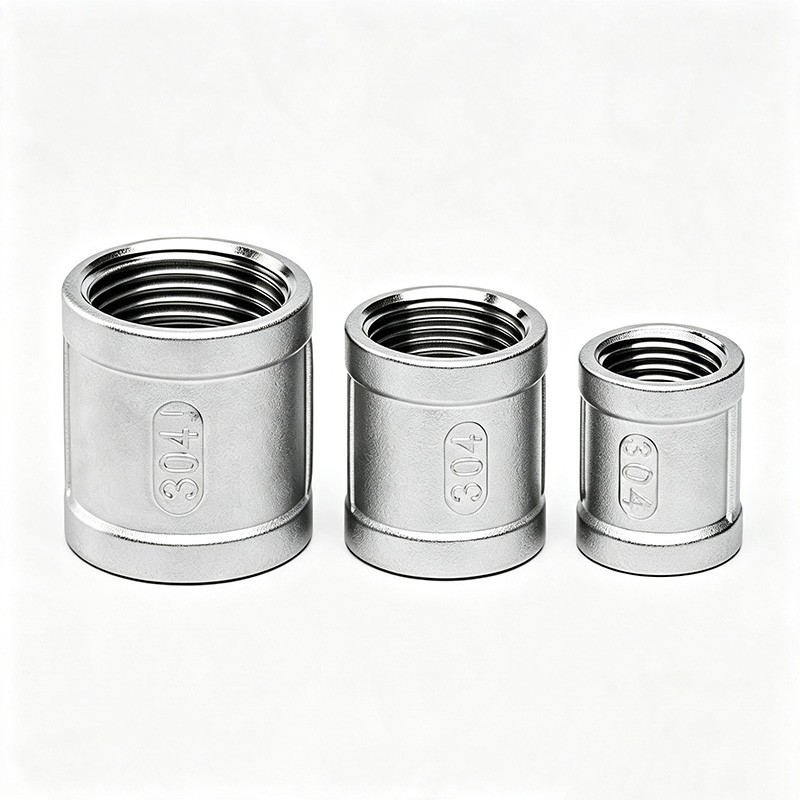
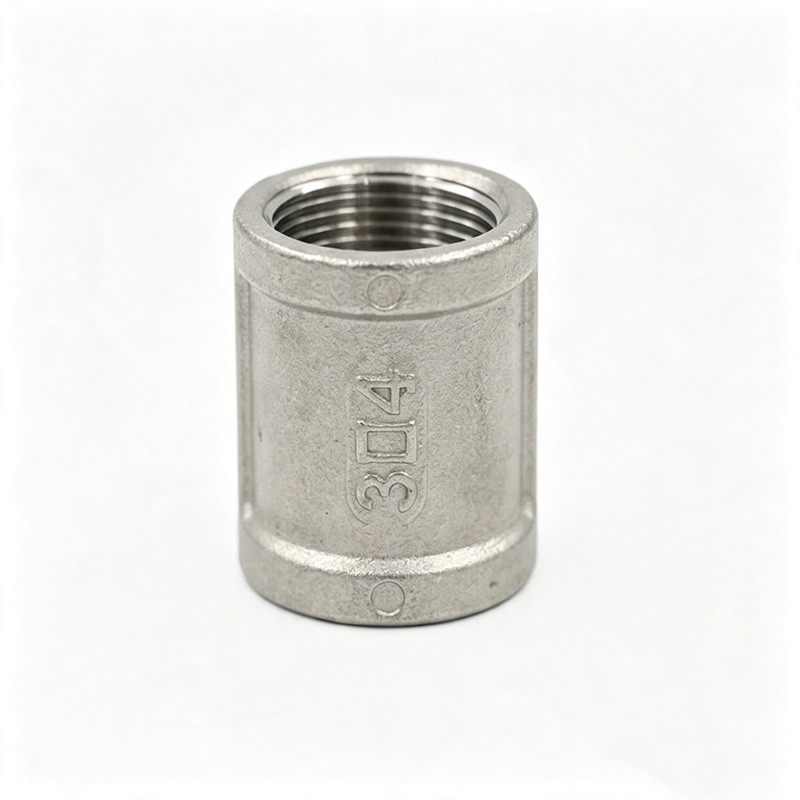
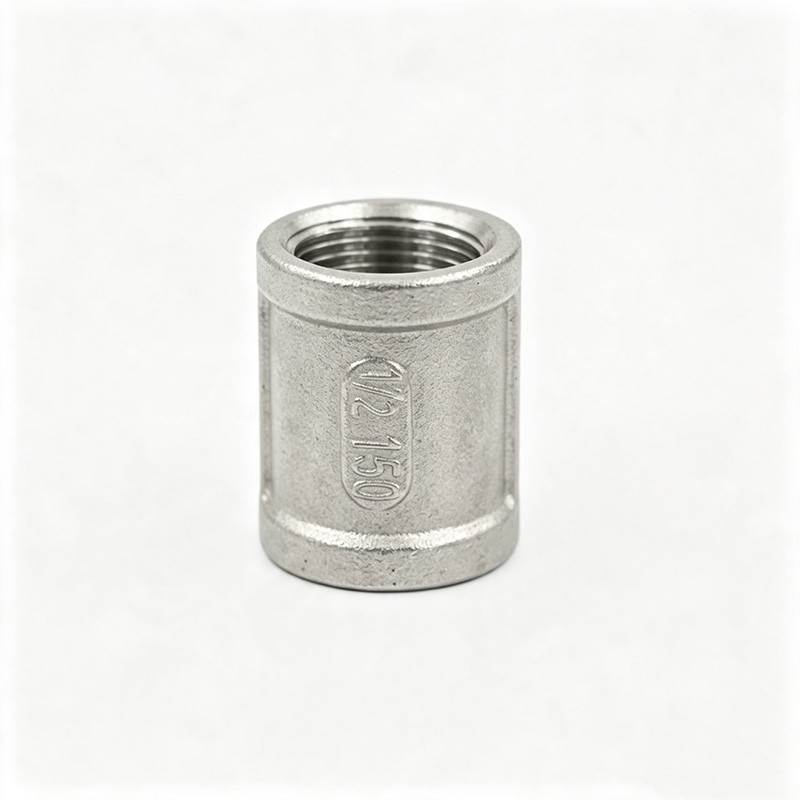
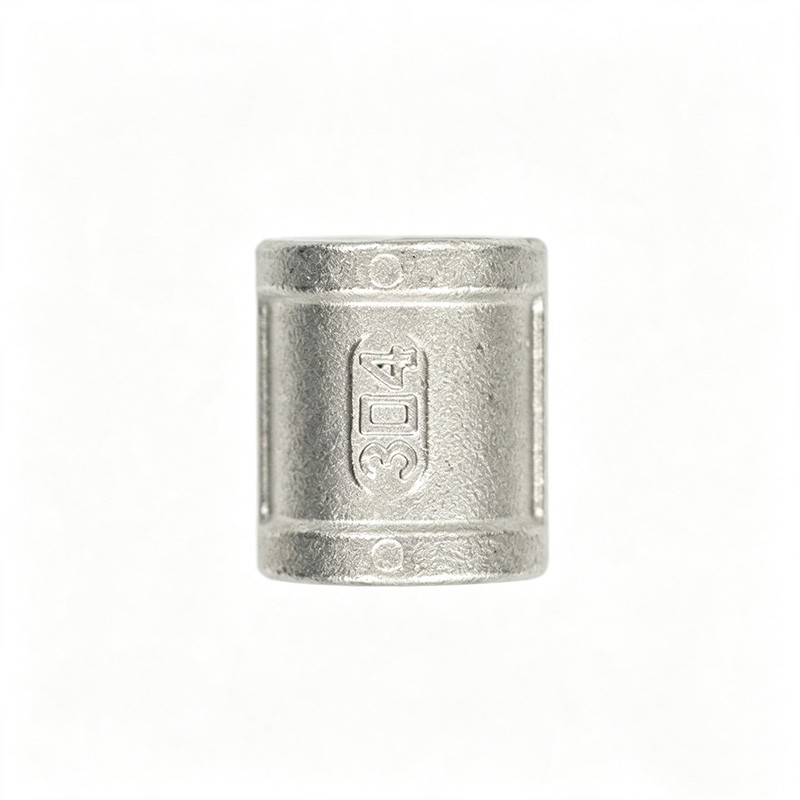
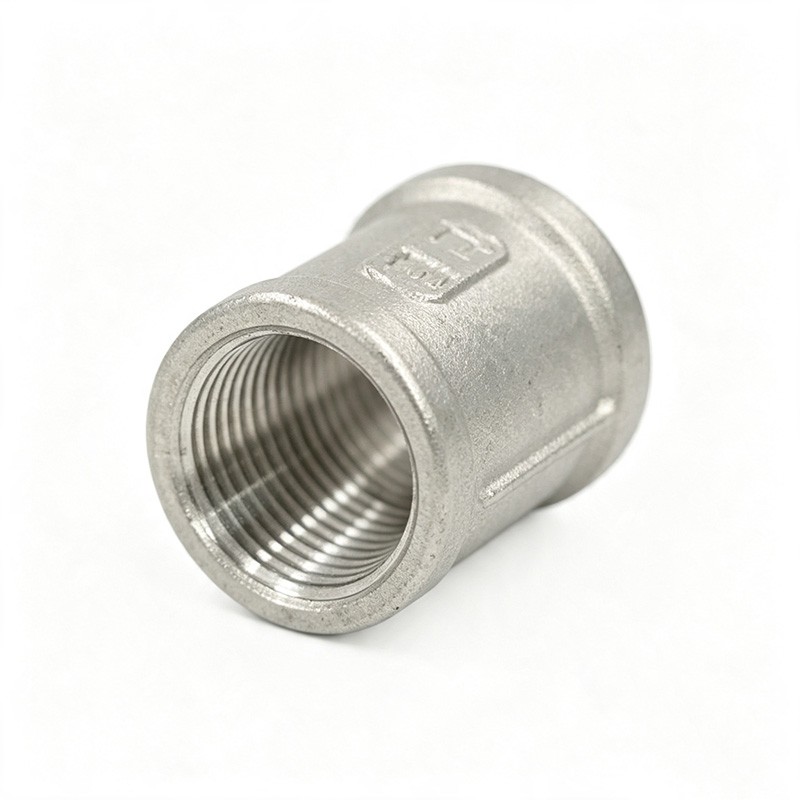
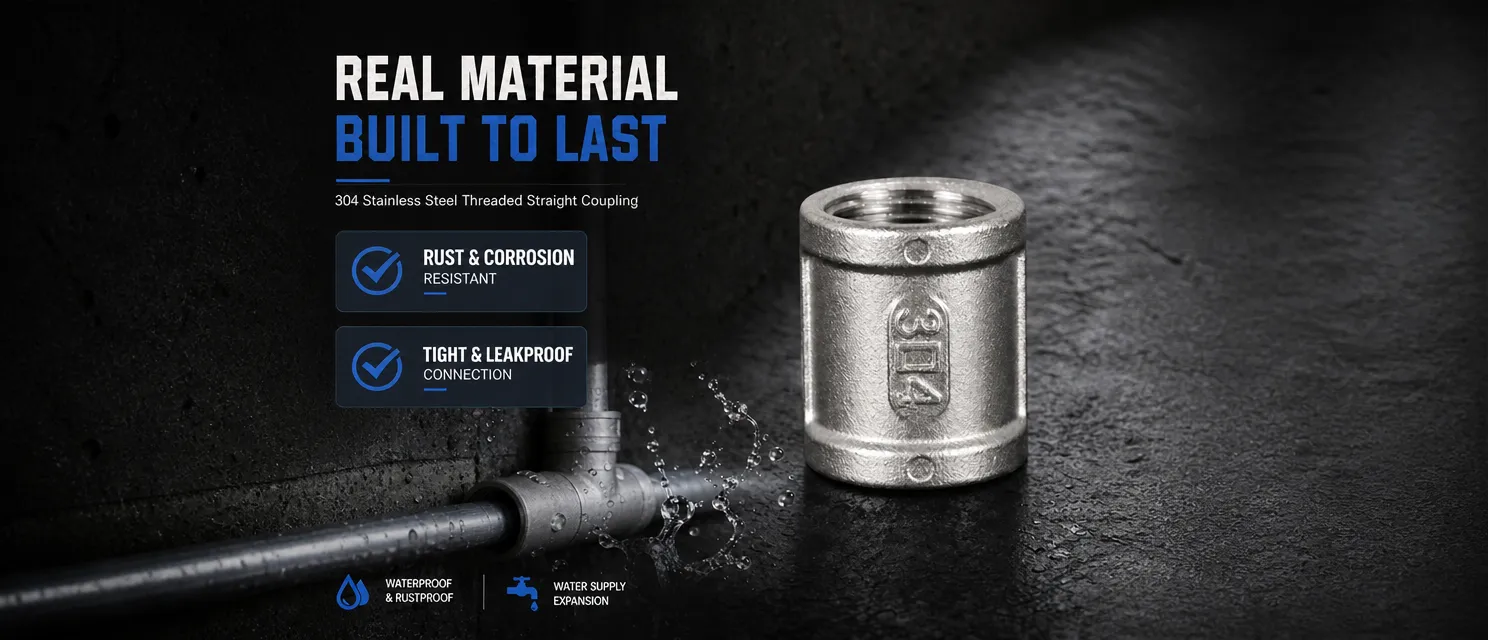
Forged brass female-threaded coupling with straight-through design, corrosion-resistant, for extending and joining pipes, compatible with water, oil, and gas.
Supplier:Xinghui
Forged brass female-threaded coupling with straight-through design, corrosion-resistant, for extending and joining pipes, compatible with water, oil, and gas.
A Female-Thread Straight Coupling is a brass pipe fitting with internal female threads on both ends, designed to join two male-threaded pipes of the same nominal diameter in a straight line. Unlike a standard union fitting with one male end and one female end, this Female-Thread Straight Coupling lets each pipe end thread in independently — no fixed rotational sequence required. Think of it like a sleeve nut for threaded rod: both sides accept male threads, eliminating orientation constraints. The body is integrally forged from brass, giving a solid single-piece structure with no internal weak points that could crack under pressure cycling. If two fixed pipes both terminate in male threads, a Female-Thread Straight Coupling is the direct solution — no adapters, no welding required.
| Parameter | Specification | Selection Guidance |
|---|---|---|
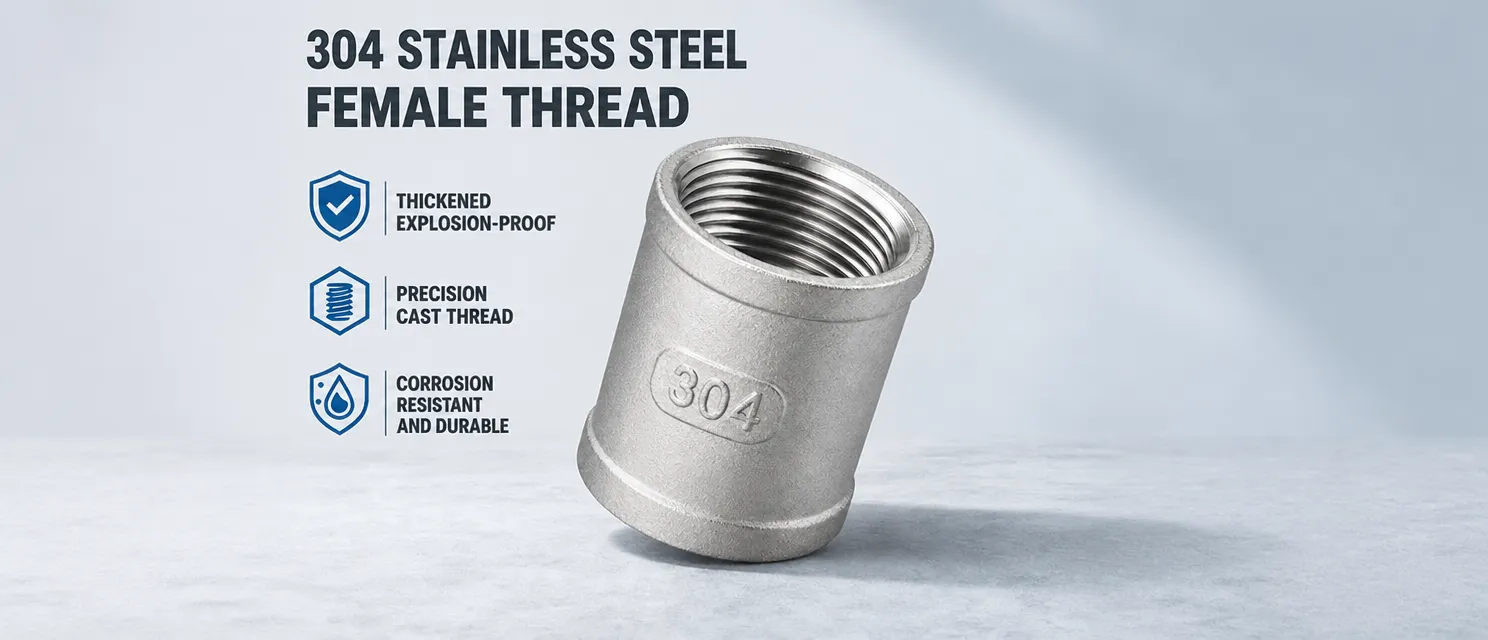
| Body Material | Forged brass (HPb59-1 / CW617N); 304 SS or lead-free brass on request | Forged grain structure reduces porosity risk compared with cast alternatives. Confirm lead-free compliance for potable water projects. |
| Surface Treatment | Nickel-plated or natural polished finish | Nickel plating adds a corrosion barrier in humid environments. Natural polish suits most indoor plumbing installations. |
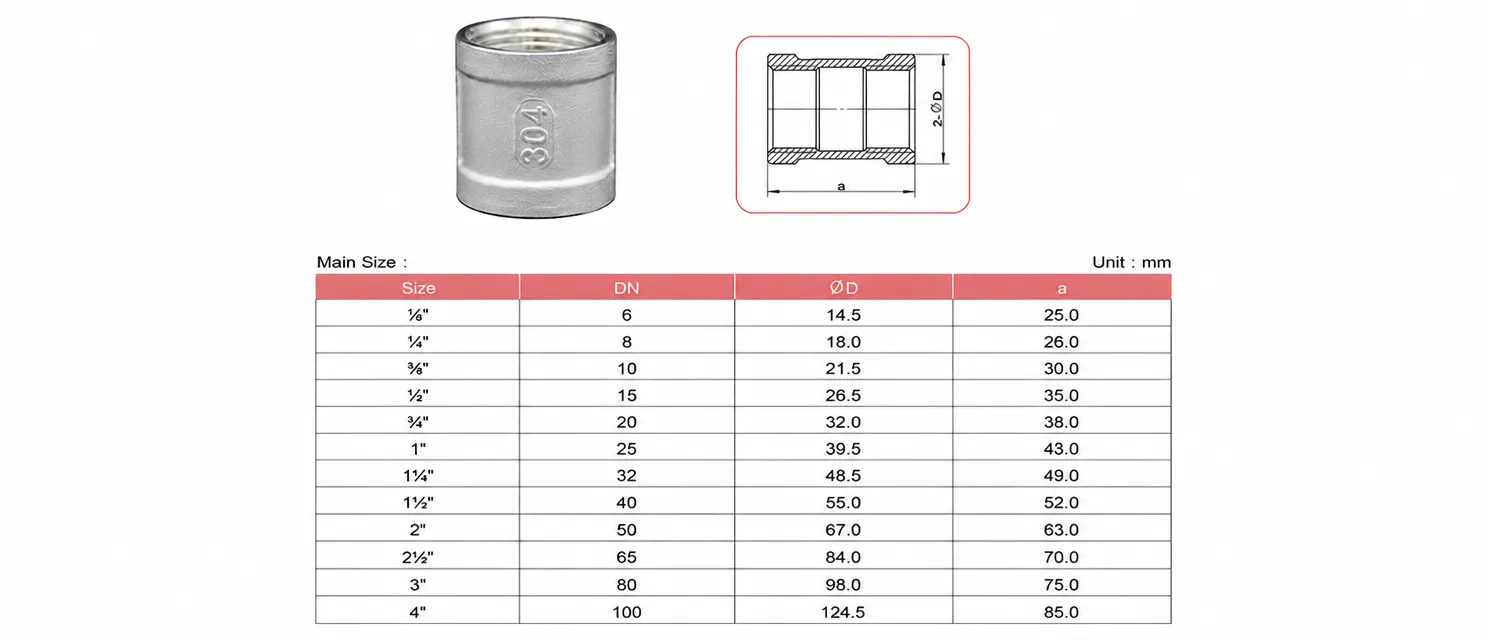
| Port Sizes | G1/2, G3/4, G1, G1-1/4, G1-1/2; larger sizes on request | This Female-Thread Straight Coupling accepts the same size on both ends — it is not a reducer. Confirm nominal pipe size before ordering. |
| Thread Standard | British G (BSP) parallel thread; NPT optional | G (BSP) and NPT have different thread angles and are not interchangeable. Verify thread type before ordering — thread mismatch is the most common cause of installation failure for threaded pipe fittings. |
| Nominal Pressure | ≤1.6 MPa (approximately 232 psi) | Suitable for domestic water supply, HVAC loops, and most compressed-air systems. A higher pressure rating does not automatically mean a safer selection — match the spec to actual system requirements. |
| Temperature Range | −20°C to 120°C | Covers cold-water supply through high-temperature hot water. Confirm that PTFE tape or thread compound is also rated for the operating temperature. |
| Applicable Media | Cold/hot water, drinking water, compressed air, low-pressure oil, weak acid/alkali fluids | Brass is compatible with most household and light industrial media. For seawater or concentrated acids, consider stainless steel alternatives. |
| Sealing Method | PTFE tape or thread sealant on male pipe threads | Apply three to five even layers of PTFE tape in the tightening direction before engaging threads. |
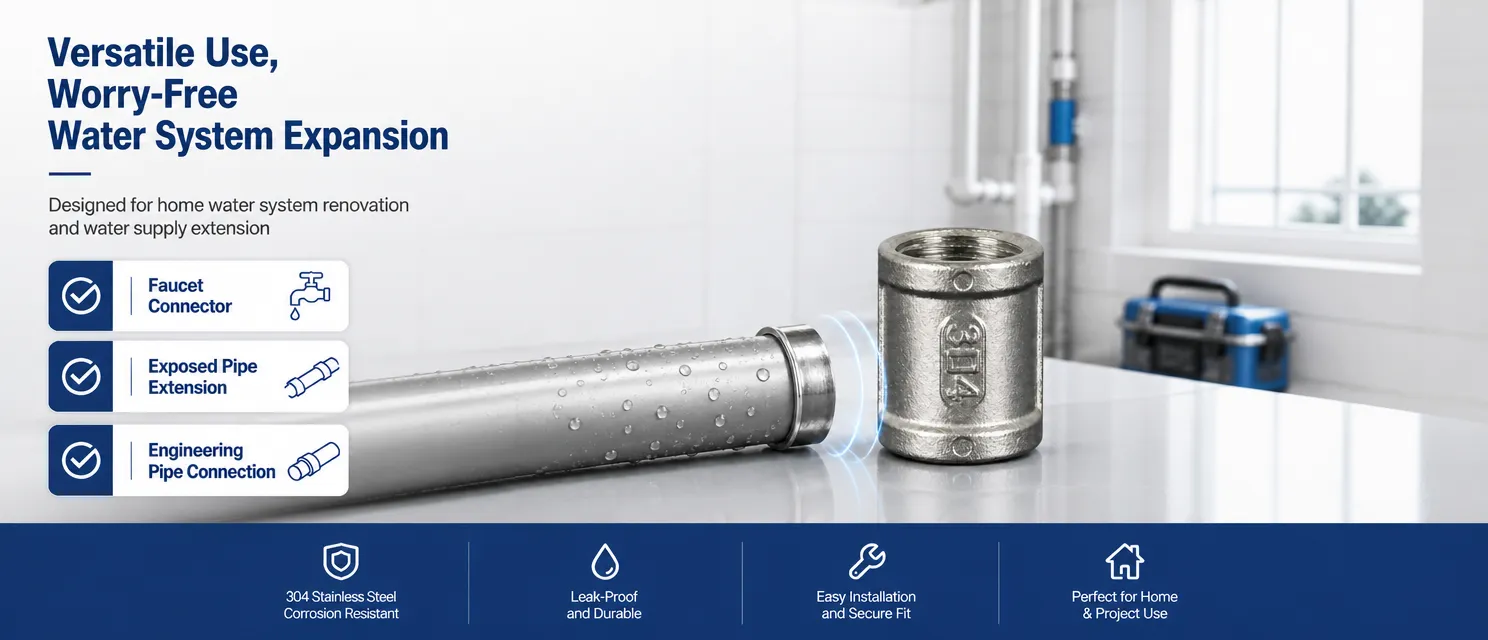
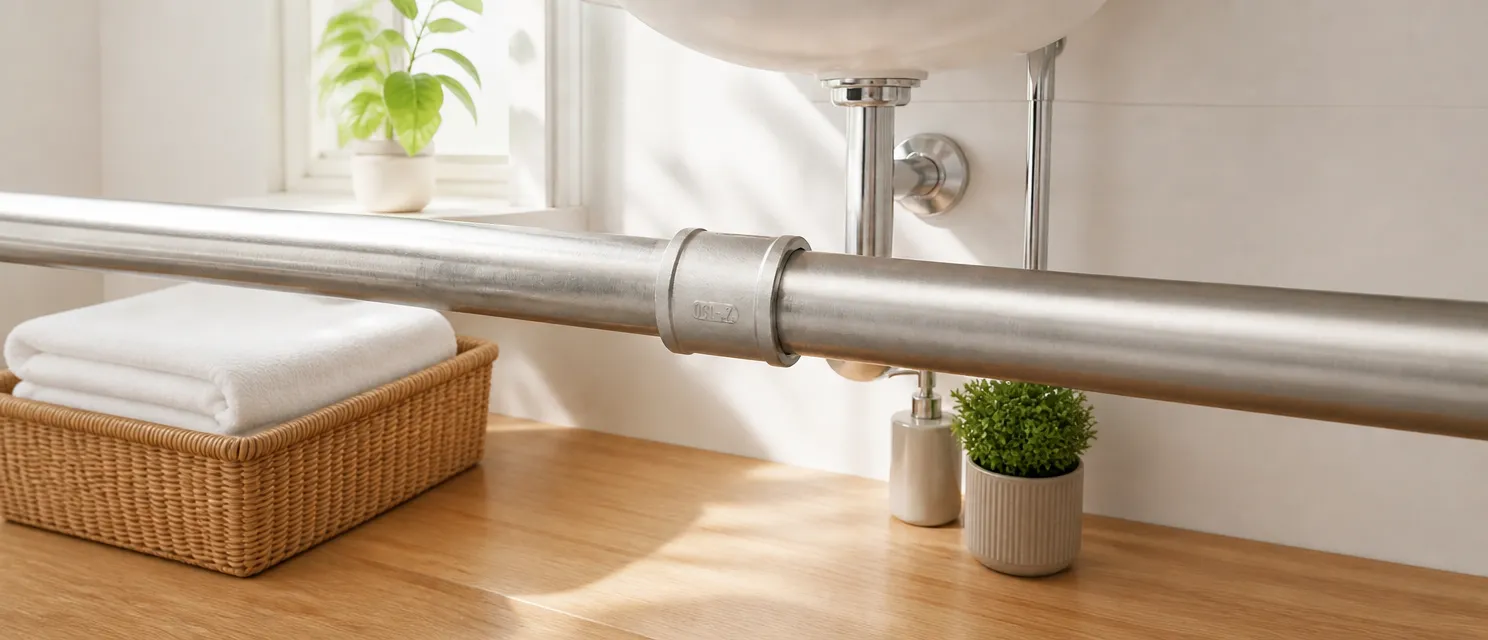
The most common use for a Female-Thread Straight Coupling is extending domestic cold or hot water supply lines where the pipe falls slightly short of a fixture connection point. It also bridges water heater inlet and outlet pipes, water purifiers, and washing-machine supply hoses — wherever two male-thread ends need joining in a straight run.
Floor-heating manifold extensions, radiator pipe butt-joints, and wall-hung boiler circulating lines frequently terminate in fixed male threads. A Female-Thread Straight Coupling handles these connections within its rated temperature range without requiring hot-melt or welding processes that are difficult to reverse during later maintenance.
Workshop compressed-air distribution lines, laboratory pure-water circuits, and food-processing cooling loops all benefit from the dual female-thread design. When a socket wrench set is used for controlled tightening on the hexagonal body, the joint achieves a consistent, repeatable seal. For systems that document connection points near security bolt anchors or access panels, the detachable female-thread joint simplifies later inspection.
Compared with cast-iron or malleable-iron couplings, forged brass provides better corrosion resistance and more precise thread engagement — directly affecting long-term sealing reliability. Compared with plastic PPR or push-fit couplings, brass supports higher operating temperatures, resists UV degradation outdoors, and tolerates repeated assembly without joint deformation.
Choosing a lower-grade coupling to save a small upfront cost can lead to repeat service calls when the fitting begins to seep at thread engagement. The material cost difference between a reliable forged brass Female-Thread Straight Coupling and a lower-grade alternative is typically modest relative to the labor and water-damage cost of a callback repair.
For international procurement: the default thread standard is British G (BSP) parallel. If your pipeline uses NPT (American standard taper) thread, specify NPT at inquiry. Confirm thread type before shipment. An adjustable pin spanner wrench or a socket wrench set works well with the hex body for controlled installation torque.