Supplier:Xinghui
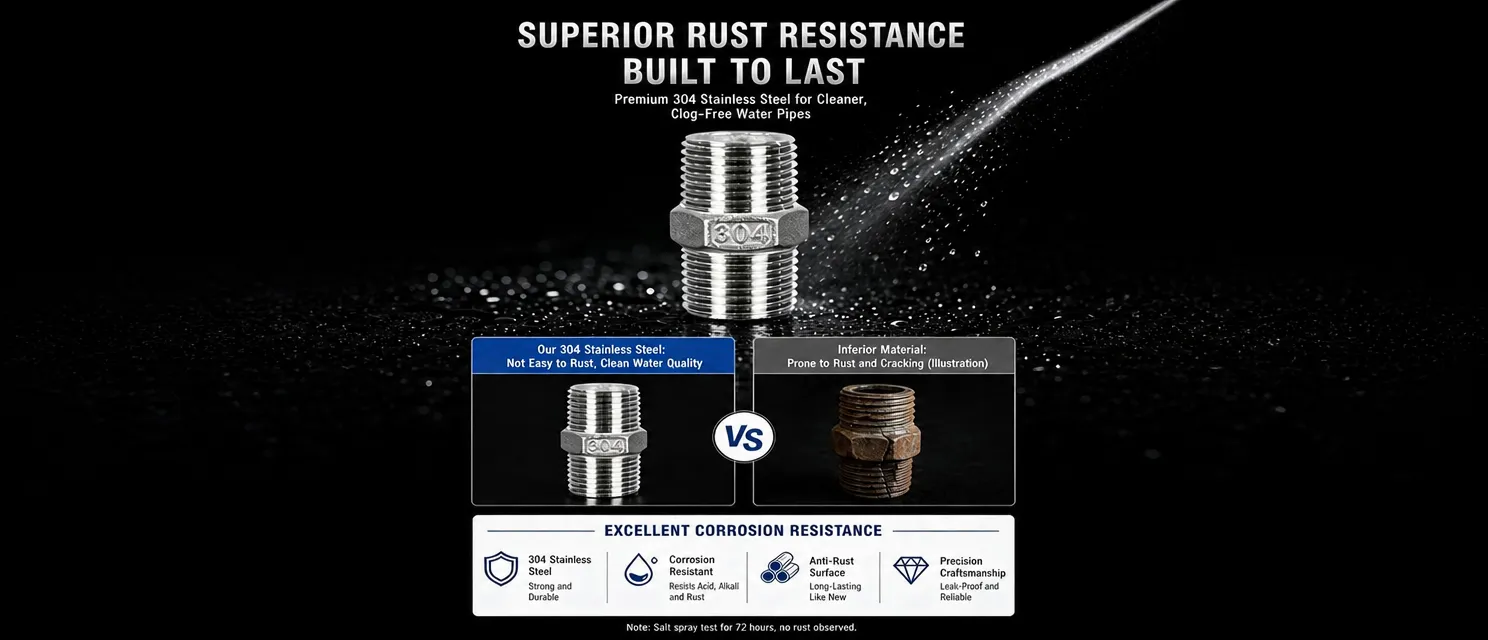
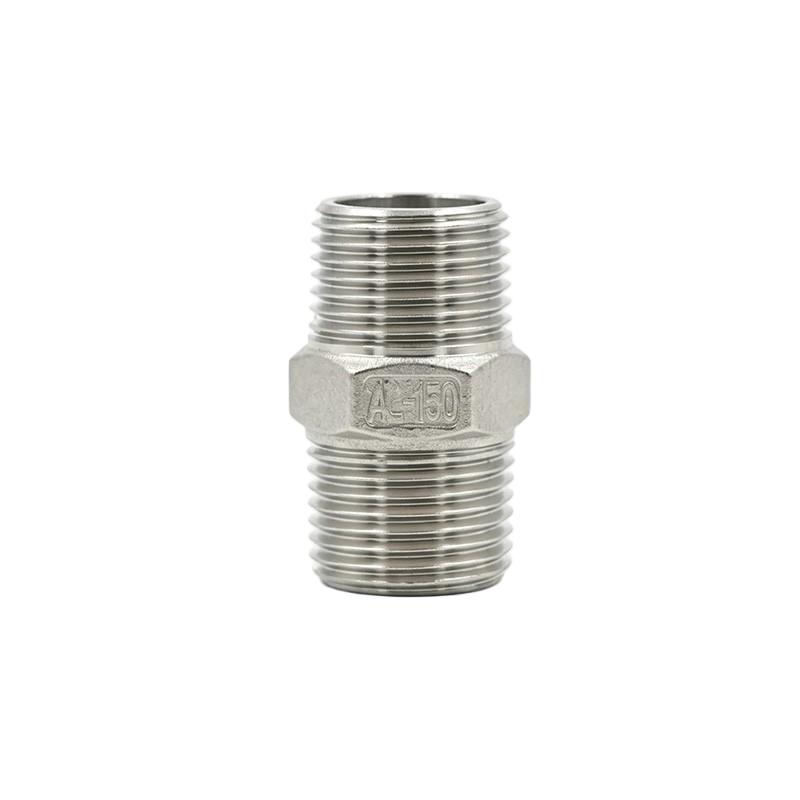
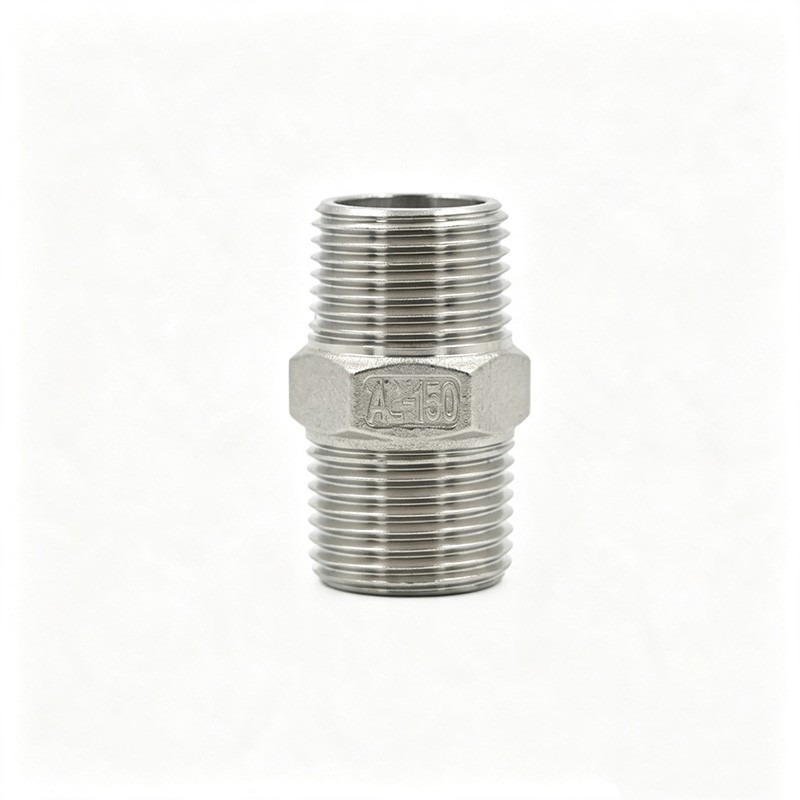
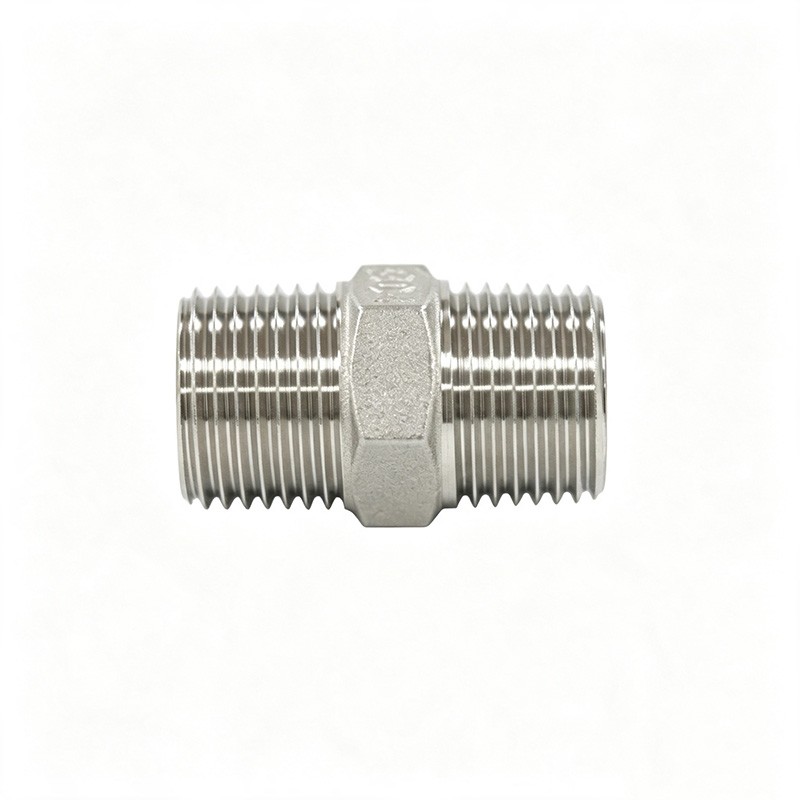
Forged brass double male nipple with hex wrench flats, corrosion-resistant, connects two female-threaded fittings, suitable for water, gas, and oil.
Supplier:Xinghui
Forged brass double male nipple with hex wrench flats, corrosion-resistant, connects two female-threaded fittings, suitable for water, gas, and oil.
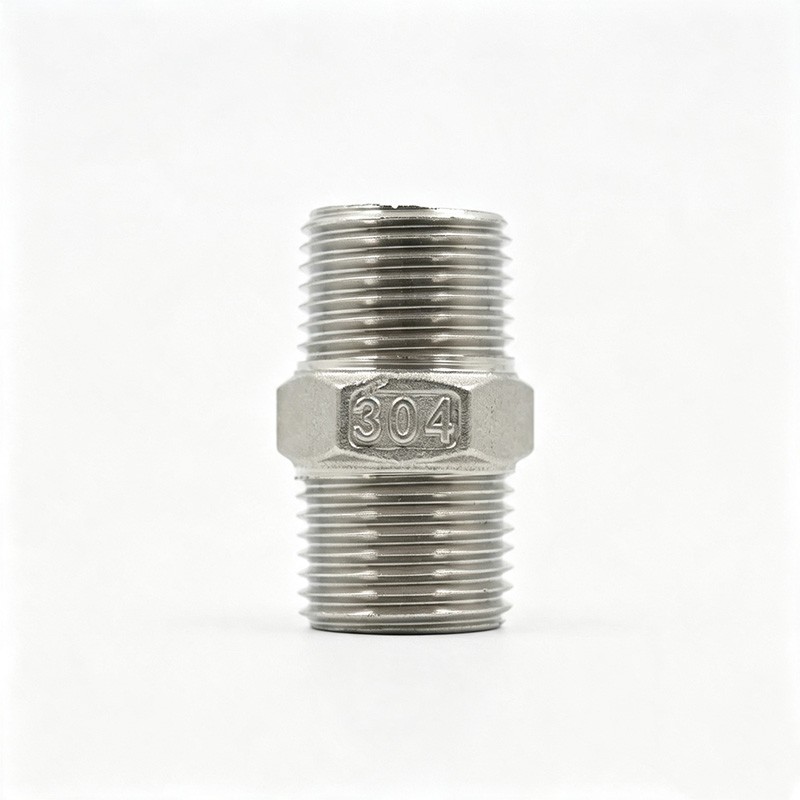
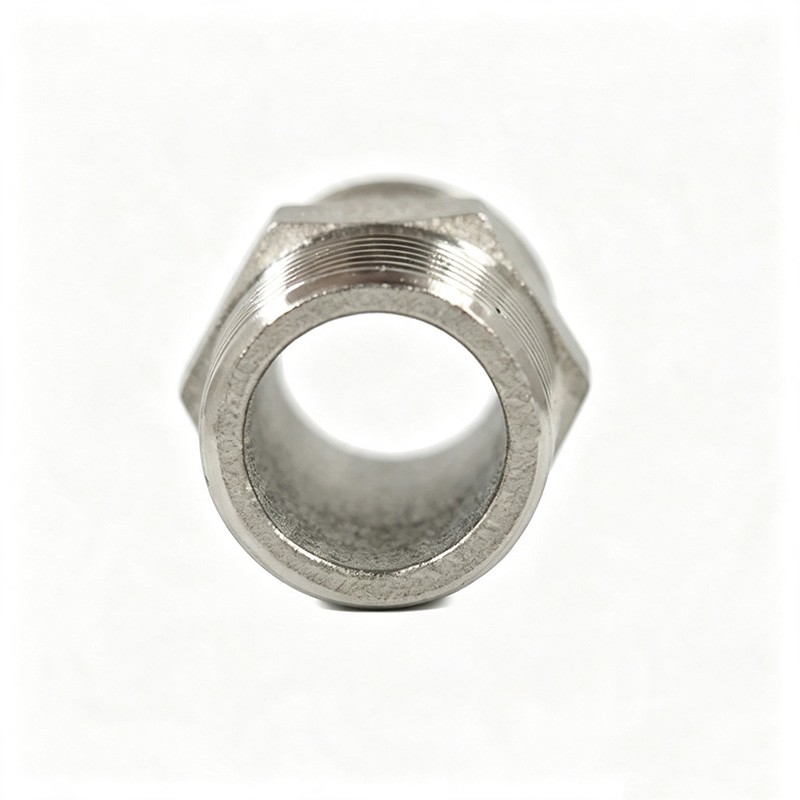
A double-end male thread nipple is a straight-through brass pipe fitting with male threads at both ends and a hexagonal grip in the center. It bridges two female-thread ports that cannot be joined directly — whether on valves, fittings, or inline equipment — enabling a secure, leak-free butt joint without additional adapters. When two female ends need to connect and neither has a male thread to offer, this fitting provides both in one compact component.
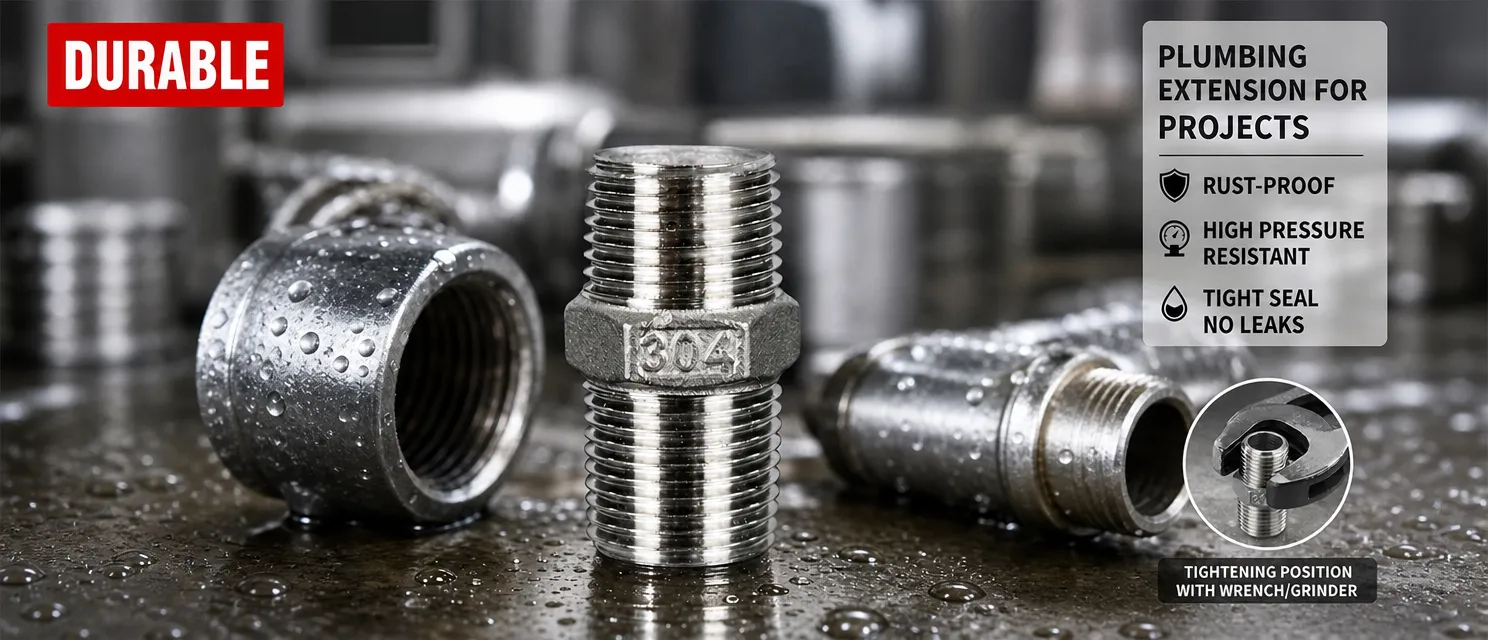
Manufactured from HPb59-1 forged brass by Xinghui, with 304 stainless steel and lead-free brass available for custom orders, this double-end male thread nipple is precision CNC thread-rolled for consistent profile and standard dimensions. The middle hexagonal section accepts standard adjustable wrenches or milwaukee pliers for even torque application and controlled tightening at both ports simultaneously.
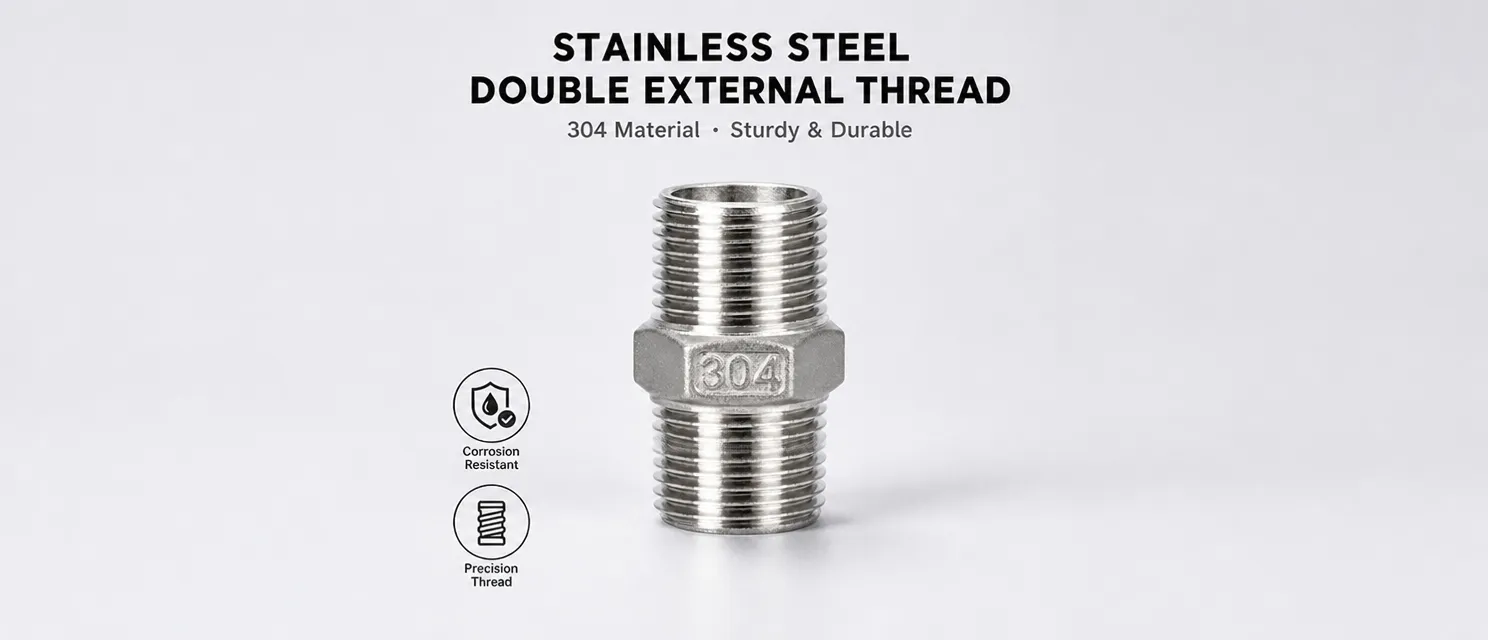
Key parameters for selecting a double-end male thread nipple are listed below. Understanding each one helps you choose the correct variant for your application.
| Parameter | Value | Selection Note |
|---|---|---|
| Body material | Forged brass HPb59-1 / CW617N | Forging gives higher thread accuracy than cast brass; 304 SS or lead-free brass on request |
| Surface finish | Nickel-plated or polished | Nickel adds corrosion protection in humid outdoor environments |
| Port sizes | G1/2, G3/4, G1, G1-1/4 equal; reducing combos on custom order | Confirm both port sizes before ordering — mismatched sizes cannot be forced |
| Thread standard | British G (BSP); NPT available | G and NPT are not interchangeable — confirm your system standard before ordering |
| Sealing | PTFE tape or thread sealant | Wrap 3–5 layers in the tightening direction; sealant paste preferred for gas lines |
| Rated pressure | ≤1.6 MPa water; ≤1.0 MPa gas | Verify system pressure for hydraulic valve manifolds or compressed-air use |
| Temperature range | −20 °C to 120 °C | Covers household hot water and HVAC floor-heating circuits; not for steam above 120 °C |
| Applicable media | Water, gas, compressed air, low-pressure oil, weak acid-alkali fluids | Confirm brass compatibility for aggressive chemical service |
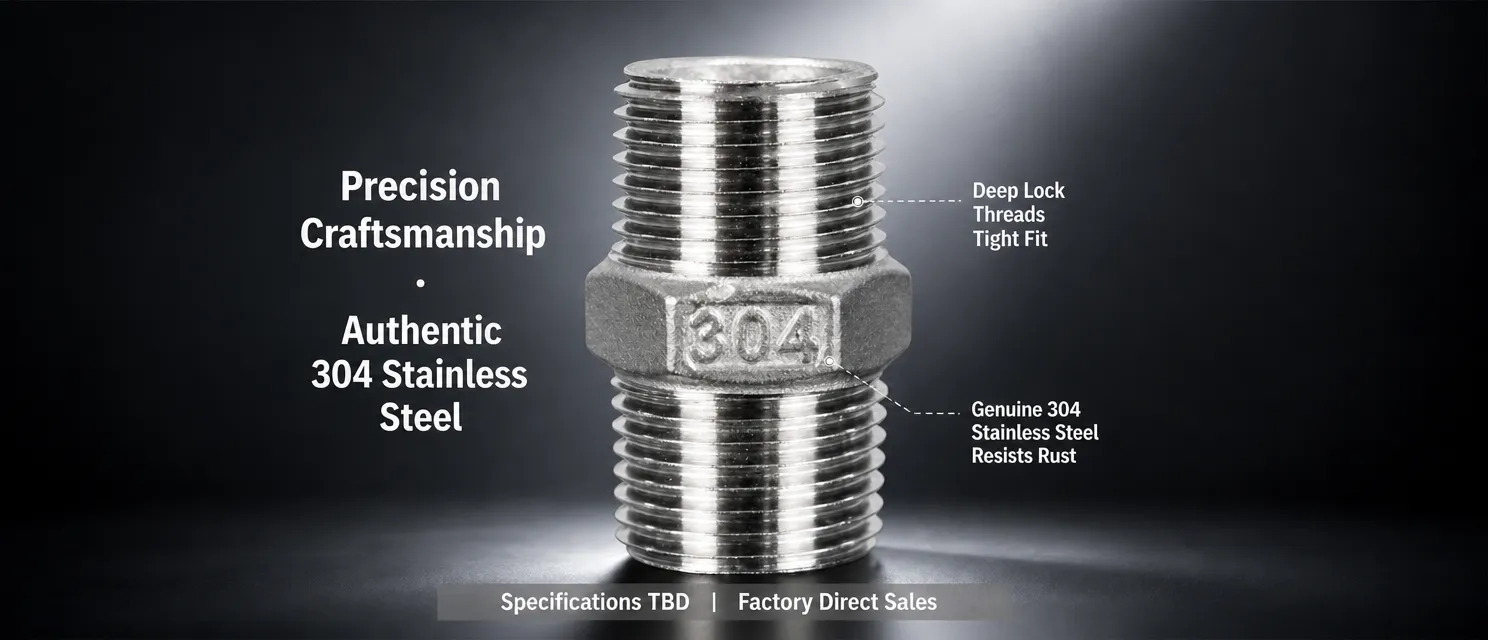
The defining feature of a double-end male thread nipple is its paired male threads. A single-end nipple only transitions one side; the opposite port still needs an additional adapter or union. The double-end design eliminates that extra fitting, reduces total part count, cuts installation time, and removes one more potential leak interface. In residential plumbing retrofits or HVAC commissioning work, this simplification compounds across dozens of connections on a single job site.
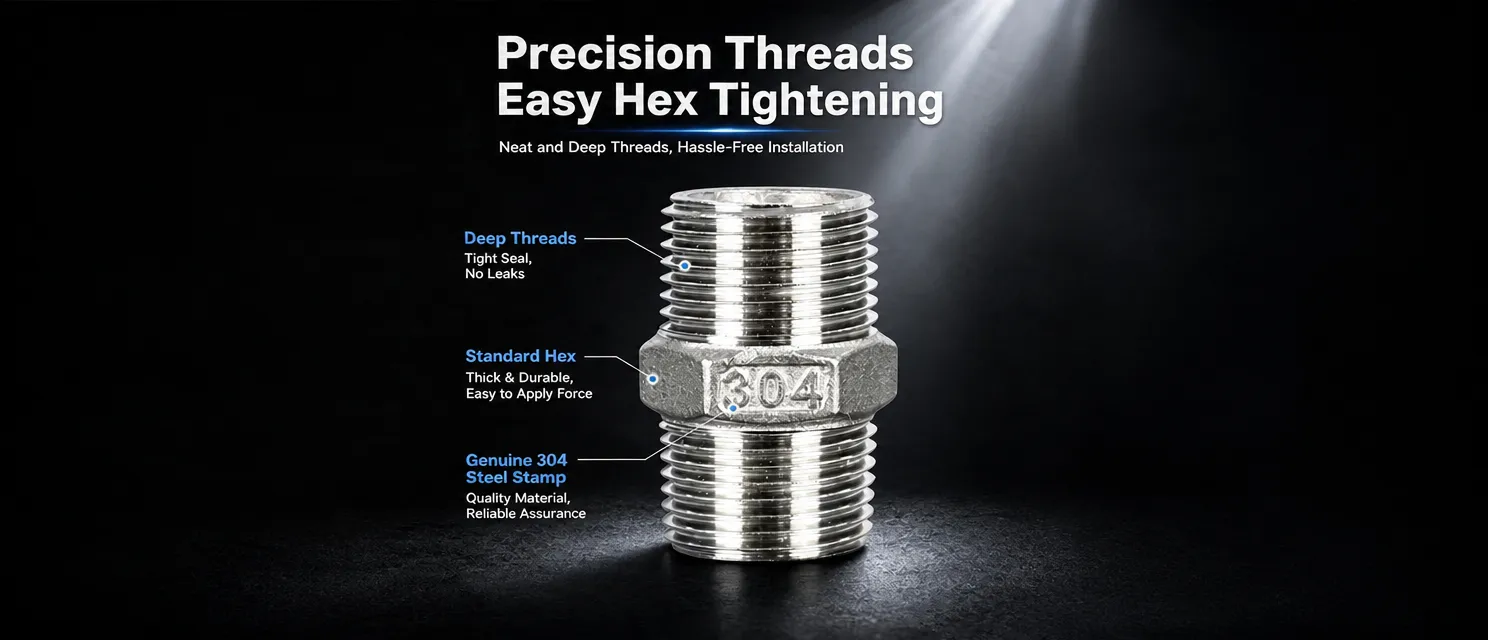
The hex grip is not cosmetic — it solves a real installation problem. When both ends are partially engaged, applying torque to only one thread risks backing out the other. The center hex lets you hold the nipple stationary while each port is tightened to rated torque independently. This is especially useful in confined spaces where port access is limited.
CNC thread-rolling work-hardens the thread flanks and produces a tighter, more consistent helix than thread-cutting. For a fitting that relies entirely on thread engagement plus PTFE tape for sealing, dimensional precision directly determines connection reliability. If your application requires zero-bubble leak tolerance — gas service, food-processing equipment, or compressed-air circuits supplying a hydraulic valve manifold — the thread quality of the nipple is the first specification to validate from your supplier.
In residential installation, a double-end male thread nipple most often bridges the gap between a wall-reserved female-thread stub and the inlet or outlet port of a water heater, pre-filter housing, or angle valve. Floor-heating manifolds, radiator connections, and wall-hung boiler pipelines also routinely use these fittings to connect valves to distribution headers. Short nipples suit flush connections; medium and long variants accommodate different rough-in gaps without extending or recutting pipe. For gas service, the fitting acts as the male-thread transition between a shutoff valve and the corrugated gas hose — leak-test with soapy water before commissioning.
Maintenance teams managing compressed-air distribution, laboratory gas supply, food-processing pipelines, or hydraulic valve manifold ports typically keep several sizes of double-end male thread nipples in stock as standard MRO items. The reducing variant — each end a different nominal size — solves the frequent problem of two female ports with mismatched diameters that must be bridged without inserting an additional reducing coupling. Ready stock of common reducing combinations shortens unplanned maintenance windows.
vs. Single-end male nipple: Bridging two female ports requires two single-end nipples plus a union — three fittings instead of one. The double-end design cuts part count and leak-point count simultaneously.
vs. Cast-iron or malleable-iron nipples: Iron nipples suit fire-protection and industrial gas systems but are not acceptable for drinking-water or food-grade circuits. Forged brass offers higher thread precision and is suitable for potable-water applications.
vs. Low-cost alternatives: Non-standard thread profiles on budget nipples engage imprecisely with female ports, require repeated re-tightening, and eventually leak under pressure cycling. The replacement cost and associated downtime consistently exceed the initial savings — a pattern familiar to any experienced maintenance buyer selecting a double-end male thread nipple for long-term service.
Before ordering: confirm (1) thread standard — G/BSP or NPT; (2) both port nominal sizes — equal or reducing; (3) nipple length — short, medium, or long for your installation gap. If the existing port thread standard is unknown, use a thread gauge or contact your pipe supplier with the pipe origin and nominal size.
During installation: apply 3–5 layers of PTFE tape in the tightening direction, start one end, align the second port, then tighten on the center hex to moderate torque. Avoid over-tightening. Pressure-test before concealing joints inside walls. Inspect threaded joints annually in humid environments and replace any nipple showing pitting, thread deformation, or cracking. OEM customization and material test reports are available for wholesale procurement orders.