
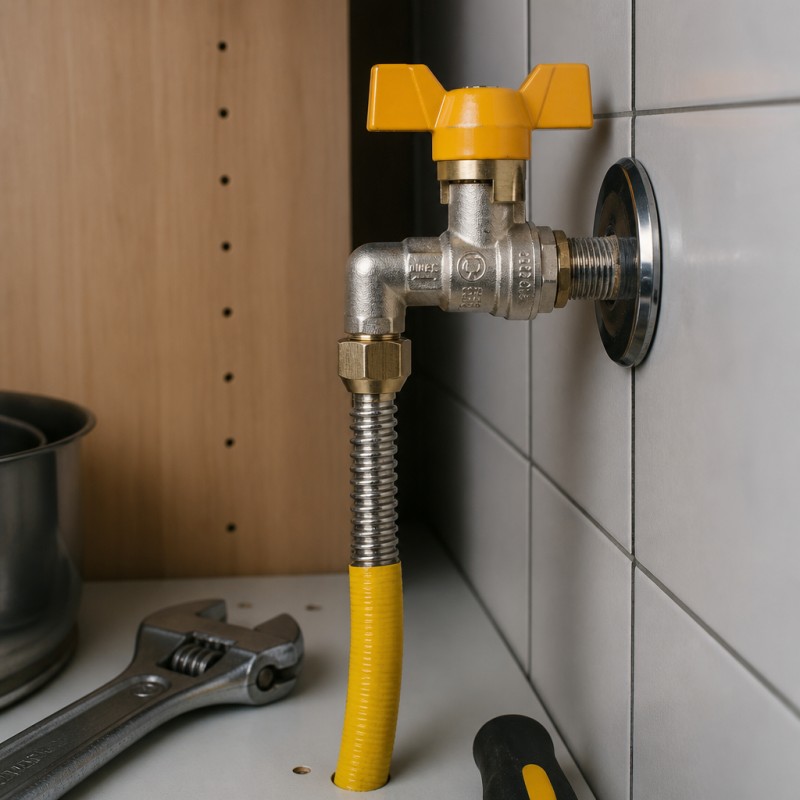

Supplier:Xinghui
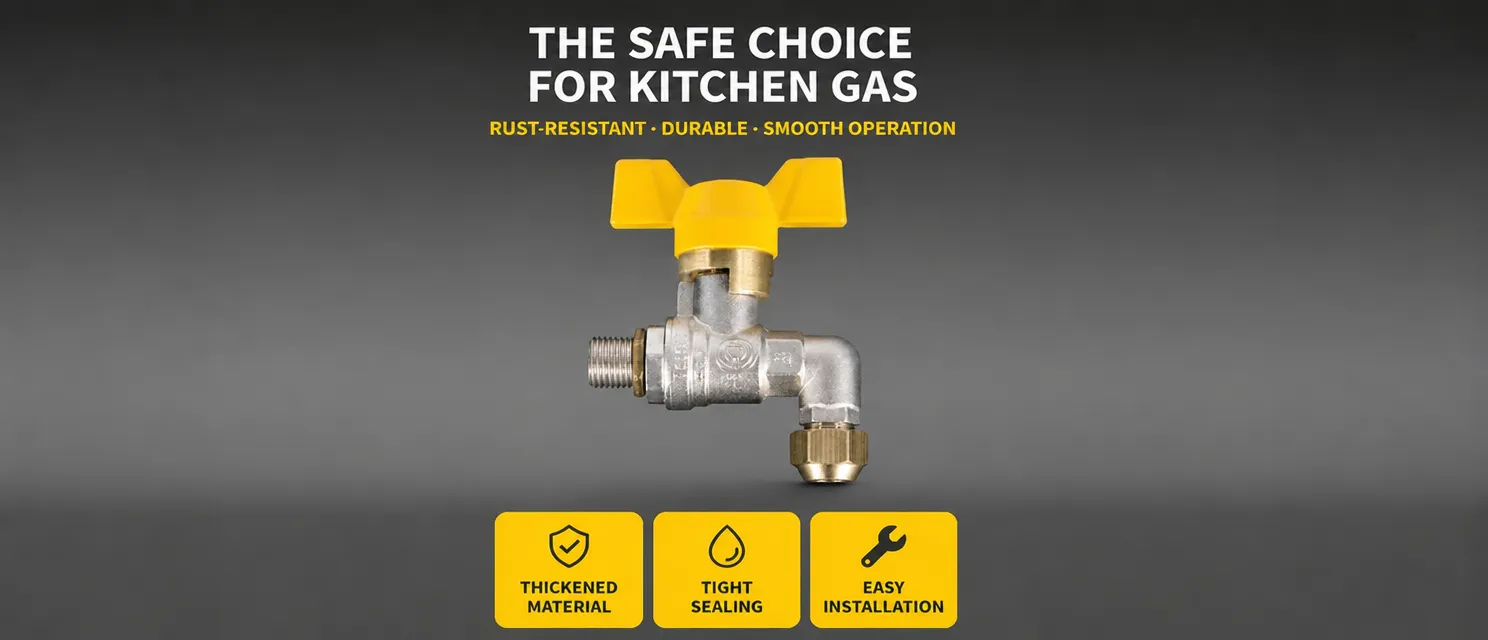
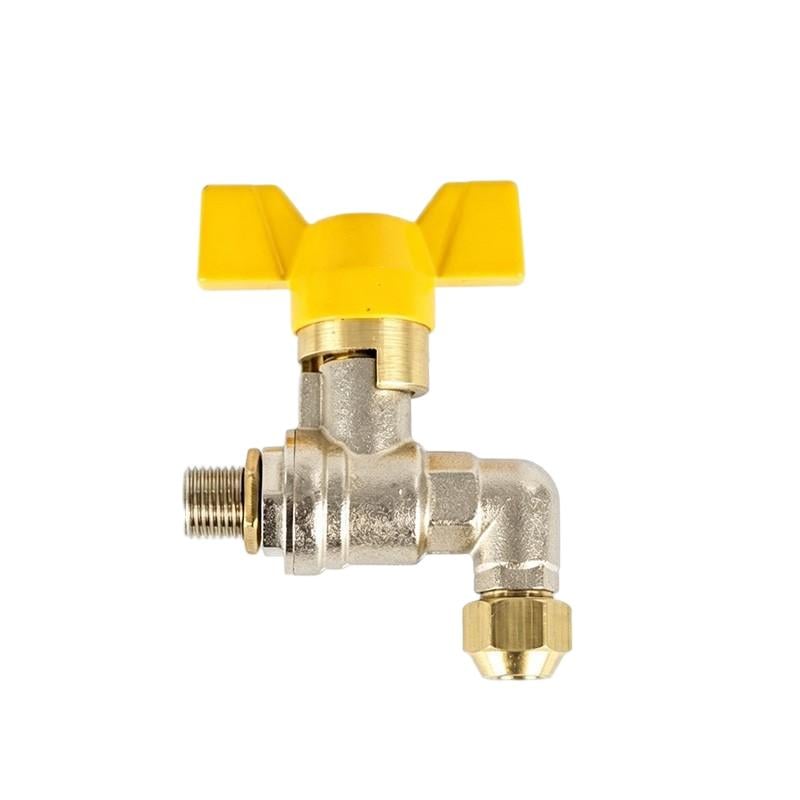
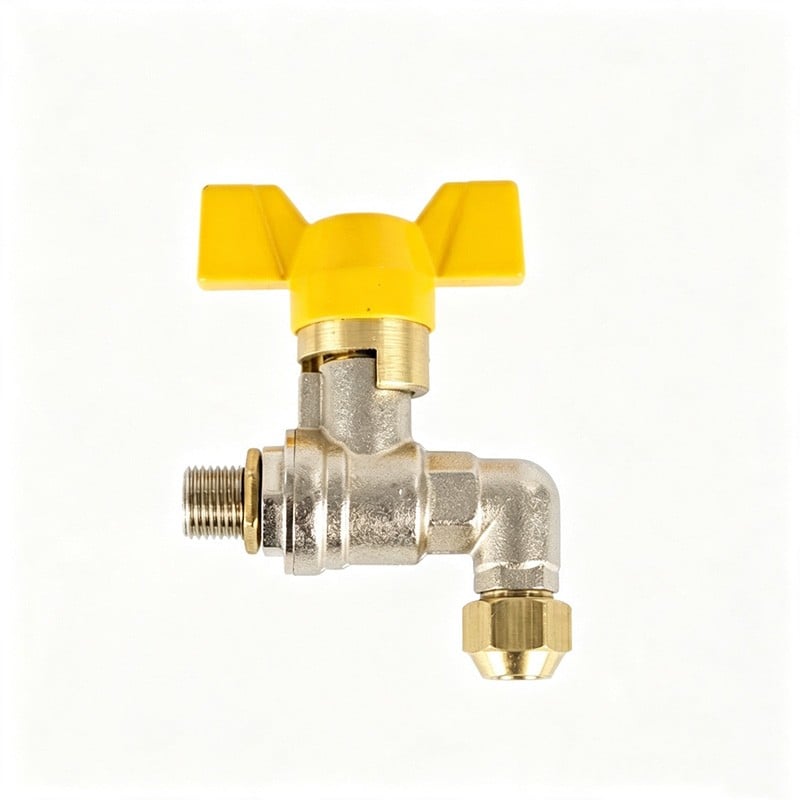
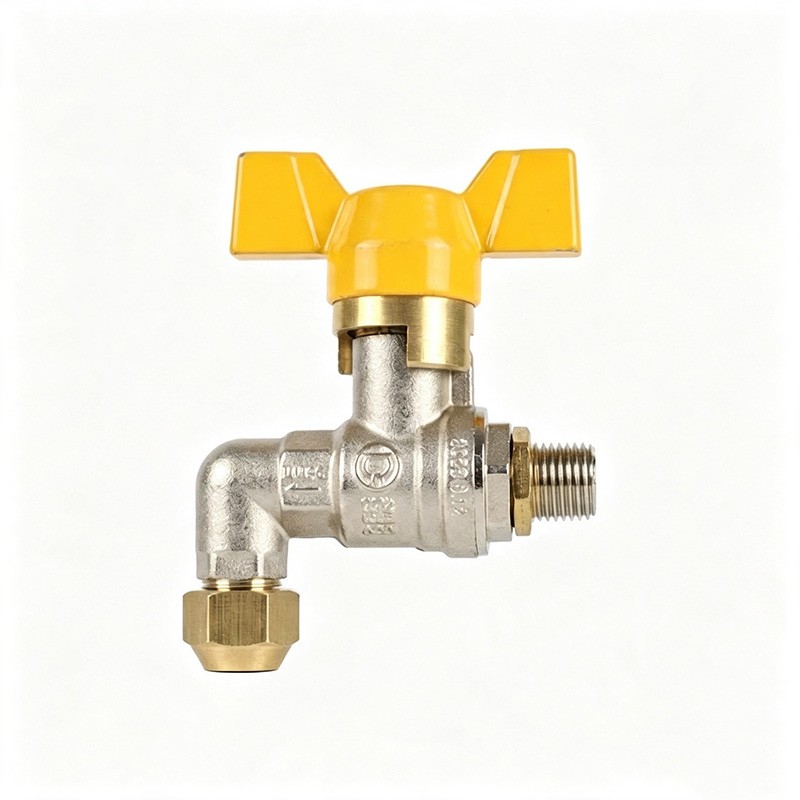
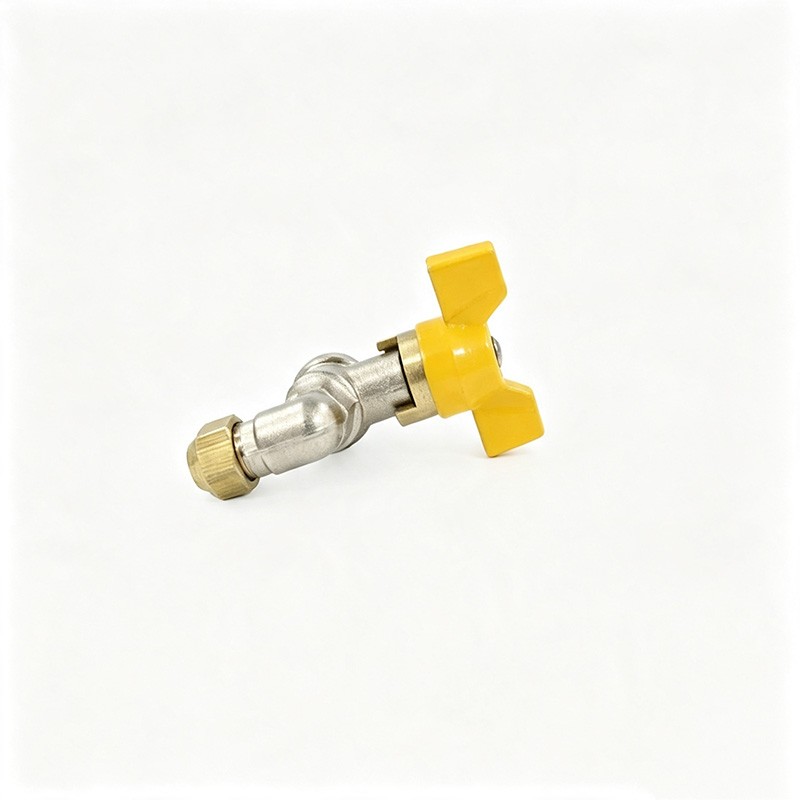
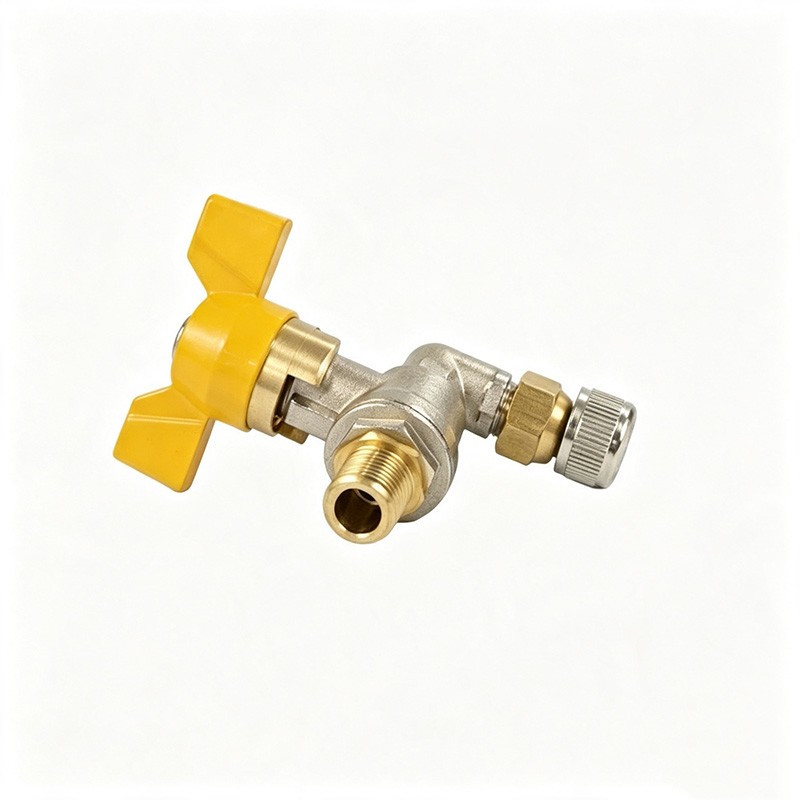
Forged brass gas ball valve with stainless steel core and NBR seals, 90° quick shut-off, long handle for visual position, zero leakage for natural gas and LPG.
Supplier:Xinghui
Forged brass gas ball valve with stainless steel core and NBR seals, 90° quick shut-off, long handle for visual position, zero leakage for natural gas and LPG.
This Gas Ball Valve is purpose-built for gas pipelines. The forged brass body (HPb59-1 / CW617N) houses a stainless-steel ball core and an NBR nitrile-rubber sealing seat resistant to natural gas, LPG, manufactured coal gas, and dimethyl ether. Unlike water-service ball valves — which use EPDM or PTFE seats not rated for hydrocarbon gas service — this Gas Ball Valve delivers zero-bubble shut-off, the safety standard required for gas line compliance in residential, commercial, and light industrial installations.
| Parameter | Value | Selection Guidance |
|---|---|---|
| Body material | Forged brass HPb59-1 / CW617N | Superior corrosion resistance over cast-iron in humid environments |
| Ball core | Stainless steel | Resists gas-induced degradation; smooth torque over long service |
| Sealing material | NBR nitrile rubber | Gas-rated elastomer; water-pipe seats degrade in hydrocarbon service |
| Structure | Floating ball, 90-degree rotary | Full open in one quarter-turn; fast emergency shut-off |
| Nominal pressure | ≤1.0 MPa (gas service) | Covers residential and commercial supply; verify system pressure |
| Temperature | −20 °C to +80 °C | Standard indoor gas installations; not for high-temperature combustion |
| Port sizes | G1/2, G3/4, G1 | British G thread standard; NPT available on request — confirm thread type before ordering |
| Sealing grade | Zero-bubble | Verified by soapy-water or electronic leak-detector after installation |
| Media | Natural gas, LPG, coal gas, dimethyl ether | Not rated for water, steam, or industrial chemicals |
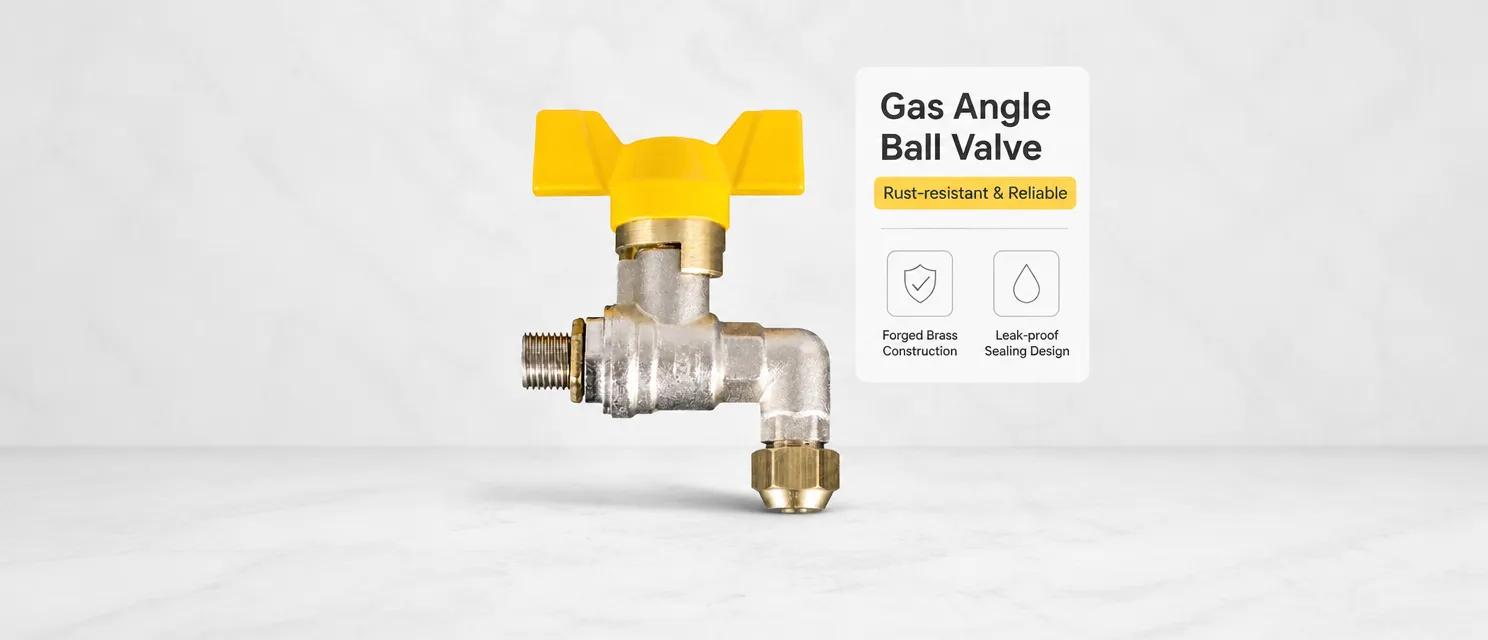
The most important selection criterion for any Gas Ball Valve is sealing grade — zero-bubble closure is the only acceptable standard on a gas line. Selecting a lower-cost generic valve to save money upfront often costs far more in the long run: slow leakage accumulates undetected, and by the time an annual inspection flags a problem, replacement and remediation costs easily exceed the original price difference. On a gas pipeline, quality-first selection is a safety baseline.
A single 90-degree handle sweep takes this Gas Ball Valve from fully open to fully closed. Traditional gate-type gas valves require multiple rotations and offer no clear status indication — a liability in emergencies. The long handle makes status unambiguous at a distance: parallel to the pipe means open; perpendicular means closed. This matters in commercial kitchens and boiler rooms where multiple valves are installed side by side.
The handle stops mechanically at full-open and full-close, preventing over-rotation and premature NBR seat damage. The feel of that stop is also a maintenance indicator — if the stop resistance feels softer or less definitive than usual, the seat is likely degrading. Catching this early avoids unplanned shut-downs. Preventive maintenance records show that warning signs appear weeks before a gas odor triggers an emergency response.
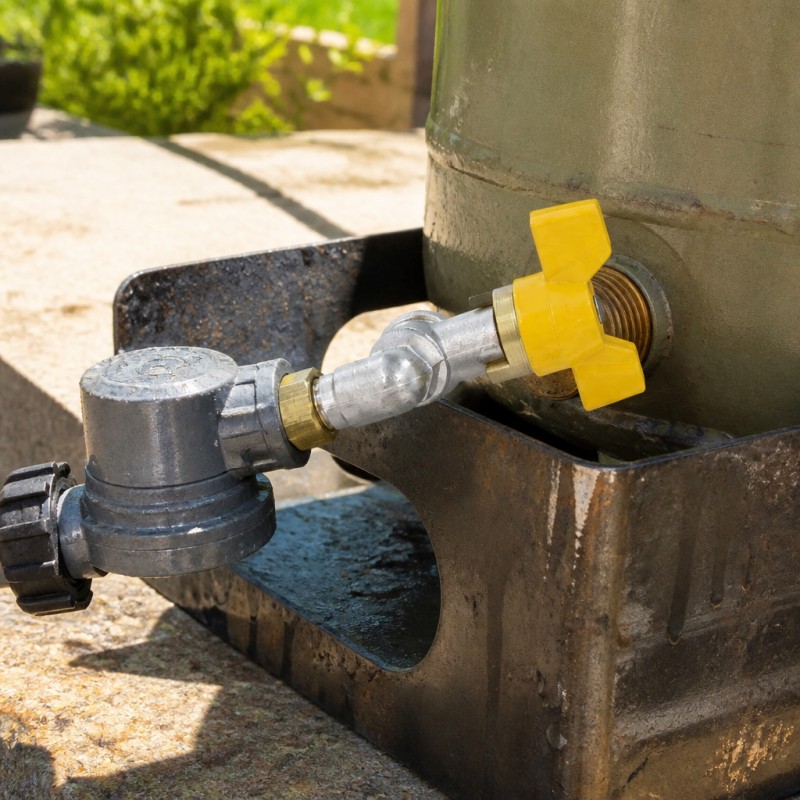
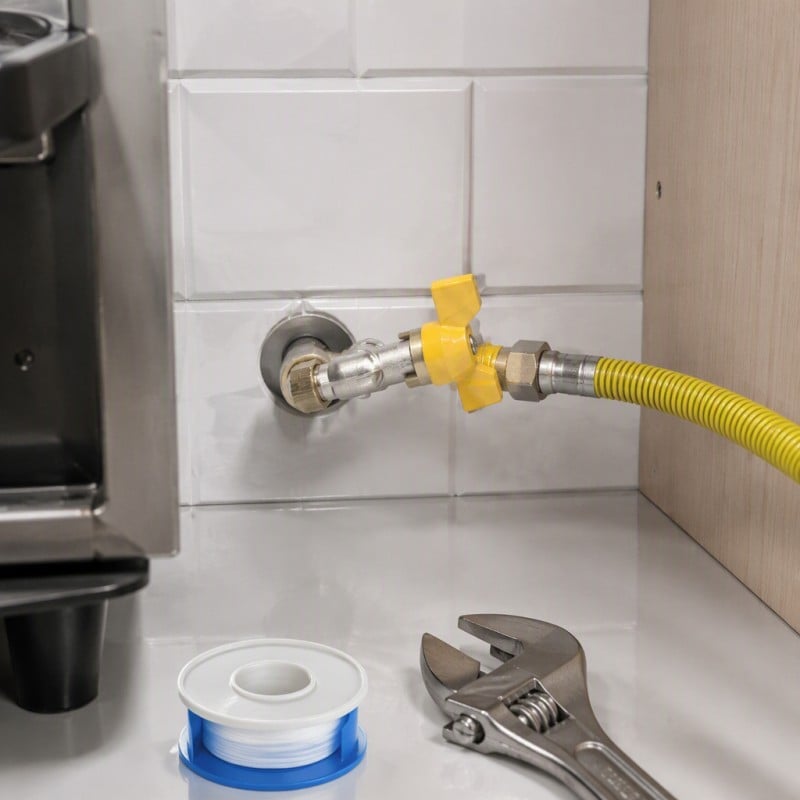
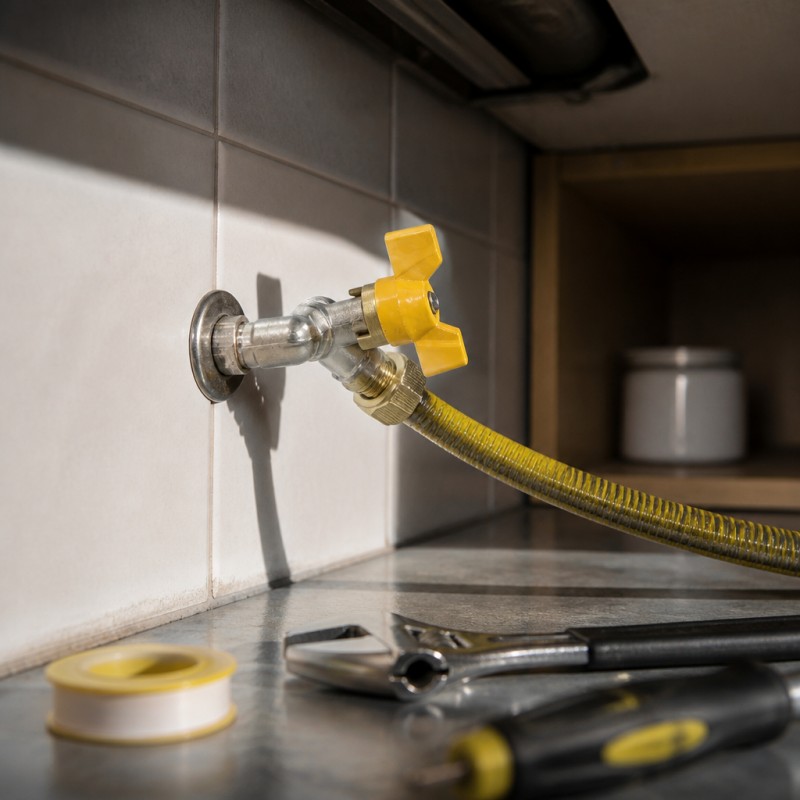
The primary residential application for this Gas Ball Valve is at individual appliance branch connections: behind the household gas meter, before a gas stove, before a water heater, or before a wall-hung boiler. A dedicated valve at each appliance lets homeowners isolate a single device without shutting off gas to the entire premises, eliminating the need to operate the main meter-front valve for routine servicing.
Commercial kitchens run multiple gas appliances on shared manifolds. A dedicated Gas Ball Valve at each branch lets staff take one unit offline without interrupting adjacent equipment. In industrial and laboratory settings, this valve suits pre-burner positions on boiler lines, bench gas supply in laboratories, and branch control on canteen gas manifolds. The ≤1.0 MPa rating and −20 °C to +80 °C range cover most non-combustion utility gas applications.
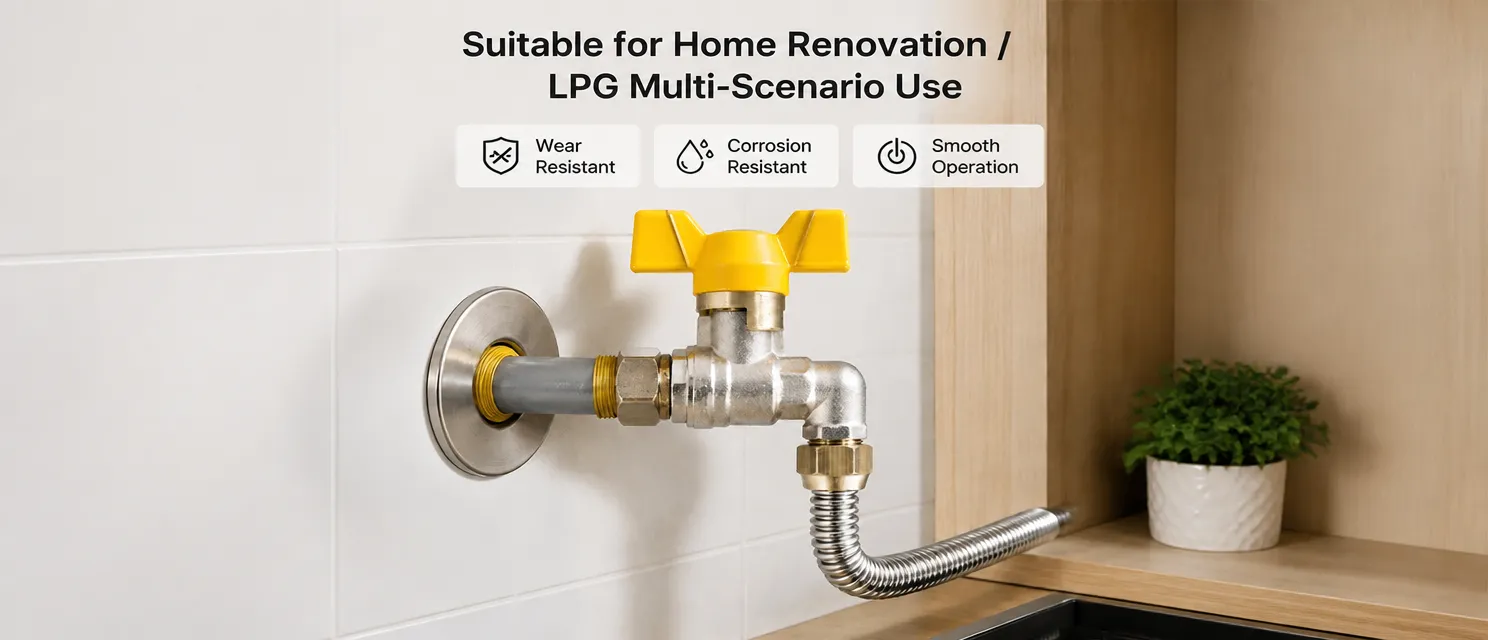
Three comparisons matter when evaluating a Gas Ball Valve for procurement:
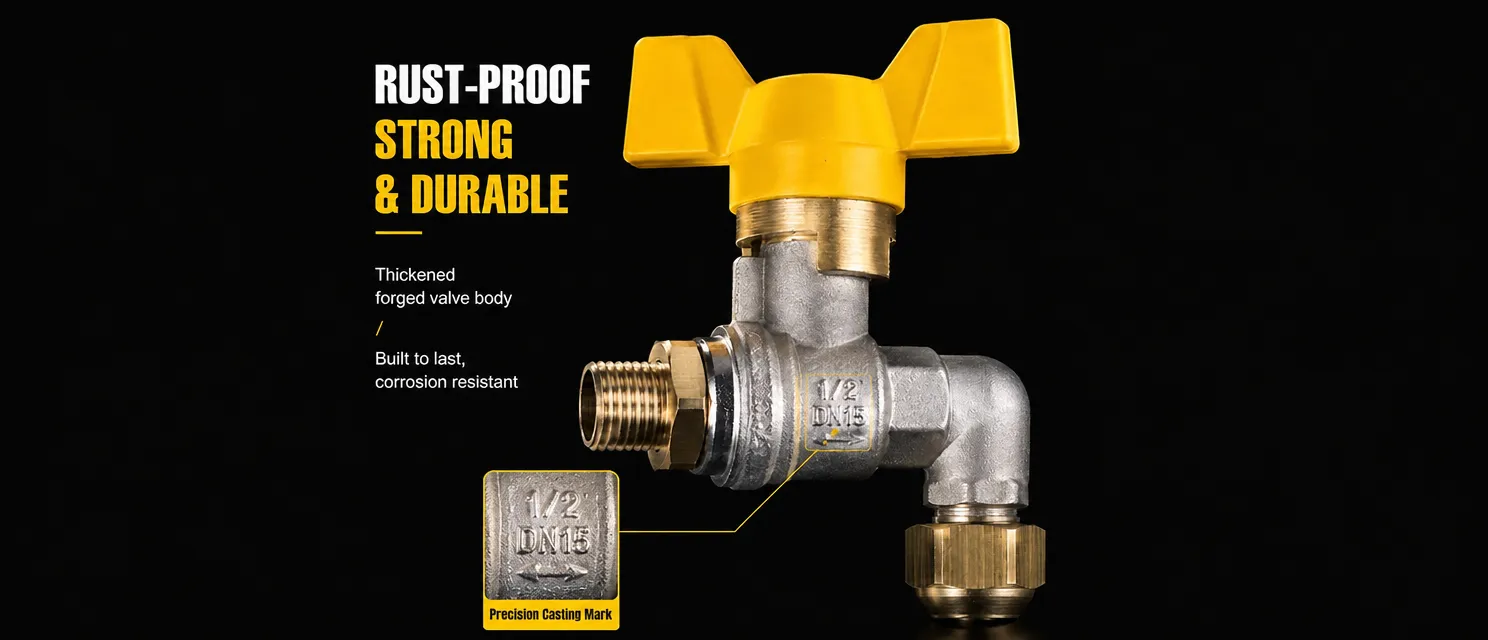
Before installing this Gas Ball Valve, verify that the port size and thread standard match your pipework. Apply only gas-rated PTFE tape or gas-specific sealant — standard water-pipe sealant is not compatible with gas media. After installation, test all joints with soapy water or an electronic leak detector before restoring supply. Operate the valve through its full travel once monthly to prevent ball-core seizing. If switching feels stiff, or the handle stop feedback changes, shut off the upstream valve and call a qualified technician. Inspect valve sealing performance every two to three years and replace on any confirmed degradation.
Common G1/2, G3/4, and G1 specifications are held in stock. Custom configurations — NPT thread, alternative handle colors, union ends, double-clamp connections, laser engraving, and private-label branding — are available on request. Sample testing is supported before bulk orders. Material test reports, gas-service certifications, and installation instructions are provided with each order to support technical evaluation and compliance documentation for this Gas Ball Valve.