
Supplier:Xinghui
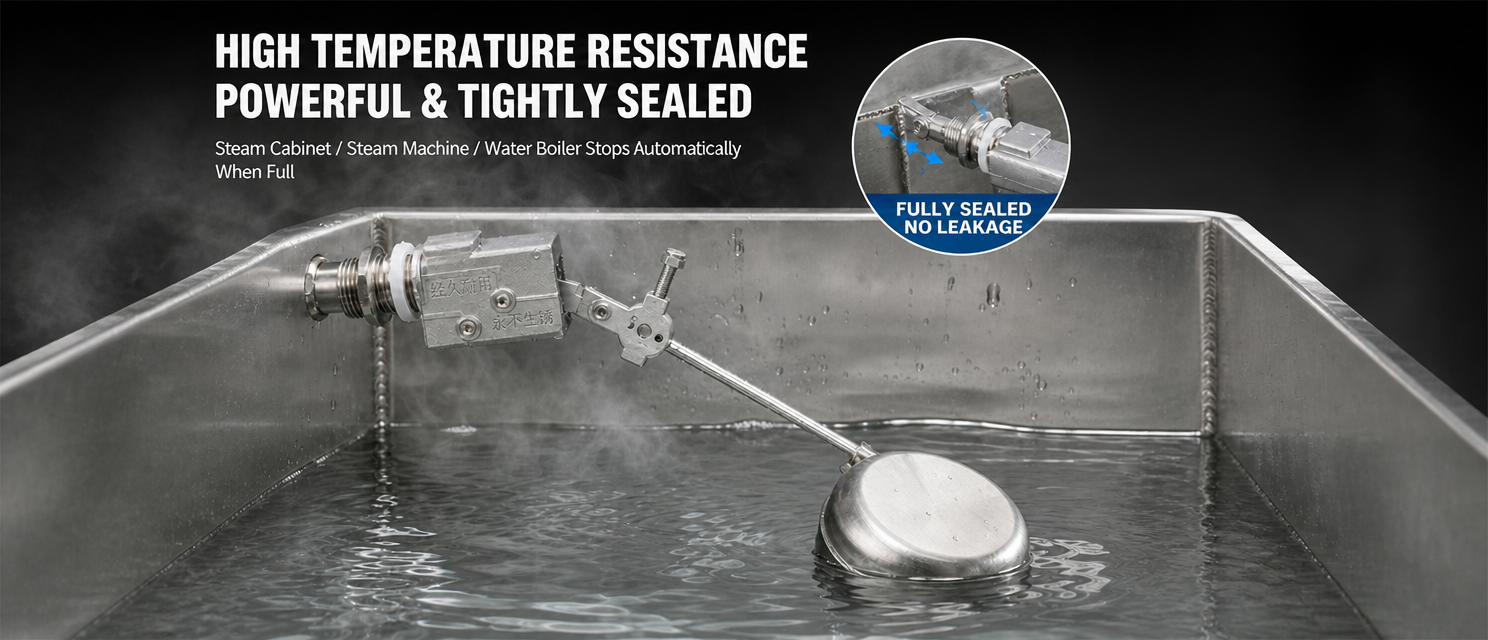
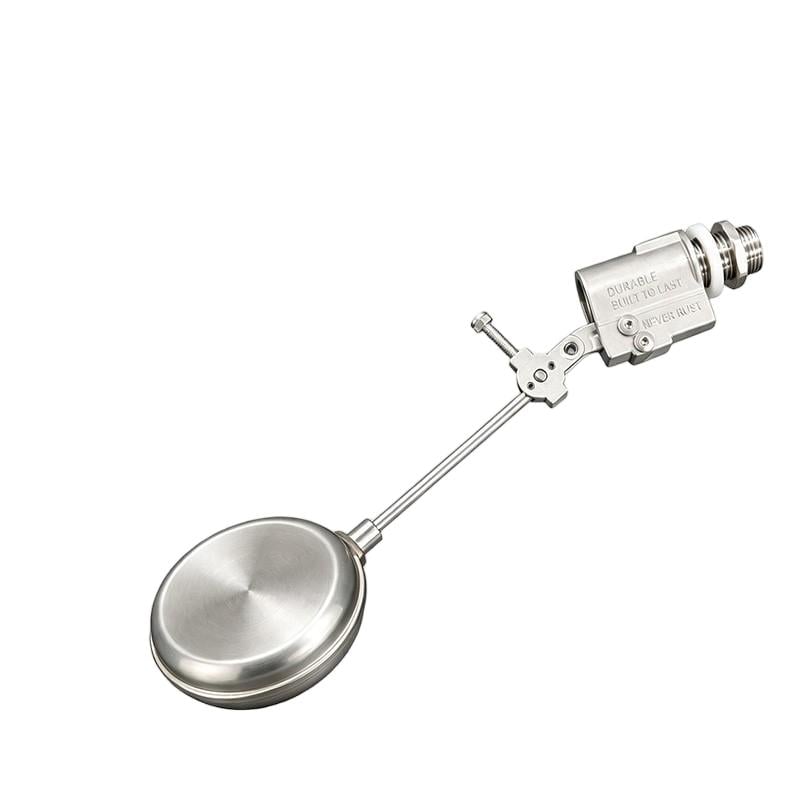
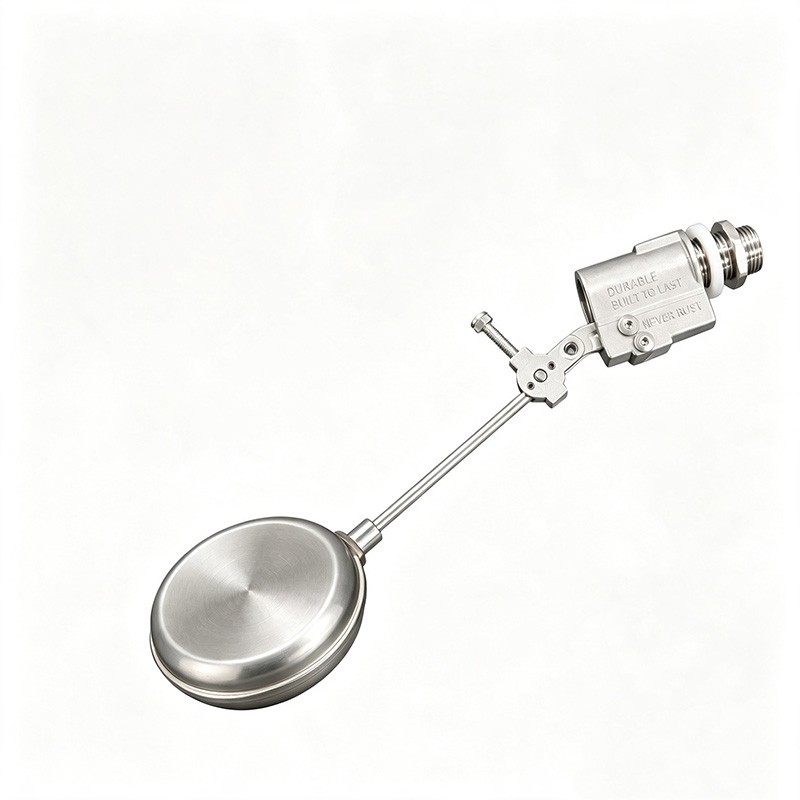
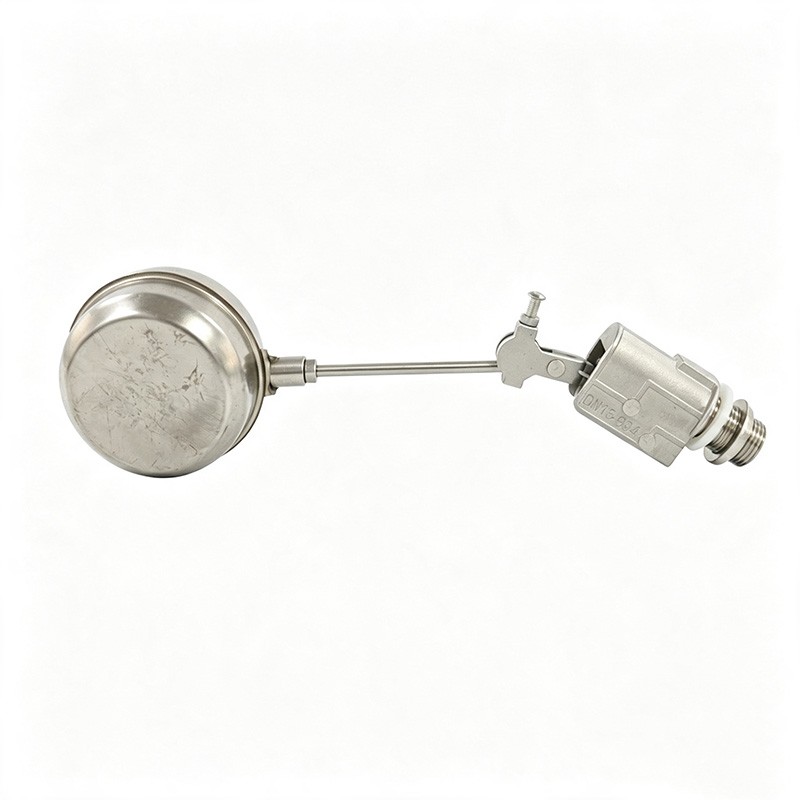
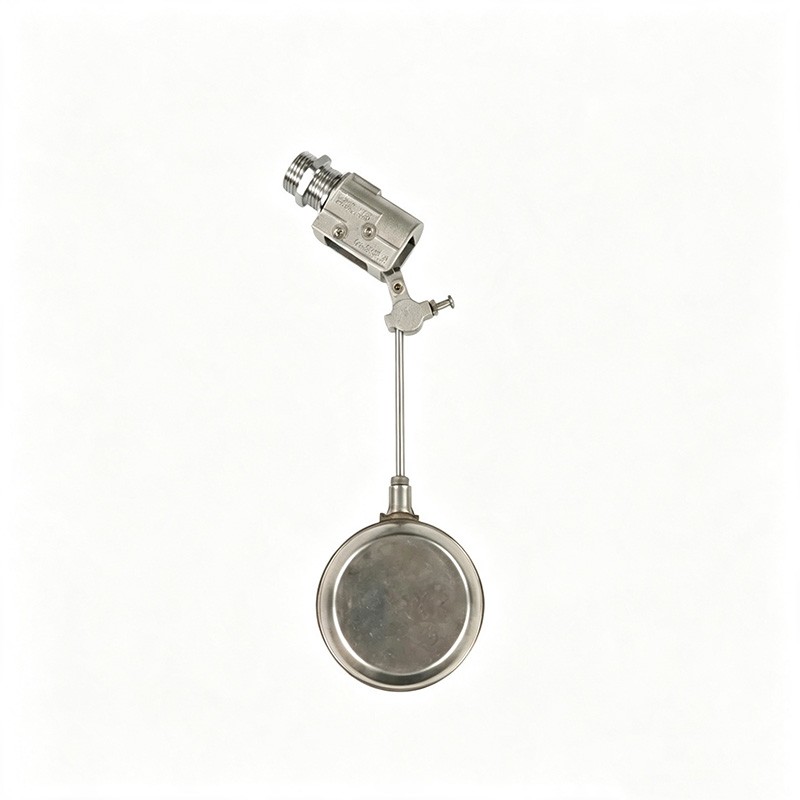
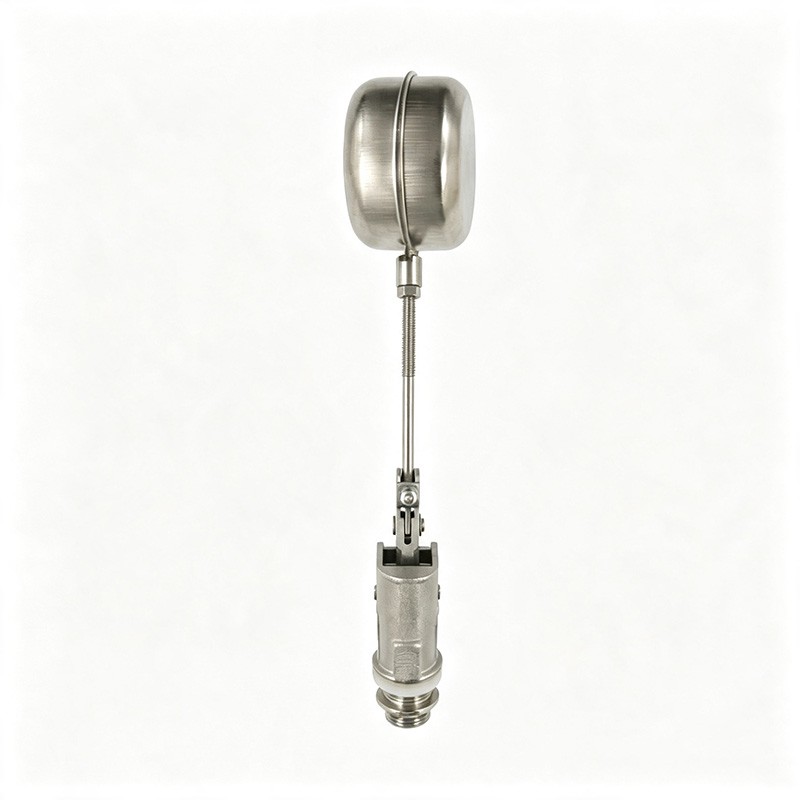
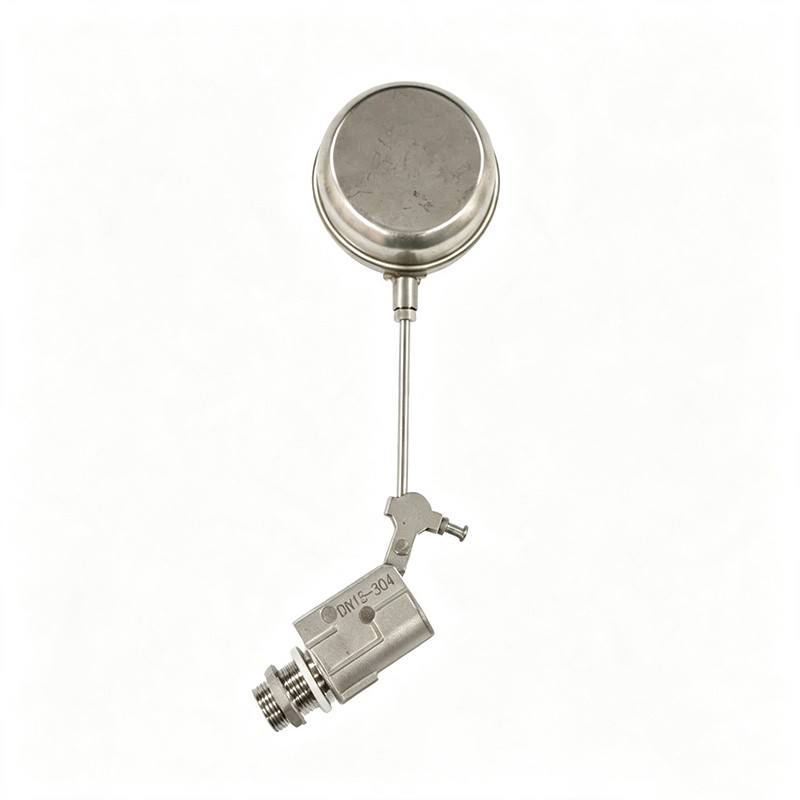
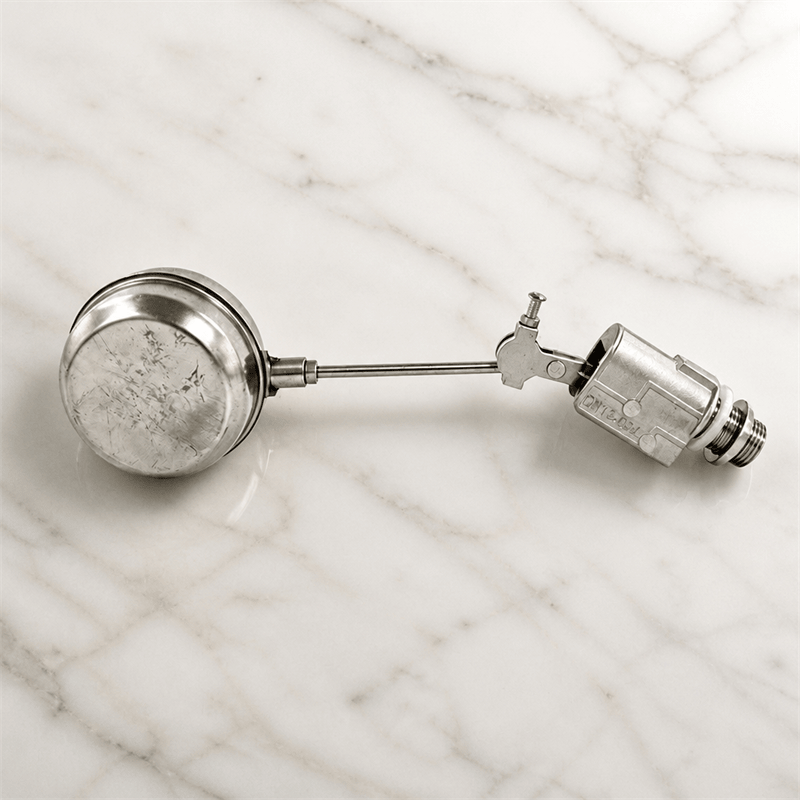
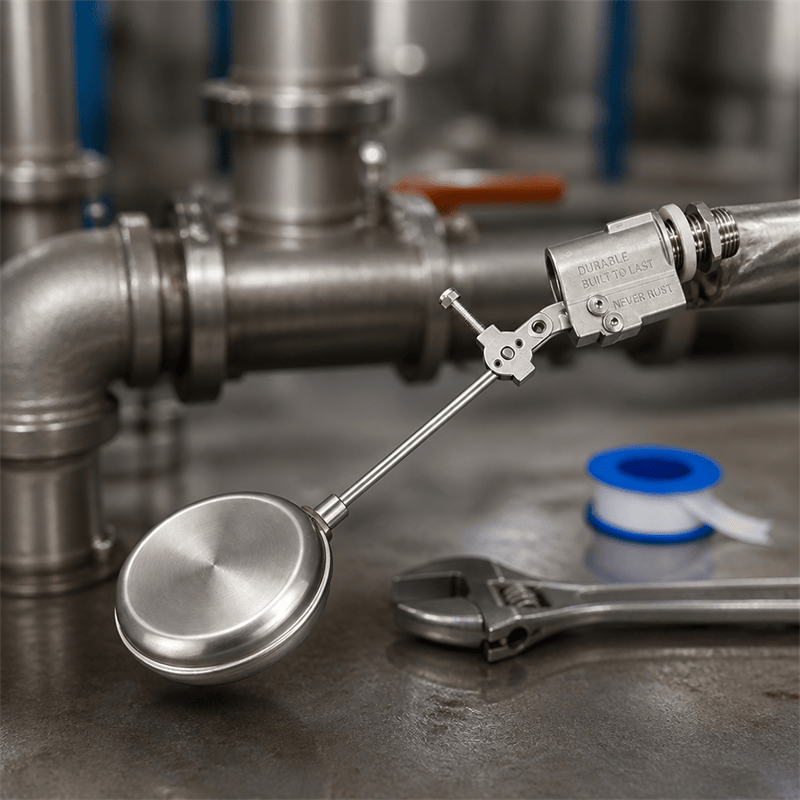
Integrated one-piece float valve with brass body and stainless steel float, pre-calibrated, tool-free installation, mechanical auto level control, prevents overflow and dry-run.
Supplier:Xinghui
Integrated one-piece float valve with brass body and stainless steel float, pre-calibrated, tool-free installation, mechanical auto level control, prevents overflow and dry-run.
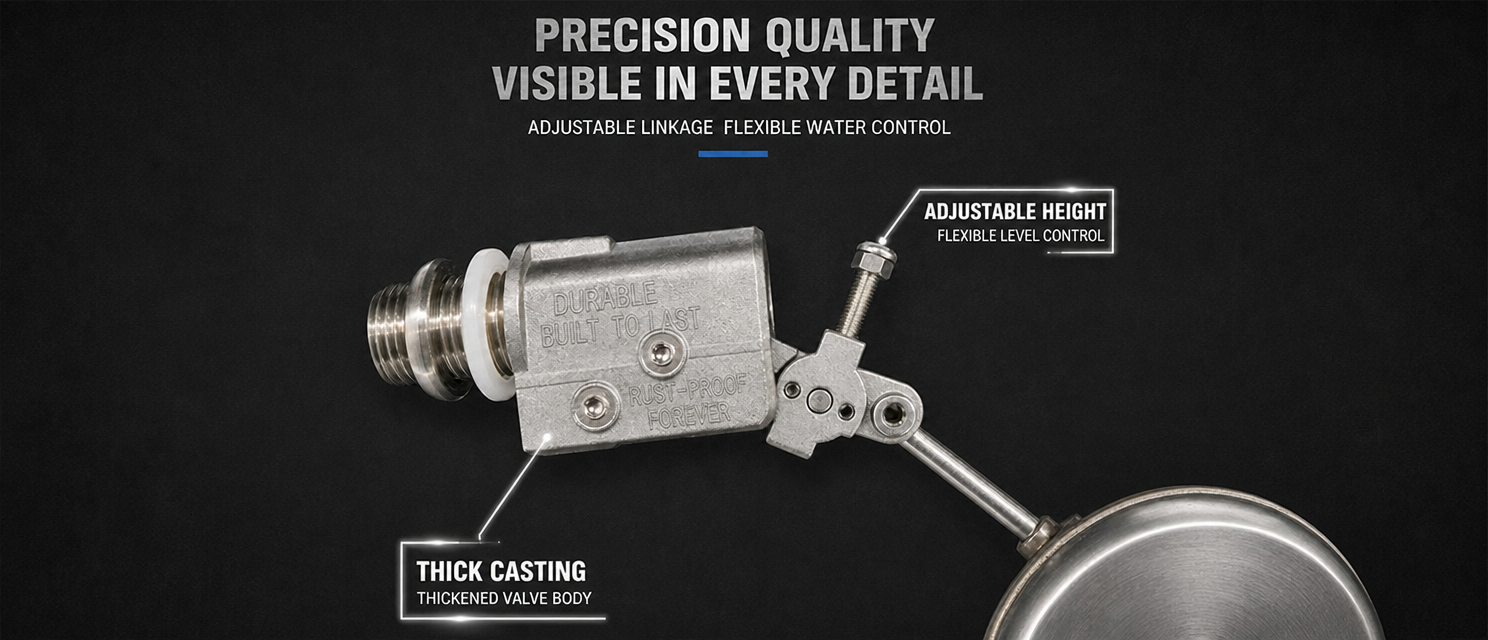
Procurement teams sourcing float valves for water-storage equipment regularly encounter the same post-installation complaints: connecting rods bent in transit, float balls that work loose, and on-site water-level calibration demanding time-consuming angle adjustments. These failures are predictable consequences of split-type valve design, where three separate components must be assembled and calibrated in the field. The Integrated Float Valve solves this through a single structural change: the brass valve body, stainless-steel connecting rod, and float ball are permanently assembled and factory-calibrated as one complete unit. On site, installation is three steps: unpackage, apply PTFE tape, thread into the tank inlet port. No assembly, no rod adjustment, no float attachment required.
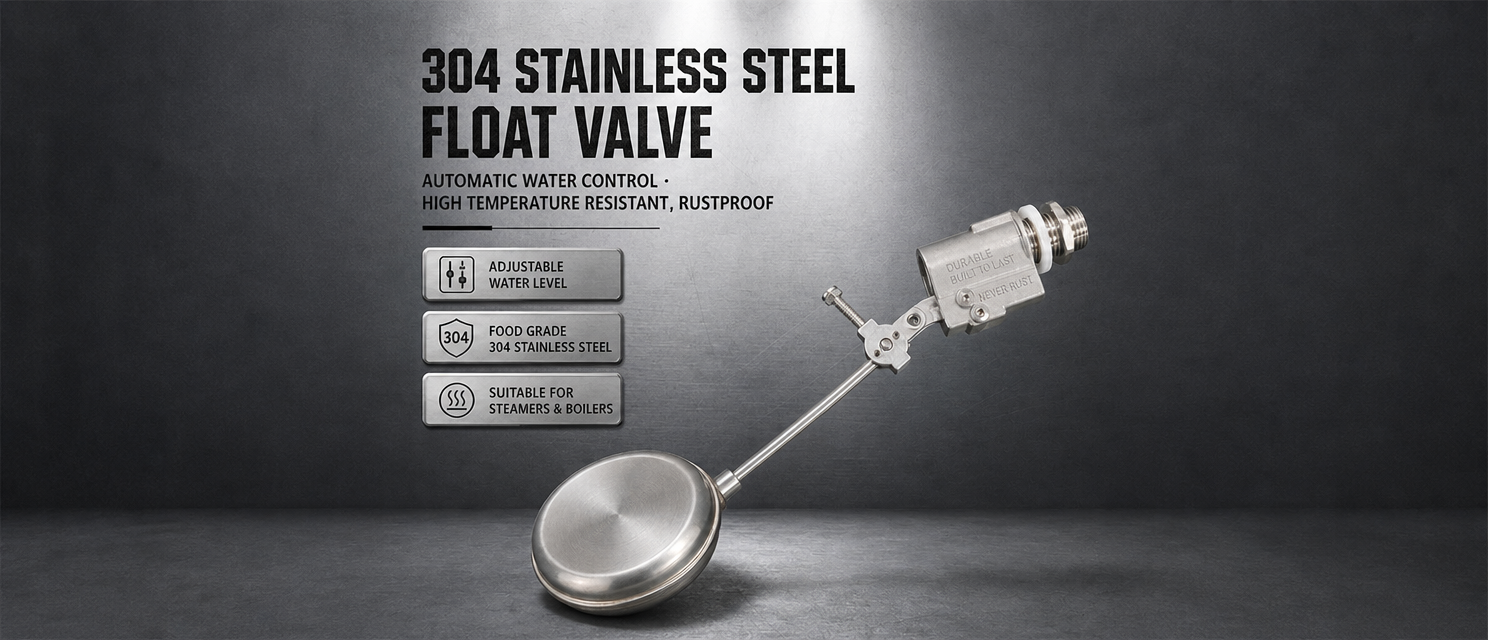
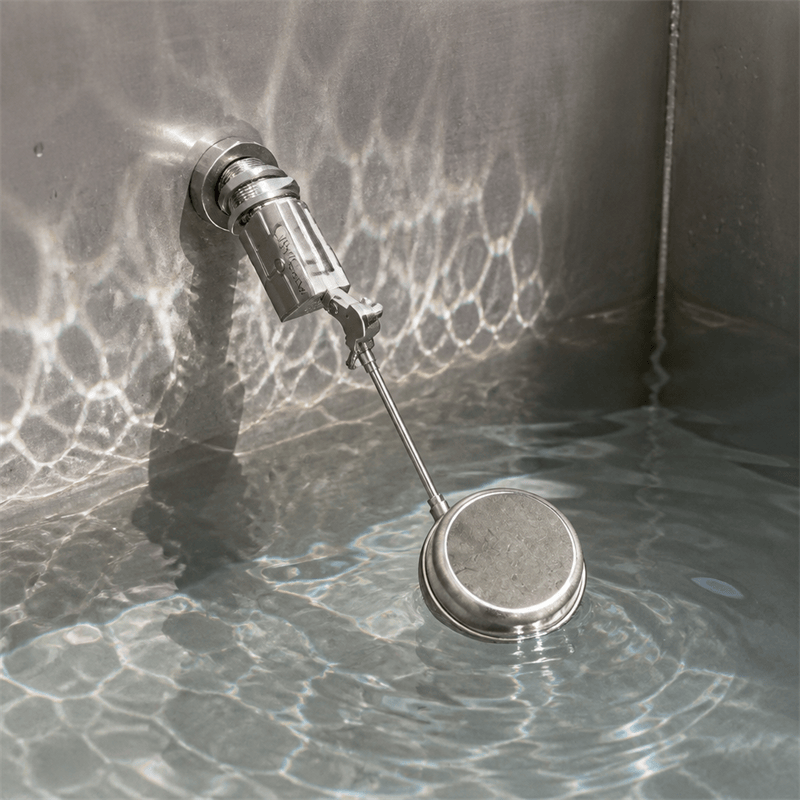
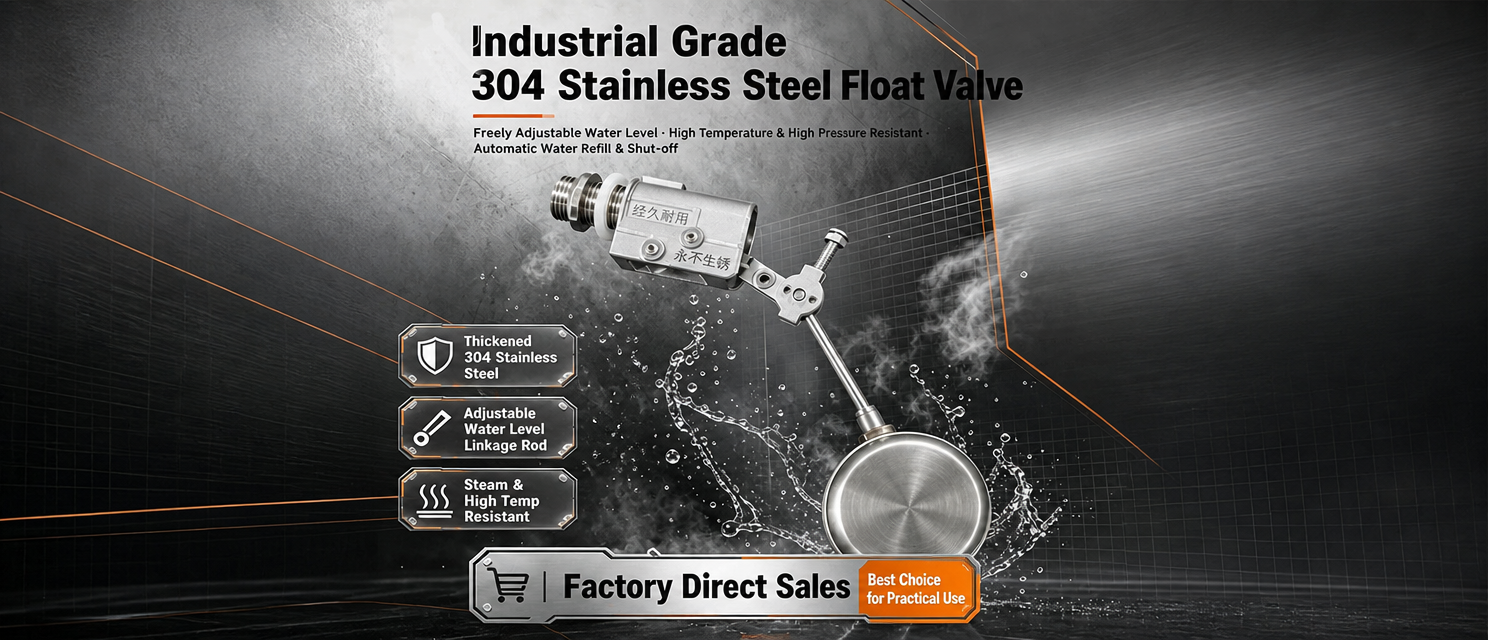
The Integrated Float Valve is a fully mechanical, one-piece automatic liquid-level control device for atmospheric-pressure water-storage containers with limited internal space. Float-ball buoyancy transmitted through a rigid connecting rod opens the valve core when the liquid level drops and closes it with a drip-tight seal at the factory-preset height. No electrical power is required. Think of it as a mechanical switch where water weight does the switching: the sealing, rod angle, and float buoyancy are all matched at the factory as a system — not assembled separately in the field.
| Parameter | Details |
|---|---|
| Valve Body | Forged brass HPb59-1 / CW617N; 304 stainless steel or food-grade plastic by custom order |
| Float Ball | 304 stainless steel; food-grade PP optional |
| Connecting Rod | Stainless steel, pre-assembled with valve body |
| Sealing | NBR nitrile-rubber or silicone-rubber gaskets |
| Port Sizes | G1/4, G3/8, G1/2, G3/4 in stock |
| Connection | Male thread; side-mount or bottom-mount available |
| Pressure Rating | ≤1.0 MPa |
| Temperature Range | −10°C to 100°C; up to 120°C for silicone-seal version |
| Media | Clean water, drinking water, circulating cooling water, mild corrosive fluids |
| Power | None — purely mechanical |
| Thread Standards | Metric G-thread and British-standard BSP available |
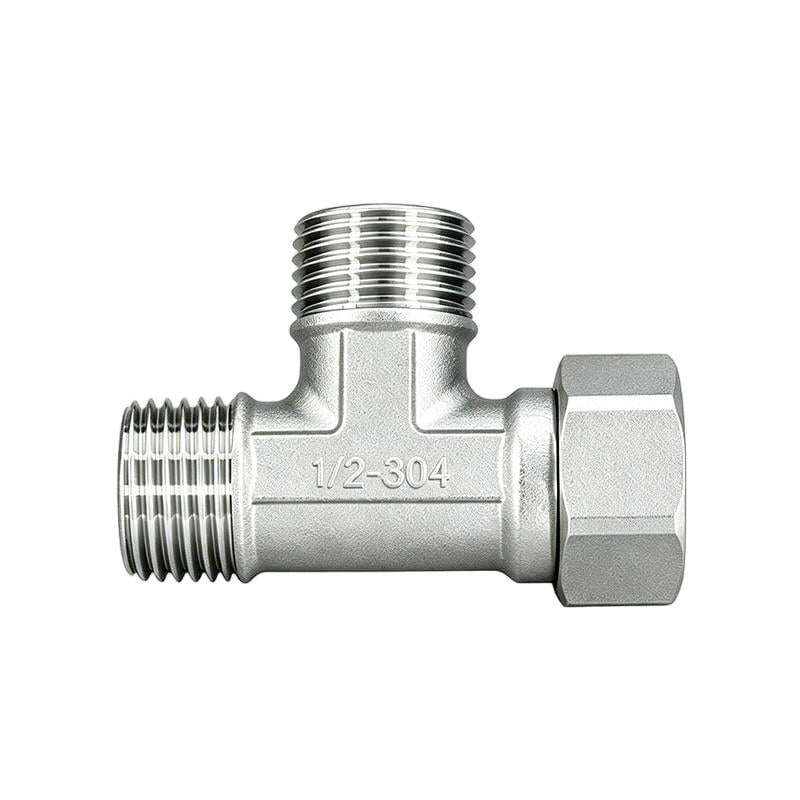
For cross-border sourcing projects involving black pipe fittings and mixed-standard adapters, this Integrated Float Valve is stocked in both G-thread and BSP formats, directly reducing interface mismatch — one of the most consistently underestimated risks in international fluid-control procurement.
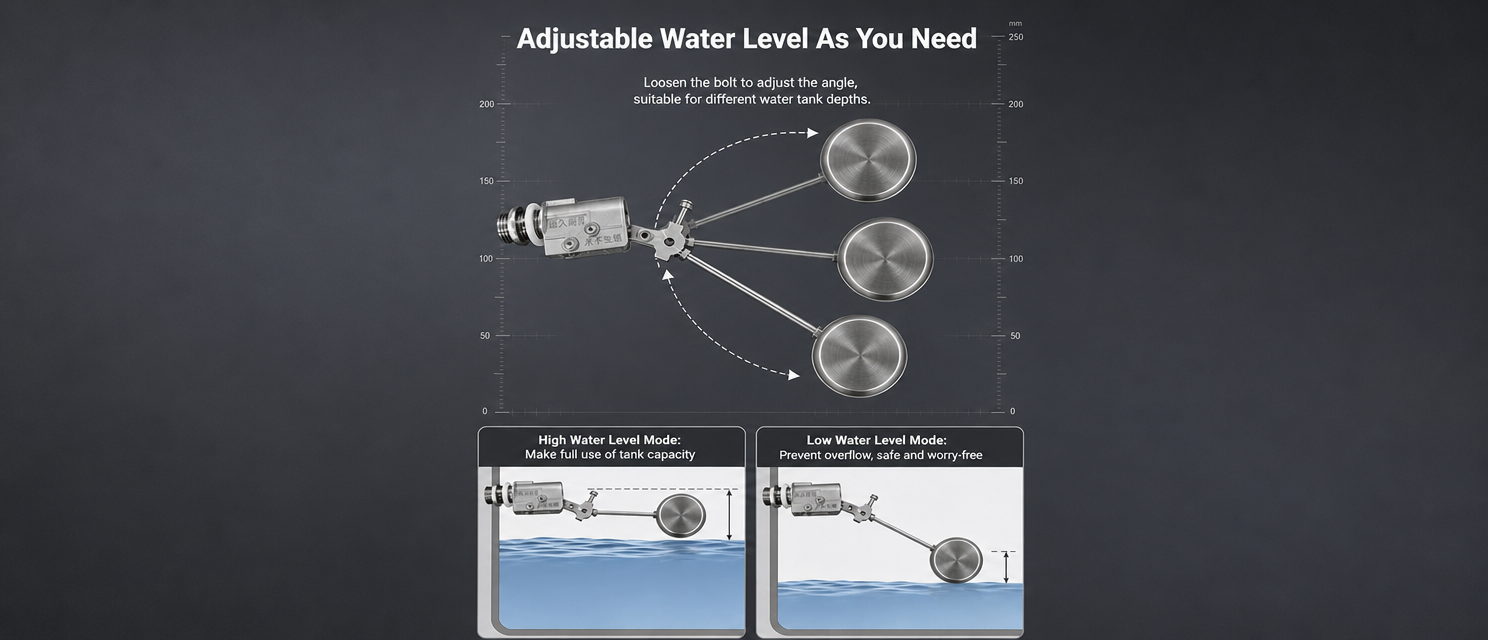
Water-level preset and valve-core sealing are calibrated as a complete system before delivery. There is no trial-and-error rod adjustment on site. This Integrated Float Valve works correctly in most standard water-storage scenarios straight from the package. If a specific tank depth requires fine-tuning, the rod can be gently hand-bent without tools.
Loose connecting rods, detached float balls, and field-assembly misalignment account for the majority of float valve failures in water-storage equipment. This Integrated Float Valve eliminates all three: the rod is permanently fixed to the body, the float ball is firmly welded, and there are no field-assembly joints to loosen over time. In vibration-prone environments — pressure barrels, humidifiers, small cooling towers — this structural integrity is a meaningful operational advantage.
The purely mechanical Integrated Float Valve has no solenoid to burn out, no sensor to drift, and no control board to replace. It continues operating normally through power outages — a practical requirement for RV fresh-water tanks, remote agricultural water systems, and boiler makeup water applications where uninterrupted operation matters more than remote monitoring capability.
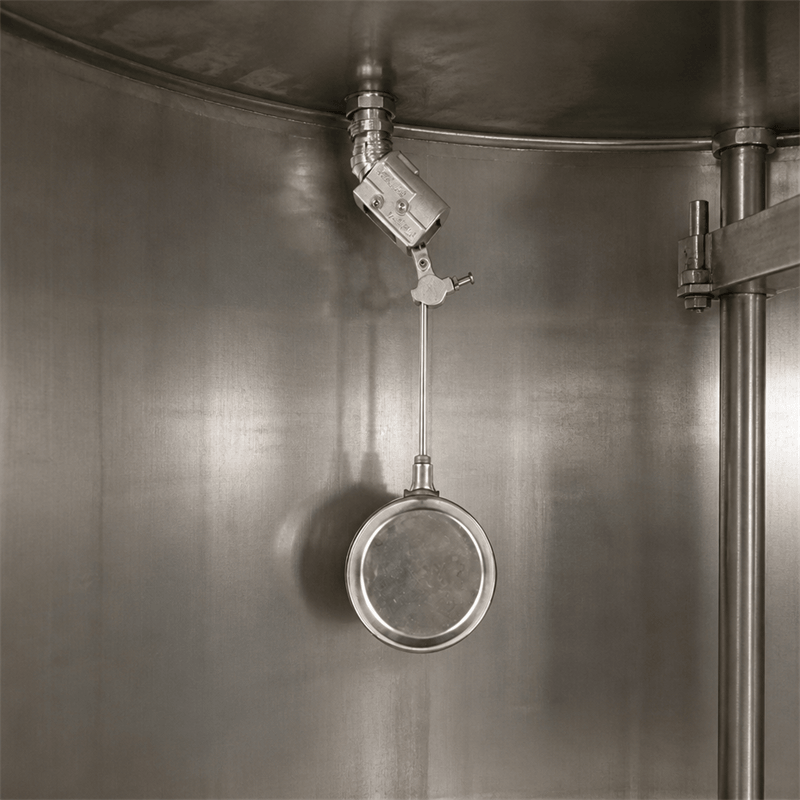
Split-type float valves require a substantially larger internal swing radius, making them physically incompatible with compact containers: desktop water dispensers, aquarium display tanks, water purifier pressure barrels. The small swing radius of this Integrated Float Valve is a deliberate design response to the actual spatial constraints of small water-storage equipment, not a performance compromise.
Typical applications include water purifier pressure barrels, water dispenser tanks, concealed toilet tanks, solar makeup tanks, aquariums, and humidifier reservoirs. Aquarium operators particularly benefit from the compact geometry, which fits display tanks where split-type valves cannot.
Equipment manufacturers — water purifier OEMs, humidifier producers, ice-maker manufacturers — gain production-line efficiency from the factory-calibrated design. Pre-installing the Integrated Float Valve inside equipment eliminates the end-customer water-level adjustment step. Boiler expansion tanks, cooling tower makeup systems, and central air-conditioning condensate pans are additional industrial applications.
The three main alternatives each involve clear trade-offs:
In maintenance and replacement procurement — a substantial share of float valve demand — the single-unscrew replacement of this Integrated Float Valve is faster and simpler than partial disassembly of split-type mechanisms.

Confirm the tank inlet-port thread matches the valve-body specification. Apply 3-5 PTFE tape layers in the tightening direction and thread the valve body into the tank wall. Reserve at least 2 cm of vertical float-travel clearance. After installation, manually lift the float ball to confirm complete closure, then lower it to verify normal water inflow. Routine maintenance requires only periodic limescale wiping on the float ball and gasket inspection every 3-6 months. If dripping develops, inspect gasket condition; the complete unit unscrews for cleaning or direct replacement.
Standard G1/4, G3/8, G1/2, and G3/4 sizes are held in stock in metric and British-standard threads. Custom options include alternative preset water-level values, float-ball buoyancy grades, food-grade lead-free materials, and OEM labeling for brand owners. Sample testing is supported for first-order qualification. Product drawings, material test reports, food-grade certificates, and installation guides are available on request. Pre-sales consultation covers application matching for tank volume, inflow rate, installation space, and media type.