Supplier:GaoYuan
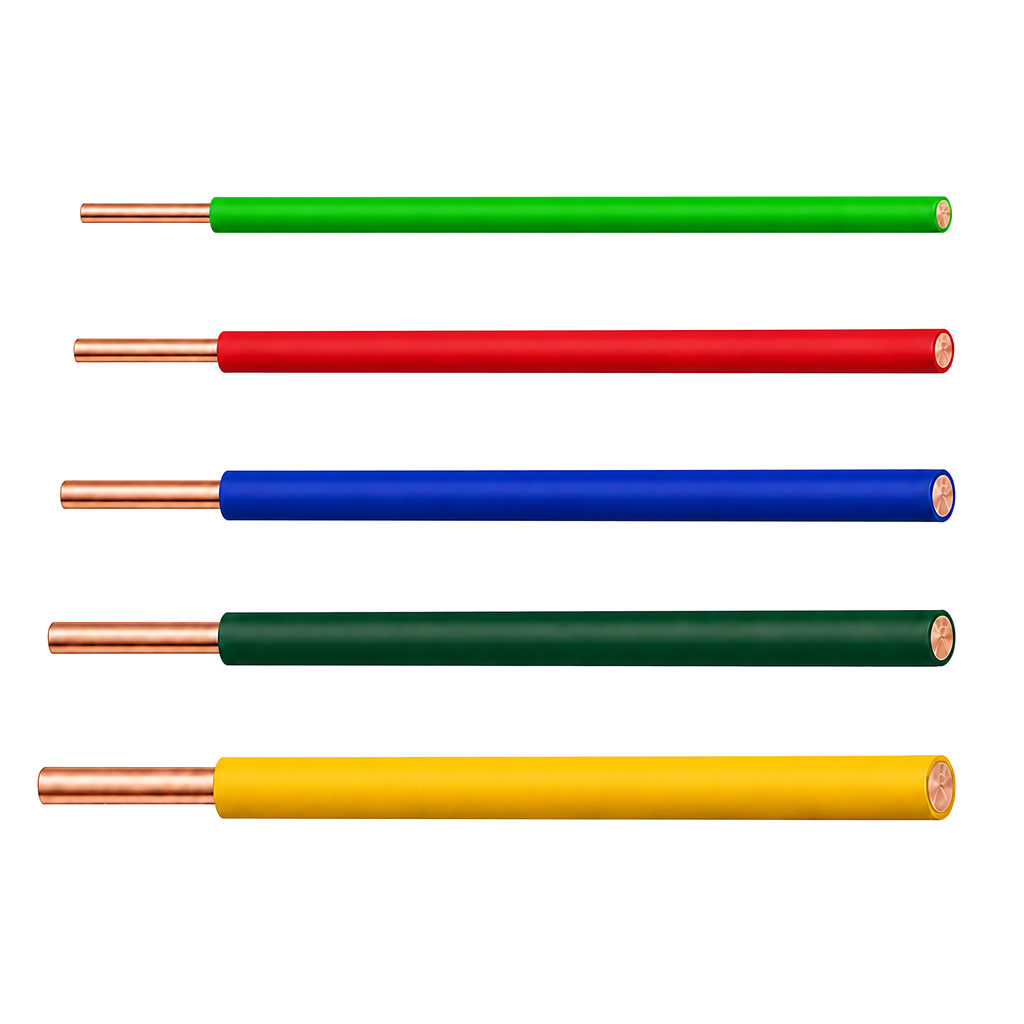
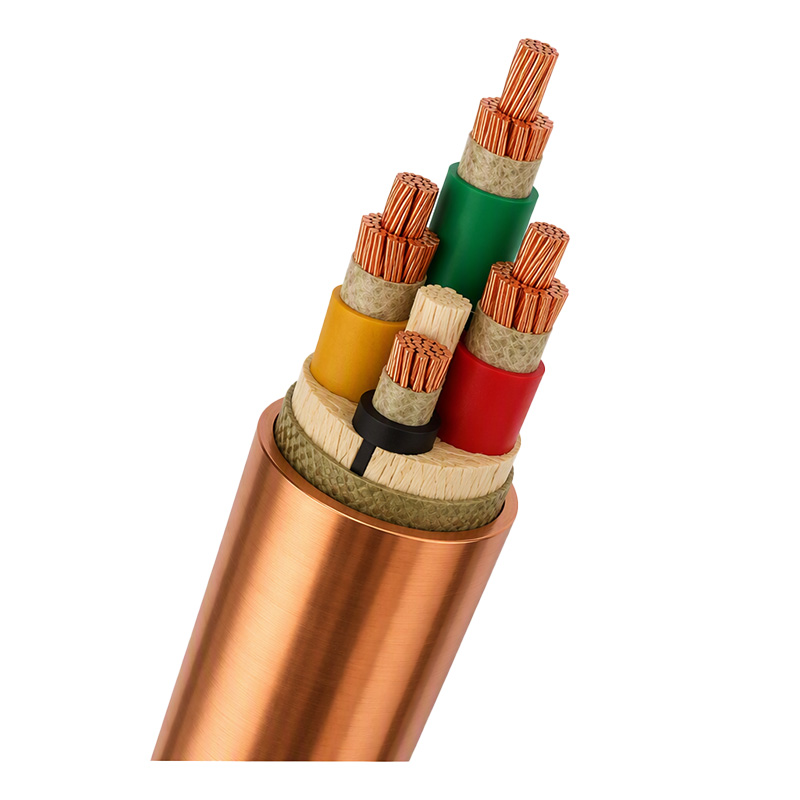
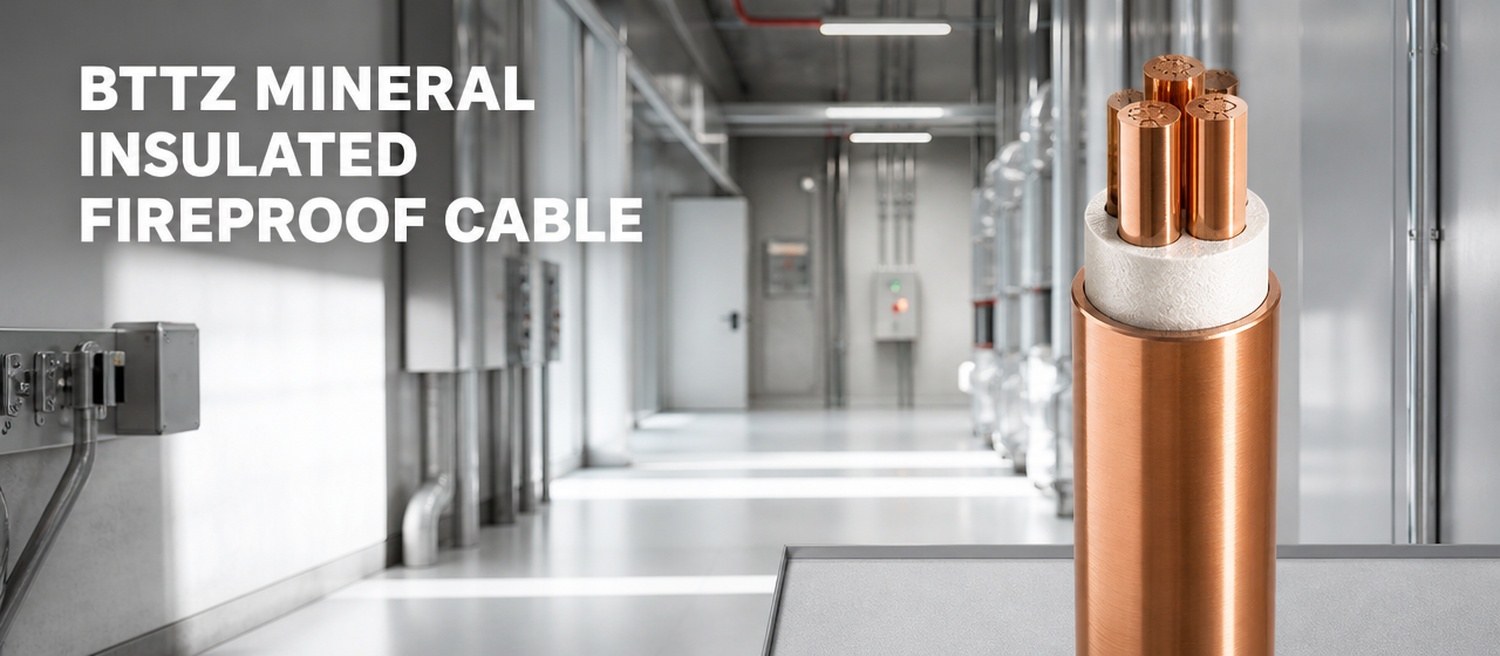
BTTZ mineral insulated fire‑resistant cable fitted with copper cores and mineral insulation for fire‑proof power transmission, 0.6/1kV for high‑rise, subway and fire‑safety engineering projects.
Supplier:GaoYuan
BTTZ mineral insulated fire‑resistant cable fitted with copper cores and mineral insulation for fire‑proof power transmission, 0.6/1kV for high‑rise, subway and fire‑safety engineering projects.
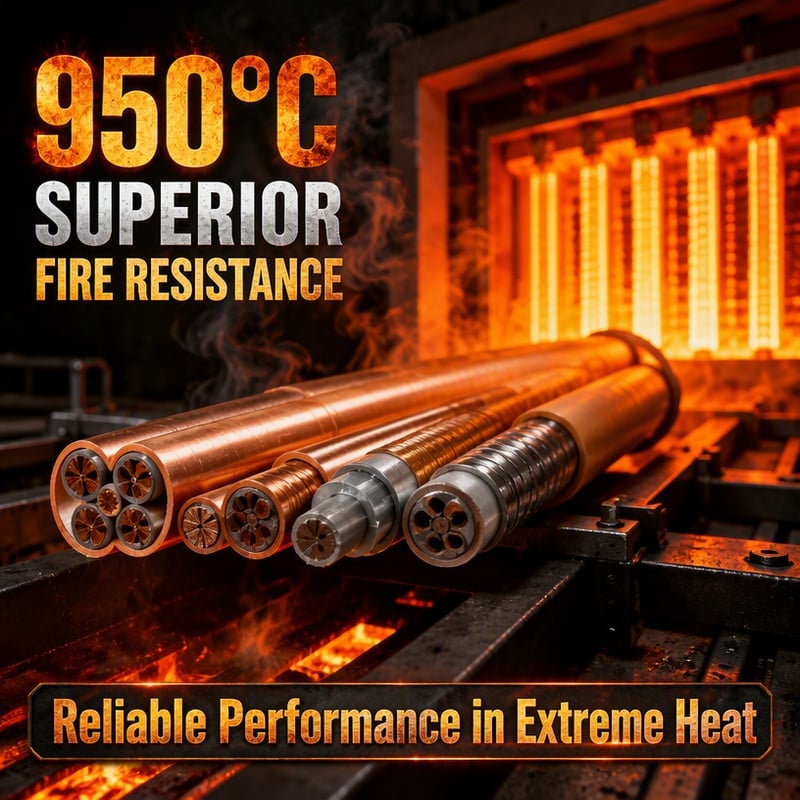
If you have specified cables for high-rise buildings, tunnels, or critical infrastructure, you have likely encountered a fundamental challenge. Standard organic-insulated cables — even flame-retardant and low-smoke halogen-free types — will eventually fail under fire, releasing toxic smoke and losing circuit integrity when it matters most. Mineral insulated fire-resistant cable eliminates this vulnerability through an all-inorganic construction of copper conductors, magnesium oxide insulation, and a seamless copper sheath. Unlike any organic cable, it cannot burn, does not produce smoke or toxic gases under fire, and continues to supply power at temperatures up to 1000°C — delivering the ultimate reliability for life-safety and critical circuits where ordinary cables simply cannot be trusted.
In most fire safety system reviews I have examined, the limiting factor is not the fire alarm panel or the sprinkler system — it is the cable connecting them. Standard PVC cables produce dense black smoke and toxic hydrochloric gas when burning, hampering evacuation and causing secondary casualties . Even low-smoke halogen-free cables, while less toxic, are still organic polymers that will char, degrade, and eventually fail in sustained fire. The cable's insulation and sheath will melt, exposing conductors and causing short circuits. Mineral insulated cable solves these fundamental problems through its inorganic construction: copper and magnesium oxide are inherently non-combustible. The cable will not ignite, will not propagate flame, and produces zero smoke or toxic gases even at 1000°C . For fire-fighting systems, emergency lighting, and evacuation equipment, this cable maintains power when it is needed most — during and after the fire.
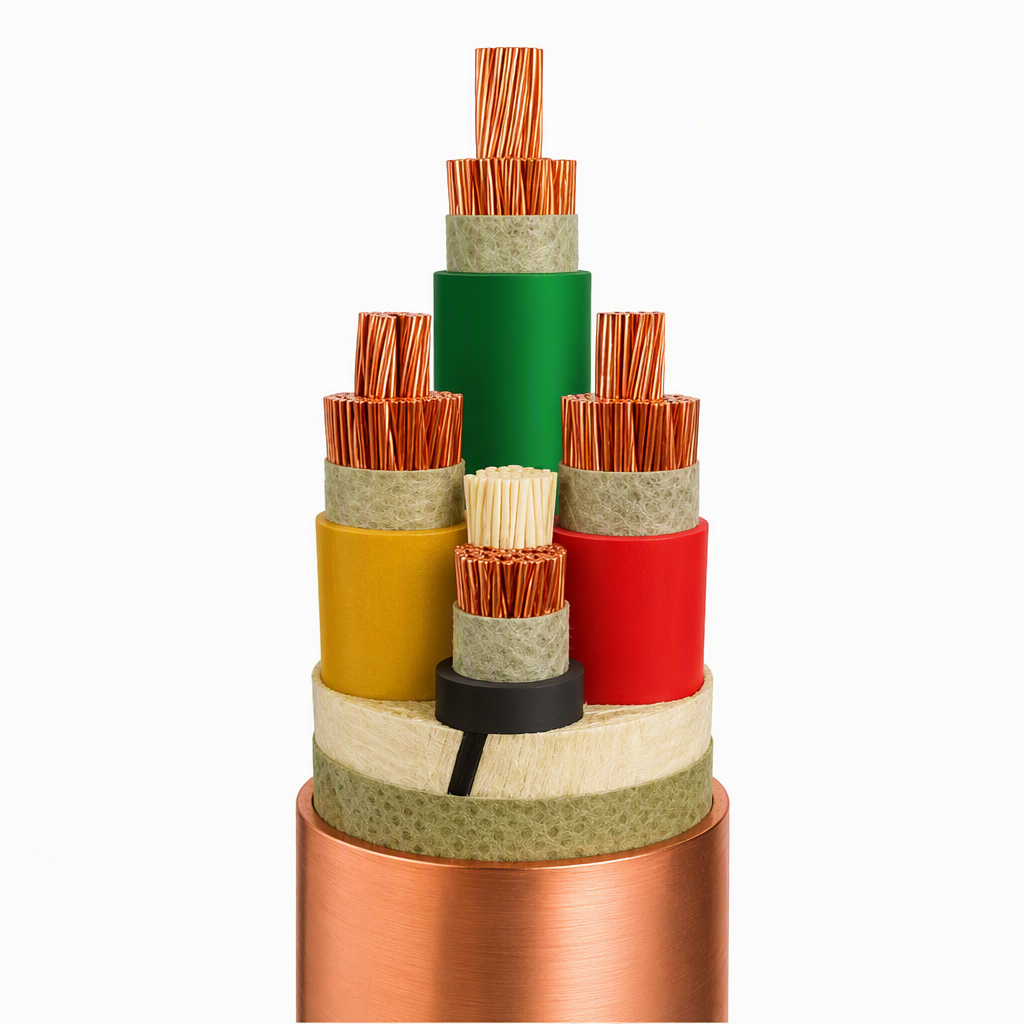
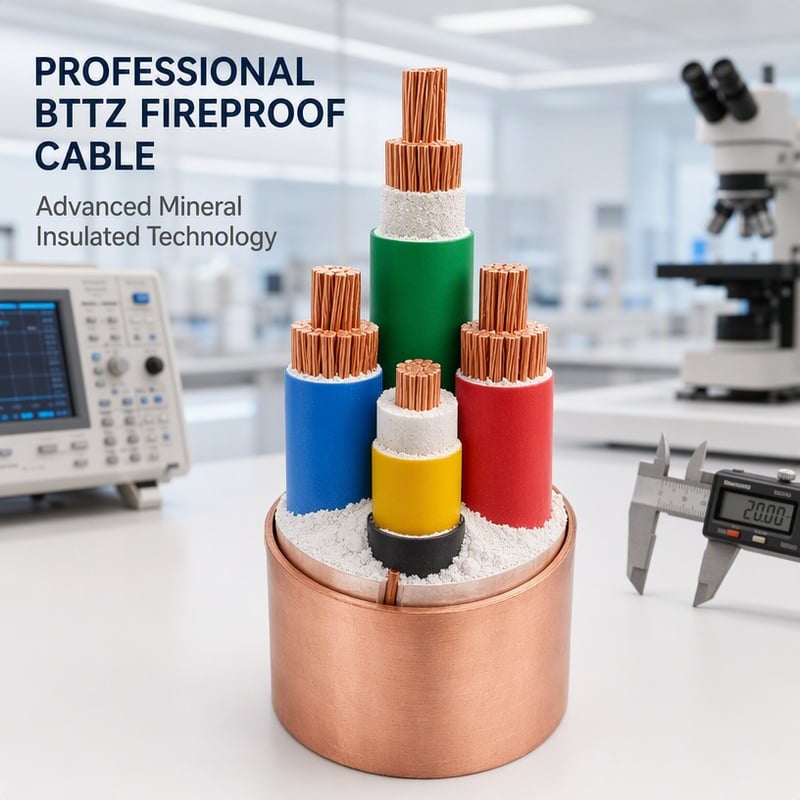
The mineral insulated cable is radically different from any organic cable:
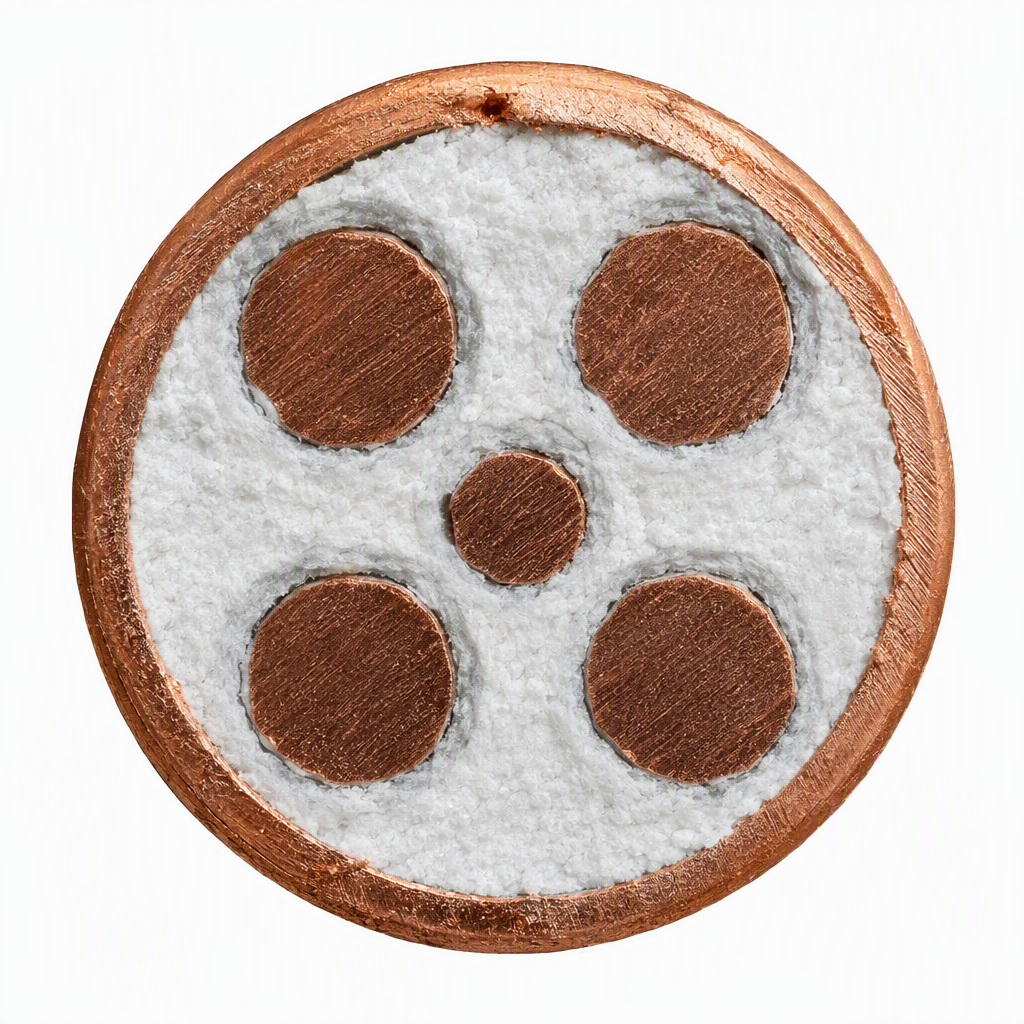
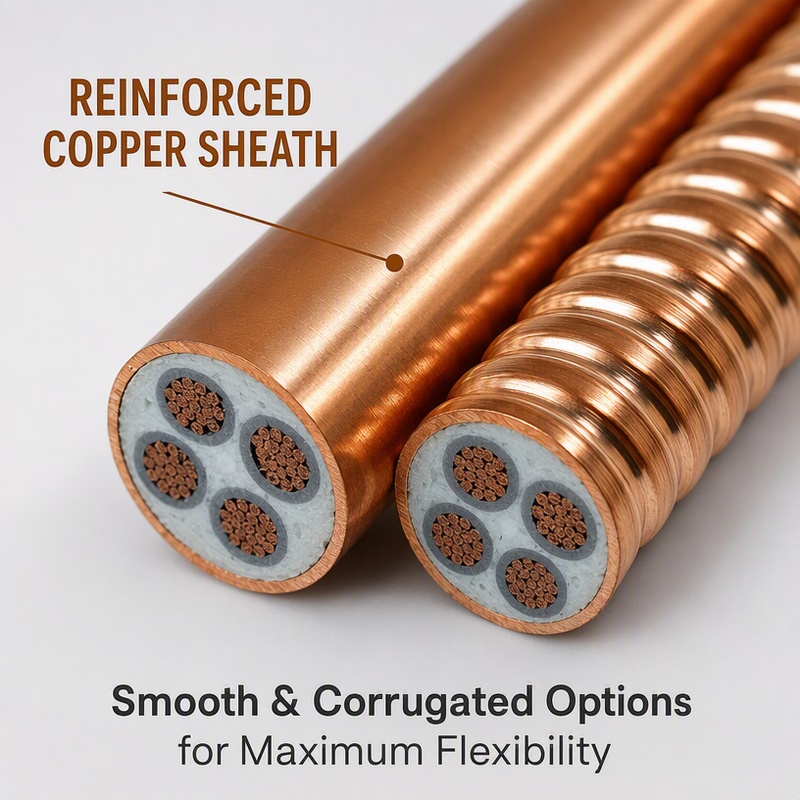
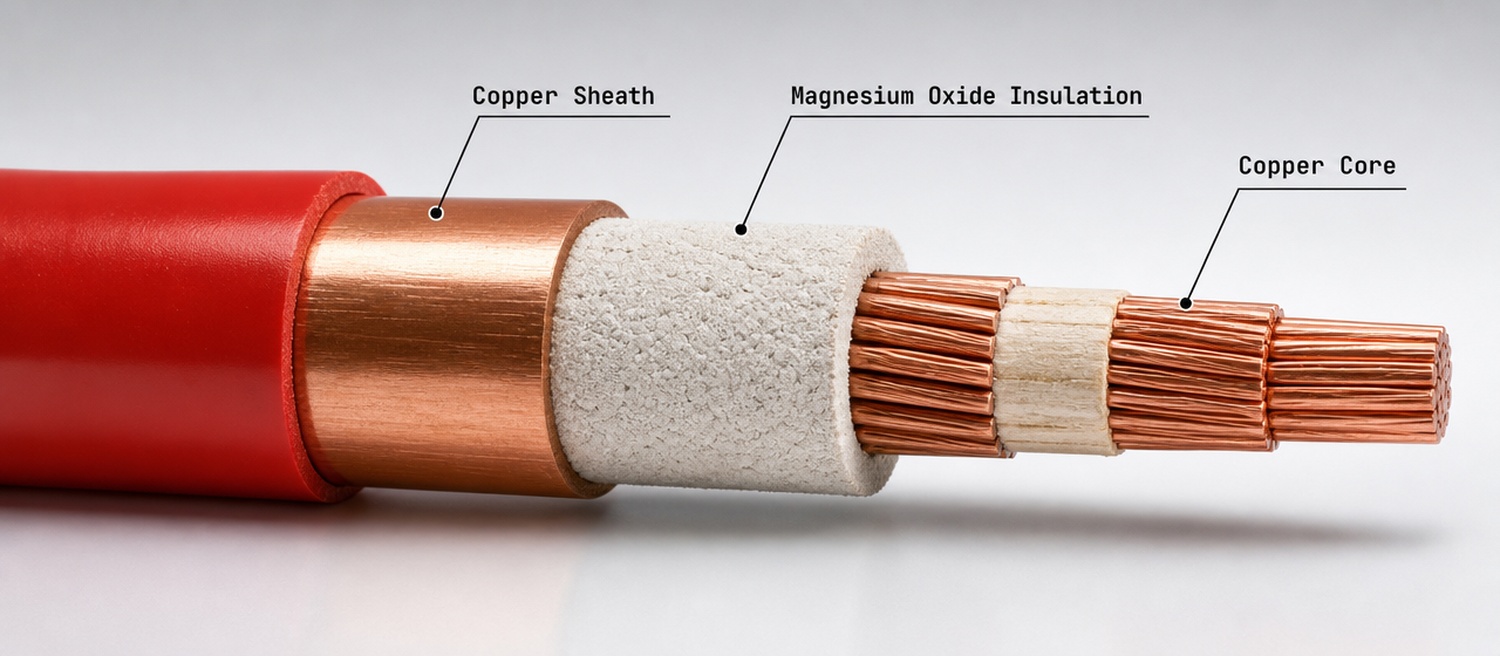
High-conductivity solid copper conductors carry the current. For control applications, smaller gauge conductors are used; for power circuits, larger conductors are specified.
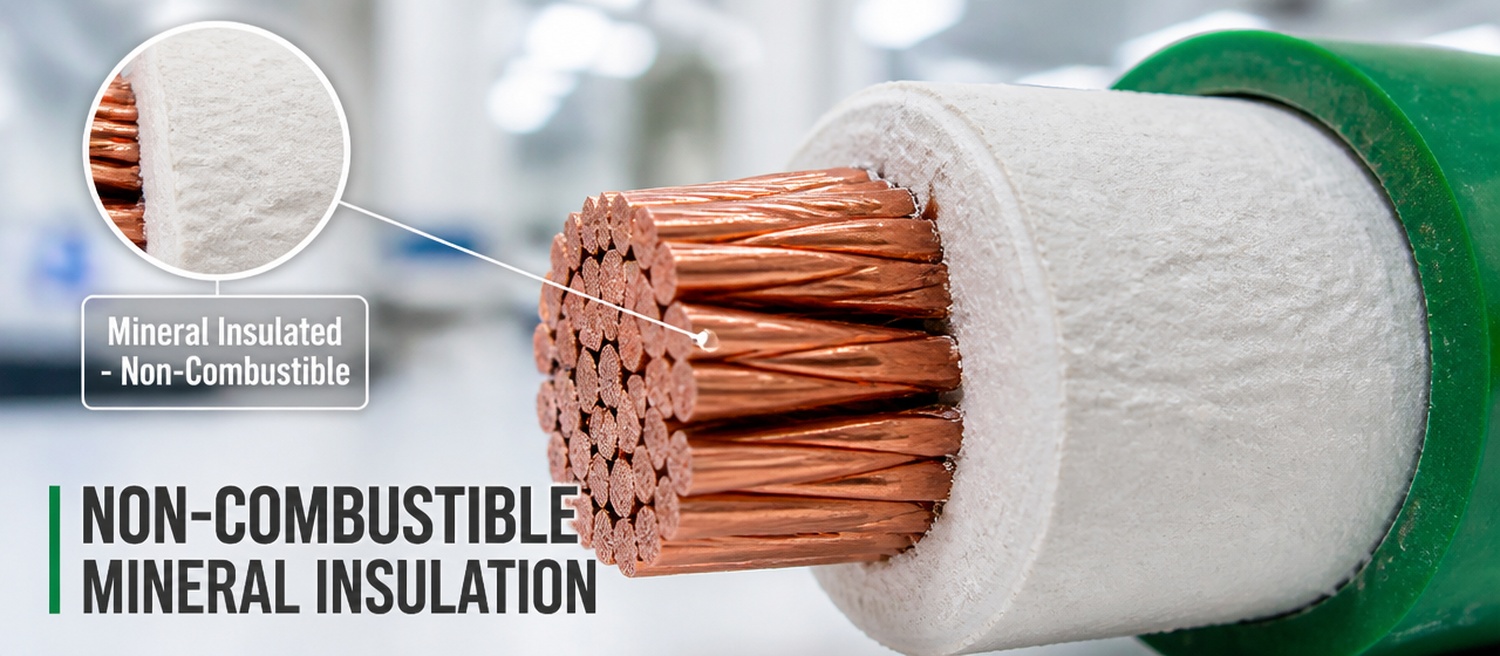
Magnesium oxide (MgO) powder, compacted to a dense solid around the conductors, provides the insulation. Magnesium oxide has a melting point of 2800°C, far exceeding copper's 1083°C melting point . This mineral insulation cannot age, degrade, or be compromised by temperature cycling.
A seamless copper tube, drawn down over the insulated conductors, provides the mechanical and environmental protection. The copper sheath serves multiple functions: protective armour, earth conductor, and moisture barrier.
For installations where the copper sheath requires additional corrosion protection or colour coding, a PVC or LSZH outer sheath can be applied over the copper.
| Component | Material | Function |
|---|---|---|
| Conductor | Solid copper | Current carrying |
| Insulation | Magnesium oxide (MgO) | Electrical insulation, fire protection |
| Sheath | Seamless copper tube | Mechanical protection, earth conductor |
| Optional Outer Sheath | PVC or LSZH | Corrosion protection, identification |
Mineral insulated cable passes the most demanding fire tests, including the British Standard BS 6387 test categories:
The cable is rated for continuous operation at temperatures up to 250°C (70°C with standard terminations) and can survive short-term exposure up to copper's melting point at 1083°C
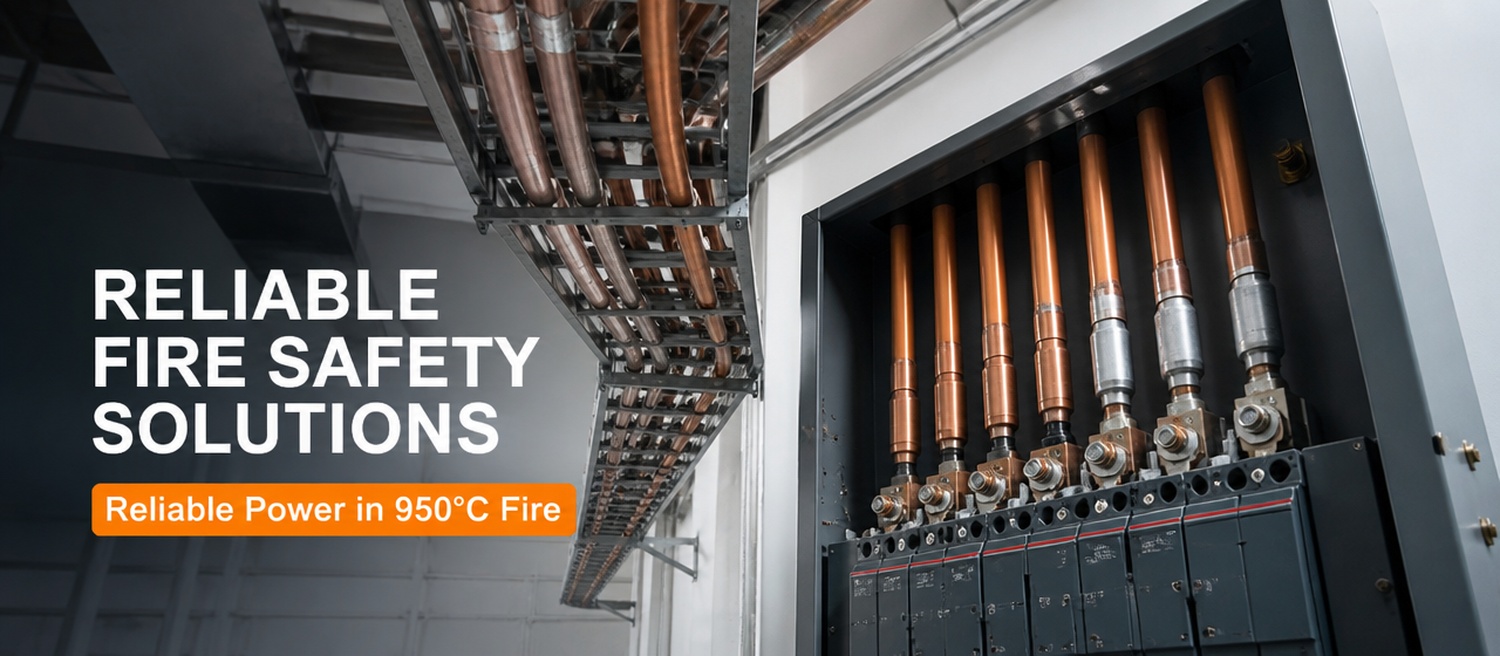
The cable cannot burn, will not support combustion, and produces zero smoke or toxic gases under fire . Because the insulation and sheath are inorganic, there is no carbon residue to create tracking paths after fire. The cable can be reused after fire exposure, requiring no replacement .
The magnesium oxide insulation allows operation at 250°C continuous service — far exceeding any organic cable. For comparison, PVC is rated at 70°C, XLPE at 90°C. At 1000°C fire exposure, the cable continues to supply power for over three hours, meeting and exceeding the 90-minute requirement of national standards .
The mineral insulation has much higher thermal conductivity than organic materials. For the same conductor size, mineral insulated cable can carry significantly more current, often allowing a one-size reduction for 16mm² and above circuits . For installations with space constraints, this is a substantial advantage.
The seamless copper sheath provides excellent mechanical protection. The cable can withstand crushing, bending, and twisting without internal conductor displacement — even when deformed to two-thirds of its original diameter, it continues to function . The cable is rodent-proof, waterproof, and highly corrosion-resistant .
The all-inorganic construction cannot age or degrade. The service life is determined only by the corrosion rate of the copper sheath. Data indicates that with 0.25mm corrosion allowance, the cable would last 257 years at 250°C — making it a true "install once, forget forever" solution .
The copper sheath provides a continuous, low-resistance earth path. For mineral insulated cable, a separate earth conductor is not required — the sheath serves as the protective conductor, saving both material and installation space .
Compared to plastic-insulated cables of the same current rating, mineral insulated cables are approximately 50% smaller in diameter and 30% lighter . This is a significant advantage for cable tray loading and riser applications.
The inorganic materials do not age under thermal cycling, UV exposure, or radiation. The cable is suitable for nuclear installations and other high-radiation environments where organic cables would degrade .
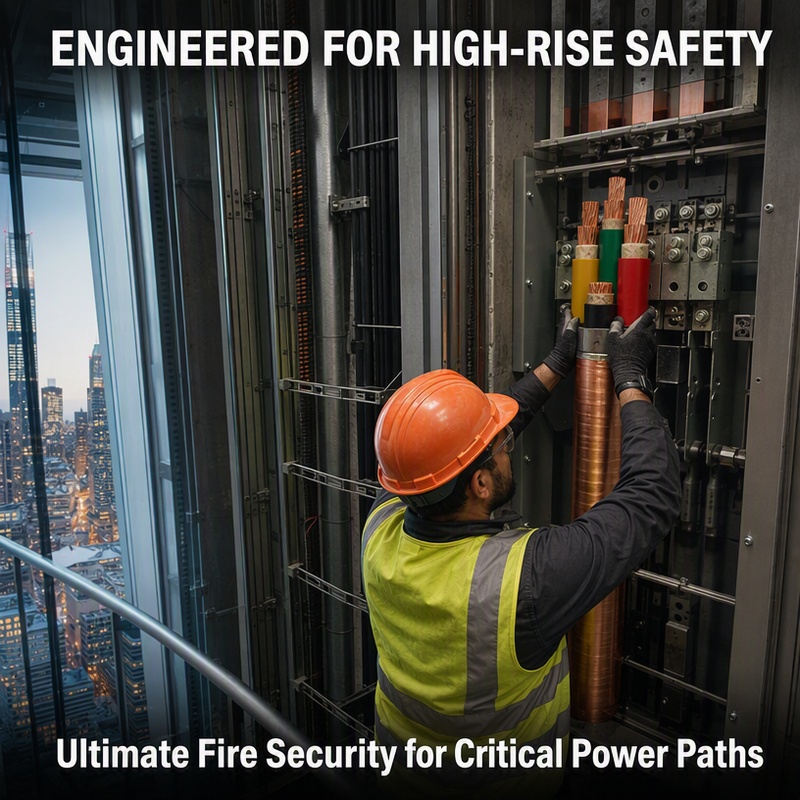
Emergency lighting, fire alarm systems, smoke extraction fans, fire-fighting lifts, and public address systems all require circuit integrity during fire. The cable is specified in building codes for these life-safety circuits .
Tunnel lighting, ventilation, and emergency systems require cables that maintain function in confined, high-temperature conditions. The zero-smoke, zero-toxicity characteristic is critical for occupant evacuation .
Explosive atmospheres demand cables that cannot ignite and produce no sparks. The compacted mineral insulation prevents gas migration, providing intrinsic safety .
High-temperature zones and radiation environments require non-ageing, radiation-resistant cable construction. Mineral insulated cable is specified for critical circuits in these applications .
Hospitals, data centres, airports, and military installations require uninterruptible power for critical systems. This cable ensures power remains available regardless of fire conditions .
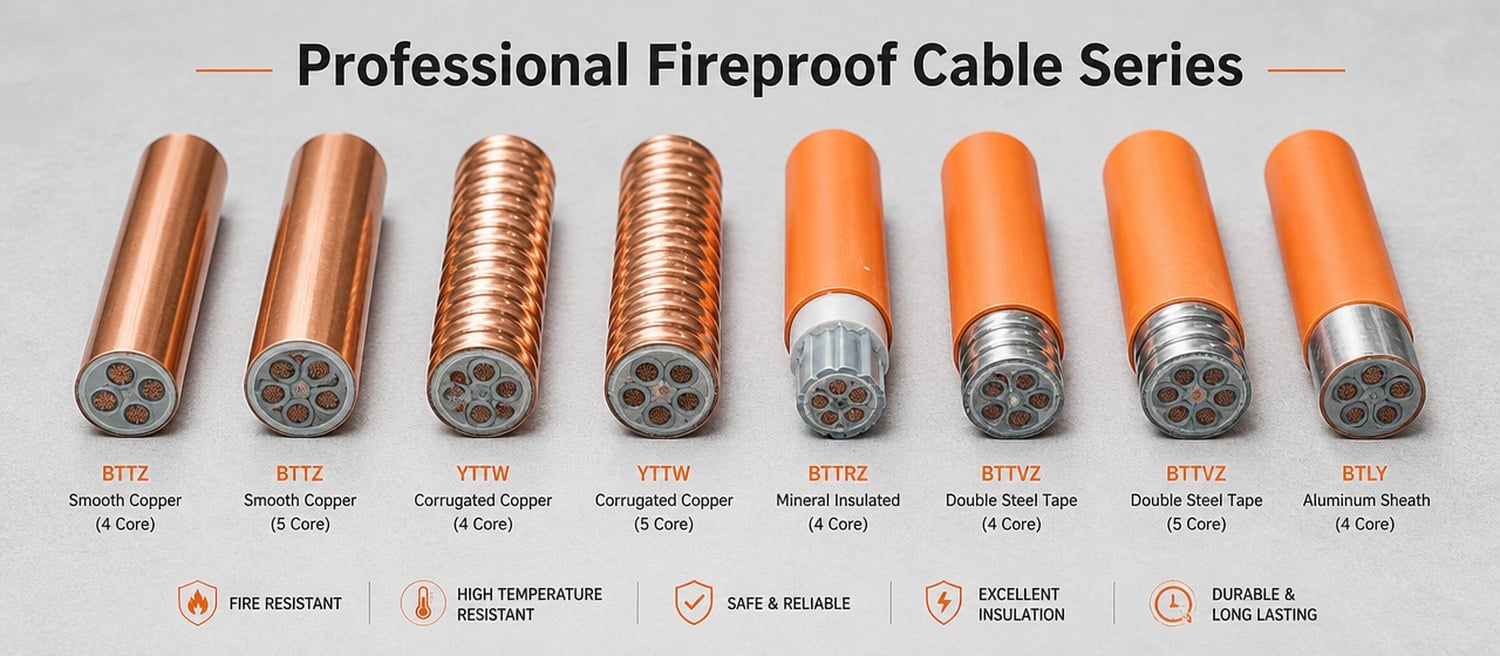
When specifying mineral insulated cable, consider the voltage rating based on circuit requirements: 500V for control applications and 750V for power distribution . Verify the required fire rating standard — BS 6387 categories vary by application. Consider the termination system: mineral insulated cables require special cold-seal or epoxy terminations, and these should be included in the procurement package. For installations requiring flexibility, specify BBTRZ or YTTW flexible types rather than the rigid BTTZ construction. If corrosion protection is required for the copper sheath, specify an outer PVC or LSZH sheath. The cable can be supplied in single-core or multi-core configurations for power and control applications.
| Consideration | What This Cable Delivers |
|---|---|
| Fire survival | BS 6387 C, W, Z — 950°C for 180 minutes |
| Smoke and toxicity | Zero — truly halogen-free, no secondary hazards |
| Operating temperature | 250°C continuous, 1083°C transient |
| Service life | Indefinite — inorganic materials do not age |
| Current capacity | Up to 2x other cables — one-size reduction possible |
| Space and weight | 50% smaller, 30% lighter than equivalent alternatives |
| Mechanical strength | Crush, impact, and rodent resistant |
| Environmental resistance | Waterproof, corrosion-resistant, UV-resistant |
This mineral insulated fire-resistant cable is suited for building owners and facility managers requiring fire-safe power for life-safety systems, electrical engineers specifying circuits where circuit integrity is critical, infrastructure project designers working on tunnels, airports, and power plants, and procurement teams seeking a cable solution with the lowest total lifecycle cost and highest safety rating. Where standard organic cables compromise circuit integrity under fire, this mineral insulated cable delivers — circuit after circuit, year after year, for the life of the building.