Supplier: GAOYUAN
BV single-core solid-copper PVC-insulated unsheathed wire for fixed installation at AC 450/750V and below; cross-sections in the standard 0.5–25mm² range, household favorites 1.5/2.5/4/6mm²; working temperature 70°C (BV-90: 90°C; BV-105/WDZ-BYJ: 105°C); color-coded insulation.
Supplier: GAOYUAN
BV single-core solid-copper PVC-insulated unsheathed wire for fixed installation at AC 450/750V and below; cross-sections in the standard 0.5–25mm² range, household favorites 1.5/2.5/4/6mm²; working temperature 70°C (BV-90: 90°C; BV-105/WDZ-BYJ: 105°C); color-coded insulation.
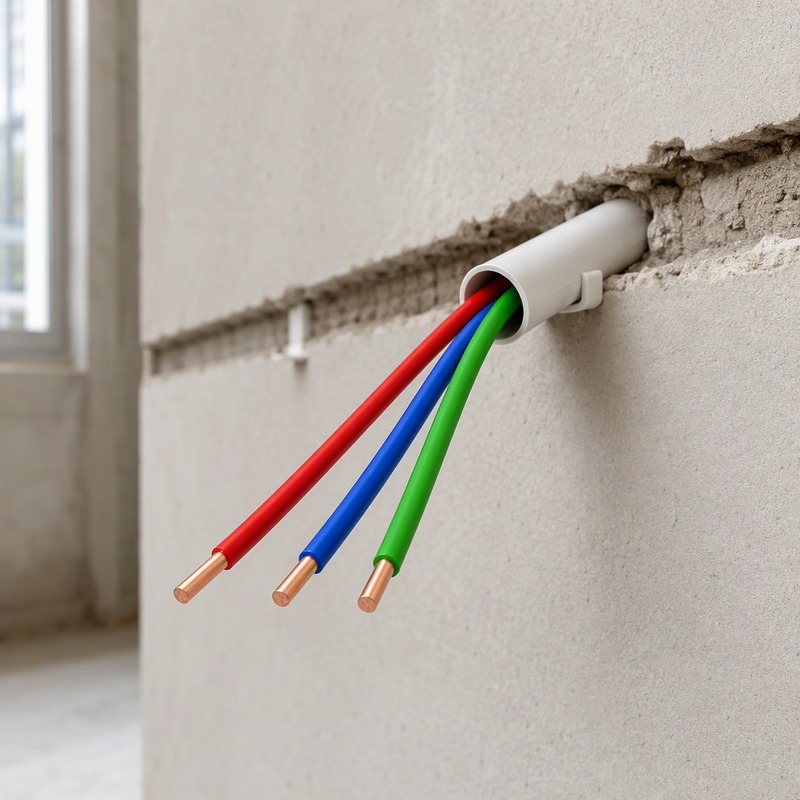
Stand in front of any freshly wired wall — the sockets, the switches, the light fittings — and what you are looking at is only the end point. The real work is done by what runs invisibly between them: copper wire, fixed inside the wall, carrying current from the breaker panel to every point of use. Choose that wire poorly, and no switch, socket, or appliance on the circuit can perform as it should. Choose it well, and the installation stays safe and stable for decades. That is why the type of wire matters, not just the devices it feeds. The BV wire belongs to this category: a single-core copper wire with a rigid conductor and PVC insulation, designed specifically for fixed installation. It is the most widely used wiring type for indoor decoration and household circuits — and it is what this article is about: what BV wire is, what its specifications mean, and how to select the right one for your project.
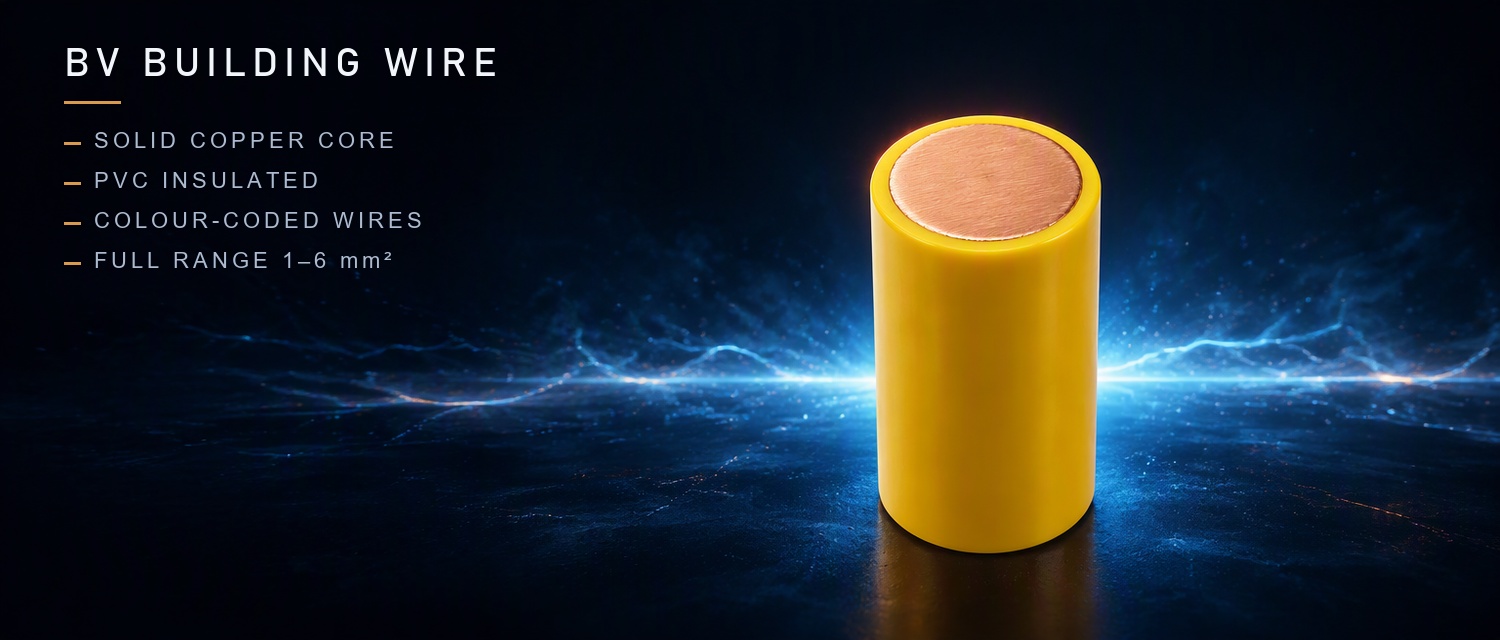
BV wire — the name comes from its construction: a single-core, rigid-conductor copper wire with PVC insulation and no outer sheath. It is intended for fixed installation (drawn through conduit or trunking and terminated at fixed points) in systems with AC voltage of 450/750V and below, covering power devices, daily appliances, instruments, and telecommunications equipment. The key specifications are as follows.
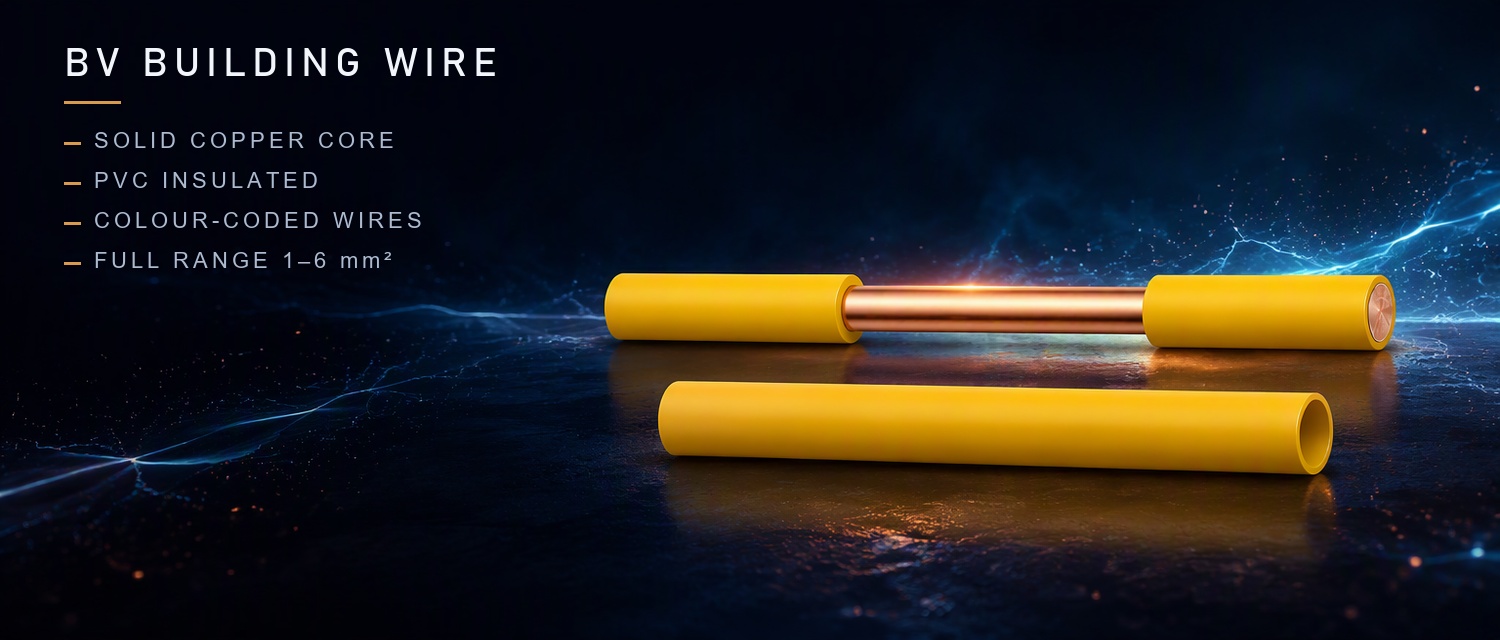
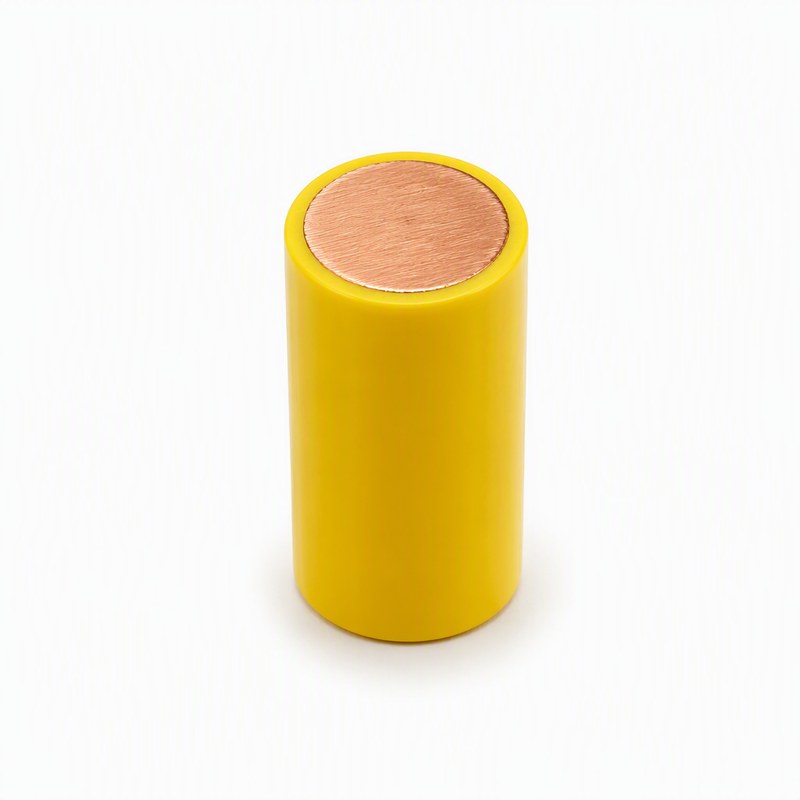
A solid copper core that carries current the way it should. The rigid, solid conductor keeps a consistent cross-section along its entire run. There are no fine strands to break under repeated handling or to spread under a screw terminal — the core holds its shape, and the connection stays tight and reliable over years of service.
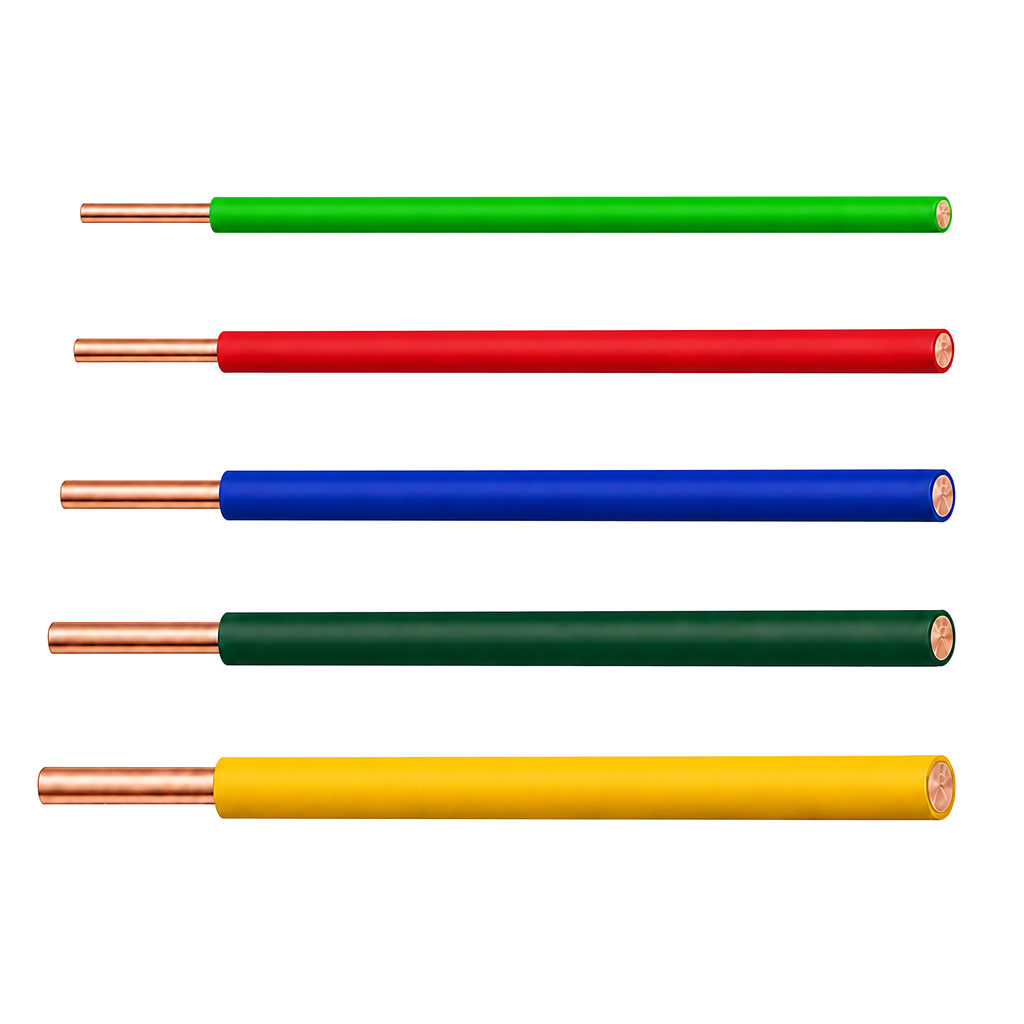
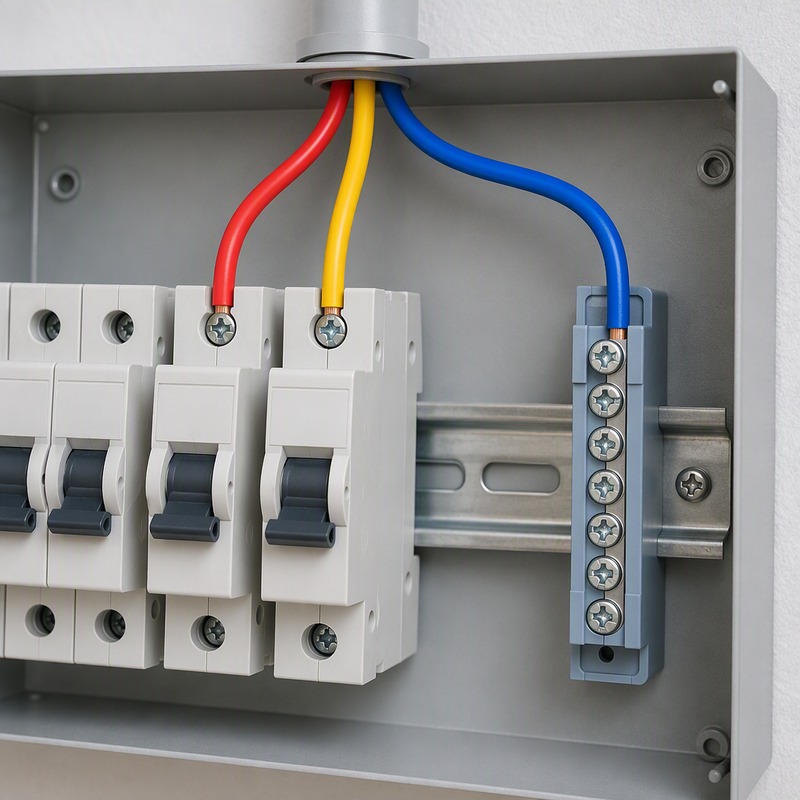
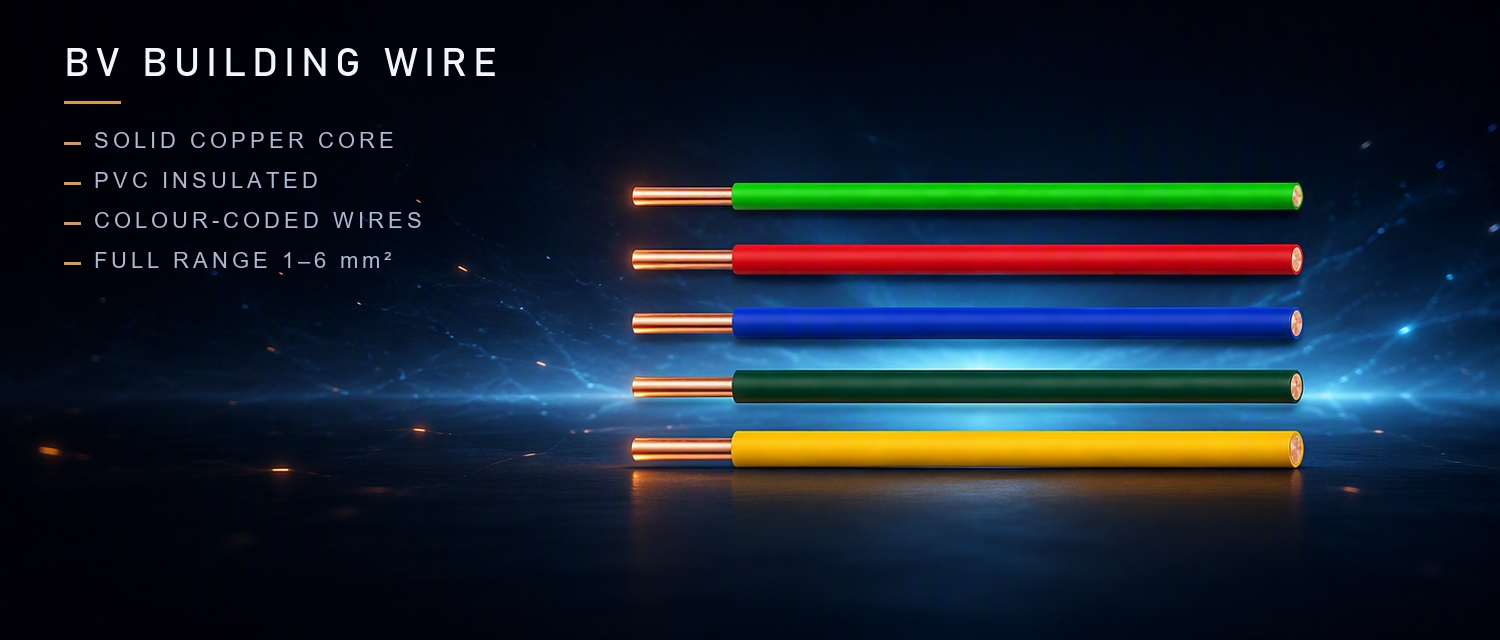
PVC insulation that protects the conductor and identifies the circuit. The insulation does two jobs at once: it electrically isolates the copper core and protects it from contact and light mechanical stress. Because it is color-coded — green, red, blue, dark green, yellow — an installer can identify phase, neutral, and individual circuits at a glance, which speeds up wiring and makes later maintenance far safer.
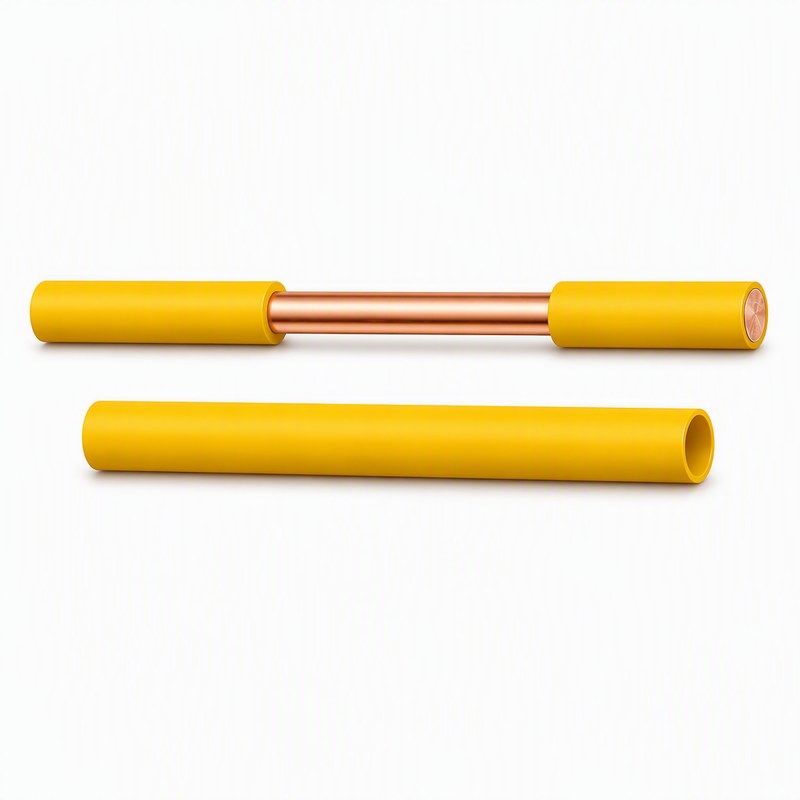
An unsheathed design made for fixed runs. Because the BV wire is designed to be installed inside conduit or trunking, it has a compact outer diameter with no bulky jacket. More wires fit in the same conduit, pulling is easier around bends, and the outer protection is provided by the installation method — exactly how fixed wiring is meant to be done.
One product family from 0.5mm² to 300–400mm². The range is the practical advantage here: small cross-sections for lighting and instrument circuits, mid-range sizes such as 1.5/2.5/4/6mm² for the bulk of household and commercial fixed wiring, and large cross-sections up to 300–400mm² for main feeders that carry heavy current. One standard, one supplier, across the whole installation.
Temperature grades matched to the environment. Standard BV wire operates up to 70°C. Where ambient heat is higher — near boilers, in machine rooms, or on hot surfaces — the BV-90 and BV-105 grades extend the limit to 90°C and 105°C, and the WDZ-BYJ variant also carries a 105°C rating. Selecting the right grade prevents premature insulation aging in hot locations.
The most widely used household wiring type. BV wire in the 1.5–6mm² range is the workhorse of indoor decoration and home circuits precisely because it balances cost, reliability, and ease of installation — the reasons it is the default choice for fixed wiring in residential and commercial buildings.
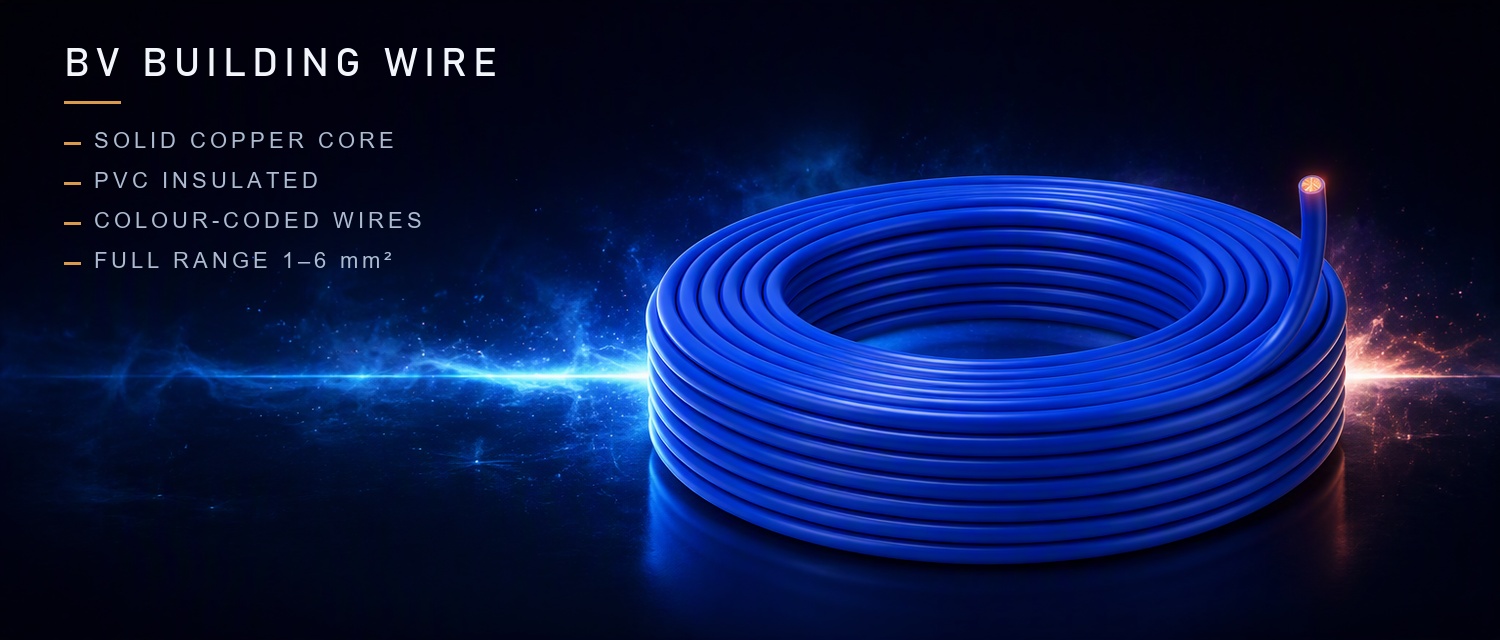
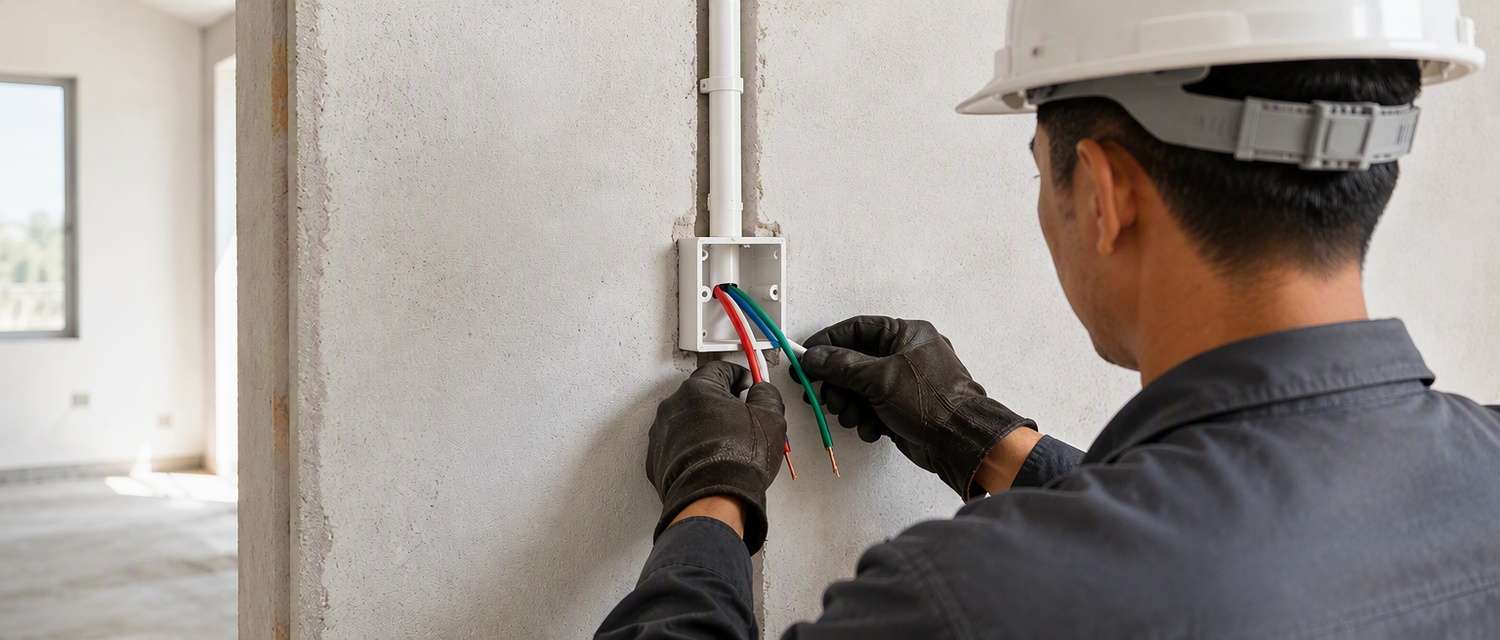
Home Renovation and Decoration Wiring This is where BV wire is most at home. In residential projects, the conductor size is matched to the circuit — smaller cross-sections for lighting circuits, mid-range sizes for general socket circuits, and larger sizes such as 4 and 6mm² for high-load appliances and kitchen circuits. The wire is fixed into conduit buried in the wall, terminated at junction boxes, and then plastered over — after which it must simply perform, unseen, for decades.
Commercial and Office Building Installation Offices, shops, and public buildings need the same fixed-wiring discipline on a larger scale: lighting circuits, socket circuits, and distribution runs, all pulled through trunking and risers. The color-coded insulation pays off here most, because a large installation with hundreds of terminations is far easier to build and maintain when every circuit can be identified by color.
Industrial Power Devices and Instruments Industrial plants fix wiring for power devices, control panels, and instruments under the same 450/750V standard. The rigid conductor holds up well in the fixed, vibration-free runs inside panels and along machine frames, where a stable connection matters more than flexibility.
Main Feeders and Heavy-Duty Fixed Wiring For the runs that carry the most current — building mains, sub-distribution, and large equipment feeds — large cross-sections up to 300–400mm² come into play. These heavy feeders are also fixed installation work, and they are where correct gauge selection is most critical, because the cost of undersizing is heat, voltage drop, and risk.
BV is the default for fixed installation: a solid conductor gives a stable, long-term connection at the lowest complexity. When the run demands more flexibility — tighter bends or frequent termination — BVR is the stranded version of the same idea. When the wire itself must move or flex in service, RV and AVR flexible wires are the appropriate choice. Selecting among them is a matter of matching the conductor to the installation, not of quality — each type is correct for its own application.
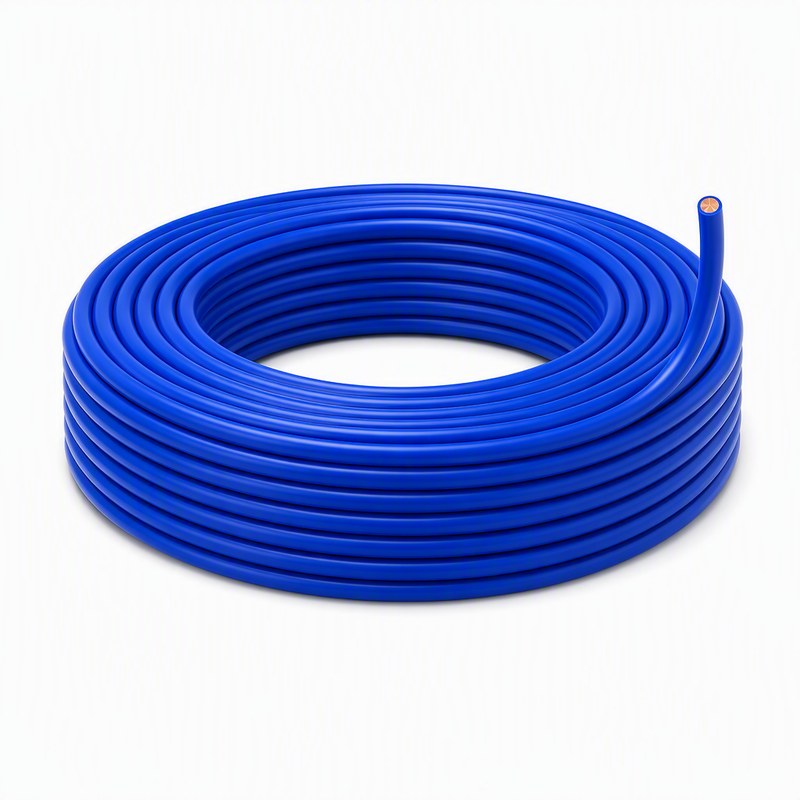
Install BV wire only when the ambient temperature at laying is not below 0°C — cold makes the PVC insulation stiff, and sharp bending in that condition can damage it. Always draw the wire through conduit or trunking for fixed installation; the insulation is not a mechanical armor, and the conduit provides the protection the unsheathed design assumes. Select the cross-section according to the connected load and the installation method, and stay within the working temperature of the grade you choose — 70°C for standard BV, 90°C for BV-90, and 105°C for BV-105 or WDZ-BYJ. When stripping the insulation, take care not to nick the copper core, since a damaged conductor can overheat at the damaged point. Store coils in a dry place away from direct sun, heat sources, and chemicals, and inspect the insulation for cuts or abrasion before installation.
One procurement observation worth noting: on a wiring project, the wire is the cheapest component and the most expensive one to replace. Reworking fixed wiring means breaking into finished walls — which is why the gauge, the temperature grade, and the conductor type should be decided correctly before installation, not corrected after. The BV wire is designed for fixed installation in residential, commercial, and industrial circuits at AC 450/750V and below. Always follow the relevant installation standards and safe working practice on site.