Supplier:GaoYuan
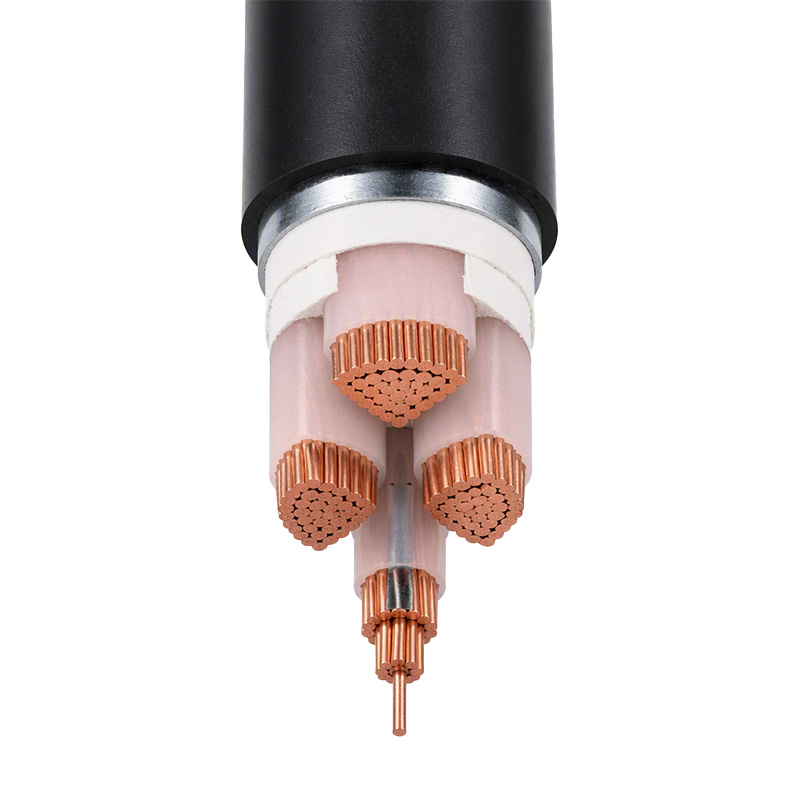
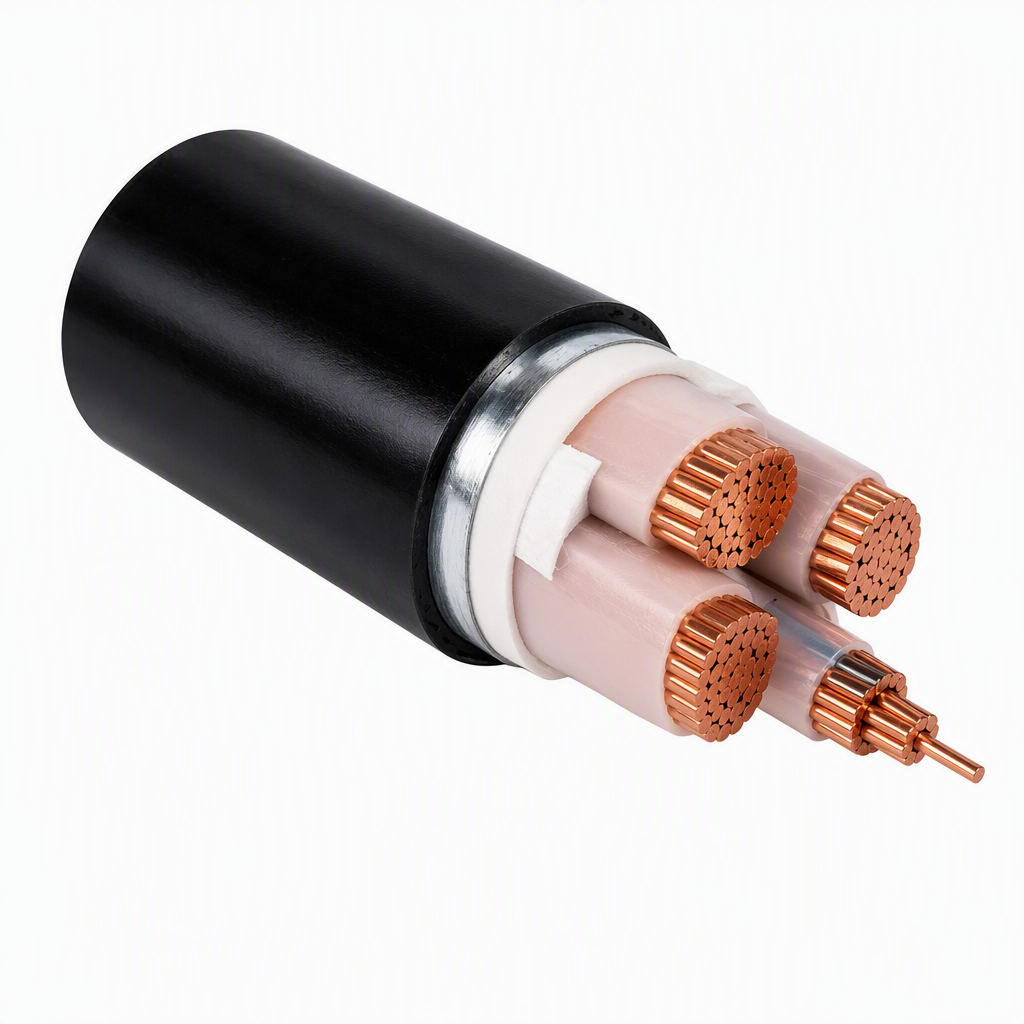
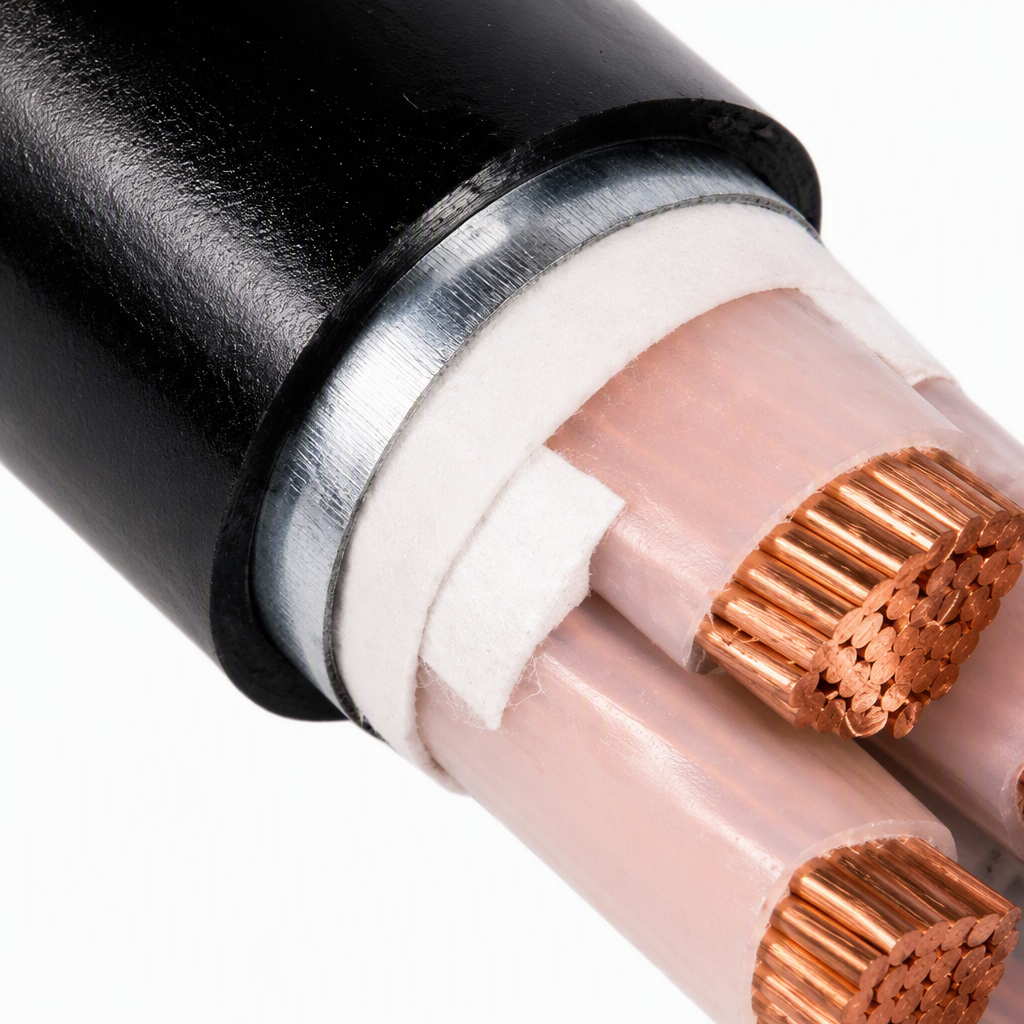
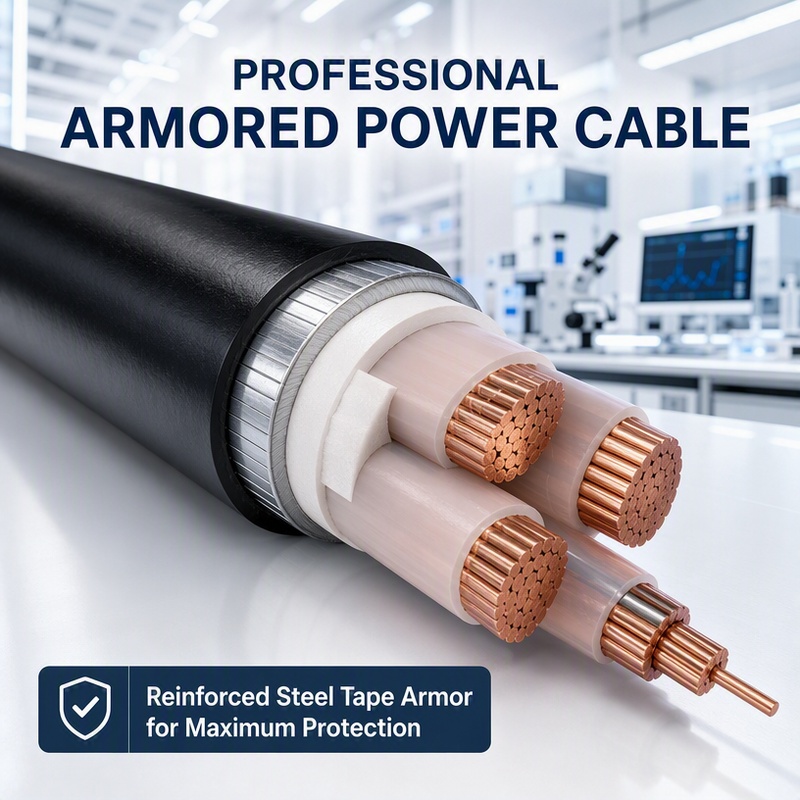
Armored cable fitted with copper conductors and metal armor layer for mechanical damage resistance, 0.6/1kV for buried, outdoor and industrial engineering projects.
Supplier:GaoYuan
Armored cable fitted with copper conductors and metal armor layer for mechanical damage resistance, 0.6/1kV for buried, outdoor and industrial engineering projects.
If you have specified cables for industrial plants, outdoor infrastructure, or direct burial applications, you have likely encountered the same concern. Standard unarmoured cables provide reliable electrical performance but offer limited resistance to mechanical damage, rodent attack, or the stresses of installation and ground movement. Armoured cable addresses this through the integration of a metallic armour layer — steel wire or steel tape — that provides exceptional mechanical protection without compromising electrical performance. Whether you are installing power distribution in a factory, burying cables in a trench, or running cables in areas vulnerable to impact, this cable delivers the physical protection that unarmoured designs simply cannot provide.
In most industrial and infrastructure installations I have reviewed, cable failure is more often caused by mechanical damage than by electrical stress. Construction activities, ground settlement, rodent activity, and even routine maintenance can damage unarmoured cables, leading to insulation breaches, earth faults, and unplanned downtime. Armoured cable prevents this through its metallic armour layer, which absorbs impact energy, resists crushing, and provides a physical barrier against penetration. The armour also serves as a continuous earth path, providing additional safety by ensuring rapid fault clearance in the event of insulation failure.
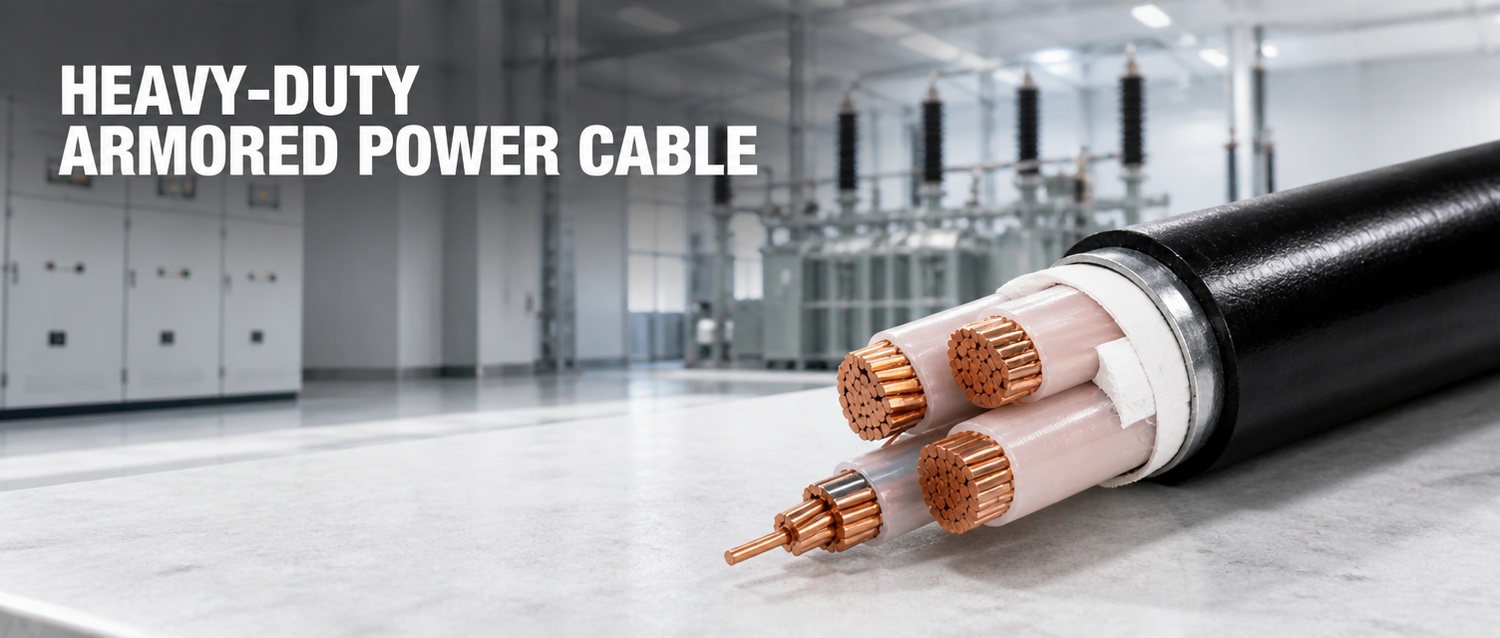
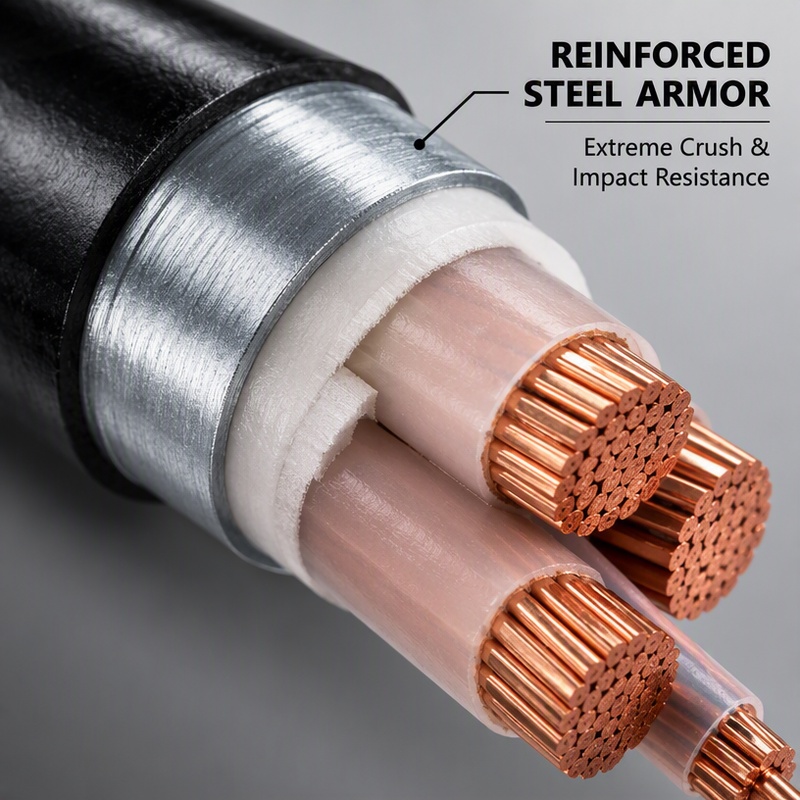
The fundamental difference between armoured and unarmoured cable lies in the metallic armour layer applied over the cable core. Two primary armour types are available:
Steel tape armour consists of one or two layers of galvanised steel tape helically wound over the cable core. This construction provides:
Excellent resistance against mechanical stress
Flexibility for easier handling
Protection against rodent attack
Suitability for indoor and outdoor fixed installations
STA is the standard armour type for most industrial and commercial applications where mechanical protection is required.
Steel wire armour consists of a single layer of galvanised steel wire applied over the cable core. This construction provides:
Superior tensile strength — ideal for vertical installations
Enhanced crushing resistance
Capability to withstand pulling forces during installation
Suitability for direct burial and underground installations
SWA provides a higher level of mechanical protection than STA and is typically specified for more demanding installations.
| Armour Type | Protection Level | Typical Applications |
|---|---|---|
| Steel Tape Armour | Standard mechanical protection | Fixed indoor/outdoor installations |
| Steel Wire Armour | Enhanced tensile and crushing resistance | Direct burial, vertical runs, demanding environments |
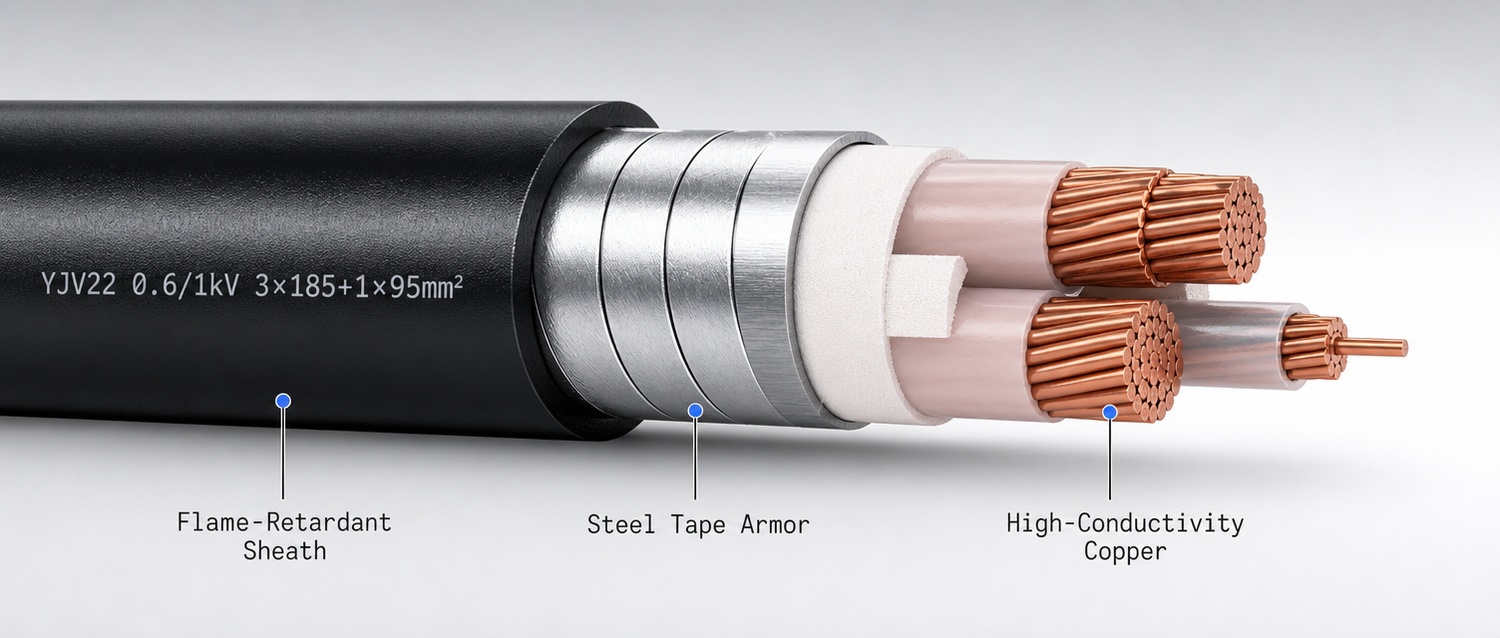
The metallic armour layer provides a robust physical barrier that protects the cable core from impact, crushing, and penetration. This protection is essential for installations where the cable may be subject to mechanical stress — including direct burial, cable trays in industrial environments, and areas where maintenance activities could cause accidental damage.
Steel armour provides an effective barrier against rodent attack, a common cause of cable failure in many installations. The metallic layer prevents rodents from penetrating the cable core and damaging the insulation or conductors, making armoured cable the preferred choice for installations in areas with known rodent activity.
The metallic armour layer is electrically continuous along the cable length and is typically used as a protective conductor (earth) in the installation. When properly terminated, the armour provides a low-impedance path for earth fault currents, ensuring rapid fault clearance and enhanced electrical safety.
SWA cables, in particular, provide significant tensile strength that allows the cable to withstand the pulling forces encountered during installation. This is especially valuable for long cable runs, vertical risers, and installations where the cable must be pulled through conduit or ducting. The armour carries the tensile load, protecting the conductors and insulation from stretching damage.
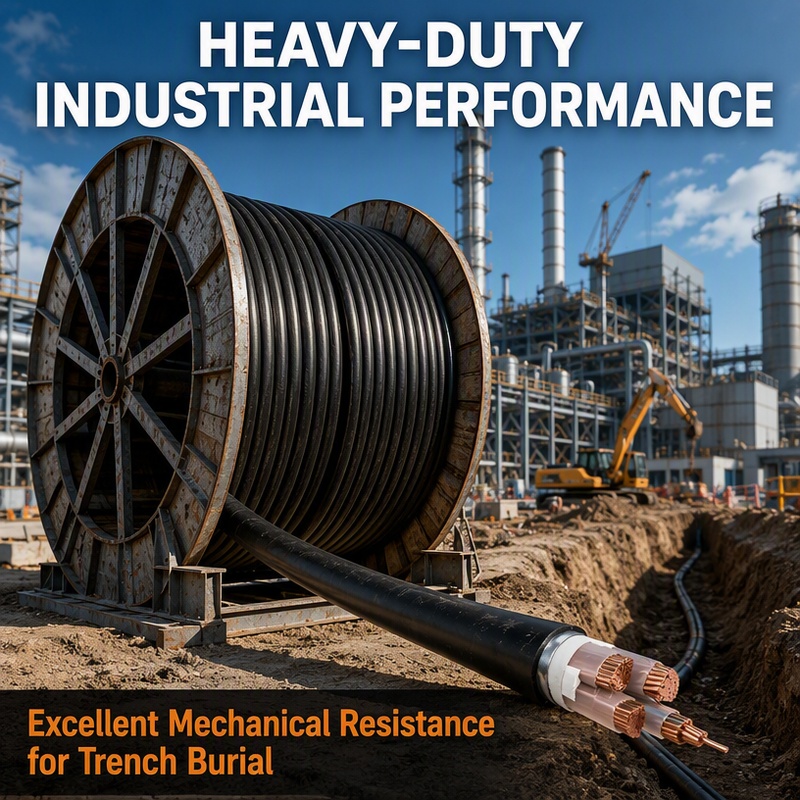
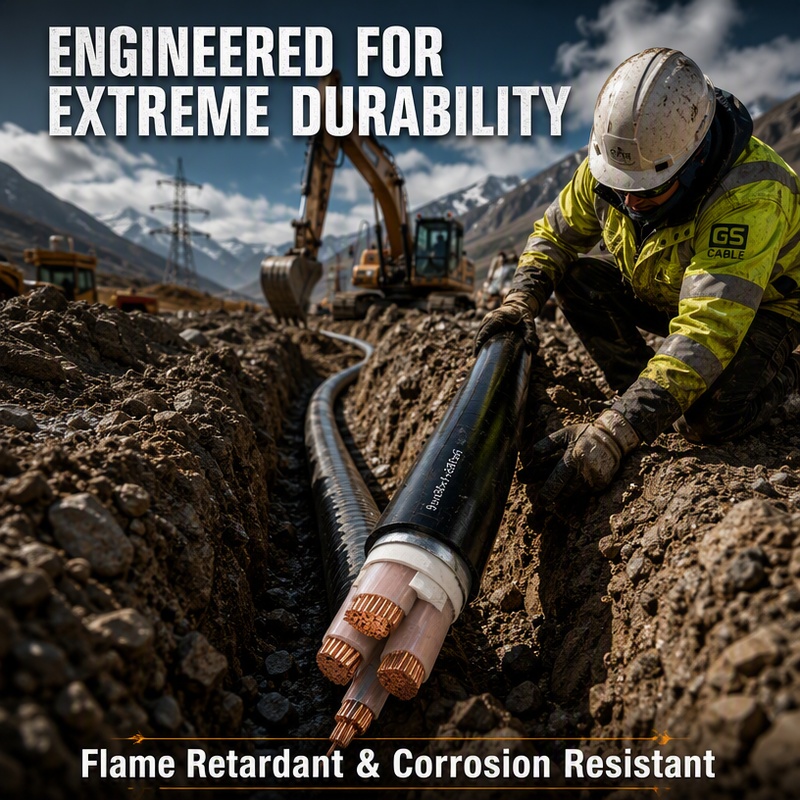
Armoured cables are rated for direct burial applications, eliminating the need for additional mechanical protection such as conduit or ducting. This simplifies installation, reduces material costs, and speeds project completion. The armour provides the protection needed for direct contact with soil and rock, resisting the pressures of backfilling and ground movement.
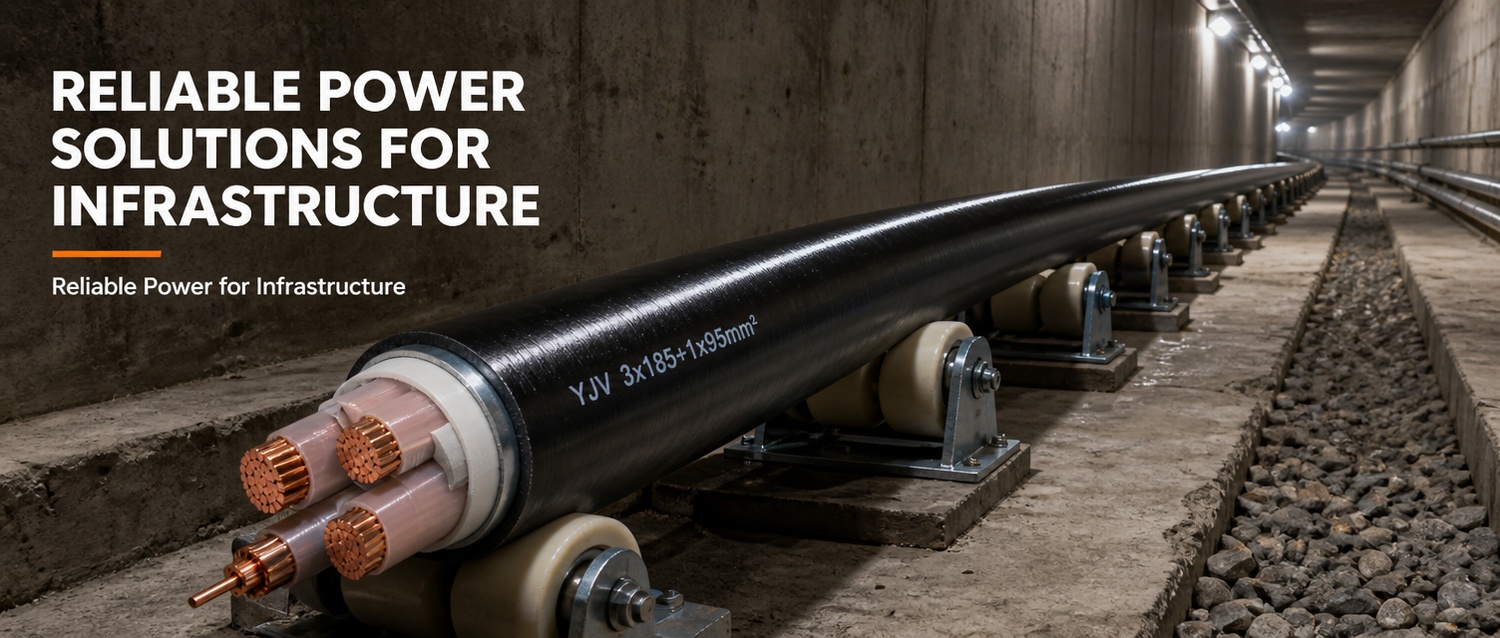
Industrial facilities require cables that withstand mechanical abuse from plant operations. Armoured cables are the standard choice for power distribution within factories, providing protection against impact from falling objects, abrasion from cable trays, and the stresses of industrial environments.
Direct burial installations expose cables to pressure from backfilled soil, potential damage from excavation tools, and ground movement. Armoured cables are rated for these conditions, providing the mechanical protection needed for reliable long-term service without the additional cost of protective conduit.
In multi-storey buildings, vertical cable risers subject cables to significant tensile loads from the weight of the cable itself. SWA cables provide the tensile strength needed for these applications, ensuring that the cable can support its own weight without damage to the conductors or insulation.
Road lighting, traffic systems, and utility installations often run cables in areas vulnerable to accidental damage. Armoured cables provide the protection needed for these exposed locations, ensuring continued operation despite the risks of outdoor installation.
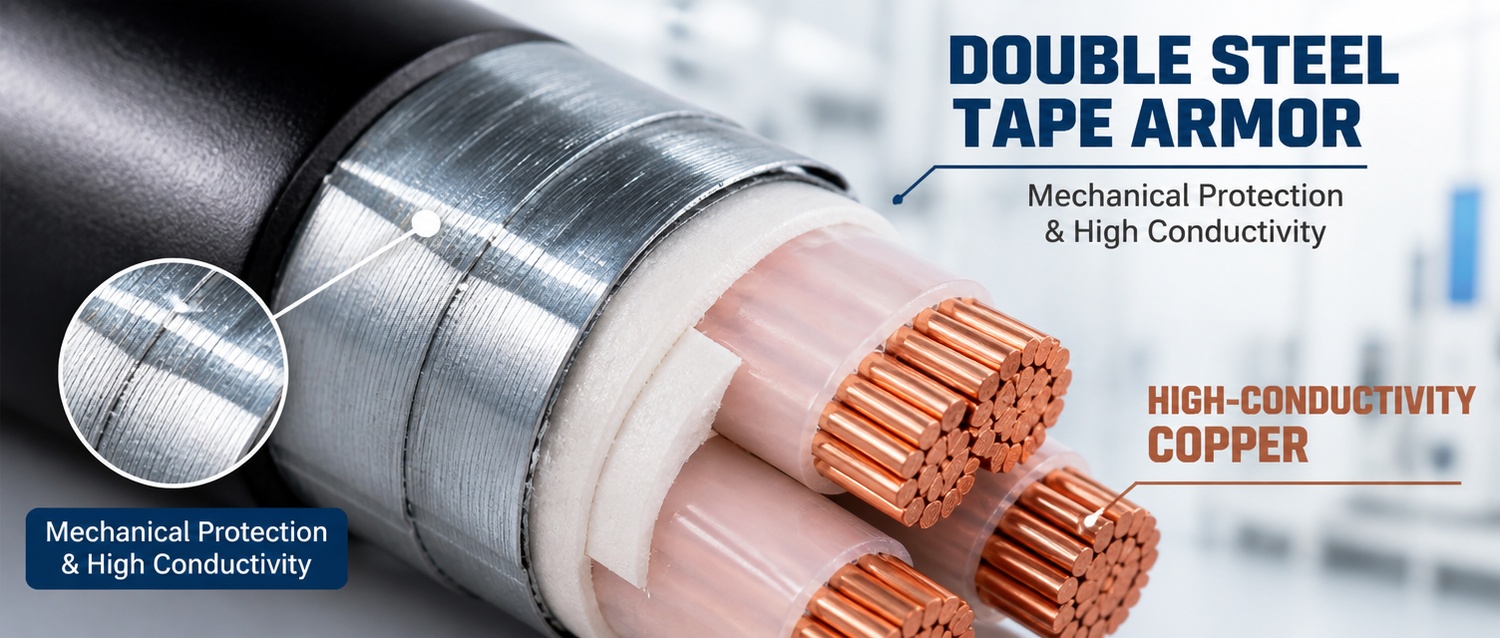
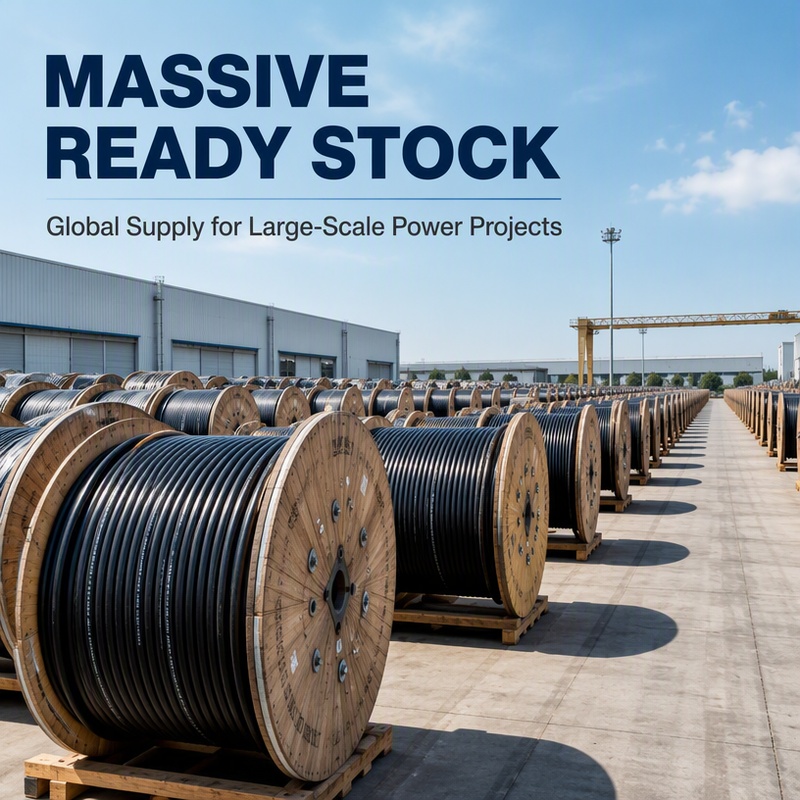
When specifying armoured cable, the decision between STA and SWA should be based on the installation requirements. STA is the standard choice for most fixed indoor and outdoor installations where mechanical protection is required. SWA should be specified for direct burial, vertical risers, and any application where enhanced tensile strength or crushing resistance is required. The cable should be terminated using appropriate cable glands that maintain the armour's electrical continuity and provide mechanical retention. Ensure the armour is properly earthed at both ends to maintain its protective function. Consider the cable's bending radius relative to the installation path, as armoured cables have larger minimum bending radii than unarmoured cables. Ready stock covers standard conductor sizes, core configurations, and voltage ratings.
| Consideration | What This Cable Delivers |
|---|---|
| Mechanical protection | Steel tape or wire armour — impact, crush, and penetration resistance |
| Rodent protection | Solid steel barrier — prevents vermin damage |
| Installation strength | SWA provides tensile capability — vertical and long-pull applications |
| Earth fault protection | Continuous armour path — rapid fault clearance |
| Direct burial rating | No conduit required — simplified, cost-effective installation |
| Application coverage | Industrial, utility, building services — the full range |
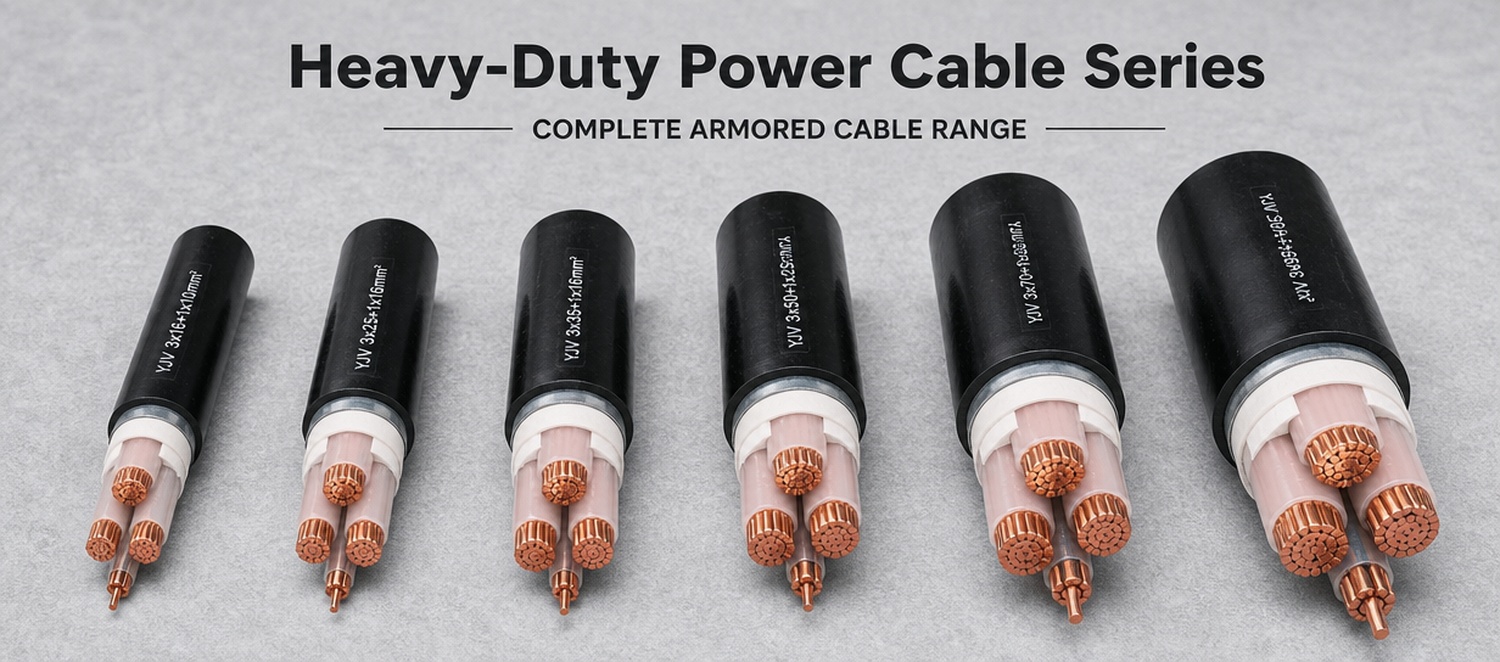
This armoured cable is suited for industrial facilities requiring mechanically protected power distribution, infrastructure projects needing direct burial capability, building services requiring vertical riser applications, and utility installations where cables are exposed to potential mechanical damage. Where unarmoured cables risk damage from impact, crushing, or rodent attack, this armoured cable delivers reliable power transmission — installation after installation, year after year.