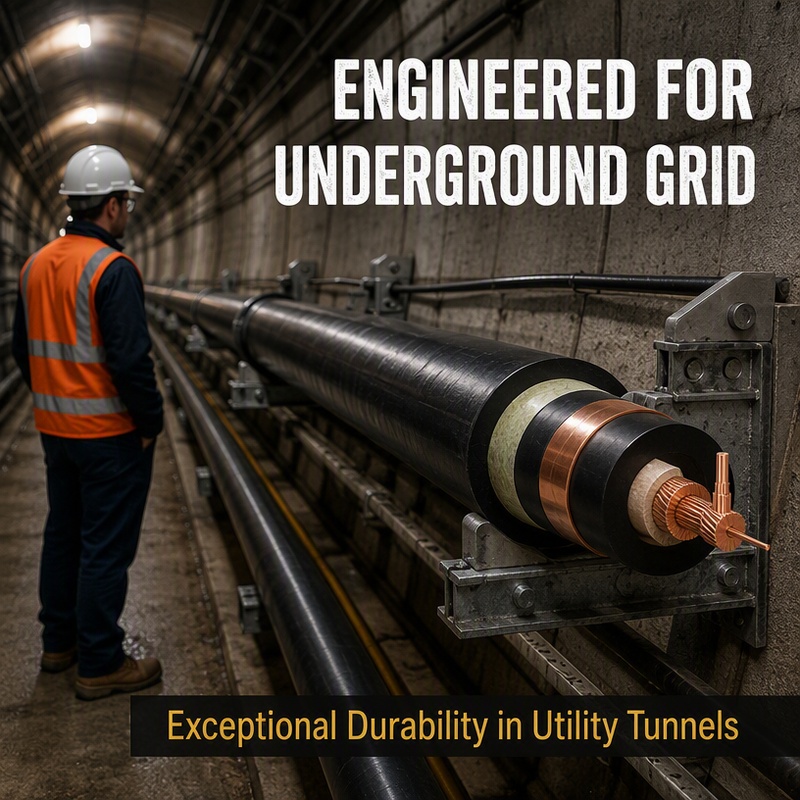
Supplier:GaoYuan
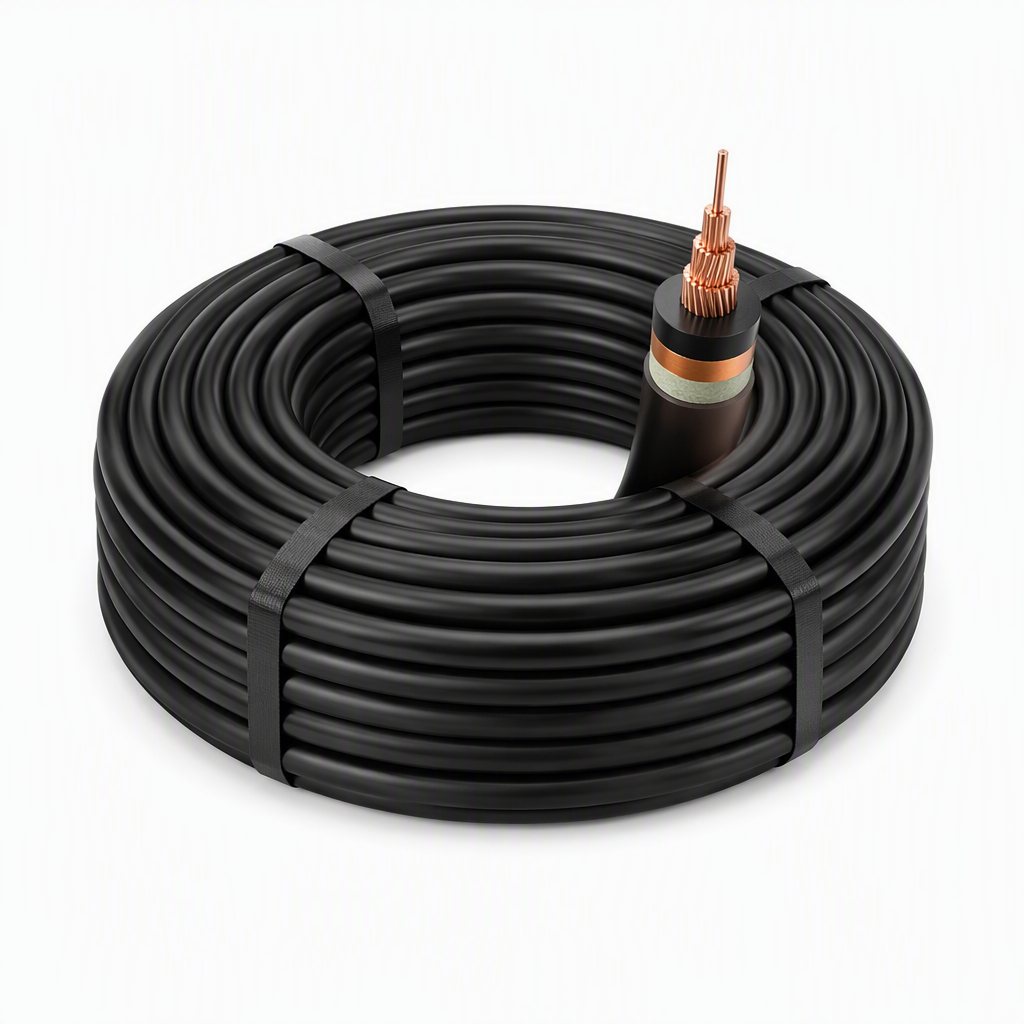
High‑voltage cable fitted with solid copper conductor and multi‑layer shielding structure for high‑voltage safe power transmission, rated high‑voltage for power station, grid transmission, industrial and power engineering projects.
Supplier:GaoYuan
High‑voltage cable fitted with solid copper conductor and multi‑layer shielding structure for high‑voltage safe power transmission, rated high‑voltage for power station, grid transmission, industrial and power engineering projects.
If you have sourced power cables for utility networks, large-scale industrial facilities, or major infrastructure projects, you have likely encountered a fundamental challenge. Standard low- and medium-voltage cables are simply not rated for the electrical stresses, thermal loads, and mechanical demands of high-voltage transmission. High-voltage power cable addresses these demands through a multi-layered construction that combines high-conductivity copper or aluminium conductors, cross-linked polyethylene (XLPE) insulation, metallic screening, and robust outer sheathing. Whether you are connecting a substation to a city grid, linking a renewable energy plant to the transmission network, or powering a major industrial complex, this cable delivers the reliability and performance that utility-grade applications require.
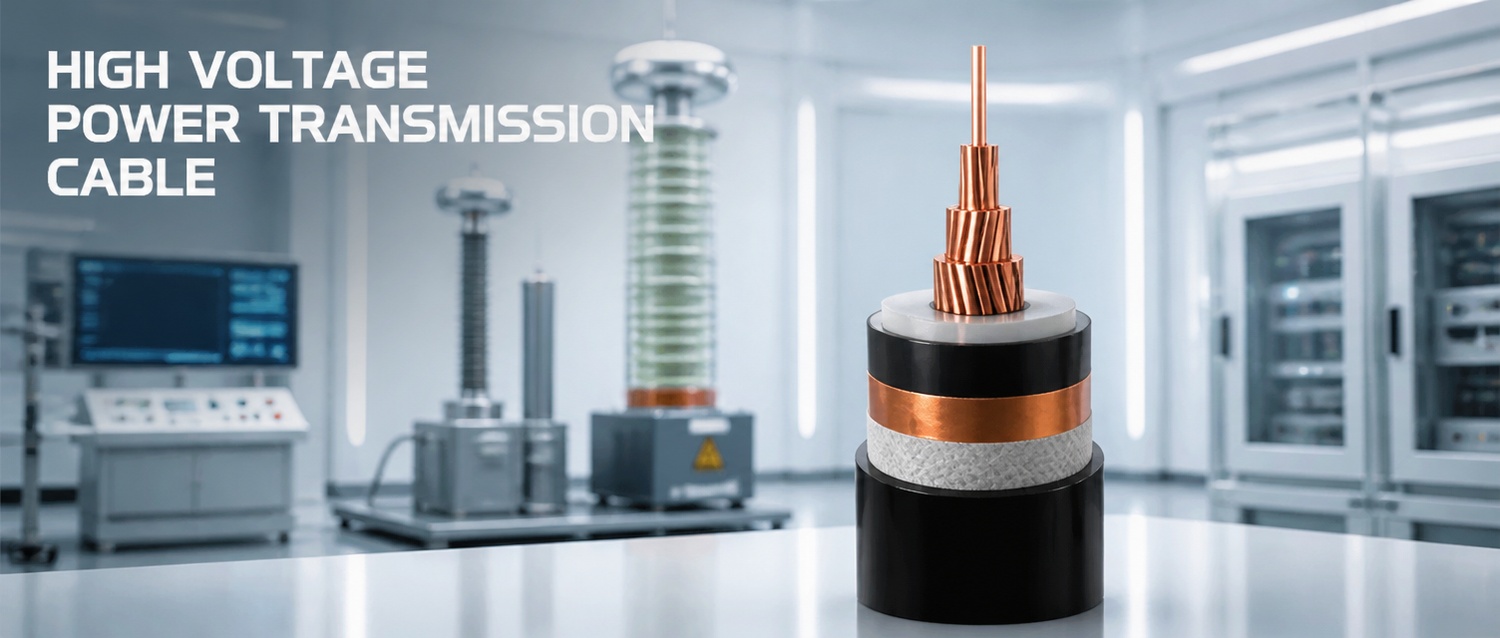
High-voltage (HV) cable refers to power cable used for transmission and distribution across the 1kV to 1000kV range. Within this broad spectrum, typical utility and industrial applications fall into well-defined voltage classes:
| Voltage Class | Typical Applications |
|---|---|
| 6–35kV | Primary distribution, industrial plants |
| 66–220kV | Transmission and sub-transmission networks |
| 290–500kV | Bulk power transmission, major substations |
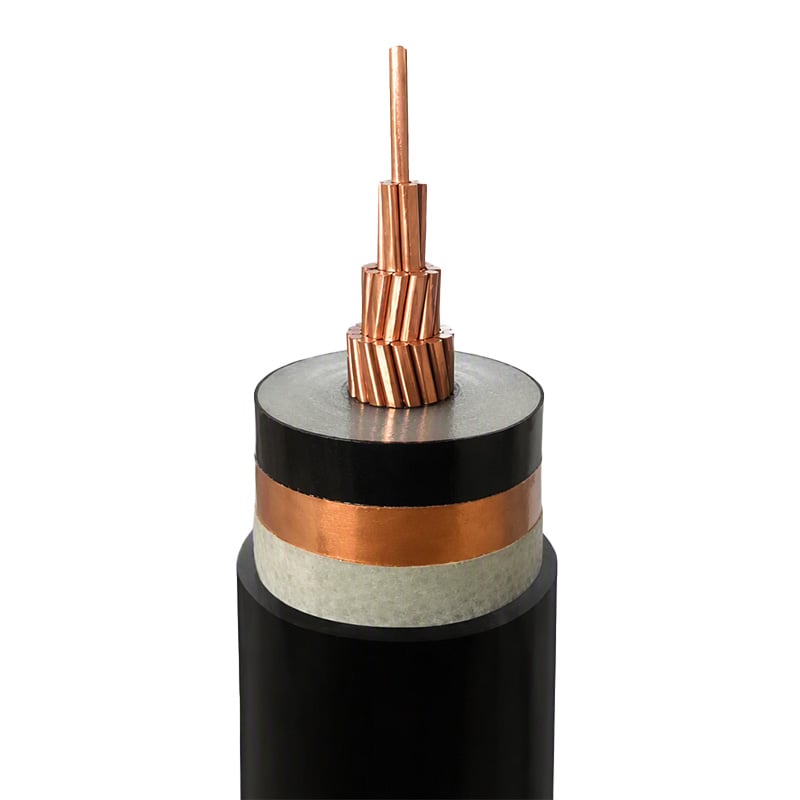
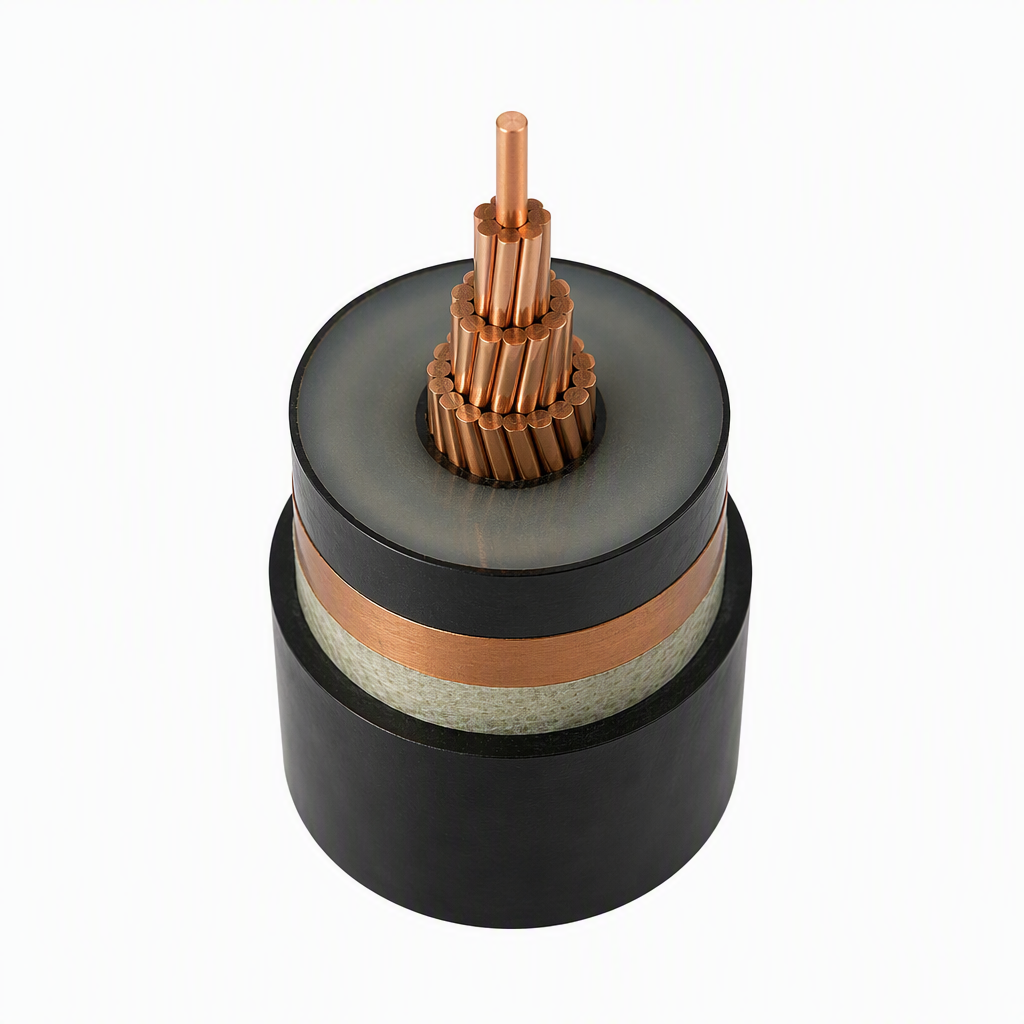
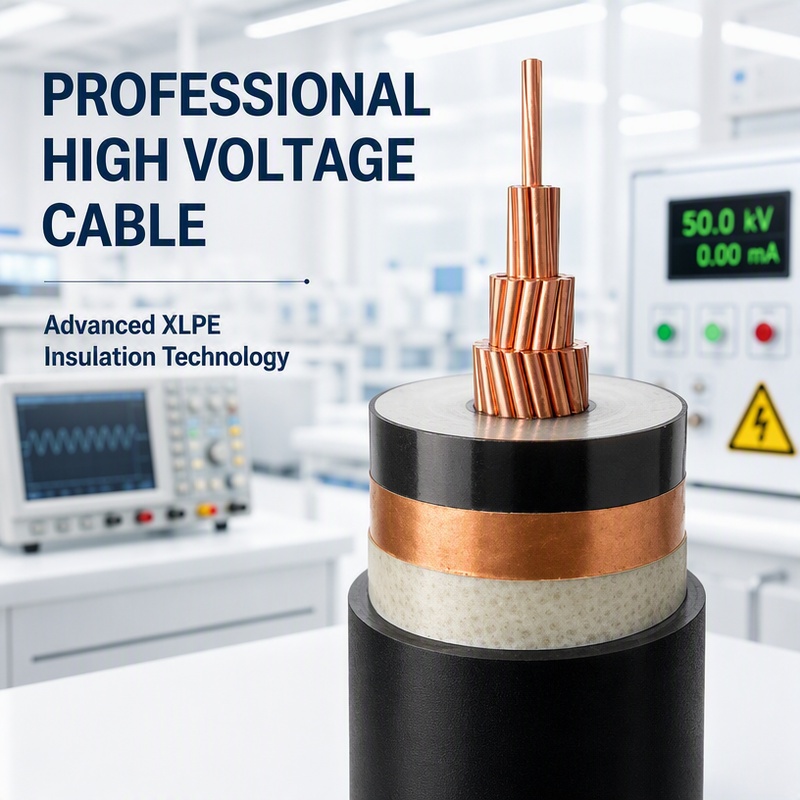
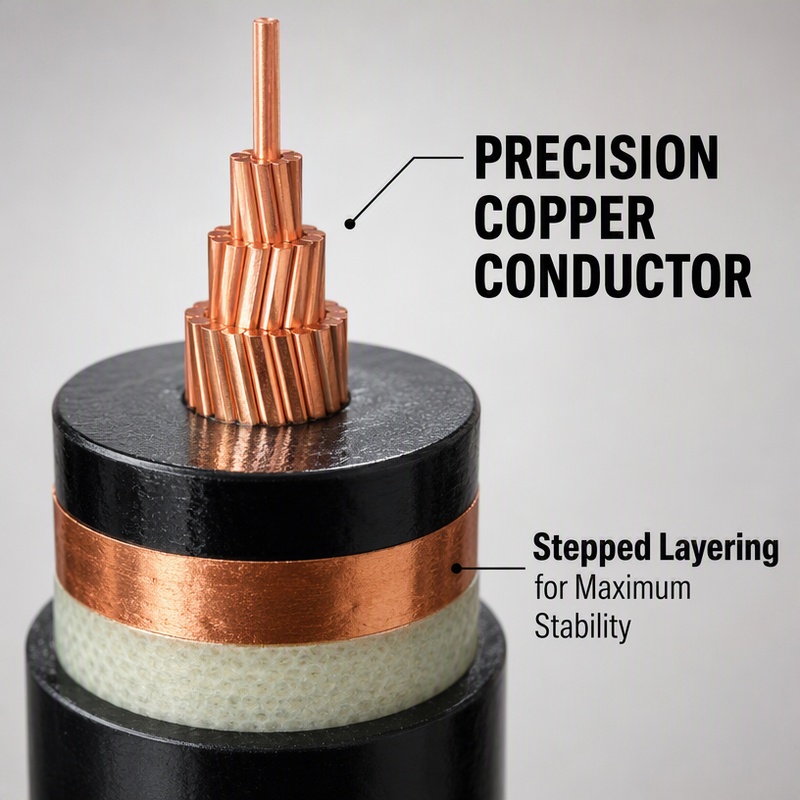
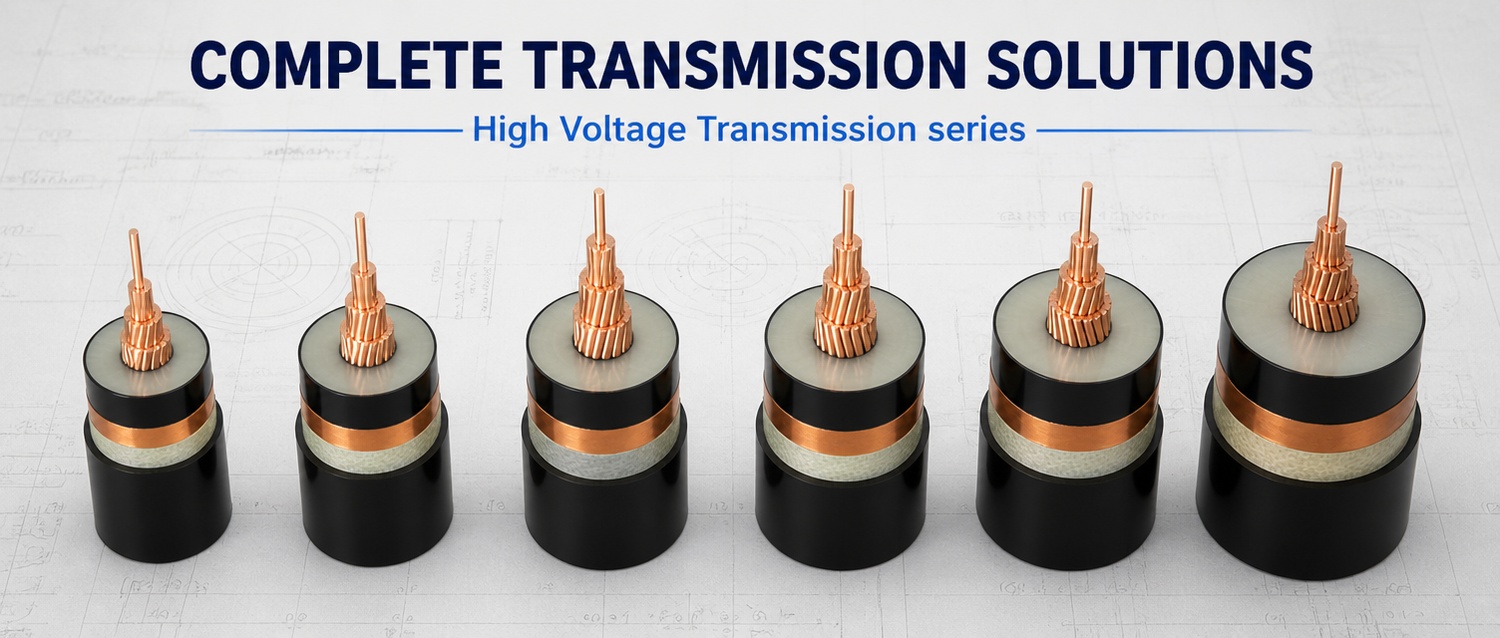
The reliable performance of high-voltage cable depends on a carefully engineered layer-by-layer construction:
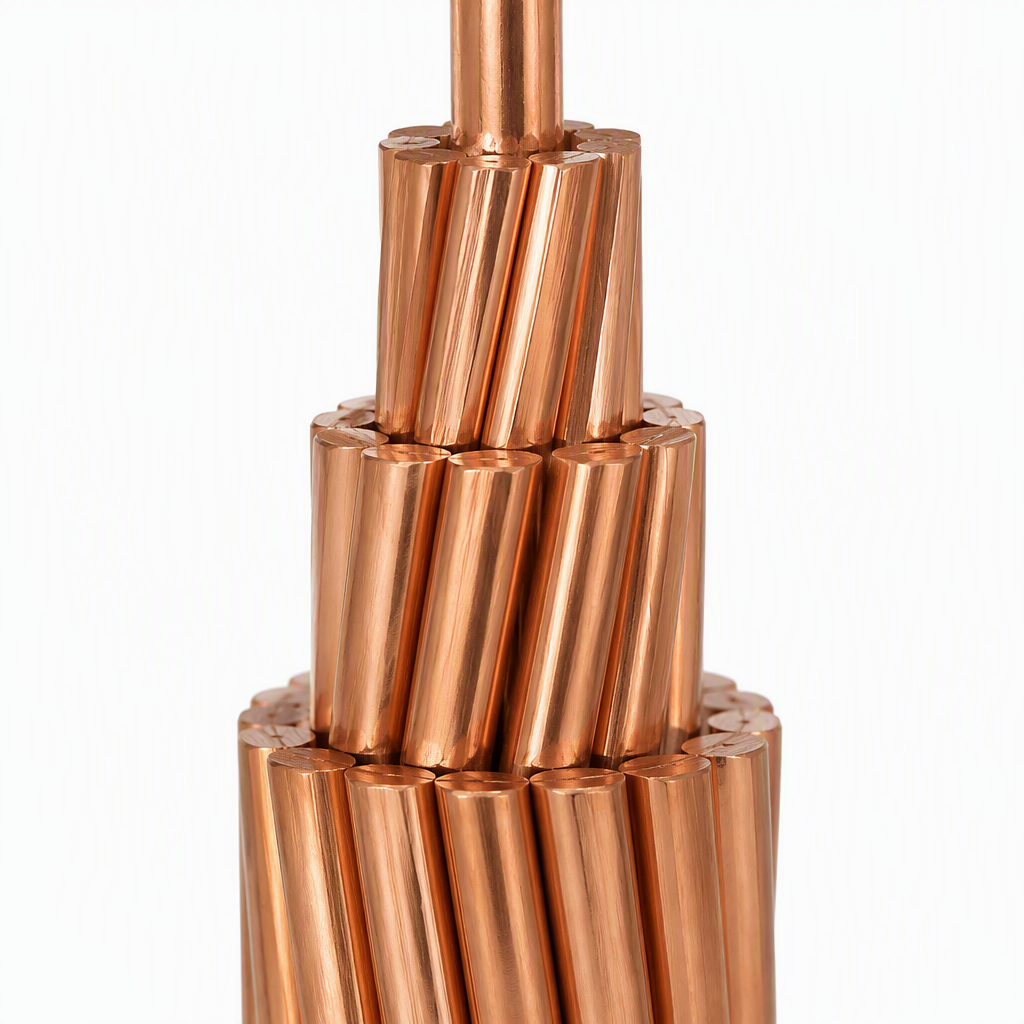
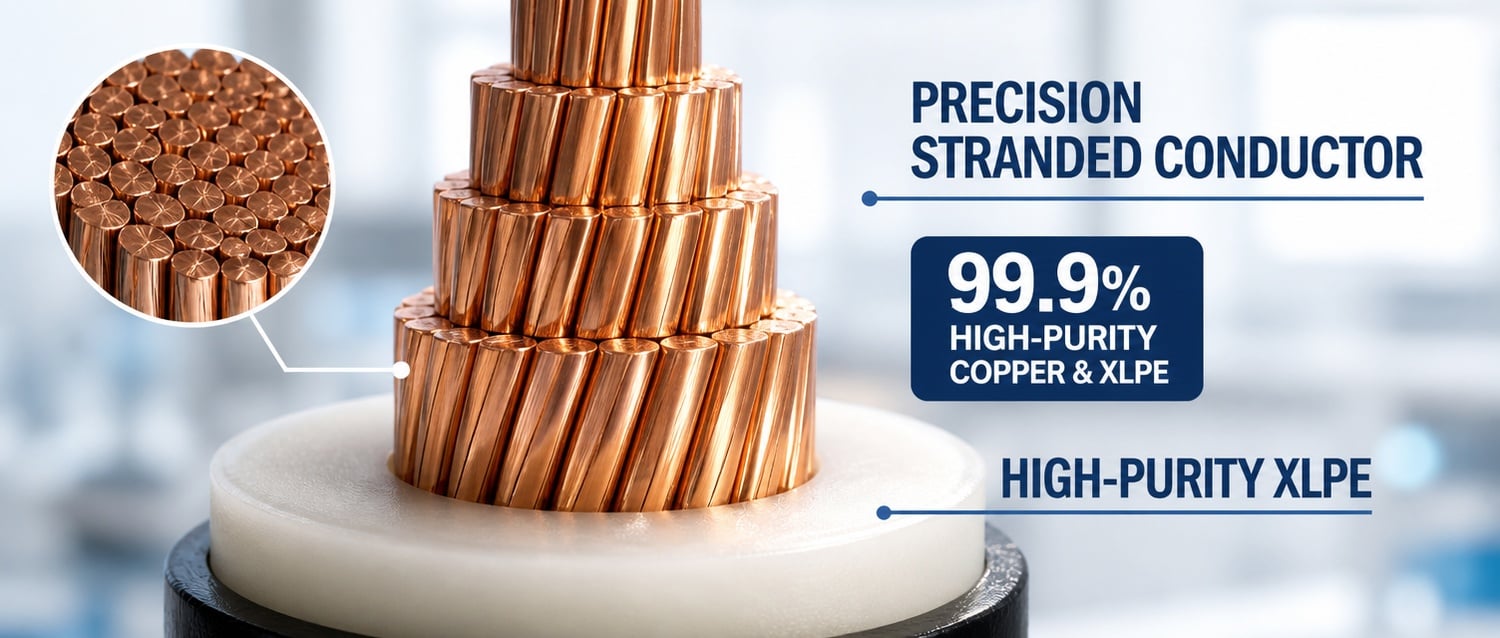
The conductor is the current-carrying core, typically manufactured from copper or aluminium. For large cross-sections, segmental conductor designs are used to maintain flexibility and improve current-carrying capacity.
A semiconducting layer applied directly over the conductor ensures a smooth electrical interface and eliminates voids that could create stress concentrations. This is critical for the long-term reliability of XLPE-insulated cables.
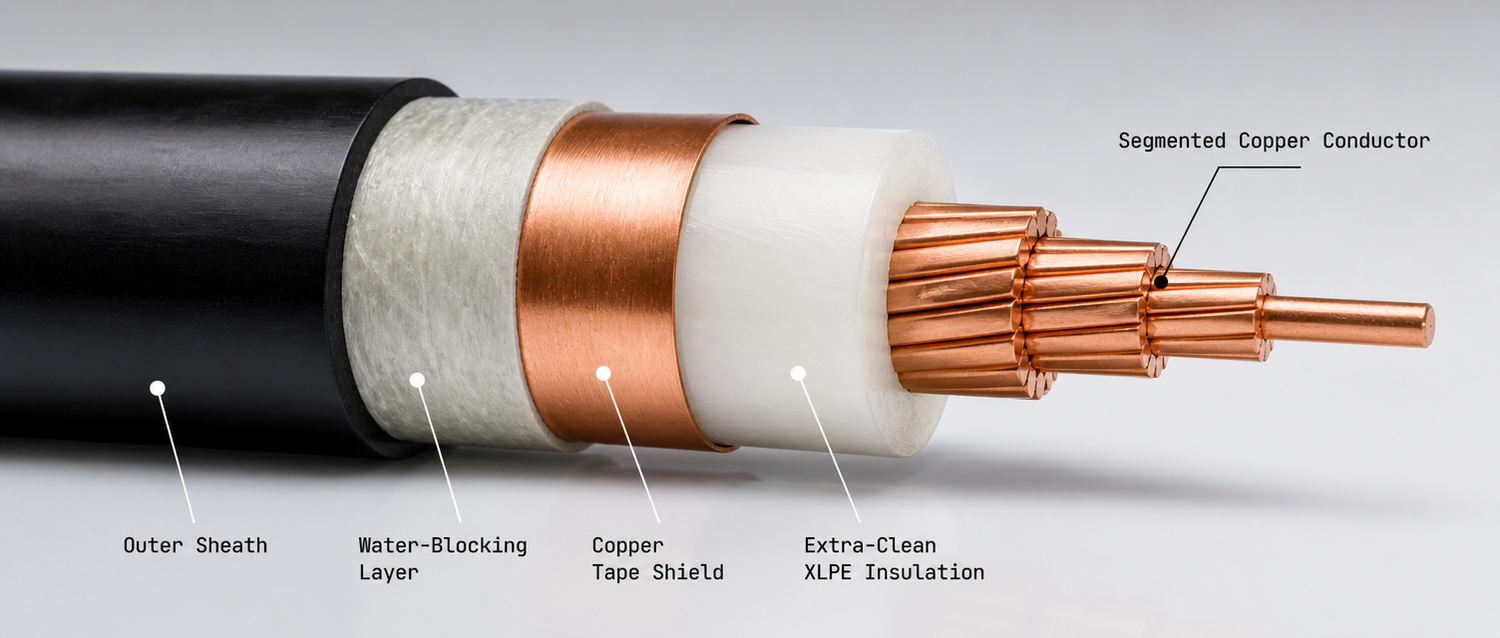
XLPE insulation is the industry standard for HV cables, replacing traditional oil-paper designs. XLPE provides:
High dielectric strength — excellent electrical insulation properties
Low dielectric loss — efficient power transmission
High thermal performance — 90°C continuous operating temperature
A semiconducting layer over the insulation collects and contains the electric field, working in conjunction with the metallic screen.
A metallic screen — either copper wire or a metallic sheath such as a corrugated aluminium or smooth aluminium tube — provides:
The outer sheath, typically PE or PVC, provides mechanical protection and resistance to moisture, chemicals, and UV exposure.
XLPE insulation provides significantly lower dielectric losses compared to traditional oil-paper designs, enabling efficient power transmission over long distances. The insulation system also allows higher operating temperatures, translating into greater current-carrying capacity for a given conductor size.
The 90°C continuous operating temperature rating and 250°C short-circuit withstand allow HV cables to handle the thermal stresses of grid operation and fault conditions without degradation. This thermal capability extends service life and increases system reliability.
The metallic screen ensures safe fault current dissipation and provides effective electromagnetic shielding. Modern designs use both corrugated and smooth aluminium sheaths; smooth aluminium designs offer better thermal performance and resistance to electrical corrosion.
XLPE-insulated cables require minimal maintenance compared to oil-filled alternatives. The solid dielectric design eliminates the need for oil pumping systems, reducing operational costs and environmental risks.
Compared to traditional oil-filled cables, XLPE HV cables are lighter and more flexible, simplifying handling, transport, and installation.
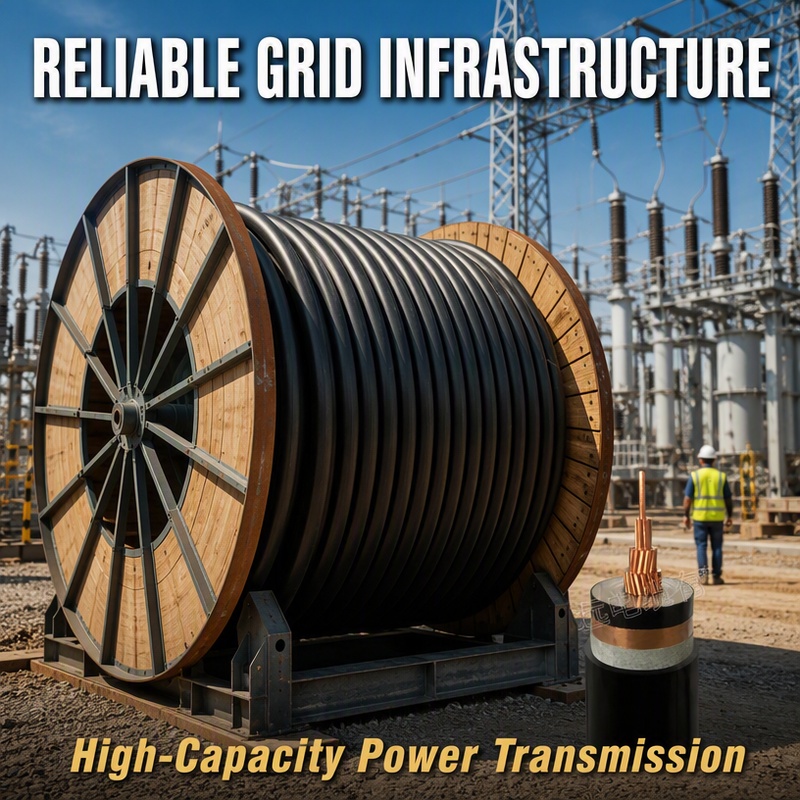
HV cables are the backbone of urban and intercity power networks, connecting substations, feeding city grids, and linking power plants to load centres.
Large industrial facilities — including mining, steelmaking, and petrochemical plants — require dedicated HV connections from the grid. HV cables provide secure, high-capacity power supply for these critical installations.
Wind farms and solar parks require reliable HV transmission to connect to the grid. HV cables provide the capacity and reliability needed for these remote, often environmentally exposed installations.
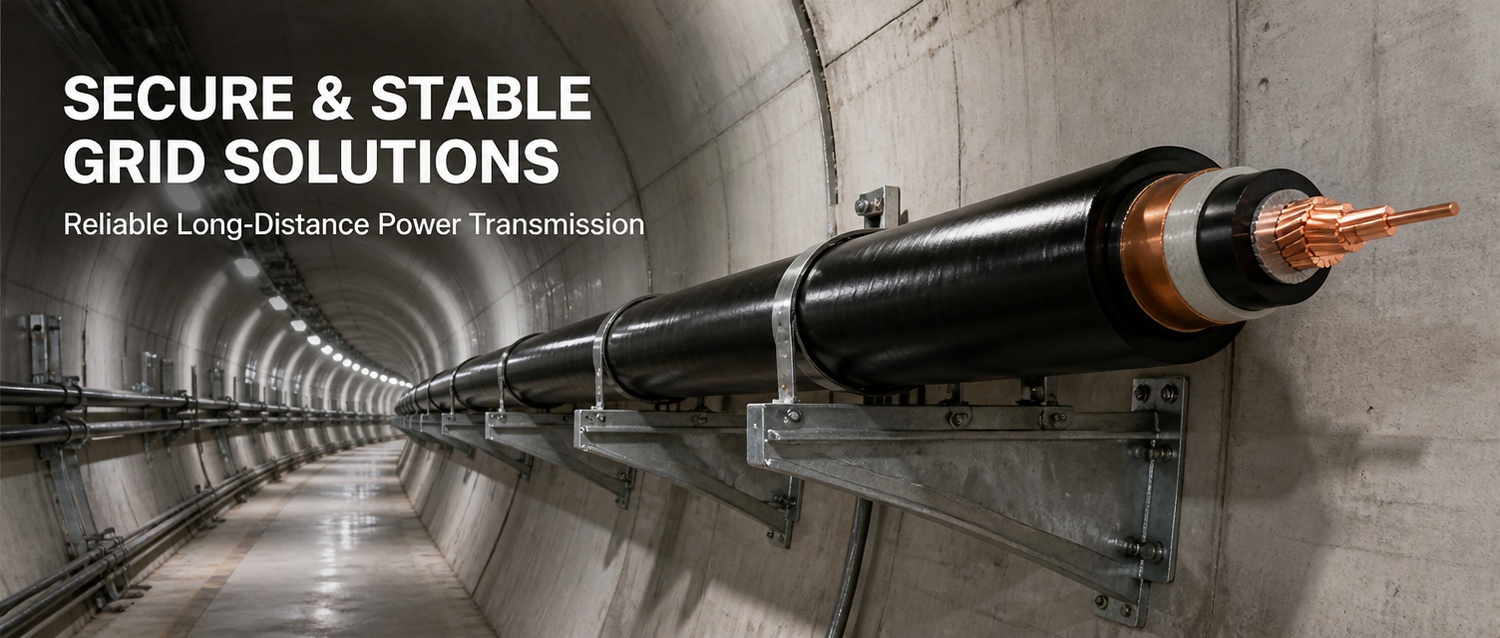
HV cables are essential for underground and submarine crossings, where overhead lines are impractical or undesirable. They serve as key links for island connections and offshore power transmission.
When specifying high-voltage cable, focus on the following:
Voltage rating: Match the cable’s U₀/U rating (e.g., 8.7/15kV, 26/35kV, 64/110kV) to the system’s operating voltage.
Conductor material: Copper for high conductivity or aluminium for cost optimisation.
Screening and sheath options: Lead-sheathed or corrugated/smooth aluminium sheath for water-blocking and mechanical protection.
Standards compliance: Ensure IEC compliance for international projects and local standards (e.g., GB/T for China) for domestic applications.
Volume orders, custom configurations, and pre-sales technical consultation are available. Anti-corrosion and export packaging options are provided for international shipments.
| Consideration | What This Cable Delivers |
|---|---|
| Core insulation | XLPE — high dielectric strength, low dielectric loss |
| Thermal performance | 90°C continuous, 250°C short-circuit withstand |
| Mechanical and electrical protection | Metallic screen and robust outer sheath |
| Installation flexibility | Lighter and more flexible than oil-filled alternatives |
| Long-term reliability | Proven performance in utility and industrial applications |
| Application coverage | Utility, industrial, renewable, submarine — the full HV range |
This high-voltage power cable is suited for utility companies seeking reliable transmission and distribution cabling, industrial plants needing secure high-power connections, renewable energy projects requiring efficient grid integration, and infrastructure contractors installing underground or submarine power links. Where conventional cables cannot handle the voltage, thermal, or mechanical demands, this HV cable delivers dependable performance — circuit after circuit, year after year.