
Supplier:Juxing
Dioctyl phthalate (DOP) with high plasticizing efficiency, low volatility, good low-temperature flexibility, and weather resistance for PVC and other resins.
Supplier:Juxing
Dioctyl phthalate (DOP) with high plasticizing efficiency, low volatility, good low-temperature flexibility, and weather resistance for PVC and other resins.
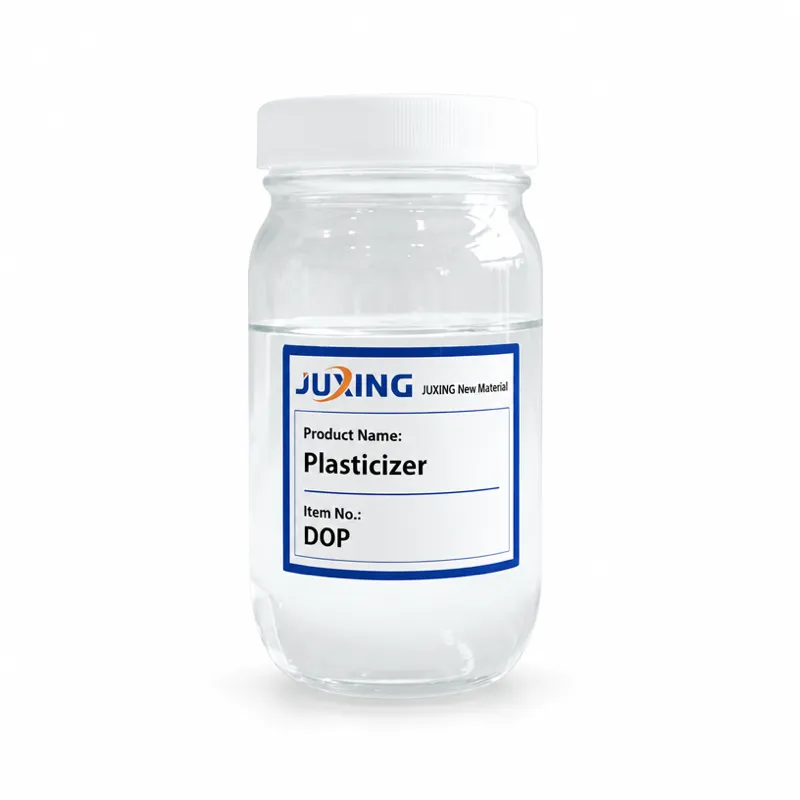
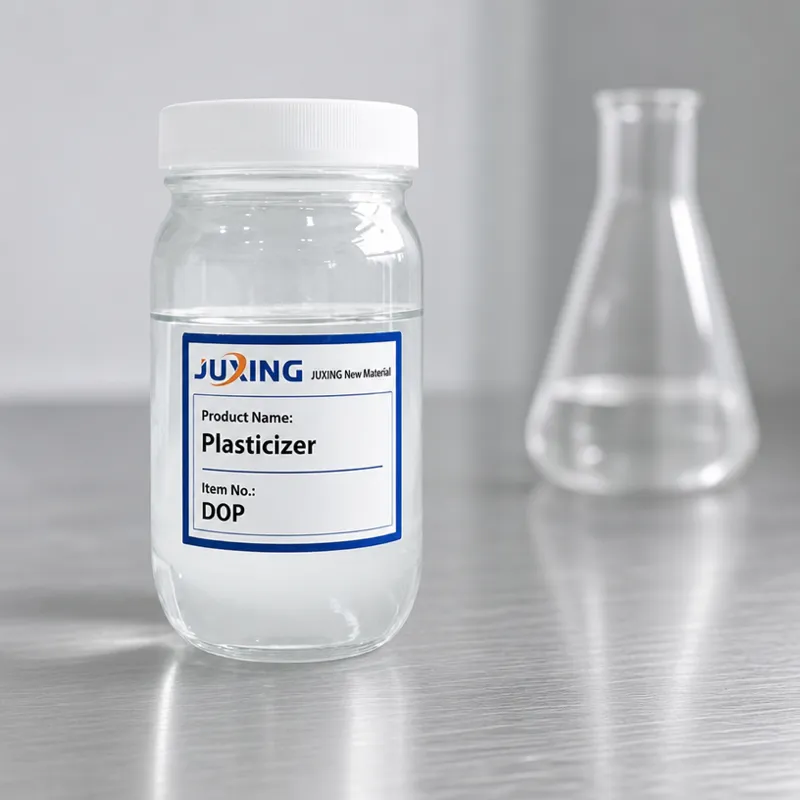
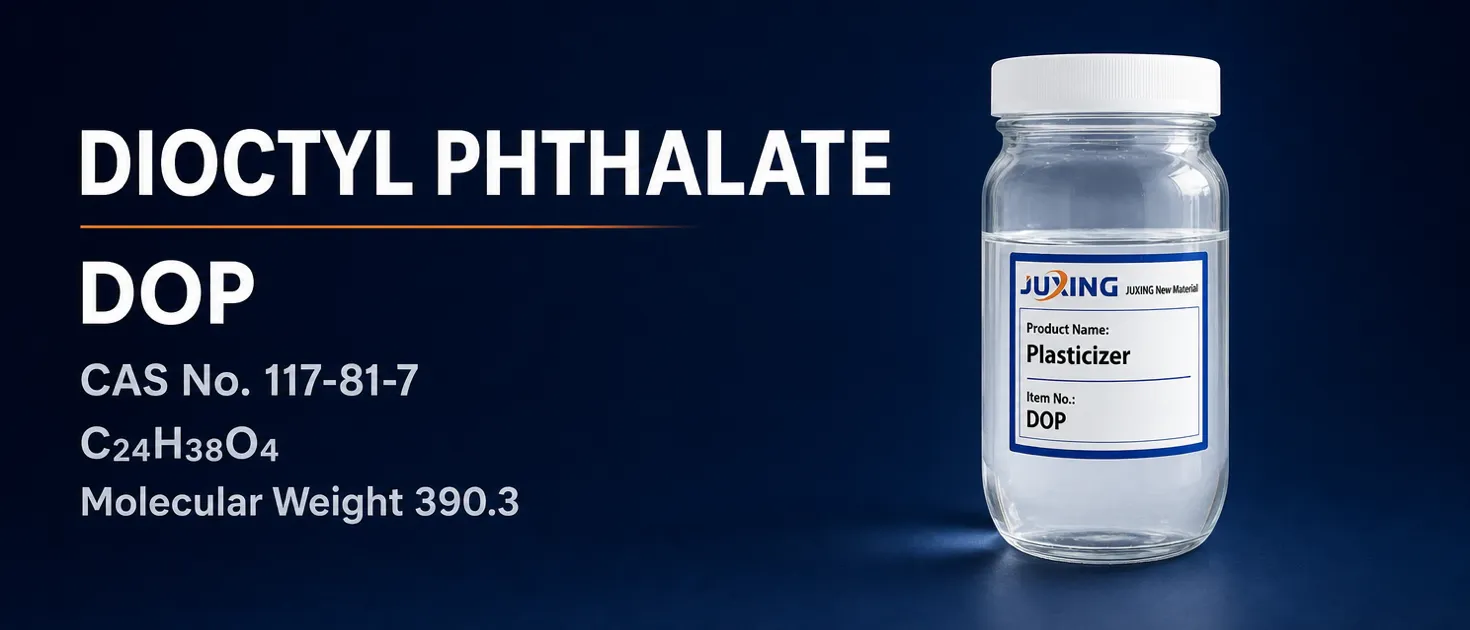
Dioctyl Phthalate (DOP), CAS 117-81-7, molecular formula C24H38O4, is a primary plasticizer widely used in PVC compounding and polymer processing. As a transparent liquid, Dioctyl Phthalate (DOP) imparts softness, flexibility, and durability to finished plastic goods. Sourced from JUXING New Material, this DOP grade is produced for industrial-scale PVC processing, chemical fiber manufacturing, and specialty resin applications. When evaluating plasticizer options for a production line, the key question is not just which grade is available but which grade matches your target formulation requirements and processing temperature range.
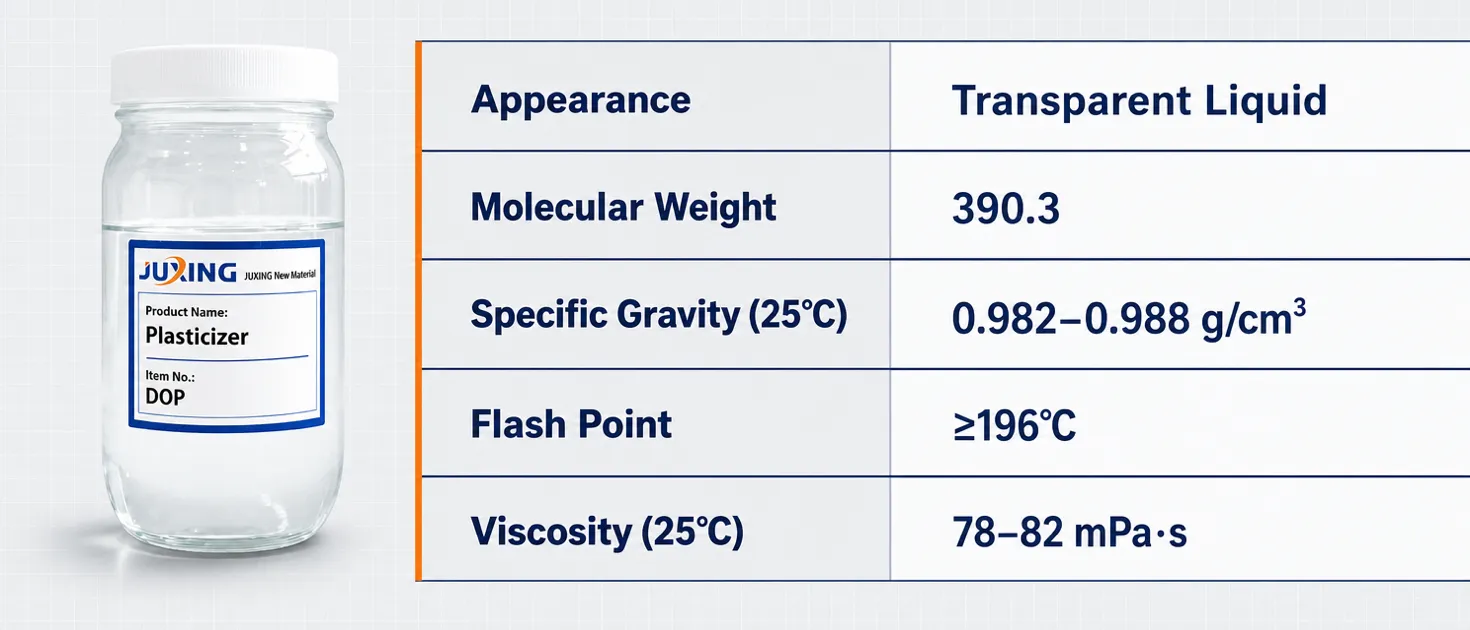
| Item | Specification |
| Grade | DOP |
| Chemical Name | Dioctyl Phthalate |
| CAS Number | 117-81-7 |
| Molecular Formula | C24H38O4 |
| Appearance | Transparent liquid |
| Specific Gravity at 20°C | Reference value (per TDS) |
| Flash Point | Minimum reference value (per TDS) |
| Viscosity at 20°C | Reference value range (per TDS) |
Specifications are compiled from provided TDS documents. Contact JUXING for precise numerical data applicable to your process conditions. When requesting a data sheet, specify your target compound formulation and processing temperature so the relevant parameter ranges can be confirmed against your application requirements.
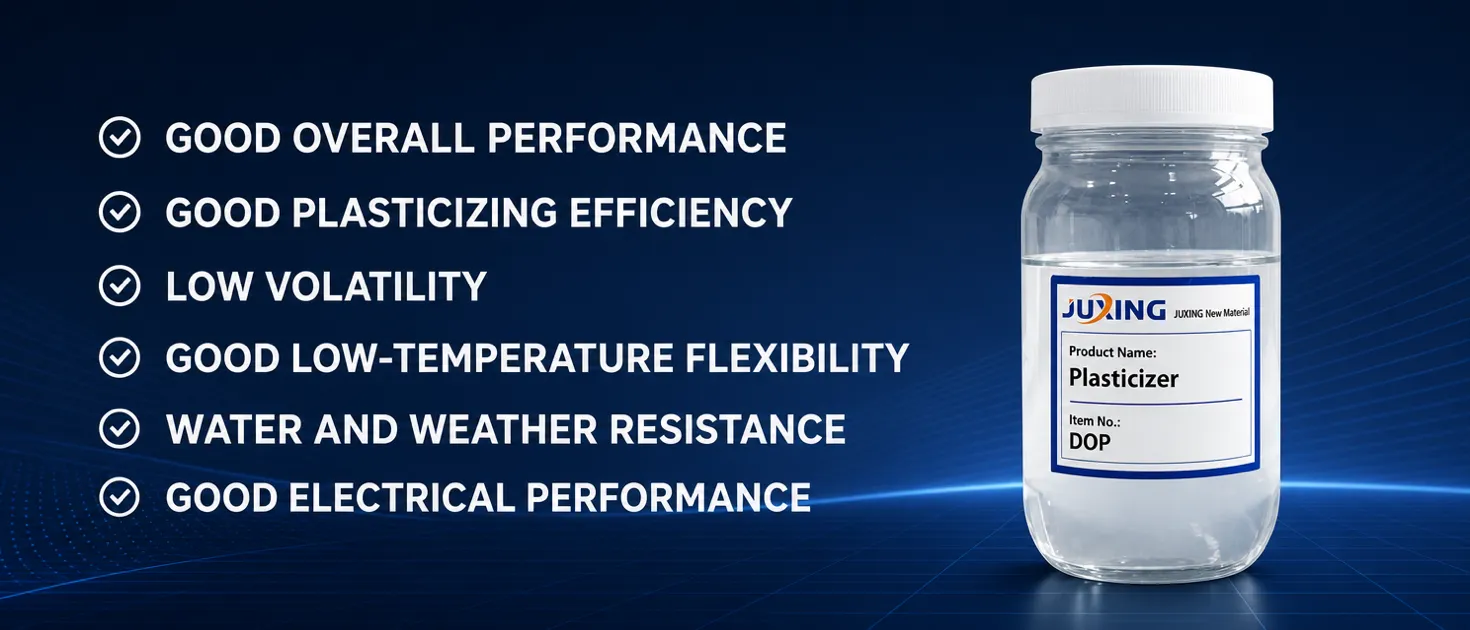
Dioctyl Phthalate (DOP) delivers a well-balanced performance profile for PVC and compatible resin systems. Here is what each characteristic means for production decisions:
DOP achieves high plasticizing efficiency relative to its molecular weight, meaning that for a given softness target in your PVC compound, the required loading of DOP may be lower than with less efficient plasticizers. Like a concentrated additive that achieves more per unit, Dioctyl Phthalate (DOP) reduces resin hardness effectively while keeping additive levels manageable. Confirm actual loading requirements through trial formulation before production-scale commitment, as the optimal loading varies with co-stabilizer package, processing temperature, and target shore hardness.
DOP's low volatility profile limits plasticizer migration from finished products over time, preventing the surface tackiness, embrittlement, and dimensional instability that higher-volatility alternatives can cause. For Dioctyl Phthalate (DOP) applications involving elevated service temperatures or extended outdoor exposure, this characteristic directly supports long-term dimensional and mechanical stability. If your end product has a multi-year service life requirement, confirm that volatility performance at the expected service temperature is within your acceptable loss range.
Dioctyl Phthalate (DOP) maintains favorable flexibility at sub-ambient temperatures, making DOP suitable for flexible PVC applications in cold climates — cable jacketing, outdoor sheeting, and profiles used in refrigerated environments where brittleness at low temperatures would cause product failure. This characteristic matters most when your finished product must remain pliable in sub-zero installation or service conditions.
DOP offers medium-level weather resistance, including resistance to UV degradation and water absorption, suitable for standard outdoor flexible PVC goods. Dioctyl Phthalate (DOP) also supports good dielectric performance in PVC cable insulation compounds. For general-purpose wire and cable formulations, DOP's combined electrical and weather-resistance profile provides a practical starting point. For specialty applications — medical cables, high-frequency data cables, or outdoor installations requiring extended UV stability — verify DOP performance against your specific technical standard before finalizing the formulation.
Dioctyl Phthalate (DOP) is used across a broad range of polymer processing industries. Matching DOP to your specific material system and end-use requirement is the practical selection decision — not simply confirming that DOP appears on an acceptable plasticizer list for a given resin.
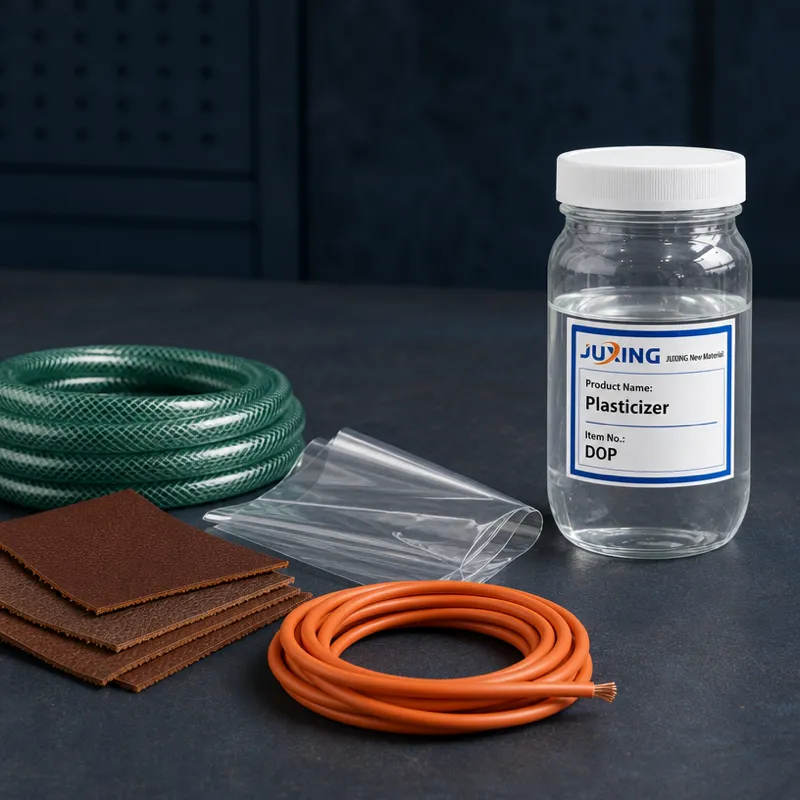
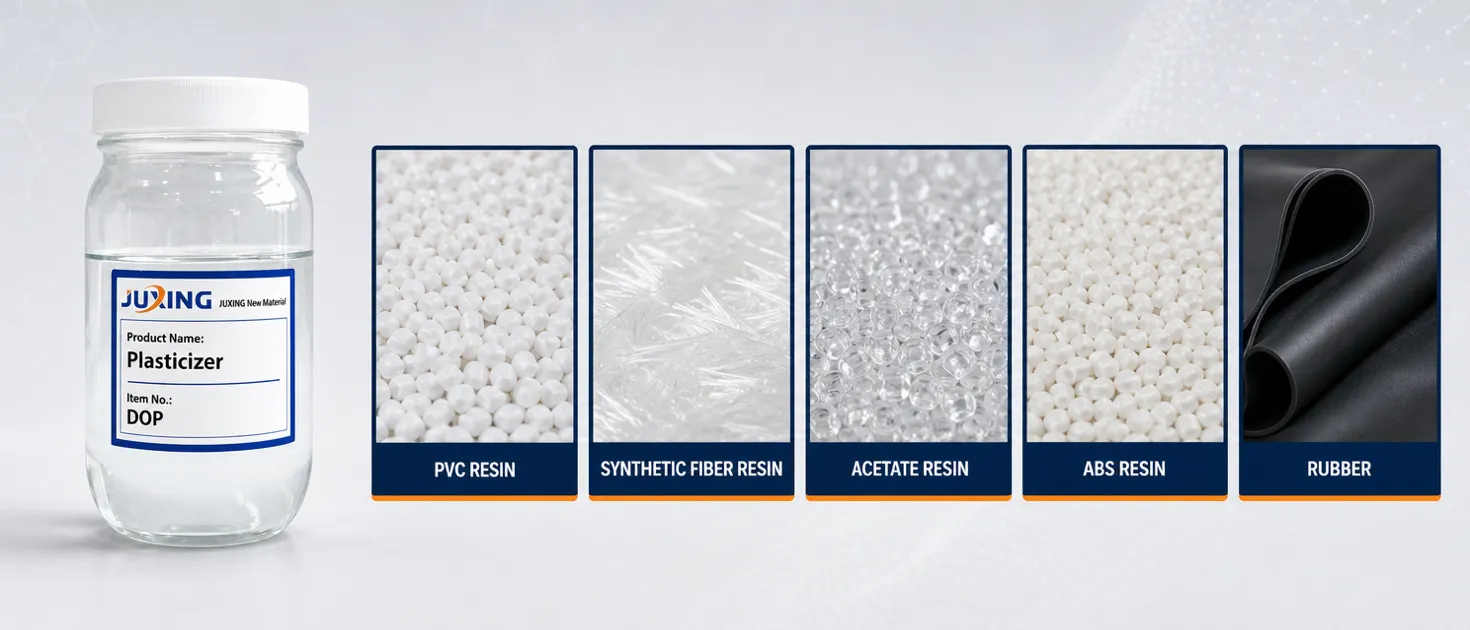
The primary application of Dioctyl Phthalate (DOP) is in PVC compounding. DOP is compatible with PVC resin across formulation types, from moderately rigid compounds to fully flexible materials. Wire and cable manufacturing, floor covering, wall cladding, automotive interior components, industrial hose, and flexible tubing all rely on DOP as a primary or co-plasticizer. Dioctyl Phthalate (DOP) offers a well-established processing history and stable commercial availability for PVC production lines at varying scales. For a procurement team sourcing DOP for the first time, the key evaluation criteria are batch consistency, TDS documentation completeness, and packaging format compatibility with your receiving operation.
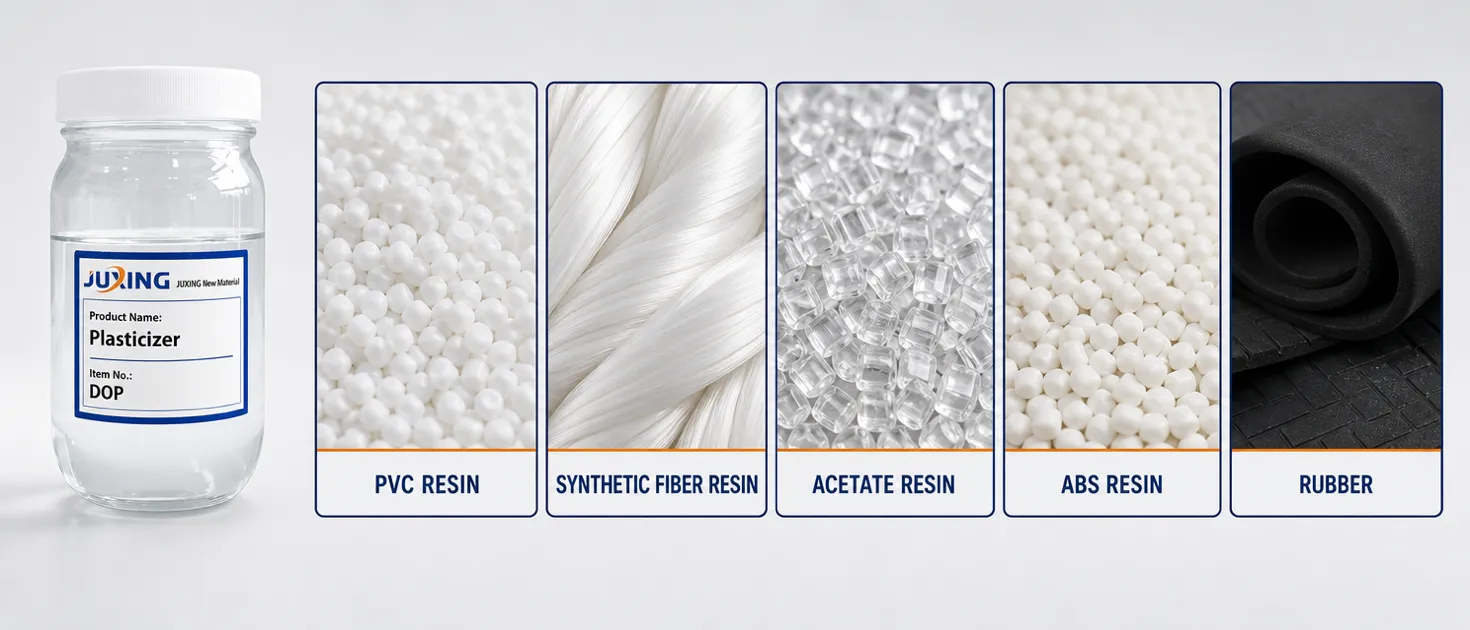
Beyond PVC, Dioctyl Phthalate (DOP) is used in chemical fiber resin processing, acetate resin systems, ABS resin, and rubber processing where its mixing-mill compatibility and processing performance are valued. DOP's broad resin compatibility makes it a candidate for facilities processing multiple polymer types, subject to formulation compatibility confirmation per resin type and application.
DOP also functions as a functional additive in certain coating, dye carrier, and dispersing agent formulations, contributing to film flexibility and processing compatibility. Confirm suitability for specific coating systems with your formulation chemist, as regulatory requirements and performance expectations vary substantially by end-use and export market.
Dioctyl Phthalate (DOP) is available in three packaging formats to accommodate different import volumes and on-site handling setups:
Before placing your Dioctyl Phthalate (DOP) import order, confirm packaging format compatibility with your receiving facility, local liquid chemical storage regulations, and unloading equipment availability. Getting this right before shipment avoids logistical complications at destination that can delay production starts.
JUXING New Material supplies Dioctyl Phthalate (DOP) with accumulated technical experience in PVC, rubber, and specialty resin processing. For procurement teams building a new DOP supply relationship — especially those sourcing from Chinese manufacturers for the first time — these considerations are worth addressing during supplier evaluation:
Buying Dioctyl Phthalate (DOP) at the lowest available price without verifying batch-to-batch consistency is a procurement risk that shows up as formulation variability in your compounding operation. Consistent plasticizing efficiency and stable physical properties across batches are the DOP specifications that most directly protect downstream compound performance and finished product quality. A reliable supply chain for Dioctyl Phthalate (DOP) is worth more to a production operation than a marginal price saving that creates rework or customer quality claims.
JUXING provides technical data sheets for DOP, supports application inquiries, and offers packaging configurations for international sea freight. For importers, confirm packaging integrity standards, import documentation requirements, and the applicable HS commodity code for Dioctyl Phthalate (DOP) in your destination market before shipment to avoid customs processing delays.
Dioctyl Phthalate (DOP), CAS 117-81-7, is a well-established primary plasticizer with a long commercial history. For applications where phthalate plasticizer restrictions apply — certain food contact materials, children's toys, or medical devices in regulated markets — verify compliance with applicable regulations before incorporating DOP into your formulation. DOP suitability in restricted end-uses varies by jurisdiction and specific application type.