What Should Contractors Consider Before Installing Artificial Turf?
Installing artificial turf on residential or commercial properties requires careful planning and understanding of multiple technical and operational factors. Contractors who take time to evaluate site conditions, client expectations, and long-term implications will deliver better results and avoid costly mistakes. This guide examines the critical considerations that should inform every artificial turf project, from initial assessment through installation completion.
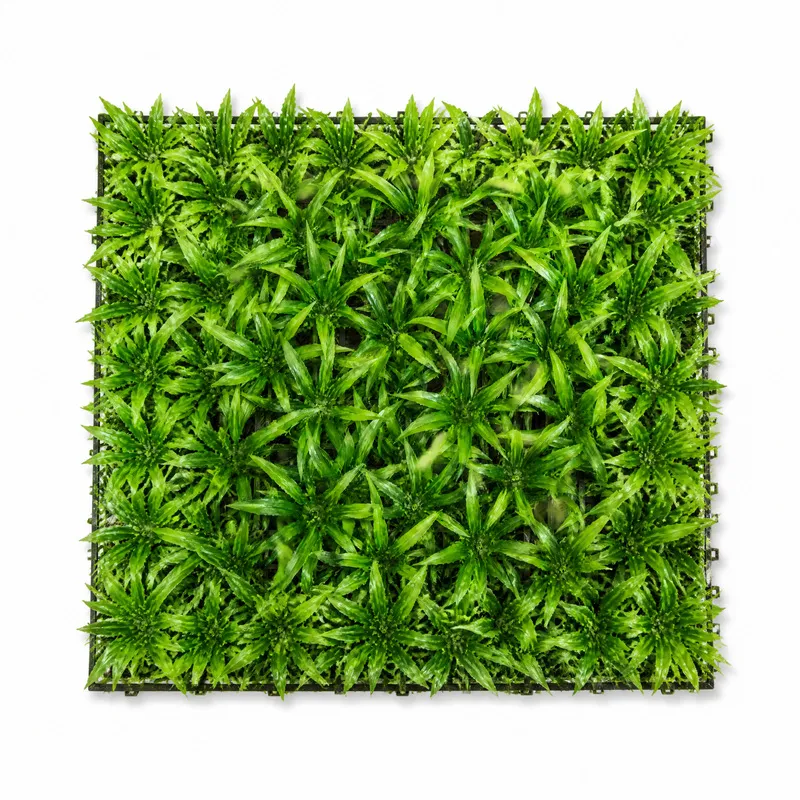
Before committing to a synthetic grass installation project, contractors must assess the property's existing conditions, understand the specific product characteristics, and clearly define maintenance expectations with clients. The decision to proceed with artificial turf depends on evaluating drainage systems, base preparation requirements, climate suitability, and the intended use of the space. Each of these elements significantly impacts both the installation process and the long-term performance of the finished lawn.
Site Assessment and Substrate Preparation
Evaluating Drainage and Soil Composition
Proper drainage is fundamental to artificial turf success. Contractors must examine existing soil composition, slope, and water management systems before proceeding. Poor drainage can trap moisture beneath the synthetic grass, creating mold, algae, and unpleasant odors that compromise the installation. A thorough site evaluation identifies whether improvements to drainage infrastructure are necessary and whether the existing base can support synthetic grass installation without modification.
Different soil types behave differently under an artificial turf system. Clay-heavy soils retain water and may require additional sub-base preparation, while sandy soils drain quickly but may shift under foot traffic. Contractors should test soil permeability and consider installing a proper base layer, such as gravel or engineered aggregates, to ensure long-term stability and drainage performance. Understanding local groundwater levels and seasonal water accumulation patterns helps prevent expensive failures.
Base Layer Construction Requirements
A properly constructed base layer is essential for synthetic grass installation durability and performance. Contractors typically need to remove existing sod and debris, then install multiple layers of compacted material. The standard approach includes a geotextile membrane to prevent soil migration, followed by crushed stone or recycled asphalt as the primary base, and sometimes a secondary layer of finer material for finish grading. Each layer must be compacted to specification to prevent settling and surface irregularities.
The depth and composition of the base depends on expected foot traffic and climate conditions. Heavy-use areas and regions with significant freeze-thaw cycles demand more robust construction. Contractors must calculate proper dimensions, account for material settling, and ensure the final surface is level within one-eighth inch over ten feet. Skipping or rushing base preparation often leads to uneven surfaces, poor drainage, and premature degradation of the artificial turf.
Synthetic Grass Product Selection and Installation Specifications
Understanding Product Specifications and Performance Ratings
Not all synthetic grass products perform equally across different applications. Contractors should evaluate artificial turf options based on pile height, weight per square yard, fiber material (polyethylene, polypropylene, or nylon), and infill type. Residential applications may differ from sports fields or high-traffic commercial spaces in their performance requirements. Understanding specifications like UV resistance, drainage rate, and wear characteristics helps contractors select products suited to the client's climate and usage patterns.
Infill materials significantly affect performance and artificial turf maintenance demands. Sand, crumb rubber, and silica combinations offer different benefits and drawbacks regarding drainage, compaction, temperature regulation, and durability. Some infill materials require more frequent maintenance, while others may raise environmental or health considerations. Contractors must communicate these differences clearly to clients and ensure the chosen product matches the site conditions and intended use.
Installation Techniques and Seam Management
Proper installation methodology directly impacts the longevity and appearance of synthetic grass installations. Contractors must ensure accurate measurements, correct orientation of grass pile for uniform appearance, and meticulous seaming technique. Seams represent potential weak points where water can penetrate or where edges may separate under stress. Professional seaming requires specialized adhesive, proper surface preparation, and adequate curing time before the area receives traffic.
Edge finishing and transitions to hardscape elements require attention to detail during installation. Transitions to pavers, decks, or existing concrete demand careful planning to avoid tripping hazards and ensure proper water flow. Contractors should use edge restraints and proper infill distribution to keep the synthetic grass secure and prevent edge unraveling over time. Quality installation practices result in a finished product that looks professional and performs reliably for years.
Client Expectations and Long-Term Maintenance Planning
Establishing Clear Maintenance Expectations
Artificial turf maintenance differs significantly from natural lawn care, and contractors must educate clients about realistic upkeep requirements before installation begins. While synthetic grass eliminates mowing and watering, regular maintenance including brushing to restore pile texture, infill replenishment, debris removal, and occasional deep cleaning remains necessary. The frequency and intensity of artificial turf maintenance depend on usage levels, pet activity, and climate exposure.
Setting realistic maintenance expectations prevents misunderstandings and dissatisfaction after installation. Contractors should provide detailed care instructions, recommend seasonal tasks, and clarify which services are the homeowner's responsibility versus what requires professional attention. Pet-friendly artificial turf requires additional care to manage odor and drainage. Shade and freeze-thaw cycles in cold climates may necessitate specific maintenance approaches to prevent algae and moss growth.
Evaluating Fake Lawn Cost and Benefits
The fake lawn cost and benefits equation extends beyond initial installation price. Contractors should help clients understand the total cost of ownership, including removal of existing landscaping, base preparation, the artificial turf itself, and anticipated maintenance expenses. Initial costs are higher than natural grass, but long-term savings from eliminated watering, fertilizer, and mowing may justify the investment, particularly in drought-prone regions or properties with high water costs.
Benefits of artificial turf include year-round green appearance, reduced water consumption, elimination of lawn chemicals, and consistent playability for sports applications. However, limitations exist including potential temperature buildup, initial cost, eventual replacement needs, and environmental considerations regarding infill disposal. Contractors who honestly discuss both advantages and limitations help clients make informed decisions aligned with their budget, environmental priorities, and long-term property goals.
FAQ
How long does artificial turf typically last before replacement becomes necessary?
Quality artificial turf generally lasts 15 to 20 years with proper maintenance, though durability varies based on product quality, installation precision, climate conditions, and usage intensity. Heavy foot traffic and intense UV exposure may shorten lifespan, while well-maintained installations in moderate-use areas can exceed expected duration. Contractors should discuss expected lifespan with clients and factor replacement costs into long-term planning discussions.
Can artificial turf be installed over existing concrete or hardscape surfaces?
Installing synthetic grass installation directly over concrete is possible but requires careful consideration of drainage and temperature management. Proper preparation includes ensuring the concrete surface is clean and slightly roughened, and adding appropriate sub-base material to manage water drainage and reduce heat buildup. Without adequate preparation, water can accumulate beneath the synthetic grass, creating drainage problems and potential damage to underlying structures.
What should contractors evaluate regarding climate suitability for artificial turf projects?
Climate factors significantly impact artificial turf performance and maintenance needs. Contractors should evaluate UV intensity, rainfall patterns, temperature extremes, freeze-thaw cycles, and humidity levels in the project location. Hot climates may cause temperature issues and accelerate infill degradation, while cold climates may complicate installation and maintenance. Understanding local climate conditions helps contractors recommend appropriate products and installation techniques that maximize performance and durability for the specific geographic region.