Why Is Power Efficiency Important When Comparing Electric Tools for Industry?
Power efficiency stands as a critical factor when evaluating and selecting electric tools for industrial applications. The performance and operational cost of any electric tools directly depend on how effectively the equipment converts electrical energy into productive work. Understanding power efficiency helps businesses reduce energy consumption, lower operating expenses, and make informed purchasing decisions that align with production demands and environmental standards.
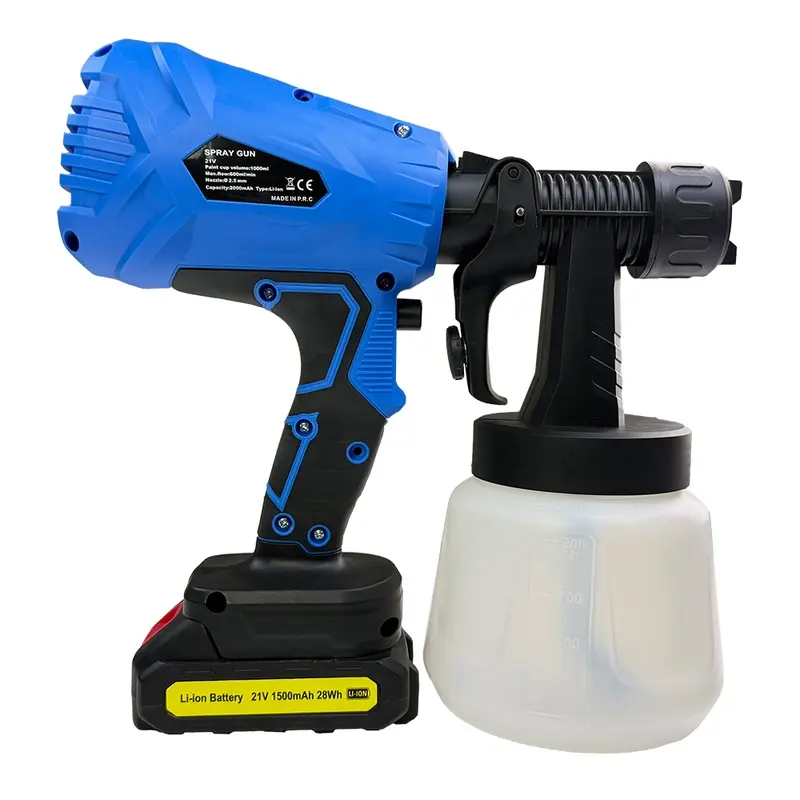
Industrial facilities rely on consistent, dependable equipment to maintain production schedules and output quality. Selecting the right electric tools with superior power efficiency specifications ensures minimal downtime, reduced energy bills, and extended equipment lifespan. Heavy duty electric tool specifications increasingly emphasize efficiency ratings, motor performance, and real-world operational data to help industrial buyers distinguish between premium and standard options.
Understanding Power Efficiency in Industrial Electric Tools
How Efficiency Impacts Operating Costs
Power efficiency directly translates to reduced electricity consumption during operation. When electric tools convert more input energy into useful output rather than waste heat, facilities achieve lower utility bills and improved profitability. Heavy duty electric tool specifications often list efficiency percentages that indicate how well motors and drive systems utilize available power. A tool rated at 92 percent efficiency delivers substantially more useful work than one rated at 78 percent from the same electrical input.
Industrial operators running tools for extended hours accumulate significant energy expenses over weeks and months. Choosing equipment with higher efficiency ratings reduces this cumulative cost burden. Many facilities discover that investing in premium electric tools with superior efficiency ratings delivers payback within one to three years through reduced energy consumption alone. This economic advantage becomes more pronounced when multiplied across dozens of tools and continuous production cycles.
Motor Performance and Thermal Management
Efficient electric tools generate less waste heat during operation, which reduces thermal stress on internal components and cooling systems. Heavy duty electric tool specifications typically include thermal management features that protect motors from overheating and degradation. Superior power efficiency means motors operate cooler, extending component lifespan and reducing maintenance interventions. Equipment that runs at lower temperatures experiences less material fatigue and enjoys longer intervals between service calls.
Battery Life and Cordless Power Tools Performance
Maximizing Cordless Power Tools Battery Life
Cordless power tools battery life depends heavily on motor efficiency and energy management systems. Tools with poor efficiency drain batteries faster, requiring more frequent charging and reducing productivity throughout the workday. Cordless power tools battery life extends significantly when motor design emphasizes efficient energy conversion and minimizes parasitic losses. Industrial users benefit from tools engineered to extract maximum runtime from each charge cycle.
Battery chemistry and charging infrastructure work together with motor efficiency to determine practical operational capacity. Advanced cordless power tools battery life management systems monitor power draw, adjust motor performance dynamically, and communicate battery state to users. When electric tools incorporate intelligent power management alongside efficient motors, teams experience fewer mid-shift battery failures and maintain consistent output quality. Heavy duty electric tool specifications increasingly highlight battery runtime under real-world load conditions rather than theoretical maximums.
Selecting Batteries for Industrial Applications
Industrial facilities operating cordless power tools must match battery specifications to expected duty cycles and environmental conditions. Higher capacity batteries support extended runtime, but efficiency gains matter when tools operate in demanding environments with temperature extremes or sustained load requirements. Cordless power tools battery life degrades faster in cold conditions, making efficient motors especially valuable for outdoor or unheated facility operations. Facilities should evaluate both battery capacity and motor efficiency when calculating total cost of ownership for cordless systems.
Safety Features and Maintenance of Industrial Electric Tools
Critical Safety Features and Compliance Standards
Electric tool safety features and maintenance protocols protect operators and extend equipment reliability. Overload protection systems automatically shut down motors when excessive force stalls the tool, preventing damage and operator injury. Ground fault protection, thermal cutoffs, and emergency stop mechanisms form essential layers in comprehensive safety design. Heavy duty electric tool specifications must include documentation of all safety certifications, voltage tolerances, and emergency response capabilities.
Industrial environments demand electric tool safety features and maintenance routines that exceed consumer-grade standards. Tools operating in wet conditions, explosive atmospheres, or high-vibration settings require specialized certifications and design considerations. Efficient motors that run cooler help safety systems function more reliably, as thermal overload thresholds remain well below component damage points. Manufacturers specify preventive maintenance intervals in electric tool safety features and maintenance guides to ensure operators maintain safety-critical components.
Preventive Maintenance and Operational Reliability
Regular maintenance preserves both safety performance and energy efficiency across the lifespan of electric tools. Inspecting motor windings, checking electrical connections, and replacing worn brushes or seals maintains the efficiency ratings documented in heavy duty electric tool specifications. Dust accumulation, moisture infiltration, and mechanical wear gradually degrade efficiency and increase fault risk. Facilities implementing scheduled maintenance programs report 20 to 40 percent fewer unexpected failures and maintain consistent power efficiency performance.
Documentation of electric tool safety features and maintenance activities creates valuable compliance records and performance baselines for equipment assessment. Tracking maintenance costs and efficiency metrics over time reveals when tools require replacement or refurbishment. Operators trained on proper handling techniques, cleaning procedures, and lubrication schedules extend tool lifespan while preserving safety and efficiency characteristics that justify initial equipment investment.
FAQ
Why should industrial buyers prioritize power efficiency ratings over lower purchase prices?
Power efficiency directly impacts operating costs across the entire equipment lifespan. Electric tools with superior efficiency ratings reduce electricity consumption, generate less waste heat, and experience fewer thermal-related failures. These benefits accumulate to offset higher upfront costs within months or years, while lower-efficiency equipment continues draining operational budgets indefinitely. Industrial decision-makers who evaluate total cost of ownership rather than initial purchase price consistently choose higher-efficiency electric tools and realize better financial outcomes.
How does cordless power tools battery life improve with efficient motor design?
Efficient motors convert more electrical energy into useful work rather than dissipating it as heat, allowing cordless power tools battery life to extend substantially. A tool with 90 percent motor efficiency delivers 12 percent more runtime than one with 80 percent efficiency from an identical battery charge. Advanced motor designs, optimized power electronics, and intelligent energy management systems maximize cordless power tools battery life by reducing parasitic losses throughout the power conversion chain. Industrial teams switching to efficient cordless systems report 15 to 25 percent improvements in battery runtime and productivity.
What maintenance practices preserve electric tool safety features and efficiency performance?
Regular inspection and preventive maintenance preserve both electric tool safety features and efficiency performance over time. Cleaning dust and debris, checking electrical connections, lubricating mechanical components, and replacing worn parts maintain motor efficiency and safety system reliability. Facilities should establish scheduled maintenance intervals based on manufacturer recommendations and operational intensity. Electric tool safety features and maintenance documentation provides essential guidance for preserving equipment condition and ensuring operator safety throughout the tool's service life.