Supplier:GaoYuan
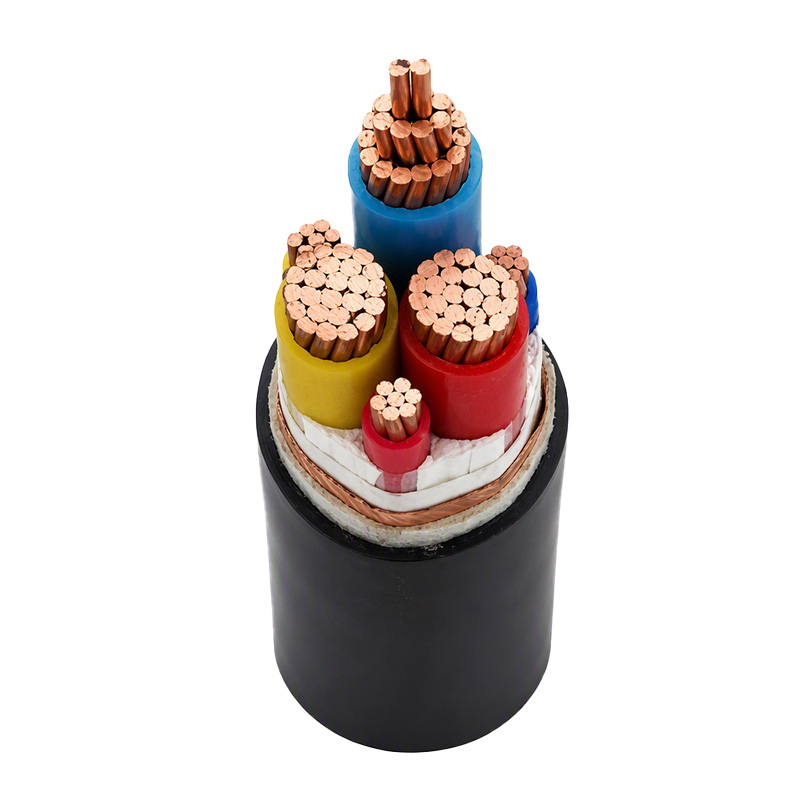
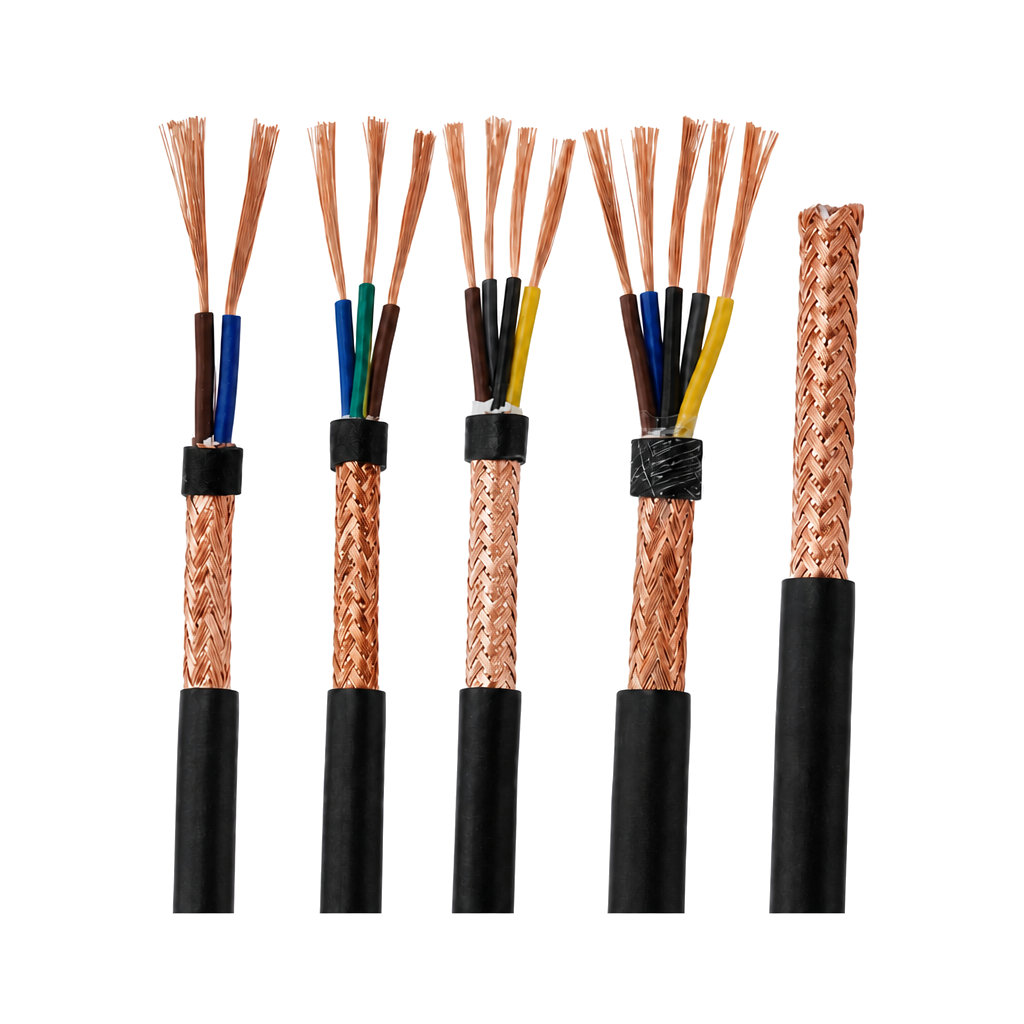
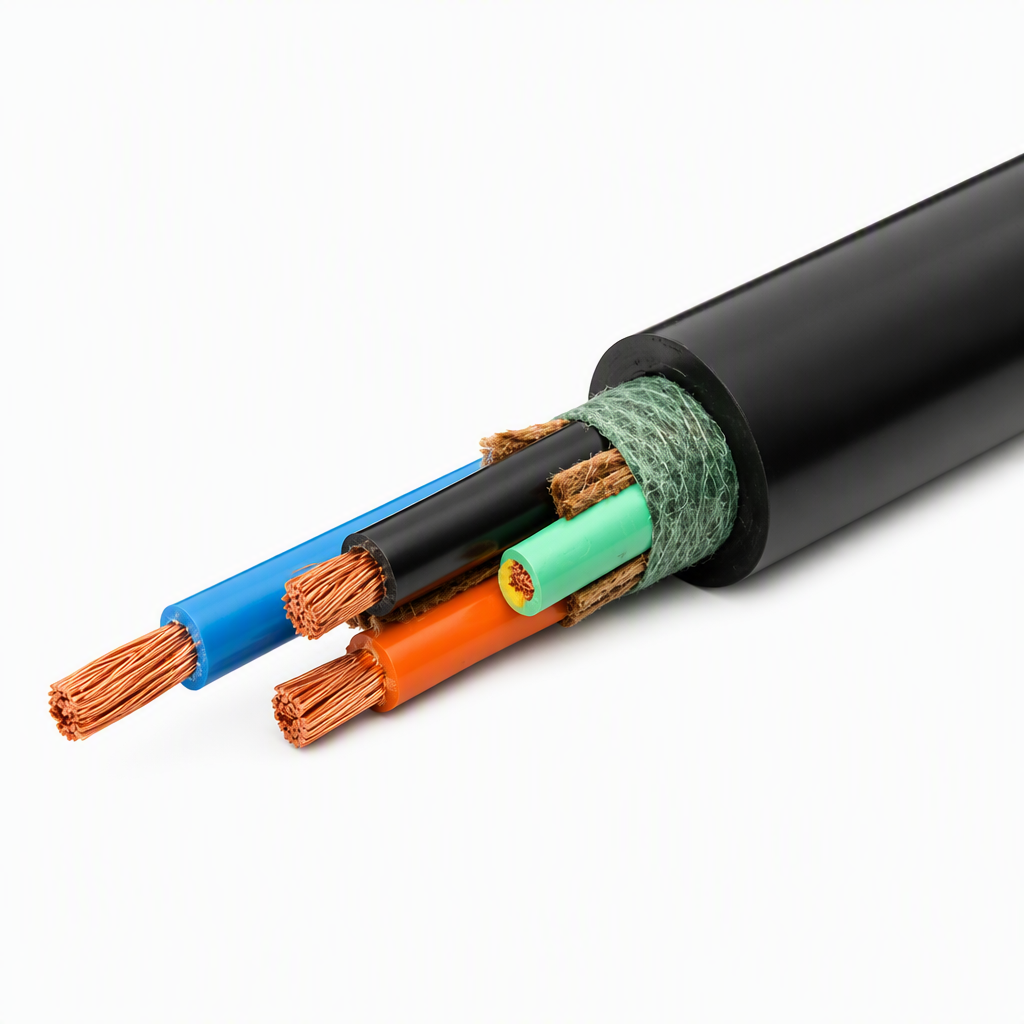
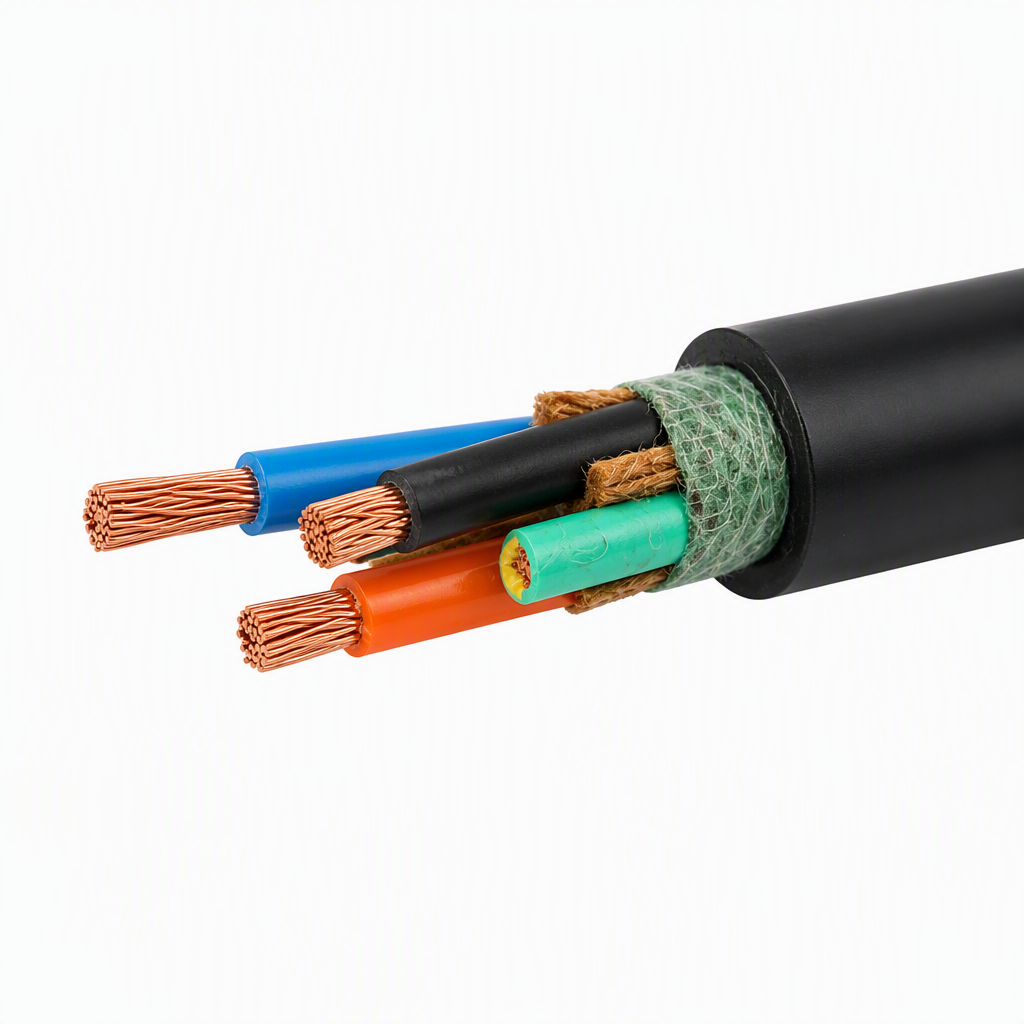
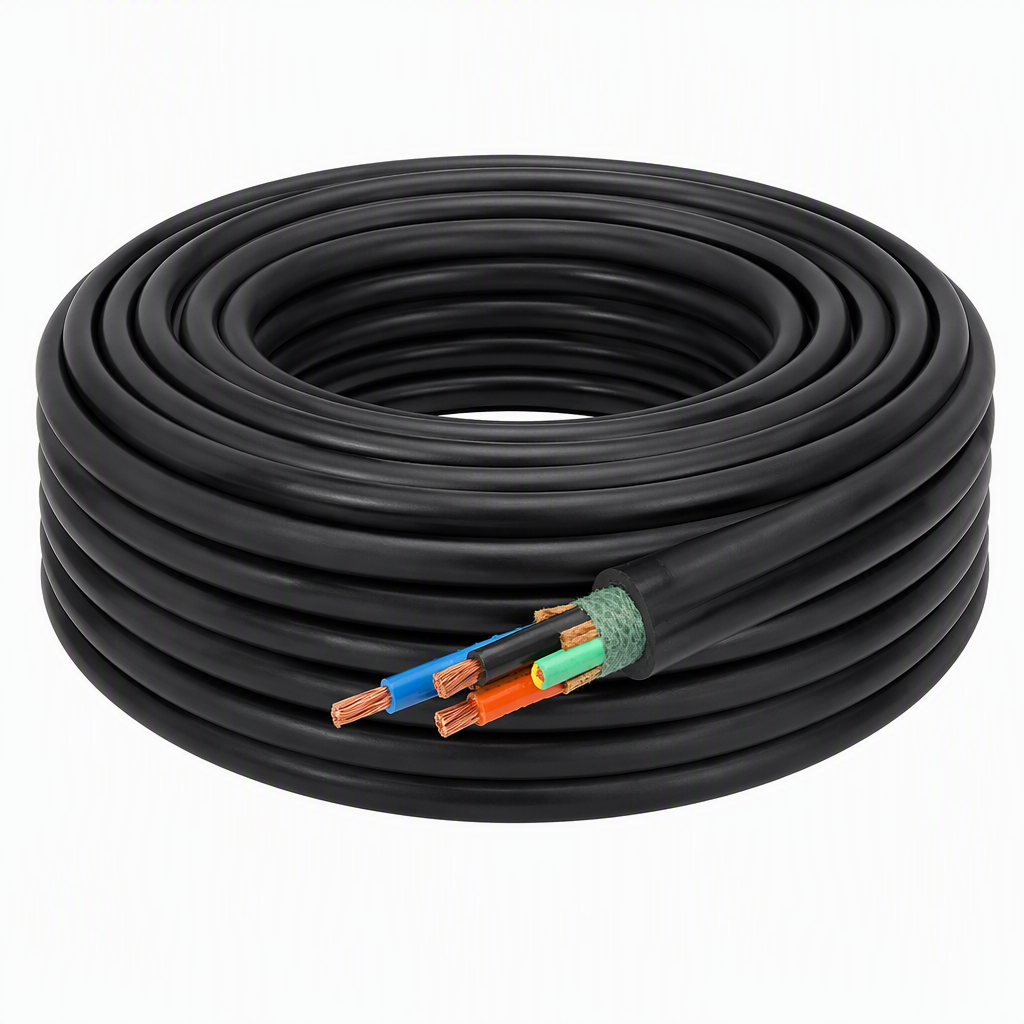
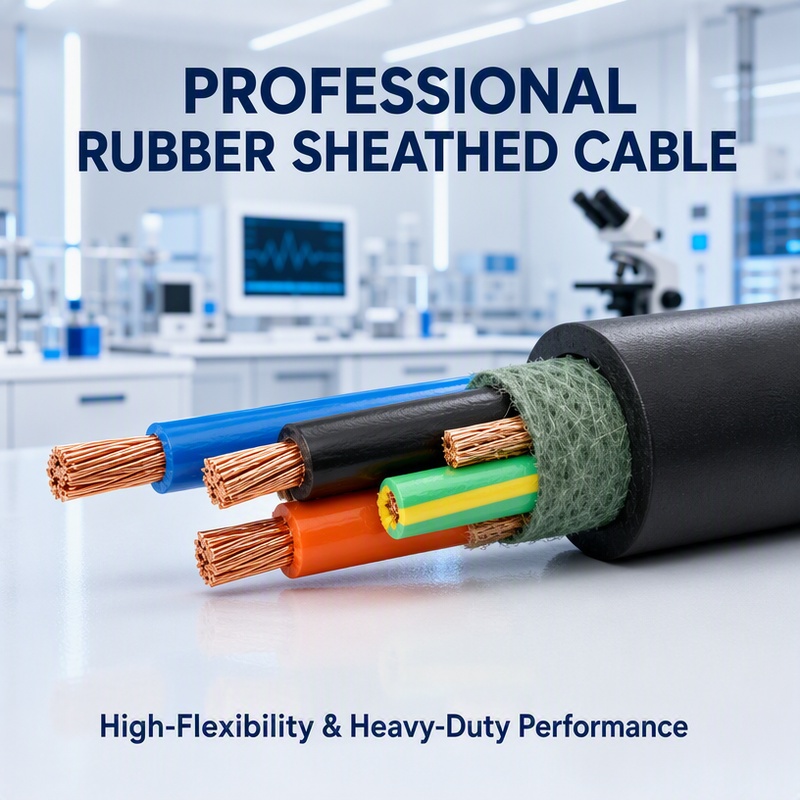
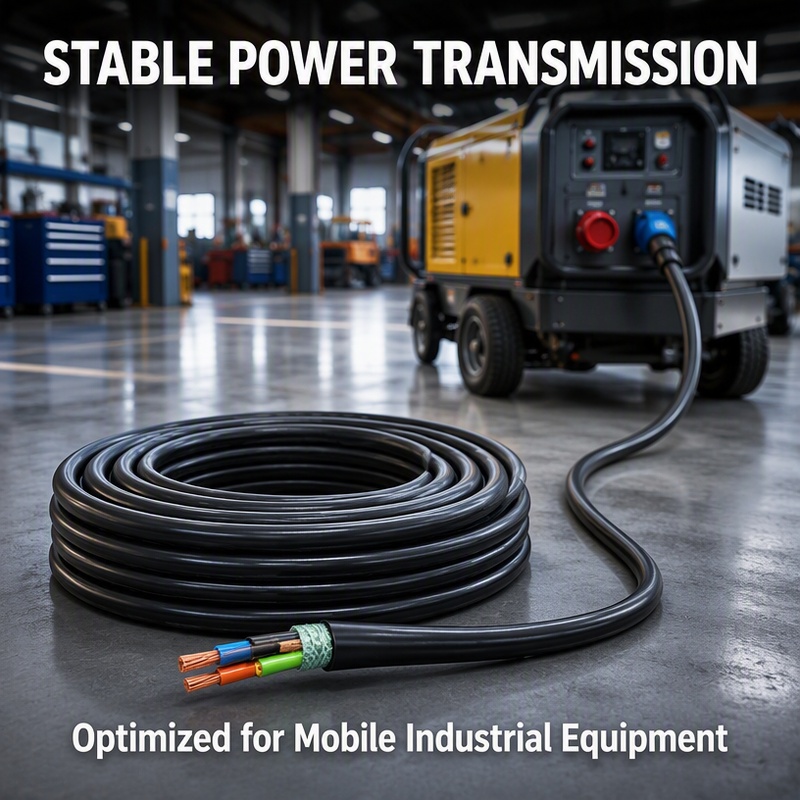
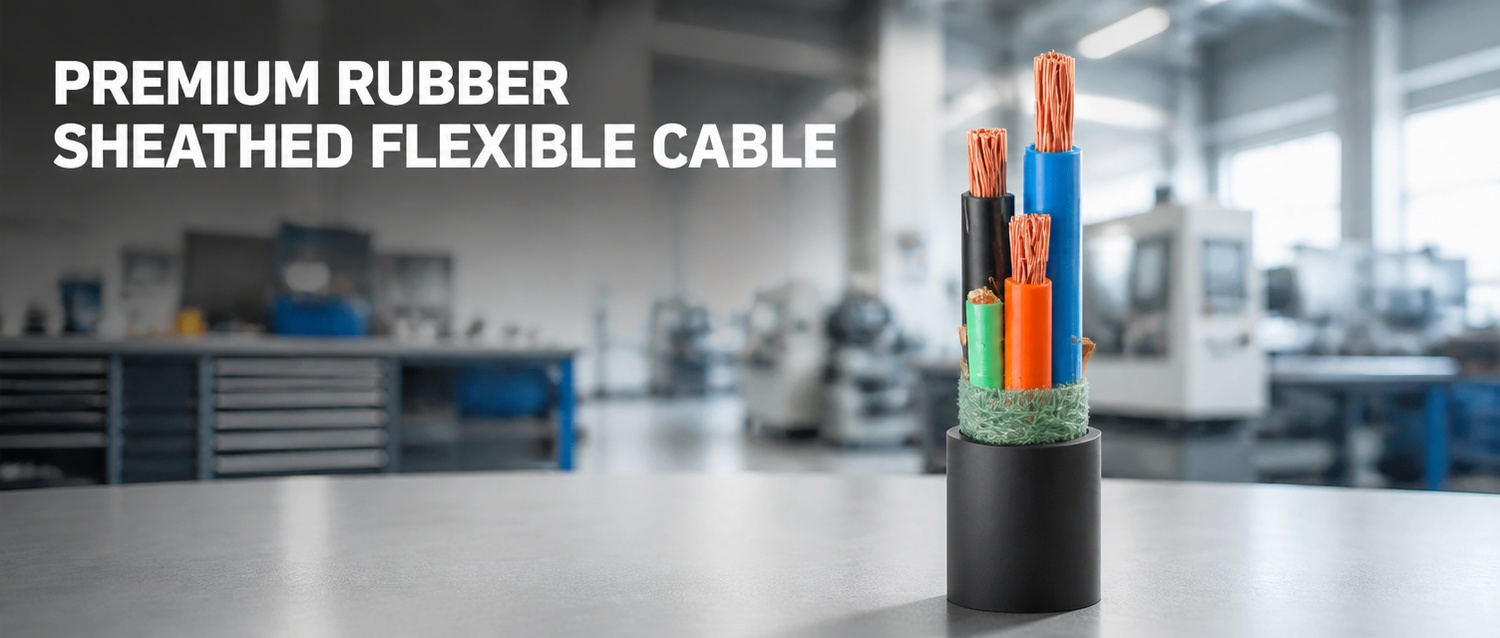
Rubber‑sheathed cable fitted with flexible copper cores and rubber outer jacket for wear‑resistant power transmission, 450/750V for construction site, mobile equipment and field engineering projects.
Supplier:GaoYuan
Rubber‑sheathed cable fitted with flexible copper cores and rubber outer jacket for wear‑resistant power transmission, 450/750V for construction site, mobile equipment and field engineering projects.
If you have sourced power cables for mobile equipment, construction sites, or portable tools, you have likely encountered the same challenge. Standard PVC-insulated cables are stiff, prone to cracking under repeated bending, and lack the flexibility needed for equipment that moves regularly. Rubber sheathed cable addresses this need through a construction that combines finely stranded copper conductors, rubber insulation, and a tough rubber outer sheath — delivering exceptional flexibility, durability, and environmental resistance for demanding mobile applications. Whether you are connecting a welding machine on a construction site, powering a submersible pump, or supplying energy to heavy machinery in a port, this cable delivers the performance and reliability that rigid or PVC-insulated cables simply cannot match.
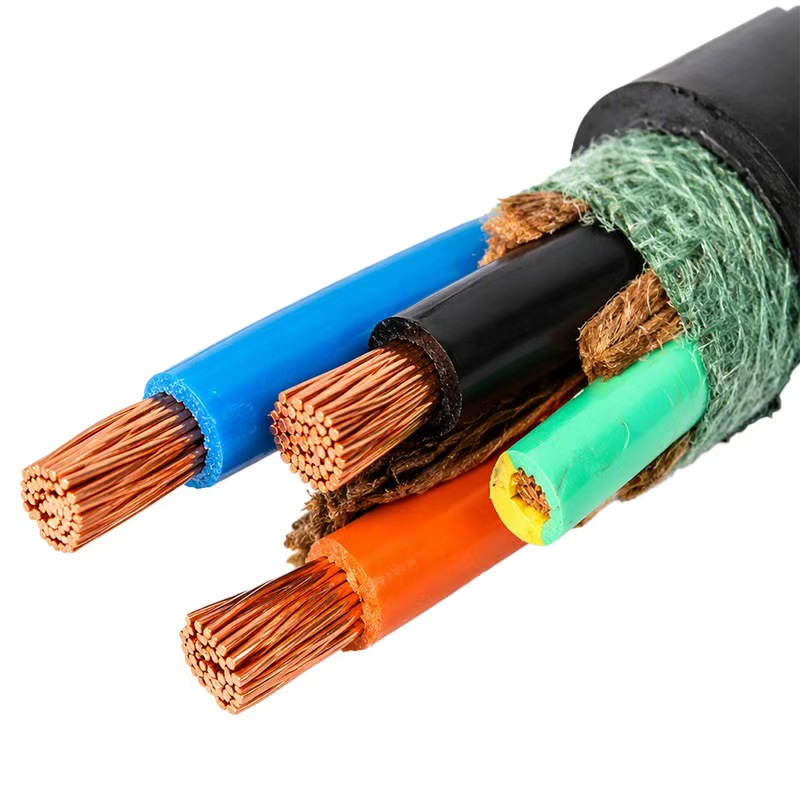
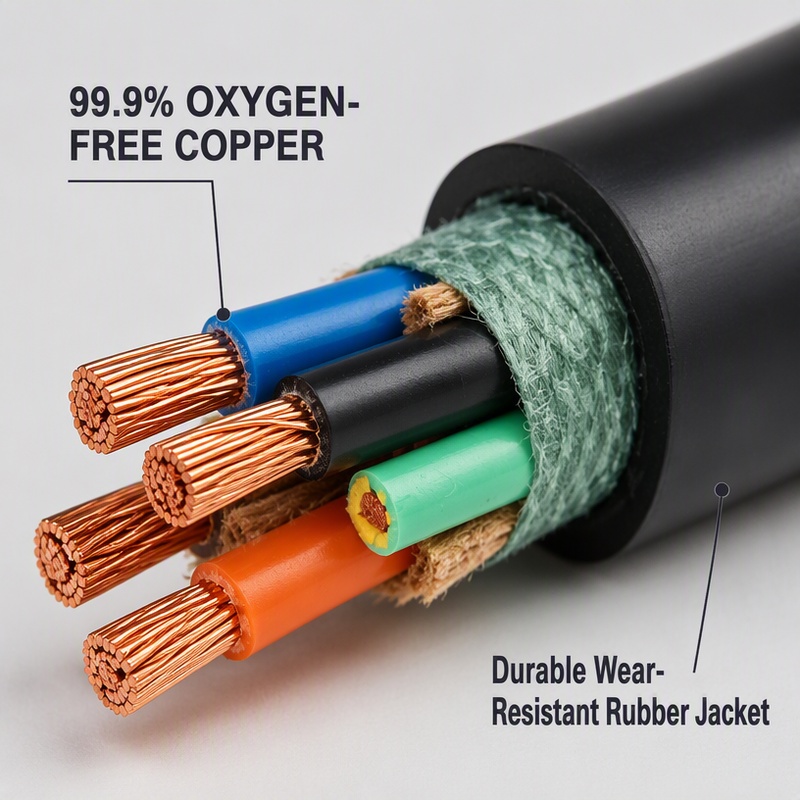
Rubber sheathed cable is a flexible, mobile cable constructed with stranded copper conductors, rubber-based insulation, and a rubber outer sheath. The rubber materials provide excellent flexibility, allowing the cable to withstand repeated bending, twisting, and flexing without damage — making it the standard choice for applications where cables must move with equipment or be frequently installed and removed.
In most mobile equipment installations I have reviewed, the limiting factor is rarely electrical performance — it is mechanical durability. PVC cables become stiff in cold weather, crack under repeated flexing, and offer limited resistance to oils, UV exposure, or weather. Rubber sheathed cable overcomes these limitations through its elastomeric construction: the rubber insulation maintains flexibility across a wide temperature range, while the rubber sheath provides resistance to abrasion, weather, oil, and mechanical stress. Whether you are running temporary power on a construction site, connecting welding equipment, or supplying power to mobile machinery in harsh industrial environments, this cable delivers the durability that PVC alternatives cannot provide.
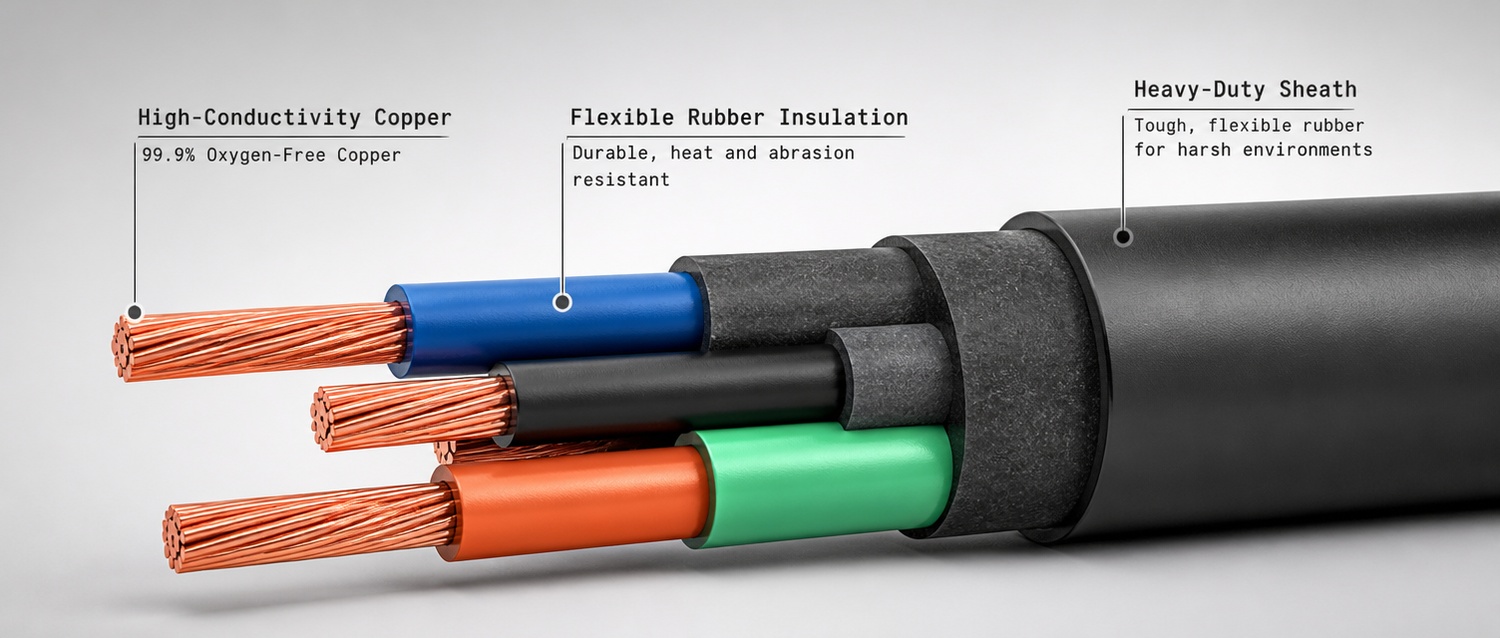
The conductor consists of finely stranded soft copper wire, typically Class 5 or Class 6 according to IEC standards. The fine stranding provides:
Exceptional flexibility for repeated bending
Resistance to work hardening and breakage
Ease of termination at terminals and connectors
Tinned copper is available for enhanced corrosion resistance in demanding environments.
Rubber compounds — including EPR (ethylene propylene rubber), EPDM, vulcanised rubber, or silicone rubber — are used for insulation. These materials provide:
High flexibility and elasticity
Excellent electrical insulation properties
Resistance to heat, cold, and moisture
The outer sheath is constructed from rubber, chloroprene rubber (CR), or CPE. These materials deliver:
Weather resistance (UV, ozone, moisture)
Oil and grease resistance (W-type cables)
Abrasion and cut resistance
Flame retardancy (ZR-type cables)
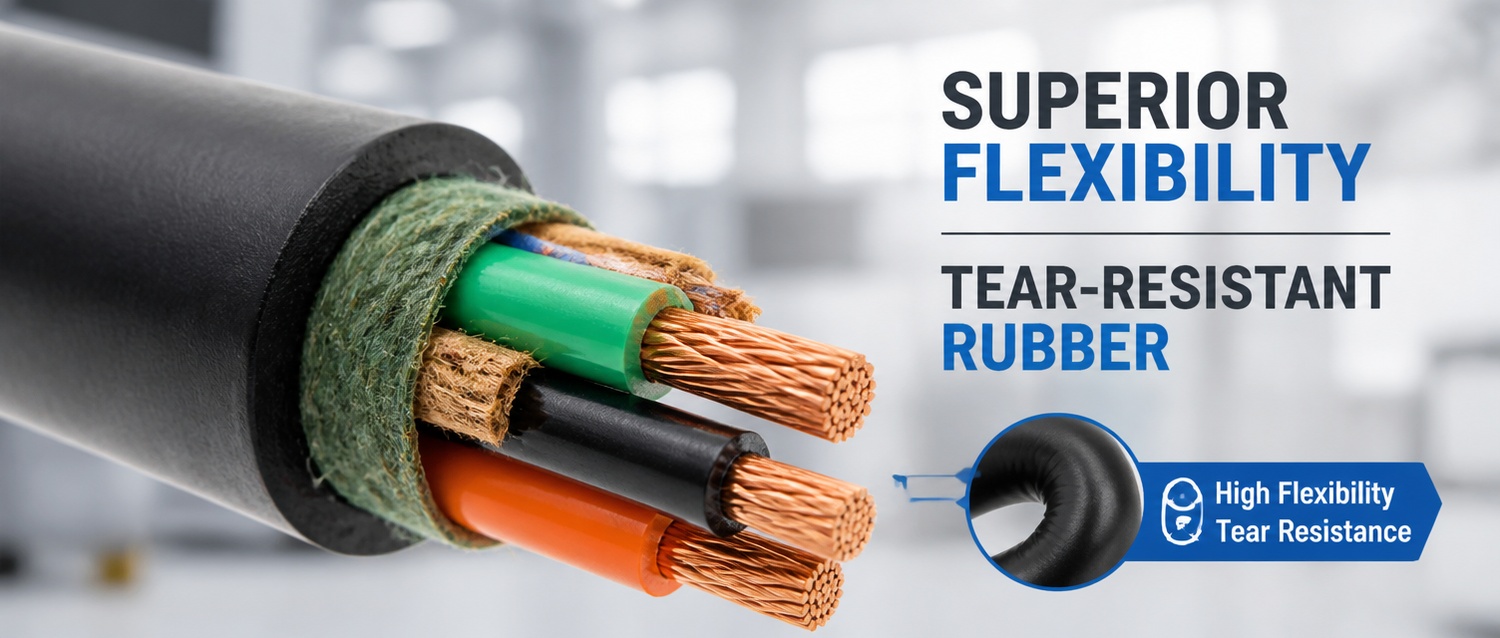
The fine-stranded conductors and elastomeric insulation/sheath provide outstanding flexibility, making rubber sheathed cable suitable for equipment that moves, vibrates, or requires frequent coiling and uncoiling. This flexibility also simplifies installation in confined spaces and reduces the risk of conductor breakage from repeated flexing.
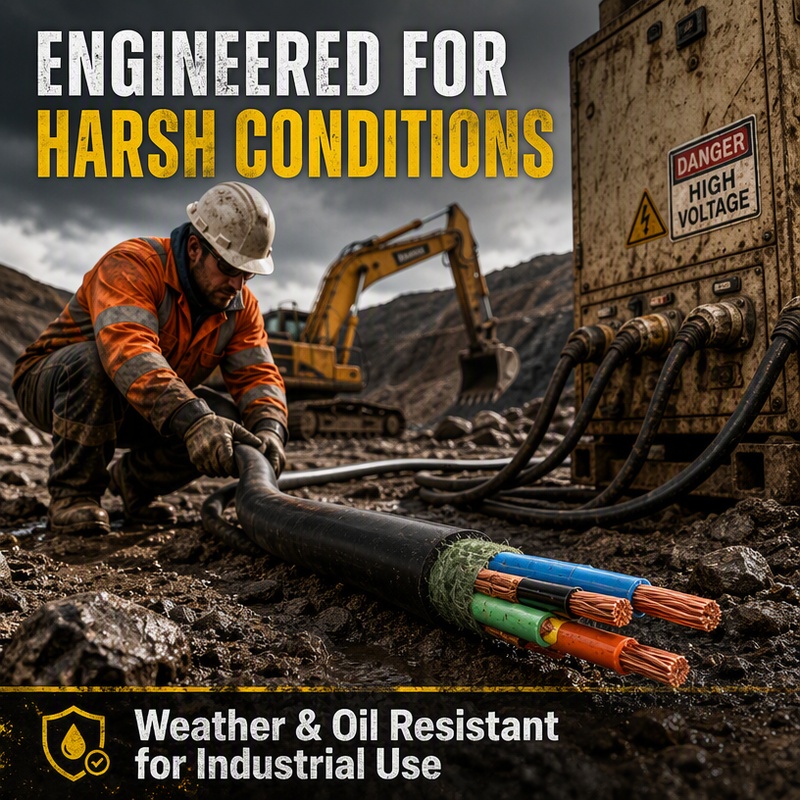
The rubber sheath provides inherent resistance to weathering, UV exposure, and ozone — essential for outdoor and construction site applications. W-type variants offer enhanced oil resistance for industrial environments where cables contact lubricants or hydraulic fluids.
Rubber sheathed cables maintain flexibility across a broad temperature range, performing reliably from cold outdoor conditions to warm industrial environments. Standard types are rated for conductor temperatures up to 65°C, with specialised designs offering higher temperature ratings.
The rubber sheath provides resistance to abrasion, impact, and crushing — essential for construction sites, factory floors, and other demanding environments where cables may be stepped on, driven over, or dragged across rough surfaces.
Rubber sheathed cables are classified by mechanical strength into three categories:
| Type | Designation | Voltage Rating | Application |
|---|---|---|---|
| Light Duty | YQ / YQW | 300/300V | Daily appliances, small tools, light mobile equipment |
| Medium Duty | YZ / YZW | 300/500V | General mobile equipment, agricultural machinery, industrial tools |
| Heavy Duty | YC / YCW | 450/750V | Port machinery, large equipment, high mechanical stress applications |
| Parameter | Specification |
|---|---|
| Voltage Rating | 300/300V (YQ), 300/500V (YZ), 450/750V (YC) |
| Conductor Material | Stranded soft copper / tinned copper |
| Conductor Class | Class 5 or Class 6 (IEC) |
| Insulation Material | EPR, EPDM, vulcanised rubber, silicone rubber |
| Sheath Material | Rubber, chloroprene rubber (CR), CPE |
| Operating Temperature | Up to 65°C (standard), higher for special variants |
| Standards Compliance | IEC 60245, GB/T 5013, BS EN 50525-2-21, VDE |
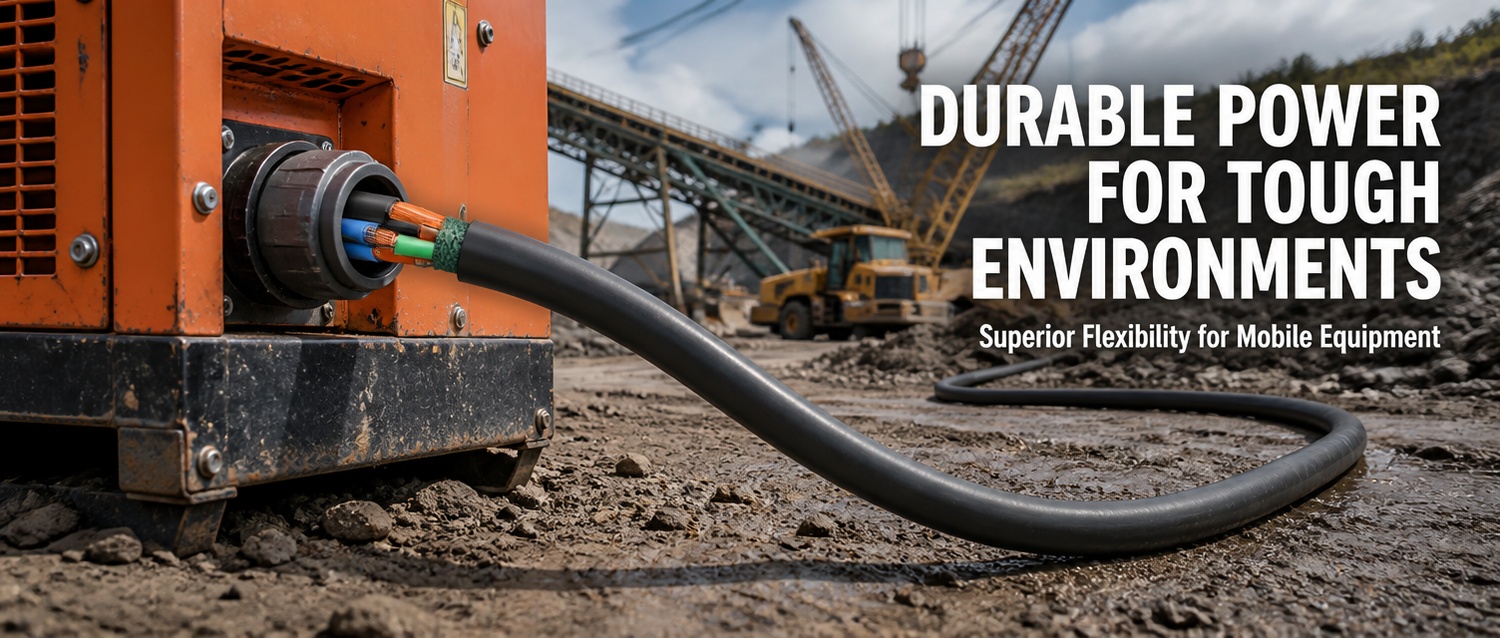
Construction sites require cables that can be moved, dragged across surfaces, and repeatedly coiled. Rubber sheathed cables provide the flexibility and durability needed for temporary power distribution to tools, lighting, and site equipment.
Electric welding machines require flexible, durable cables for the secondary circuit (welding leads). YH and YHF cables are specifically designed for these applications, rated up to 200V AC.
Heavy-duty YC cables are specified for port machinery, shipyard equipment, and large industrial installations where mechanical stress is significant.
JHS-type cables are designed for submersible pump applications, providing reliable insulation and flexibility in continuous water immersion conditions.
Specialised rubber sheathed cables are designed for mining equipment, featuring enhanced tensile strength, impact resistance, and flame retardancy for underground applications.
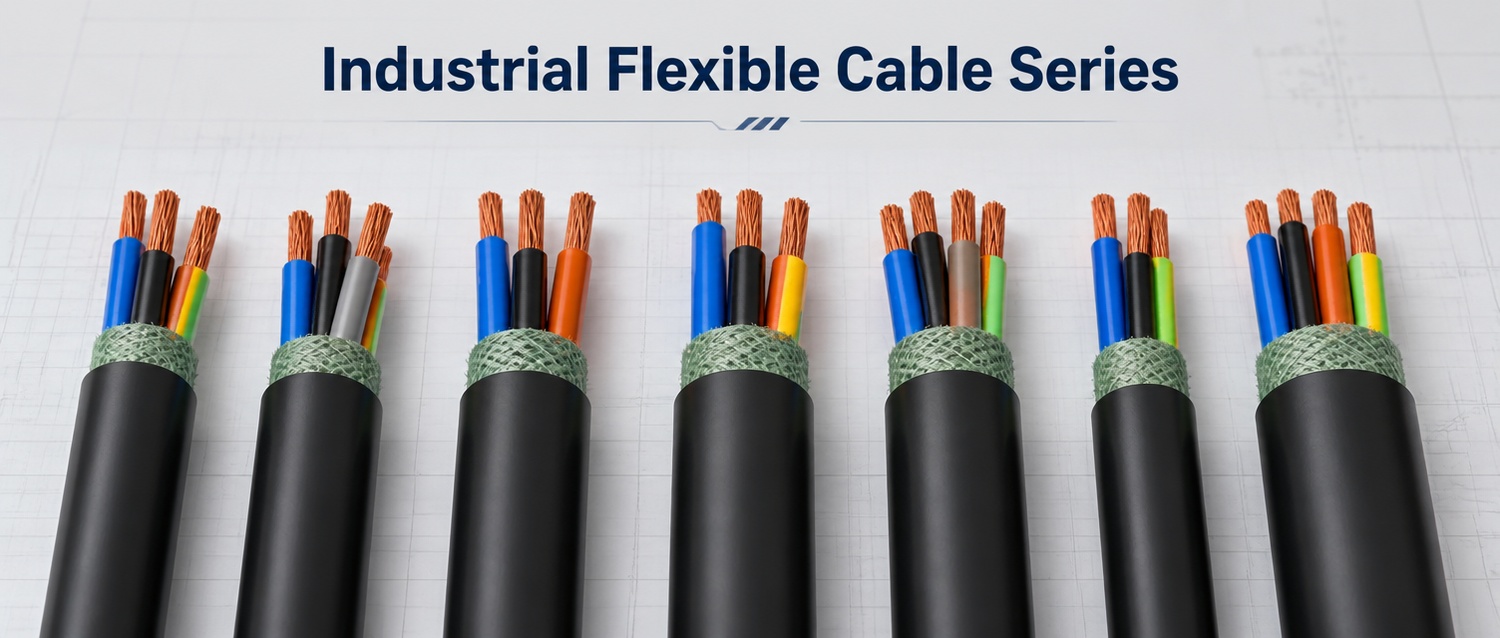
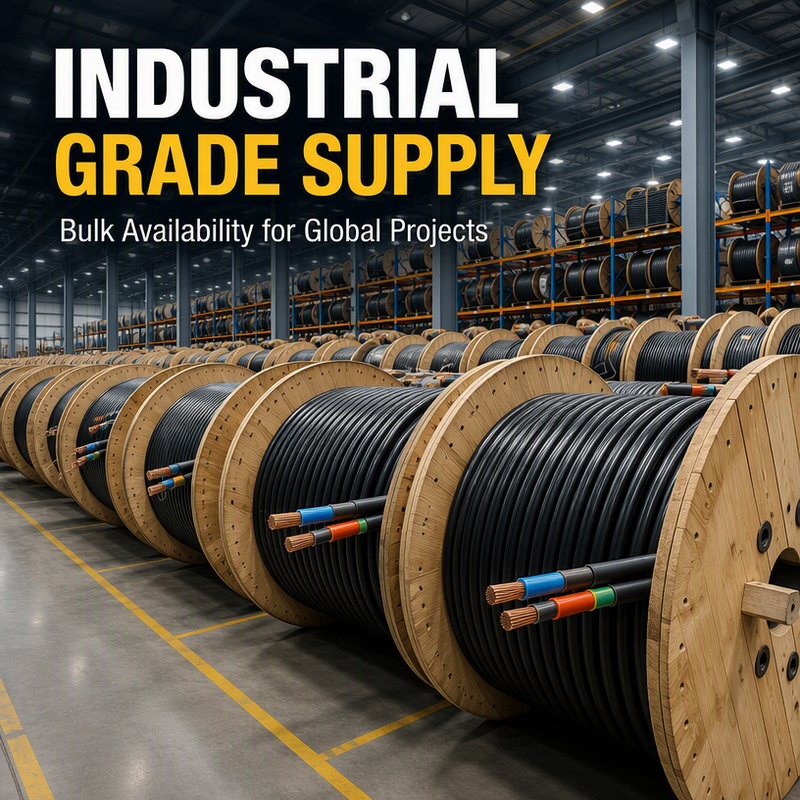
When specifying rubber sheathed cables, select the appropriate duty classification based on mechanical demands: light (YQ) for small tools and domestic applications; medium (YZ) for general industrial mobile equipment; heavy (YC) for high-stress environments. Choose W-type variants for outdoor applications or oil-contact environments. Consider the operating temperature range and verify the cable meets relevant standards (IEC, BS, VDE). Ready stock covers standard conductor sizes, core configurations, and sheath options.
| Consideration | What This Cable Delivers |
|---|---|
| Application flexibility | Light, medium, heavy duty options — matched to requirements |
| Outdoor durability | Weather, UV, and ozone resistance |
| Mobility | Outstanding flexibility — easy handling and coiling |
| Environmental resistance | Oil, abrasion, and mechanical stress protection |
| Application coverage | Construction, welding, pumps, mining — the full range |
This rubber sheathed cable is suited for construction site managers requiring durable, flexible temporary power supply, industrial maintenance teams connecting mobile welding and lifting equipment, port operators needing heavy-duty cable for quayside machinery, and equipment hire companies stocking a versatile, reliable cable for customer use. Where PVC-insulated cables crack, stiffen, or wear prematurely under flexing, this rubber sheathed cable delivers dependable performance — job after job, shift after shift.