Supplier:GaoYuan
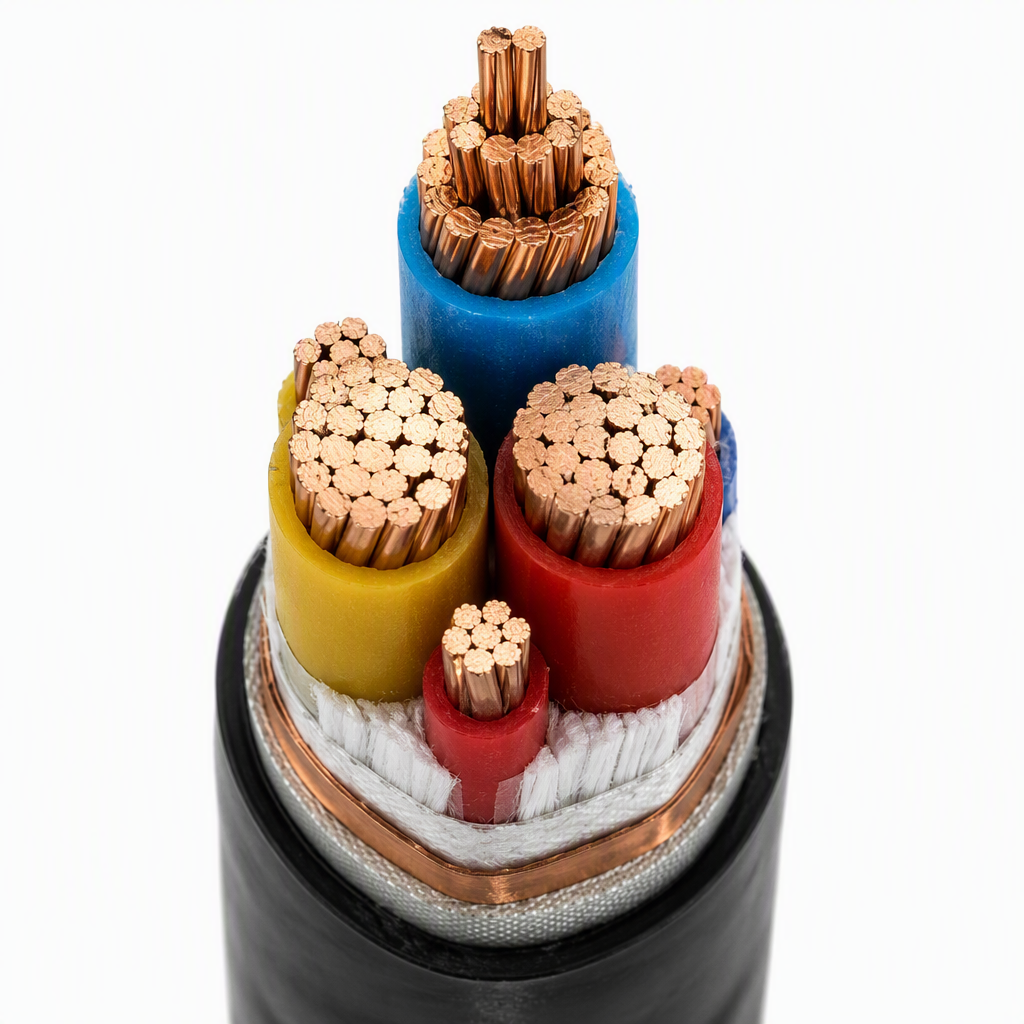
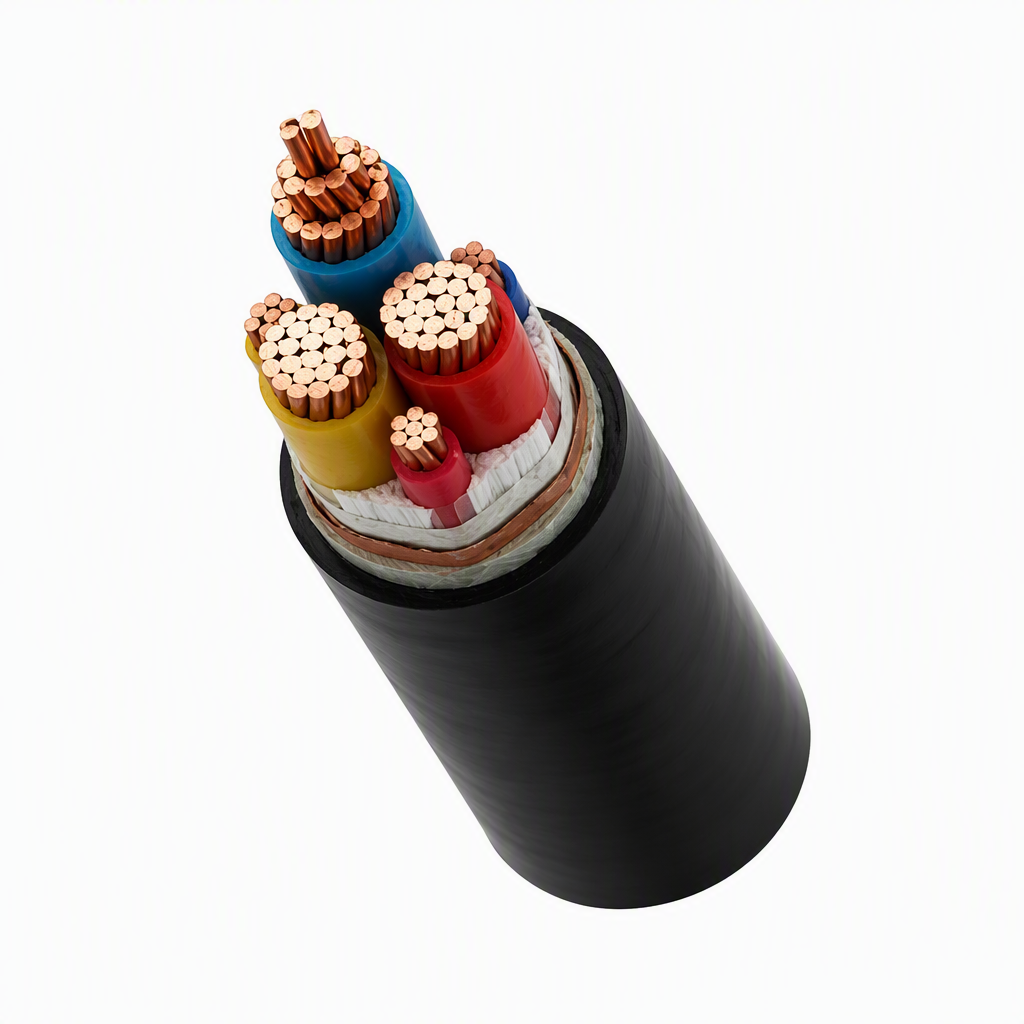
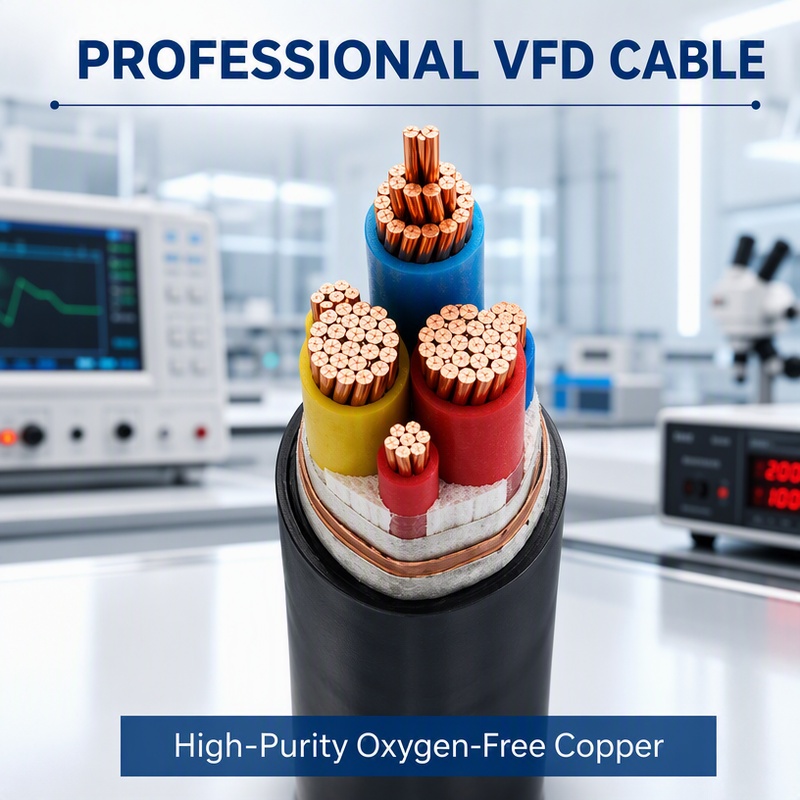
VFD cable with double‑shielded copper core and XLPE insulation for anti‑interference pulse resistance, 0.6/1kV rated voltage for metallurgy, power, petrochemical and industrial motor control projects.
Supplier:GaoYuan
VFD cable with double‑shielded copper core and XLPE insulation for anti‑interference pulse resistance, 0.6/1kV rated voltage for metallurgy, power, petrochemical and industrial motor control projects.
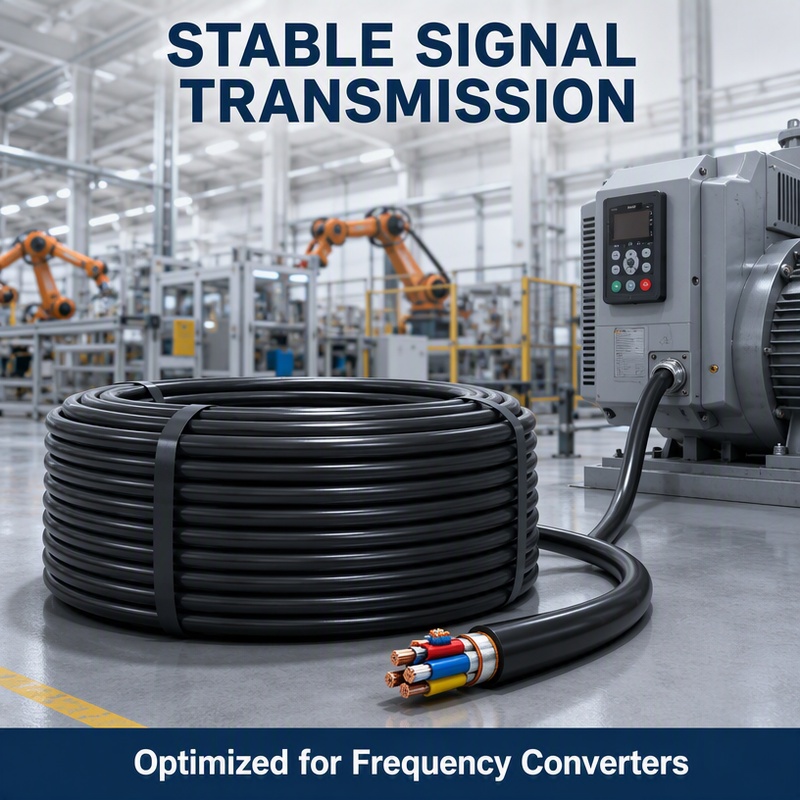
If you have sourced electrical cables for variable frequency drive (VFD) installations in industrial, commercial, or infrastructure projects, you have probably run into the same two frustrations. Standard power cables deliver basic electrical connectivity but are not designed for the harmonic voltages, reflected waves, and electromagnetic interference that VFD systems generate — leading to premature insulation failure, motor bearing damage, and costly unplanned downtime. Specialised VFD cables are available but vary widely in quality, shielding effectiveness, and compliance with international standards, making specification and procurement a challenge. Think of it like choosing between standard-duty tyres and those designed for high-performance vehicles — one works under normal conditions, the other is engineered for the specific stresses of the application. Variable frequency drive cable removes that uncertainty by combining specialised insulation materials, symmetrical grounding design, and comprehensive shielding into a cable construction that reliably transmits power from the drive to the motor while suppressing harmful electrical noise. System reliability becomes a predictable outcome, not a gamble on cable quality.
In most VFD installations I have reviewed, the limiting factor is rarely the drive or the motor — it is the cable connecting them. Standard power cables are designed for sinusoidal AC power at fixed frequencies. VFD outputs, however, contain high-frequency harmonic components and voltage spikes that subject cables to electrical stresses far beyond their design parameters. Over time, these stresses cause partial discharge, insulation degradation, and eventual cable failure. The reflected waves generated by long cable runs can also cause overvoltage at the motor terminals, damaging motor windings and bearings. Variable frequency drive cable addresses these issues through several critical design features: specialised XLPE or EPR insulation with higher dielectric strength to withstand voltage spikes, symmetrical grounding conductors that provide a low-impedance path for common-mode currents, and overall shielding that contains electromagnetic interference and prevents it from affecting nearby sensitive equipment. Whether you are installing VFDs in HVAC systems, pump stations, conveyor lines, or manufacturing equipment, this cable delivers the reliability that standard power cables simply cannot provide.
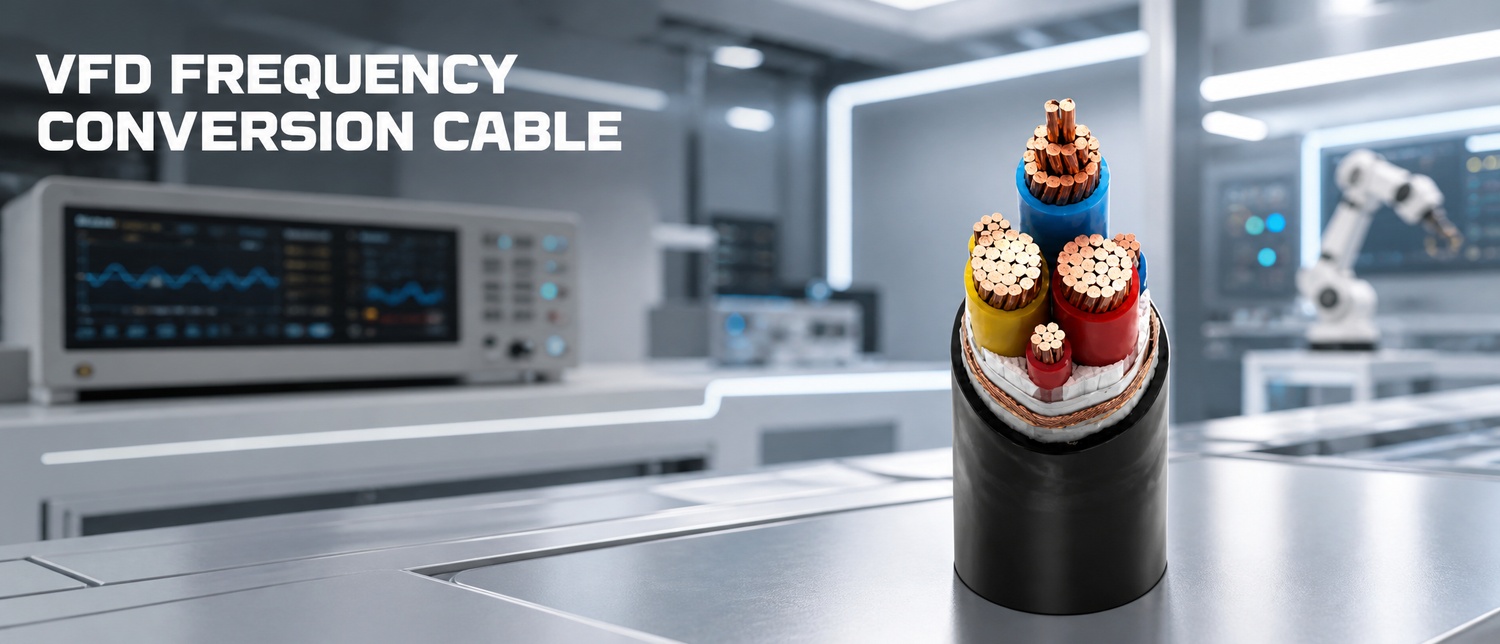
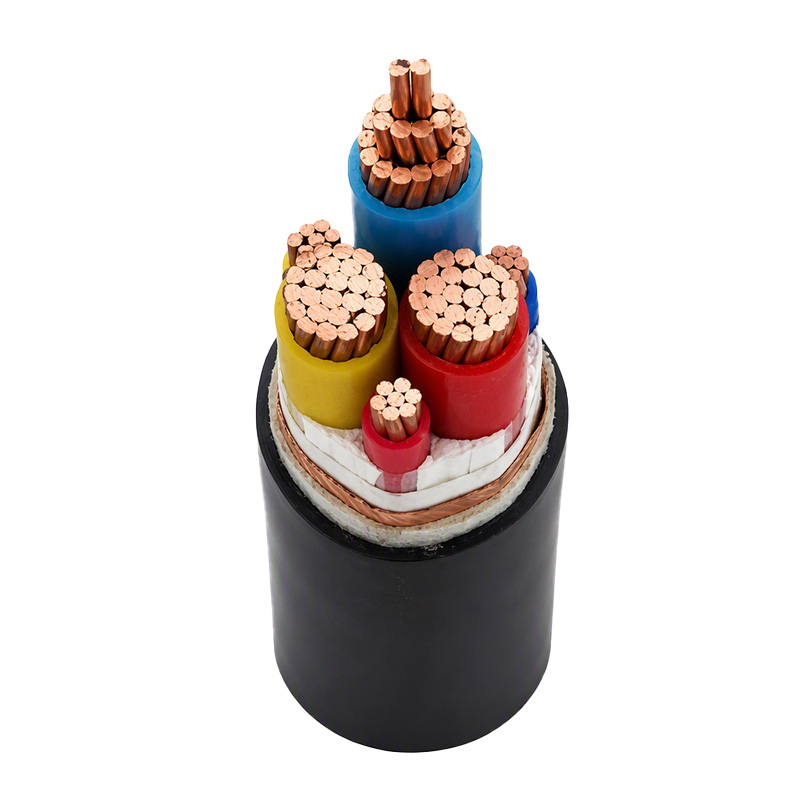
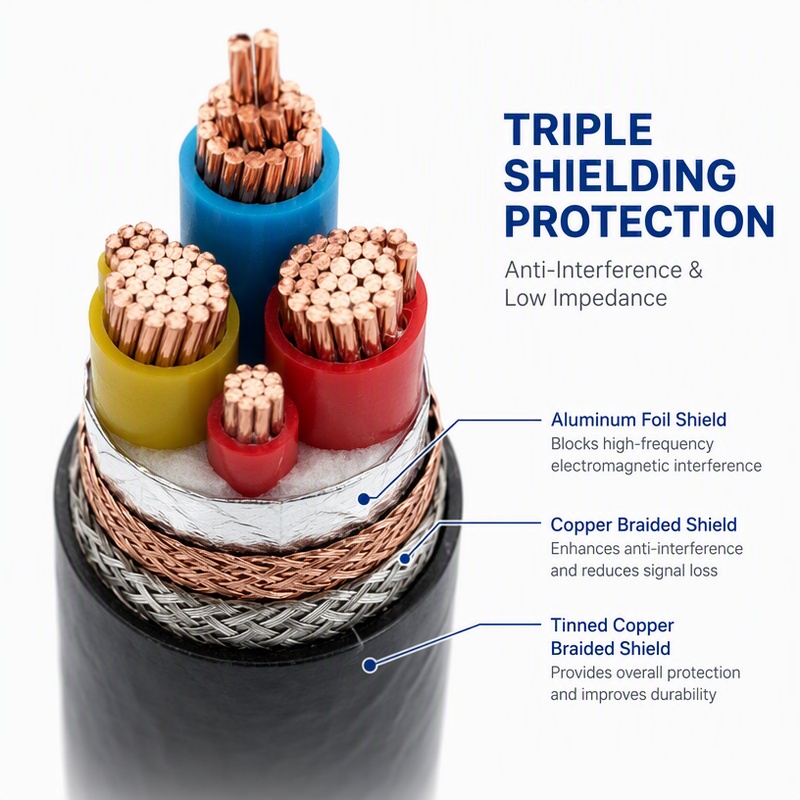
Variable frequency drive cable is manufactured with a tinned copper conductor construction, providing excellent conductivity and corrosion resistance for long-term service reliability. The insulation system uses cross-linked polyethylene (XLPE) or ethylene propylene rubber (EPR), selected for their high dielectric strength, thermal stability, and resistance to partial discharge under the voltage stresses typical of VFD applications. The cable incorporates a symmetrical grounding design — typically three ground conductors arranged symmetrically around the power conductors — providing a low-impedance path for common-mode currents and reducing the circulating currents that can damage motor bearings. An overall copper tape or braid shield contains electromagnetic interference, preventing radiation from the cable from affecting nearby instrumentation, control circuits, and communication systems. The cable construction also includes a robust outer sheath that provides mechanical protection and resistance to oils, chemicals, moisture, and UV exposure for demanding industrial environments. Voltage ratings are available from 0.6/1kV up to 8.7/15kV, with conductor sizes and number of cores configurable to match specific drive and motor requirements. The cable complies with international standards including IEC, BS, and UL, ensuring compatibility with global project specifications.
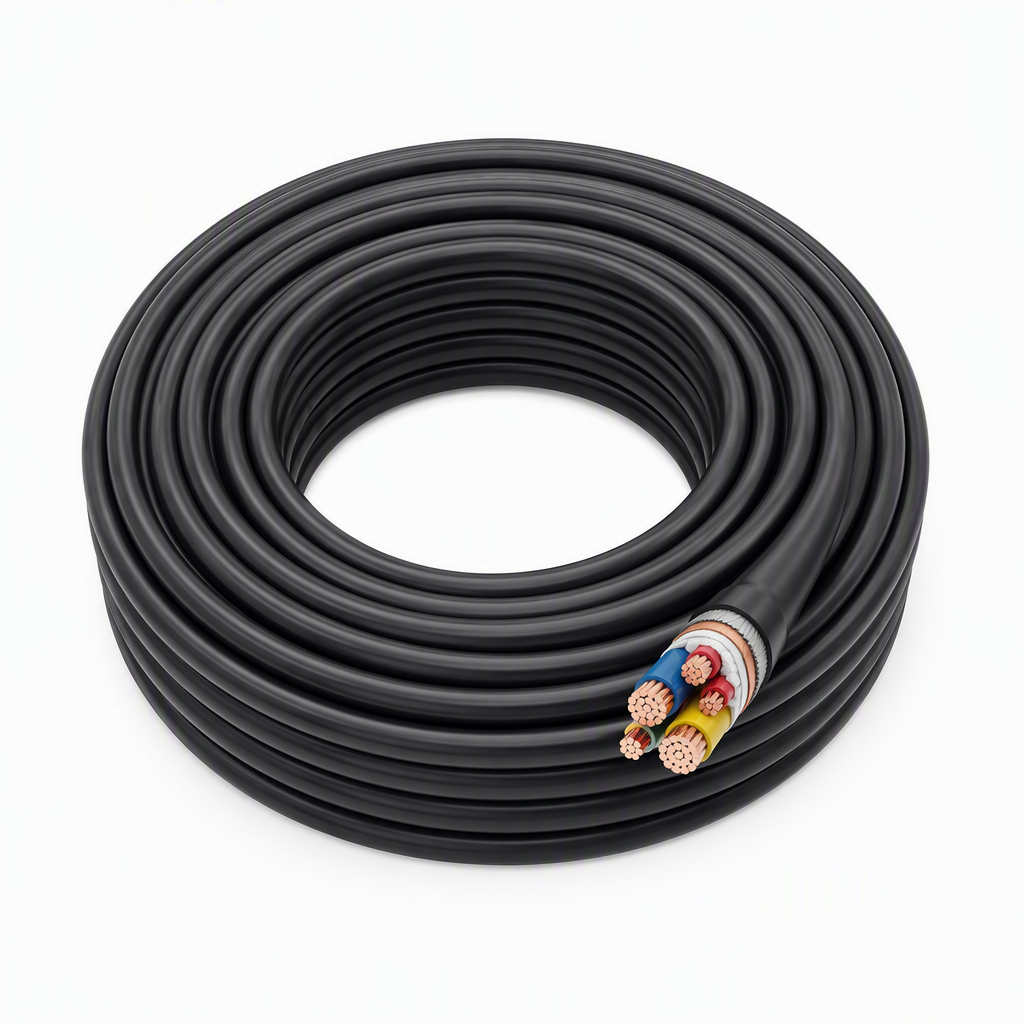
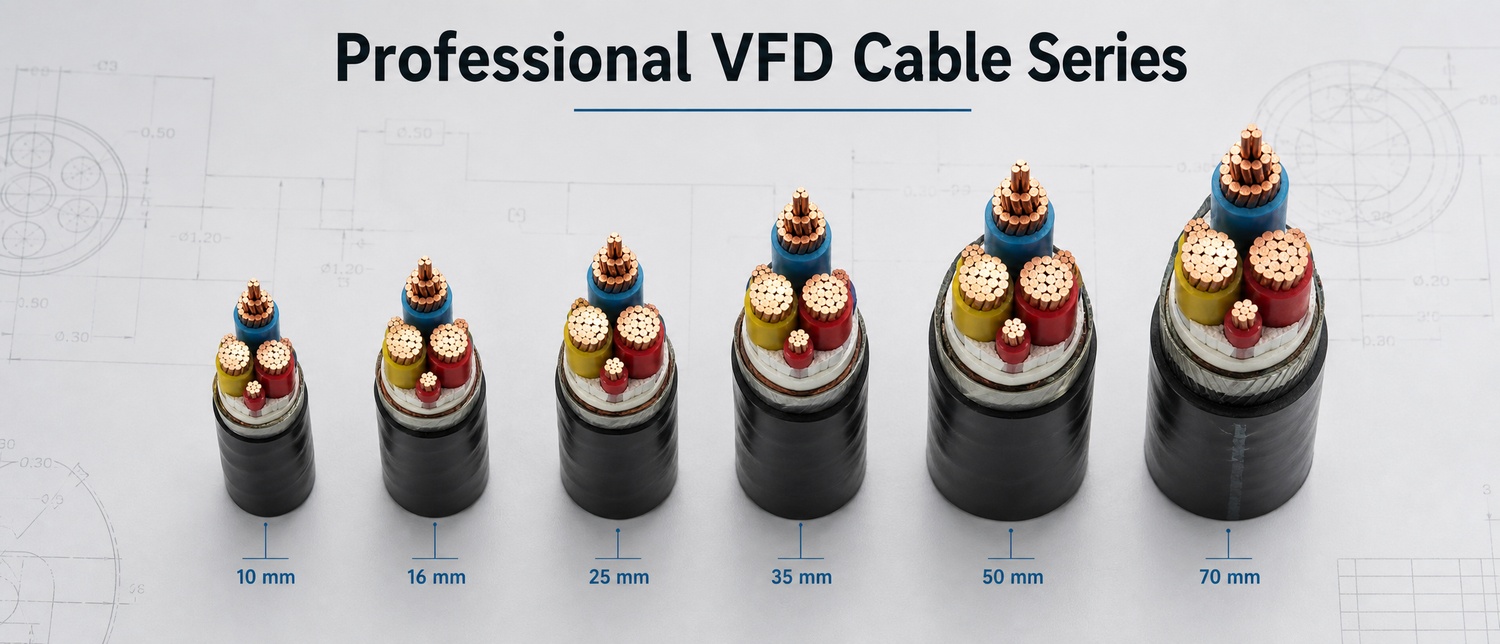
Available in multiple voltage ratings, conductor sizes, and core configurations to match specific VFD system requirements. Suitable for industrial, commercial, and infrastructure applications.
| Parameter | Specification |
|---|---|
| Voltage Rating | 0.6/1kV to 8.7/15kV (as specified) |
| Conductor Material | Tinned copper (standard) |
| Insulation Material | XLPE (cross-linked polyethylene) or EPR |
| Grounding Design | Symmetrical ground conductors (3 ground conductors) |
| Shielding | Overall copper tape or braid shield |
| Outer Sheath | PVC, LSZH, or PE (oil-resistant, chemical-resistant, UV-stabilised options available) |
| Temperature Rating | -40°C to +90°C (varies by insulation and sheath selection) |
| Standards Compliance | IEC, BS, UL, or other applicable standards |
| Typical Applications | VFD motor connections, HVAC systems, pump stations, conveyor lines, manufacturing equipment |
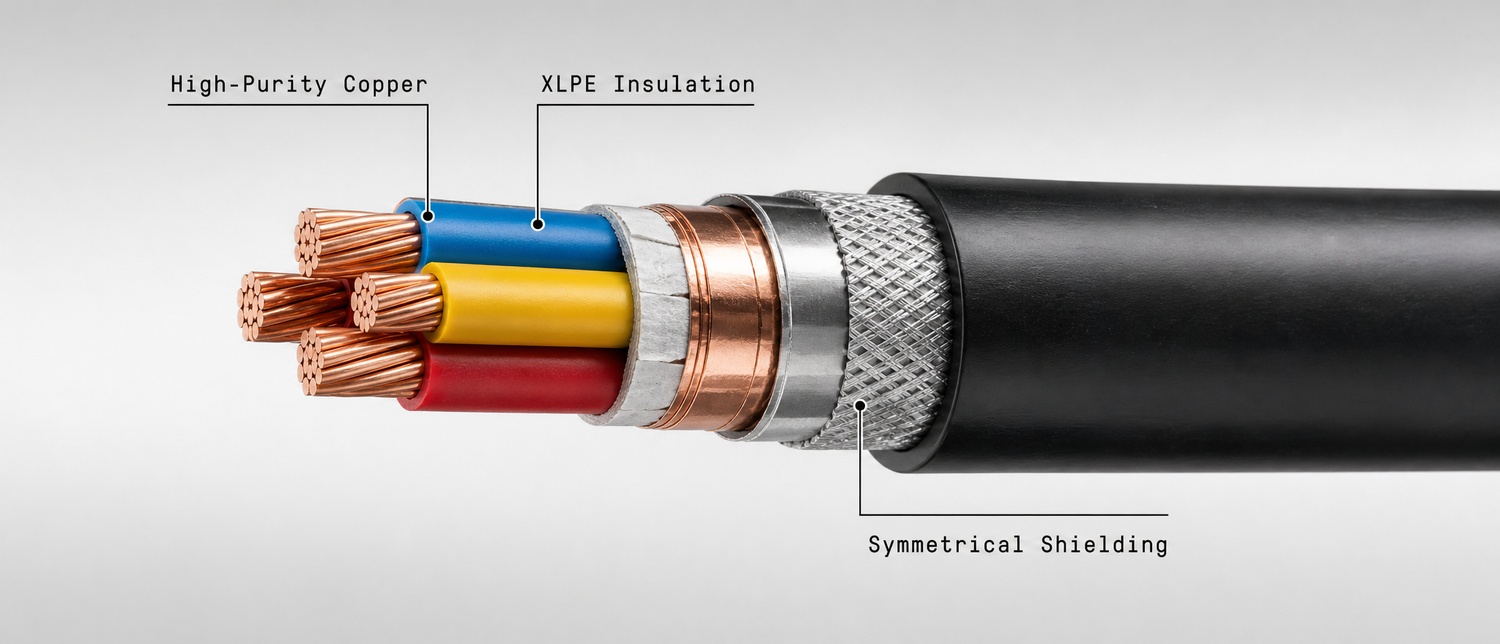
The defining advantage of VFD cable over standard power cables is its symmetrical grounding configuration. Three ground conductors are positioned symmetrically around the power conductors, providing a balanced low-impedance path for common-mode and circulating currents. In VFD systems without proper grounding, these currents can flow through motor bearings, causing electrical discharge machining (EDM) that pits bearing surfaces and leads to premature bearing failure. The symmetrical grounding design of VFD cable provides a direct return path for these currents, protecting the motor bearings and significantly extending motor service life. For facilities with multiple VFD installations, this bearing protection translates into reduced maintenance costs and fewer unexpected shutdowns.
VFD outputs contain voltage spikes and reflected waves caused by the drive's fast-switching IGBTs and the impedance mismatch between the cable and the motor. These spikes can reach amplitudes of up to twice the DC bus voltage, subjecting cable insulation to severe electrical stress. VFD cable uses XLPE or EPR insulation with high dielectric strength and low partial discharge characteristics, resisting the electrical degradation that causes standard PVC-insulated cables to fail prematurely. The insulation system is also thermally rated for continuous operation at elevated temperatures, handling the heat generated by harmonic currents without losing mechanical or electrical integrity.
The overall copper tape or braid shield serves a critical function: containing the electromagnetic interference generated by the VFD output. Without proper shielding, the radiated emissions from VFD cables can cause interference with nearby instrumentation, control circuits, and communication systems — leading to erratic readings, false trips, and communication errors. The shield provides a low-impedance path for high-frequency currents, preventing them from radiating into the surrounding environment. For installations with sensitive electronic equipment or stringent electromagnetic compatibility requirements, this shielding is essential for maintaining reliable system operation.
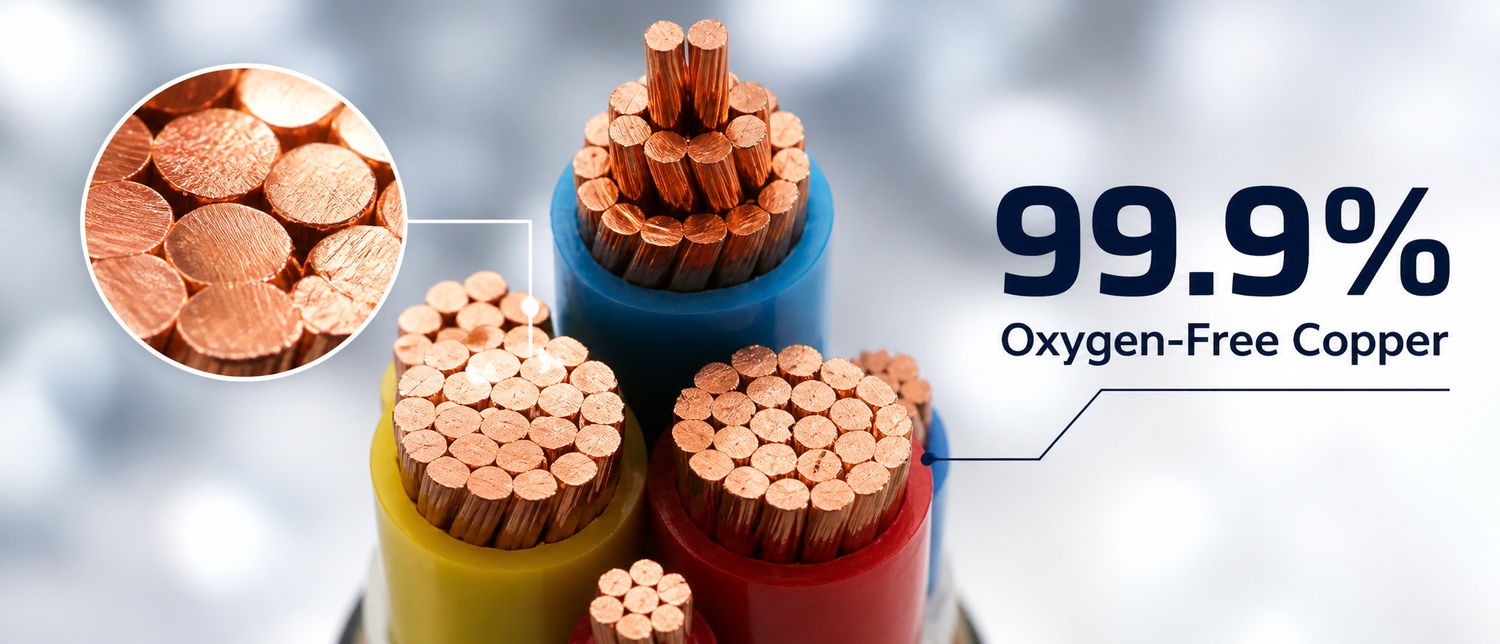
VFD cables use tinned copper conductors rather than bare copper. The tin coating provides protection against corrosion in humid, chemical, or marine environments where bare copper would oxidise over time. This corrosion resistance is particularly valuable for installations in wastewater treatment plants, chemical processing facilities, coastal industrial sites, and other harsh environments. The tinned construction also ensures consistently low contact resistance at terminations throughout the cable's service life, reducing the risk of hot spots and connection failures.
The geometrical symmetry and dielectric properties of VFD cable are engineered to reduce the reflected wave effects that occur when long cable runs are used between the drive and the motor. By maintaining consistent impedance along the cable length and providing a low-impedance return path, the cable minimises voltage reflections at the motor terminals. For long cable runs — which are common in large facilities, mining operations, and infrastructure projects — this characteristic reduces the need for additional output filters or reactors, simplifying installation and reducing system cost.
The cable incorporates a heavy-duty outer sheath of PVC, LSZH (low-smoke zero-halogen), or polyethylene, selected for the specific installation environment. The sheath provides mechanical protection against crushing, impact, and abrasion during installation and service. The materials are also selected for resistance to oils, chemicals, moisture, and UV exposure, ensuring long-term reliability in the demanding conditions typical of industrial and outdoor installations. For indoor applications where fire safety is a priority, LSZH sheaths are available to reduce smoke and toxic gas emissions in the event of a fire.
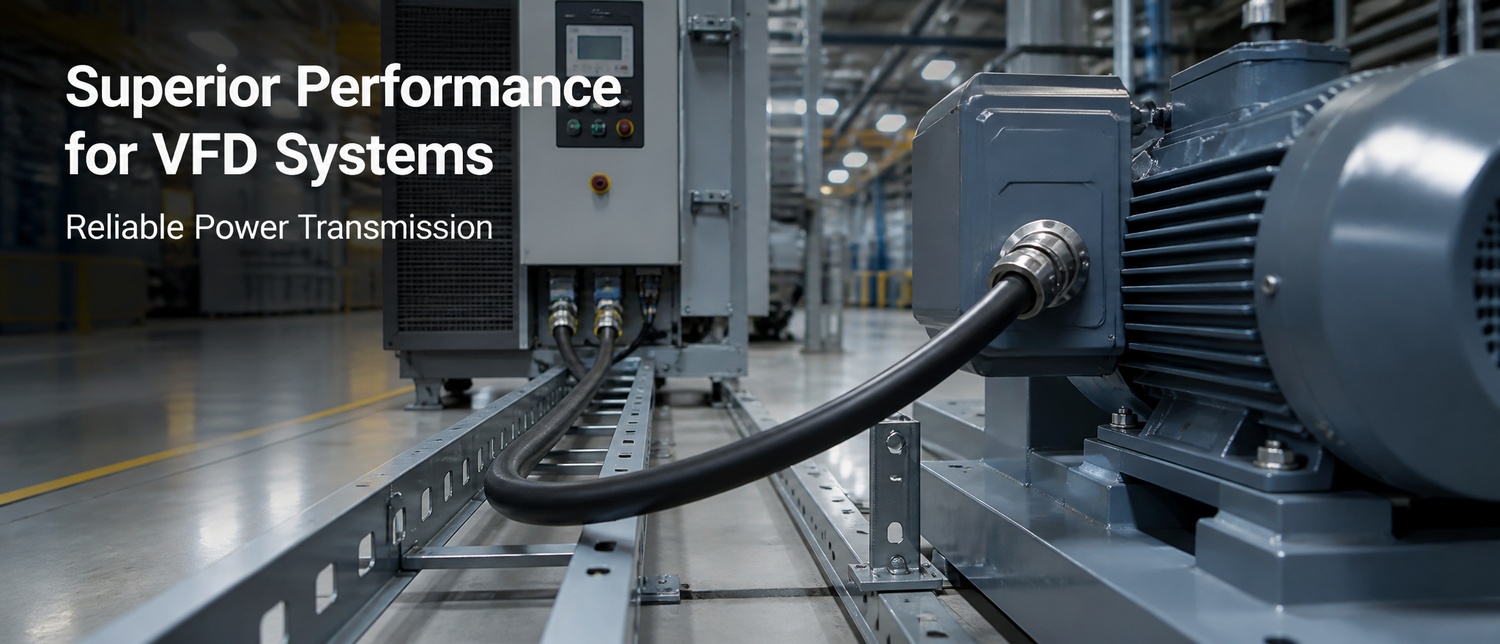
Manufacturing facilities use VFDs for conveyors, mixers, crushers, pumps, and other process equipment. VFD cable connects the drives to the motors across distances that may span hundreds of metres, passing through cable trays, conduit, and exposed runs. The cable's robust construction and electromagnetic shielding are essential for maintaining system reliability and preventing interference with PLCs, sensors, and control networks.
Large commercial buildings and institutional facilities use VFDs for HVAC fans, chillers, pumps, and air handling units. VFD cable provides the power connection from mechanical rooms to rooftop units and distributed equipment, often through cable trays or risers in occupied spaces. The LSZH sheath option is particularly valuable for these applications, minimising the fire safety risks associated with cable installations in occupied buildings.
Pump stations, aeration basins, and treatment facilities use VFDs extensively for process control. The environments are often humid, corrosive, and subject to chemical exposure. VFD cable's tinned copper conductors, chemical-resistant sheaths, and moisture-resistant insulation deliver the service life and reliability needed for critical water infrastructure applications where unscheduled downtime is not acceptable.
Mining operations, tunnels, and large infrastructure projects use VFDs for conveyors, hoists, ventilation systems, and dewatering pumps. The cable runs in these applications are often long, with significant vertical rises and exposure to mechanical abuse. VFD cable's robust construction, symmetrical grounding, and low-reflected-wave characteristics are essential for maintaining power quality and preventing motor bearing damage in these demanding applications.
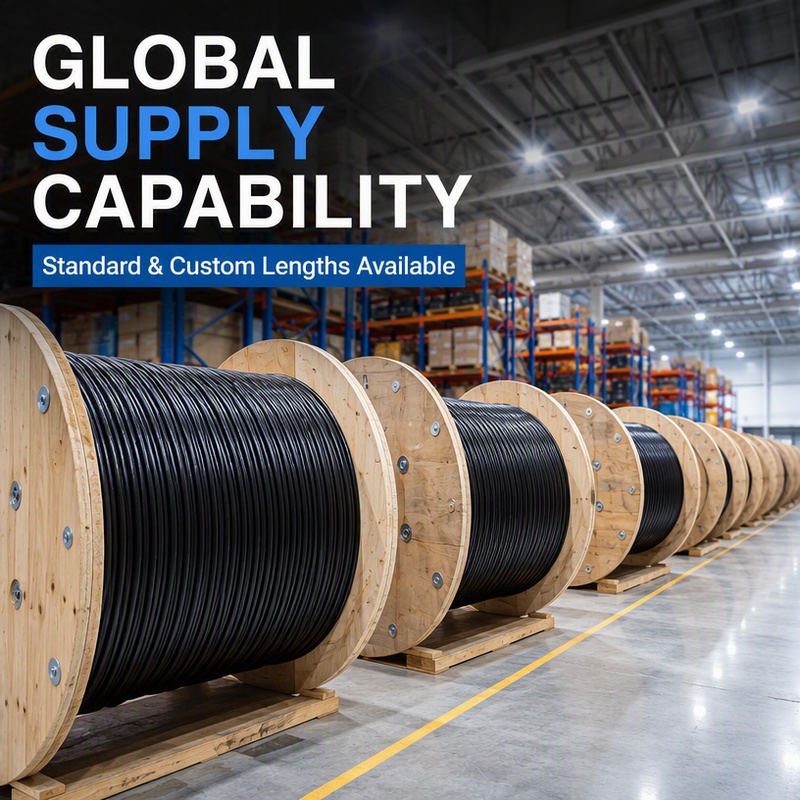
Based on typical project procurement reviews, the cost difference between standard power cables and VFD-specific cables tends to be recovered within the first year of operation in demanding applications, because motor bearing failures, cable insulation breakdown, and electromagnetic interference issues cost significantly more to diagnose and repair than the incremental cable investment. The symmetrical grounding design is a non-negotiable feature for VFD applications, as it directly protects motor bearings from electrical discharge damage. The voltage rating and insulation type must be matched to the drive's output voltage characteristics and the cable run length to ensure reliable operation without additional filtering. Ready stock covers multiple voltage ratings, conductor sizes, and core configurations, with custom manufacturing available for larger projects. Sample testing is supported and volume-order pricing is available for procurement projects. Pre-sales consultation covers drive system specifications, cable-run lengths, environmental conditions, and shielding requirements. Anti-corrosion packaging is standard for export orders.
| Consideration | What This Cable Delivers |
|---|---|
| Bearing protection | Symmetrical grounding — eliminates circulating currents that damage bearings |
| Voltage spike resistance | XLPE/EPR insulation — withstanding high-frequency voltage stresses |
| EMI containment | Copper tape/braid shield — preventing interference with sensitive equipment |
| Harsh environment durability | Tinned conductors, chemical/UV-resistant sheath — long service life |
| Long cable run capability | Low capacitance, symmetrical construction — reduces reflected wave effects |
| Compliance and safety | International standards, LSZH options — meeting global project requirements |
This variable frequency drive cable is suited for industrial facility engineers specifying VFD power connections for process equipment, building services consultants designing HVAC and pump control systems, infrastructure project managers requiring reliable power transmission for tunnels and water treatment plants, and procurement teams seeking a specification-compliant cable solution for international projects. Where standard power cables compromise system reliability through insulation failure, bearing damage, or electromagnetic interference, this VFD cable delivers consistent, reliable power transmission — installation after installation, system after system.