
Supplier:Juxing
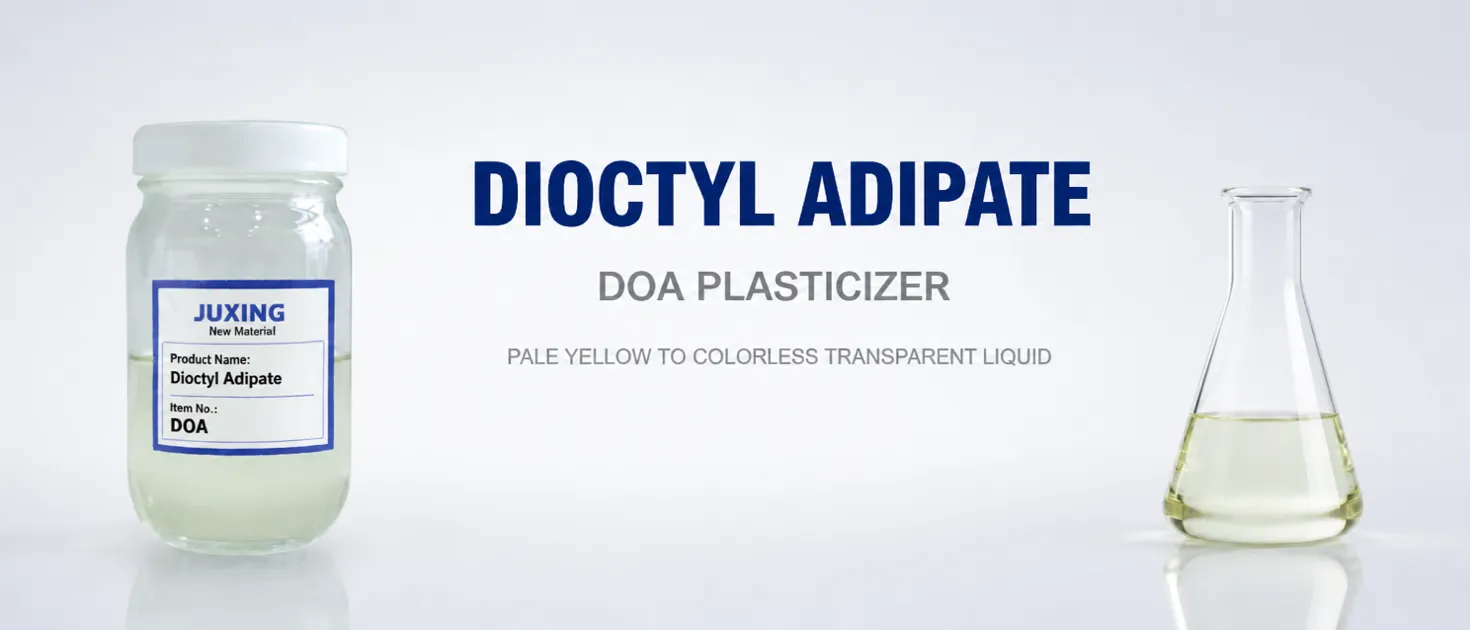
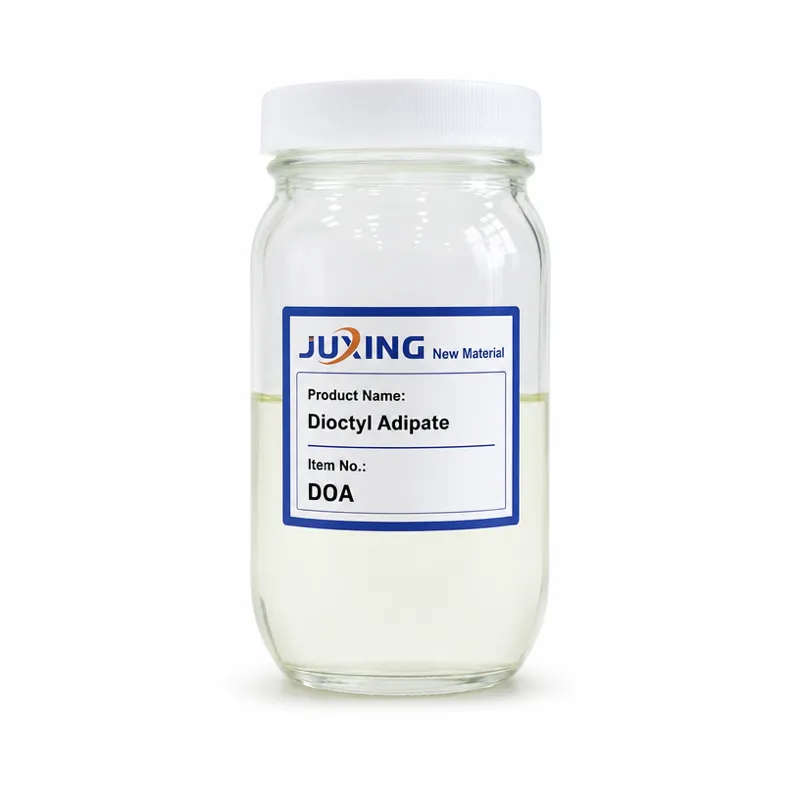
Dioctyl Adipate (DOA), a cold-resistant plasticizer offering low-temperature flexibility, high efficiency, low color, and stable viscosity for PVC and other resin systems.
Supplier:Juxing
Dioctyl Adipate (DOA), a cold-resistant plasticizer offering low-temperature flexibility, high efficiency, low color, and stable viscosity for PVC and other resin systems.
Dioctyl Adipate (DOA) is a specialty plasticizer produced by Juxing New Material, identified by CAS Number 103-23-1. It is a pale yellow to colorless transparent liquid formulated to maintain material flexibility and processing stability at low temperatures — a key requirement for flexible PVC, vinyl chloride copolymers, polystyrene, and synthetic rubber systems used in cold-climate applications. Sourced through Zhejiang Jianhua Hardware & Electromechanical Supply Chain Management Co., Ltd., DOA is available with full technical documentation and multiple packaging options to support international procurement at various volume levels.
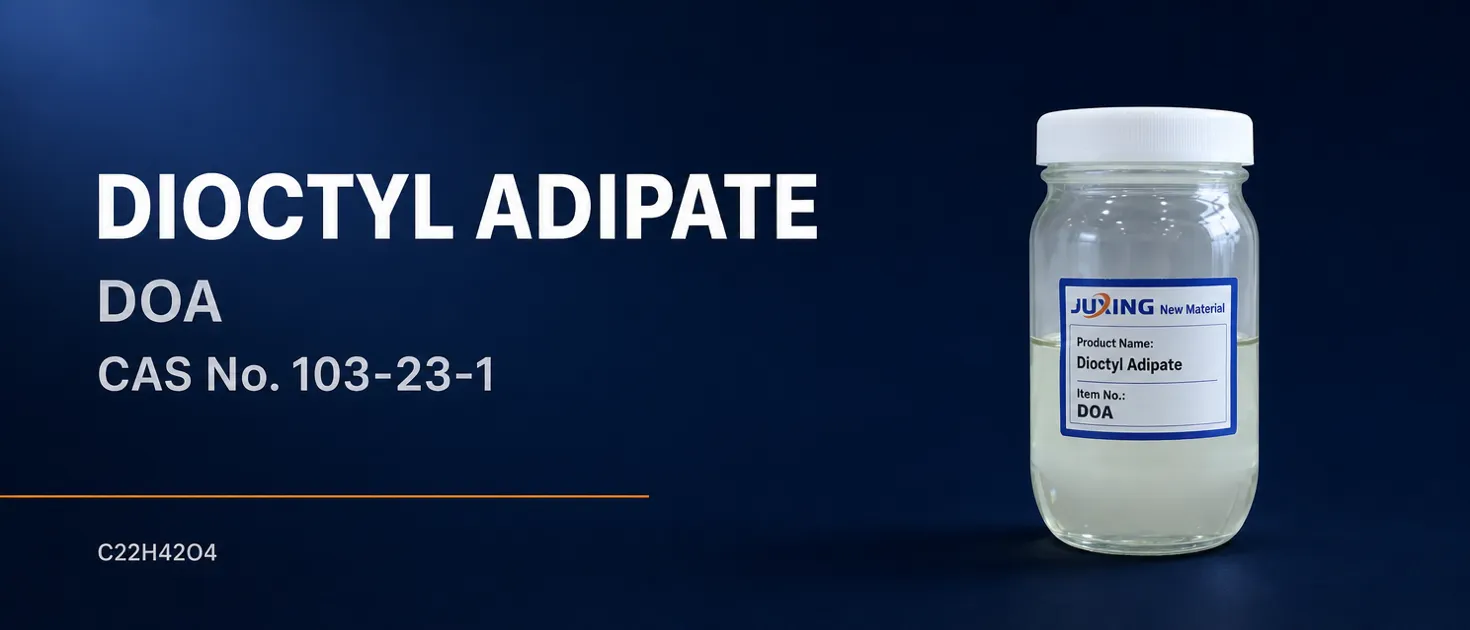
| Grade | DOA |
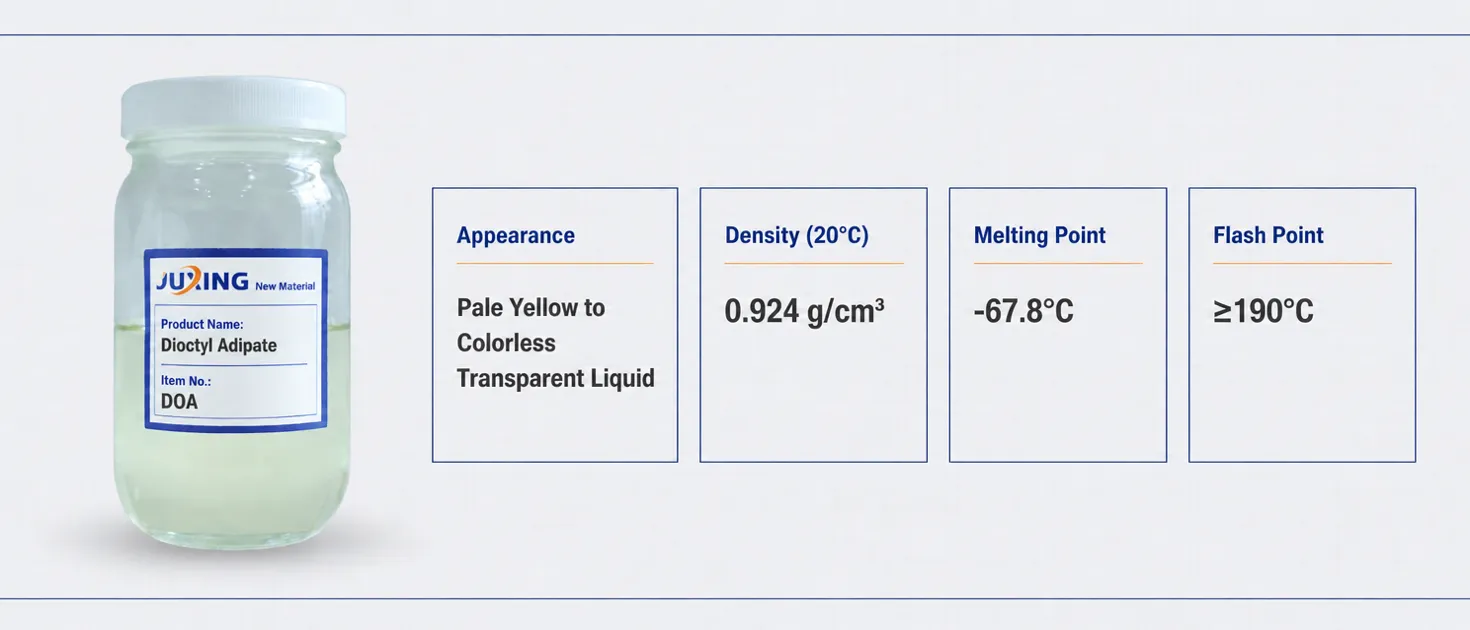
| CAS Number | 103-23-1 |
| Appearance | Pale yellow to colorless transparent liquid |
| Specific Gravity at 20°C | 0.924 g/cm³ |
| Melting Point | −67.8°C |
| Flash Point | ≥190°C |
Specifications compiled from the manufacturer's TDS documents. Buyers should confirm application-specific suitability with the supplier before large-scale adoption, as actual formulation performance depends on the complete compound design.
Think of a plasticizer like the oil in a mechanical system: its role is to reduce internal friction so the surrounding material can flex without cracking or tearing. When temperatures drop significantly, the wrong plasticizer causes the entire formulation to stiffen and fail in service. Dioctyl Adipate (DOA), with a confirmed melting point of −67.8°C, provides sustained low-temperature flexibility well below what general-purpose plasticizers can deliver. This characteristic makes DOA the practical choice for agricultural films in cold climates, frozen-food packaging, wire and cable sheathing, and other applications where brittleness at low temperatures represents a service failure — not just a performance gap.
That said, actual cold-resistance performance in a finished article depends on the total formulation design, including resin type, stabilizer system, and loading levels. If your specification requires consistent flexibility at or below −40°C, DOA is worth evaluating as the plasticizer component, but formulation-level testing remains essential before production scale-up.
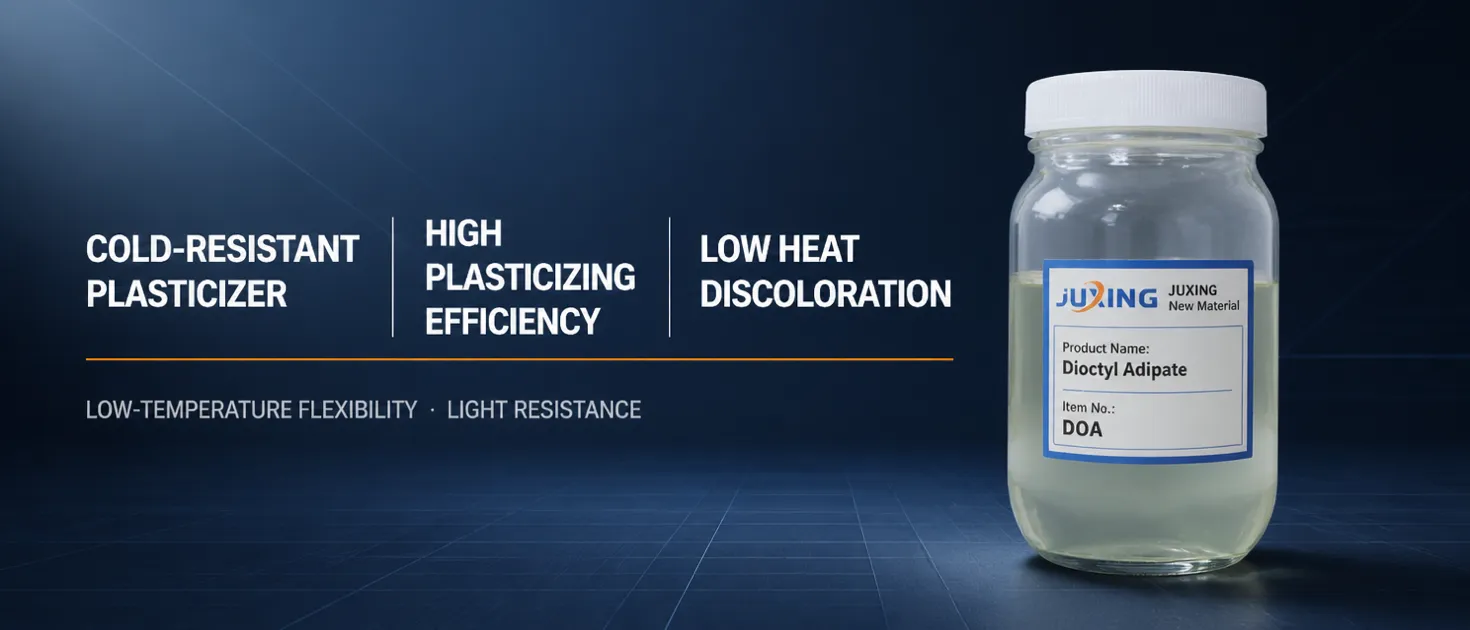
The defining characteristic of Dioctyl Adipate (DOA) is its ability to maintain effective plasticizing action at very low temperatures. In PVC formulations, DOA delivers low-temperature flexibility that standard phthalate-based alternatives typically cannot match at comparable loading levels. Agricultural films, cable sheathing, and frozen-food packaging films all benefit from this attribute when operating in sub-zero environments. The melting point of −67.8°C provides a reliable low-temperature baseline for formulators specifying cold-resistant compounds.
Beyond cold-weather performance, DOA delivers high plasticizing efficiency and thermoplastic efficiency. The resin compound processes more readily — flow characteristics during calendering, extrusion, or injection operations improve, which can reduce processing temperatures and improve cycle consistency. DOA is compatible with polyvinyl chloride, vinyl chloride copolymers, polystyrene, and synthetic rubber systems, making it broadly applicable across flexible polymer manufacturing.
DOA features low thermal discoloration properties, supporting color stability during heat processing — important for consumer-visible applications such as flexible films and artificial leather. In plastisol applications, Dioctyl Adipate (DOA) provides low initial viscosity and excellent viscosity stability over time, simplifying coating and dipping operations by reducing premature thickening that can disrupt production schedules and coating uniformity.
Greenhouse films, mulch films, and silage wraps used in cold-climate agriculture must retain mechanical integrity through extended periods below freezing. In practice, this means the film cannot crack, split, or lose its sealing characteristics when temperatures drop to −20°C or lower during installation and early growing seasons. DOA-containing PVC formulations address this requirement by maintaining material flexibility where competing plasticizers stiffen and cause tearing. Manufacturers supplying agricultural film to northern European, North American, or Northeast Asian markets specify Dioctyl Adipate (DOA) as the cold-resistance enabler in their formulation.
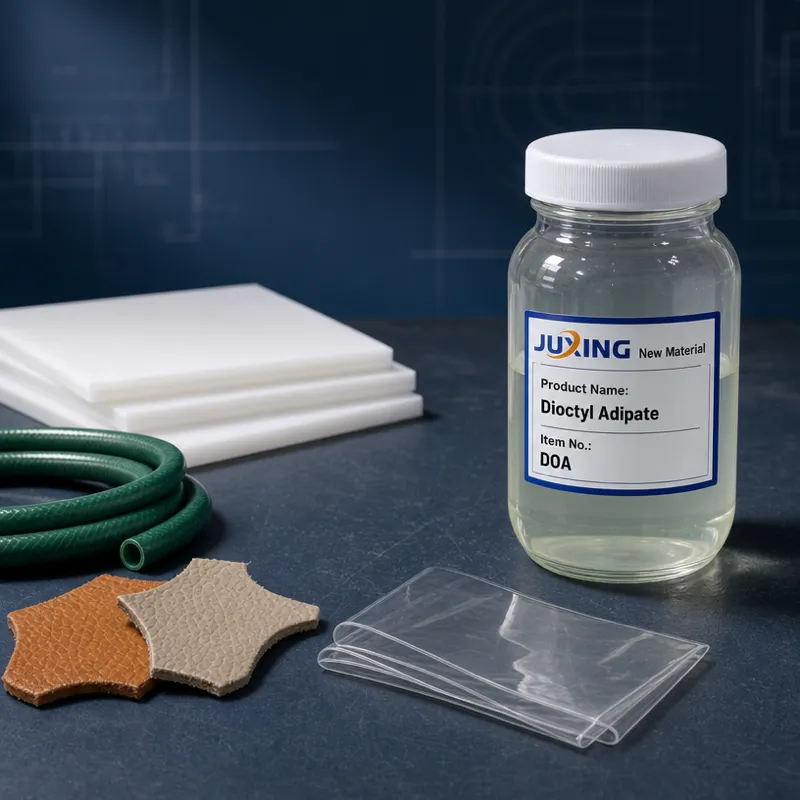
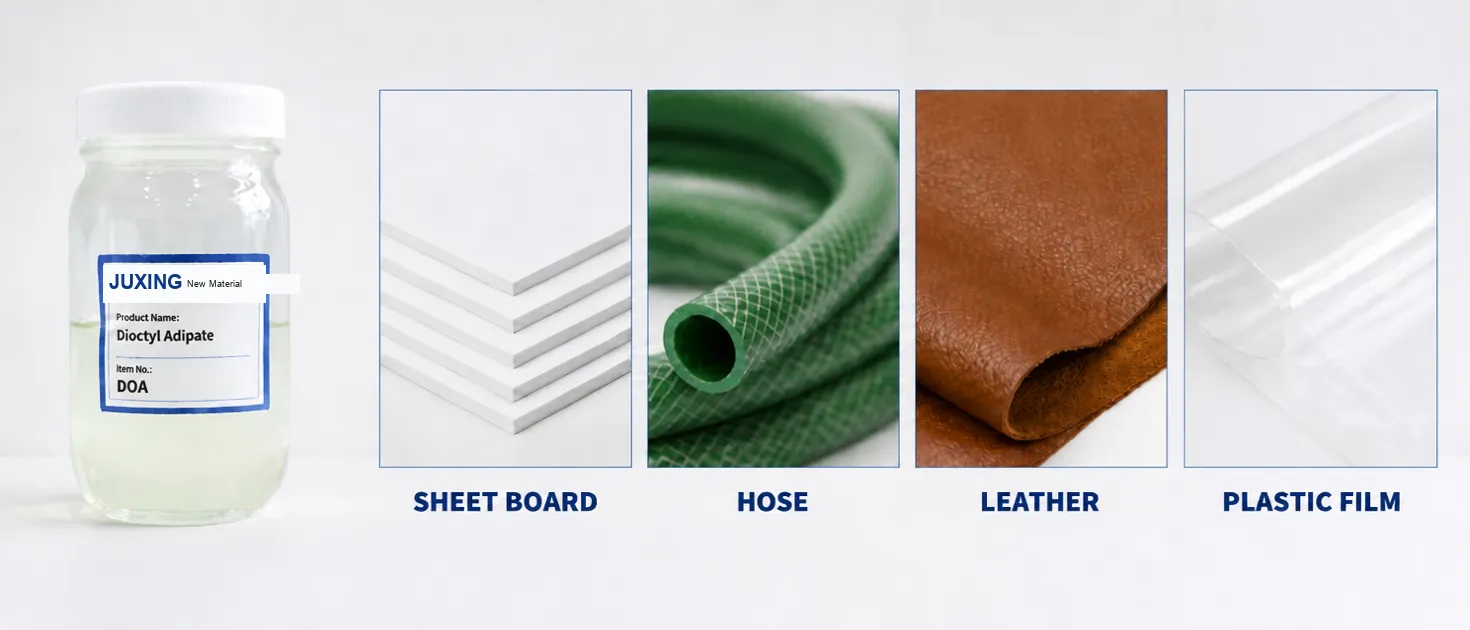
Packaging films for frozen-food cold chains must remain pliable and sealable at temperatures as low as −40°C. DOA-plasticized PVC films meet this requirement while also providing the low thermal discoloration and good tactile characteristics needed for food-contact packaging. Wire and cable sheathing for outdoor installations and refrigerated facilities similarly requires low-temperature brittleness resistance that DOA reliably delivers in properly formulated sheathing compounds. Other established applications include artificial leather, flexible sheets, and outdoor water pipes requiring cold-resistant performance.
Dioctyl Adipate (DOA) is available in Flexitank (bulk liquid, one per twenty-foot container), Galvanized Steel Drum (mid-volume, multiple per twenty-foot container), and IBC Tote Tank (intermediate bulk, easy pump-out handling) formats. Format selection affects total logistics cost, minimum order flexibility, and on-site dispensing requirements. Buyers with existing drum-based chemical handling equipment may find Galvanized Steel Drum the most practical entry format, while high-volume operations benefit from Flexitank economics.
For procurement teams evaluating Dioctyl Adipate (DOA) from Chinese suppliers, the practical question is not whether quality product is available — it is — but how to verify that a specific supplier's product meets specification consistently batch after batch. Key evaluation criteria include: availability of a TDS with verifiable parameter values matching the stated grade, batch-level consistency for specific gravity and color, packaging integrity for liquid export across multi-week ocean shipping, and supplier experience with specialty chemical export documentation including MSDS and customs classification.
A pattern experienced procurement teams encounter with plasticizer sourcing: selecting a DOA supplier on unit price alone, then encountering batch inconsistency that results in formulation failures and downstream production cost far exceeding the initial savings on material. Evaluating total procurement cost, including the risk of quality variation and potential rework, is the more reliable framework for specialty plasticizer purchasing decisions than initial unit price comparison alone.
Zhejiang Jianhua Hardware & Electromechanical Supply Chain Management Co., Ltd. supports bilingual Chinese and English technical communication, enabling international buyers to confirm specifications and obtain technical documentation without translation barriers. Sample confirmation is available before bulk commitment, reducing first-order qualification risk for buyers switching plasticizer suppliers or introducing DOA into a new formulation platform.
Dioctyl Adipate (DOA) has established plasticizer compatibility across several resin families: Polyvinyl Chloride (PVC) — the primary application resin for flexible cold-resistant compounds; Vinyl Chloride Copolymers — compatible as primary or secondary plasticizer depending on the copolymer composition; Polystyrene — applicable where improved processing flexibility is required at the compounding stage; Synthetic Rubber — improves flexibility and processability in selected synthetic rubber formulations. For blended resin systems or non-standard formulations, laboratory evaluation at the formulation level is recommended before committing to scale-up adoption.