Supplier:Jinghan
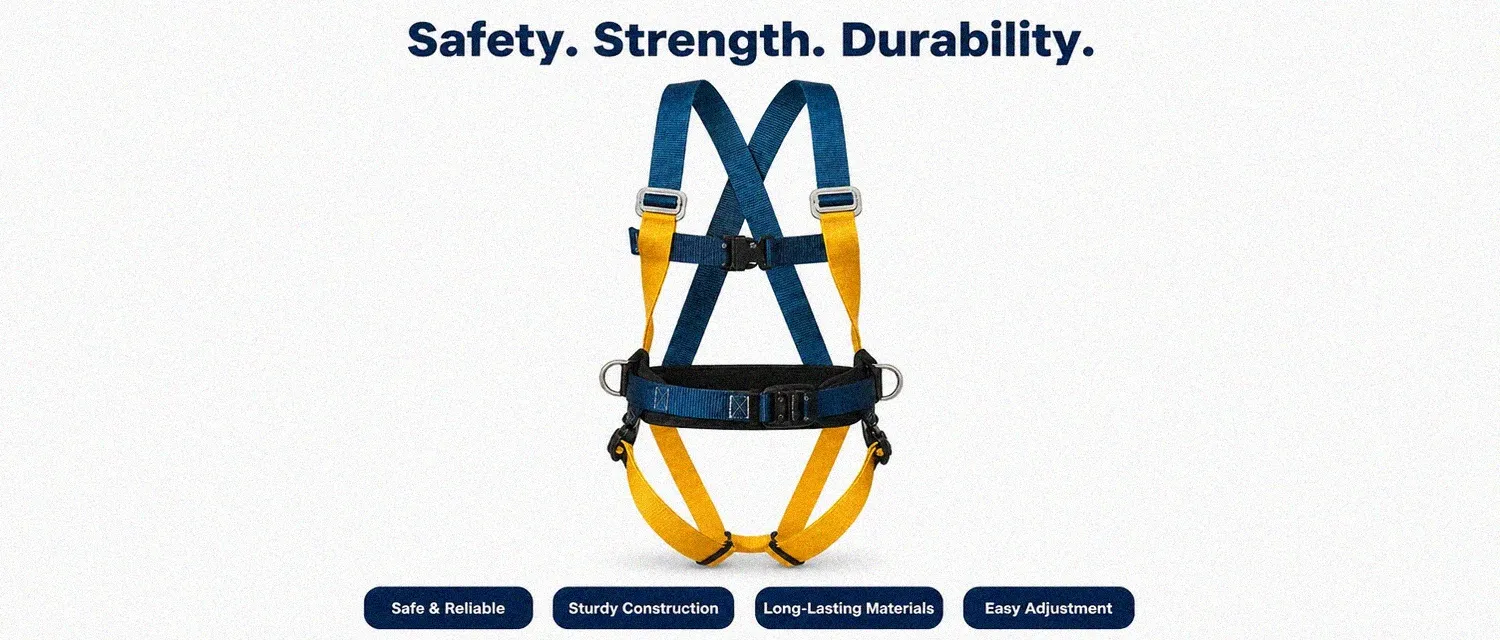
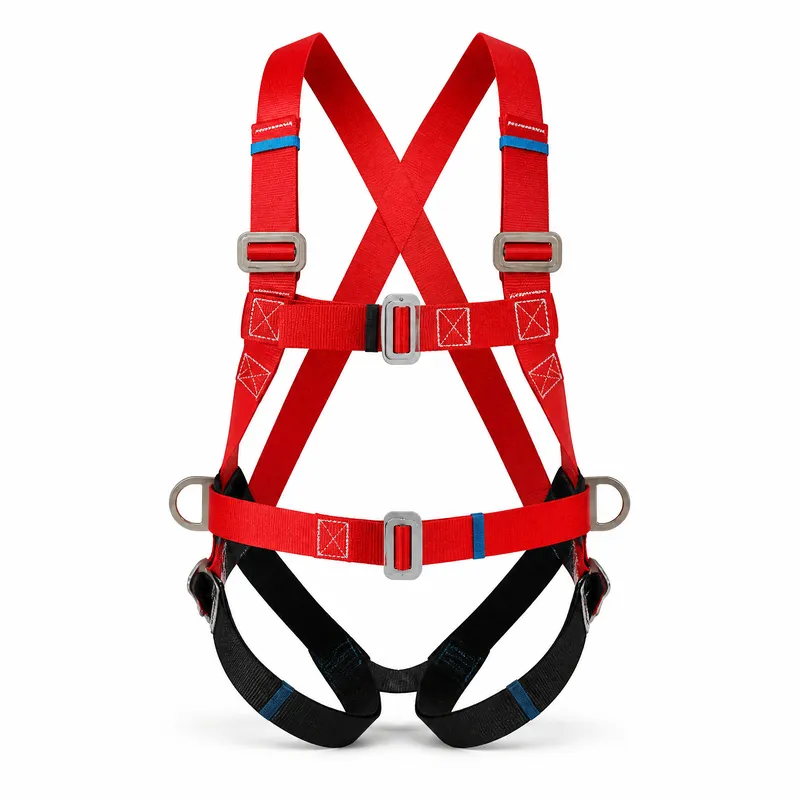
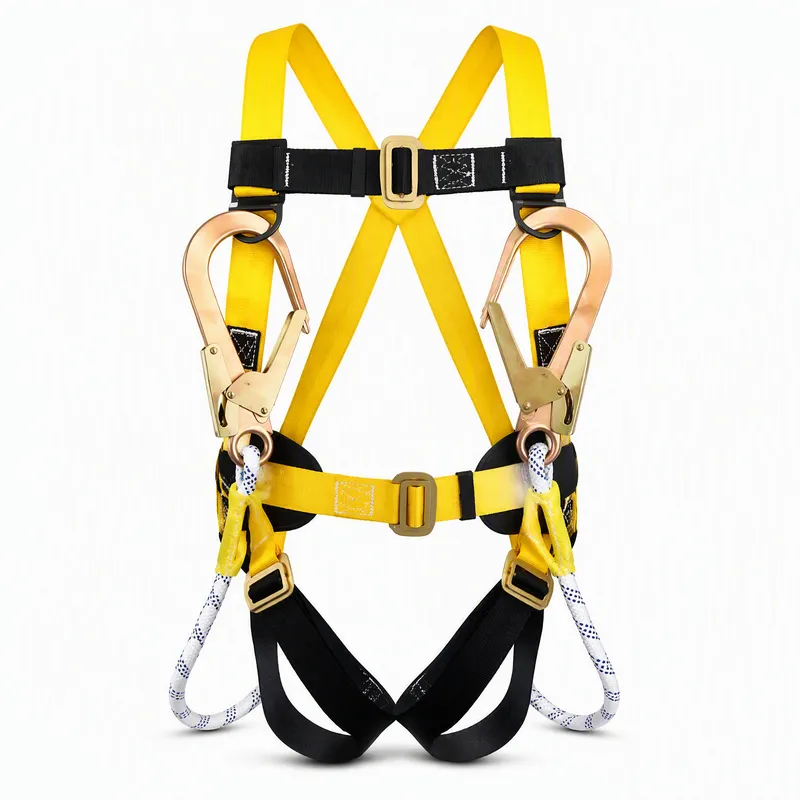
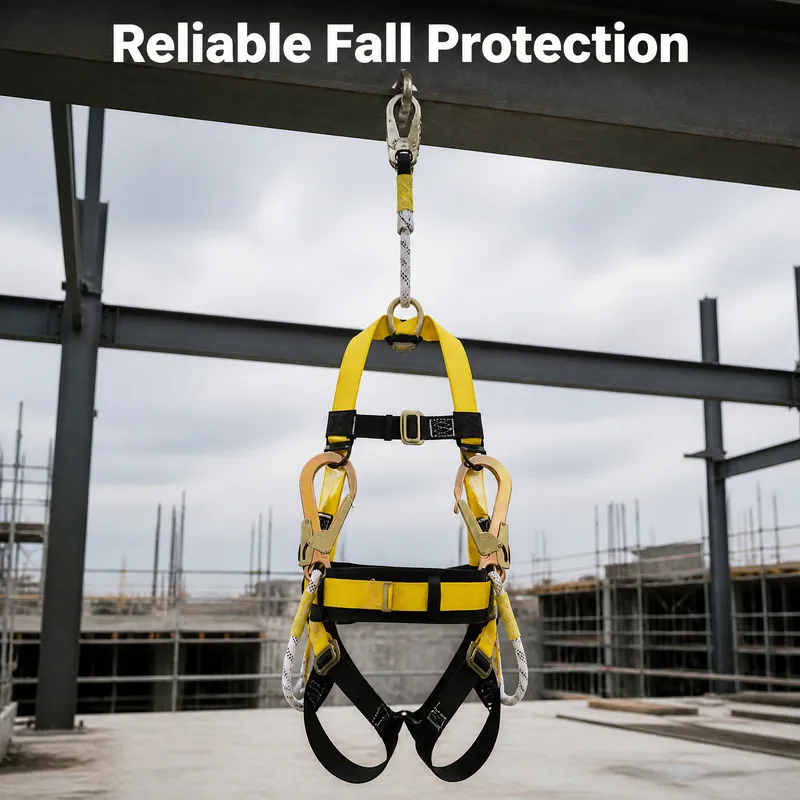
Five-point full-body harness with shock-absorbing components, distributes impact load across shoulders, back, waist, and legs, for fall arrest and work positioning.
Supplier:Jinghan
Five-point full-body harness with shock-absorbing components, distributes impact load across shoulders, back, waist, and legs, for fall arrest and work positioning.
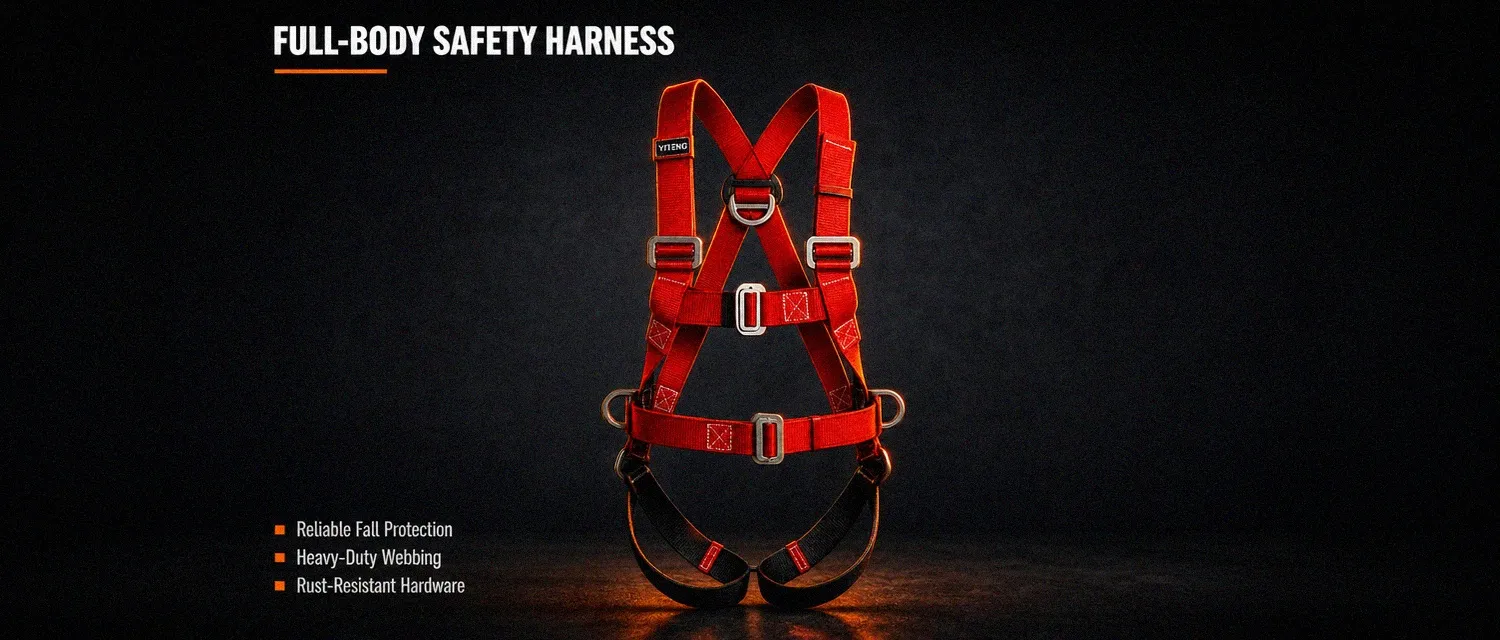
The Five-Point Full-Body Fall-Arrest Safety Harness distributes fall-arrest impact loads across five body contact zones — shoulders, chest, back, waist, and legs — providing comprehensive protection during work-at-height operations. Procurement managers evaluating personal protective equipment for construction, industrial maintenance, and infrastructure inspection projects specify this harness because it addresses the core failure mode of simpler designs: concentrated impact loading on a single body zone.
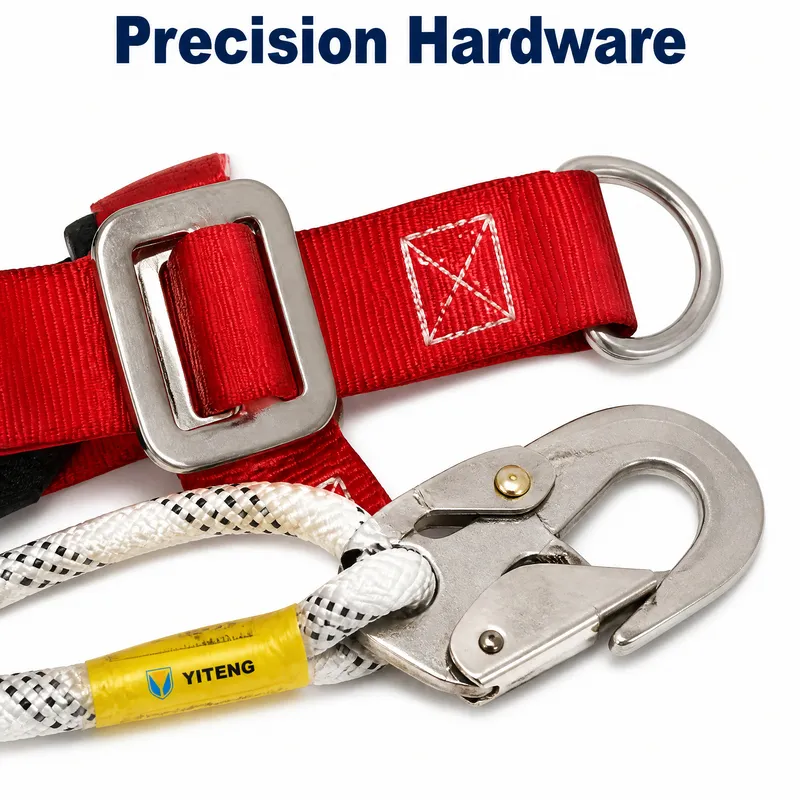
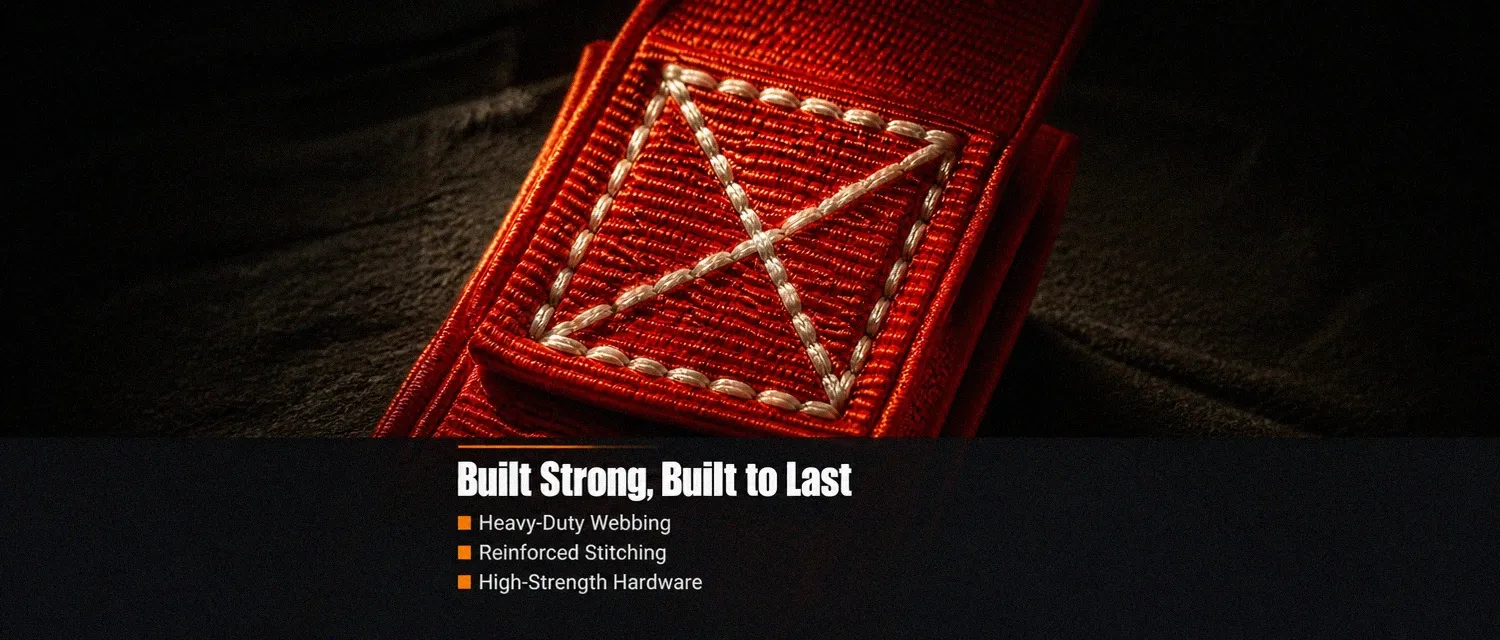
This harness is woven from high-strength nylon or polyester webbing with precisely sewn seams. Metal connectors including D-rings, snap hooks, and carabiners are one-piece stamped from aerospace-grade aluminum alloy or stainless steel. Thickened EVA foam cushions shoulder, waist, and leg contact zones. Supplier: Jinghan. Multiple sizes in stock; sample testing available.
A waist-only safety harness concentrates the entire fall-arrest impact on the lumbar spine, risking serious lower-back injury and the danger of the wearer slipping out during a fall. Think of it like comparing a car lap belt to a full racing harness: the lap belt restrains at one point, while a full harness spreads deceleration force across the chest, shoulders, and hips — the body's most load-tolerant structures.
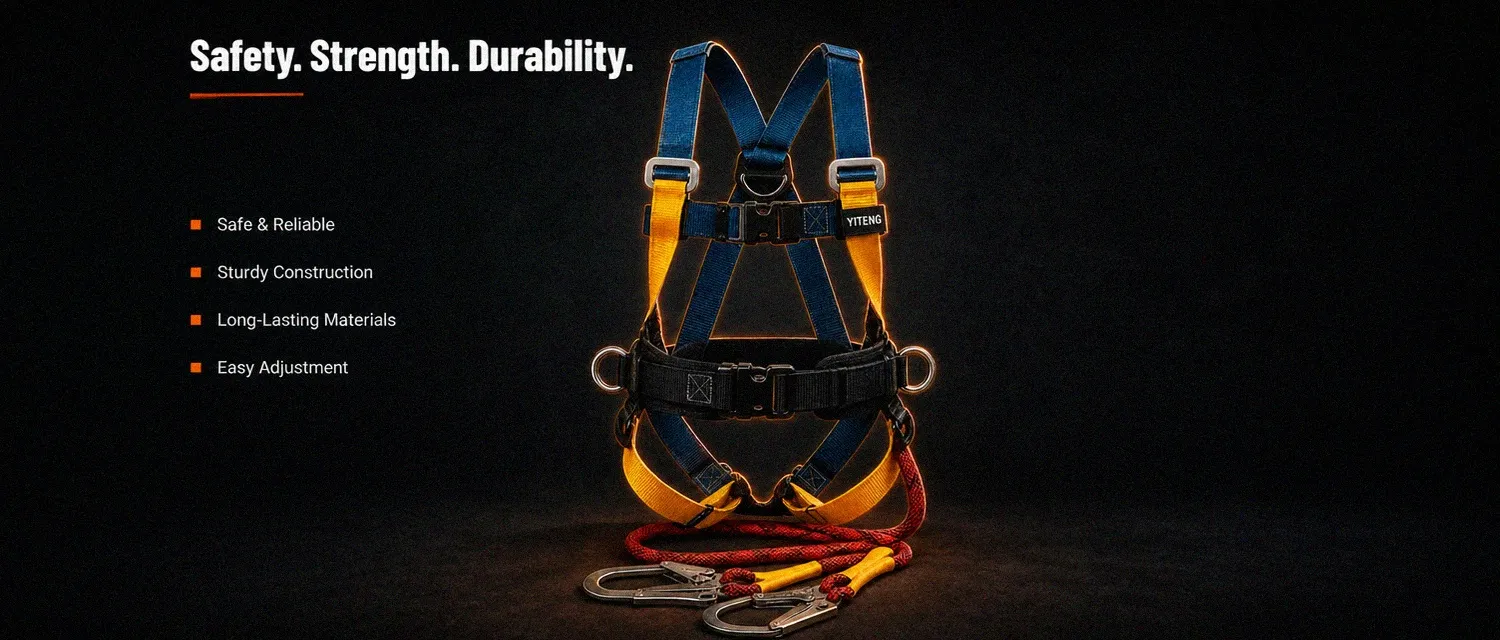
A work-area restriction harness limits movement range but is not designed to withstand free-fall impact. The Five-Point Full-Body Fall-Arrest Safety Harness handles both functions simultaneously: it restricts positioning range and absorbs fall-arrest loads when connected to shock-absorbing lanyards or self-retracting lifelines. The dual-anchor alternating-connection system eliminates the unprotected interval that occurs when workers must transfer between anchor points on single-anchor systems.
| Parameter | Specification |
|---|---|
| Main Webbing Material | High-strength nylon or polyester fiber |
| Hardware Material | Aerospace-grade aluminum alloy and stainless steel, one-piece stamped |
| Primary Anchor | Back main D-shaped ring |
| Auxiliary Anchor | Chest D-shaped ring |
| Padding | Thickened EVA foam at shoulder, waist, and leg zones |
| Adjustment | Adjustable waist and leg loops for common height and weight ranges |
| Working Conditions | Outdoor, sun-exposed, dusty, and light-oil environments |
| Compatible Accessories | Shock-absorbing lanyards, self-retracting lifelines, horizontal lifelines |
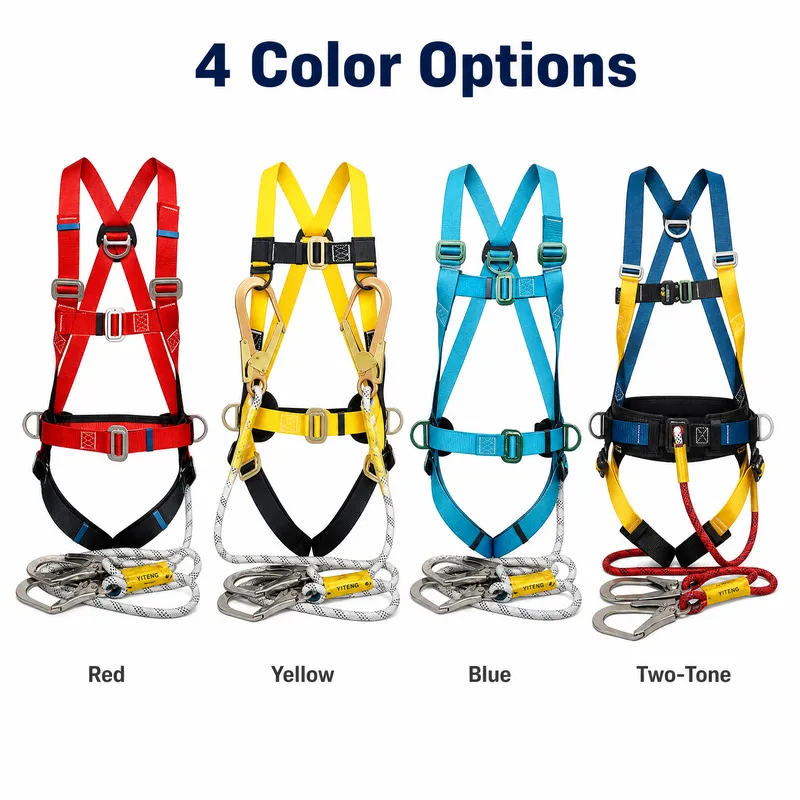
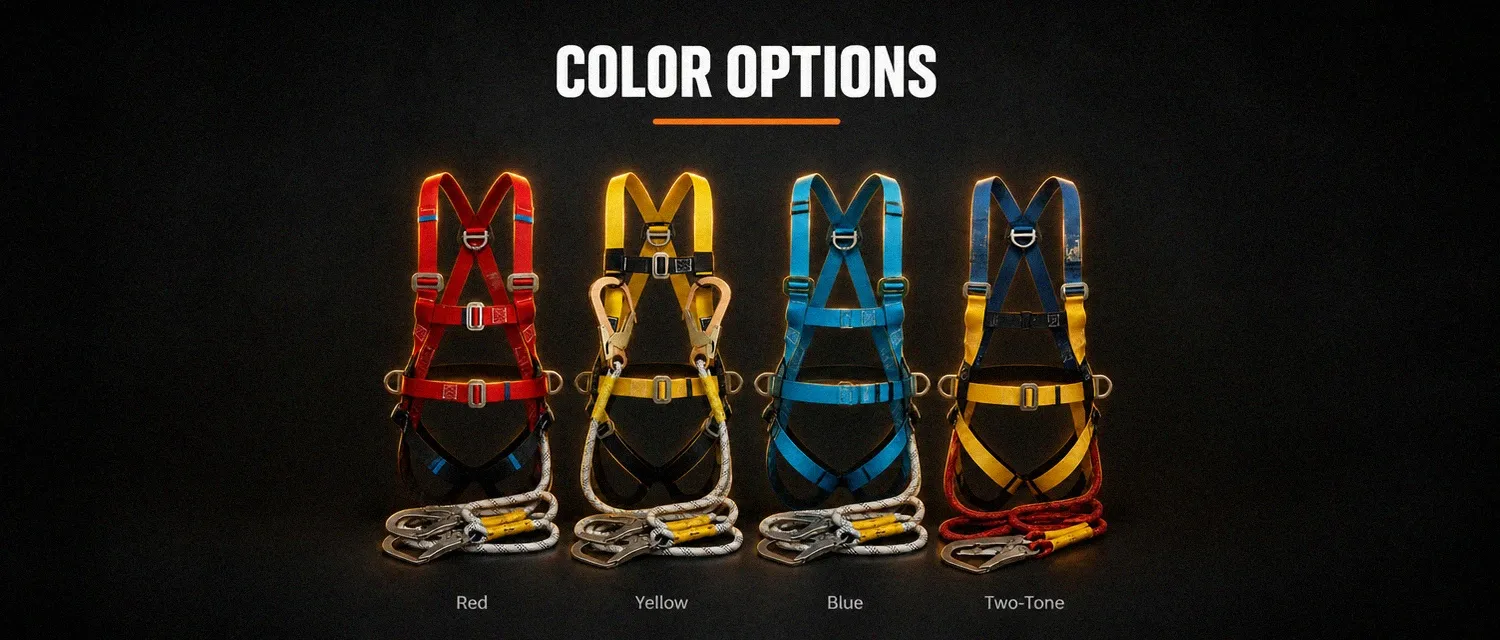
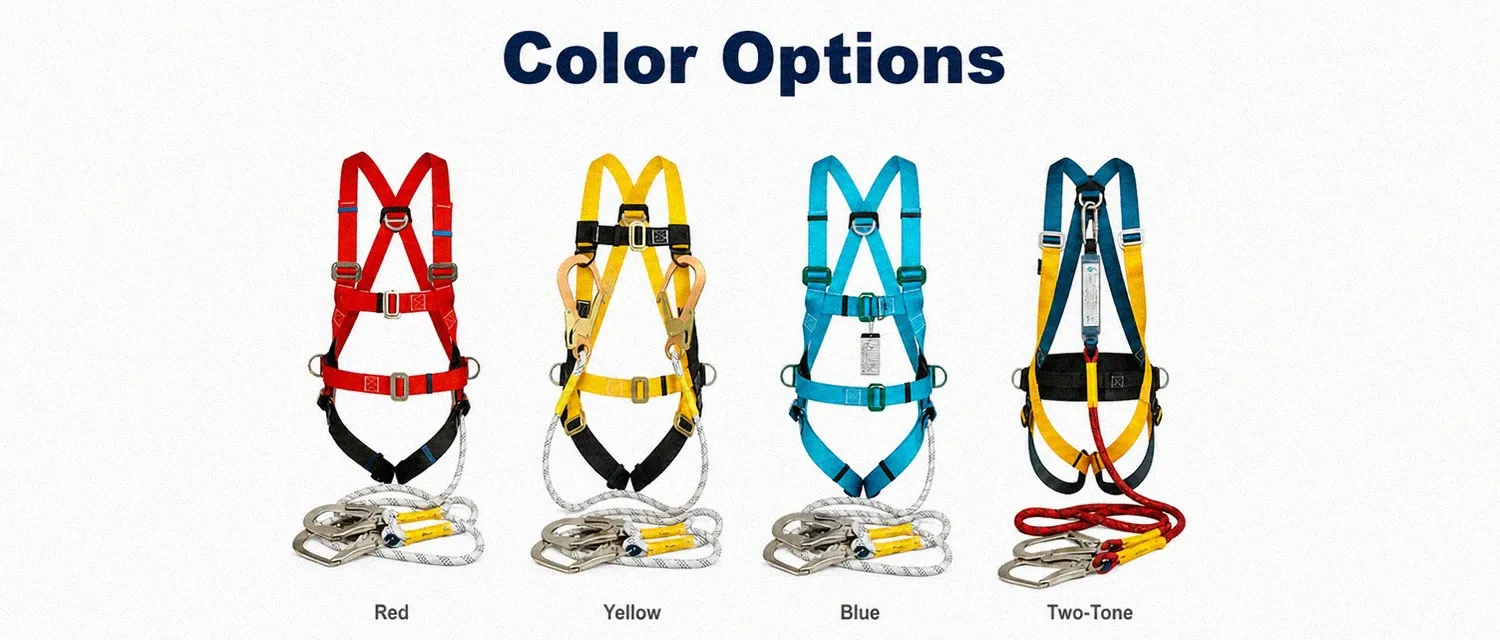
| Color Options | Red, Yellow, Blue, Two-Tone |
| Closure | Quick-release buckles for single-person donning and doffing |
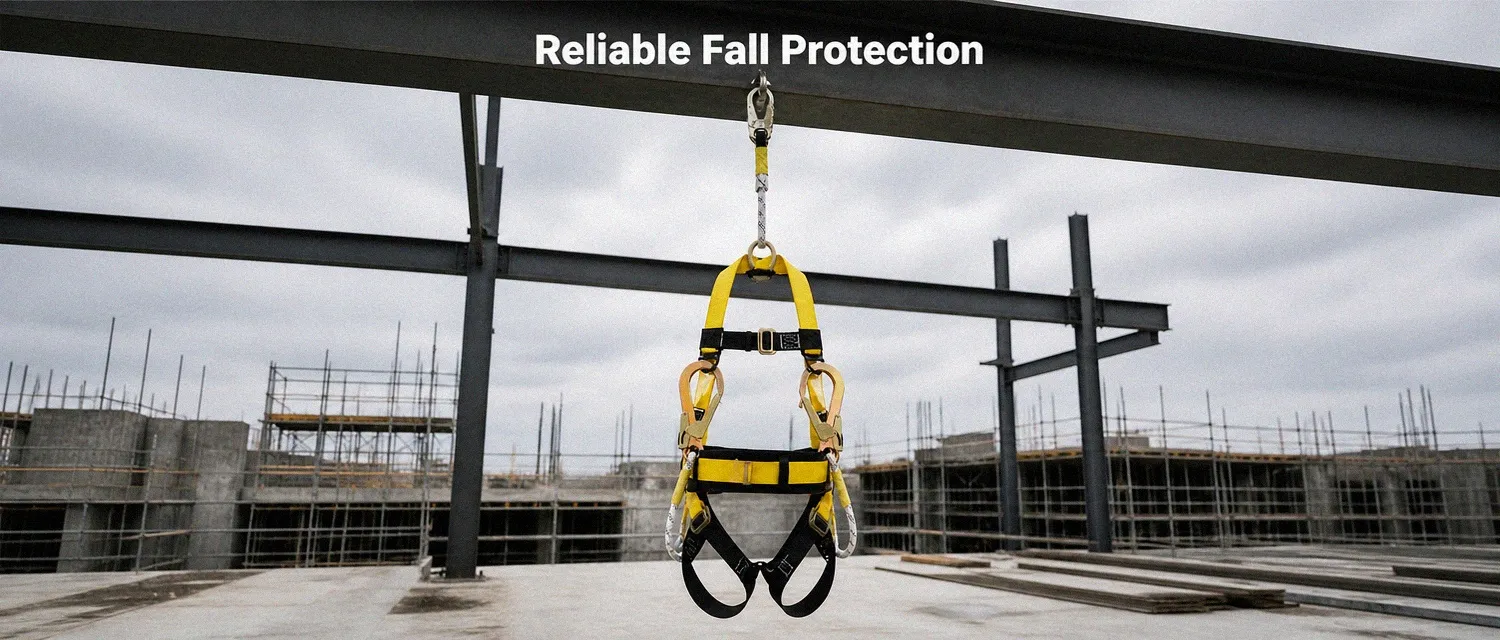
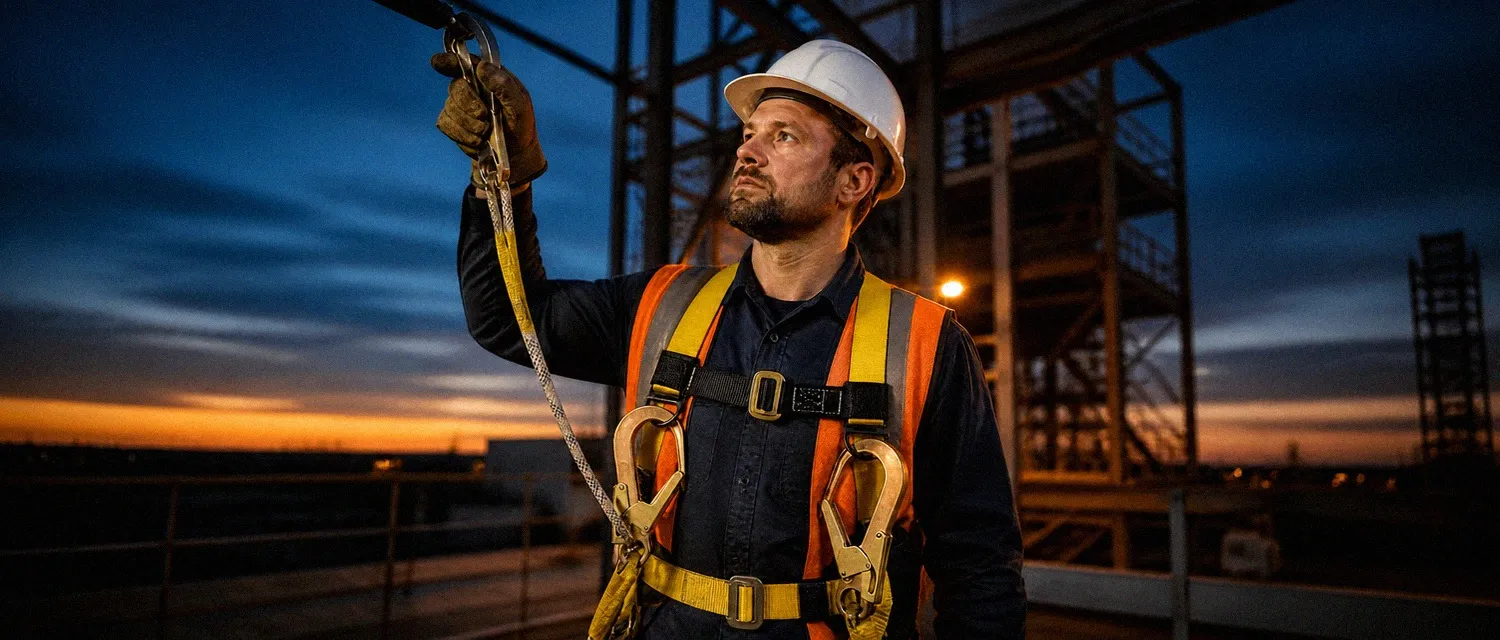
Steel-structure erection, building exterior-wall maintenance, and large advertisement board installation are high-volume use cases for the Five-Point Full-Body Fall-Arrest Safety Harness in project procurement. Workers on open elevated structures require continuous protection during horizontal anchor-point transitions. The dual-anchor connection system maintains fall protection throughout these transitions, while integrated tool loops reduce dropped-object incidents on active sites.
Chemical installation inspection, mine shaft operations, wind-power equipment maintenance, and construction-machinery inspection require harnesses built for variable postures and extended wear under dust, oil, and ultraviolet exposure. Compatible shock-absorbing assemblies support compliance with fall-arrest suspension requirements on regulated energy infrastructure.
Bridge inspection, high-tower overhaul, and interior high-altitude operations in large commercial venues demand reliable protection across shifting positions. The clearly marked load-bearing points simplify daily pre-use inspections, reducing the skill level required for on-site safety checks and supporting standardized workflows across large project teams.

Compared with waist-only harnesses, the five-point full-body design eliminates concentrated lumbar-stress injuries and the risk of wearer slipout during fall events. The added donning complexity should be addressed through standardized training, not by specifying a simpler product that does not meet fall-arrest performance requirements.
Compared with restriction-only harnesses, this model withstands free-fall impact when connected to shock-absorbing assemblies. Procurement departments that conflate the two categories introduce a compliance gap. Metal fittings and webbing are independently assessable for wear, enabling partial-retirement decisions aligned with site safety management protocols.

In the majority of cases where overseas buyers have hesitated over Chinese safety equipment, the deciding factor has been quality documentation — mechanical test reports, material specification sheets, and inspection records. For the Five-Point Full-Body Fall-Arrest Safety Harness, product drawings, material test reports, and specification sheets support project-level equipment selection and accessory matching.
Pre-sales consultation covers equipment selection by operation type and site conditions. Technical support guides donning procedures, inspection routines, maintenance protocols, and retirement criteria. Moisture-resistant packaging is standard for international shipments. For procurement managers standardizing equipment across multiple sites, this documentation package reduces supplier qualification effort significantly.
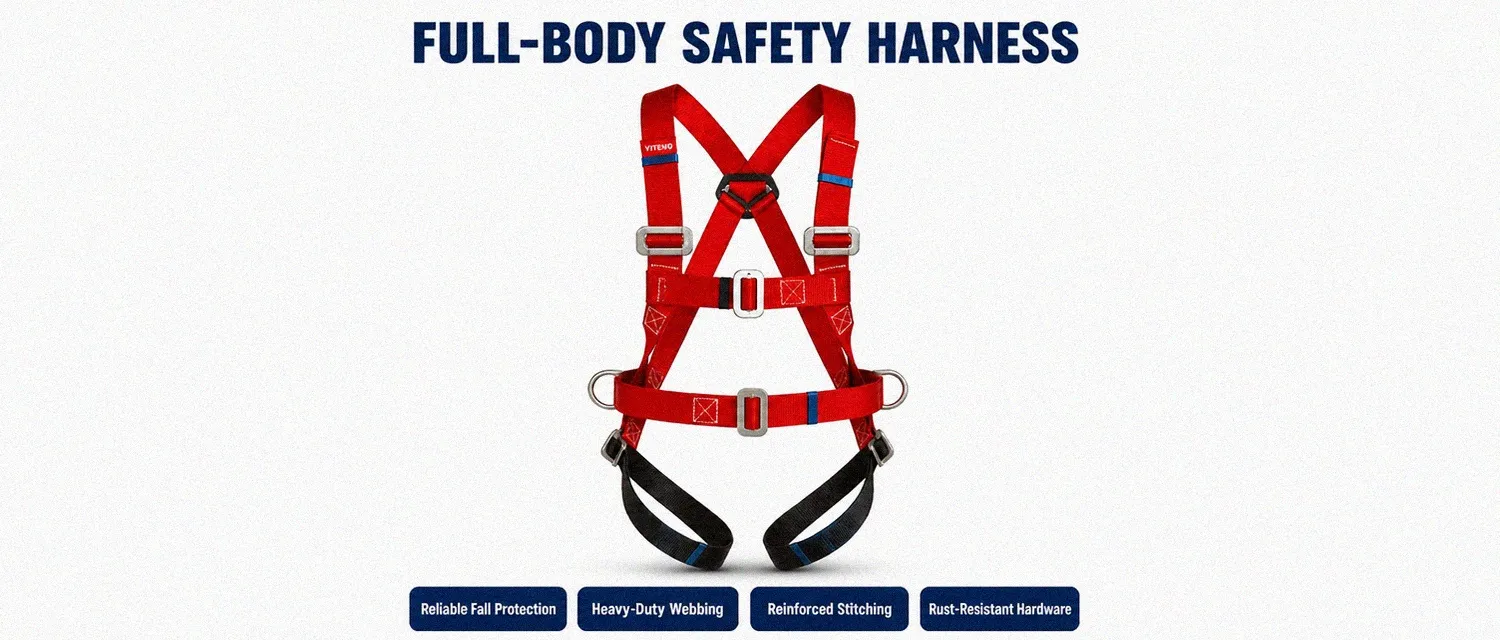
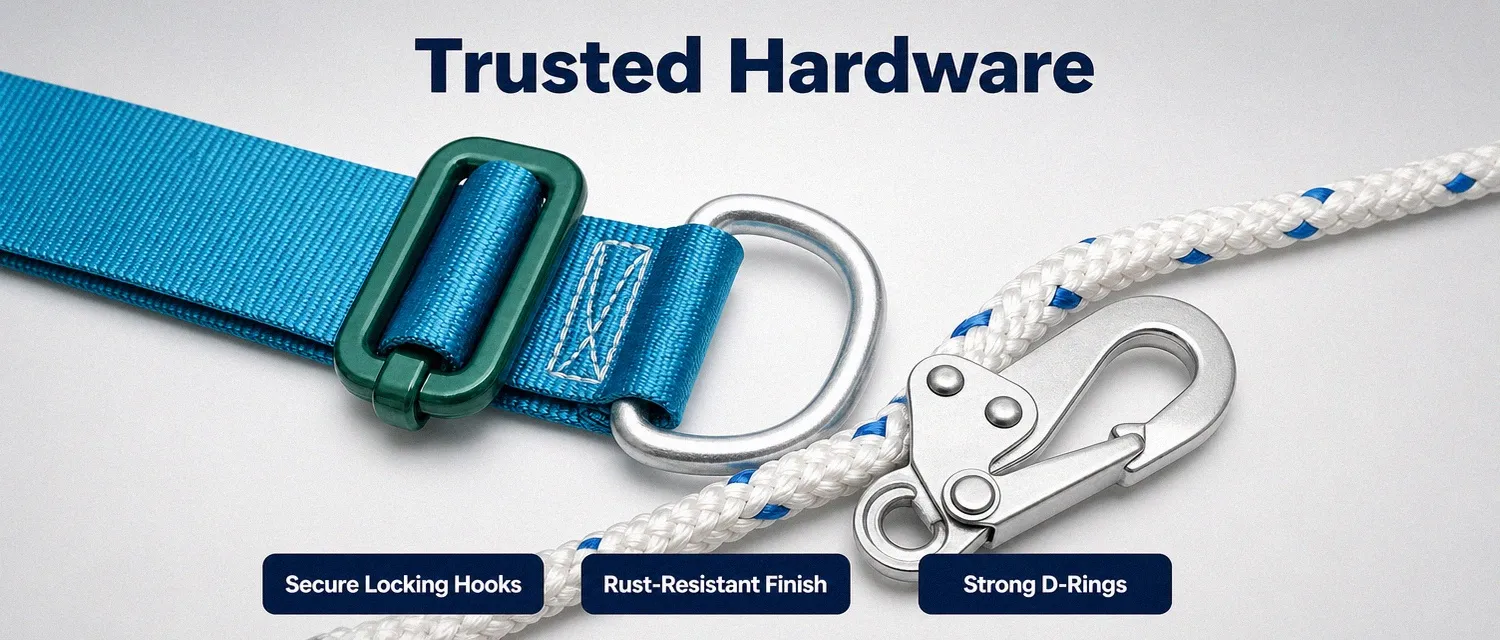
Thickened EVA pads at shoulders, waist, and legs reduce compression discomfort during extended wear. Adjustable buckles fit a wide range of body types. Quick-release closures support single-person donning and doffing. Webbing damage, corrosion, and broken strands are identifiable without specialized tools, keeping daily inspection practical.
Maintenance requires cleaning and air-drying after contamination. Inspect all anchor points and buckles before each use. Avoiding low-hanging-high-use configurations, ensuring complete donning, and enforcing retirement timelines are essential controls for maintaining protective performance throughout the harness service life.