Supplier:GaoYuan
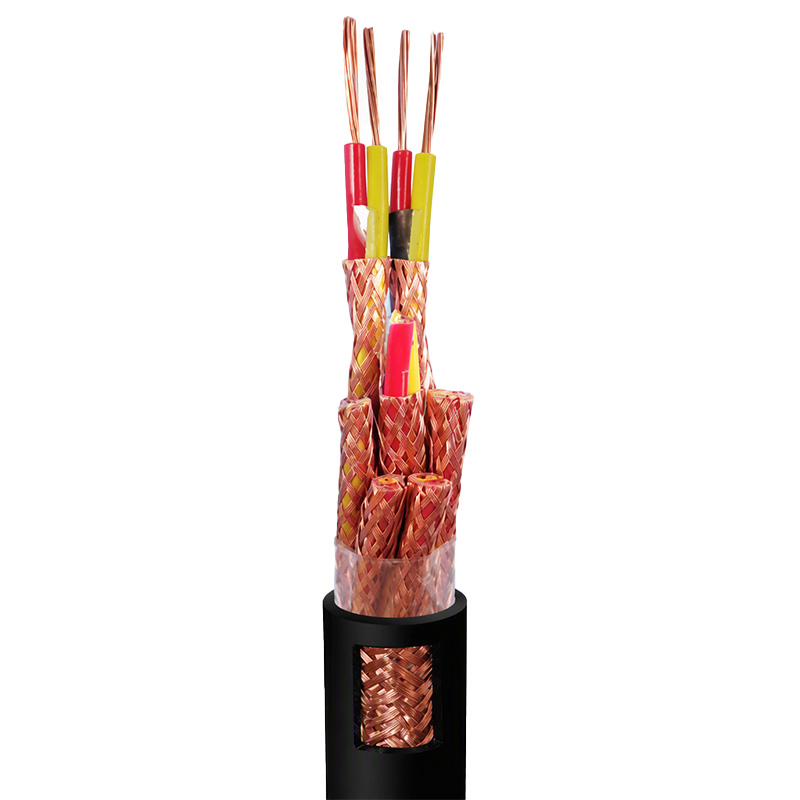
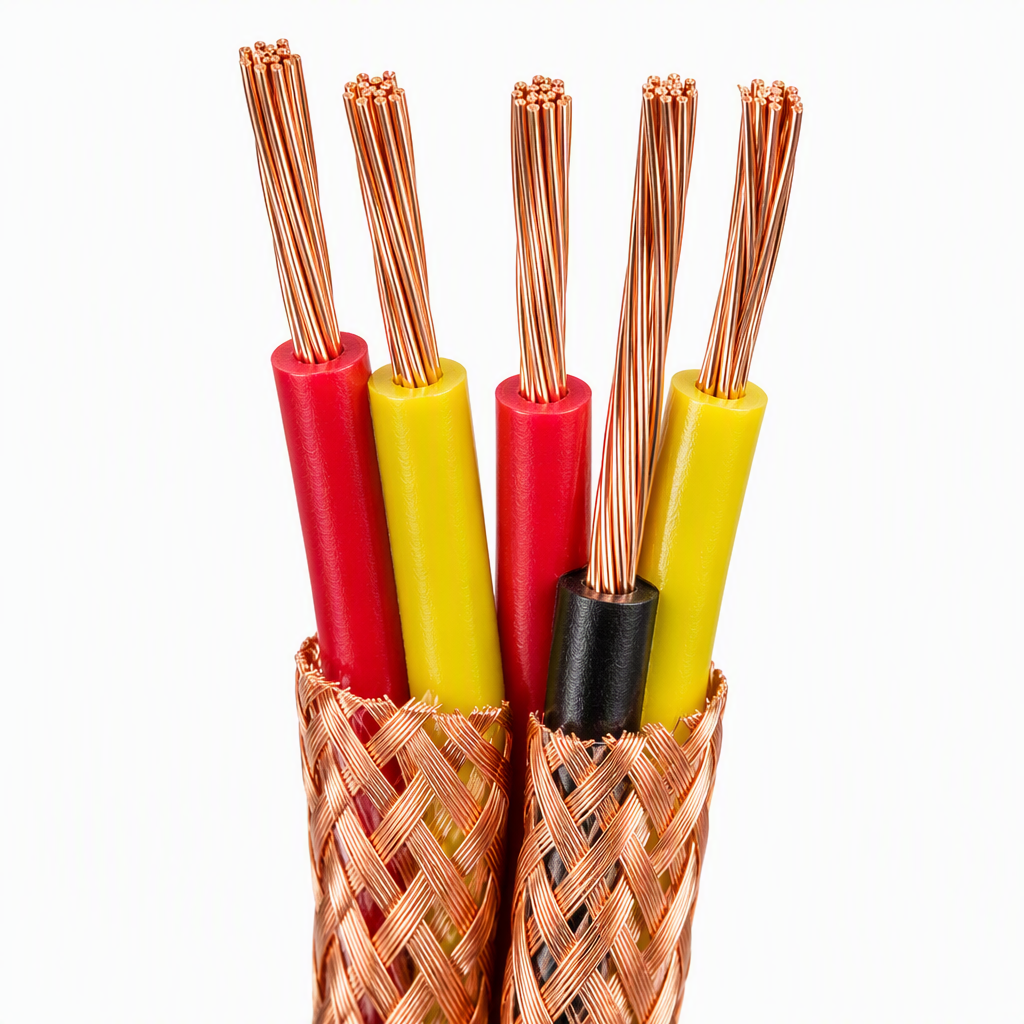
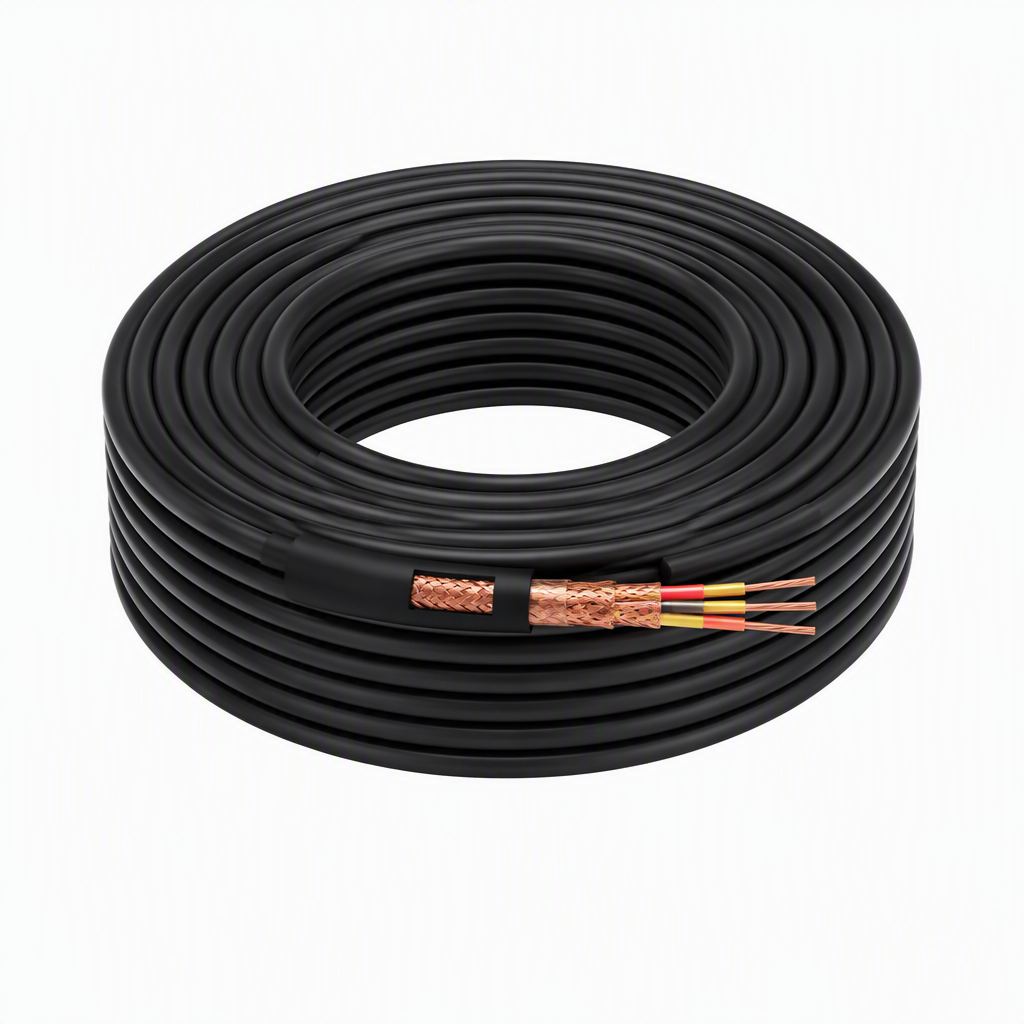
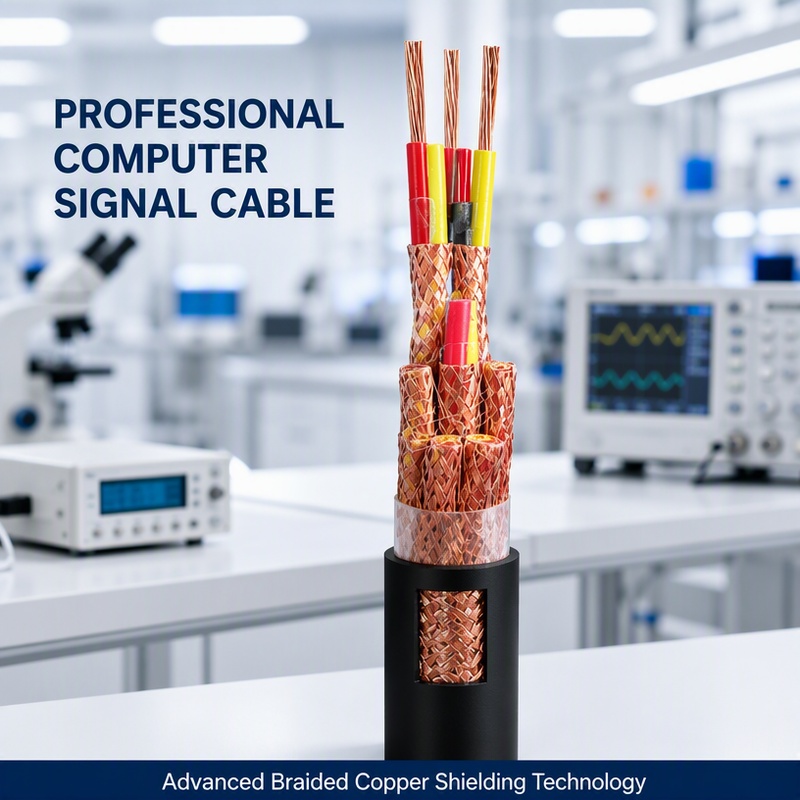
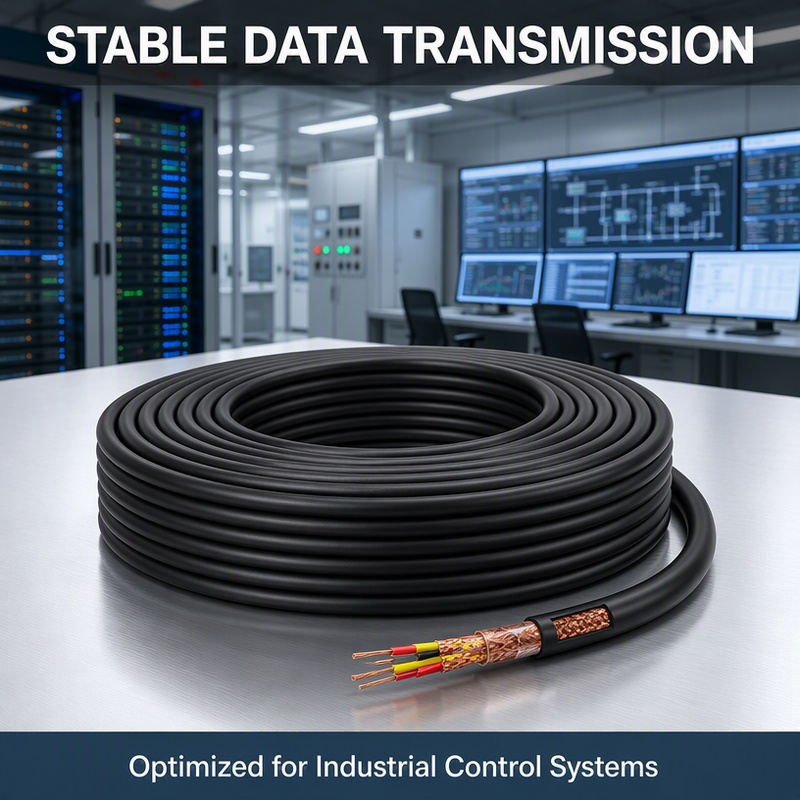
Computer cable fitted with twisted paired cores and copper braid shielding for anti‑interference signal transmission, 300/500V for automation, instrument and industrial control projects.
Supplier:GaoYuan
Computer cable fitted with twisted paired cores and copper braid shielding for anti‑interference signal transmission, 300/500V for automation, instrument and industrial control projects.
If you have sourced signal transmission cables for industrial automation, DCS systems, or instrumentation networks, you have likely encountered a recurring challenge. Standard instrumentation or control cables often lack the necessary shielding and structural integrity to protect weak analog signals from electromagnetic interference. The result is signal drift, data errors, and system instability. Computer cable addresses this challenge through a combination of twisted-pair construction, multi-layer shielding, and low-capacitance insulation — delivering reliable signal transmission in electrically noisy environments where ordinary cables consistently fail.
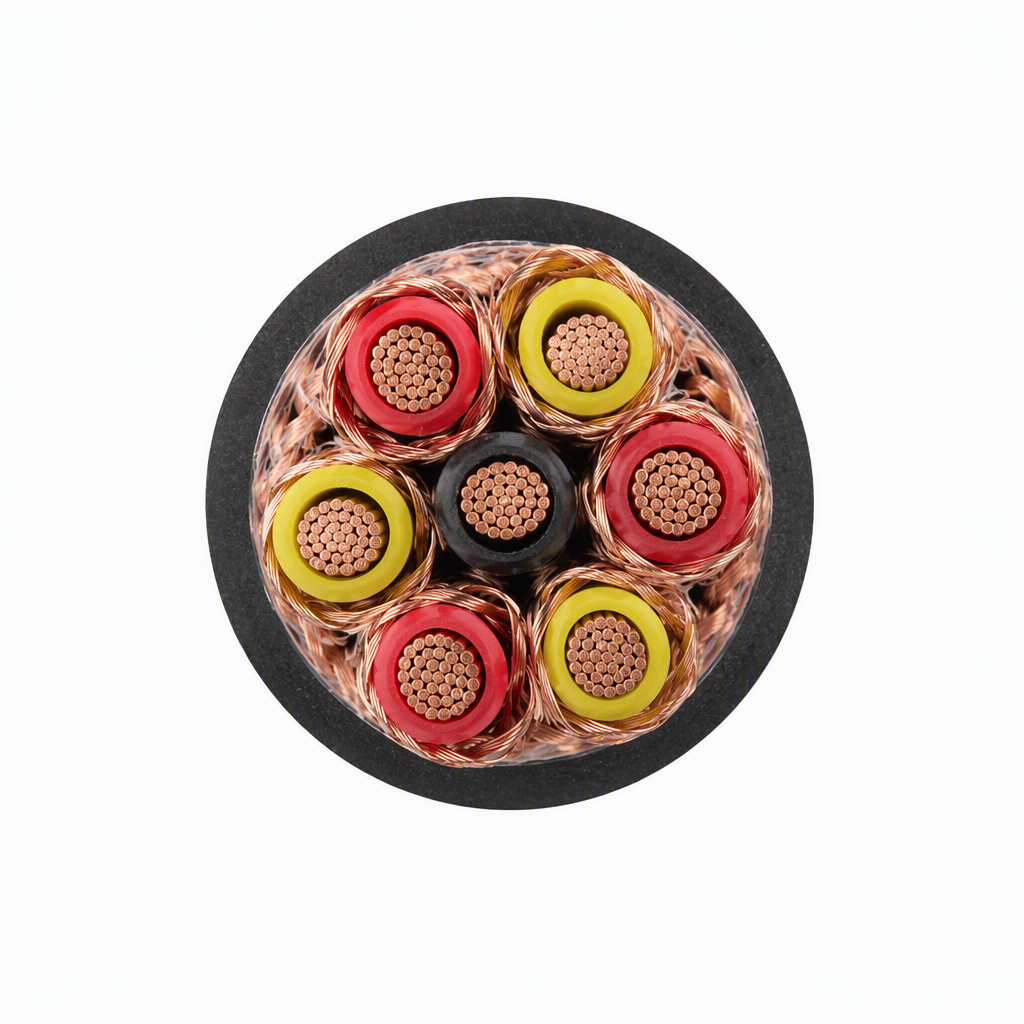
In most industrial automation installations I have reviewed, signal integrity issues are rarely the fault of the instruments themselves — they are the result of inadequate cable selection. Standard multi-core control cables provide basic connectivity but offer insufficient protection against the electromagnetic interference present in industrial environments. Motors, variable frequency drives, and switchgear generate significant electrical noise that couples into unshielded or poorly shielded cables, corrupting the 4-20mA analog signals and digital communications that control critical processes. Computer cable addresses these vulnerabilities through a purpose-built construction: individual twisted pairs reduce crosstalk between circuits; high-density polyethylene insulation maintains low and stable capacitance; and multiple shielding configurations — including individual pair shielding and overall cable shielding — provide graded protection against different types of interference. Whether you are connecting field instruments to a DCS, extending a MODBUS or Profibus network, or interconnecting automation equipment in a control room, this cable delivers the signal integrity that general-purpose cables simply cannot provide.
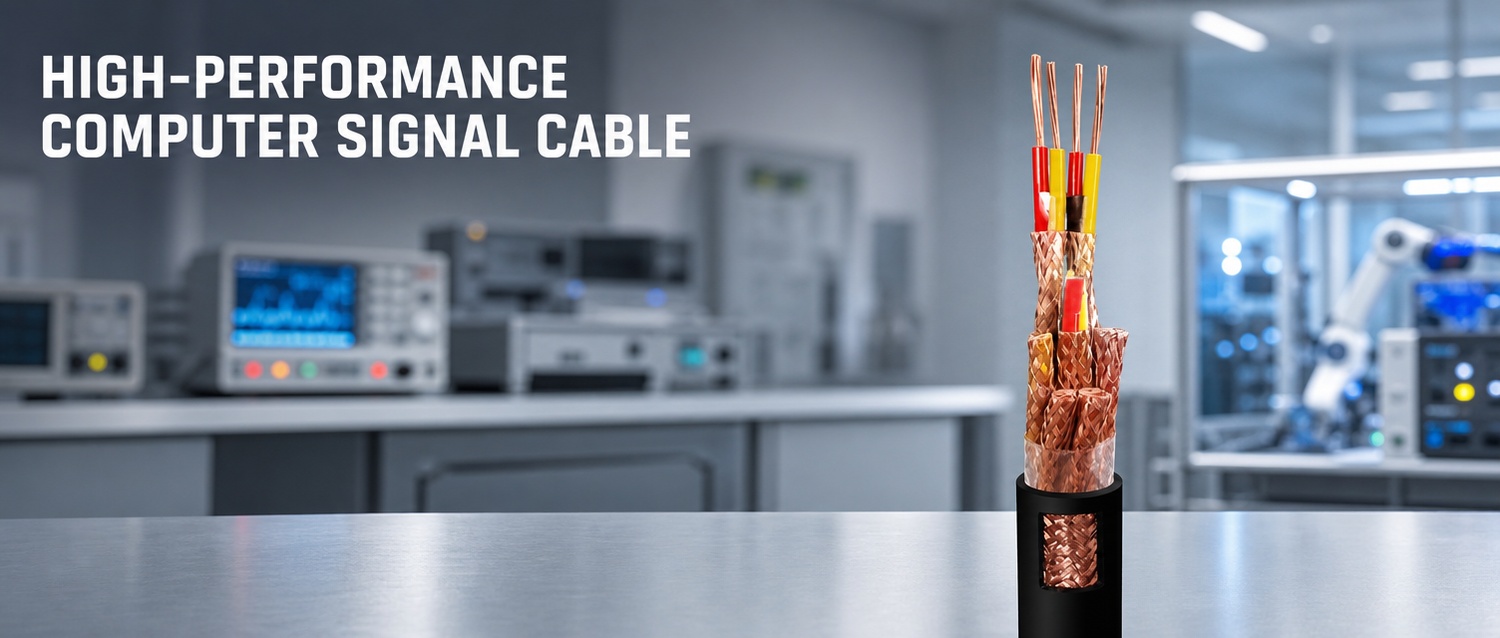
Computer cable is designed specifically for signal transmission at rated voltages up to 300/500V or 450/750V. The construction is fundamentally different from that of control or power cables:
Conductors are manufactured from plain or tinned annealed copper, typically in Class 1 (solid), Class 2 (stranded), or Class 5 (flexible) configurations. The choice of conductor class depends on the application: solid conductors for fixed installations where termination simplicity is valued, and stranded or flexible conductors for applications requiring movement or repeated bending.
Insulation materials are selected for their excellent electrical properties rather than thermal or mechanical performance. High-density polyethylene (HDPE) is the most common insulation material for computer cables, offering:
Low and stable dielectric constant — minimizing signal attenuation over distance
Low dielectric loss — preserving signal quality
High insulation resistance — preventing leakage currents that could affect sensitive measurements
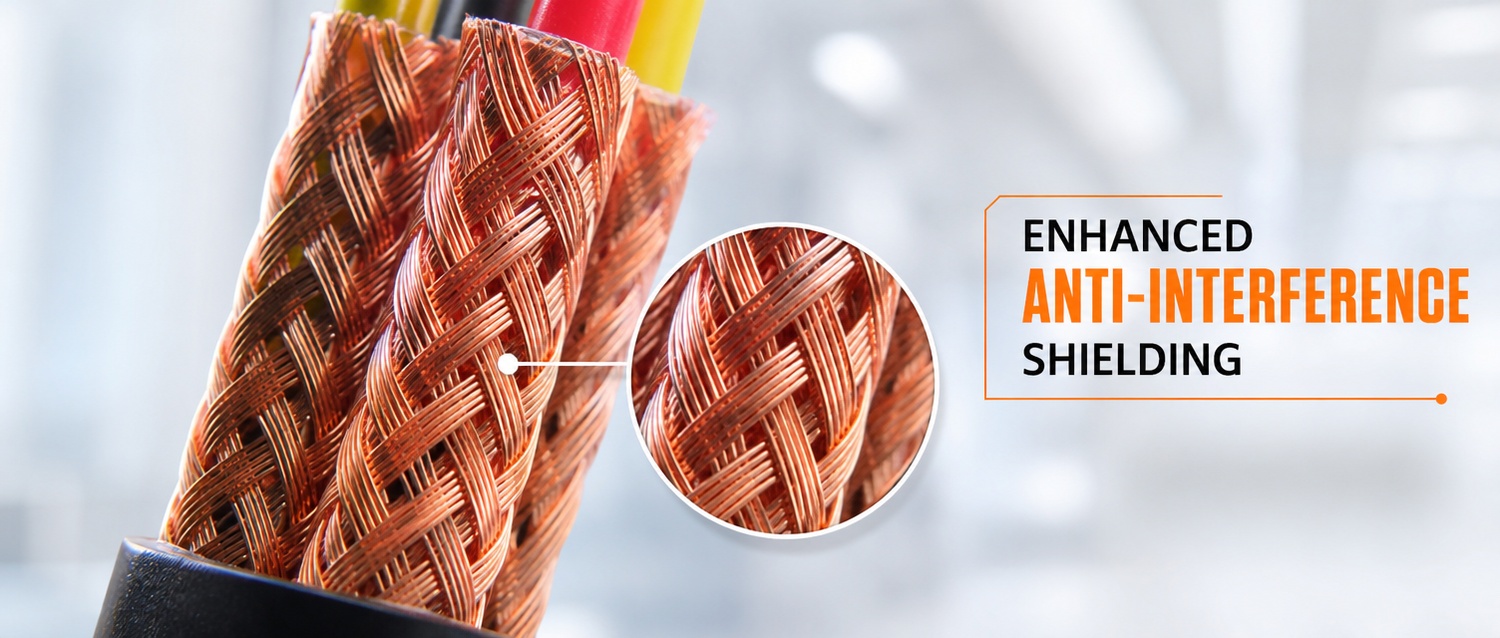
Shielding is the defining feature of computer cable, and multiple configurations are available to match different interference environments:
| Shielding Type | Symbol | Construction | Application |
|---|---|---|---|
| Individual pair shielding | P (in core) | Copper wire braid, copper tape, or aluminum/plastic laminate over each twisted pair | Reduces crosstalk between adjacent circuits |
| Overall cable shielding | P (after cores) | Copper wire braid, tape, or laminate over the assembled cable core | Protects against external electromagnetic interference |
| Individual + Overall shielding | PP | Both individual pair and overall cable shielding | Maximum interference protection for critical signals |
Shielding materials include: copper wire braid (for flexibility and high coverage), copper tape (for 100% coverage and stability), and aluminum/plastic laminate tape (for cost-effectiveness).
The outer sheath is typically PVC for general applications, with LSZH (low-smoke zero-halogen) options for fire-sensitive indoor installations, and PE sheaths for outdoor or underground applications where moisture resistance is critical.
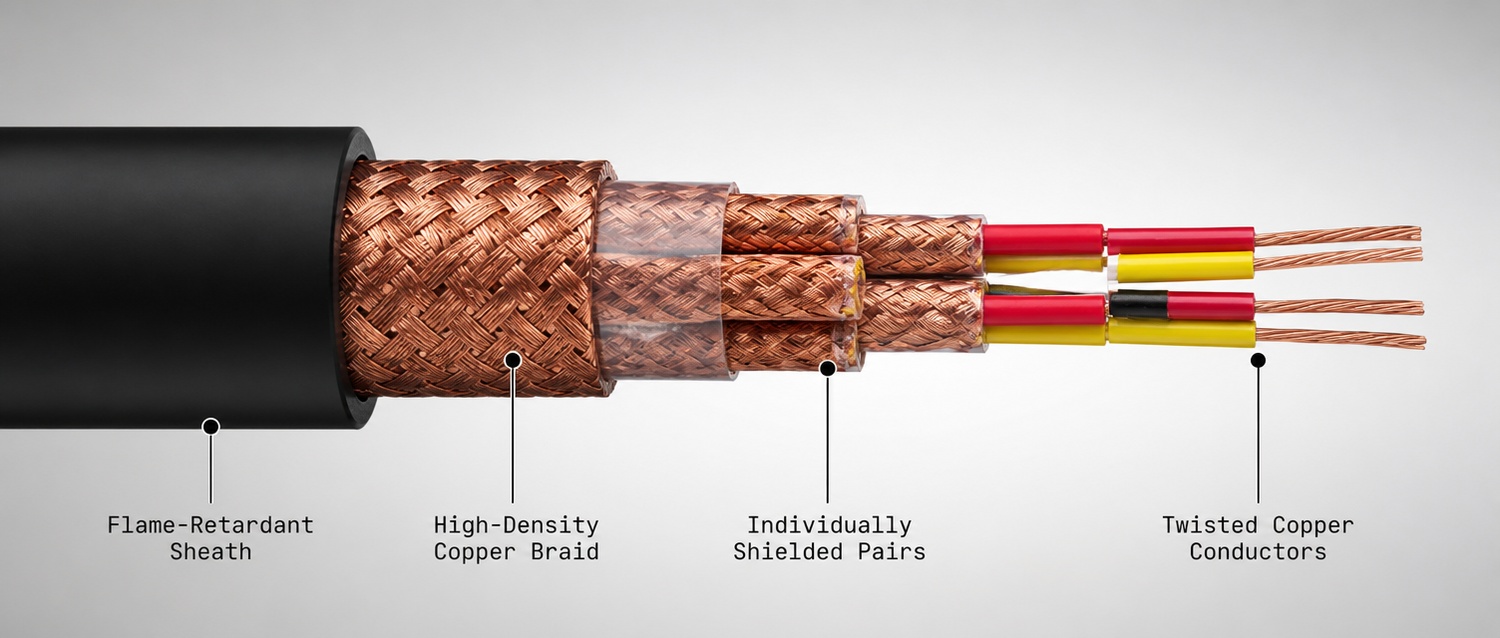
The pair-twisting construction is a fundamental feature of computer cable. By twisting two conductors together at a defined lay length, the cable reduces inductive coupling between adjacent circuits, minimizing crosstalk. In instrumentation applications where multiple analog signals are carried in a single cable — such as a multi-channel DCS system — this crosstalk reduction is essential for maintaining signal accuracy and preventing measurement errors.
Computer cables offer multiple shielding configurations, enabling engineers to specify the level of protection required for the interference environment. For installations with moderate electrical noise, overall shielding provides adequate protection. For installations with severe interference — such as those near VFDs, motors, or welding equipment — individual pair shielding combined with overall shielding provides the maximum level of protection, ensuring signal integrity even in the most challenging environments.
High-density polyethylene insulation is selected for its low and stable dielectric constant, which minimizes the capacitance between conductors. In analog signal circuits, higher capacitance leads to signal attenuation over distance, limiting the effective transmission range. The low-capacitance design of computer cable allows longer cable runs without requiring signal amplification or conditioning — a practical advantage for large industrial facilities where field instruments are distributed across significant distances.
PE insulation provides exceptionally high insulation resistance — with DC 500V testing typically showing values of 2500MΩ·Km or higher. This high insulation resistance prevents leakage currents that could shunt sensitive signals, ensuring the accuracy of low-level measurements such as those from thermocouples, RTDs, or 4-20mA loops.
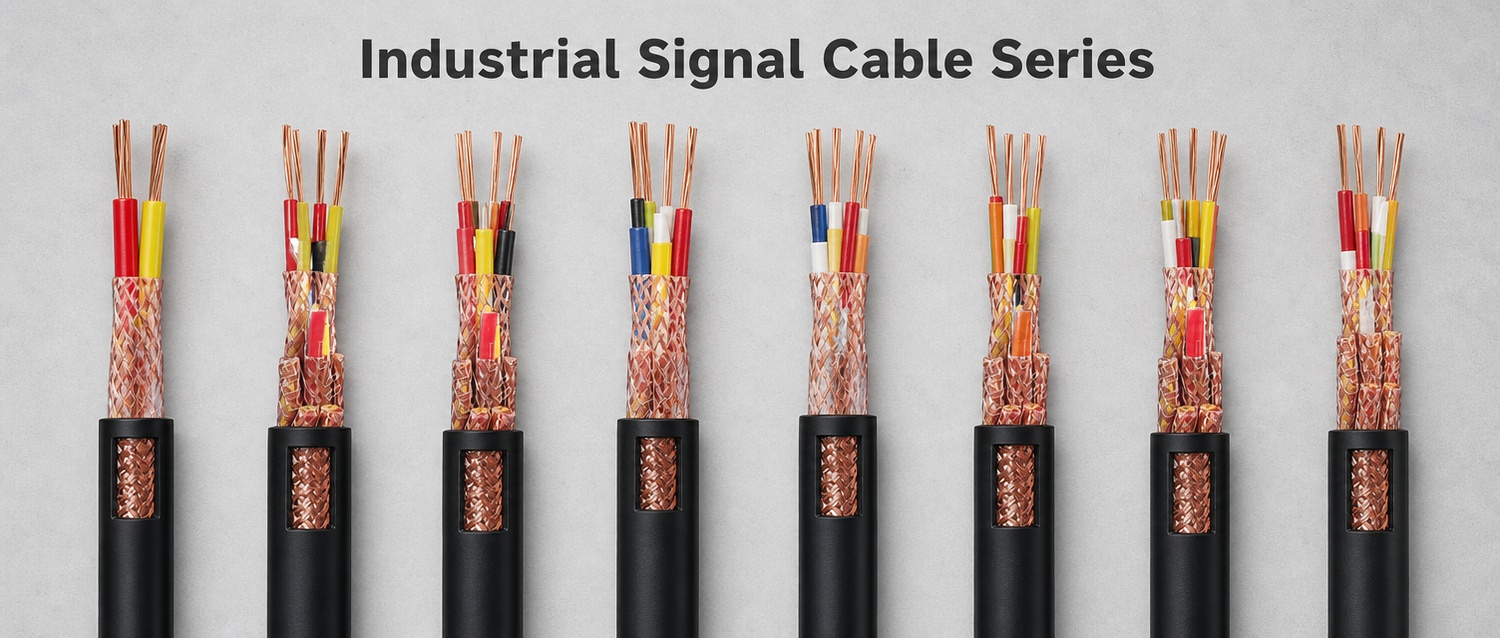
Computer cables are available in a range of configurations to match installation requirements: non-armoured for cable trays and conduit, armoured (steel tape or wire) for direct burial or mechanical protection, and flexible (soft) constructions for applications requiring movement. This flexibility allows the same basic cable design to be specified for diverse installation conditions.
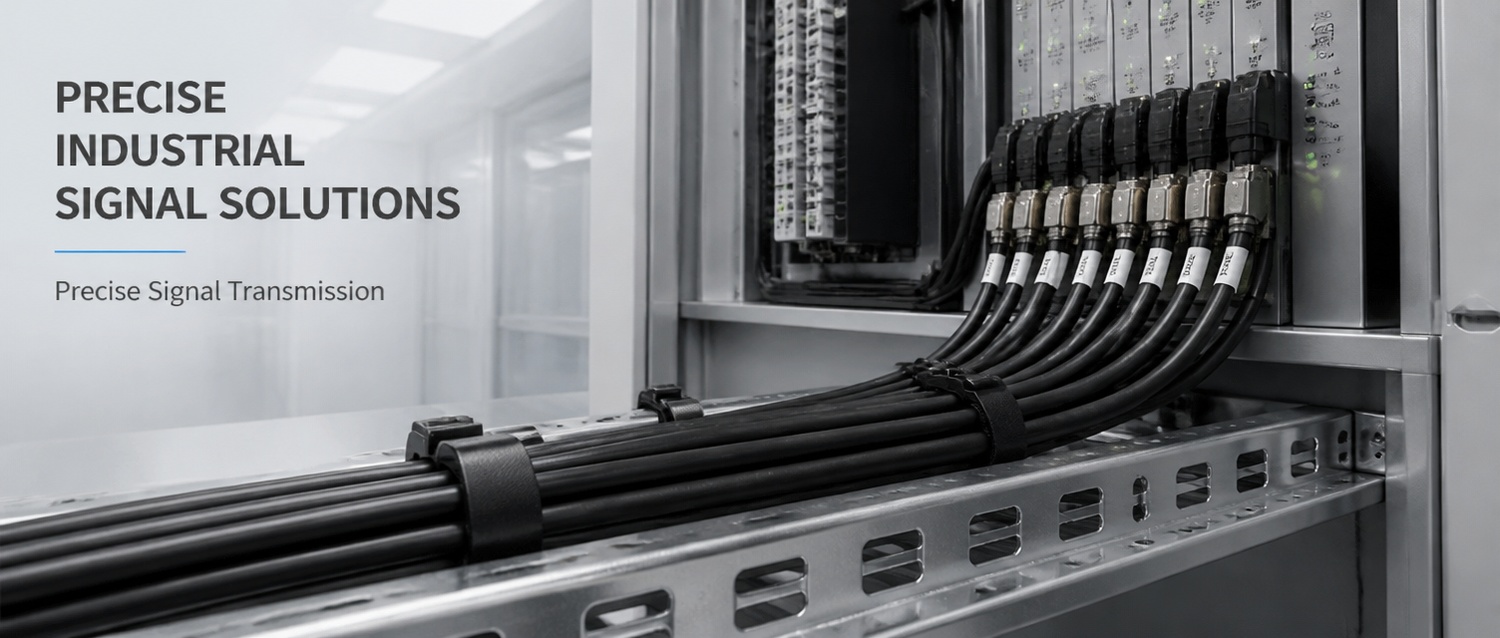
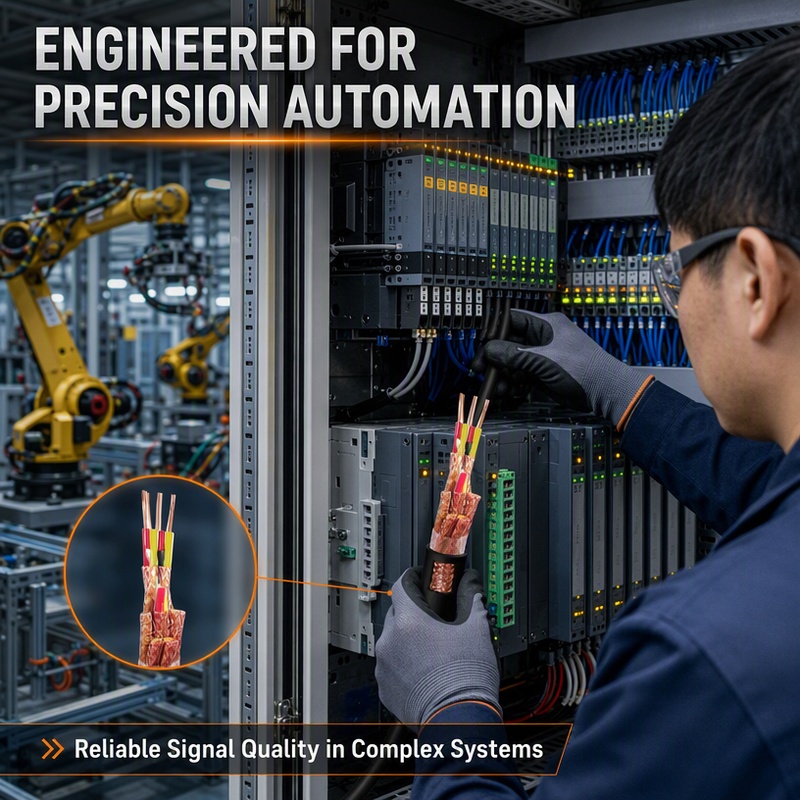
Distributed control systems connect hundreds or thousands of field instruments to central control rooms. The signals carried — 4-20mA loops, thermocouple inputs, digital I/O — require high integrity to maintain accurate process measurement and control. Computer cable provides the shielding, pair twisting, and low-capacitance insulation needed for these critical circuits.
Individual instruments in industrial plants — pressure transmitters, flow meters, level sensors, temperature probes — require signal wiring that maintains accuracy across the distance to the control system. Computer cable provides the electrical stability and shielding needed to preserve signal quality in environments with significant electrical noise.
Within control rooms and equipment enclosures, multiple automation devices — PLCs, remote I/O units, panel instruments — are interconnected using signal cables. Computer cable provides the data integrity needed for reliable system operation, while the range of shielding configurations allows matching of cable performance to circuit sensitivity.
For installations in occupied buildings or safety-critical areas, LSZH (low-smoke zero-halogen) sheathed variants of computer cable reduce smoke and toxic gas emissions in the event of fire, providing enhanced safety for personnel and equipment.
When specifying computer cable, the two primary decisions are conductor count and shielding configuration. The number of cores and pairs is determined by the number of signal circuits to be transmitted. Shielding selection is based on the interference environment: overall shielding for moderate interference in DCS connections; individual pair shielding for reducing crosstalk between multiple circuits; and individual + overall shielding for the highest levels of protection. Consider the insulation type relative to the installation temperature: HDPE for general applications; fluoroplastic for high-temperature environments up to 200°C; silicone rubber for extreme flexibility at low temperatures. Check the rated voltage against the application requirements: 300/500V is standard for most instrumentation, with 450/750V available for higher voltage circuits. Armoured versions should be specified for direct burial or mechanical protection. LSZH sheathing is recommended for indoor installations in occupied buildings. Ready stock covers standard conductor sizes and core configurations.
| Consideration | What This Cable Delivers |
|---|---|
| Signal integrity | Twisted pairs + shielding — crosstalk and interference protection |
| Accuracy for analog signals | Low-capacitance PE insulation — preserves signal over distance |
| Installation flexibility | Armoured, non-armoured, flexible variants — match site conditions |
| Electrical safety | High insulation resistance — leakage currents prevented |
| Application coverage | DCS, field instruments, automation — the full signal range |
| Fire safety | LSZH options — reduced smoke and toxicity |
This computer cable is suited for industrial facilities requiring reliable field instrument connections to DCS and PLC systems, engineering contractors specifying signal cabling for plant upgrades or greenfield projects, and maintenance departments replacing cables that have compromised signal integrity. Where standard instrument cables allow noise ingress, signal drift, and measurement errors, this computer cable delivers consistent signal transmission — circuit after circuit, plant after plant.