Supplier:GaoYuan
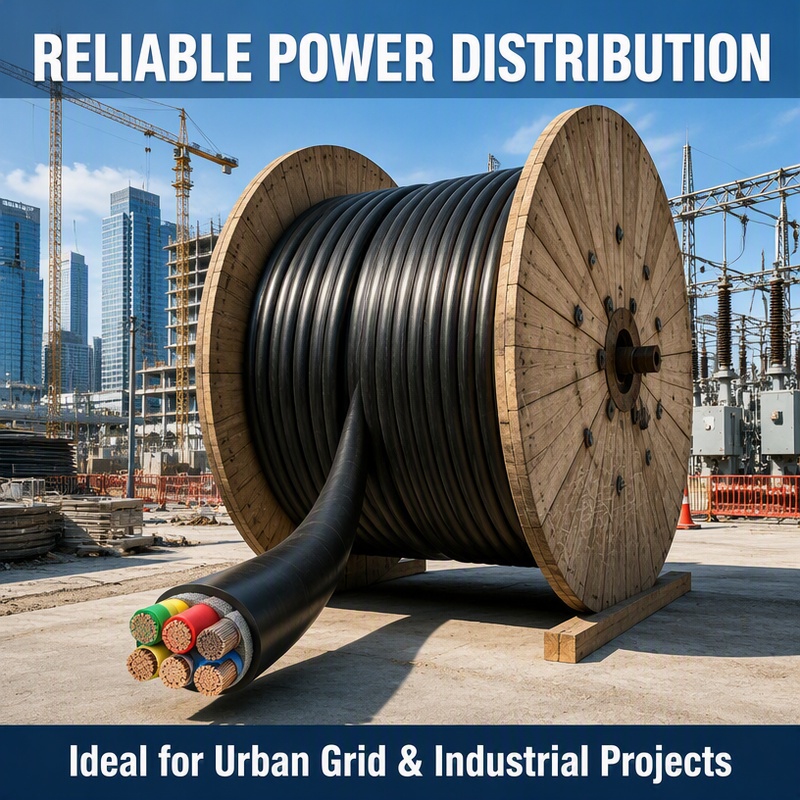
Low‑voltage cable fitted with solid copper conductors and XLPE insulation for stable power transmission, 0.6/1kV rated voltage for building, municipal, industrial and engineering power supply projects.
Supplier:GaoYuan
Low‑voltage cable fitted with solid copper conductors and XLPE insulation for stable power transmission, 0.6/1kV rated voltage for building, municipal, industrial and engineering power supply projects.
If you have sourced electrical cables for industrial, commercial, or infrastructure projects, you have probably encountered the same recurring challenge. Standard cables may meet basic conductivity requirements but often fail to deliver the mechanical durability, environmental resistance, and long-term reliability needed for demanding installations. The result is premature cable failure, unplanned downtime, and costly replacement. Low-voltage power cable addresses these challenges through a combination of high-conductivity copper conductors, cross-linked polyethylene insulation, and robust outer sheathing — delivering dependable power transmission across a wide range of applications, from factory floors and commercial buildings to renewable energy installations and outdoor infrastructure.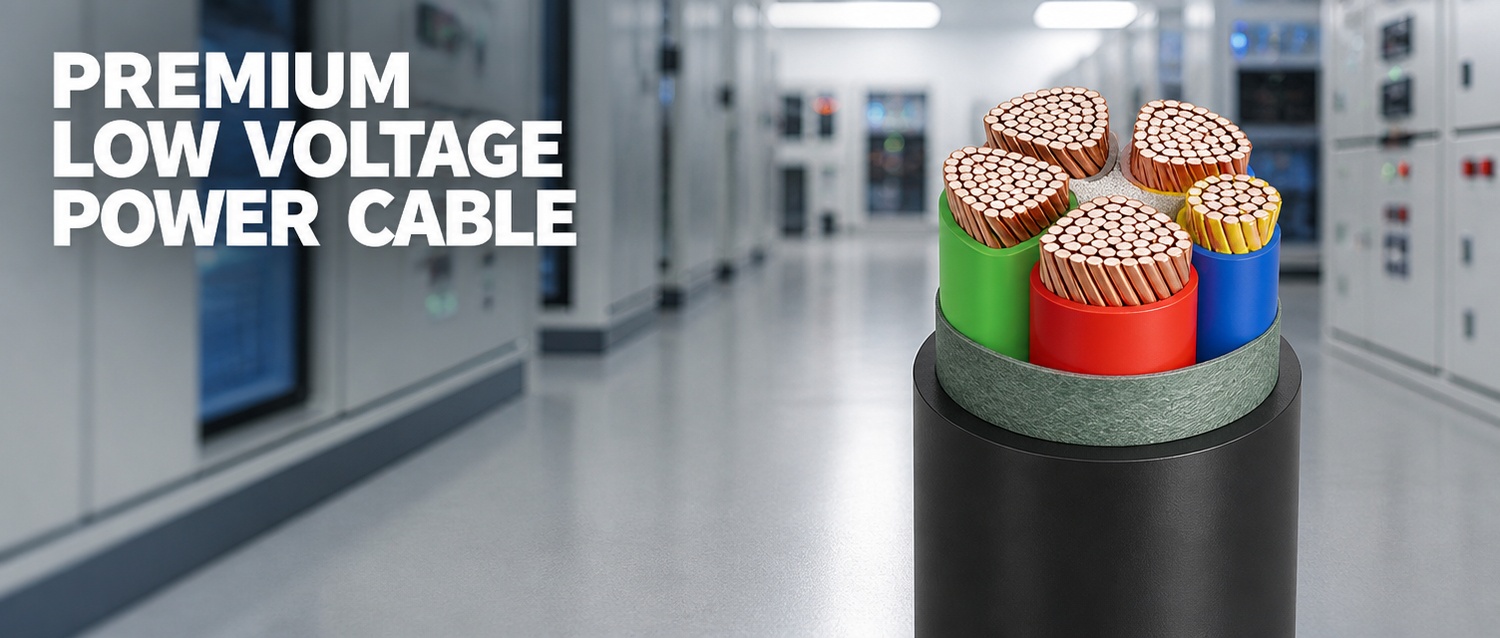
In most electrical installations I have reviewed, cable failure is rarely the result of a single catastrophic event — it is the accumulation of mechanical stress, thermal cycling, moisture ingress, and chemical exposure that gradually degrades insulation and conductor performance. Standard PVC-insulated cables, while cost-effective for benign indoor applications, lack the temperature rating, abrasion resistance, and long-term stability needed for industrial environments, outdoor exposure, or high-ambient-temperature conditions. This low-voltage power cable addresses these limitations through a thermosetting XLPE insulation system that maintains electrical and mechanical integrity across a wider temperature range and under greater stress than PVC alternatives. Whether you are distributing power from a transformer to switchgear, feeding motor control centres, or supplying energy to outdoor equipment, this cable delivers the reliability and service life that standard PVC cables cannot match.
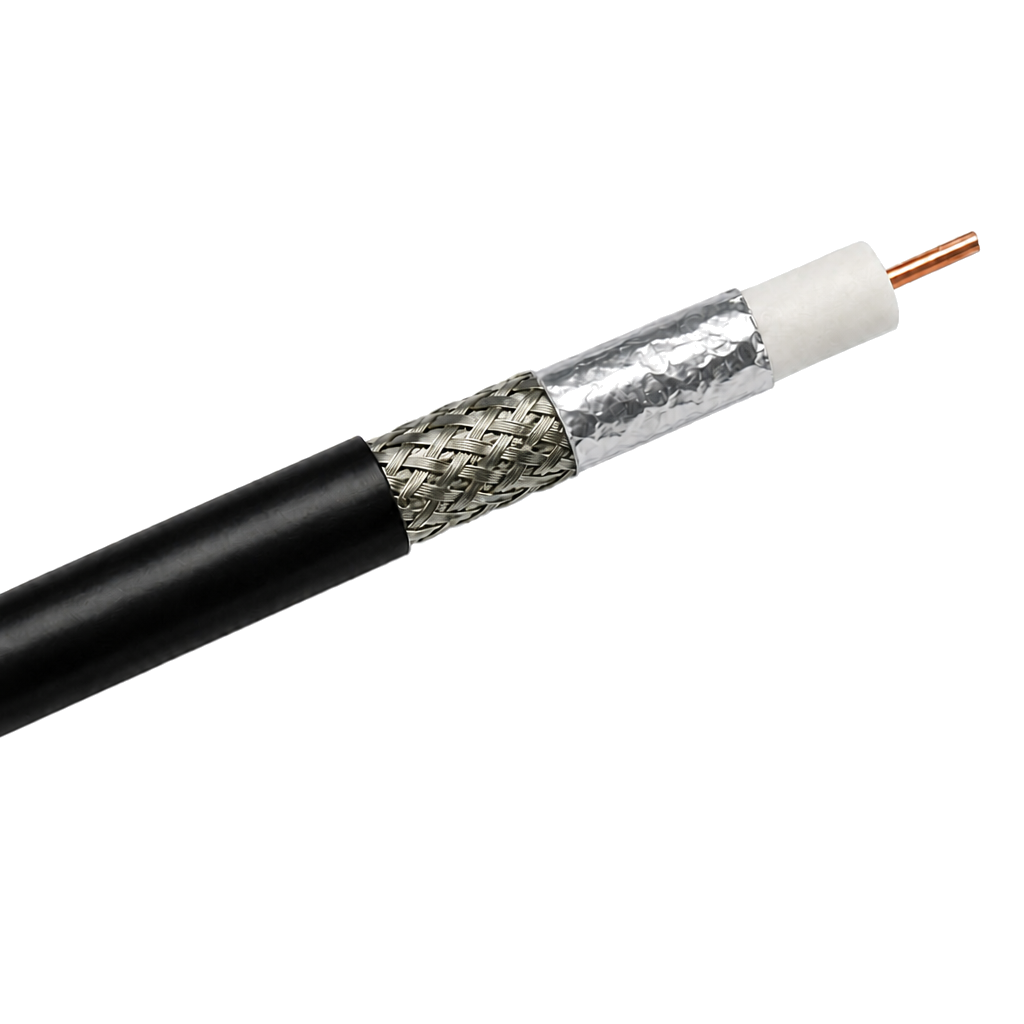
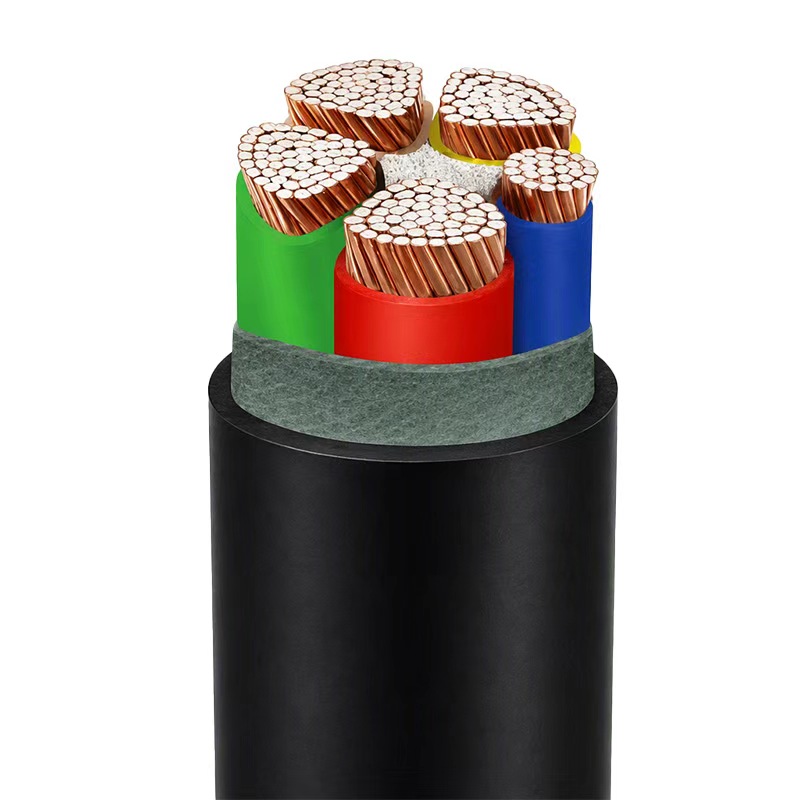
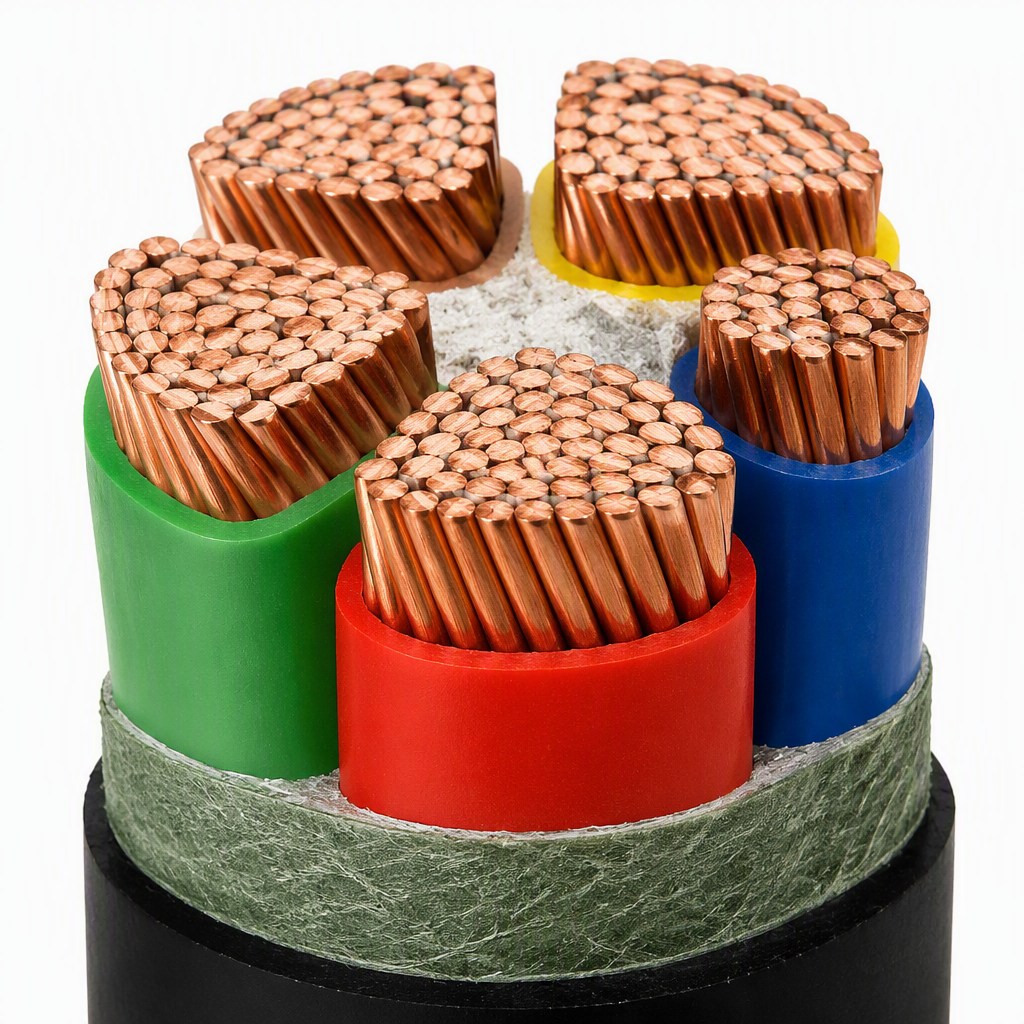
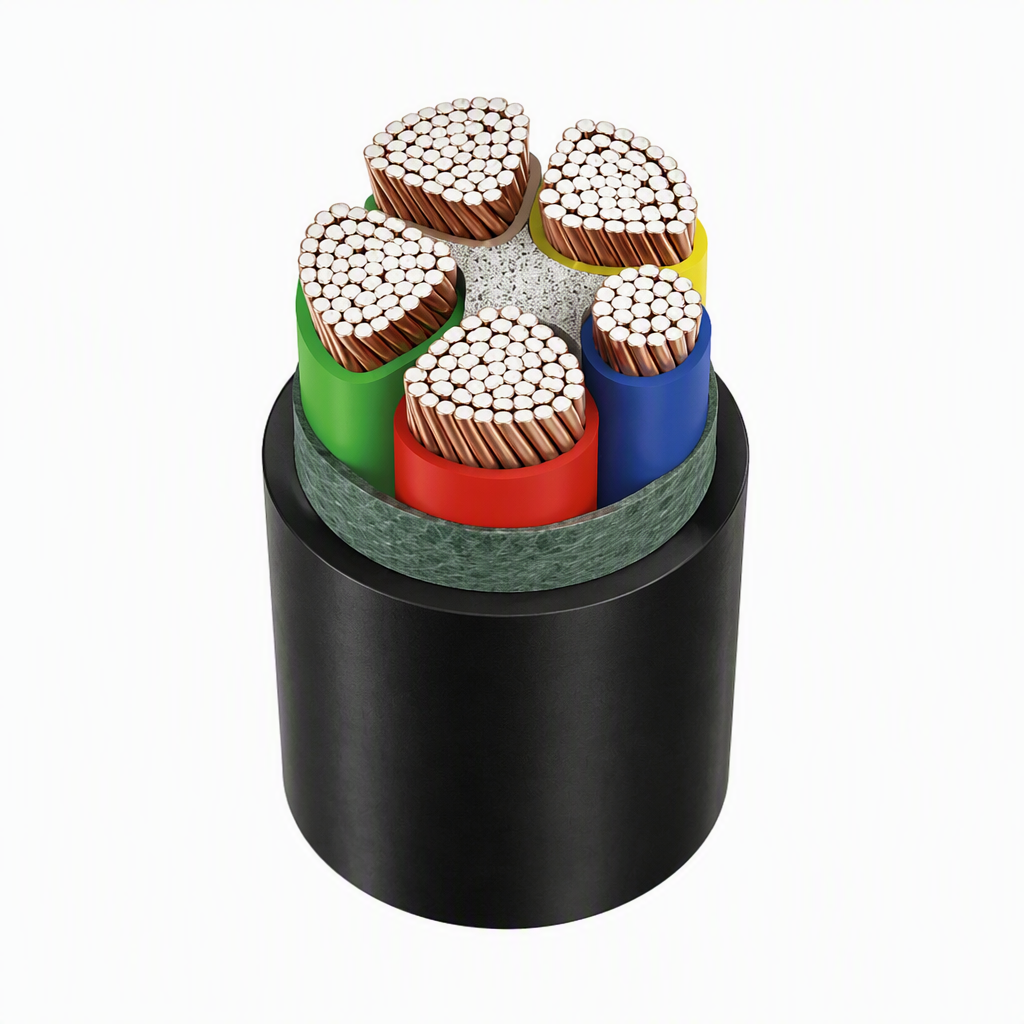
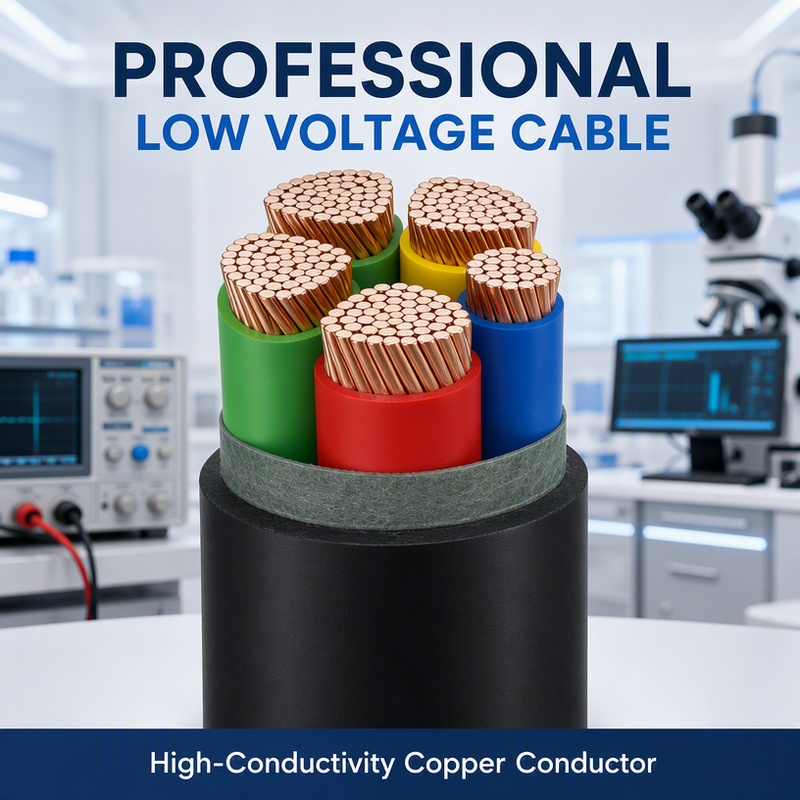
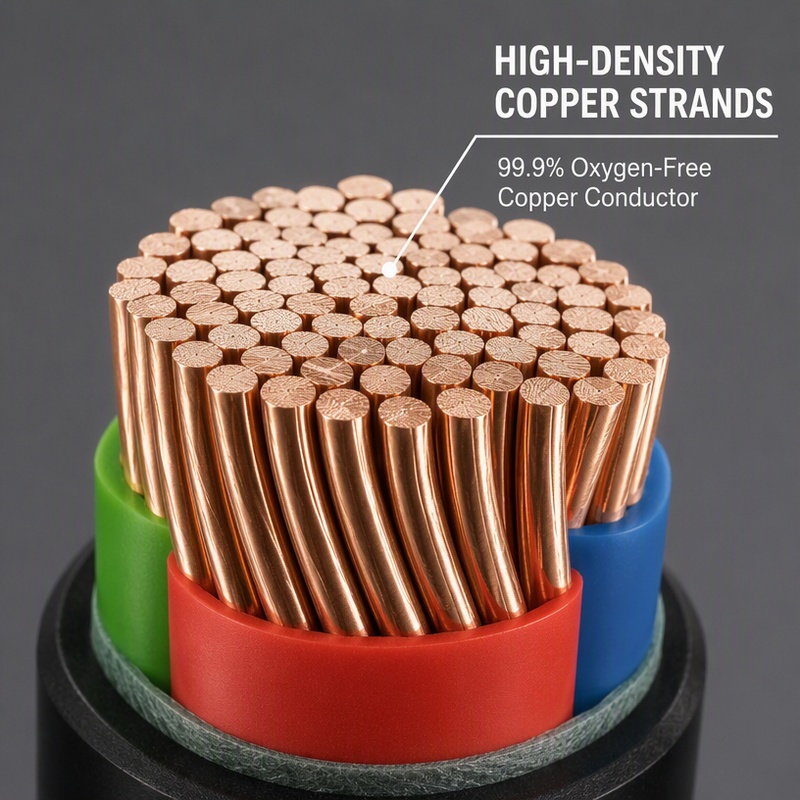
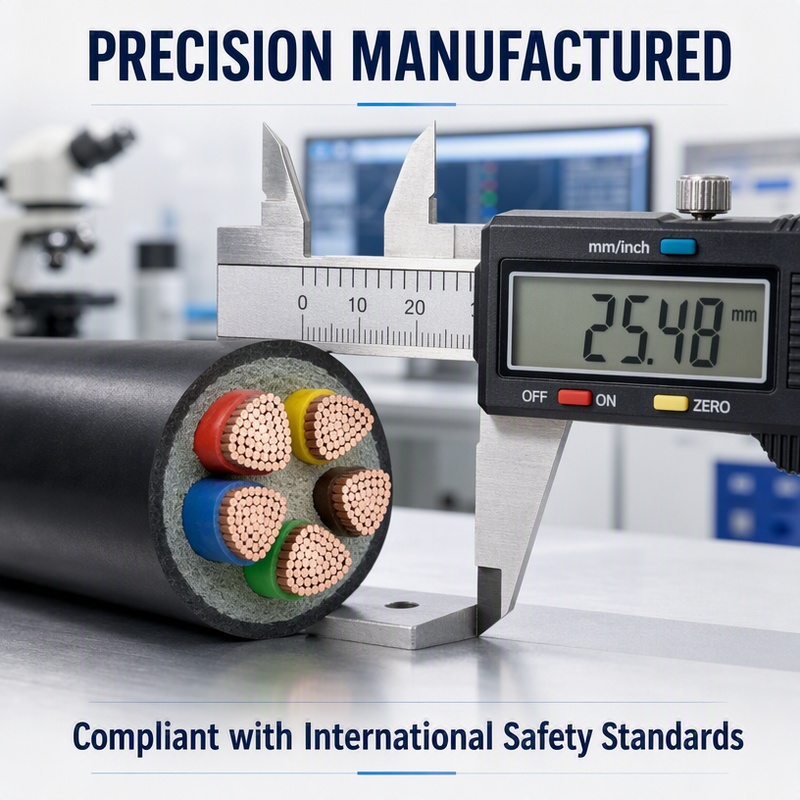
The cable is constructed with a plain or tinned annealed copper conductor, offering the high conductivity and flexibility needed for efficient power transmission and easy termination. The conductor is insulated with XLPE (cross-linked polyethylene), a thermosetting material that provides superior electrical properties, higher temperature rating (up to 90°C continuous), and better resistance to moisture, chemicals, and thermal overload than standard PVC insulation. A copper tape or wire screen is applied over the insulated cores to provide electromagnetic shielding, protection against transient overvoltages, and a safe path for earth fault currents. An extruded inner sheath is then applied over the screen for mechanical protection and electrical separation. Finally, a PVC, LSZH, or PE outer sheath provides robust mechanical protection against abrasion, impact, oils, chemicals, and UV exposure — ensuring long-term service in diverse environmental conditions.
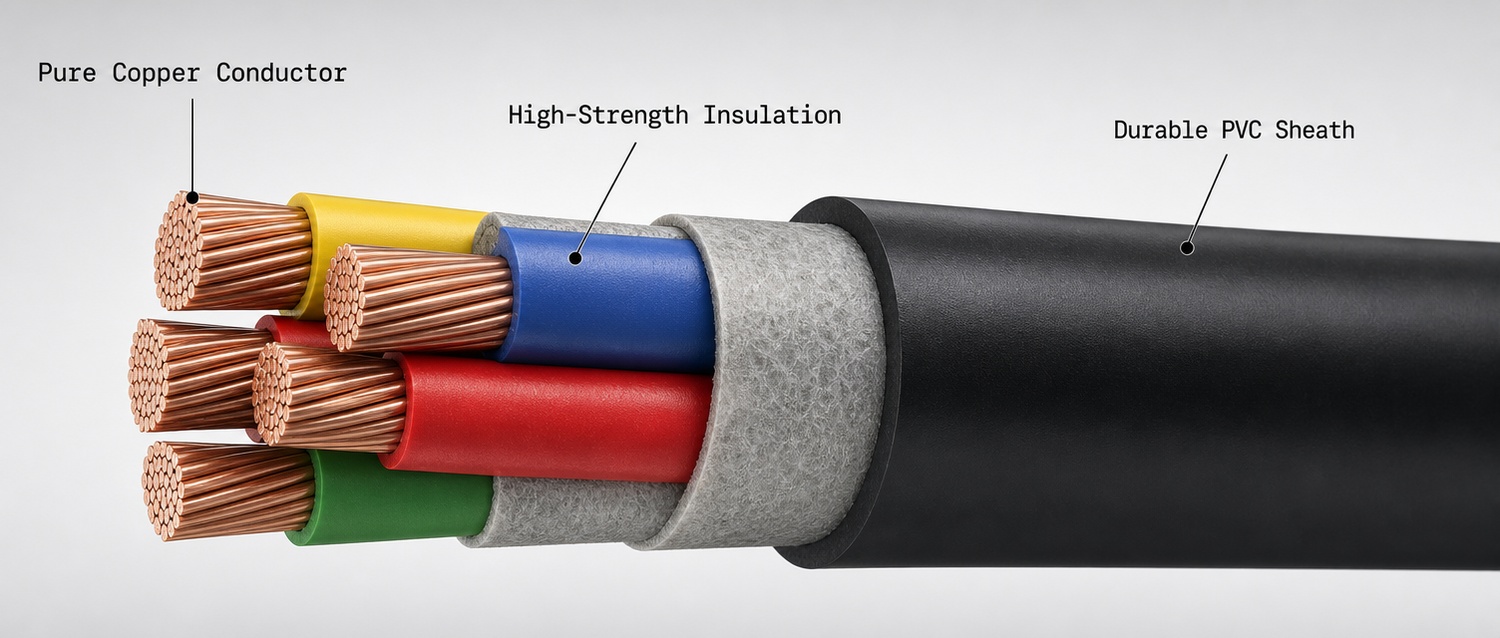
| Parameter | Specification |
|---|---|
| Rated Voltage | 0.6/1kV (standard), other voltage ratings available on request |
| Conductor Material | Plain or tinned annealed copper |
| Conductor Class | Class 1 (solid) or Class 2 (stranded) as required |
| Insulation | XLPE (cross-linked polyethylene) |
| Shielding | Copper tape or copper wire screen |
| Inner Sheath | Extruded PVC or LSZH |
| Outer Sheath | PVC, LSZH, or PE (UV-stabilised, oil/chemical-resistant options available) |
| Temperature Rating | -40°C to +90°C (continuous), up to 250°C under short-circuit conditions |
| Standards Compliance | IEC 60502, BS 5467, BS 6724, UL, or other applicable standards |
| Core Configurations | 1, 2, 3, 4, 5 cores, or multi-core configurations |
| Conductor Size Range | 1.5mm² to 1000mm² |
| Typical Applications | Industrial power distribution, building services, renewable energy, infrastructure projects |
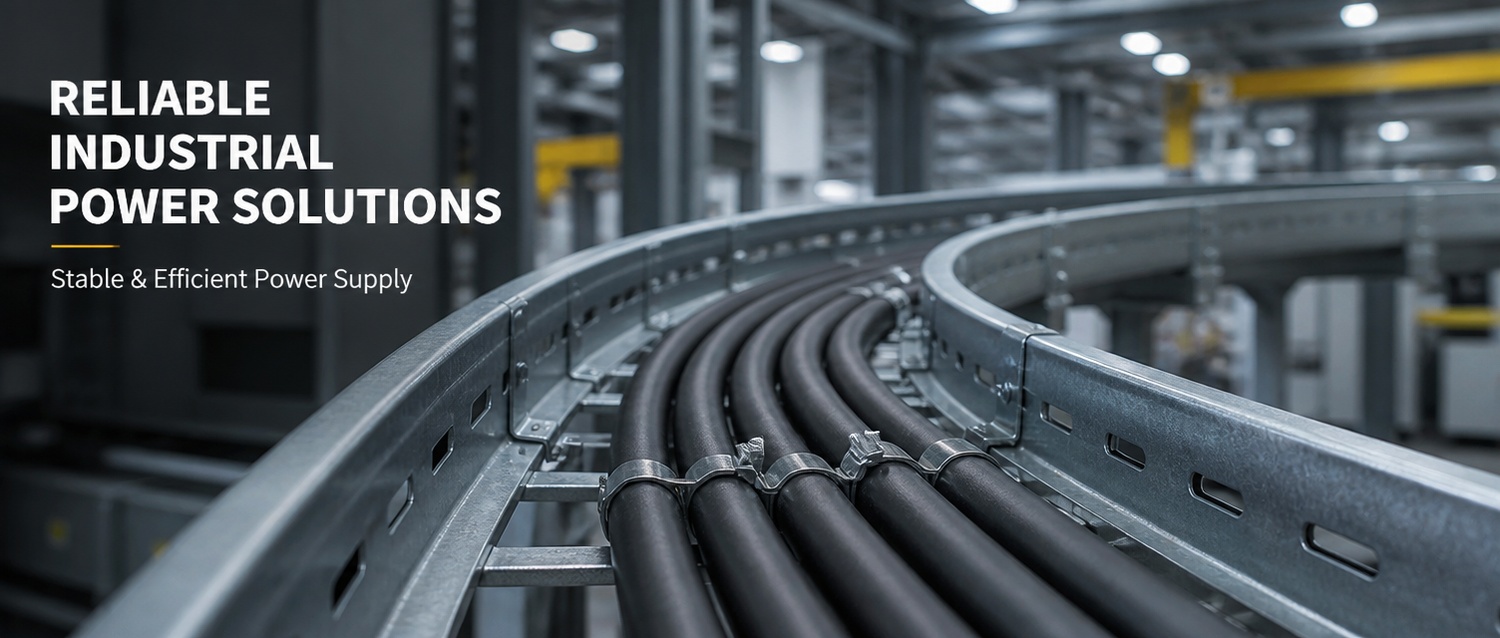
The XLPE insulation system is the defining advantage of this low-voltage cable over PVC-insulated alternatives. XLPE is a thermosetting material that cross-links polymer chains during manufacture, creating a three-dimensional molecular structure that resists melting and deformation at elevated temperatures. This provides a continuous operating temperature rating of 90°C — significantly higher than PVC's 70°C — allowing higher current-carrying capacity for the same conductor size. The XLPE insulation also exhibits lower dielectric losses, higher insulation resistance, and superior resistance to moisture ingress and chemical attack, ensuring reliable performance over decades of service.
The combination of inner and outer sheathing provides comprehensive mechanical and environmental protection. The inner sheath protects the shielded cores from mechanical damage during installation, while the outer sheath provides a robust barrier against abrasion, impact, oils, chemicals, and UV exposure. Sheath materials can be selected to match specific installation conditions: PVC for general indoor and outdoor applications, LSZH (low-smoke zero-halogen) for fire-sensitive indoor installations, and PE for direct burial or high-moisture environments. This flexibility ensures that the cable can be specified for the specific demands of each project.
The copper tape or wire screen provides an effective electromagnetic shield, reducing the risk of interference from adjacent circuits and protecting sensitive equipment from transient overvoltages. In installations where the cable runs near control circuits, instrumentation, or communication systems, this shielding is essential for maintaining system reliability and preventing nuisance trips or data errors. The shielding also provides a low-impedance path for earth fault currents, improving protection coordination and ensuring rapid fault clearance.
For installations requiring flexibility during cable routing, the conductor is available in stranded construction (Class 2), providing the flexibility needed for tight bends and complex cable tray layouts. Solid conductors (Class 1) are available for fixed installations where termination simplicity is a priority. The tinned copper option provides additional corrosion resistance for installations in humid or coastal environments.
The combination of XLPE insulation, robust sheathing, and high-quality copper conductors results in a cable that maintains electrical integrity over decades of service, reducing the lifecycle cost compared to cables that require replacement within a shorter timeframe. The reduced need for cable replacement also means less disruption to operations and lower labour costs over the installation's service life.
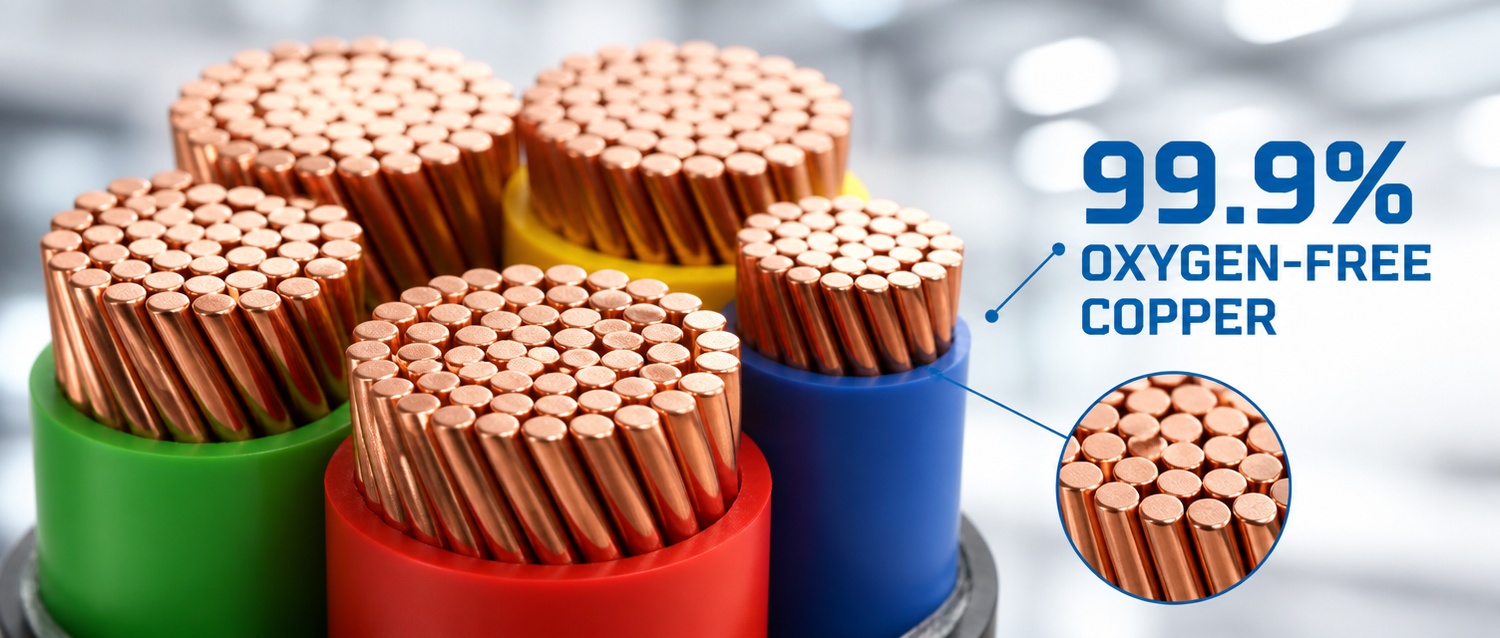
Industrial facilities require reliable power distribution from substations to switchgear, motor control centres, and large equipment. The cable's XLPE insulation provides the thermal capacity needed for the varying loads typical of industrial processes, while the robust sheathing resists the oils, chemicals, and mechanical abuse common on factory floors.
Commercial buildings and institutional facilities use low-voltage cables for main supply, sub-main distribution, and final circuits. The cable's compliance with international standards ensures compatibility with global project specifications, while LSZH sheathing options provide enhanced fire safety for occupied buildings.
Solar farms, wind farms, and other renewable energy installations require cables that perform reliably in outdoor, exposed environments. The cable's UV-stabilised PE sheathing and copper-taped shielding provide the environmental resistance and electrical performance needed for these demanding applications.
Road lighting, traffic management, and outdoor equipment installations require cables that withstand moisture, temperature extremes, and UV exposure. The cable's PE sheath and XLPE insulation deliver the service life needed for critical outdoor infrastructure.
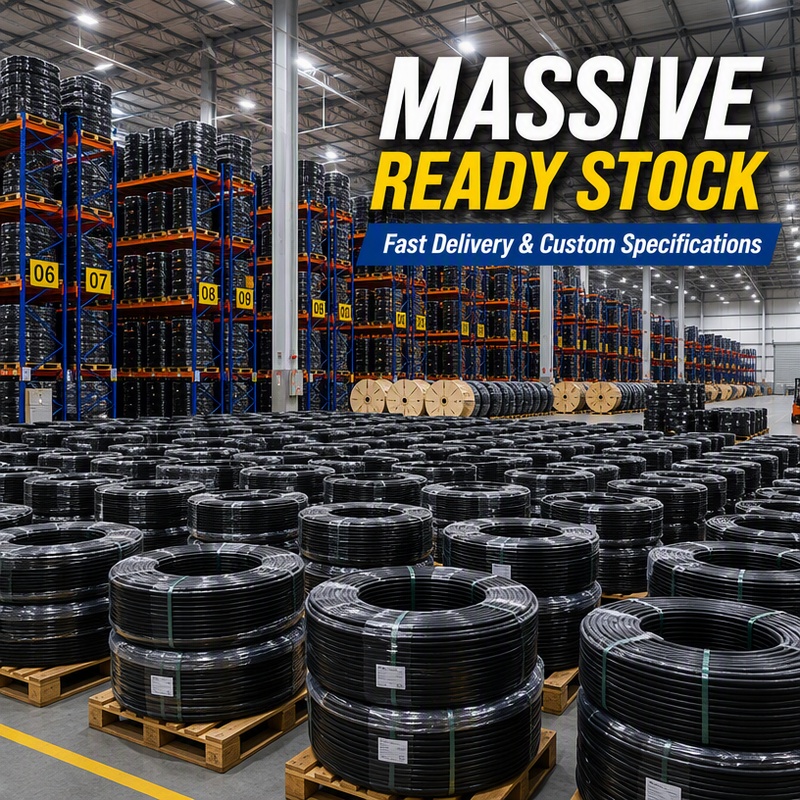
When specifying low-voltage power cables, focus on insulation type, conductor material, and sheath selection as the primary differentiators. XLPE insulation provides superior thermal and electrical performance over PVC for a modest cost premium — a difference that becomes significant in high-load or elevated-temperature environments. Tinned copper conductors offer enhanced corrosion resistance for humid or coastal installations. LSZH or PE sheaths should be specified for applications where fire safety or moisture resistance is critical. Ready stock covers standard conductor sizes, core configurations, and voltage ratings, with custom manufacturing available for larger projects. Volume pricing is negotiable for procurement orders, and pre-sales consultation is available for project-specific specification assistance. Anti-corrosion packaging is standard for export orders.
| Consideration | What This Cable Delivers |
|---|---|
| Thermal performance | XLPE insulation — 90°C rating, higher current capacity |
| Durability | Multi-layer sheathing — mechanical and environmental resistance |
| Shielding | Copper tape/screen — EMI protection and earth fault path |
| Installation flexibility | Stranded copper options — easy routing and termination |
| Long service life | Thermosetting insulation, corrosion-resistant conductors — decades of reliable operation |
| Application coverage | Industrial, commercial, renewable energy, infrastructure — the full range |
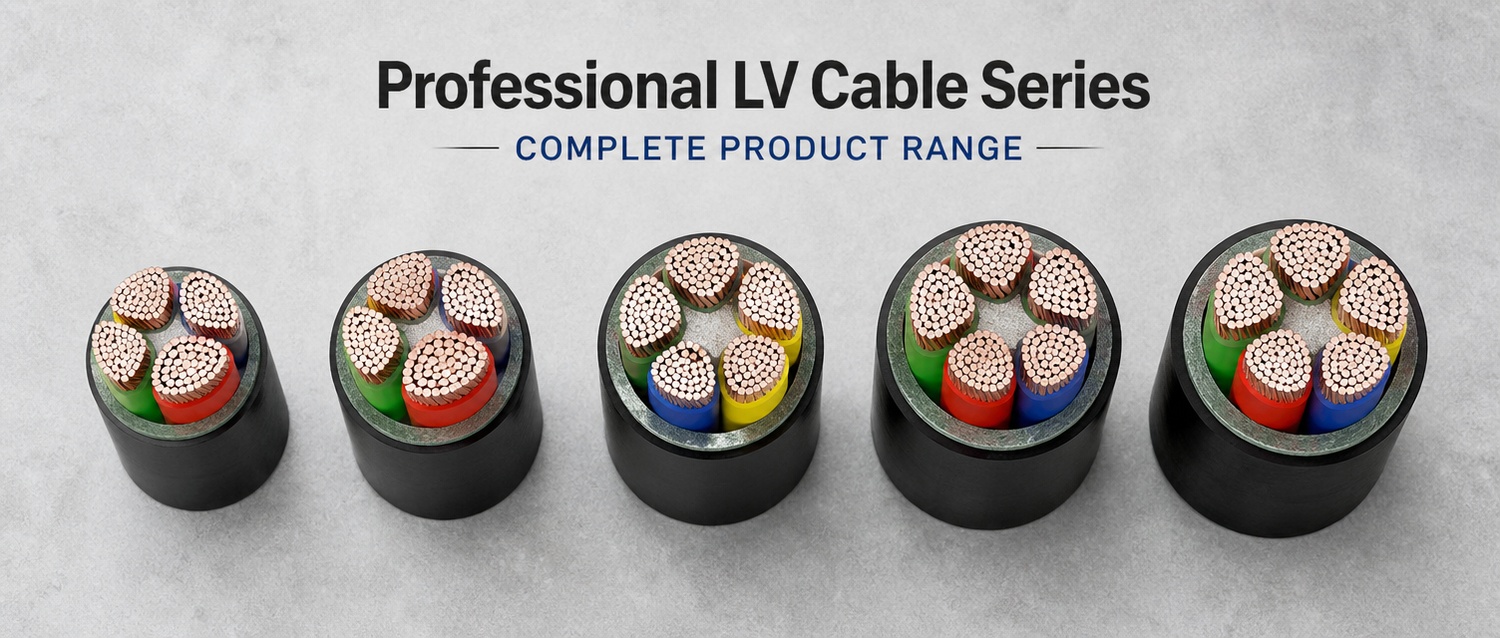
This low-voltage power cable is suited for industrial facilities requiring reliable distribution from transformer to equipment, commercial building projects needing code-compliant sub-main and final circuit cabling, renewable energy developers installing solar or wind infrastructure, and infrastructure contractors supplying outdoor installations in demanding environments. Where standard PVC-insulated cables compromise system longevity through thermal degradation, moisture ingress, or mechanical damage, this XLPE-insulated cable delivers consistent performance — installation after installation, year after year.