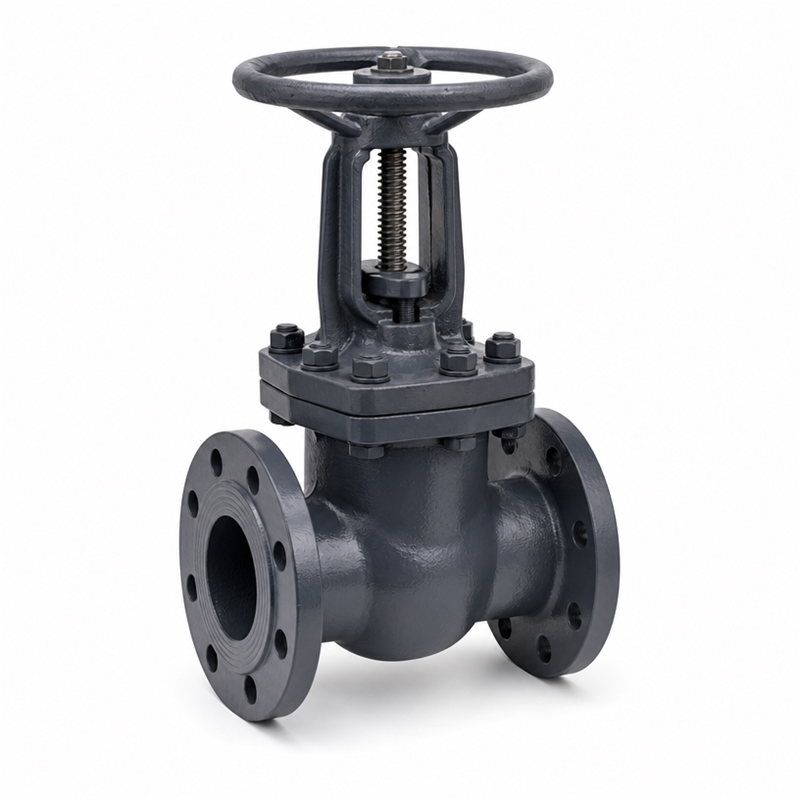
Why Is Proper Valve Sizing Important for Efficient Pipeline Operation?
Selecting the right size for industrial valves is one of the most critical decisions in pipeline design and operation. Undersized or oversized valves create operational inefficiencies, increase energy costs, and compromise system reliability. Proper valve sizing ensures that your pipeline operates at peak performance while maintaining safety and minimizing waste. Understanding why this matters directly impacts your bottom line and system longevity.
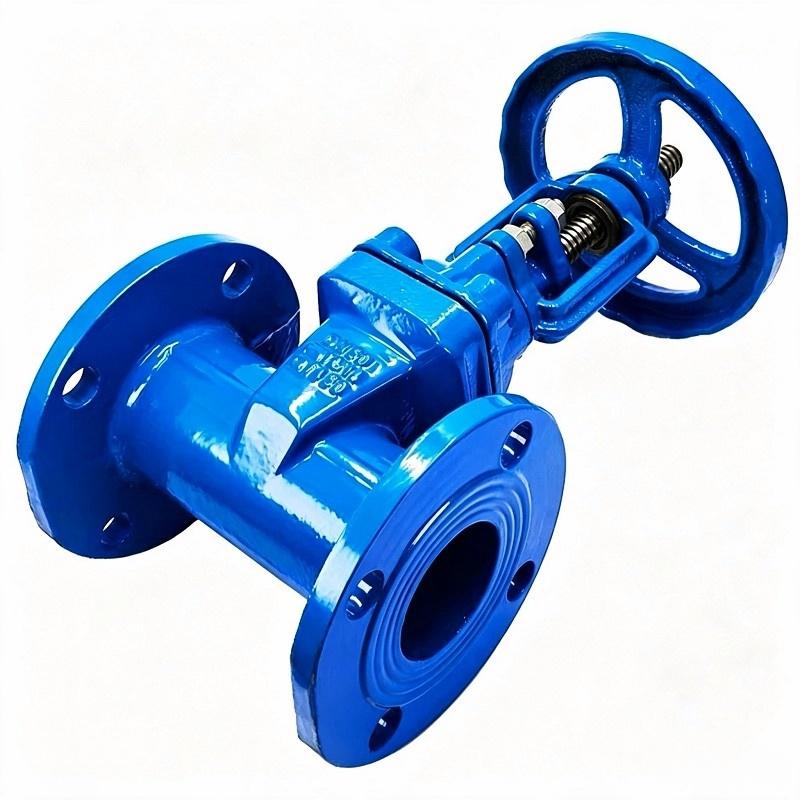
The consequences of improper valve sizing extend far beyond initial installation. Pressure drops, flow restrictions, and mechanical stress accumulate over time, leading to premature failure and unplanned downtime. By investing time in accurate sizing calculations during the design phase, you protect your infrastructure investment and ensure consistent operational performance across your entire system.
Understanding Valve Flow Control Requirements
Calculating Correct Flow Rates
Valve flow control depends on understanding the volumetric flow rate your system requires. Engineers calculate this by analyzing pipeline diameter, fluid velocity, and system pressure to determine the valves needed for optimal throughput. Flow coefficients, expressed as Cv values, indicate how much fluid passes through a valve at specific pressure drops. Choosing the wrong Cv rating creates either bottlenecks or excessive turbulence that damages equipment and wastes energy.
Pressure Drop and Efficiency Losses
When valve flow control is mismatched to system requirements, pressure drop increases dramatically. An oversized valve wastes space and creates dead zones that accumulate sediment, while an undersized valve generates excessive pressure loss that forces pumps to work harder. This directly increases operational costs through higher energy consumption and accelerates wear on downstream equipment. Proper sizing maintains acceptable pressure drops, typically between 10 and 25 percent of available system pressure, ensuring efficiency without compromising control.
Valve Pressure Regulation and System Stability
Maintaining Operating Pressure Windows
Valve pressure regulation capabilities must match your system's control requirements. Industrial pipelines often transport fluids under precise pressure specifications that cannot tolerate fluctuations. Undersized valves struggle to maintain steady pressure during demand changes, creating surges that damage seals and connected components. Properly sized regulating valves respond quickly to demand variations, holding pressure within acceptable limits and preventing the cascading failures that come from pressure instability.
Relief and Safety Considerations
Beyond control, valve pressure regulation includes safety functions through relief valves that protect against overpressure conditions. These valves must be sized to handle maximum system flow while maintaining minimal cracking pressure deviation. An undersized relief valve may not discharge sufficient fluid during emergency conditions, allowing dangerous pressure buildup. Conversely, oversized relief valves create unnecessary venting losses and poor pressure control during normal operation. Precise sizing balances safety and efficiency.
Valve Leakage Prevention Through Correct Sizing
Seal Integrity and Operating Conditions
Proper sizing directly influences valve leakage prevention performance by keeping operating conditions within design parameters. When flow velocities exceed recommended thresholds, seat erosion accelerates and seal integrity degrades rapidly. Undersized valves forced to handle oversized flows experience cavitation and implosion damage that creates permanent leakage paths. Correctly sized valves operate at fluid velocities that protect internal components, extending service life and maintaining leak-free operation throughout the valve's intended lifespan.
Long-Term Reliability and Maintenance
Valve leakage prevention becomes increasingly important in applications where even minor leaks pose environmental or safety risks. Fugitive emissions in chemical plants, hydrocarbon vapors in refineries, and water loss in municipal systems all result from valve failures caused by improper sizing. By selecting valves rated for actual system conditions rather than theoretical maximums, operators reduce the frequency of valve leakage incidents and associated maintenance interventions. This preventive approach protects both operational budgets and compliance with environmental regulations.
Practical Implementation and Design Considerations
Selection Process and System Analysis
Proper valve sizing begins with comprehensive system analysis that accounts for fluid properties, temperature ranges, pressure variations, and flow scenarios. Engineers must determine peak flow rates during normal operation and identify emergency conditions that demand maximum valve capacity. Material compatibility, viscosity corrections, and future system expansion plans all influence sizing decisions. This thorough approach prevents costly oversizing that inflates capital expenditure and undersizing that compromises performance.
Testing and Verification
Once valves are selected, verification through pressure testing and flow measurement confirms that actual performance matches design assumptions. Many installations discover that flow rates differ from calculations due to pipe roughness, elevation changes, or viscosity variations that weren't initially apparent. Early verification catches these discrepancies before system startup, allowing adjustments that maintain efficiency and prevent expensive retrofits. Regular monitoring after commissioning provides data that informs future sizing decisions and continuous improvement efforts.
FAQ
What happens when valves are sized too small for the pipeline application?
Undersized valves create excessive pressure drop, forcing pumps to consume more energy while reducing flow capacity. This also accelerates erosion and cavitation damage, leading to premature valve failure and system leaks. Reduced flow rates may not meet downstream equipment requirements, compromising entire process efficiency.
How does valve flow control relate to energy consumption in pipeline systems?
Improper valve flow control directly increases pump workload, as undersized valves create additional resistance. This higher energy demand translates to increased operational costs and faster equipment wear. Properly sized valves minimize pressure losses and allow systems to operate at peak efficiency while reducing overall energy consumption.
Why is valve leakage prevention more critical when valves are incorrectly sized?
Incorrectly sized valves experience operating conditions outside their design parameters, accelerating seal wear and internal component degradation. These stress conditions create permanent leakage paths faster than properly sized valves experiencing normal conditions. Valve leakage prevention depends on keeping flow velocities and pressures within manufacturer specifications throughout the valve's service life.