Why Does Hardware Compatibility Matter in Mechanical Assembly Projects?
In mechanical assembly projects, the importance of hardware compatibility cannot be overstated. When you bring together different components—whether they are computer components, industrial equipment, or networking devices—the success of your entire project hinges on how well these elements work together. Hardware compatibility acts as the foundation that determines whether your assembly will function smoothly, meet performance expectations, or face costly delays and failures. Understanding this principle is essential for anyone managing industrial operations, overseeing mechanical installations, or coordinating complex assembly workflows.
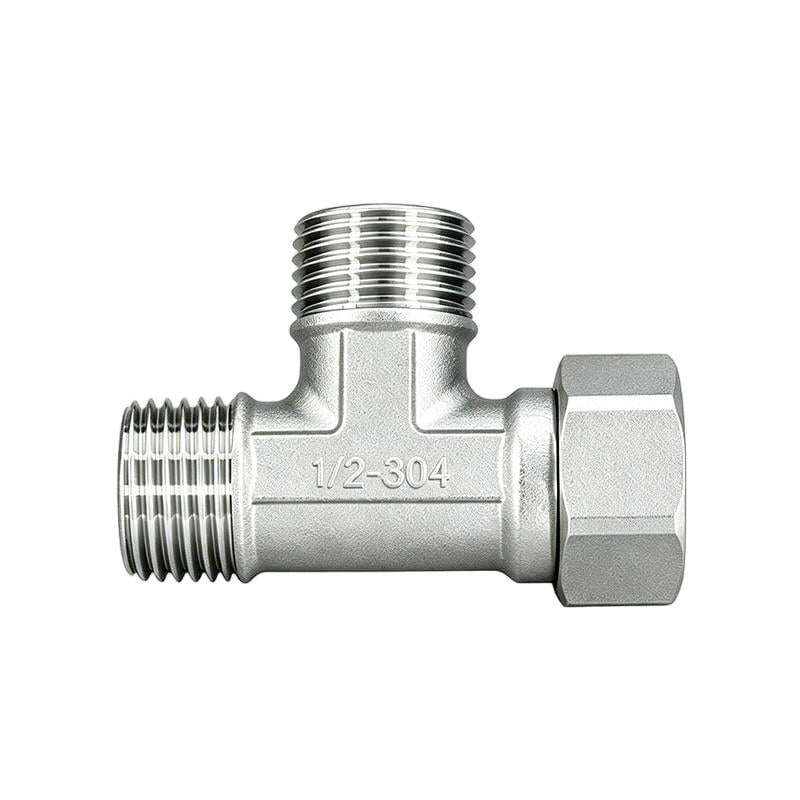
When components are not compatible, the ripple effects spread throughout your project timeline and budget. Mismatched industrial equipment can create bottlenecks in production, force expensive redesigns, or result in safety hazards that compromise worker well-being. By investing time upfront to verify that your hardware selections align with system requirements and design specifications, you prevent downstream problems and optimize resource allocation across your mechanical assembly operation.
Understanding Hardware Integration Requirements
Why Compatibility Standards Exist
Hardware standards were developed over decades to solve a fundamental problem: how to ensure that different manufacturers' products work together seamlessly. In industrial environments, computer components must communicate with control systems, networking devices must integrate with monitoring platforms, and mechanical assemblies must fit within precise dimensional tolerances. Without standardized compatibility frameworks, every assembly project would require custom engineering solutions, eliminating economies of scale and making production prohibitively expensive. Standards create predictability, reduce design complexity, and enable faster deployment timelines across industries.
Critical Compatibility Factors
Several dimensions of hardware compatibility require careful attention during the planning phase. Physical compatibility ensures that dimensions, mounting interfaces, and connection points align perfectly. Electrical compatibility verifies that voltage ratings, current capacities, and power delivery mechanisms match system specifications. Functional compatibility confirms that performance characteristics—speed, precision, throughput—meet the project's operational demands. When industrial equipment from different suppliers must coexist in a single mechanical assembly, each of these dimensions must be validated independently. Networking devices also require protocol compatibility to communicate effectively with other system components, adding another layer of verification requirements.
Consequences of Incompatibility in Mechanical Assembly
Production Delays and Cost Overruns
Incompatible components discovered mid-project create cascading delays that compound across the entire timeline. When computer components fail to integrate with control systems or industrial equipment doesn't fit specified mounting configurations, teams must stop production to troubleshoot, source replacements, or engineer workarounds. These unplanned activities consume resources, push completion dates backward, and strain project budgets. In manufacturing environments where time-to-market directly impacts revenue, even modest delays can result in significant financial consequences that far exceed the cost of the incompatible components themselves.
Safety and Performance Risks
Beyond financial impact, incompatible hardware poses genuine safety risks in mechanical assembly contexts. When networking devices operate outside specified parameters or industrial equipment exceeds designed load capacities, mechanical stress accumulates unpredictably. Overheated components, failed connections, or structural failures can endanger personnel and damage adjacent equipment. Performance degradation also affects product quality—if computer components cannot process data at required speeds or industrial equipment operates below specification, the final assembly delivers substandard results to customers. These quality issues damage reputation, invite warranty claims, and can trigger regulatory compliance violations depending on industry sector.
Best Practices for Ensuring Hardware Compatibility
Pre-Assembly Verification Protocols
Successful mechanical assembly projects establish compatibility verification as a formal step in procurement and planning phases. Before purchasing any computer components, industrial equipment, or networking devices, engineering teams should create a compatibility matrix that documents required specifications and constraints. Cross-reference each potential component against this matrix, checking datasheets, interface documentation, and manufacturer technical specifications. Whenever possible, conduct small-scale prototype testing with sample components before committing to full-scale production orders. This verification step requires investment of time and sometimes modest capital, but the cost of prevention is invariably far lower than the cost of managing discovered incompatibilities during active assembly work.
Documentation and Communication
Clear documentation of hardware compatibility decisions becomes essential institutional knowledge in mechanical assembly operations. Maintain detailed records of which computer components, industrial equipment, and networking devices have been validated for use together in your specific applications. Document the rationale behind compatibility decisions, including performance test results and installation notes. Share this documentation across procurement, engineering, and operations teams to prevent duplicate work and ensure consistent decision-making across projects. When equipment is discontinued or upgraded, review compatibility implications systematically rather than assuming that 'newer models' will automatically work with existing installations. This disciplined approach to documentation prevents institutional knowledge loss and accelerates resolution of future compatibility questions.
FAQ
How do I verify that industrial equipment will work with my existing control systems?
Request detailed technical specifications from equipment manufacturers, focusing on interface types, communication protocols, and electrical requirements. Compare these specifications against your control system documentation to identify potential conflicts. Contact manufacturers' technical support teams to confirm compatibility before purchasing, and request references from other installations using similar configurations. Many industrial equipment suppliers can provide integration support or adapters if minor incompatibilities exist.
What happens if networking devices don't support the protocols my system requires?
Incompatible networking devices will either fail to communicate with your system entirely or require intermediate translation layers that add latency and complexity. In worst cases, protocol mismatches create data transmission errors that compromise monitoring accuracy or control responsiveness. Always verify that networking devices explicitly support your required protocols—MODBUS, Ethernet/IP, Profibus, or others—before deployment. Switching to compatible devices is far simpler than attempting to retrofit protocol conversion solutions into active mechanical assemblies.
Can I use consumer-grade computer components in industrial assembly projects?
Consumer-grade computer components typically lack the environmental hardening, extended temperature ranges, and reliability certifications required in industrial settings. While they may appear compatible from a connectivity perspective, they often fail prematurely under sustained operating conditions, temperature fluctuations, or moisture exposure. Always specify industrial-rated components designed for your operating environment, even though they cost more initially. The extended lifespan and reliability of industrial-grade computer components justify the higher investment through reduced maintenance and downtime in mechanical assembly applications.