How Do Smart Locks Support Remote Access and Centralized Management?
Smart locks have revolutionized how property managers, facility operators, and homeowners control access to their buildings and residences. By integrating Smart Locks into your security infrastructure, you gain unprecedented control over who enters, when they enter, and how that access is documented. Remote access capabilities mean you no longer depend on physical keys or being on-site to grant entry, while centralized management platforms provide real-time oversight of all doors across multiple locations from a single dashboard.
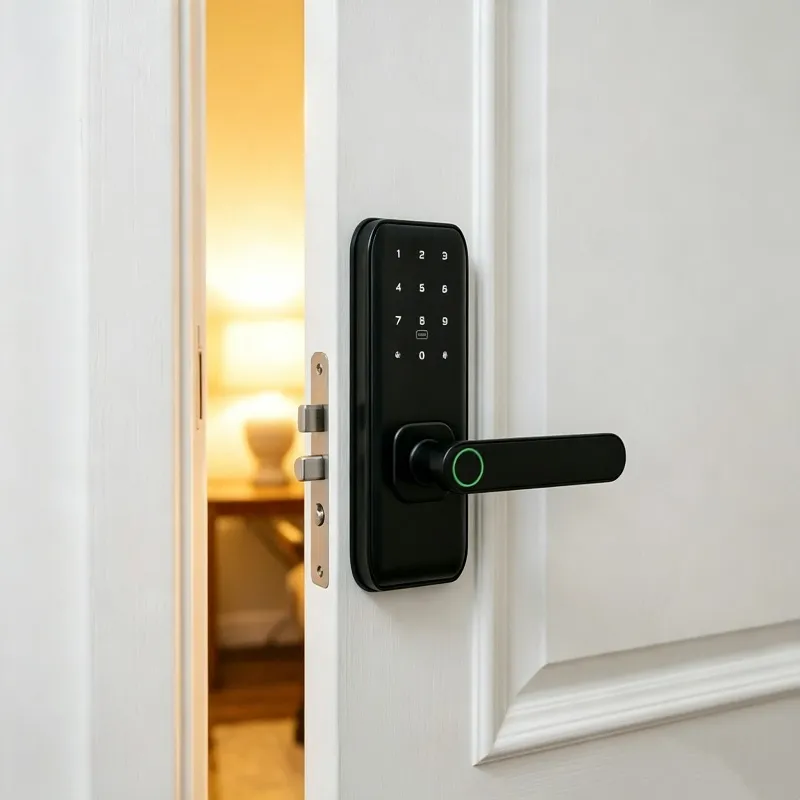
The convergence of keyless entry systems and smart home security technology has created powerful operational efficiencies for businesses of all sizes. Whether managing office access, retail locations, rental properties, or sensitive facilities, centralized management through smart lock systems reduces administrative overhead, eliminates lost or duplicated keys, and provides audit trails that satisfy regulatory and insurance requirements. This article explores how smart locks deliver remote access functionality and enable centralized management, transforming security from reactive to proactive.
Understanding Remote Access Capabilities in Smart Locks
How Remote Access Functions
Remote access through keyless entry systems operates via secure cloud connectivity and mobile applications. Authorized users can unlock doors from anywhere with an internet connection, whether across the building or across the globe. The biometric door locks and electronic mechanisms within smart locks communicate through encrypted protocols, ensuring that access requests are authenticated before any door opens. This technology eliminates the need for physical presence, making it ideal for emergency situations, guest management, and operational flexibility in modern workplaces.
Security and Authentication Layers
Smart home security principles demand multiple authentication methods to prevent unauthorized access. Biometric door locks use fingerprints, facial recognition, or other biological identifiers to verify identity. Alongside biometric authentication, PIN codes, temporary access links, and proximity cards provide layered security. Each access attempt is logged with timestamp and user information, creating comprehensive records that support both security investigations and compliance reporting. The combination of multiple authentication factors within keyless entry systems ensures that remote access does not compromise physical security.
Centralized Management: Operating Multiple Locations from One Platform
Dashboard Functionality and Monitoring
Centralized management platforms aggregate real-time data from all connected smart locks across your portfolio of properties or facilities. A unified dashboard displays lock status, access events, alarm triggers, and maintenance alerts instantaneously. Facility managers using smart home security systems can monitor dozens or hundreds of doors simultaneously, identifying unauthorized access attempts, power failures, or mechanical issues before they escalate. This consolidation dramatically reduces the time required to respond to security incidents and operational anomalies compared to managing standalone locks or legacy systems.
User Access and Permission Control
Centralized platforms make managing user permissions straightforward and scalable. Administrators can quickly create access profiles, assign individuals to specific doors or zones, and set time-based restrictions directly from a single interface. Biometric door locks and keyless entry systems integrate seamlessly with these permission hierarchies, ensuring that only authorized personnel can unlock designated areas during approved times. When employees transfer, leave, or change roles, their access can be instantly revoked across all locations without requiring physical key returns or lock rekeying.
Operational Benefits and Industry Applications
Efficiency Gains and Cost Reduction
Smart locks deliver measurable operational improvements by eliminating time-consuming key management processes. No longer do facility teams spend hours creating, distributing, tracking, and replacing physical keys. Temporary access codes or digital credentials for contractors, vendors, and visitors can be generated instantly and automatically expire, removing the need to retrieve or destroy physical access materials. Smart home security systems reduce emergency locksmith calls, key duplication errors, and lost-key liability. These efficiencies translate directly to reduced administrative costs and faster response times to access requests.
Scalability Across Multiple Properties
Organizations managing multiple buildings or locations gain tremendous advantages from centralized management of keyless entry systems. A property management company with ten office buildings can maintain consistent security policies, grant cross-site access when necessary, and manage all permissions from headquarters. Adding new properties means integrating their smart locks into the existing platform rather than deploying entirely separate systems. Biometric door locks and centralized dashboards make it practical to expand security infrastructure without proportional increases in management overhead, supporting business growth without operational friction.
FAQ
Can smart locks work without internet connectivity?
Yes, most quality smart locks include offline access modes using physical keycards, PIN codes, or biometric door locks that function independently from internet connectivity. However, remote access features and real-time centralized management require active internet connection. Many installations include redundant connectivity options, such as cellular backup, to maintain functionality if the primary internet connection fails. This hybrid approach ensures that critical access needs are met even during outages while preserving the benefits of centralized management when connectivity is available.
How do biometric door locks improve security compared to traditional keyless entry systems?
Biometric door locks add a uniqueness factor that cannot be duplicated or shared without sophisticated spoofing attempts, unlike PIN codes or physical keycards. Fingerprint, iris, or facial recognition technology provides authentication that is inherently tied to individual identity. When integrated into smart home security architecture with centralized management platforms, biometric authentication creates more detailed access logs and prevents shared credentials. For high-security facilities, financial institutions, or healthcare settings, biometric systems offer substantially higher security assurance than traditional methods.
What happens to access logs and audit trails if the central management system experiences downtime?
Professional-grade centralized management platforms store access logs redundantly across multiple servers and cloud regions, ensuring data persistence even if primary systems go offline. Individual smart locks also maintain local access records that synchronize to the central platform when connectivity is restored. This architecture prevents loss of critical audit information during system maintenance or unexpected outages. Compliance-focused organizations benefit from this resilience, as regulatory requirements for access documentation are continuously satisfied without manual intervention or recovery procedures.