Why Do Maintenance Teams Keep Hex Keys for Hard-to-Reach Fasteners?
Maintenance teams across industrial facilities, manufacturing plants, and equipment-heavy operations maintain comprehensive collections of hex keys for a fundamental reason: accessibility and versatility. Hard-to-reach fasteners present unique challenges that standard wrenches cannot solve efficiently. When bolts, set screws, or socket head cap screws are recessed, positioned in confined spaces, or angled awkwardly, hex keys become indispensable tools that allow technicians to apply torque where traditional tools simply cannot fit.
Understanding the Strategic Value of Hex Keys in Maintenance Operations
Why Maintenance Teams Prioritize Hex Key Accessibility
Maintenance teams recognize that equipment downtime directly impacts production efficiency and profitability. When a technician needs to service a bearing assembly, adjust a hydraulic valve, or repair an electrical component, the fastening solution must be immediately available and functional. Hex keys address this requirement because they occupy minimal storage space, remain accessible in tight tool kits, and provide coverage across numerous fastener sizes. A single hex key socket set can accommodate dozens of different maintenance scenarios, making it more practical than storing multiple specialized wrenches for the same job.
The cost-effectiveness of hex keys further reinforces their strategic importance in maintenance budgeting. Industrial-grade hex key socket sets deliver exceptional value compared to equivalent wrench collections. A comprehensive set covering common allen wrench sizes costs significantly less than purchasing individual specialized tools. This economic advantage allows maintenance departments to equip multiple technicians, maintain backup sets, and replace worn tools without substantial capital expenditure. Furthermore, the durability of quality hex key products ensures long service life, reducing replacement frequency and total cost of ownership.
Overcoming Space and Access Constraints
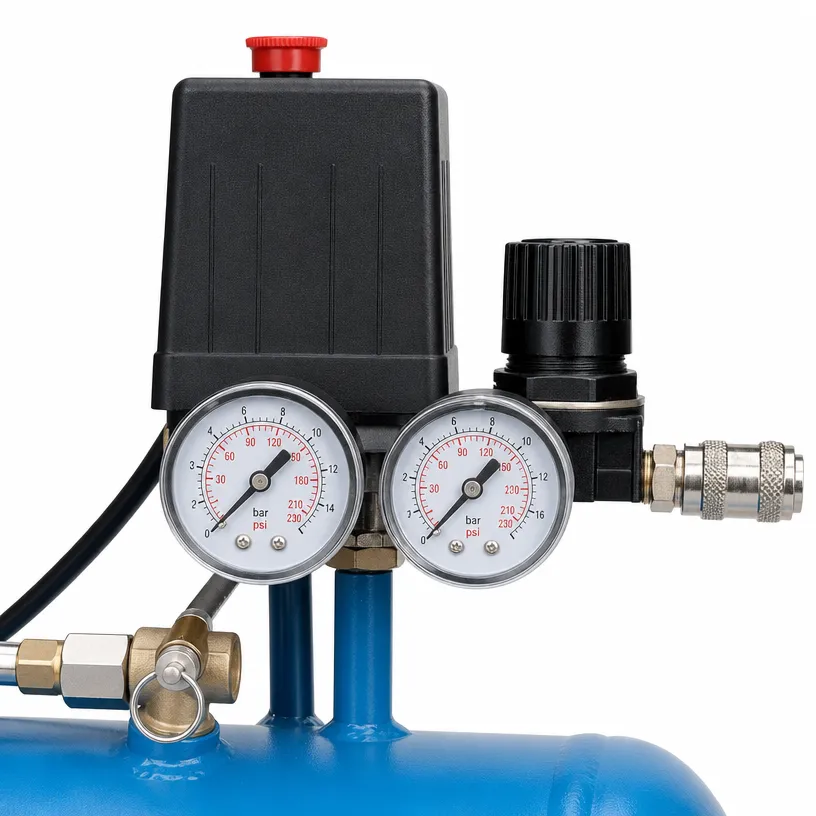
Equipment manufacturers increasingly employ socket head cap screws in confined internal spaces where traditional wrench heads cannot physically fit. Compressors, pumps, and rotating machinery often feature recessed fastener locations accessible only through small openings or around protruding components. Hex keys excel in these environments because their thin profiles allow insertion into spaces that would require complete disassembly for other tool types. Maintenance technicians appreciate this capability because it dramatically reduces repair time and minimizes the risk of causing secondary damage during equipment access.
The angular versatility of hex keys provides another critical advantage in confined spaces. Unlike fixed-angle wrenches, technicians can apply hex keys at various angles relative to the fastener, adapting to unusual positioning constraints. This flexibility proves invaluable when servicing equipment installed in tight mounting configurations or when working around structural obstacles. By maintaining multiple allen wrench sizes within a portable hex key socket set, maintenance teams can address virtually any socket head screw regardless of access angle or spatial limitation.
Metric and Imperial Standardization Across Industrial Equipment
Managing Allen Wrench Sizes Across Mixed Equipment Fleets
Modern industrial facilities frequently operate equipment manufactured across different geographic regions and time periods, resulting in mixed metric and imperial fastener specifications. A production line might include American-built machinery using imperial socket head screws alongside European equipment featuring metric specifications. Maintenance teams must maintain comprehensive allen wrench sizes in both measurement systems to service this diverse equipment base effectively. This dual-standard requirement explains why maintenance departments invest in complete hex key socket sets covering both metric and imperial dimensions rather than selecting one standard exclusively.
Understanding metric hex key conversion becomes essential when maintenance teams need to cross-reference fastener specifications across technical documentation. Equipment manuals may reference metric dimensions in metric-origin machinery but provide equivalent imperial measurements for parts sourcing. Technicians equipped with knowledge of metric hex key conversion can quickly identify equivalent tool sizes without extensive manual consultation, improving response time during maintenance operations. This conversion knowledge combined with properly organized hex key socket sets ensures technicians can locate the correct tool rapidly, whether the maintenance requirement specifies metric or imperial sizing.
Preventing Fastener Damage Through Proper Tool Selection
Socket head cap screws represent precision fasteners that require appropriate tool contact to prevent damage and ensure proper torque application. Using incorrectly sized hex keys risks stripping fastener heads, damaging internal threads, or applying inconsistent torque that undermines equipment reliability. Maintenance professionals understand that maintaining inventory of correct allen wrench sizes protects equipment integrity and extends service intervals between major repairs. A quality hex key socket set eliminates guesswork by providing properly sized tools for every fastener dimension, ensuring technicians always have appropriate implements available.
The relationship between tool quality and fastener preservation reinforces maintenance team investment in professional-grade hex key solutions. Budget-grade tools may feature slightly inaccurate dimensions or softer steel compositions that degrade under repeated use. Over time, these inferior hex keys begin to slip within fastener sockets, causing the characteristic damage pattern known as stripping. Professional maintenance operations avoid this risk by selecting industrial-strength hex key socket sets manufactured from hardened steel with precise dimensional tolerances. This commitment to tool quality directly prevents costly equipment damage and extends the productive life of fastener installations.
Practical Implementation and Maintenance Best Practices
Organizing and Maintaining Comprehensive Hex Key Collections
Effective maintenance operations extend beyond simply owning hex key tools; organizational systems determine whether tools remain accessible when needed. Progressive maintenance teams implement color-coded systems or labeled storage solutions that enable rapid tool identification during urgent repairs. Metric hex key sizes might be stored separately from imperial specifications, with clear labeling preventing confusion during high-pressure maintenance situations. This systematic approach reduces service time and eliminates the frustration of searching through disorganized tool collections while equipment remains idle.
Regular inventory management ensures hex key socket sets remain complete and functional. Maintenance supervisors conduct periodic audits to identify missing tools, worn implements, or damage indicators requiring tool replacement. Establishing replacement protocols prevents situations where critical allen wrench sizes become unavailable exactly when needed for urgent repairs. Some facilities maintain secondary backup hex key socket sets dedicated to emergency use, ensuring critical tools remain accessible even during situations when primary sets are temporarily in use elsewhere in the facility.
Training and Knowledge Transfer Among Maintenance Staff
Maximizing the value of comprehensive hex key collections requires that maintenance team members understand proper tool application and metric hex key conversion principles. Training programs should cover fastener identification, appropriate tool selection, proper torque application techniques, and the relationship between allen wrench sizes and socket head cap screw dimensions. When experienced technicians transfer this knowledge to newer staff members, organizational capability strengthens and reduces the risk of fastener damage caused by improper tool selection or application errors.
Documentation practices further enhance team capability when maintenance personnel must work with unfamiliar equipment or specialized fastening solutions. Equipment manufacturers increasingly provide detailed specifications including fastener dimensions and required tool sizes in technical manuals. Maintenance teams that compile this information into accessible reference materials enable rapid tool selection and reduce training requirements for equipment-specific maintenance tasks. This systematic knowledge management combined with properly stocked hex key socket sets creates a maintenance operation capable of responding effectively to diverse equipment servicing demands across complex industrial environments.
FAQ
Why are hex keys better than adjustable wrenches for hard-to-reach fasteners?
Hex keys provide superior grip consistency on socket head cap screws compared to adjustable wrenches, which can slip and damage fastener heads. Their thin profiles allow insertion into confined spaces that adjustable tools cannot physically access. Allen wrench sizes offer precise fit for specific fasteners, ensuring proper torque application and preventing the fastener degradation that occurs when tools are too loose or mismatched. The reliability of hex keys in restricted access areas makes them the preferred choice for professional maintenance operations.
How do maintenance teams manage allen wrench sizes across metric and imperial standards?
Professional facilities maintain comprehensive hex key socket sets containing both metric and imperial specifications to accommodate mixed equipment fleets. Technicians develop knowledge of metric hex key conversion to cross-reference fastener specifications across technical documentation. Organized storage systems with clear labeling prevent confusion when selecting appropriate tools for different fastener standards. This dual-standard approach ensures maintenance teams possess correct implements regardless of equipment origin or fastener specification system.
What makes a quality hex key socket set worth the investment for maintenance departments?
Industrial-grade hex key socket sets manufactured from hardened steel with precise dimensional tolerances prevent fastener stripping and ensure proper torque application. Quality tools maintain their accuracy through extended use, reducing replacement frequency and total cost of ownership. A comprehensive hex key socket set provides excellent value by covering numerous fastener sizes in single organized storage solution. Professional-quality implements protect expensive equipment from damage caused by improper tool contact, making the investment in quality clearly justified in industrial maintenance contexts.