What Security Risks Should You Assess Before Installing Smart Locks?
Before installing smart locks in your home or business property, understanding the security risks involved is essential to making an informed decision. Smart locks represent a significant shift from traditional mechanical locking mechanisms, introducing both convenience and new cybersecurity considerations. The transition to automated entry systems requires careful evaluation of potential vulnerabilities that could compromise your physical security. This guide walks you through the critical security risks you should assess before committing to smart lock installation and helps you understand how to mitigate these dangers effectively.
The rapid adoption of keyless entry systems and home security automation has created new attack vectors that traditional locks never faced. Cybersecurity threats targeting smart home devices are becoming increasingly sophisticated, and your door lock is often the first point of physical entry into your property. Understanding these risks allows you to choose biometric door access solutions and other smart lock technologies that include robust protective features. Assessing security vulnerabilities before installation helps you establish a comprehensive security strategy rather than discovering problems after deployment.
Wireless Communication Vulnerabilities
Network Interception Risks
Smart locks rely on wireless protocols like Bluetooth, Wi-Fi, or proprietary radio frequencies to communicate with your smartphone or hub device. These wireless communications can potentially be intercepted by sophisticated attackers using specialized equipment. When evaluating keyless entry systems, examine the encryption standards used for data transmission between your lock and control devices. Weak encryption or outdated wireless protocols can create pathways for unauthorized access, making network security assessment a fundamental step in your decision-making process.
The quality of encryption directly impacts whether your smart lock remains secure against remote attacks. Some home security automation systems use military-grade encryption such as AES-256, while others employ weaker standards that may be vulnerable to brute-force attacks. Before installation, verify the specific encryption protocols your chosen smart locks use and confirm that firmware updates are regularly released to address emerging threats. Wireless vulnerabilities represent one of the most critical risk categories when adopting biometric door access or electronic locking systems.
Range and Signal Manipulation
Signal relay attacks represent a particular concern for smart locks that communicate over Bluetooth or Wi-Fi. Attackers can extend the range of wireless signals using specialized equipment, potentially unlocking doors from much greater distances than intended. Your home security automation system should include distance verification or other anti-relay technologies that confirm proximity before granting access. When comparing smart lock options, investigate whether devices include protections against signal manipulation and range extension attacks.
Authentication and Access Control Risks
Biometric Vulnerabilities
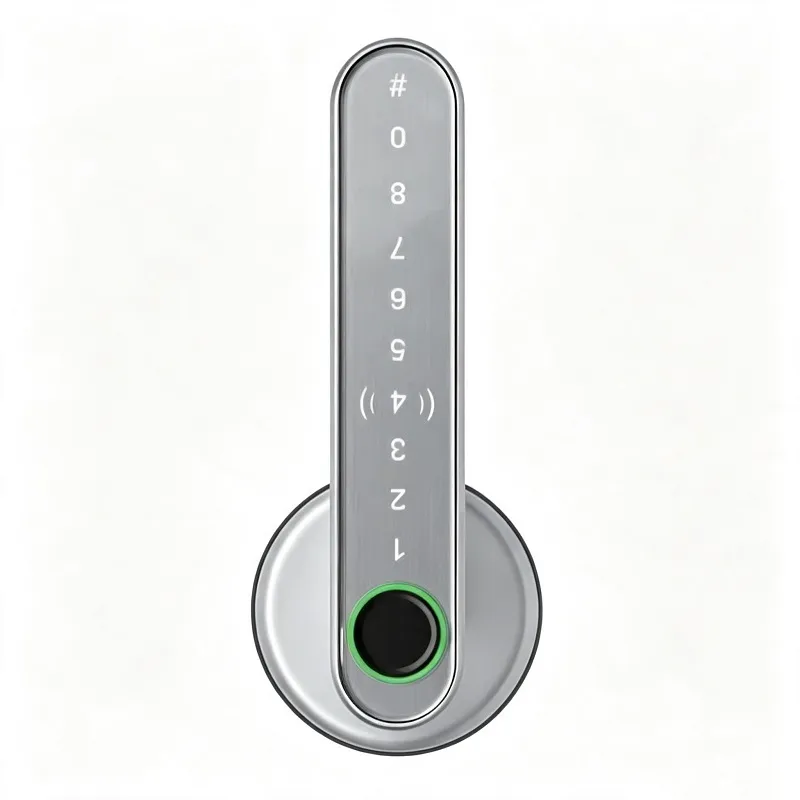
Biometric door access systems offer convenience by eliminating the need for physical keys or passwords, but fingerprint recognition, facial recognition, and other biometric methods have documented vulnerabilities. Fingerprint sensors can be spoofed using high-quality replicas or photographs, while facial recognition systems may be defeated by sophisticated masks or digital deepfakes in some implementations. Before selecting biometric-based smart locks, understand the specific technology used and its documented resistance to spoofing attacks. Quality systems include liveness detection and multi-factor verification to prevent unauthorized biometric mimicry.
The security of keyless entry systems relying on biometric authentication depends on how the system stores and processes biometric data. Some smart lock manufacturers maintain this sensitive information locally on the device, while others transmit it to cloud servers, introducing additional data exposure risks. Assess where your chosen system stores biometric templates and what protections exist for this critical personal information. Additionally, investigate whether your biometric data remains permanently tied to your smart lock or whether you can delete it if you later replace the device.
Default Credentials and Password Strength
Many home security automation systems ship with default passwords that users fail to change, creating immediate security vulnerabilities. Smart locks that require PIN codes or passwords must enforce strong password requirements and prevent credential reuse across multiple accounts. Before installation, verify that your chosen system forces password changes from factory defaults and implements account lockout mechanisms after repeated failed authentication attempts. These fundamental security practices significantly reduce the risk of unauthorized access through password-based attacks.
System Integration and Maintenance Risks
Firmware and Software Updates
The security of smart locks depends largely on how manufacturers handle firmware updates and security patches for ongoing vulnerabilities. Systems that never receive updates become increasingly vulnerable over time as new attack methods emerge, while regular updates maintain protection against discovered threats. Evaluate your potential smart lock manufacturer's commitment to security updates, including how quickly they respond to reported vulnerabilities and how long they support older devices. Some manufacturers maintain active support for seven years or longer, while others abandon devices after two to three years, leaving them exposed.
When assessing keyless entry systems, investigate whether firmware updates are automatic or require manual action, how update notifications are delivered, and whether the installation process is user-friendly. Biometric door access systems should especially prioritize regular security updates since they manage sensitive personal data and physical access to your property. Before installation, confirm that your Wi-Fi network can reliably support automatic updates and that the smart lock manufacturer provides clear guidance for securing your device throughout its lifecycle.
Third-Party Integration and Smart Home Ecosystems
Smart locks often integrate with broader home security automation ecosystems, connecting to voice assistants, mobile apps, and other smart devices. Each integration point represents a potential security weakness if not properly secured and maintained. Your smart lock's security depends not only on its own protections but also on the security of every connected system with which it shares access credentials or data. Before committing to a specific smart lock model, evaluate the security practices of the entire ecosystem you intend to join and verify that your chosen devices follow consistent security standards.
Data Privacy and Cloud Storage
Many modern smart locks store usage logs, access history, and other data in cloud-based servers operated by manufacturers or third parties. This cloud storage introduces privacy risks if the service experiences a data breach or if the company fails to implement proper encryption and access controls. Review the privacy policies of smart lock manufacturers to understand exactly what data is collected, how long it is retained, and what protections exist for that information. Additionally, verify whether you can delete your data if you decide to discontinue using the system or switch to a different manufacturer's smart locks.
FAQ
What are the most common attack methods targeting smart locks?
The most common attacks against smart locks include wireless signal interception, biometric spoofing, brute-force password attacks, firmware exploitation, and man-in-the-middle attacks during setup. Attackers may also exploit weaknesses in cloud storage or attempt to gain access through connected smart home systems. Understanding these attack vectors helps you select home security automation solutions with appropriate countermeasures and maintain strong security practices after installation.
How can I reduce the security risks of installing smart locks?
Reduce smart lock risks by choosing devices from manufacturers with strong security track records, enabling all available security features including multi-factor authentication, maintaining strong and unique access codes, regularly updating firmware, using secure Wi-Fi networks, and avoiding cloud features you don't actually need. Additionally, consider using keyless entry systems that combine multiple authentication methods rather than relying solely on biometric door access or passwords. Regularly monitor access logs and account activity for signs of unauthorized attempts.
Are biometric door access systems more secure than PIN-based smart locks?
Neither approach is inherently more secure than the other; security depends on implementation quality and how well each system resists specific attack methods. Biometric door access systems eliminate password guessing but can be vulnerable to spoofing with high-quality replicas. PIN-based smart locks are resistant to biometric spoofing but may be weak if users choose simple codes or reuse passwords across multiple systems. The most secure approach combines multiple authentication methods, making it difficult for attackers to gain access through any single vulnerability.