How Should Procurement Teams Evaluate Door Locks for Large-Scale Projects?
Procurement teams managing large-scale projects face a critical challenge when selecting door locks that balance security, durability, cost-effectiveness, and long-term maintenance requirements. The stakes are particularly high in projects involving multiple facilities, residential complexes, or commercial properties where lock failures can compromise safety, disrupt operations, and create liability exposure. Understanding how to evaluate door locks systematically ensures that procurement decisions align with project scope, budget constraints, and security standards while minimizing future complications.
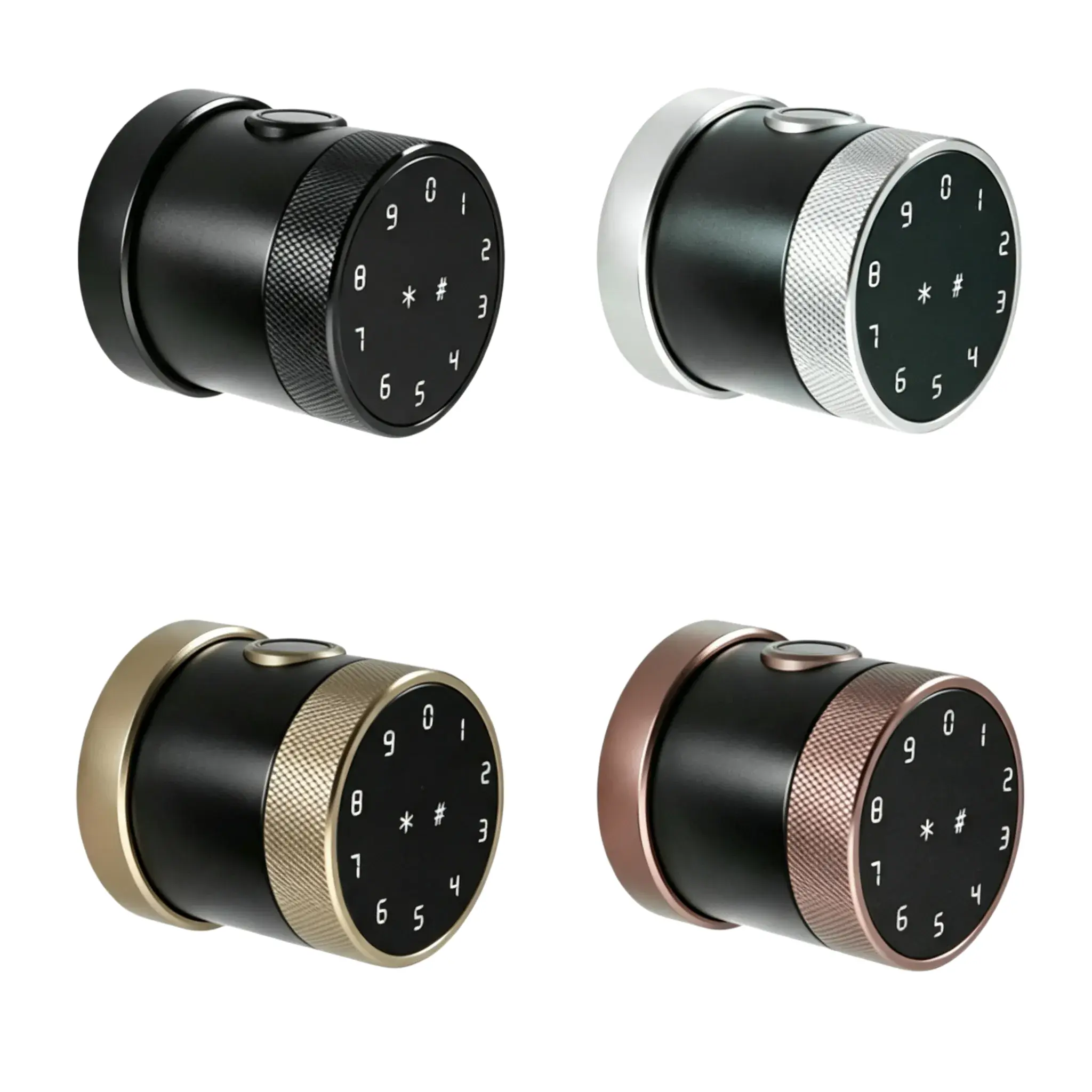
Effective procurement depends on a structured evaluation framework that examines technical specifications, installation logistics, operational compatibility, and vendor reliability. Procurement teams must assess whether solutions like smart door lock installation align with building management systems, evaluate residential security systems for scalability across multiple units, and understand electronic lock mechanisms to ensure proper integration and support. This comprehensive approach reduces procurement risks and ensures that selected door locks perform reliably throughout the project lifecycle.
Security Requirements and Compliance Standards
Assessing Security Specifications
Door locks for large-scale projects must meet or exceed applicable security standards and compliance requirements. Procurement teams should verify that lock mechanisms comply with industry certifications such as ANSI/BHMA standards, fire codes, and accessibility requirements like ADA compliance. The evaluation should include resistance ratings, grade levels, and specific security certifications relevant to the project type. Electronic lock mechanisms require assessment of encryption protocols, authentication methods, and vulnerability testing to ensure protection against unauthorized access or tampering.
Compliance with Building Codes
Different regions and project types impose specific building code requirements that directly impact lock selection. Emergency egress requirements, fire safety protocols, and access control regulations must be understood before procurement decisions are finalized. Procurement teams should consult with architects, security specialists, and local authorities to ensure that selected door locks satisfy all applicable codes. Failure to verify compliance during procurement can result in costly rework, project delays, and safety liability issues that extend well beyond the initial purchase decision.
Technical Integration and Installation Considerations
Smart Door Lock Installation Requirements
When evaluating smart door lock installation for large-scale projects, procurement teams must assess infrastructure readiness and integration complexity. Smart door locks typically require compatible power systems, network connectivity, and centralized management platforms to function effectively. Procurement should verify whether existing building systems can support these requirements or whether additional infrastructure investments are necessary. Installation logistics, including labor availability, training needs, and timeline commitments, significantly impact total project cost and should be evaluated during the procurement phase.
Compatibility with Building Systems
Electronic lock mechanisms must integrate seamlessly with existing or planned building management systems, access control platforms, and security infrastructure. Procurement teams should evaluate API compatibility, data synchronization capabilities, and system interoperability before committing to specific lock solutions. The evaluation should include testing scenarios that simulate real-world conditions within the project environment. Incompatibility discovered after purchase results in expensive retrofitting, system redesign, or replacement, making pre-procurement testing and vendor verification essential for large-scale deployments.
Lifecycle Cost and Vendor Reliability
Total Cost of Ownership Analysis
Procurement decisions for door locks must account for total lifecycle costs, not just initial purchase price. Residential security systems and electronic lock mechanisms involve ongoing expenses including maintenance, battery replacement, software updates, technical support, and eventual replacement. Procurement teams should request detailed cost projections covering the expected lifespan of the locks and factor in inflation, labor rate changes, and technology evolution. Vendor reliability directly impacts these costs; manufacturers with strong support infrastructure, spare parts availability, and proven track records reduce hidden expenses and operational disruptions.
Vendor Assessment and Support Services
Evaluating vendor reliability involves examining manufacturing capacity, service response times, warranty coverage, and technical support availability. Procurement teams should request references from similar large-scale projects and verify vendor ability to support deployment schedules and quantity requirements. Service agreements should specify response times, parts availability, and support escalation procedures. For door locks deployed across multiple properties, vendor coordination and logistics capabilities become critical factors influencing overall project success and long-term satisfaction.
FAQ
What key specifications should procurement teams prioritize when evaluating door locks?
Procurement teams should prioritize security certifications, compliance with building codes, grade ratings, material durability, environmental resistance, and compatibility with existing systems. For electronic lock mechanisms, encryption standards, authentication protocols, and integration capabilities matter significantly. The specific priorities depend on project type, location, and security requirements, but all large-scale deployments require verification that selected locks meet or exceed established standards and integrate properly with building infrastructure.
How does smart door lock installation complexity affect procurement timelines?
Smart door lock installation introduces complexity through infrastructure requirements, network connectivity setup, system integration testing, and staff training needs. Procurement teams must account for extended lead times, coordination with IT departments, vendor support scheduling, and potential delays if compatibility issues emerge during installation. By evaluating these factors during procurement, teams can establish realistic timelines, secure necessary resources, and identify potential bottlenecks before they impact project delivery. Underestimating installation complexity is a common procurement mistake that creates cascading delays and cost overruns.
Why should procurement teams conduct pilot testing before full-scale deployment?
Pilot testing on a limited scale allows procurement teams to verify that selected door locks perform reliably within the specific project environment before committing to large-scale deployment. Testing reveals compatibility issues, installation challenges, user adoption barriers, and unexpected operational requirements that specifications alone cannot identify. Successful pilots reduce deployment risk, provide real performance data, and enable teams to address problems with minimal disruption. For residential security systems or electronic lock mechanisms, pilot results guide training programs, support procedures, and operational protocols that make full-scale implementation significantly more successful.