How Does Cable Tray Improve Cable Management in Large Facilities?
Large facilities face significant challenges in organizing and protecting electrical infrastructure. Cable Tray systems provide a structured approach to managing complex networks of power and data cables throughout industrial buildings, data centers, manufacturing plants, and commercial spaces. Rather than routing cables individually through walls or conduits, a comprehensive cable tray infrastructure consolidates multiple cables into organized pathways, dramatically improving operational efficiency and maintenance accessibility.
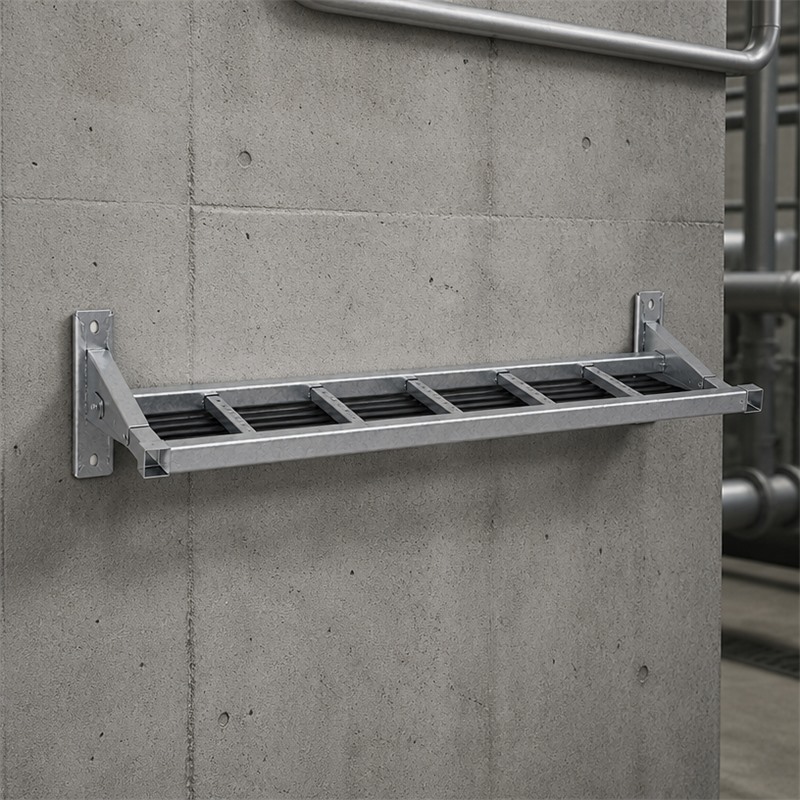
The adoption of Cable Tray systems represents a fundamental shift in how facilities approach cable management systems and wire routing solutions. By consolidating cables into visible, accessible pathways, organizations reduce clutter, improve safety compliance, and enable faster troubleshooting when issues arise. Modern cable tray installations support both current infrastructure demands and future expansion requirements without requiring complete system redesign.
Understanding Cable Tray Architecture and Installation
Core Components of Cable Tray Infrastructure
Effective cable management systems depend on understanding the fundamental building blocks of cable tray design. Steel or aluminum trays form the primary support structure, while covers, dividers, and support brackets create secure pathways for electrical conduit installation. The modular nature of these systems allows facilities to adapt configurations as needs evolve, making cable management systems both flexible and cost-effective over extended lifecycles.
Wire routing solutions integrated within tray systems organize cables by function, voltage rating, and destination. Separation of power and data cables prevents electromagnetic interference, while proper spacing reduces heat accumulation. Support spacing, bend radius limitations, and weight distribution calculations ensure that cable management systems perform reliably under typical facility load conditions.
Electrical Conduit Installation Integration
Many large facilities combine traditional electrical conduit installation methods with modern cable tray systems to achieve comprehensive protection. While some cables run directly on trays, others require conduit protection based on environmental exposure, regulatory requirements, or specific operational needs. This hybrid approach allows electrical conduit installation to coexist with open cable tray routing, optimizing both safety and accessibility across the facility.
Operational and Maintenance Benefits
Accessibility and Troubleshooting Efficiency
Cable tray systems dramatically reduce troubleshooting time when electrical issues occur. Traditional methods requiring cables to be located within walls or underground conduit create significant diagnostic delays. Open cable management systems with proper labeling allow maintenance teams to quickly trace circuits, identify failures, and execute repairs. This accessibility translates directly into reduced downtime costs and improved overall facility reliability.
Documentation becomes substantially more practical when cable management systems maintain visible, organized pathways. Technicians can photograph existing configurations, mark cable locations clearly, and track changes over time. Wire routing solutions that follow logical architectural patterns make knowledge transfer between shifts and personnel transitions significantly smoother.
Scalability and Future-Proofing
Industrial facilities rarely remain static. Equipment upgrades, production expansions, and technological improvements require continuous infrastructure evolution. Cable tray systems accommodate growth far more effectively than fixed electrical conduit installation approaches. Additional cables can be added to existing trays, new branches can be installed without disrupting current operations, and future modifications require minimal investment compared to rigid conduit systems that often require complete replacement.
Safety Compliance and Risk Mitigation
Regulatory Standards and Fire Safety
Modern industrial codes mandate specific requirements for cable management systems across different facility types. Cable tray installations must comply with fire safety standards, load-bearing specifications, and grounding requirements that protect both equipment and personnel. Proper wire routing solutions reduce fire hazard by preventing cable bunching that causes dangerous heat accumulation. Electrical conduit installation standards require specific separation distances and ventilation patterns that cable trays facilitate inherently.
Personnel Safety and Operational Discipline
Organized cable management systems contribute to comprehensive workplace safety by clearly delineating electrical hazards and preventing tripping risks. When cables follow defined pathways on elevated trays rather than lying across walkways or floors, facility safety dramatically improves. Maintenance personnel and production workers understand electrical infrastructure more clearly when cable tray systems maintain consistent, visible organization patterns throughout the facility.
FAQ
What types of cables work best with cable tray systems?
Cable tray systems accommodate power cables, data cables, control cables, and instrumentation lines. The key consideration involves matching cable types to appropriate tray specifications based on voltage ratings, environmental exposure, and operational temperature ranges. High-voltage power distribution, low-voltage control signals, and data networking typically coexist successfully within cable management systems when proper separation and support standards are maintained.
How does cable tray compare to traditional conduit for wire routing solutions?
Cable trays offer superior accessibility, easier expansion capabilities, and better heat dissipation compared to traditional conduit methods. Wire routing solutions using trays cost less to install initially and significantly less to modify during the facility lifetime. Traditional electrical conduit installation provides superior mechanical protection and fire rating in specific high-risk environments where those tradeoffs justify the reduced flexibility.
What maintenance requirements do cable tray installations demand?
Cable management systems require periodic inspections for proper support, cable condition monitoring, and debris removal. Regular documentation updates ensure accurate electrical conduit installation records and wire routing solution maps. Most facilities find that preventive maintenance on cable tray systems costs substantially less than emergency repairs resulting from poor cable management or system failures in traditional installations.