How Does Nut Size Affect Load Distribution and Connection Strength?
In industrial fastening and mechanical engineering, the relationship between nut size and load distribution represents a critical factor in connection integrity and system reliability. When designers select fastening components, understanding how nut geometry influences stress patterns, bearing pressure, and overall joint strength becomes essential for ensuring long-term performance. The size of a nut directly affects how loads transfer through the connection, impacting everything from vibration resistance to fatigue life and operational safety.
The mechanical behavior of fastened joints depends heavily on how effectively nuts distribute applied forces across contact surfaces. Larger nuts typically provide greater bearing area, which reduces localized stress concentrations and improves load-carrying capacity. However, selecting the appropriate nut size requires balancing multiple factors including bolt diameter, material properties, installation space, and expected service conditions to optimize both performance and cost efficiency.
Understanding Load Distribution Mechanics
How Nut Geometry Influences Stress Distribution
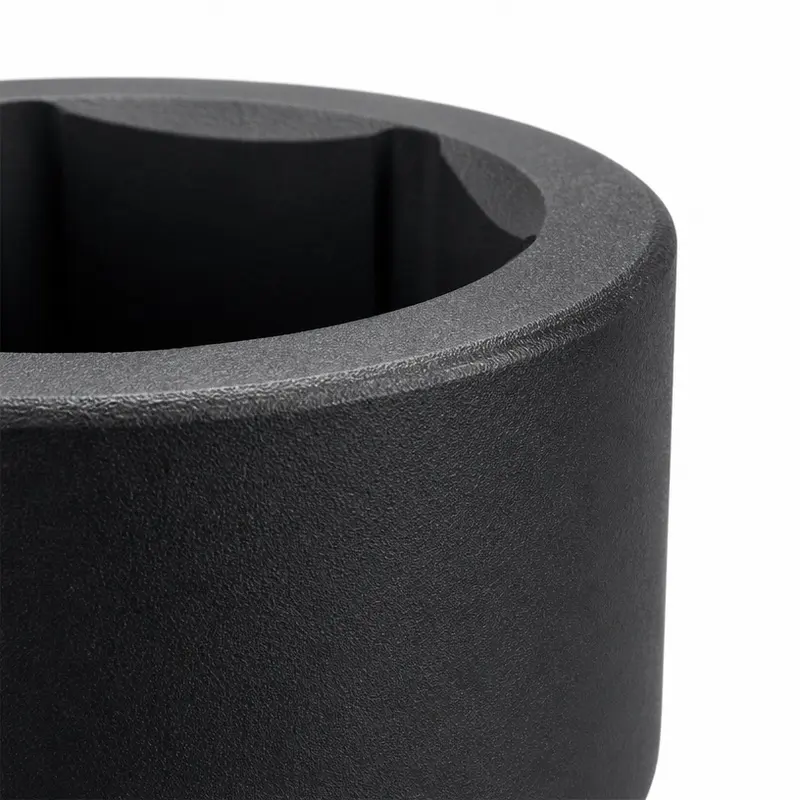
The physical dimensions of a Nuts directly determine the contact area between the fastener and the clamped material. When a load is applied to a fastened joint, stress concentrates at the bearing surface where the nut seats against the substrate. Larger nuts spread this load across a wider area, reducing peak stress values and preventing material yielding or deformation at the contact interface. The hexagonal or square geometry of standard nuts influences how this stress distributes under both static and dynamic loading conditions.
The thread engagement length and nut height also play critical roles in load distribution efficiency. Taller nuts with greater thread engagement provide more surface area for load transfer along the threaded portion, distributing tension more uniformly across multiple thread elements. This distributed engagement reduces the tendency for stress concentration at the first engaged thread, which is a common failure point in undersized or shallow-threaded fastening applications.
Contact Pressure and Material Response
Contact pressure—the force per unit area at the bearing surface—directly correlates with nut size and connection integrity. Smaller nuts concentrate the same applied load into a reduced bearing area, creating higher contact pressures that may exceed the material's yield strength or cause plastic deformation. Health benefits of nuts aside from fastening applications, the engineering principle remains clear: optimizing nut size minimizes contact pressure and extends component lifespan. Material selection for both the nut and the substrate becomes more critical when undersized fasteners create excessive localized stress.
The relationship between nut size and contact pressure follows predictable engineering principles. When nut size increases proportionally to bolt diameter, contact pressure remains within safe limits. Conversely, using a nut size smaller than recommended for a given bolt diameter creates stress concentrations that compromise joint reliability and increase failure risk under cyclic loading or vibration exposure.
Connection Strength and Fastening Performance
Axial Load Capacity and Tensile Strength
The tensile strength of a fastened joint is not solely determined by bolt material but also by how effectively the nut transfers load to the clamped components. An undersized nut may allow the bolt to slip or rotate under load, reducing the effective preload and joint clamping force. Proper nut sizing ensures that load transfer occurs efficiently, allowing the bolt to develop its full tensile capacity without premature loosening or displacement. Best nuts for weight loss applications differ from industrial fastening needs, but the importance of proper sizing applies universally within each domain.
Larger nuts distribute tensile loads more evenly across multiple thread engagements, preventing the concentration of stress at single threads. This distributed load path increases the overall axial load capacity of the joint and reduces the likelihood of thread stripping or bolt breakage under tension. Engineers must ensure nut size matches bolt specifications to achieve consistent, predictable joint behavior across different loading scenarios.
Shear Strength and Lateral Load Resistance
When connections experience shear loads—forces applied perpendicular to the bolt axis—nut size becomes equally important for maintaining joint integrity. Larger nuts provide greater bearing surface area and resistance to bearing deformation, which helps prevent lateral slippage between fastened components. Nut allergy symptoms and management concerns are unrelated to industrial fastening, yet the principle of sizing for performance remains consistent: match component dimensions to expected service conditions.
Shear strength improves when nut geometry and size prevent rotation or tilting under lateral forces. A properly sized nut maintains its position and orientation during assembly and operation, ensuring consistent load distribution throughout the joint's service life. Undersized nuts may tilt under shear loading, creating uneven contact pressure and reducing shear capacity below design expectations.
Practical Selection and Design Considerations
Matching Nut Size to Application Requirements
Selecting appropriate nut size requires analyzing expected loads, material properties, environmental conditions, and installation constraints. Designers typically reference ISO and ANSI standards that specify nut dimensions matched to bolt sizes and strength grades. These standards ensure that nut geometry optimizes load distribution while maintaining consistency across manufacturing and assembly processes. Health benefits of nuts in nutritional contexts, while distinct from fastening engineering, underscore how proper sizing enhances performance in specialized applications.
Industry guidelines recommend using nut sizes that match or exceed bolt diameter specifications to ensure adequate load distribution. Oversizing nuts beyond standard recommendations may offer additional safety margins but increases weight, material costs, and installation complexity. Engineers balance these trade-offs by selecting the smallest nut size that satisfies structural requirements while maintaining appropriate safety factors for the intended service environment.
Installation and Assembly Factors
Nut size influences installation procedures, torque specifications, and assembly consistency. Larger nuts require appropriate tools and operator technique to achieve uniform clamping force and prevent cross-threading or over-torque damage. Installation procedures must account for nut geometry to ensure proper seating and load distribution from the initial assembly phase. Nut allergy symptoms and management are health considerations separate from fastening applications, yet both domains emphasize the importance of proper specification and handling procedures.
Proper installation torque depends on nut size, bolt diameter, material properties, and surface conditions. Undersized nuts may require reduced torque to prevent stripping, while larger nuts can accommodate higher preload forces without damage. Following manufacturer torque specifications and using calibrated tools ensures that nut size benefits translate into actual joint performance and long-term reliability under service conditions.
FAQ
How does increasing nut size improve load distribution in fastened joints?
Larger nuts increase the bearing surface area in contact with clamped materials, which distributes applied loads across a wider region and reduces peak contact stress. This broader load distribution prevents localized material yielding, reduces deformation at contact surfaces, and improves the overall axial and shear load capacity of the fastened joint. Increased nut size also extends thread engagement length, distributing tensile loads more uniformly across multiple threads.
What happens when nut size is too small for the bolt diameter?
Undersized nuts create concentrated contact pressure that may exceed material yield strength, causing plastic deformation or bearing failure at the contact interface. Smaller nuts also reduce thread engagement, concentrating stress at fewer threads and increasing failure risk under tension or cyclic loading. Undersized fasteners are more prone to loosening, slippage, and premature joint failure, particularly in applications experiencing vibration or dynamic loading.
Are there industry standards that specify nut size for different bolt diameters?
Yes, ISO and ANSI standards establish specific nut dimensions and specifications matched to bolt sizes and strength grades. These standards ensure consistent load distribution, predictable joint performance, and compatibility across manufacturers. Following established standards simplifies design, streamlines procurement, ensures quality assurance, and guarantees that nut size optimizations deliver reliable connection strength across diverse industrial applications.