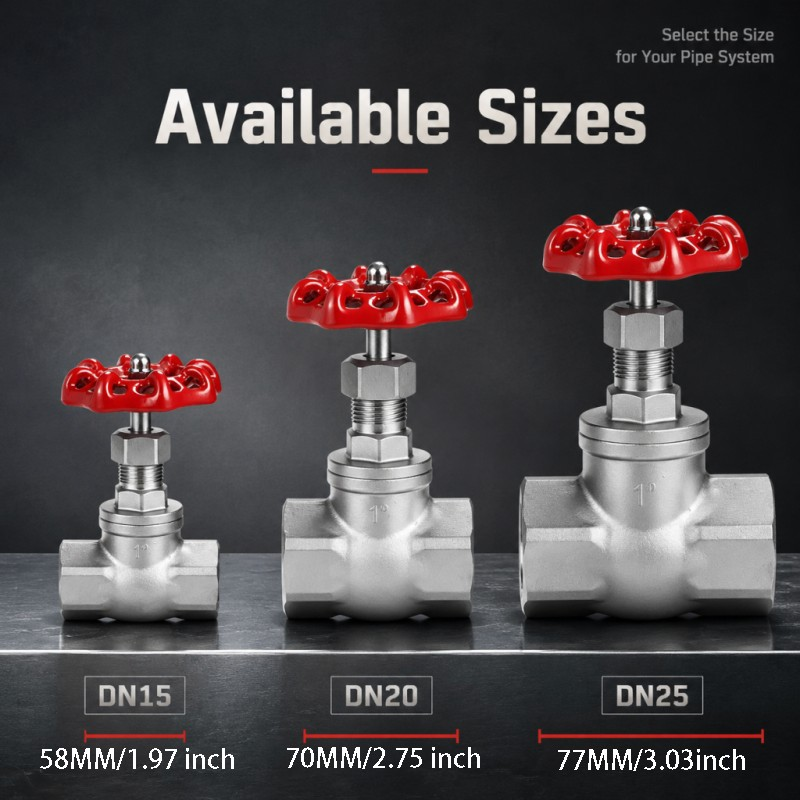
How Does Hardware Sizing Affect Connection Strength and Overall Stability?
The relationship between hardware sizing and connection strength is fundamental to achieving stable, reliable systems across industrial and commercial environments. When hardware is undersized or poorly matched to application demands, connection integrity suffers, leading to performance degradation, premature failures, and costly downtime. Understanding how hardware dimensions, materials, and specifications directly influence connection strength and overall system stability is essential for engineers, procurement professionals, and facility managers tasked with building robust infrastructure.
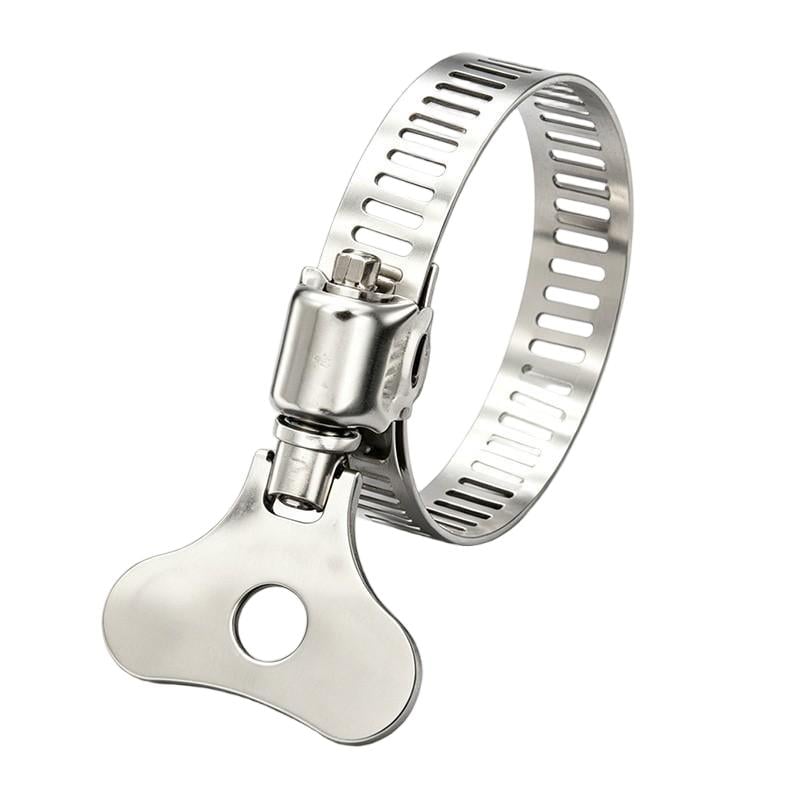
The selection and specification of hardware directly determines how effectively systems maintain connection strength under operational stress. Whether dealing with mechanical fasteners, network equipment, or industrial machinery parts, the sizing decisions made during design and procurement phases have cascading effects on system performance, reliability, and longevity. This article explores the critical relationship between hardware sizing parameters and the stability of connections in demanding environments.
Hardware Sizing and Load Capacity
Understanding Dimensional Specifications
Hardware sizing begins with clear dimensional specifications that define how components interact and support loads. Computer components must be precisely matched to their mounting interfaces, as undersized fasteners or connectors create stress concentrations and weak points. The cross-sectional area of connection hardware directly correlates to its load-bearing capacity. When industrial machinery parts are selected without proper sizing calculations, the connection experiences uneven stress distribution, leading to localized failures even when the overall system load appears manageable.
Network equipment sizing involves both physical dimensions and electrical specifications. The gauge of conductors, the diameter of connectors, and the cross-sectional area of contact points all influence how effectively electrical and mechanical loads are distributed. Oversized hardware adds unnecessary weight and cost, while undersized hardware creates bottlenecks in load transfer and heat dissipation. Proper sizing ensures that connection strength remains consistent across the entire operational range of the system.
Material Properties and Connection Integrity
The material composition of hardware directly affects how it responds to stress and environmental challenges. Computer components manufactured from materials with appropriate tensile strength ratings maintain connection integrity under sustained loads. Industrial machinery parts constructed from materials selected based on sizing calculations provide predictable performance and longer service life. Network equipment made with properly sized conductors and connectors exhibits better resistance to corrosion, thermal cycling, and vibration-induced loosening.
Material selection and sizing work together to determine connection strength. A fastener that is oversized for its application may be made from a softer material, while an undersized fastener requires harder, more brittle material to achieve adequate strength. This interplay means that hardware sizing decisions cannot be made in isolation from material selection. Engineers must balance dimensional specifications with metallurgical properties to achieve optimal connection strength and system stability.
Connection Strength Under Operational Stress
Stress Distribution and Failure Mechanisms
When hardware is properly sized, connection loads distribute evenly across all contact surfaces, maximizing the total load-carrying capacity. Computer components with correctly sized connectors experience uniform electrical resistance and thermal conductivity across all connection points. Industrial machinery parts held together with appropriately dimensioned fasteners maintain uniform stress levels that allow the connection to safely carry design loads with acceptable safety margins. Conversely, undersized hardware concentrates stress in localized areas, accelerating fatigue crack initiation and reducing component lifespan.
Network equipment connections must handle both steady-state loads and dynamic stresses from thermal expansion, vibration, and cyclic operation. When hardware sizing is inadequate, these dynamic forces cause micromotion at contact surfaces, generating fretting wear and oxidation that progressively degrade connection resistance. Properly sized hardware maintains mechanical clamping force sufficient to prevent relative motion, protecting contact surfaces from degradation. This distinction between sized and undersized connections becomes especially critical in applications involving temperature cycling or mechanical vibration.
Environmental and Operational Variables
Hardware sizing must account for environmental factors that influence connection strength over time. Corrosive environments demand hardware materials and dimensions selected to withstand chemical attack while maintaining structural integrity. Computer components in humid or chemically aggressive environments require larger fasteners and connectors to maintain adequate residual strength even after corrosion reduces cross-sectional dimensions. Industrial machinery parts operating in high-temperature environments need hardware sized with thermal expansion factors incorporated, ensuring connections remain tight as materials expand and contract.
Vibration and mechanical shock represent additional operational stresses that directly impact connection strength. Hardware must be sized not only to carry static loads but also to resist the dynamic effects of repetitive stress. Undersized fasteners on vibrating equipment loosen progressively, while properly sized hardware maintains clamping force and prevents connection degradation. Network equipment experiencing thermal cycling requires hardware selected with coefficient of thermal expansion differences considered, ensuring connections maintain integrity as component materials expand at different rates.
System Stability and Overall Performance
Connection Reliability and Downtime Prevention
Proper hardware sizing directly translates to improved system stability and reduced unplanned maintenance. When computer components are connected with appropriately sized hardware, electrical performance remains consistent and predictable. Industrial machinery parts held together with correctly dimensioned fasteners operate with minimal vibration and noise, indicating stable mechanical connections. Network equipment with properly sized conductors and connectors maintains stable electrical characteristics, reducing signal loss, interference, and thermal stress on connected devices.
The economic impact of hardware sizing decisions extends far beyond component acquisition costs. A facility experiencing frequent connection failures due to undersized hardware incurs substantial expenses for emergency repairs, equipment replacement, and lost production. Properly sized hardware reduces failure frequency, extends maintenance intervals, and improves overall system availability. This reliability benefit compounds over system lifetime, making correct hardware sizing a cost-effective investment despite potentially higher initial material costs.
Scalability and Future Capacity
Hardware sizing decisions establish not only current connection strength but also the system's capacity for future expansion and increased operational demands. Computer components specified with appropriate margin for growth provide a foundation for upgrading performance without replacing foundational connections. Industrial machinery parts connected with oversized hardware can accommodate higher loads and more aggressive operating conditions if production requirements increase. Network equipment installed with properly sized infrastructure supports bandwidth growth and additional connected devices without requiring fundamental redesign.
Forward-looking hardware sizing strategies account for anticipated operational changes, environmental intensification, and maintenance degradation over time. Rather than sizing hardware to minimum current requirements, prudent engineering practice incorporates safety factors that accommodate future uncertainties. This approach prevents premature system obsolescence and reduces the total cost of ownership by avoiding expensive retrofitting and infrastructure replacement later in the system lifecycle.
FAQ
How does undersized hardware affect long-term system stability?
Undersized hardware creates concentrated stress points that initiate fatigue cracks and progressive connection degradation. Computer components with undersized connectors experience increasing electrical resistance as contact surfaces corrode and micromotion damages contact interfaces. Industrial machinery parts connected with undersized fasteners loosen over time as vibration and thermal cycling exceed the clamping force capability. This progressive weakening eventually results in connection failure, often suddenly and unexpectedly, creating unplanned downtime and potential safety risks. Long-term stability requires hardware sized with adequate margin to accommodate stress concentration, environmental degradation, and dynamic operational factors.
What factors should be considered when sizing network equipment connections?
Network equipment sizing must account for electrical performance, mechanical durability, and environmental exposure. The conductor gauge must be selected to minimize voltage drop and heat generation under expected current loads. Connector dimensions must accommodate the required conductor size while providing adequate mechanical strength for repeated connection cycles. Environmental factors including temperature range, humidity, corrosive atmospheres, and vibration exposure should drive material selection and dimensional specifications. System redundancy and future expansion requirements may justify oversizing individual connections to provide margin for increased bandwidth demands. Professional engineering standards and industry guidelines provide specific sizing recommendations for different application categories and environmental conditions.
Can properly sized hardware prevent connection failures in vibrating equipment?
Yes, properly sized hardware significantly reduces connection failures in vibrating equipment by maintaining adequate clamping force and preventing micromotion at contact surfaces. Industrial machinery parts subjected to vibration require fasteners with sufficient tensile strength and cross-sectional area to resist loosening as cyclic stresses work against mechanical clamping force. Properly sized hardware accommodates the dynamic stress amplification caused by vibration, preventing fatigue crack initiation in fasteners and connected components. Material selection, surface finish, and thread locking compounds work synergistically with proper sizing to maximize vibration resistance. Equipment operating in high-vibration environments demonstrates dramatically improved reliability and longevity when hardware is sized with vibration-induced loosening mechanisms explicitly considered in the design process.