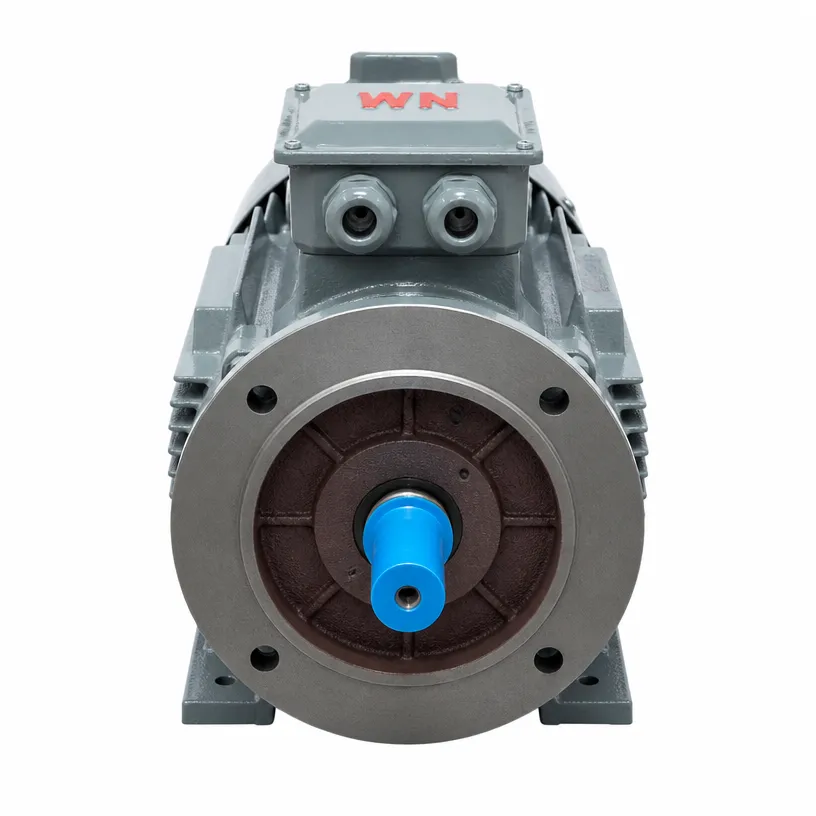
How Do Electric Tools Perform Under High-Load and Continuous Work Conditions?
When tackling demanding industrial and construction projects, the performance of electric tools under high-load and continuous work conditions becomes critical to project success and operational efficiency. Professional contractors and woodworkers often face situations where their equipment must deliver consistent power output for extended periods, and understanding how electric tools respond to these demanding scenarios is essential for making informed purchasing decisions.
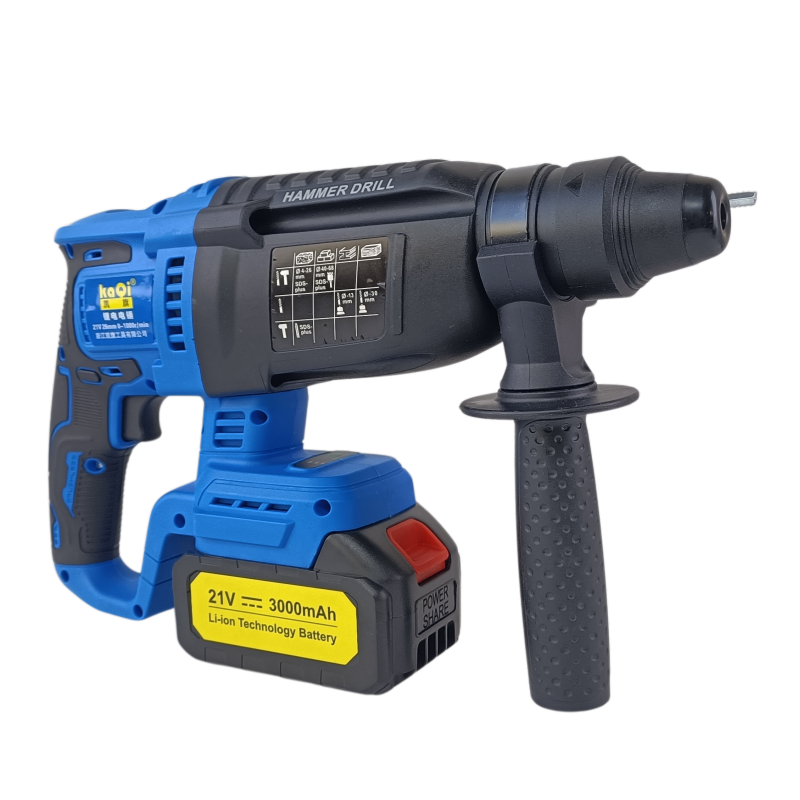
Modern electric tools have evolved significantly, with advances in motor technology, battery systems, and thermal management creating equipment capable of handling rigorous work environments. Whether you operate cordless power tools for construction, manufacturing, or specialized woodworking projects, understanding performance characteristics under stress conditions helps optimize workflow and reduce downtime.
Motor Power and Load Handling Capability
Brushless Motor Technology and Torque Delivery
Brushless motor technology has revolutionized how electric tools maintain performance under sustained high-load conditions. Unlike traditional brushed motors, brushless designs generate consistent torque output by utilizing electronic commutation, which eliminates mechanical brush friction and allows the motor to operate more efficiently even when pushing heavy loads for extended periods. This advancement directly impacts the longevity and reliability of your cordless power tools battery life by reducing wasted energy and heat generation.
When electric tools operate under high-load scenarios such as drilling through reinforced materials or driving large fasteners, the motor must deliver peak torque without stalling or overheating. Brushless motors excel in these conditions because they can dynamically adjust power output while maintaining consistent performance, allowing the tool to work through demanding tasks while preserving the integrity of internal components.
Thermal Management and Continuous Operation
Thermal management is paramount when electric tools face continuous operation under high-load conditions. Modern professional-grade tools incorporate advanced cooling systems, ventilation designs, and heat-dissipating materials that prevent internal temperatures from reaching critical thresholds. These electric tool safety features prevent motor burnout and maintain warranty compliance by ensuring the tool operates within manufacturer specifications even during extended use cycles.
Quality electric tools distribute heat effectively through aluminum housing and internal air passages, allowing the motor to run cooler and sustain higher power outputs for longer periods. This engineering approach extends the practical working life of each charge and reduces the frequency of mandatory cooling breaks, increasing overall productivity on job sites where time efficiency directly impacts project profitability.
Battery Performance and Runtime Under Stress
Battery Chemistry and Discharge Rates
The battery system represents the critical variable determining how cordless power tools battery life performs when facing continuous high-load demands. Modern lithium-ion batteries deliver superior performance compared to older nickel-cadmium or nickel-metal-hydride chemistries, providing higher energy density, better voltage stability, and improved tolerance for rapid discharge cycles. When electric tools draw maximum current during intensive cutting, drilling, or fastening operations, the battery must supply sustained amperage without significant voltage drop, which directly affects tool performance and user safety.
Battery management systems monitor temperature, voltage, and current flow in real-time, automatically throttling power output if thermal thresholds are exceeded. This protective mechanism ensures cordless power tools battery life remains reliable under extreme operating conditions while preventing dangerous situations that could arise from battery failure during high-load work.
Capacity and Runtime Calculation
Runtime under high-load conditions follows predictable physics principles: higher load current consumption reduces effective runtime compared to light-duty work. A battery rated at 5 amp-hours provides adequate runtime for general construction tasks, but sustained high-load drilling or impact work might reduce actual runtime by 40 to 60 percent compared to manufacturer specifications. Professional users of best electric tools for woodworking understand this reality and often maintain multiple batteries in rotation to maintain continuous productivity without waiting for recharge cycles.
Understanding the relationship between tool power requirements and battery capacity helps users select appropriate battery packs for their specific applications. High-demand electric tools like rotary hammers or large angle grinders require robust battery systems capable of delivering continuous high current without premature shutdown due to thermal protection activation.
Safety Features and Continuous Operation Protection
Overload Protection and Smart Throttling
Electric tool safety features have become increasingly sophisticated, with electronic load-sensing systems that automatically reduce power output when resistance increases beyond predetermined thresholds. This intelligent approach protects both the user and the equipment by preventing sudden tool bind or kickback situations that could cause injury during high-load woodworking or construction tasks. Best electric tools for woodworking incorporate dual-stage throttling, allowing initial power reduction before more aggressive intervention occurs.
Overload protection mechanisms engage when motor current exceeds safe levels, preventing thermal damage and battery over-discharge that could reduce overall tool lifespan. This electric tool safety features implementation demonstrates how manufacturers balance performance with reliability, ensuring users can push their equipment hard without worrying about catastrophic failure.
Thermal and Battery Safeguards
Temperature monitoring represents a critical electric tool safety features component in continuous high-load scenarios. Sensors embedded in motor housings and battery packs communicate with the control electronics, automatically limiting power output when internal temperatures exceed 80 to 85 degrees Celsius. This proactive thermal management prevents safety hazards like unexpected tool shutdown mid-operation or battery failure when users depend on consistent performance.
Modern electric tools also incorporate low-voltage detection, ensuring the tool shuts down safely when battery capacity drops below 10 percent rather than failing abruptly. These coordinated safety systems create a user experience where cordless power tools battery life is protected alongside operator wellbeing, supporting long-term equipment value and operational reliability.
FAQ
What factors most significantly affect electric tools performance under continuous high-load conditions?
Motor efficiency, battery capacity and chemistry, thermal management design, and load characteristics of the specific task combine to determine overall performance. Brushless motors with advanced electronics, large-capacity lithium-ion batteries, and superior cooling systems allow electric tools to sustain high power output for extended periods. Task-specific factors like material hardness and fastener size also influence how much current the tool draws, affecting runtime and temperature rise during continuous operation.
How does cordless power tools battery life decline under sustained high-load operations?
Continuous high-current discharge generates heat within the battery pack, accelerating chemical degradation and reducing available capacity over time. Each charge-discharge cycle under extreme stress conditions causes more permanent capacity loss compared to moderate-use cycles, meaning professional users who regularly operate electric tools under maximum load should expect shorter overall battery lifespan and plan battery replacement budgets accordingly. Maintaining proper thermal conditions and avoiding complete deep discharge cycles helps preserve cordless power tools battery life.
Which electric tool safety features are most important for high-load continuous work scenarios?
Thermal protection, overload current limiting, low-voltage shutdown, and intelligent throttling systems represent the most critical electric tool safety features for demanding applications. These coordinated protections prevent unexpected tool failure, battery damage, and potential user injury during high-load operations. When selecting best electric tools for woodworking or construction projects, prioritize models with comprehensive safety system integration rather than tools offering only basic features, as professional-grade equipment from reputable manufacturers typically incorporates more robust protective electronics.