Why Does Proper Tensioner Adjustment Matter for Mechanical Efficiency?
A properly adjusted tensioner is fundamental to the reliability and performance of any mechanical system that relies on belts or chains. When a tensioner fails to maintain correct tension, the consequences ripple through your entire drivetrain, affecting efficiency, lifespan, and safety. Understanding why tensioner maintenance matters can save thousands in unexpected repairs and unplanned downtime.
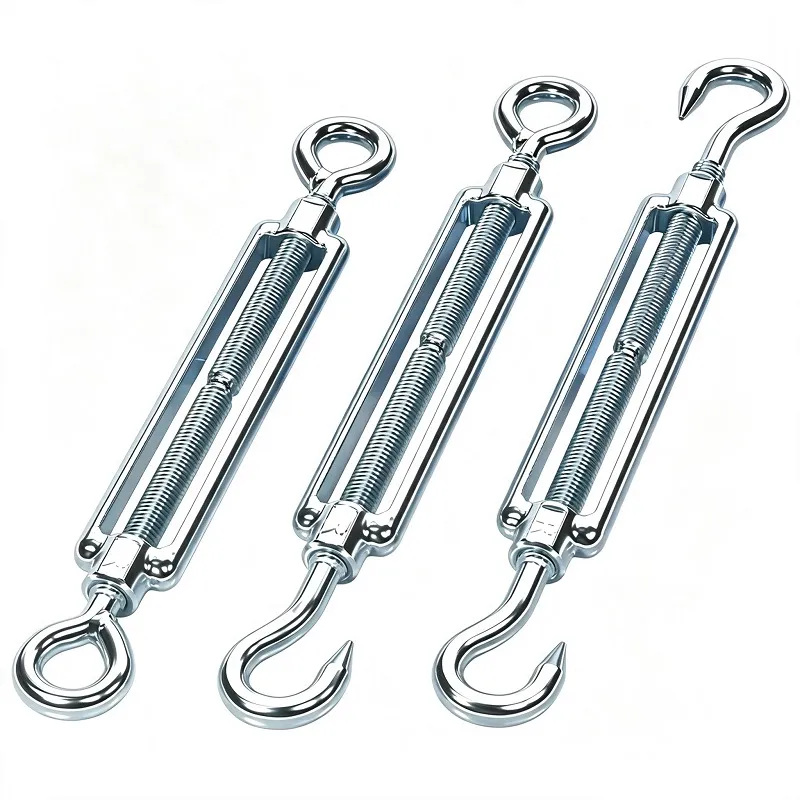
The tensioner serves as a critical regulator of belt or chain slack, ensuring that power transmission components stay engaged under all operating conditions. Without proper tension, belts slip, chains rattle, and alternators, water pumps, and compressors lose their driving force. This article explores the reasons why tensioner adjustment demands attention and how neglecting this maintenance accelerates equipment degradation.
The Role of Belt Tension in System Performance
Why Tension Control Matters
A tensioner maintains consistent pressure on serpentine belts and timing chains, preventing slippage during load spikes. When tension drops below specification, belt slip occurs, reducing power delivery to auxiliary systems like the alternator and air conditioning compressor. Over-tension, conversely, overloads bearings and accelerates friction-driven wear. The ideal state sits in a narrow window where the belt stays firmly engaged without unnecessary stress.
Impact on Mechanical Efficiency
Mechanical efficiency depends on reliable power transfer. A worn tensioner loses its ability to compensate for belt stretch and thermal expansion, resulting in inconsistent tension throughout operation. This inconsistency forces the engine to work harder, consuming more fuel while delivering less output. Industrial applications suffer similar losses when serpentine belt tensioner replacement is deferred, ultimately costing more in energy waste than preventive maintenance would have cost upfront.
Consequences of Tensioner Failure and Adjustment Issues
Understanding Timing Chain Tensioner Failure
Timing chain tensioner failure ranks among the most costly oversights in preventive maintenance, as it can quickly escalate from a minor component issue into a major engine failure. The timing chain is responsible for precisely synchronizing crankshaft and camshaft rotation, ensuring accurate valve timing and efficient combustion. A worn or failing tensioner loses its ability to maintain proper chain tension, allowing excessive slack and vibration that may cause the chain to jump teeth on the sprockets and disrupt engine timing. Once the camshaft and crankshaft fall out of sync, critical components such as valves, pistons, and cylinder heads can suffer serious damage, potentially resulting in expensive repairs or complete engine replacement. Early warning signs often include rattling sounds during cold starts, unusual engine noise, reduced performance, and illuminated check engine lights. However, these symptoms are frequently ignored until the failure becomes severe. Regular inspection and timely replacement of timing chain tensioners can help prevent unexpected breakdowns, extend engine lifespan, and reduce costly downtime.
Slippage and Wear Acceleration
Inadequate belt tension invites slippage, especially under high-load operating conditions where belts must transfer maximum power. Each slipping event creates excessive friction and heat, accelerating belt wear, weakening the material structure, and significantly shortening service life. Continuous friction can also damage pulley surfaces, reduce system efficiency, and trigger a chain reaction of mechanical failures. Regular belt tensioner adjustment helps maintain optimal tension, prevent unnecessary wear, and extend component lifespan. However, once severe slippage occurs, belt replacement may become unavoidable. Delaying maintenance until complete belt failure can lead to additional damage to critical driven components, including alternators, water pumps, and other accessories, resulting in higher repair costs and unexpected equipment downtime.
Best Practices for Tensioner Maintenance and Adjustment
Regular Inspection and Adjustment Protocols
Professional maintenance schedules include tensioner inspection at defined intervals, typically between 60,000 and 100,000 miles for automotive applications, or annually for industrial equipment. Belt tensioner adjustment should follow manufacturer specifications precisely, using calibrated tools to measure deflection or spring load. Guessing at tension levels invites problems; using a tension gauge or deflection ruler ensures consistency. Documenting each adjustment builds a maintenance history that informs predictive maintenance decisions.
Proactive Replacement Strategy
Serpentine belt tensioner replacement becomes cost-effective when paired with belt replacement, as labor costs dominate. Many operators adopt a preventive approach, replacing both components together rather than waiting for failure signals. This strategy eliminates the risk of timing chain tensioner failure cascading into engine damage, and it reduces the likelihood of emergency breakdowns affecting productivity. Establishing a replacement schedule based on equipment age and operating hours creates predictability and budget control.
FAQ
How often should belt tensioner adjustment be checked?
Most vehicles and industrial equipment benefit from tensioner inspection every 12 to 24 months or according to the manufacturer's recommended service interval. Heavy-duty or high-temperature applications may require more frequent checks. If you notice belt noise, visible wear, or slipping symptoms, immediate inspection is warranted regardless of scheduled intervals.
What are the early warning signs of timing chain tensioner failure?
Rattling or grinding noises from the front of the engine, especially during startup or under load, often signal timing chain tensioner issues. Check engine lights, rough idle, and reduced fuel economy can also indicate timing misalignment caused by a failing tensioner. Any of these symptoms warrant professional diagnosis before the problem progresses to mechanical damage.
Can I perform serpentine belt tensioner replacement myself?
Many belt tensioners are accessible and can be replaced with basic mechanical skills and standard tools. However, proper tension adjustment after replacement requires a tension gauge for accuracy. If you lack experience or the correct measurement tools, professional installation ensures the job meets specifications and prevents premature wear or slippage.