How Does Ball Valves Material Selection Affect Corrosion Resistance?
The material composition of ball valves directly determines their performance in corrosive environments and their longevity across diverse industrial applications. When selecting ball valves for your operations, understanding how different materials resist corrosion becomes essential to avoiding costly failures, unplanned shutdowns, and safety hazards. Corrosion attacks valve bodies, seals, and internal components, compromising flow control and structural integrity over time.
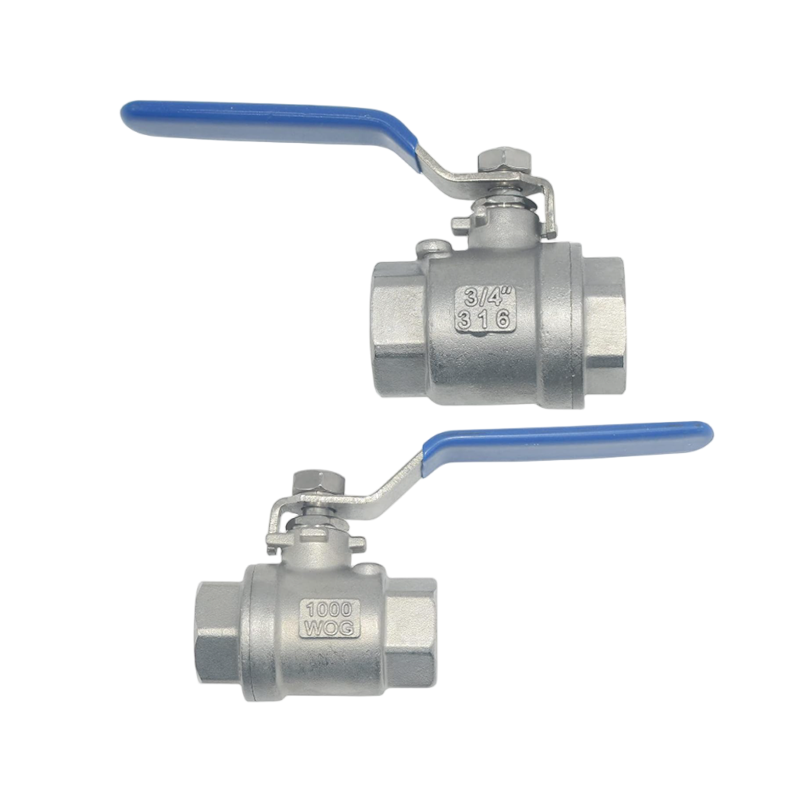
Material selection fundamentally shapes how well ball valves withstand aggressive chemical exposure, salt spray environments, and temperature fluctuations. Industrial valve selection requires evaluating the fluid medium, operating temperature, pressure conditions, and environmental factors affecting the valve body and internal components. The right material choice ensures consistent pipe flow control systems performance while minimizing maintenance needs and extending service life across years of continuous operation.
Understanding Corrosion Mechanisms in Ball Valves
Chemical Attack and Oxidation Processes
Corrosion occurs when reactive substances interact with valve materials, breaking down protective surface layers and exposing base metal to further degradation. In ball valves, corrosion manifests as rust, pitting, stress cracking, and material thinning that weakens the valve structure. Different corrosive media attack materials at different rates—chlorides accelerate pitting, sulfides cause stress cracking, and oxygen promotes general oxidation across exposed surfaces.
Industrial valve selection must account for the specific corrosive environment your operations face. Coastal facilities encounter salt chloride exposure, chemical plants experience aggressive organic and mineral acids, and oil and gas systems confront hydrogen sulfide and carbon dioxide. Understanding these corrosive agents helps determine which material offers superior resistance for your pipe flow control systems application. Stainless steel ball valves resist chloride-induced pitting better than carbon steel, while duplex materials handle higher sulfide concentrations than austenitic grades.
Impact on Valve Performance and Reliability
Progressive corrosion reduces valve reliability through multiple failure mechanisms. Surface pitting creates stress concentration points where small cracks initiate and grow under pressure cycling. Internal corrosion deposits interfere with ball rotation, increasing actuator effort and creating erratic flow control. Seal degradation from corrosive attack compromises leakage rates, forcing increased valve maintenance and repair cycles that disrupt production schedules.
Corrosion-related failures often occur unexpectedly because metal loss happens gradually beneath the surface. Ball valves experiencing internal corrosion may pass initial pressure tests but fail prematurely during normal operation. Proactive material selection prevents these hidden failures by choosing compositions engineered to resist your specific corrosive environment. This approach reduces unplanned valve maintenance and repair emergencies while maintaining consistent system performance.
Material Options and Corrosion Resistance Characteristics
Stainless Steel and Alloy Compositions
Stainless steel ball valves offer excellent corrosion resistance through chromium-based passive film formation that protects underlying metal. The chromium content typically ranges from 13% to 28%, with nickel additions improving resistance to chloride-induced pitting. Austenitic stainless steel (300 series) provides general corrosion resistance suitable for most industrial valve selection scenarios. Duplex stainless grades offer superior pitting and stress corrosion cracking resistance compared to standard austenitic materials, making them ideal for aggressive applications.
Material composition variations significantly impact performance in demanding environments. Ball valves manufactured from 316 stainless steel outperform 304 grades in salt spray and chloride-rich settings because molybdenum additions enhance pitting resistance. For severe corrosive exposures involving sulfides, sour gas, or high chloride concentrations, super duplex or super austenitic grades provide extended service life. Industrial valve selection specialists recommend upgrading to premium stainless materials when standard grades fail to deliver adequate protection for pipe flow control systems in offshore, marine, or chemical processing applications.
Carbon Steel, Brass, and Alternative Materials
Carbon steel ball valves cost less than stainless options but offer limited corrosion resistance without protective coatings. Carbon steel requires internal epoxy or external paint coatings to prevent rust in most industrial environments. Uncoated carbon steel ball valves suit only dry gas service or non-corrosive liquid applications. When coating degradation occurs, rapid corrosion follows, necessitating prompt valve maintenance and repair before system performance degrades.
Brass compositions provide natural corrosion resistance through copper content that forms protective patina layers. Brass ball valves excel in freshwater service, compressed air systems, and non-aggressive chemical applications. However, brass exhibits poor performance in high-temperature steam, aggressive acids, and ammonia-containing environments. Bronze and aluminum materials occupy niche applications where specific flow characteristics or weight considerations justify their use despite moderate corrosion resistance. Industrial valve selection for critical applications typically favors stainless steel or duplex materials over brass or carbon steel alternatives.
Selection Criteria for Corrosion-Resistant Ball Valves
Environmental and Operational Factors
Effective industrial valve selection requires systematically evaluating environment factors affecting ball valves corrosion resistance. Identify the fluid medium composition, including acids, alkalis, salts, dissolved gases, and suspended solids. Determine operating temperature ranges because elevated temperatures accelerate corrosion rates for most material-fluid combinations. Assess pressure conditions and flow velocity since higher velocity increases erosion-corrosion interaction and particle impact damage on valve surfaces.
Environmental exposure extends beyond the piping system to atmospheric conditions surrounding the ball valves installation. Coastal proximity increases salt chloride corrosion risk dramatically. Industrial areas with sulfurous emissions or sulfide pollution accelerate stress corrosion cracking in susceptible stainless grades. Underground installations encounter soil chemistry and moisture exposure that promote general corrosion. These external factors complement internal fluid exposure assessment to determine material requirements for adequate pipe flow control systems performance and valve maintenance and repair cost management.
Cost-Benefit Analysis and Service Life Expectations
Material selection decisions require balancing initial procurement costs against long-term ownership expenses including valve maintenance and repair, downtime impacts, and replacement frequency. Premium stainless steel or duplex ball valves cost 2–4 times more than carbon steel alternatives but deliver 10–20 year service lives compared to 3–5 years for uncoated carbon steel in corrosive environments. When corrosion-related failures cause production shutdowns, emergency repair costs, and system contamination, premium material selection becomes economically justified.
Industrial valve selection professionals conduct lifecycle cost analysis comparing total acquisition, operation, and replacement expenses across candidate materials. Aggressive applications in chemical, oil and gas, or marine industries consistently demonstrate superior financial returns with upgraded corrosion-resistant materials. Standard austenitic stainless provides optimal value for moderately corrosive service. Duplex or super duplex materials justify premium pricing in severe chloride, sulfide, or sour gas environments. This systematic approach ensures pipe flow control systems investments deliver reliable long-term performance while minimizing unexpected valve maintenance and repair expenditures.
FAQ
Which material offers the best corrosion resistance for offshore ball valves applications?
Duplex or super duplex stainless steel ball valves provide superior performance in offshore environments where salt chloride exposure and high pressure combine to create severe corrosion conditions. These materials combine austenitic toughness with ferritic strength while offering exceptional pitting resistance. Standard 316 stainless steel provides adequate protection for moderate offshore service but may require shorter replacement intervals in aggressive tidal splash zones. Industrial valve selection for critical offshore systems typically specifies duplex materials to ensure pipe flow control systems reliability and minimize valve maintenance and repair frequency.
How does temperature affect ball valves corrosion resistance?
Elevated operating temperatures accelerate chemical reactions between valve materials and corrosive fluids, significantly reducing service life compared to ambient temperature applications. Most stainless steel ball valves experience increased pitting and general corrosion rates above 120°C because passive film stability diminishes at higher temperatures. For hot systems exceeding 150°C, industrial valve selection requires consulting material specification tables to confirm pitting resistance index ratings appropriate for your conditions. Pipe flow control systems operating in heated environments often require premium material upgrades or more frequent valve maintenance and repair cycles to maintain system integrity.
What maintenance practices help extend ball valves service life despite corrosion exposure?
Proper industrial valve selection begins with choosing corrosion-resistant materials, but maintenance practices significantly extend service life further. Regular valve maintenance and repair programs include inspection for external corrosion deposits, internal deposits affecting ball rotation, and seal degradation indicators. Flushing pipe flow control systems periodically removes corrosive deposits and prevents accumulation that accelerates pitting. Maintaining optimal system chemistry, temperature control, and inhibitor programs reduces corrosive attack rates substantially. Documentation of valve inspection histories helps predict failure patterns and enables timely replacement before catastrophic failures occur.