How Does Cable Design Affect Energy Efficiency and System Reliability?
The design of cables forms the foundation of any electrical system's performance, directly influencing both energy efficiency and operational reliability. When cables are poorly designed or selected, they waste energy through resistance, generate excessive heat, and create bottlenecks that compromise system stability. Understanding how cables impact your infrastructure helps you make informed decisions that protect investments and optimize long-term performance.
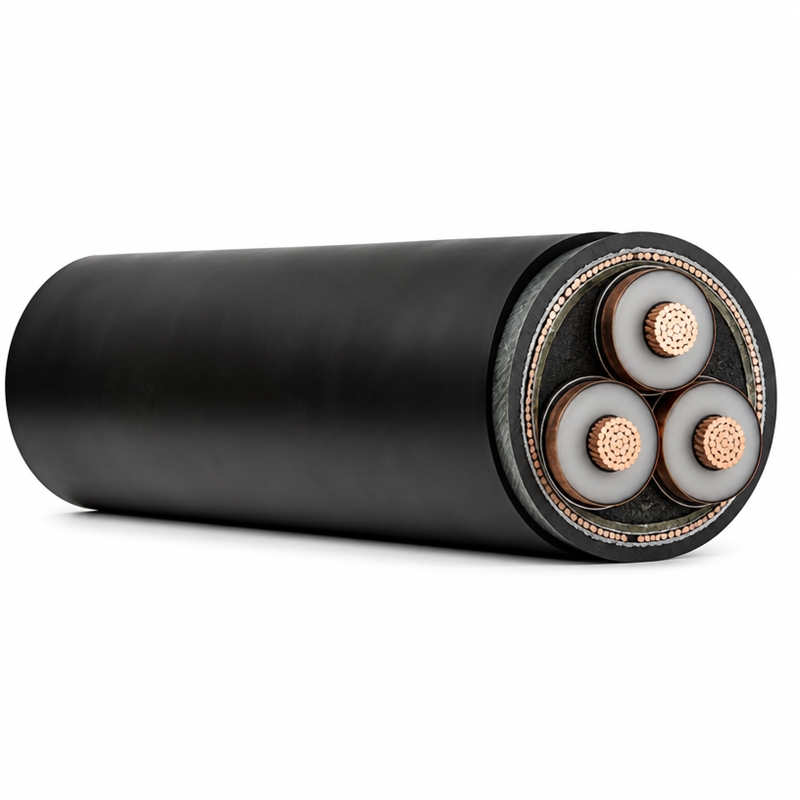
Industrial and commercial facilities depend on properly engineered cables to maintain consistent performance under demanding conditions. The relationship between cable specifications, energy losses, and system reliability is well-established in electrical engineering. This guide explores how design factors such as conductor material, cross-sectional area, insulation quality, and routing strategies create measurable differences in efficiency and dependability across different applications.
Core Design Factors Affecting Cable Performance
Conductor Material and Cross-Sectional Dimensions
The conductor material used in cables determines electrical resistance and thermal characteristics. Copper and aluminum are the primary choices, with copper offering superior conductivity and lower resistance losses. The cross-sectional area of the conductor directly impacts resistance according to Ohm's law; larger cross-sections reduce resistance and heat generation. When cables are undersized for their application, unnecessary I-squared-R losses waste energy and shorten component lifespan.
Insulation Quality and Temperature Rating
Cable insulation serves multiple critical functions: it prevents electrical leakage, protects conductors from mechanical damage, and manages heat dissipation. High-quality insulation materials maintain their properties across temperature ranges, ensuring electrical cord specifications and safety standards remain consistent throughout the cable's operational life. Degraded or inadequate insulation leads to leakage currents, increased system losses, and potential safety hazards that undermine both efficiency and reliability metrics.
Wire Connectors and Termination Impact on System Efficiency
Connection Point Resistance
Wire connectors and termination points represent critical junctures where energy losses accumulate if not properly engineered. Poor connections introduce resistance at the interface, generating localized heating that propagates through the cable and connected equipment. Proper wire connectors and termination practices ensure low-resistance contact surfaces, secure mechanical coupling, and reliable current flow. Oxidation, corrosion, or loose terminations degrade connection quality over time, causing progressive efficiency decline.
Termination Standards and System Reliability
Standardized termination protocols ensure repeatable, low-loss connections across complex systems. When wire connectors and termination are executed to specification, the system maintains predictable voltage drop, minimizes thermal stress, and reduces failure rates caused by intermittent connections. Professional crimping, soldering, or compression techniques create permanent, stable joints that withstand thermal cycling, mechanical vibration, and electrical transients without degradation.
Cable Management Solutions and System Architecture
Routing Strategy and Thermal Performance
How cables are routed and managed directly affects cooling efficiency and heat dissipation. Cables bundled too tightly trap heat, raising operating temperatures and accelerating insulation degradation. Effective cable management solutions space conductors appropriately, minimize sharp bends that concentrate resistance, and ensure adequate air circulation around cable runs. Proper installation reduces thermal stress on insulation and connected components, extending asset lifespan while maintaining consistent energy conversion efficiency.
Voltage Drop and Efficiency Implications
Voltage drop across cable runs represents real energy loss and reduced system performance. Cable management solutions that minimize conductor length, reduce connection points, and maintain optimal conductor sizing directly lower voltage drop. This seemingly small factor compounds across industrial facilities; reducing voltage drop from 5% to 2% can recover several percentage points of overall system efficiency. Electrical cord specifications and safety standards typically permit specific voltage drop limits precisely because this factor materially impacts both efficiency and equipment reliability.
Design Optimization for Long-Term System Reliability
Load Capacity and Temperature Management
Cable design must account for maximum anticipated load while maintaining acceptable temperature rise under continuous operation. Undersized cables create excessive heat that accelerates insulation failure and adjacent component degradation. Properly rated cable selections, informed by electrical cord specifications and safety requirements, ensure the system operates within designed thermal limits. This proactive approach prevents emergency failures that interrupt operations and trigger expensive corrective maintenance cycles.
Environmental and Mechanical Stressors
Industrial environments introduce mechanical stress, temperature extremes, moisture, and chemical exposure that degrade poorly designed cable systems. Robust cable design incorporates appropriate outer jackets, strain relief methods, and routing that minimizes exposure to known hazards. By aligning design choices with environmental realities, system designers create cables and assemblies that maintain electrical integrity and efficiency despite challenging conditions. This reduces unplanned downtime and extends the profitable operating life of electrical infrastructure.
FAQ
How do undersized cables reduce energy efficiency?
Undersized cables create excessive electrical resistance that converts electrical energy into waste heat. This I-squared-R loss grows with the square of current, meaning even small reductions in conductor cross-section create disproportionate efficiency penalties. Additionally, the heat generated accelerates insulation degradation, shortening cable life and forcing early replacement. Properly sized conductors minimize these losses and maintain system efficiency throughout the cable's operational lifespan.
What role does wire termination play in system reliability?
Poor termination introduces connection resistance that generates heat and creates weak points where current cannot flow reliably. These defective joints may fail intermittently, causing equipment shutdowns and cascading system failures. Proper wire connectors and termination techniques ensure low-resistance, mechanically stable connections that maintain current flow under all operating conditions. This directly improves system reliability by eliminating a primary source of unexpected failures.
How does cable management affect operational efficiency?
Cable management solutions control voltage drop, temperature rise, and physical stress on conductors and terminations. Well-organized routing minimizes conductor length, maintains proper spacing for cooling, and prevents mechanical damage that introduces localized resistance. When properly managed, cables maintain consistent performance and lower operating temperatures, reducing energy losses and extending service life. Poor management practices create inefficiency and reliability problems that compound over time.