Supplier: GUANGSU
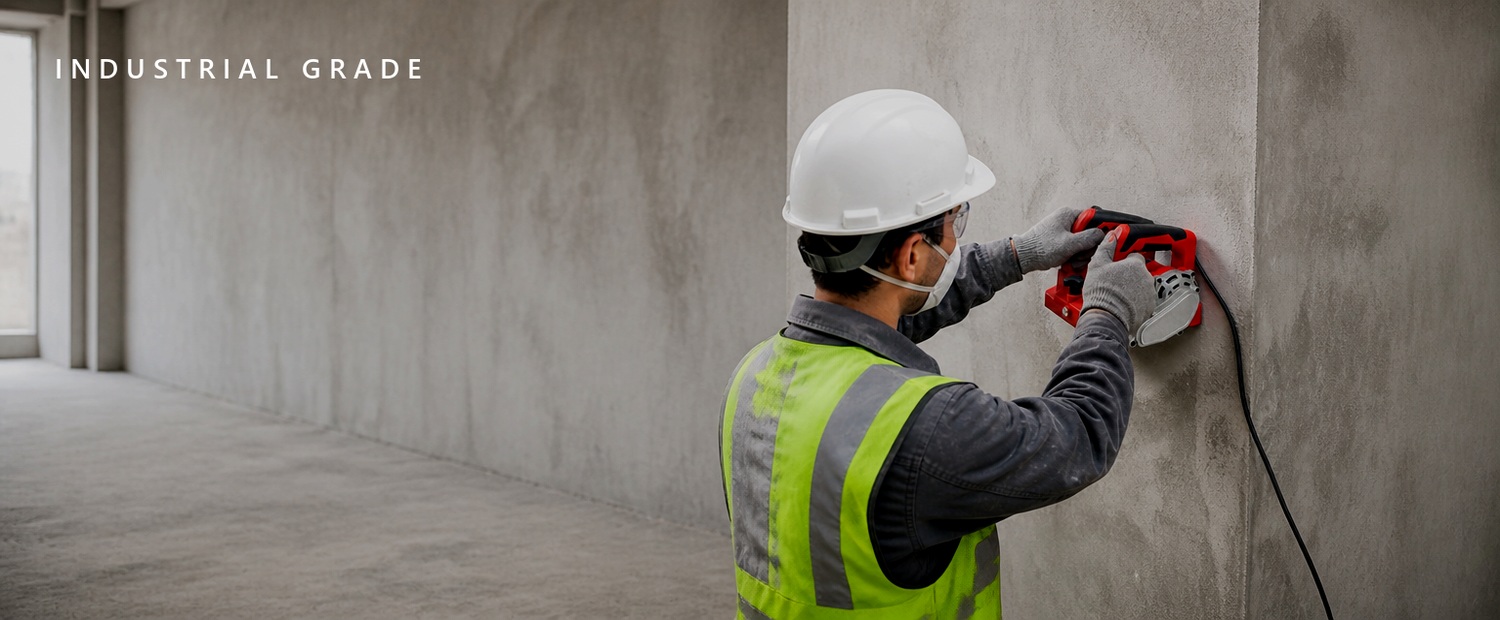
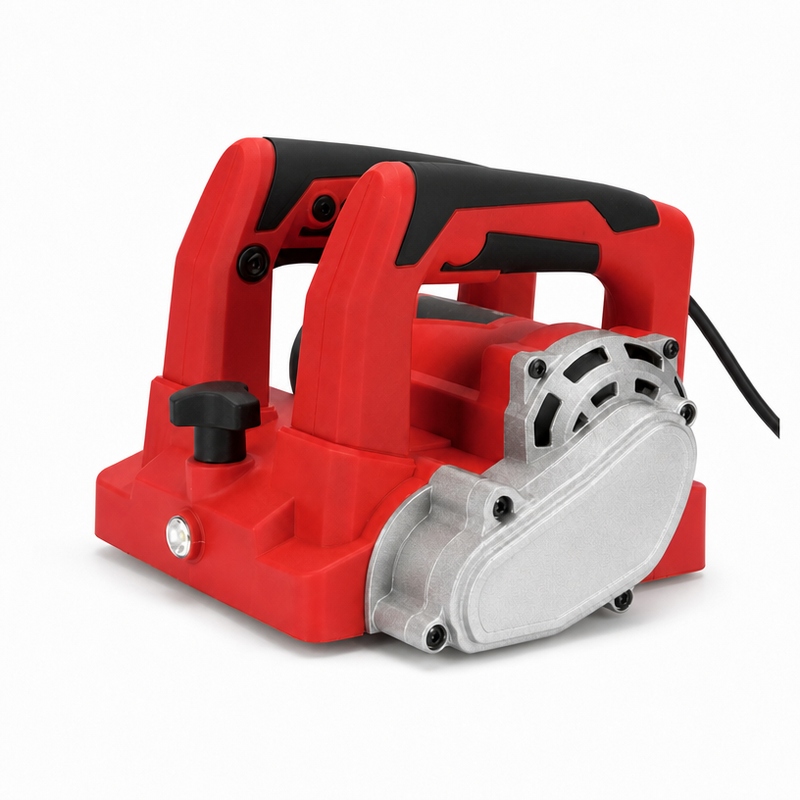
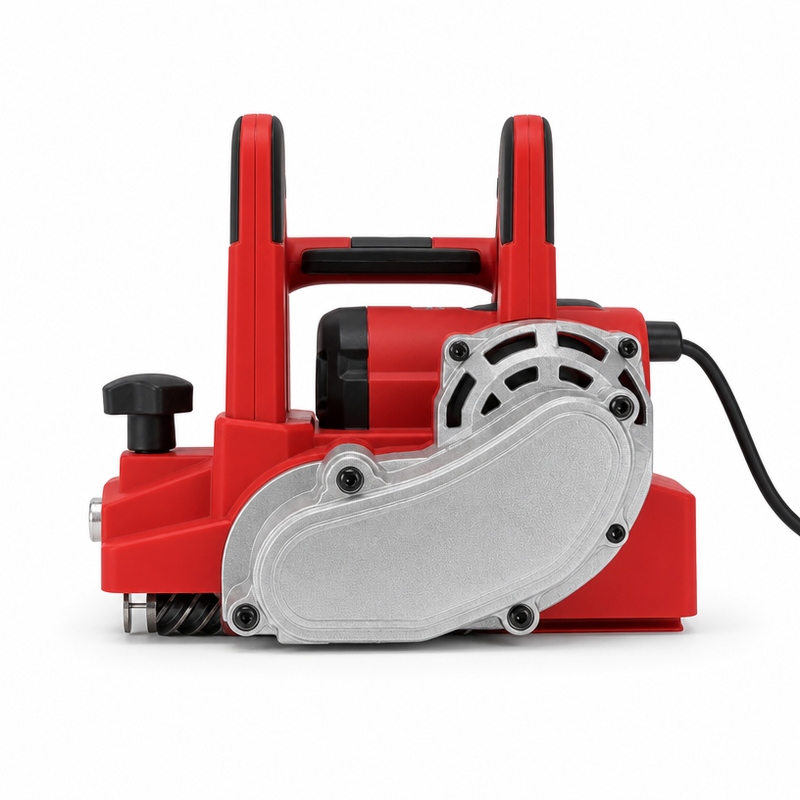
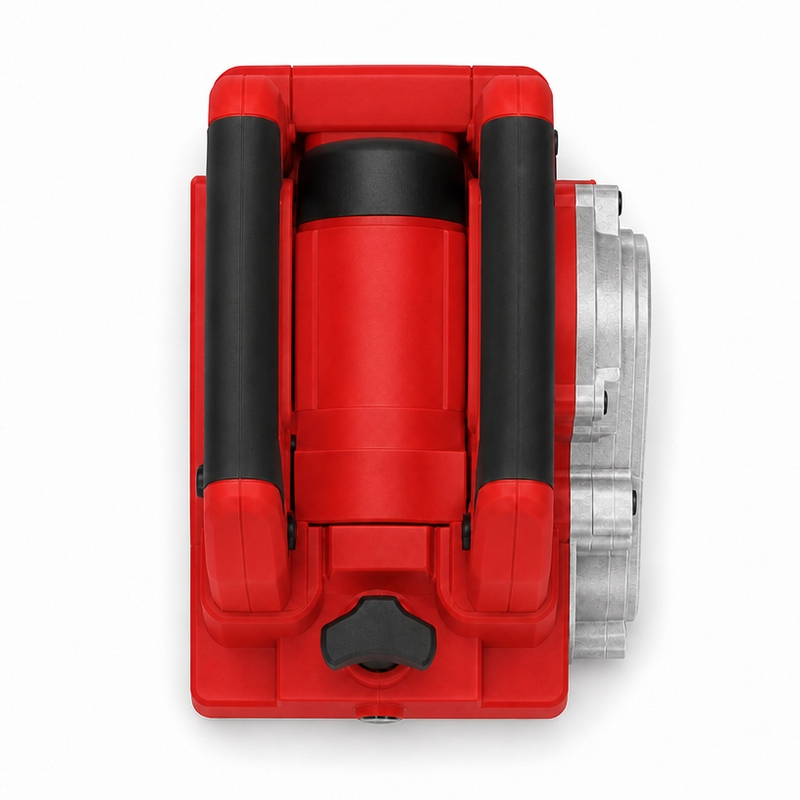
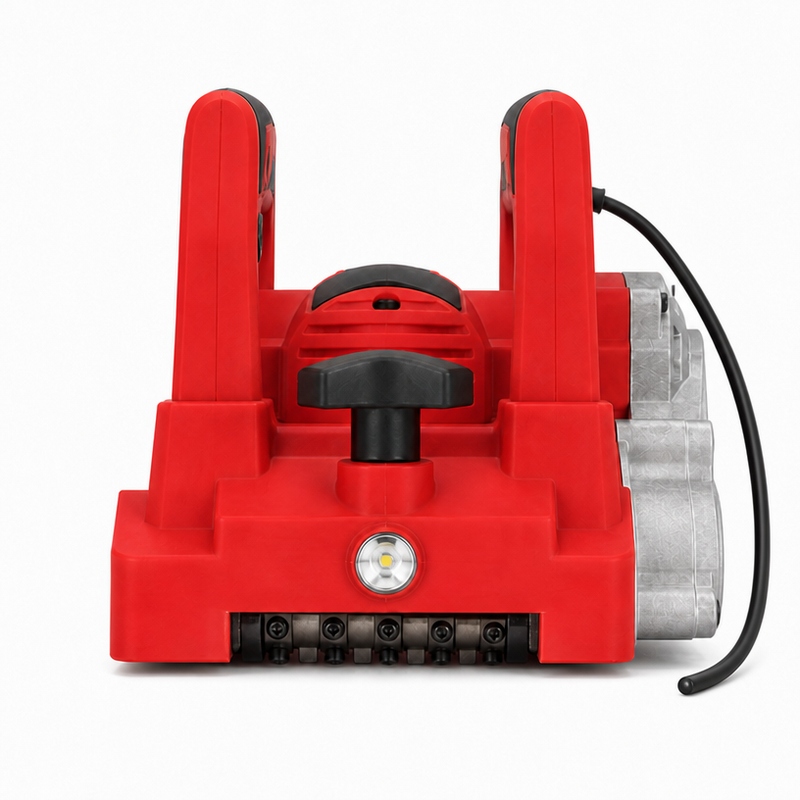
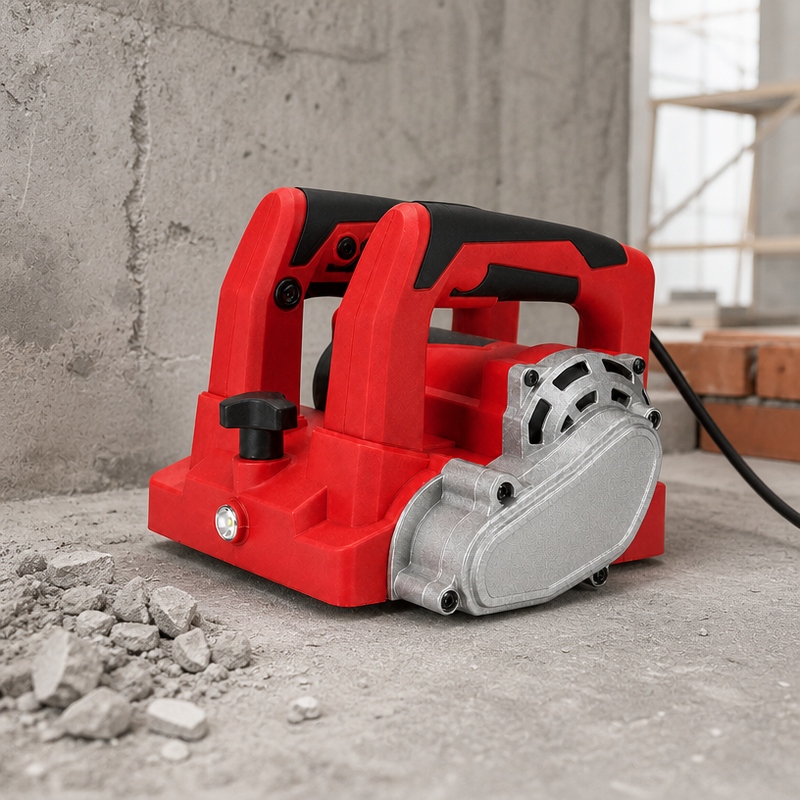
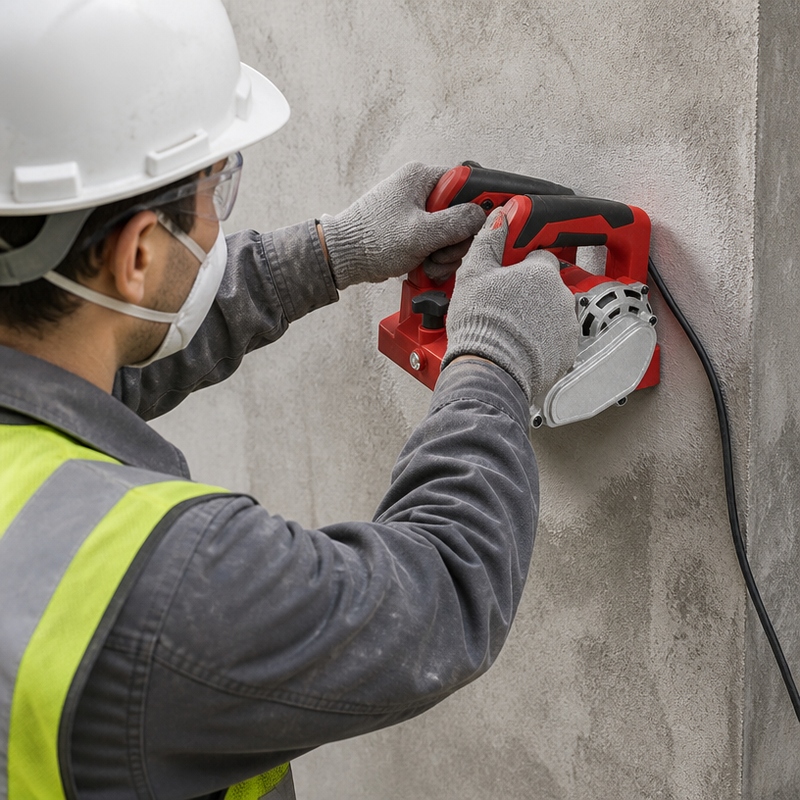
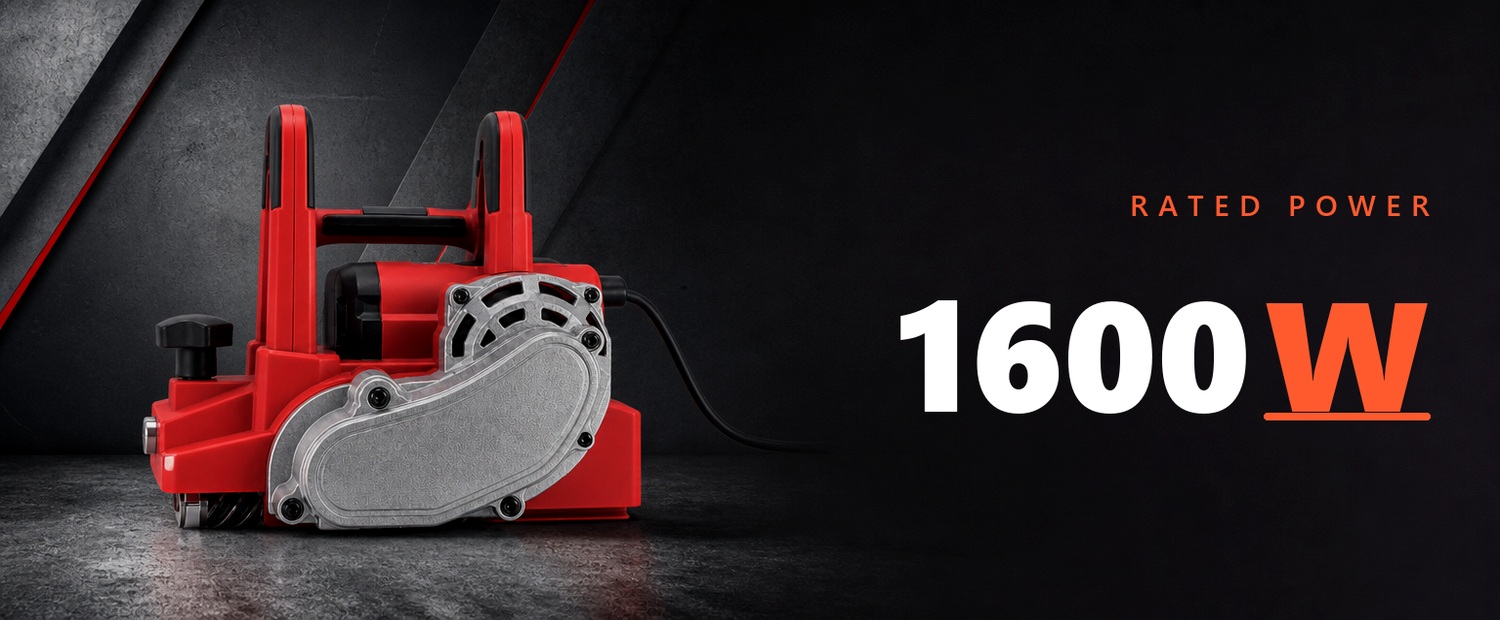
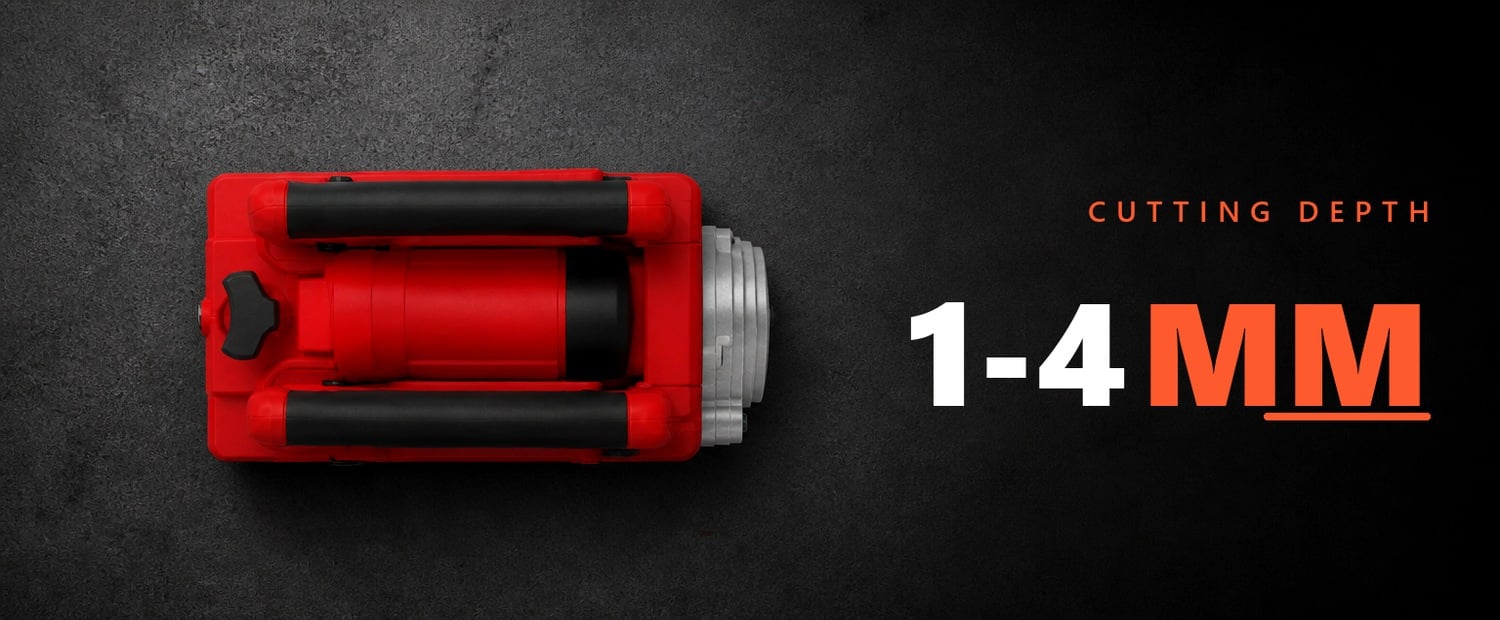
Hand-held wall planer with 1600W motor and spotlight illumination, lime knife and cement knife included, adjustable planing depth 1-4mm over 150mm width, for stripping old paint, putty and plaster from various walls down to the base, 220V mains powered.
Supplier: GUANGSU
Hand-held wall planer with 1600W motor and spotlight illumination, lime knife and cement knife included, adjustable planing depth 1-4mm over 150mm width, for stripping old paint, putty and plaster from various walls down to the base, 220V mains powered.
GS-7003D Hand-Held Wall Planer: A Buyer's Field Reference
Have you ever budgeted a wall renovation and discovered that the first week of the job is spent scraping — old paint, layers of putty, lime plaster, and cement render coming off the wall by hand, inch by inch? Hand scraping is slow, exhausting, and uneven: it removes too much in soft patches and too little over hard ones. Chemical strippers are messy, limited in what they dissolve, and leave residues that ruin new coatings. The GS-7003D Hand-Held Wall Planer addresses this directly. It is a 1600W mains-powered planing machine that removes old wall coatings in controlled passes — 150mm wide and 1-4mm deep per pass — cutting through paint, putty, lime plaster, and cement render down to the base of the wall. That is what its specification sheet means by "various walls, dig to the bottom": one machine that prepares any wall surface for re-plastering or re-painting, instead of days of manual scraping.
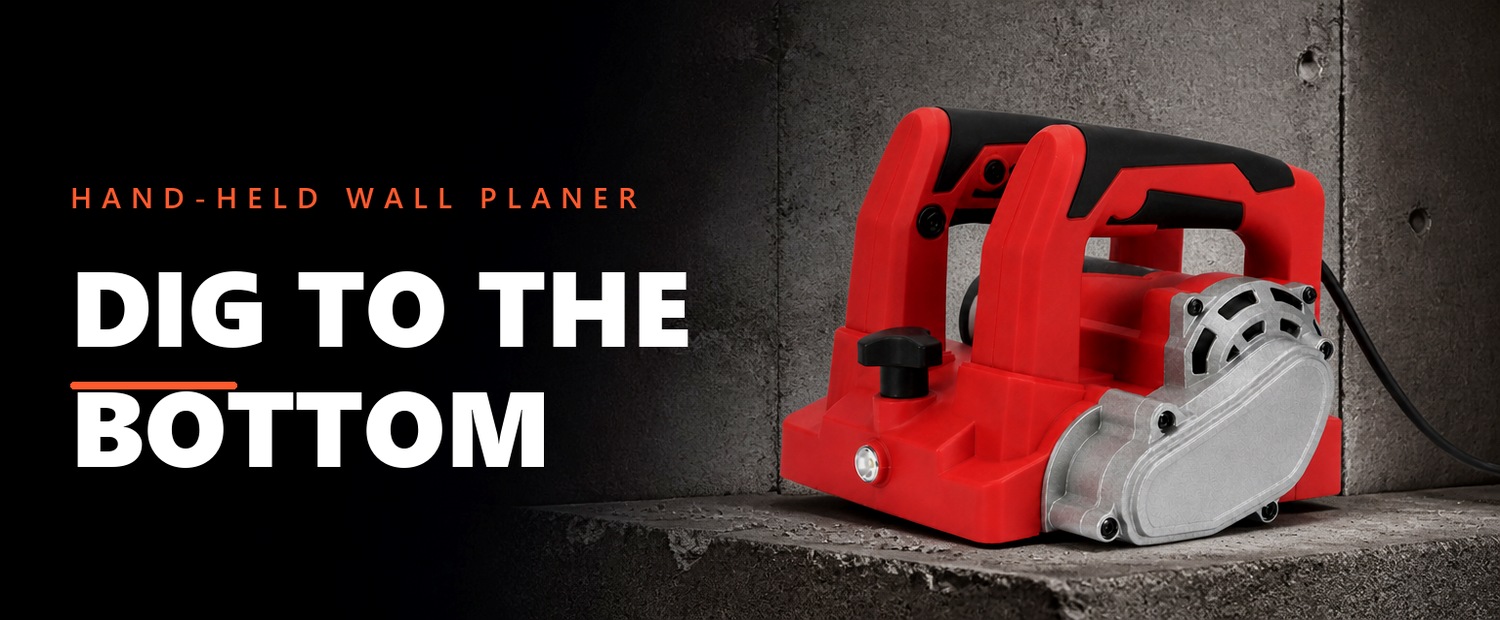
The GS-7003D is built as a two-handle, handheld wall planer for stripping and preparing coated wall surfaces in position. Its design and specification set are as follows.
Digs to the bottom on various walls. The defining claim of the GS-7003D is full-depth removal: it planes through paint, putty, lime plaster, and cement render down to the wall base, where a surface scraper only skims the top layer. For walls with years of accumulated coatings, this is the difference between a properly prepared substrate and a failed re-paint waiting to happen.
Adjustable depth protects the substrate. The 1-4mm depth control lets the operator match removal thickness to the coating — a light pass over thin paint, a deeper pass through thick render — without gouging the plaster or masonry beneath. Substrate protection matters because damage done during stripping must be repaired before any new coating goes on.
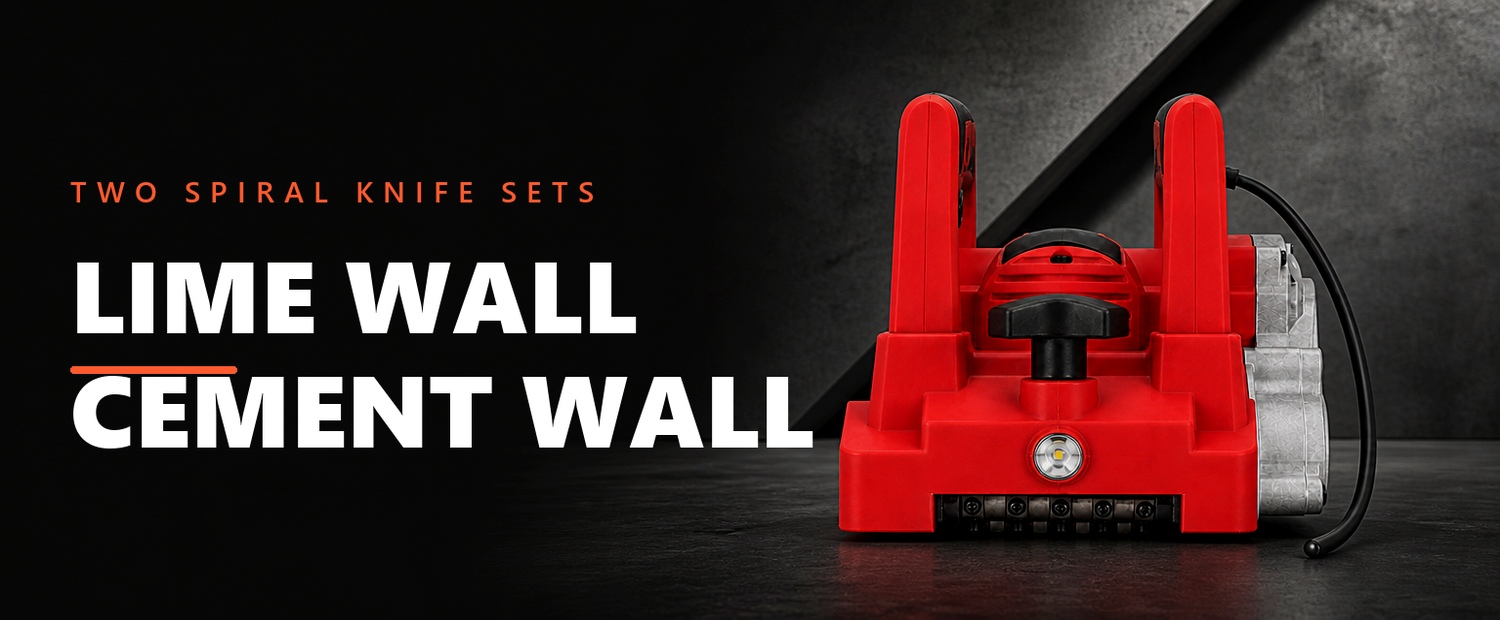
Two knives, two coating families. Lime-based plasters and cement-based renders behave differently under a cutting edge: what works on one blunts or skips on the other. Supplying both a lime knife and a cement knife means the operator fits the right edge for the wall type, getting clean removal instead of re-cutting the same pass.
Spotlight illumination for the working edge. Stripping walls in stairwells, corridors, and rooms with poor light is guesswork without seeing the cut line clearly. The built-in spotlight keeps the working edge visible, which improves pass accuracy and reduces missed patches and over-cutting.
Speed that changes renovation economics. At 150mm per pass with 1600W behind it, the GS-7003D clears wall area in minutes that takes hours by hand. On full-room renovations — where stripping is the bottleneck before any new finish can begin — this output directly shortens the job and reduces the labor cost of preparation.
Interior Redecoration and Renovation Before a room can be re-painted or re-plastered, the old surface must go. The GS-7003D applies directly to this first stage of interior renovation — stripping paint, putty, and wallpaper residue from living-room, bedroom, and corridor walls in preparation for new finishes.
Lime-Plastered and Cement-Rendered Walls Older buildings frequently carry lime-based plaster; newer ones carry cement render or heavy putty. The dual-knife system lets one machine handle both wall families — fitting the lime knife for soft lime plaster and the cement knife for hard cement surfaces — without a second tool on site.
Ceilings and Large Surface Areas Ceiling stripping is among the most tiring hand work in renovation — arms overhead, scraper edge on. The GS-7003D's two-handle layout and powered planing action make overhead and large-area work physically manageable, with the spotlight keeping the cutting line visible when working above eye level.
Surface Preparation on Construction and Maintenance Sites Wherever existing coated surfaces must be prepared for re-coating — from renovated interiors to refurbishment work on bridges and tunnels, where old coatings must be removed before reapplication — the GS-7003D provides a machine solution to what is otherwise manual labor.
| Tool Type | Method | Speed | Substrate Risk | Typical Use |
|---|---|---|---|---|
| Manual hand scraper | Hand force | Slow — labor-intensive | Low if careful | Small areas, detail work |
| Chemical stripper | Dissolving agent | Slow, multiple applications | Residue contamination | Paint only — messy, limited coatings |
| Angle grinder with cup brush | Abrasive | Medium | High — gouges substrate | Spot removal, heavy build-up |
| Heat gun + scraper | Heat softening | Slow | Low | Paint only — not putty or render |
| GS-7003D Hand-Held Wall Planer | 1600W planing | Fast — 150mm per pass | Controlled 1-4mm depth | Paint, putty, lime and cement coatings |
The GS-7003D occupies the position that manual and chemical methods cannot reach on large walls: full-depth mechanical stripping with controlled depth, at a pace that changes the economics of renovation preparation.
Match the blade to the wall: use the lime knife on lime-based plaster and the cement knife on cement render and heavy putty. Replace blades when they show visible wear — a worn edge cuts slowly and leaves a rough surface. Clean the blades after each use before material hardens on them. Set the depth knob for a shallow pass when uncertain, and increase depth only as the coating allows; pressing hard into the wall overworks the motor and risks gouging the substrate. Inspect the power cord before each use. Stripping generates dust — use appropriate respiratory and eye protection and manage dust according to site requirements. Do not operate the machine with the power supply unprotected in damp conditions.
One procurement observation worth noting: on renovation jobs, wall preparation is usually the critical path — and hand-scraping labor on a full room frequently costs more than the machine itself within one or two projects. A properly prepared substrate also prevents the most common cause of coating failure: new paint lifting off old, poorly removed layers. The GS-7003D Hand-Held Wall Planer is designed for stripping paint, putty, lime plaster, and cement render from walls in renovation and construction applications. Always operate with appropriate personal protective equipment and follow the manufacturer's guidance for the material being removed.