Why Does Heat Management Matter for Long-Term Led Light Performance?
Heat management stands as one of the most overlooked yet critical factors in determining how long your led light systems will perform reliably. While LED technology has revolutionized how we approach illumination, achieving exceptional longevity requires understanding the thermal dynamics that govern these sophisticated devices. Without proper heat dissipation, even the most advanced energy efficient lighting solutions will degrade faster, lose brightness, and eventually fail prematurely, undermining the very advantages that make LEDs attractive in the first place.
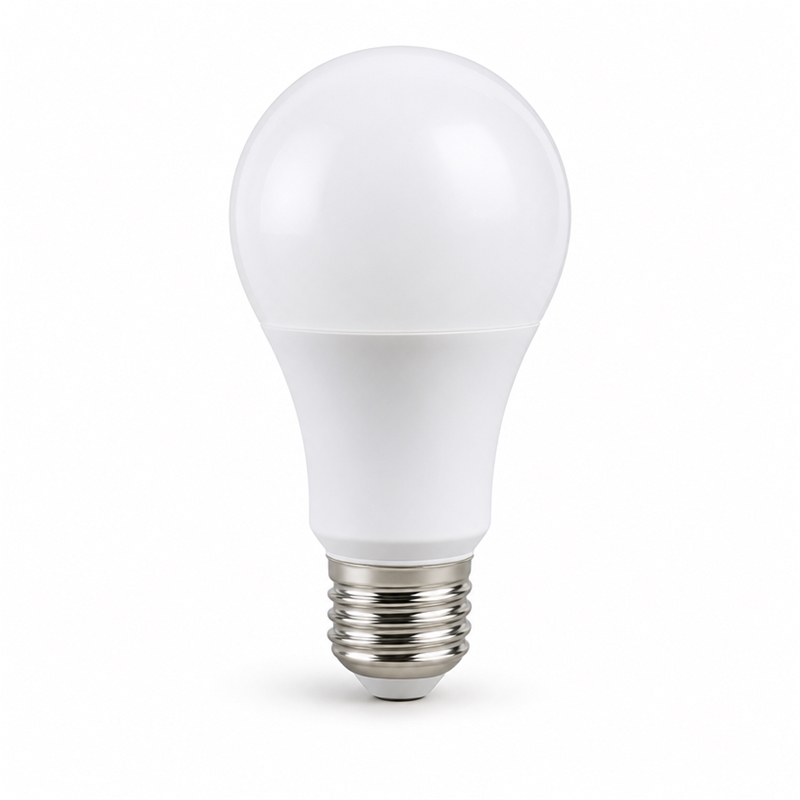
The relationship between temperature and LED lifespan is exponential rather than linear. Every 10-degree Celsius increase in operating temperature roughly halves the useful lifetime of an LED component, a principle known as the Arrhenius equation in semiconductor physics. This means that smart light bulbs operating in poorly ventilated fixtures or environments with inadequate thermal management will exhaust their rated lifespan in a fraction of the time compared to properly cooled installations. Understanding this thermal sensitivity empowers facility managers, electrical engineers, and building owners to make decisions that maximize return on investment and minimize maintenance disruptions.
Understanding LED Thermal Characteristics
How Heat Generation Occurs in LED Systems
LED light fixtures generate heat through two primary mechanisms: resistive heating in the driver circuitry and quantum inefficiency in the semiconductor junction itself. Unlike incandescent bulbs that convert most electrical energy into infrared radiation, LEDs convert approximately 30 to 50 percent of input power into visible light, while the remaining energy dissipates as heat concentrated in a tiny semiconductor die. This heat accumulates within the package, spreads through internal conductors, and must exit through the thermal path to the surrounding environment. When heat cannot escape efficiently, junction temperatures rise dangerously, triggering accelerated degradation of the phosphor coating, solder joints, and semiconductor material itself.
Temperature Thresholds and Performance Degradation
Every LED light fixture carries a maximum junction temperature rating, typically between 85 and 120 degrees Celsius depending on the chip specification. Operating consistently near these limits causes cumulative damage that manifests as lumen depreciation, color shift, and reduced electrical efficiency. Energy efficient lighting solutions maintain superior performance when junction temperatures stay below 70 degrees Celsius, allowing the semiconductor to operate in its optimal thermal window. Smart light bulbs with integrated sensors can now monitor junction temperature in real time, enabling adaptive dimming strategies that prevent thermal runaway while maintaining adequate illumination levels.
Thermal Management Solutions for LED Fixtures
Heat Sink Design and Material Selection
Modern LED light fixtures employ sophisticated heat sink designs manufactured from aluminum, copper, or ceramic composites chosen specifically for their thermal conductivity and weight characteristics. The geometry of a heat sink determines how effectively it transfers heat from the LED package to ambient air through fins, channels, and surface area maximization. LED light fixtures rated for continuous operation in demanding environments typically feature passive heat sinks with thermal resistances below 1 degree Celsius per watt, meaning a 10-watt LED generating 5 watts of waste heat experiences only a 5-degree rise above ambient temperature. Premium designs incorporate vapor chambers or liquid cooling passages for industrial applications where ambient temperatures exceed 50 degrees Celsius or where space constraints limit conventional fin sizing.
Fixture Ventilation and Installation Practices
Thermal performance of LED light fixtures degrades severely when installed in enclosed, poorly ventilated enclosures that trap warm air around the heat sink surface. Recessed fixtures mounted flush against insulation, enclosed within sealed plenums, or positioned where return air circulation cannot reach them experience junction temperature increases of 20 to 40 degrees Celsius compared to open installations. Energy efficient lighting systems achieve their rated lifespan only when specified clearance distances are maintained around the fixture, allowing convective air circulation to carry heat away from the semiconductor. Installation guidelines provided by manufacturers often specify minimum spacing requirements, ambient temperature limits, and thermal interface material specifications that directly impact long-term performance and warranty validity.
Long-Term Performance and Reliability Implications
Lumen Maintenance and Color Stability
Excessive junction temperatures accelerate the degradation of the phosphor materials that convert blue light into white or color-corrected output, resulting in faster lumen depreciation and undesired color shifts toward higher color temperatures. Smart light bulbs operated within proper thermal envelopes maintain 80 to 90 percent of initial lumen output after 50,000 hours of operation, while thermally stressed counterparts may fall below 70 percent. The phosphor degradation process is temperature-dependent and essentially irreversible, meaning thermal management decisions made during installation directly determine the visible brightness reduction rate experienced throughout the fixture lifecycle. Building managers relying on LED light fixtures for critical applications such as healthcare facilities, data centers, or security systems must prioritize thermal design to ensure consistent illumination quality and regulatory compliance across the installed base.
Electrical and Operational Stability
Elevated junction temperatures increase the forward voltage drop across the LED semiconductor, reducing overall system efficiency and increasing driver current requirements to maintain target light output. This thermal feedback mechanism creates a self-reinforcing cycle where higher temperatures demand more electrical input, generating additional heat that further degrades performance. Smart light bulbs with thermal sensing and closed-loop current regulation can compensate for some temperature-induced voltage shifts, but this capability cannot overcome fundamental physics limitations. Energy efficient lighting solutions deliver maximum efficiency and minimum operating costs only when thermal design limits junction temperatures to the semiconductor manufacturer's recommended operating window, typically 55 to 75 degrees Celsius under normal ambient conditions.
FAQ
Why should I prioritize heat management when LED technology is supposed to be durable?
LED light fixtures are extremely durable when properly thermally managed, but their lifespan halves approximately every 10 degrees Celsius of junction temperature increase. While energy efficient lighting reduces operating costs through lower power consumption, the longevity advantage only materializes when heat dissipation design receives equal attention to electrical efficiency. Neglecting thermal considerations defeats the primary advantages of choosing LED technology, turning a premium initial investment into a disappointing expense through premature replacement cycles.
Can smart light bulbs help compensate for poor thermal design in fixtures?
Smart light bulbs with thermal monitoring and adaptive controls can reduce damage from modest thermal stress through dimming strategies and current regulation, but they cannot overcome fundamental heat sink inadequacy. LED light fixtures with insufficient heat dissipation surface area or ventilation blockages experience junction temperatures that exceed the compensation capability of electronic controls. The most cost-effective approach combines proper thermal design in the fixture hardware with intelligent controls that optimize performance within the thermal envelope, rather than attempting to use smart controls to rescue a thermally deficient installation.
How can I assess whether my LED light fixtures have adequate thermal management?
Evaluate LED light fixtures by examining heat sink surface area, fin density, material specifications, and manufacturer thermal resistance ratings expressed in degrees Celsius per watt. Verify that installation maintains adequate ventilation clearance around fixtures, that ambient operating temperatures stay within manufacturer specifications, and that energy efficient lighting system efficiency measurements remain stable over time. Consider installing infrared thermometers or thermal monitoring devices in critical fixtures to measure actual junction temperatures under operational load, comparing results against the fixture's maximum rated temperature to assess available thermal margin.