Why Does Bolt Thread Design Affect Connection Reliability and Safety?
The reliability and safety of industrial connections depend fundamentally on the engineering precision of bolts. Thread design represents one of the most critical factors determining whether a connection performs under stress or fails catastrophically. When bolts are engineered with proper thread geometry, pitch, and tolerances, they create secure fastening systems that withstand vibration, thermal cycling, and load fluctuations. Conversely, inadequate thread design introduces slack, misalignment, and stress concentration that compromise both connection integrity and operational safety across manufacturing, construction, and infrastructure sectors.
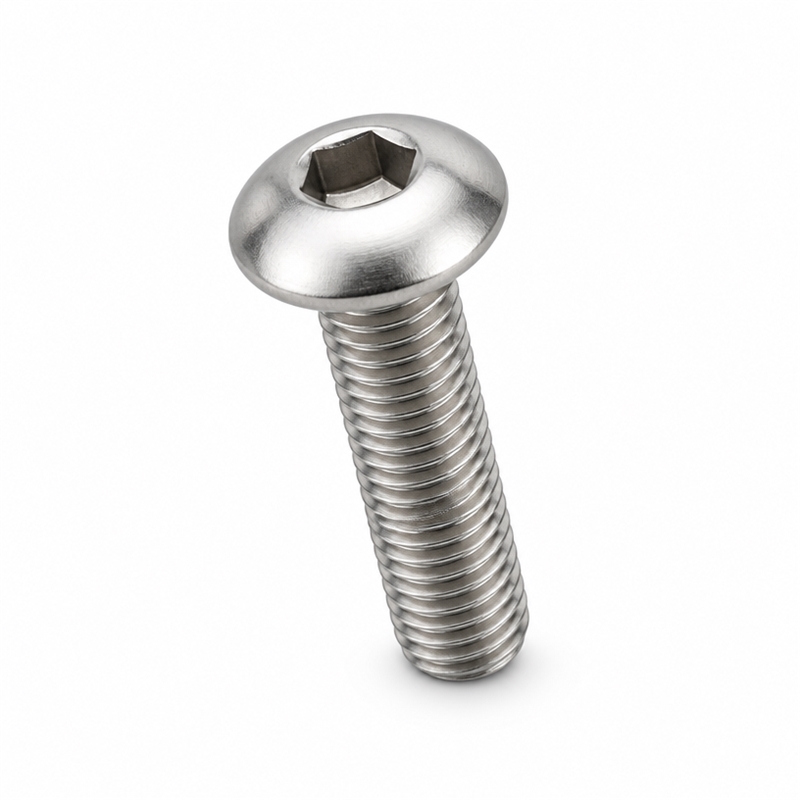
Understanding how thread design influences connection behavior is essential for engineers, maintenance teams, and procurement professionals selecting appropriate fasteners. Bolt thread design encompasses multiple interrelated variables including thread pitch, thread form, root radius, major and minor diameters, and surface finish quality. Each of these elements directly affects how force transfers through the bolt fastening systems, how the connection resists loosening, and how effectively the fastener distributes load across the joined materials. Poor thread design amplifies stress concentrations, reduces fatigue resistance, and accelerates failure mechanisms that can trigger safety incidents and unplanned downtime.
Thread Geometry and Load Distribution
Critical Dimensions and Their Impact
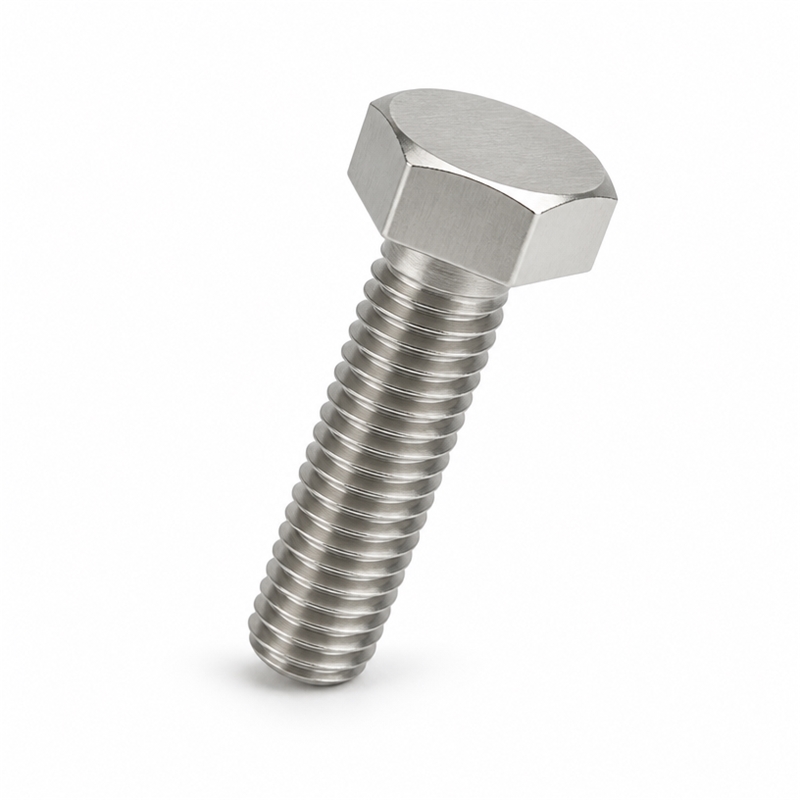
Thread geometry determines how loads transfer from the bolt head through the threaded portion into the joined components. The major diameter, minor diameter, and pitch all influence the stress distribution profile along the fastener. When thread proportions comply with established standards, the stress concentrations remain predictable and manageable. Non-standard bolt size and specifications introduce localized stress peaks that initiate crack propagation and premature failure. The root radius, in particular, acts as a stress concentration zone where cyclic loads accumulate damage over time. Engineers select bolts with optimized thread geometry to achieve the desired stress distribution while maintaining safety margins that prevent unexpected failures.
Pitch and Engagement Length
Thread pitch directly affects how gradual or abrupt the load transfer occurs between fastener and substrate. Coarser pitch threads produce fewer engagement points, concentrating force in a narrower zone. Finer pitch threads distribute load across more engagement surfaces, reducing localized stress intensity. The engagement length where the bolt screws into the mating material also influences load distribution. Adequate engagement ensures that stress remains distributed across multiple thread revolutions rather than concentrated in the first few threads, which commonly fail under shear. Bolt fastening systems engineered with appropriate pitch and engagement geometry maintain consistent load paths that enhance both reliability and predictable service life.
Corrosion Resistance and Long-Term Connection Integrity
Environmental Degradation of Threads
Corrosion represents a silent threat to bolt connection reliability, particularly in harsh industrial environments. When bolts lack adequate bolt corrosion resistance, oxidation processes weaken thread roots and reduce the effective cross-sectional area over time. Corrosion creates localized pitting that concentrates stress and initiates crack formation at depths inaccessible to inspection. Galvanized, stainless steel, and coated bolts demonstrate superior performance in corrosive environments by maintaining thread integrity throughout their service life. The thread surface finish quality directly determines how effectively protective coatings resist environmental attack. Bolts with poor surface preparation or inadequate coating thickness experience accelerated corrosion that compromises the fastening systems' ability to maintain consistent clamp load and connection security.
Material Selection and Protective Measures
Selecting bolt size and specifications includes choosing materials with inherent bolt corrosion resistance properties. Stainless steel bolts offer excellent chemical resistance, while carbon steel bolts require protective coatings or environmental controls. Hot-dip galvanizing provides cost-effective corrosion protection for many applications, though some chemical environments demand specialty coatings. The connection environment, expected service life, and maintenance accessibility influence material decisions. Bolts installed in coastal salt spray zones, chemical processing facilities, or underground applications must prioritize bolt corrosion resistance because replacement costs and safety risks escalate when fasteners fail due to corrosion rather than mechanical overload.
Preventing Loosening Through Thread Design Features
Anti-Loosening Mechanisms
Vibration and thermal cycling continuously challenge bolt fastening systems by inducing micro-slip and gradual clamp load loss. Thread design can incorporate features that resist this loosening tendency, such as self-locking geometries or increased thread friction through surface texture. Nylon inserts, deformed threads, and taper-lock designs create mechanical resistance to rotation. However, thread design alone cannot fully prevent loosening in high-vibration applications; proper bolt size and specifications must include sufficient preload capacity and adequate engagement length. The interaction between thread geometry and actual operating loads determines whether anti-loosening features prove effective. Engineers evaluate the loosening mechanism specific to each application and select bolts with appropriate thread design characteristics.
Fatigue Performance and Cyclic Loading
Cyclic loading subjects bolt threads to repeated stress reversals that initiate fatigue cracks at stress concentration zones. Thread roots contain the sharpest geometric discontinuities, making them the most vulnerable locations for fatigue failure initiation. Bolt fastening systems with smoothly transitioned thread roots and optimized fillet radii demonstrate substantially higher fatigue resistance than poorly designed alternatives. The thread pitch influences fatigue behavior by affecting how stress concentrates and how crack propagation proceeds through the fastener. When selecting bolts for applications with significant vibration or fluctuating loads, engineers must prioritize bolt corrosion resistance combined with fatigue-optimized thread design. Standard bolts often lack the thread design refinement needed for demanding cyclic applications, necessitating premium fasteners engineered specifically for fatigue environments.
FAQ
How does thread pitch influence bolt fastening systems performance?
Thread pitch determines the slope of the helix and affects how gradually or abruptly load transfers from the bolt to the joined material. Finer pitch threads distribute loads across more engagement surfaces, reducing localized stress peaks that trigger failure. Coarser pitch threads concentrate loads in fewer thread engagements, creating higher stress intensities but requiring less rotational effort. Bolt fastening systems performance depends on selecting pitch appropriate for the application's load characteristics and expected service environment. Mismatch between pitch design and actual loads compromises both connection reliability and safety margins.
Why does bolt corrosion resistance matter for long-term safety?
Corrosion weakens bolts by reducing cross-sectional area, creating stress concentration pits, and initiating cracks that propagate under load cycles. Bolts without adequate bolt corrosion resistance lose clamp force over time as material thickness decreases, eventually failing suddenly without warning. Environmental exposure, humidity, chemical vapors, and electrolytic conditions all accelerate corrosion when bolts lack protective features. Selecting materials and finishes with superior bolt corrosion resistance ensures that fasteners maintain structural integrity throughout their intended service life. This becomes particularly critical in marine, chemical processing, and infrastructure applications where replacement and inspection are costly or dangerous.
Can thread design alone prevent connection loosening?
Thread design contributes significantly to loosening resistance but cannot completely eliminate the mechanism alone. Proper bolt size and specifications must include sufficient preload, adequate engagement length, and appropriate material properties to work with anti-loosening thread features effectively. Vibration-resistant thread designs reduce loosening tendency, but high-amplitude vibration or thermal cycling may overwhelm even optimal thread geometry. Engineers use thread design as one element within comprehensive bolt fastening systems strategies that also include locking features, preload verification, and proper installation practices. Understanding thread design's role while recognizing its limitations helps professionals select bolts that deliver reliable long-term performance across diverse industrial environments.