Which Ball Valves Features Matter Most for Process Engineering Projects?
Process engineering projects demand precision at every stage, and the selection of ball valves represents one of the most critical decisions an engineer makes. These components control fluid and gas flow across industrial piping systems with reliability and durability that directly impact project performance, operational safety, and long-term cost efficiency. Understanding which features truly matter separates successful installations from those plagued by leaks, inefficiency, and premature replacement cycles.
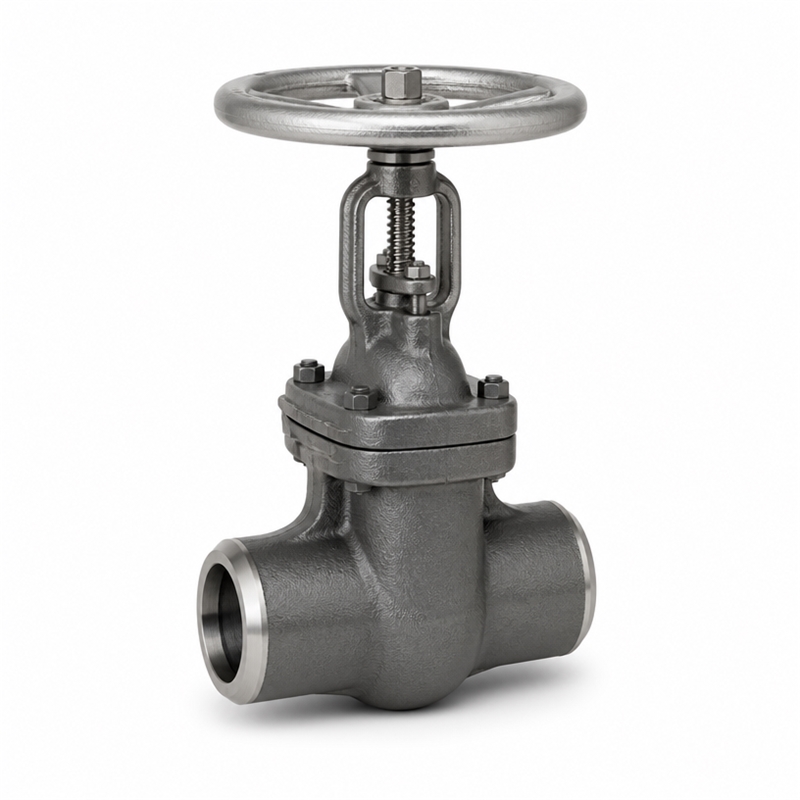
The industrial landscape continues to push valve technology forward, yet many project teams still overlook fundamental performance criteria during procurement. Ball valves come in numerous configurations, materials, and sizes, each designed for specific operational contexts. Knowing how to navigate valve sizing and selection, combined with proper installation and maintenance protocols, ensures that your industrial piping systems function reliably for decades.
Material Composition and Pressure Ratings
Selecting the Right Valve Body Material
The valve body material determines whether your ball valves will resist corrosion, withstand extreme temperatures, and maintain integrity under fluctuating pressure conditions. Stainless steel bodies offer superior corrosion resistance and are ideal for chemical processing, offshore applications, and food-grade operations. Carbon steel provides cost-effective solutions for standard industrial applications where corrosion risk remains moderate. Brass bodies suit lower-pressure systems and water distribution networks. Material selection directly impacts the lifespan of your industrial piping systems and influences downstream maintenance requirements.
Understanding Pressure and Temperature Ratings
Every ball valve carries a pressure rating and temperature range specification that must align precisely with your process engineering project requirements. Exceeding these ratings compromises seal integrity, risks catastrophic failure, and violates safety protocols. Valve sizing and selection must account not only for nominal operating pressures but also for pressure spikes during system startup or emergency shutdown. Temperature fluctuations affect material behavior and seal performance, making thermal compatibility analysis essential before installation. Undersizing pressure ratings creates safety hazards, while oversizing inflates capital costs unnecessarily.
Flow Control Characteristics and Port Configuration
Full Port Versus Reduced Port Design
Full port ball valves provide minimal flow restrictions and reduced pressure drop, making them essential for applications where throughput efficiency matters most. Reduced port valves cost less and occupy less space, but they sacrifice flow capacity. Your valve sizing and selection process must weigh capital savings against operational efficiency over the system lifetime. In many industrial piping systems, the energy cost of higher pressure drops rapidly exceeds the initial savings from reduced port equipment. Process engineers often discover this through performance monitoring after installation, underscoring the importance of upfront specification accuracy.
Cavity and Sealing Mechanisms
Modern ball valves employ cavity designs that trap residual fluid, preventing system contamination and reducing seal wear. TFM and PTFE seals provide excellent chemical resistance and low friction, while metal-seated variants enable higher temperature operation. The sealing mechanism directly influences how well your ball valves prevent internal leakage and how long they remain reliable between maintenance intervals. Ball valve installation and maintenance procedures must account for the specific seal type, as some materials require careful handling during assembly to avoid damage.
Design Configuration and Application Fit
Two-Piece Versus Three-Piece Construction
Two-piece ball valves integrate the valve body into a compact, cost-effective design suitable for straightforward on-off applications across most industrial piping systems. Three-piece designs allow the end connections to separate from the valve body, enabling easier maintenance, repair, and replacement without removing the entire valve assembly from the pipeline. This modularity reduces downtime during ball valve installation and maintenance activities, making three-piece configurations attractive for critical applications where system availability directly impacts profitability. Process engineering teams must evaluate whether the maintenance cost savings justify the higher equipment expense.
Actuation and Control Options
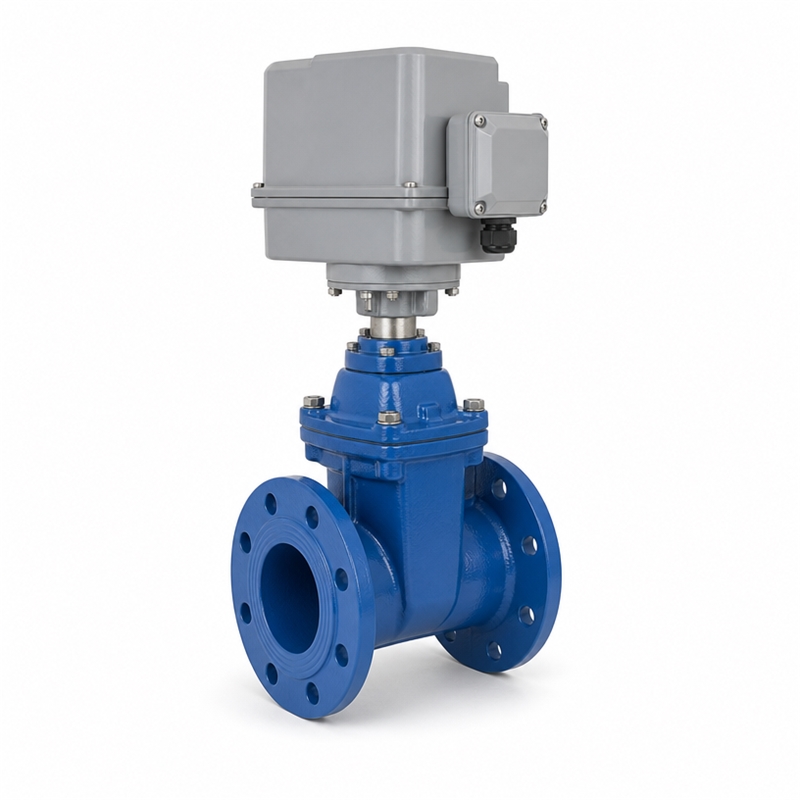
Manual lever handles remain the simplest and most reliable actuation method for operator-controlled applications, while automated actuators enable remote control and integration into digital process monitoring systems. Automated ball valves support emergency shutdown sequences, proportional flow control, and real-time adjustment based on system feedback. The choice between manual and automated actuation depends on your process engineering project workflow, available monitoring infrastructure, and safety requirements. Valve sizing and selection must therefore consider not only static performance but also how operators will control flow in real operational scenarios.
Installation Considerations and Operational Maintenance
Proper Pipeline Integration
Ball valve installation requires proper orientation, adequate space for actuator operation, and correct connection type matching your existing industrial piping systems. Flanged connections provide easy removal and replacement, threaded connections minimize space requirements, and welded connections offer permanent, leak-free joints. Sealant selection matters significantly—thread tape alone may prove insufficient for high-pressure systems, requiring anaerobic sealants for added security. Pressure testing after installation validates seal integrity and confirms that your ball valves perform as specified before the system enters full operation.
Maintenance and Service Life Extension
Regular ball valve installation and maintenance protocols extend equipment life dramatically. Routine inspections identify leakage early, preventive handle operation maintains seal flexibility, and scheduled seal replacement sustains performance throughout the service life. Proper storage practices protect spare valves from contamination and environmental damage. Process engineering teams that establish documented maintenance schedules consistently achieve longer valve life and fewer emergency failures compared to reactive approaches. Industrial piping systems that include accessibility in their design layout facilitate these maintenance activities and reduce labor costs substantially.
FAQ
What size ball valve do I need for my industrial piping systems?
Valve sizing and selection depends on your required flow rate, acceptable pressure drop, and connection types. Calculate the flow velocity within the valve—most systems perform optimally between two and four feet per second. Consult manufacturer technical data sheets and use sizing calculators that account for your specific fluid properties, operating pressure, and temperature range. Undersizing restricts flow and increases energy costs, while oversizing wastes capital and reduces response time in throttling applications.
How often should ball valve installation and maintenance occur?
Ball valve installation and maintenance frequency depends on your process conditions, fluid type, and system criticality. Most industrial piping systems benefit from visual inspections every six months and functional testing annually. Automated actuators and high-frequency cycling applications may require more frequent seal checks. Critical applications carrying hazardous fluids demand more aggressive maintenance schedules, while low-stress applications may extend intervals beyond annual cycles if inspection data supports longer service intervals.
Can ball valves handle corrosive chemical applications?
Yes, stainless steel ball valves with compatible seal materials handle many corrosive chemicals effectively across industrial piping systems. However, valve sizing and selection must account for your specific chemical composition—some aggressive acids or alkalis require specialized alloys or exotic seal materials. Always request chemical compatibility certifications from manufacturers and conduct pilot testing before committing your entire system. Improper material selection leads to catastrophic seal failure and dangerous chemical release, making this validation step non-negotiable in chemical process engineering.