What Testing Standards Should Be Verified Before Purchasing a Gate Valve?
Selecting the right Gate Valve requires more than examining product specifications on a datasheet. Before committing to a purchase, you must verify that the valve meets critical testing standards that guarantee performance, safety, and longevity in your industrial application. Testing standards establish the baseline requirements for pressure ratings, material integrity, flow characteristics, and operational reliability. Without proper verification of these standards, you risk acquiring a valve that may fail prematurely, compromise system safety, or fail to meet regulatory compliance in your industry.
Pressure and Hydrostatic Testing Standards
Pressure Rating Verification and Hydrostatic Tests
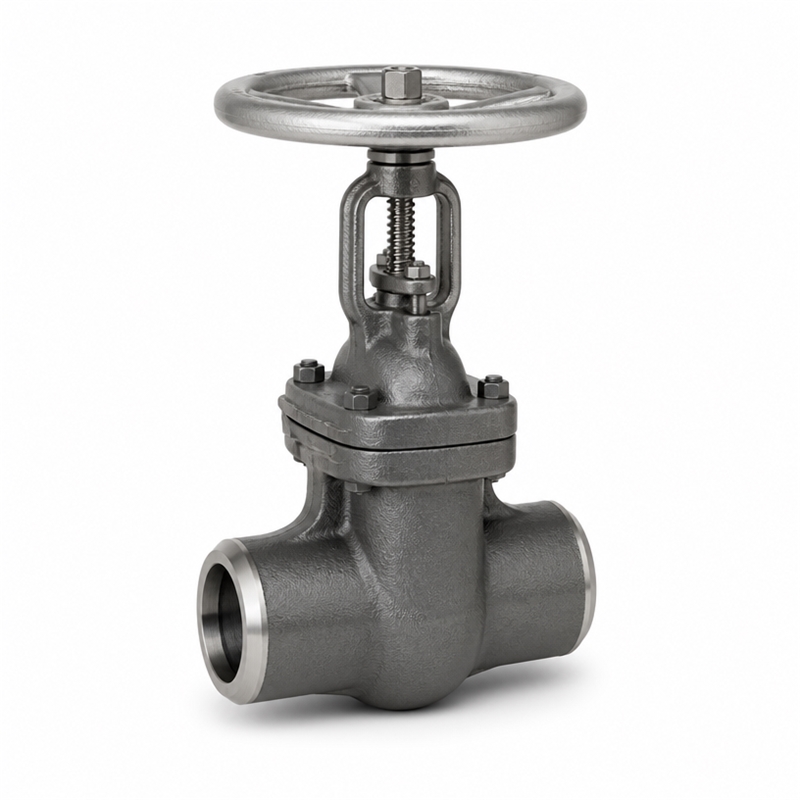
Every industrial gate valve must be tested to confirm it can withstand the maximum operating pressure of your system without leaking or rupturing. Hydrostatic testing is the primary method used to verify pressure ratings, where the valve is filled with water or another non-compressible fluid and pressurized beyond normal operating conditions. This test confirms that the valve body, bonnet, stem, and all internal components can tolerate peak pressures safely. Most manufacturers perform hydrostatic testing at 1.5 times the rated working pressure, and documentation of these tests should be provided before purchase.
When comparing gate valve vs ball valve options, pressure rating verification becomes even more critical because each valve type has different pressure-handling characteristics and failure modes. Request certified pressure test reports from your supplier that show the specific pressure levels applied, the duration of the test, and confirmation that zero leakage was observed. These reports provide objective evidence that the valve meets industry standards and your system requirements, giving you confidence in the valve's reliability when pressurized.
Burst Pressure and Strength Standards
Beyond normal hydrostatic testing, industrial gate valve specifications should include burst pressure documentation. Burst pressure testing identifies the absolute maximum pressure the valve can endure before structural failure occurs, typically ranging from 2 to 4 times the rated working pressure depending on design and material grade. This safety margin ensures that even under unexpected surge conditions or system faults, the valve will not catastrophically fail. Standards such as ASME B16.1 for cast iron valves and ASME B16.34 for steel valves define minimum burst pressure requirements that reputable manufacturers must meet and document.
Leakage and Sealing Performance Standards
Seat Leakage Rate Testing
One of the most critical performance metrics for a gate valve is its ability to seal completely when closed, preventing any fluid or gas from bypassing the disc. Seat leakage rate testing measures the maximum permissible leakage under standardized conditions, typically expressed in cubic centimeters per minute at a specific pressure. Class I valves allow near-zero leakage, Class II permits minimal leakage, and higher classes allow slightly more leakage depending on industrial application needs. Before purchasing, verify which leakage class applies to your application and confirm that the gate valve has been tested to those standards.
Stem Packing Leakage Standards
The stem of the gate valve must also maintain a seal to prevent process fluid from escaping around the handwheel or actuator connection point. Stem packing leakage tests verify that the packing material creates an adequate barrier without being so tight that it prevents valve operation. Industry standards specify maximum allowable stem leakage rates, often measured in drops per minute or as a percentage of seat leakage tolerance. A properly tested and sealed stem ensures that your valve system remains environmentally compliant and economically efficient by eliminating fugitive emissions.
Material Certification and Durability Standards
Material Composition and Chemical Analysis
The materials used in gate valve construction directly determine durability, corrosion resistance, and long-term reliability in specific process environments. Before purchase, verify that material test certificates are available confirming the chemical composition and mechanical properties of the valve body, disc, stem, and bonnet materials. Standards such as ASTM B88 for copper alloys, ASTM A216 for carbon steel castings, and ASTM B62 for bronze establish acceptable chemical composition ranges that ensure consistent performance. If your application involves corrosive fluids, high temperatures, or specialized gases, material certification becomes even more critical to ensure compatibility.
Material testing also includes tensile strength, hardness, and impact resistance measurements that confirm the valve components can handle mechanical stress during installation, operation, and emergency conditions. When evaluating gate valve vs ball valve options, material specifications differ significantly because each design distributes stress differently across the valve structure. Obtain certified mill test reports from valve suppliers that document material batch numbers, test results, and compliance with referenced material standards, ensuring you receive consistent quality from production run to production run.
Coating and Surface Finish Standards
If your gate valve will be exposed to outdoor conditions, moisture, or corrosive atmospheres, surface coating and finish standards become essential to long-term performance. Epoxy coatings, paint systems, and galvanizing are common protective treatments that must be applied and tested according to industry standards such as ASTM B117 for salt spray resistance or ISO 12944 for coating durability classification. Before purchasing, verify that the coating thickness is measured and documented, and that adhesion testing confirms the coating will not peel or flake during service. Proper surface protection significantly extends valve life and reduces maintenance costs in challenging industrial environments.
Operational and Functional Testing Standards
Valve Cycle and Operational Performance
A gate valve installation guide will specify the number of full open-close cycles the valve should complete reliably before maintenance or replacement becomes necessary. Factory testing should confirm that the valve operates smoothly through multiple cycles without jamming, leaking, or binding. Standards such as API 600 for petroleum industry gate valves define minimum cycle life requirements, typically ranging from 5,000 to 10,000 full cycles depending on valve size and duty class. Request certification that the specific valve model has undergone cycle testing and that performance data matches your expected usage frequency.
Operational testing also evaluates the torque or force required to open and close the valve, confirming that manual handwheel operation is feasible or that actuator sizing recommendations are appropriate. If your gate valve will be automated with electric or pneumatic actuators, ensure that operating torque data has been provided so actuators can be sized correctly. Under-sized actuators will struggle and wear prematurely, while oversized actuators waste energy and create unnecessary mechanical stress on the valve stem and gears.
Temperature and Environmental Performance
Industrial gate valve specifications must account for the temperature range of your process fluid and ambient conditions. Temperature testing verifies that valve materials remain within acceptable strength margins at minimum and maximum operating temperatures, with particular attention to the effects of thermal expansion and contraction on seals and stem packing. Cryogenic applications, high-temperature steam systems, and fluctuating temperature cycles each present unique challenges that require specific material selection and testing protocols. Confirm that the gate valve has been tested across the full temperature range you expect, and that any special precautions or maintenance intervals are documented for extreme conditions.
FAQ
What certifications should I look for when purchasing a gate valve?
Look for third-party certifications from recognized bodies such as the American Society of Mechanical Engineers (ASME), the American Petroleum Institute (API), or the International Organization for Standardization (ISO). These organizations establish testing standards that confirm the gate valve meets minimum performance, safety, and quality requirements for industrial applications. Certifications should be clearly stated on product documentation and backed by certified test reports that you can review. Always verify that certifications are current and apply specifically to your intended application rather than assuming a general-purpose label covers all use cases.
How does the gate valve installation guide help with testing standards verification?
A comprehensive gate valve installation guide documents the testing standards the valve has undergone, the results achieved, and any special requirements or limitations for your specific application. The guide will specify pressure ratings, temperature limits, material specifications, and recommended maintenance intervals based on testing data. This documentation serves as your reference when evaluating whether the valve truly meets your system requirements and provides confidence that the valve has been manufactured and tested according to established industrial standards. Always request and review the installation guide before finalizing your purchase.
Why is it important to compare gate valve vs ball valve testing standards?
Each valve type has different internal geometry, sealing mechanisms, and pressure distribution characteristics that result in different testing requirements and performance profiles. Gate valve vs ball valve comparisons reveal that gate valves typically require different hydrostatic pressures, cycle life expectations, and leakage class specifications than ball valves. Understanding these differences ensures you select the valve type that has been tested for your specific duty, pressure, temperature, and flow characteristics. Applying a valve that meets standards for a different valve type could result in unexpected failure or non-compliance with system requirements.