What Should Professionals Look For When Selecting Hand Tools?
Selecting the right hand tools is one of the most critical decisions professionals make in their work environment. Whether you are an electrician, carpenter, plumber, or general maintenance technician, the quality and functionality of your hand tools directly impact your efficiency, safety, and project outcomes. Hand tools form the foundation of any professional toolkit, and choosing wisely means investing in durability, ergonomics, and long-term value rather than simply grabbing the cheapest option available.
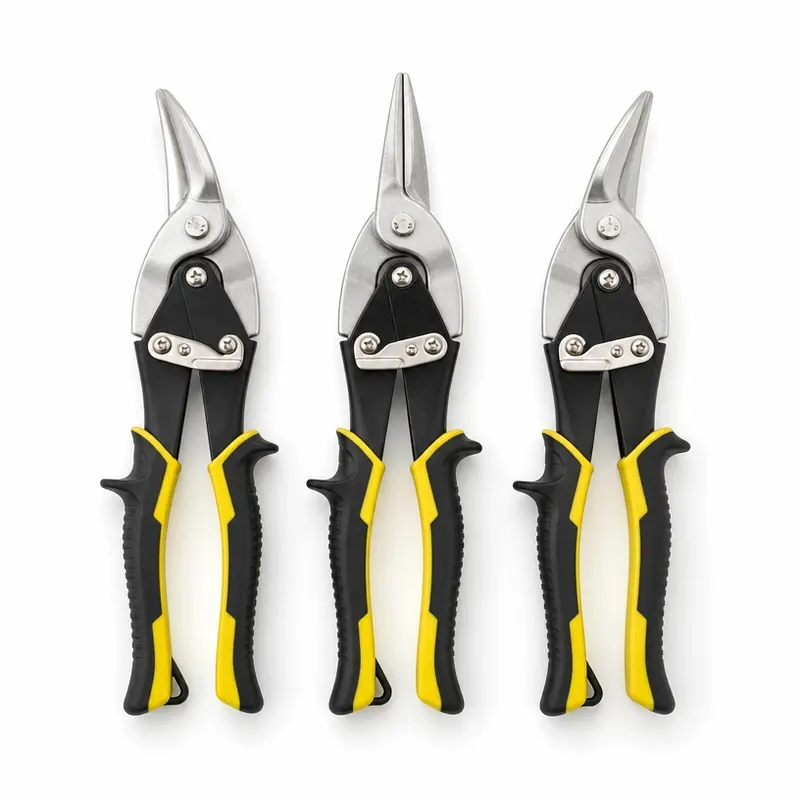
The process of selecting hand tools requires understanding material composition, ergonomic design, brand reputation, and your specific use case. Professional tool sets often include specialized implements designed for particular trades, while DIY tool kits serve broader household and light commercial purposes. Understanding the distinction between these categories helps you identify which tools match your needs and budget constraints effectively.
Understanding Quality and Material Standards
Assessing Material Composition and Construction
The foundation of any reliable hand tool lies in its material composition and manufacturing quality. High-quality hand tools typically use hardened steel, chrome-plated surfaces, or specialized alloys designed to withstand repeated stress and environmental exposure. When evaluating professional tool sets, examine whether the manufacturer uses full-tang construction for handles, which ensures the tool head is integral to the handle rather than simply attached to the surface. This construction method provides superior strength and durability compared to budget alternatives that often feature hollow or partial-tang designs.
Metallurgical quality directly influences tool longevity and performance reliability. Tools manufactured with proper heat treatment resist bending, breaking, and surface wear far better than untreated alternatives. Look for hand tools that clearly specify their material grade and manufacturing standards, as reputable manufacturers typically provide this information in product documentation or specifications. When selecting items for professional tool sets, prioritize brands that maintain consistent quality control and offer transparent material sourcing information.
Weight, Balance, and Precision Tolerances
Professional-grade hand tools demonstrate superior weight distribution and precision manufacturing compared to consumer-grade alternatives. A well-balanced tool reduces hand fatigue during extended use and improves accuracy when performing detailed work. When testing hand tools before purchase, pay attention to how the weight distributes across the handle and head, as this directly affects comfort and control during repetitive tasks. Precision tolerances matter especially in specialized instruments like calipers, gauges, or crimping tools, where slight manufacturing variations compromise measurement accuracy or functionality.
DIY tool kits often sacrifice precision tolerances in favor of lower production costs, making them suitable for occasional household tasks but less reliable for professional applications requiring consistent accuracy. If your work demands tight tolerances or repeated precision measurements, select professional tool sets specifically engineered for those standards rather than attempting to use consumer-grade alternatives.
Ergonomics, Safety, and Proper Maintenance Practices
Handle Design and User Comfort Considerations
Ergonomic design directly impacts user safety, comfort, and productivity when working with hand tools. Professional-quality tools feature contoured handles designed to fit the natural grip pattern of the human hand, reducing strain on wrists, fingers, and forearms during extended use. Look for hand tools with non-slip grip surfaces, whether rubber-coated, textured plastic, or specialized materials designed to maintain grip even when hands are wet or gloved. Professional tool sets typically incorporate these ergonomic features as standard, while budget alternatives often feature basic handles that ignore user comfort in favor of cost reduction.
The interaction between tool weight, handle length, and grip diameter determines how comfortably and safely you can work. Tools that are too heavy create excessive fatigue, while tools that are too light may lack the mass needed to perform their intended function effectively. When assembling professional tool sets for your specific trade, test the tools in your actual working environment if possible, as ergonomic requirements vary between tasks and individual users.
Safety Features and Tool Maintenance and Storage Solutions
Proper tool maintenance and storage directly extend the lifespan of your hand tools and ensure they remain safe and functional throughout their operational life. Professional-quality hand tools should include or support organized storage solutions that protect them from moisture, corrosion, and physical damage. Whether you use a dedicated toolbox, wall-mounted organization system, or portable case, the goal is preventing environmental degradation that reduces tool lifespan and creates safety hazards. DIY tool kits often come with basic storage containers, but professional tool sets frequently include specialized storage solutions designed for your specific tools.
Beyond storage, regular tool maintenance and storage practices prevent rust, ensure sharp edges remain functional, and maintain the integrity of mechanical components. Inspect hand tools periodically for signs of damage, wear, or deterioration, and address issues before they compromise safety or performance. Clean and dry your tools after use, particularly if they have been exposed to moisture or corrosive materials. Properly maintained hand tools retain their functionality and safety characteristics far longer than neglected alternatives, making maintenance a critical component of any comprehensive tool management strategy.
Matching Tools to Your Specific Work Requirements
Trade-Specific Tool Selection and Professional Applications
Different trades and professional applications require specialized hand tools designed for specific tasks and performance parameters. Electricians need wire strippers, crimpers, and testers with precise specifications different from those required by carpenters or plumbers. When selecting professional tool sets for your particular trade, research the tools that experienced practitioners in your field prefer and identify the specific features that matter most for your daily work. This approach ensures your investment directly supports your professional needs rather than purchasing generic tools that may not perform optimally for your specialized applications.
Evaluate whether DIY tool kits contain the specialized implements your work demands or whether you need professional tool sets designed specifically for your trade. Budget considerations matter, but purchasing the wrong tools ultimately costs more through reduced productivity, compromised quality, and safety risks. Professional success depends on having the right equipment available when you need it, making tool selection a strategic business decision rather than a simple purchasing exercise.
Budget Planning and Long-Term Value Assessment
While cost is always a consideration when selecting hand tools, evaluating long-term value rather than just initial purchase price leads to better outcomes. A high-quality tool that costs more initially but lasts for years and maintains its functionality throughout that period represents better value than a cheaper alternative that requires frequent replacement. Professional tool sets typically involve higher initial investment but deliver superior long-term value through extended lifespan, consistent performance, and reduced maintenance requirements.
Consider your usage frequency, the importance of reliability to your business or household needs, and your willingness to invest in quality when making purchasing decisions. Some professionals benefit from gradual tool acquisition, building comprehensive professional tool sets over time as their practice expands. Others prefer purchasing complete DIY tool kits that cover basic needs upfront. Regardless of your approach, prioritize quality standards and suitability for your actual application requirements over simply choosing the lowest-priced option available.
FAQ
What distinguishes professional tool sets from DIY tool kits?
Professional tool sets are engineered for heavy-duty, frequent use with higher precision tolerances, superior materials, and specialized designs for specific trades. DIY tool kits provide broader, general-purpose functionality suitable for occasional household and light commercial tasks at lower cost. Professional sets include more specialized implements, better ergonomic design, and comprehensive tool maintenance and storage solutions, while DIY kits focus on essential tools covering common applications.
How does tool maintenance and storage impact hand tools lifespan?
Proper tool maintenance and storage prevent rust, corrosion, and physical damage that degrade performance and safety. Keeping hand tools clean and dry, storing them in organized, protected spaces, and performing regular inspections extends their operational life significantly. Tools properly maintained remain functional and safe for many years, while neglected hand tools deteriorate rapidly and eventually become unsafe or unreliable for professional use.
Should I choose budget hand tools or invest in premium options?
Budget hand tools suit occasional use and simple tasks, while premium professional tool sets deliver superior performance, durability, and reliability for frequent professional use. Evaluate your usage frequency, the criticality of tool reliability to your work, and the total cost of ownership including replacement and maintenance. For professionals whose income depends on tool performance and efficiency, investing in quality hand tools represents sound business decision-making.