What Should Engineers Know Before Selecting Electrical Machinery?
Selecting the right electrical machinery requires more than understanding basic specifications. Engineers must evaluate multiple technical, operational, and compliance factors that directly impact facility performance, safety, and total cost of ownership. This decision involves assessing motor types, efficiency ratings, integration with existing power transmission systems, and alignment with electrical equipment safety standards that govern industrial operations.
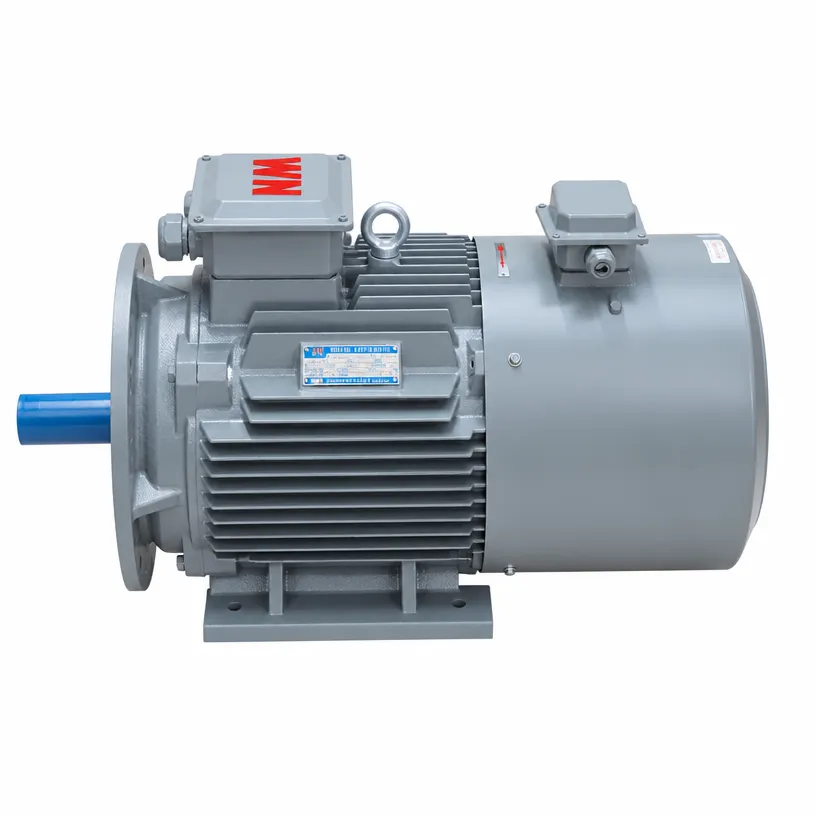
The selection process extends beyond initial purchase cost. Engineers must consider how selected equipment interfaces with plant infrastructure, what industrial motor maintenance demands the equipment will impose, and how regulatory compliance affects long-term operational viability. Understanding these interconnected factors prevents costly retrofitting, minimizes downtime, and ensures the machinery performs reliably throughout its service life in your specific industrial environment.
Understanding Electrical Machinery Requirements and Classification
Defining Core Machinery Specifications
Electrical machinery encompasses motors, generators, transformers, and various power conversion devices that form the backbone of industrial operations. Before selection begins, engineers must clearly define what work the electrical machinery will perform, the power requirements in kilowatts, voltage availability, duty cycle characteristics, and environmental operating conditions. A machine suitable for continuous light-duty operation differs fundamentally from equipment handling intermittent heavy loads or operating in corrosive environments.
Motor classification systems help engineers narrow the field. AC induction motors dominate industrial applications due to proven reliability and lower cost. Synchronous motors, variable frequency drives, and specialized designs serve specific applications where standard industrial motor maintenance protocols and efficiency profiles justify higher capital investment. Engineers must match machinery class to actual production requirements rather than selecting equipment based on apparent industry trends or supplier recommendations alone.
Power and Performance Parameters
Selecting electrical machinery requires precise calculation of actual load characteristics. Engineers must determine whether loads are constant or variable, whether power transmission systems will experience starting transients, and how ambient conditions affect performance. Oversizing equipment wastes energy and increases capital expense, while undersizing creates reliability problems and limits future production expansion. Modern electrical machinery often includes variable frequency capabilities that optimize energy consumption across actual load ranges, reducing operational costs compared to fixed-speed alternatives.
Electrical Equipment Safety Standards and Regulatory Compliance
Meeting Applicable Safety Standards
Electrical equipment safety standards represent non-negotiable selection criteria for industrial applications. Major standards include IEC 60034 for rotating electrical machinery, NEMA standards in North America, and regional variations that may apply to specific geographic markets. These standards define insulation classes, temperature rise limits, vibration tolerances, protection levels against environmental contaminants, and electrical safety features that prevent hazardous faults. Engineers must verify that candidate electrical machinery carries certifications demonstrating compliance with standards applicable to their installation location and industry sector.
Safety compliance extends beyond equipment design to installation requirements and operational controls. Electrical equipment safety standards mandate proper grounding, fault protection systems, thermal monitoring, and guarding appropriate to equipment type and operating environment. Selection decisions must account for these integration requirements and the capital cost of achieving full compliance. Machinery that meets electrical equipment safety standards costs more initially but eliminates retrofit expenses and prevents regulatory violations that could halt production or create liability exposure.
Certification and Documentation Requirements
Before finalizing electrical machinery selection, engineers should request and review complete certification documentation, test reports, and design specifications confirming electrical equipment safety standards compliance. Legitimate suppliers provide certificates from recognized testing laboratories, technical datasheets showing performance across rated operating conditions, and maintenance documentation that guides industrial motor maintenance activities. This documentation enables facility managers to establish preventive maintenance schedules that extend equipment life and maintain safety compliance throughout the operational period.
Integration with Power Transmission Systems and Operational Considerations
Compatibility with Existing Infrastructure
Electrical machinery operates within broader power transmission systems that distribute electrical energy throughout facilities. Engineers must ensure selected equipment interfaces properly with available voltage supplies, compatible with transformer capacity and distribution network design. Improper selection can create voltage instability, harmonic distortion, or overload conditions affecting other plant equipment. Analysis of power transmission systems should precede machinery selection to identify capacity constraints, existing harmonic conditions, and any upgrades required for safe equipment integration.
Motor starting requirements deserve particular attention during power transmission systems evaluation. Large induction motors draw starting currents several times greater than running current, creating voltage dips that affect other equipment if power transmission systems lack adequate capacity. Variable frequency drives reduce starting current but introduce harmonic concerns in power transmission systems. Engineers must coordinate electrical machinery selection with electrical system capacity analysis, documenting any infrastructure modifications necessary for proper equipment operation.
Industrial Motor Maintenance and Life-Cycle Planning
Industrial motor maintenance significantly impacts total ownership cost and equipment reliability. Different machinery types demand different maintenance approaches. Standard induction motors require periodic bearing inspection, lubrication, and winding temperature monitoring. Sealed machines reduce maintenance labor but limit service life. Variable frequency drive systems demand specialized technician training and monitoring equipment. Engineers selecting electrical machinery must evaluate available maintenance expertise, budget for spare parts inventory, and plan training requirements necessary for facility personnel to support long-term equipment operation.
Manufacturers provide industrial motor maintenance guidelines specifying inspection intervals, lubrication requirements, and condition-monitoring recommendations. Integrating these guidelines into facility maintenance management systems ensures planned maintenance intervals prevent unexpected failures. Equipment selection should consider local maintenance expertise availability and whether standardizing machinery types across facilities reduces training requirements and spare parts inventory complexity. Forward-looking engineers calculate maintenance costs over equipment design life, recognizing that lower-cost machinery sometimes incurs substantially higher operating expenses through increased downtime and maintenance labor.
FAQ
What core technical specifications must engineers verify before selecting electrical machinery?
Engineers must verify nominal power ratings in kilowatts, voltage and frequency compatibility with available supplies, insulation class appropriate to ambient temperature, protection ratings against environmental conditions, mechanical shaft specifications matching driven equipment, and efficiency classifications. Additionally, engineers should confirm electrical equipment safety standards compliance through valid certifications, review industrial motor maintenance requirements and intervals, and evaluate compatibility with existing power transmission systems. Requesting complete technical datasheets and design documentation prevents selection errors that become expensive during installation and startup.
How do electrical equipment safety standards influence machinery selection decisions?
Safety standards establish minimum design and performance requirements protecting personnel and infrastructure. Equipment meeting electrical equipment safety standards costs more initially but eliminates costly retrofitting and prevents regulatory violations. Engineers must select machinery carrying certifications from recognized testing laboratories, ensure installation methods comply with standard requirements, and plan for safety-related maintenance activities. Choosing non-compliant equipment creates legal liability and operational risk that far exceeds any initial cost savings, making standards compliance a fundamental selection criterion rather than optional consideration.
Why does power transmission systems analysis occur before electrical machinery selection?
Power transmission systems must provide adequate capacity and stability to support selected machinery without creating voltage disturbances affecting other equipment. Engineers analyzing power transmission systems can identify capacity constraints, assess harmonic distortion conditions, and determine whether starting requirements for candidate machinery will cause problems. This analysis often reveals that infrastructure upgrades are necessary, allowing engineers to include upgrade costs in project budgeting. Conversely, understanding power transmission systems limitations may require selecting machinery with variable frequency drives or reduced starting currents despite higher capital cost, preventing operational problems after installation.