What Should Engineers Consider When Selecting Fasteners for Industry?
Selecting the right fasteners is one of the most critical decisions engineers make during equipment design and assembly. The choice of fasteners directly impacts structural integrity, operational safety, maintenance costs, and overall system reliability. Whether you're designing machinery, constructing infrastructure, or assembling industrial equipment, understanding what to consider when selecting fasteners ensures your project meets performance requirements and safety standards. This guide walks you through the essential factors that professional engineers evaluate when choosing fasteners for their applications.
The engineering discipline surrounding fastener selection combines material science, mechanical analysis, and practical installation knowledge. Industrial environments present unique challenges, from extreme temperatures to corrosive atmospheres, that demand precise material choices and specifications. Engineers must balance cost considerations with performance demands while ensuring that every bolt and screw specification meets industry codes and regulatory requirements. Understanding these factors transforms fastener selection from a simple procurement task into a strategic engineering decision.
Understanding Bolt and Screw Specifications
Material Grade and Strength Requirements
Every fastening application requires fasteners with specific strength ratings determined by the loads and stresses the assembly will encounter. Bolt and screw specifications include precise grade designations that communicate tensile strength, yield strength, and proof load values to engineers. SAE, ISO, and DIN standards define these specifications clearly, allowing engineers to match fastener grades to structural demands. For high-stress applications such as automotive suspensions or crane assemblies, selecting the correct grade prevents catastrophic failures and extends equipment life. Engineers must calculate shear loads, tensile forces, and combined stresses, then cross-reference these calculations against published bolt and screw specifications to ensure adequate safety margins.
Head Style and Drive Type Considerations
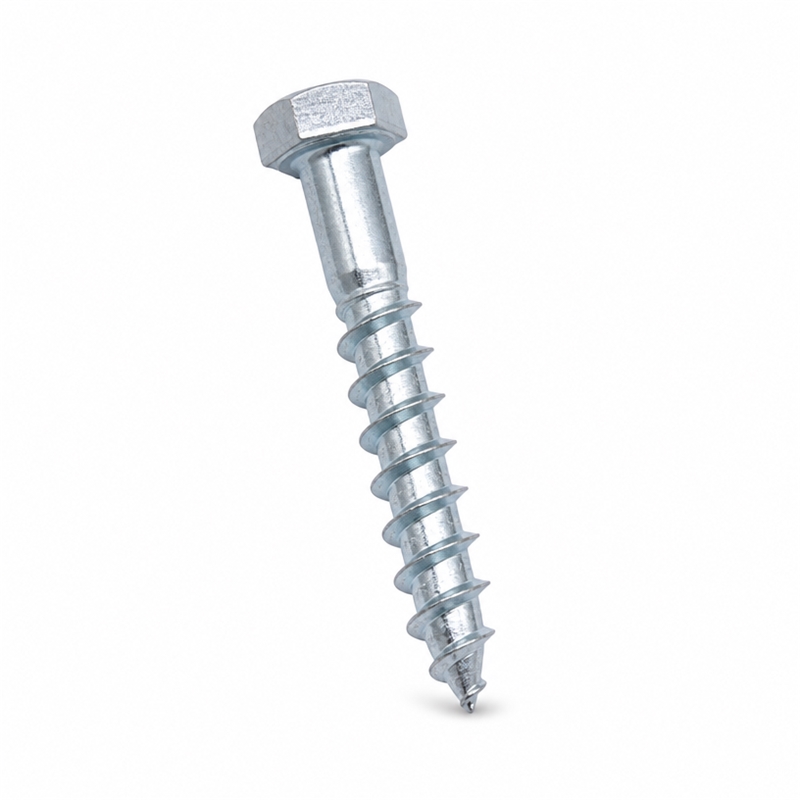
The physical characteristics of fasteners influence both assembly efficiency and long-term reliability in industrial environments. Engineers select from various head styles including hex, pan, flat, socket, and carriage designs, each suited to different assembly scenarios and space constraints. The drive type—whether Phillips, square, torx, or hex socket—affects installation speed, tool availability, and resistance to cam-out during assembly. Industrial fastener installation efficiency improves significantly when drive types match the available tools and operator skill levels. Selecting appropriate head styles also influences load distribution on surfaces and corrosion resistance, as certain designs collect moisture and contaminants more readily than others.
Industrial Fastener Installation and Torque Control
Proper Installation Methodology
Industrial fastener installation extends beyond simply turning a bolt until it feels tight. Engineers must establish precise torque specifications that achieve the clamping force required for the application without over-tightening, which can cause thread stripping or brittle fracture. Torque values depend on material grade, thread pitch, lubrication condition, and surface finish of the fastener. Professional industrial fastener installation procedures include documentation of torque values, installation sequence, and quality verification steps. Many critical applications require torque-angle methods or ultrasonic tension measurement to ensure consistent preload across multiple fasteners in an assembly.
Environmental Conditions and Fastener Accessibility
The operational environment where fasteners will function determines accessibility requirements and maintenance planning. Engineers must consider whether fasteners will be accessible for inspection, retightening, or replacement throughout the equipment's service life. Vibration-prone environments may require lock washers, thread-locking compounds, or safety wire to prevent loosening over time. Industrial fastener installation in confined spaces may require specialized tools or removal procedures, influencing fastener selection early in the design phase. Understanding these practical constraints during the selection stage prevents costly redesigns and operational downtime later.
Corrosion Resistant Fastener Materials and Environmental Durability
Material Selection for Corrosive Environments
Corrosion resistant fastener materials form the foundation of equipment longevity in hostile chemical, marine, and moisture-laden environments. Stainless steel grades 304 and 316 represent the most common corrosion resistant fastener materials, offering excellent resistance to atmospheric corrosion and many industrial chemicals. Engineers must understand that 316 stainless provides superior pitting resistance in chloride-rich environments compared to 304, making it essential for coastal installations or systems using salt-based de-icers. Hot-dip galvanized carbon steel offers a more economical alternative for certain outdoor applications, though engineers must verify galvanized coating thickness against environmental severity. Some specialized applications demand exotic materials such as Inconel or titanium alloys, requiring careful cost-benefit analysis and material availability planning.
Galvanic Corrosion Prevention and Coating Systems
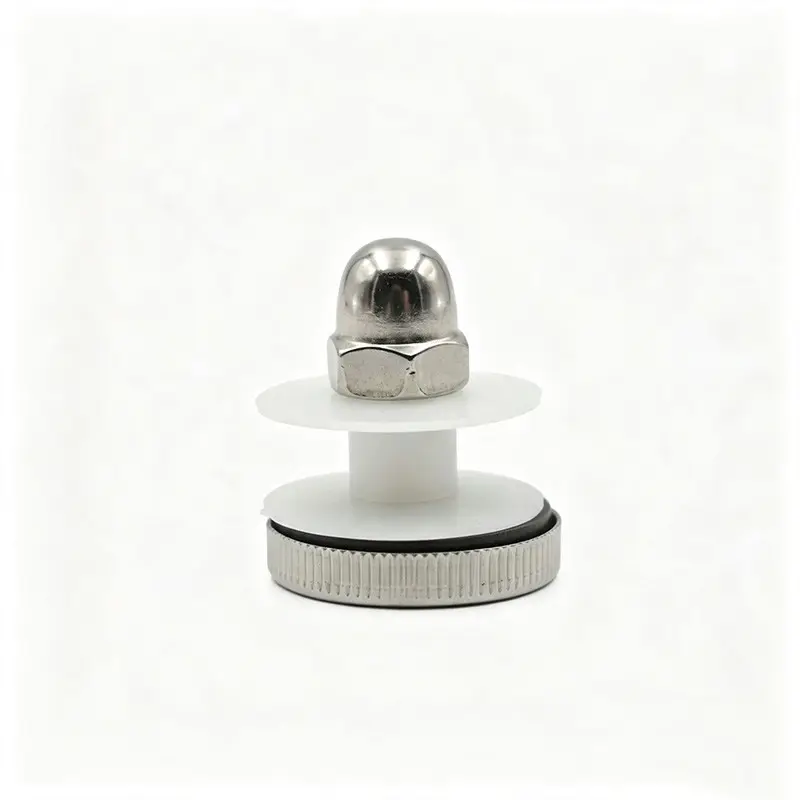
Engineers must anticipate galvanic corrosion when dissimilar metals contact each other in the presence of moisture, a critical concern when aluminum structures are fastened with steel bolts. Corrosion resistant fastener materials help mitigate this risk, though isolation techniques such as nylon washers or painted surfaces provide additional protection. The selection of coatings on corrosion resistant fastener materials requires careful consideration of the intended environment, application temperature, and chemical exposure. Zinc plating, nickel plating, and various paint systems each offer different protection levels at different costs. Engineers must balance material costs, installation procedures, inspection requirements, and long-term maintenance expectations when specifying corrosion resistant fastener materials for industrial applications. Proper documentation of material specifications and coating requirements prevents substitutions that could compromise equipment reliability in the field.
FAQ
What are the most important factors when selecting fasteners for high-temperature applications?
For high-temperature fasteners, engineers must prioritize materials that maintain their strength and prevent relaxation as temperature increases. Nickel-based superalloys and specialized stainless grades retain mechanical properties far better than standard materials. Additionally, thread design, surface finish, and stress concentration factors become more critical at elevated temperatures. Engineers should consult material property tables specific to the operating temperature range and verify that bolt and screw specifications maintain adequate safety factors at maximum service temperatures.
How do environmental factors influence the choice between different corrosion resistant fastener materials?
Environmental factors including humidity, salt spray, chemical exposure, and temperature cycles directly determine which corrosion resistant fastener materials will survive the application's service life. Coastal environments with salt spray demand superior resistance, making 316 stainless or duplex stainless steel preferable to 304. Industrial chemical plants may require specialized alloys that resist specific acids or bases. Engineers must evaluate actual environmental conditions through site surveys and literature research before specifying corrosion resistant fastener materials, as undersizing material quality leads to premature failures and expensive equipment replacement.
What is the relationship between fastener preload and long-term reliability in vibration-prone equipment?
Fastener preload creates the initial clamping force that holds assembled components together and determines how the assembly responds to dynamic loads. Proper industrial fastener installation with correct torque specifications maintains preload stability even as components experience vibration-induced micro-slip. Inadequate preload causes fasteners to loosen gradually, while excessive preload can cause fatigue cracking in both fasteners and parent materials. Engineers must calculate preload requirements based on the specific loading conditions, environmental factors, and material properties, then implement quality verification processes to ensure consistency across all fasteners in critical assemblies.