How Does Thread Design Affect Fasteners Strength and Connection Reliability?
Thread design is one of the most critical factors that determines the overall performance and reliability of fasteners in industrial applications. The geometry and pitch of threads directly influence how effectively fasteners can transfer loads, resist loosening, and maintain connection integrity under stress and vibration. Understanding how thread design affects fasteners strength is essential for engineers, manufacturers, and maintenance professionals who need to ensure their assemblies perform safely and reliably over their intended service life.
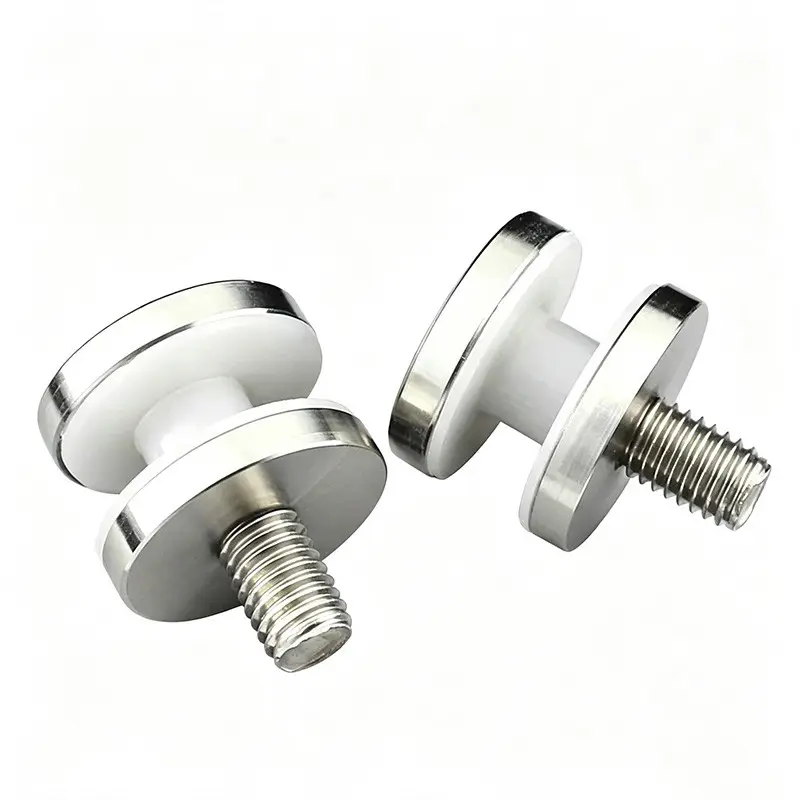
The strength of fasteners depends on multiple interconnected design parameters, including thread pitch, thread form, and material composition. When engineers select bolt and screw specifications for critical applications, they must account for how thread geometry affects load distribution, stress concentration, and the ability to maintain clamping force over extended periods. Poor thread design can lead to premature failure, connection degradation, and costly downtime in industrial settings.
Understanding Thread Geometry and Load Transfer
Thread Pitch and Its Influence on Fastener Strength
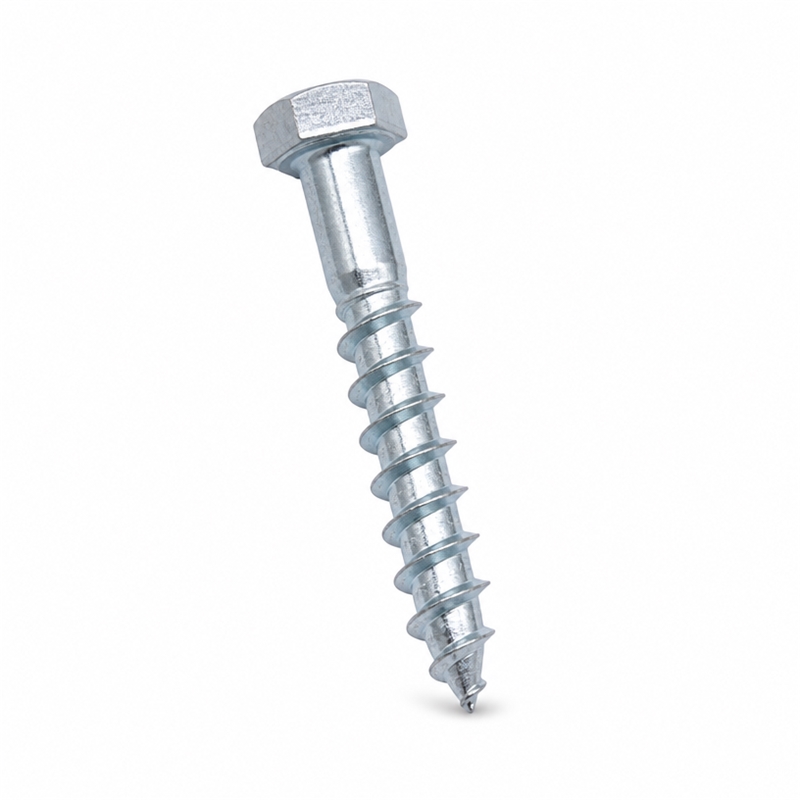
Thread pitch—the distance between adjacent thread crests—plays a fundamental role in determining how fasteners distribute loads across the engaged threads. Coarse pitches provide fewer threads in contact, concentrating stress on a smaller number of thread engagement points, while fine pitches distribute loads across more threads, reducing individual thread stress. For industrial fastener materials used in high-vibration or high-stress environments, fine-pitch threads often provide superior strength and fatigue resistance because the load is shared across a greater number of engaged threads.
Thread Form Variations and Connection Reliability
Thread form—the cross-sectional profile of the thread—directly affects how bolt and screw specifications influence overall assembly reliability. Common thread forms include V-threads, rounded-root threads, and buttress threads, each optimized for different loading conditions. Rounded-root threads reduce stress concentration at the root radius, improving fatigue performance. Buttress threads are designed for asymmetrical loading, providing excellent push-pull strength in applications like aerospace and heavy machinery. The selection of thread form must align with the specific demands of fastener installation and assembly techniques used in your industry.
How Industrial Fastener Materials Affect Thread Performance
Material Selection and Thread Stress Distribution
The chemical composition and metallurgical properties of industrial fastener materials determine how effectively threads can resist tensile stress, shear stress, and environmental degradation. High-strength alloy fasteners exhibit superior thread performance compared to lower-grade materials because their superior yield strength allows the thread geometry to operate closer to its theoretical stress limits. When engineers specify industrial fastener materials for critical connections, they evaluate not only ultimate tensile strength but also the material's ability to maintain thread integrity under cyclic loading and corrosive conditions.
Corrosion Resistance and Long-Term Connection Reliability
Thread performance in corrosive environments depends on both the base material and surface treatments applied to industrial fastener materials. Stainless steel fasteners, duplex stainless fasteners, and coated carbon steel fasteners each offer different levels of corrosion resistance that directly impact long-term connection reliability. Corrosion reduces the effective thread engagement area and creates stress concentrations at pits and crevices, progressively weakening the fastener's ability to maintain clamping force and resist external loads over time.
Fastener Installation and Assembly Impact on Strength
Proper Torque Application and Thread Utilization
Fastener installation and assembly techniques directly determine whether the fastener can achieve its design strength potential. Applying correct torque values ensures that threads engage uniformly and the fastener develops the intended clamping force without over-tightening, which creates thread damage and stress concentration. Under-tightening leaves threads under-utilized and reduces the effective load transfer across the joint. Modern fastener installation and assembly techniques use calibrated torque wrenches, hydraulic tensioners, or computer-controlled fastening systems to ensure consistent thread engagement and predictable strength performance across multiple fasteners in a single assembly.
Thread Galling, Friction, and Fastener Performance
During fastener installation and assembly techniques, friction characteristics directly influence how threads distribute and maintain clamping force. Thread galling—where material is torn from thread surfaces during installation—reduces effective thread engagement and creates localized stress concentrations. Using appropriate lubricants, thread-locking compounds, and controlled installation speeds minimizes galling and ensures that bolt and screw specifications perform as designed. In high-temperature applications, friction behavior changes significantly, requiring specialized fastener installation and assembly techniques to maintain reliable connections.
FAQ
How does thread pitch affect fastener strength and fatigue life?
Fine-pitch threads distribute loads across more engaged threads than coarse-pitch threads, reducing stress concentration on individual threads. This improved stress distribution significantly enhances fastener fatigue life, making fine-pitch fasteners superior for high-vibration applications. However, fine-pitch threads are more prone to stripping in soft materials and require more precise fastener installation and assembly techniques to prevent damage during assembly.
What role do industrial fastener materials play in thread performance?
Industrial fastener materials determine the maximum stress that threads can safely withstand and how well threads resist environmental degradation. High-strength alloys, stainless steel variants, and specialized coatings all influence thread performance under specific operating conditions. Material selection must account for tensile strength, corrosion resistance, temperature stability, and compatibility with fastener installation and assembly techniques used in your application environment.
Can improper fastener installation and assembly affect thread integrity?
Yes, improper fastener installation and assembly techniques can severely compromise thread integrity and fastener performance. Over-tightening damages thread geometry and creates permanent deformation, while under-tightening leaves threads under-utilized and unable to maintain consistent clamping force. Thread galling, cross-threading, and inadequate lubrication during fastener installation and assembly techniques can permanently reduce the effective strength of both the fastener and the connected components.