How Do Smart Locks Perform During Power Failures and Network Issues?
Smart locks represent a significant advancement in home security, offering convenience and control through digital access mechanisms. However, one critical concern for homeowners and facility managers is how these intelligent devices perform when power fails or network connectivity drops unexpectedly. Understanding the resilience of smart locks during these scenarios is essential for making informed security decisions and ensuring continuous protection of your property.
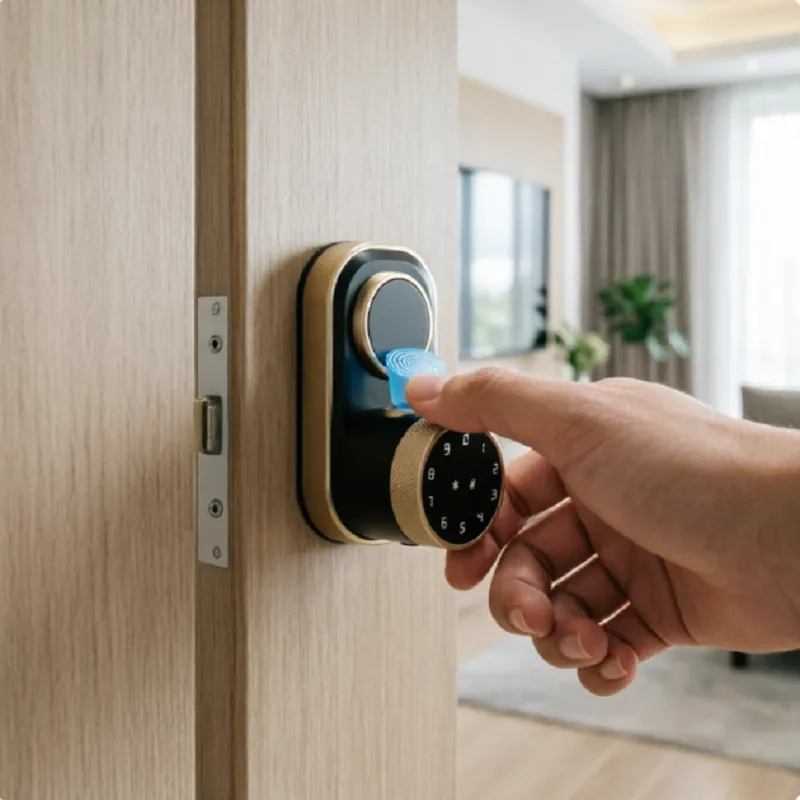
Modern smart locks are engineered with multiple backup systems to maintain security and access during unexpected disruptions. Most quality keyless entry systems incorporate redundant power sources, mechanical override options, and intelligent software designed to handle network interruptions gracefully. This comprehensive article explores how contemporary smart locks navigate power failures and connectivity challenges, ensuring your home security automation remains effective when it matters most.
Power Failure Resilience in Smart Locks
Battery Backup Systems
The primary defense against power failures in smart locks is an integrated battery backup system. Most modern smart locks operate on rechargeable or replaceable batteries that provide 6 to 12 months of continuous operation on a single charge. When power to your home's electrical system fails, the battery-powered smart locks continue functioning normally, allowing authorized users to unlock doors using their credentials without interruption. Battery capacity is typically sized to support hundreds of unlock cycles, ensuring your home security automation remains operational throughout extended outages.
Advanced smart locks feature multiple battery options, including alkaline batteries that offer extended lifespan and lithium alternatives for higher performance. The system alerts users when battery levels drop below 20 percent, providing adequate warning before a critical power situation occurs. Homeowners can replace batteries in minutes without professional assistance, making battery maintenance a straightforward part of smart lock ownership.
Mechanical Override Access
Every quality keyless entry system includes a mechanical override mechanism that operates independently of electronic components. This traditional key slot allows emergency access if the battery is completely depleted or the electronic system fails unexpectedly. The mechanical backup ensures that even in worst-case scenarios, authorized individuals can still access the property through conventional means. This dual-access approach eliminates the risk of complete lockout and maintains security integrity regardless of power availability.
Network Disruption Management
Offline Operation Capability
Home security automation systems increasingly rely on network connectivity, yet advanced smart locks are designed to operate independently when internet access fails. Most biometric door access systems store credential data locally on the device, allowing fingerprint recognition and PIN entry to function without cloud connectivity. This offline capability means that local biometric authentication continues working seamlessly even when your WiFi router fails or your internet service experiences an outage. The smart lock maintains its core security functions and access control features during network interruptions.
Local processing of biometric door access and PIN verification eliminates dependency on external servers or cloud platforms for routine operation. Your lock remains responsive and secure, protecting your property while maintaining the convenience of digital keyless entry systems. The device queues access logs and updates when network connectivity is restored, creating a complete audit trail after reconnection.
Redundant Communication Protocols
Sophisticated smart locks employ multiple communication methods to maintain connectivity even when primary networks fail. Many modern systems support both WiFi and Bluetooth protocols, allowing smartphone control through your local network or direct device-to-phone communication within range. Some advanced models incorporate cellular connectivity as an additional failsafe, enabling remote access through dedicated networks separate from your home internet. This redundant architecture ensures that your home security automation remains accessible through multiple pathways simultaneously.
The presence of redundant communication protocols means that losing WiFi connectivity does not prevent you from controlling your keyless entry systems via Bluetooth within proximity. Remote monitoring and access logging becomes available through cellular pathways when your primary internet connection experiences disruption. This multi-layered communication approach reflects modern biometric door access system design philosophy, prioritizing reliability and continuous operation across varied network scenarios.
Practical Resilience Considerations
Real-World Failure Scenarios
Smart locks typically encounter two distinct failure categories: simultaneous power and network loss, and extended outages lasting days or weeks. During temporary disruptions lasting hours or days, battery-powered smart locks operate normally while maintaining their security functions. Users can unlock doors using stored credentials, and all access events are recorded locally for later review. Extended outages lasting weeks require battery replacement, but the mechanical override ensures property access is never completely compromised regardless of duration.
Most smart locks demonstrate excellent performance during realistic failure scenarios because they prioritize essential security functions over advanced features. Biometric door access remains operational during network loss, keyless entry systems continue recognizing authorized users, and emergency override mechanisms provide absolute access control. Your home security automation gracefully degrades to fundamental security functions during extended disruptions, maintaining the core protection your property requires.
Maintenance and Preparedness
Ensuring reliable smart lock performance during power failures requires basic preventive maintenance and awareness practices. Battery monitoring through your lock's mobile application provides advance warning of declining power levels, allowing timely replacement before critical situations occur. Keeping replacement batteries readily available ensures that battery depletion never catches you unprepared. Testing the mechanical override capability periodically confirms your access pathway remains available if electronic systems fail unexpectedly.
Understanding your specific smart lock model's backup systems and offline capabilities enhances your confidence in home security automation reliability. Most manufacturers provide detailed documentation about power failure response, battery life under various conditions, and network disconnection behavior. Reviewing this information helps you prepare for realistic scenarios and establish backup strategies that complement your keyless entry systems. Taking these preparedness steps ensures that power failures and network issues never compromise your property's security posture.
FAQ
How long do smart lock batteries last during power failures?
Most smart locks operate for 6 to 12 months on a single battery charge under normal usage conditions. During power failures when your home's electrical system is offline, battery-powered smart locks continue functioning as normal without additional power draw from household circuits. Battery depletion depends on unlock frequency, which determines how many times the electronic mechanism activates each day. Heavy usage may reduce battery lifespan to 3 to 6 months, while lighter usage in properties with fewer residents could extend battery life to 18 months or longer.
Can keyless entry systems work without internet connection?
Yes, modern keyless entry systems operate independently of internet connectivity using locally stored credentials and offline processing capabilities. PIN codes and biometric templates are stored directly on the device, allowing authentication and unlock functions to proceed without cloud platform communication. Remote access features and real-time notifications require internet connectivity, but core access control functions remain fully operational during network outages. Your home security automation provides uninterrupted physical access control regardless of internet availability.
What happens when both power and network fail simultaneously?
When both power and network fail simultaneously, smart locks rely on their battery backup and mechanical override systems to maintain security. Battery-powered locks continue responding to biometric door access and PIN entry authentication without modification. Local access logs store all unlock events for later review once systems are restored. If battery depletion occurs after extended outages, the mechanical key override provides emergency access, ensuring your property is never completely inaccessible regardless of failure severity or duration.